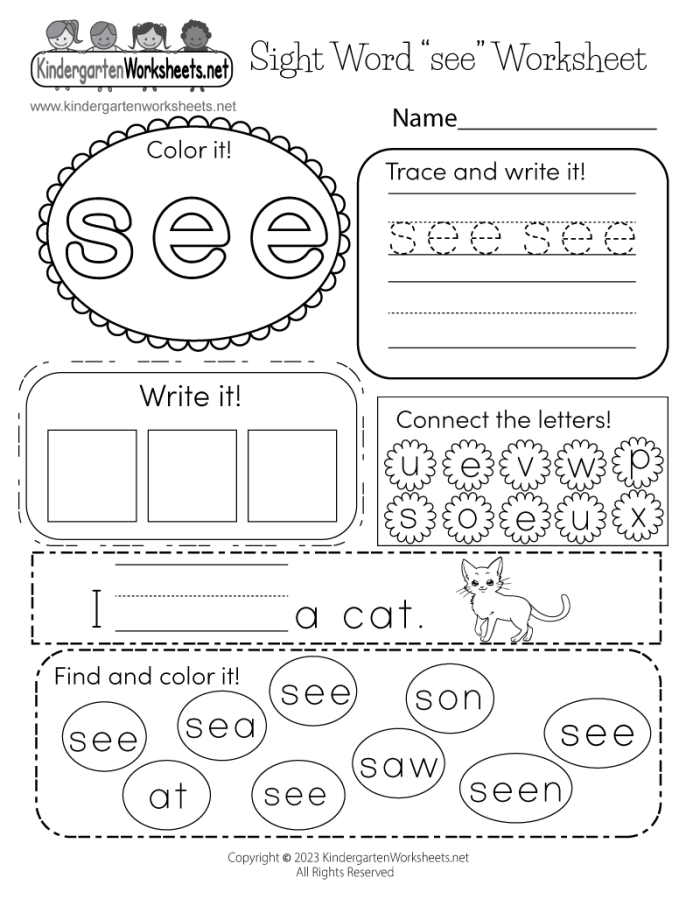
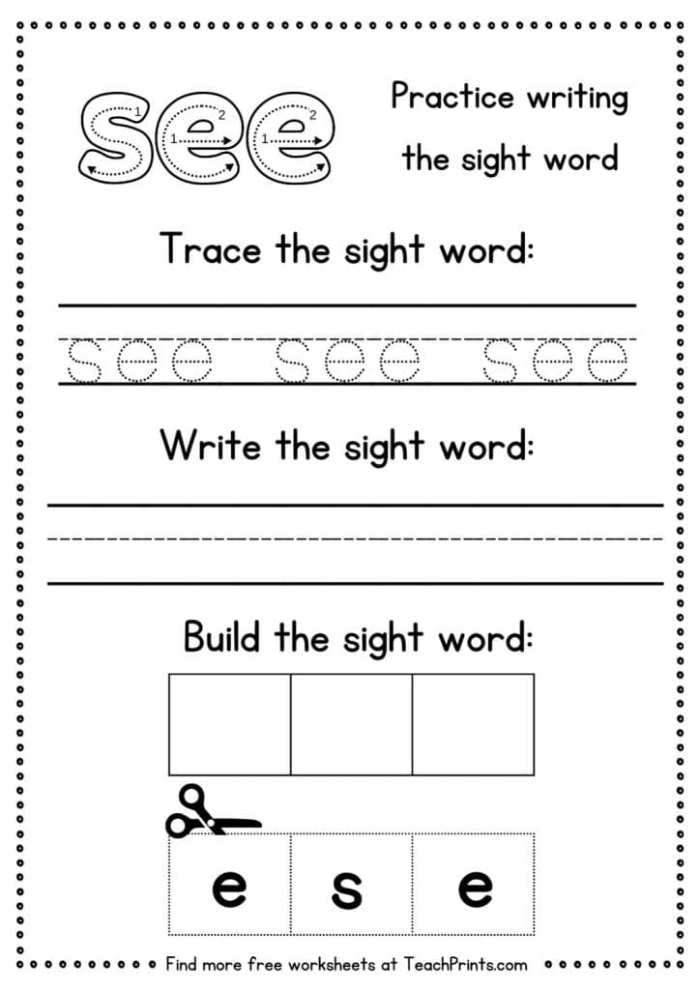
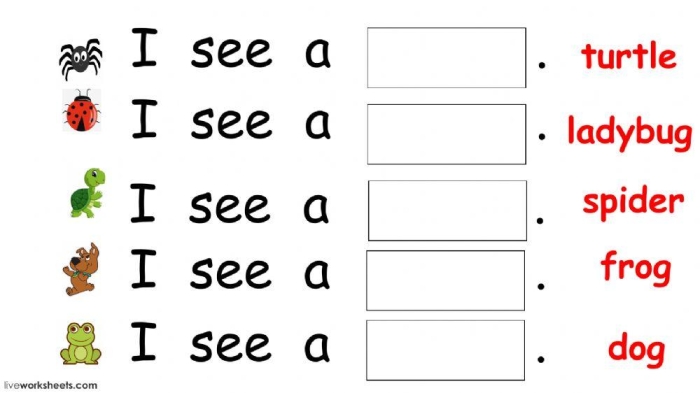
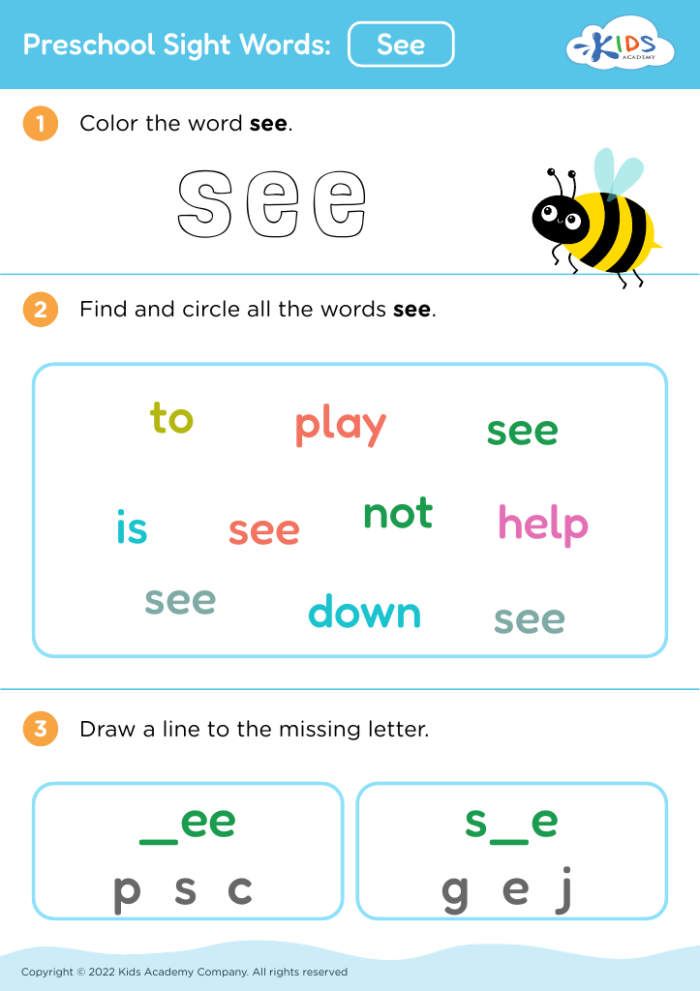
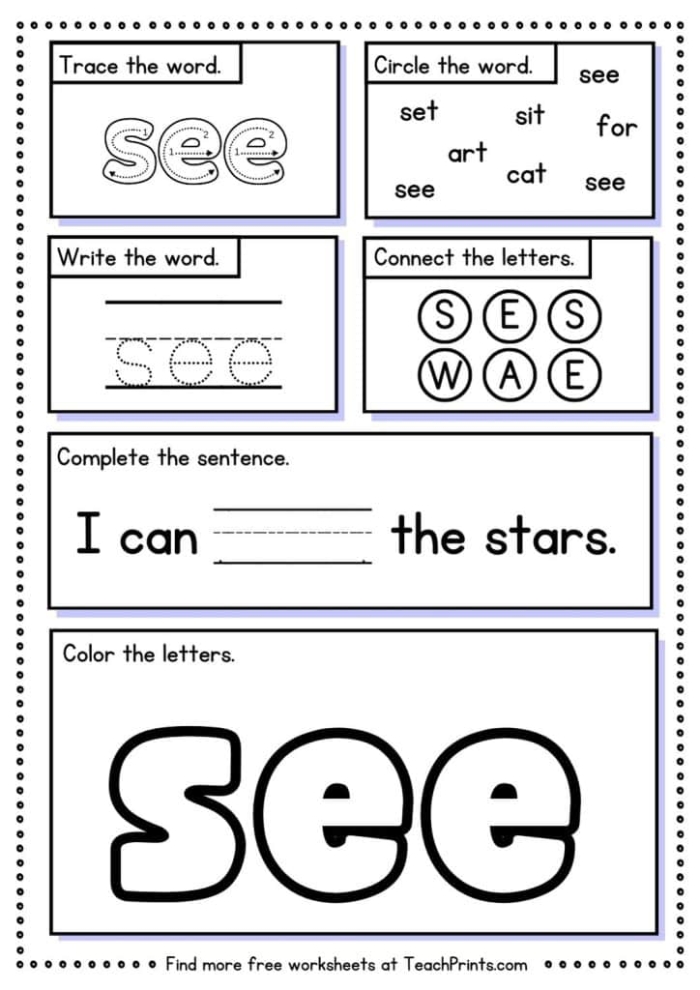
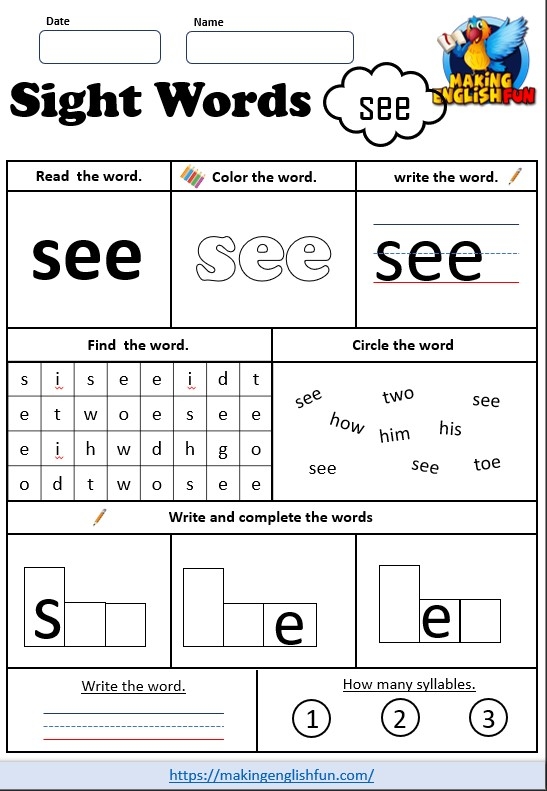
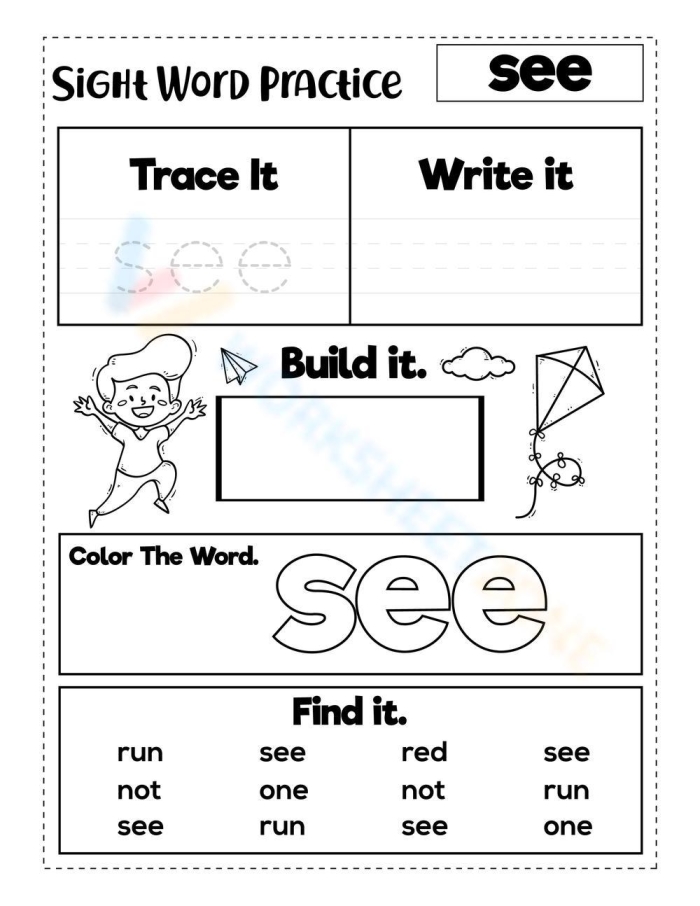
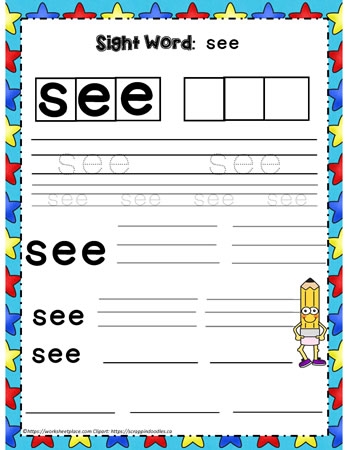
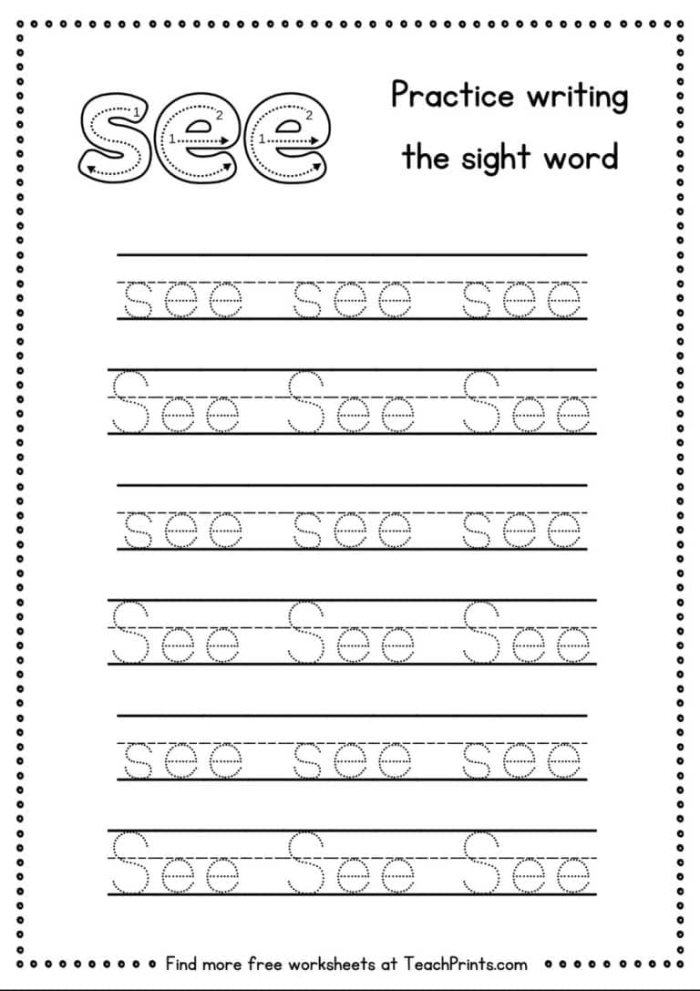
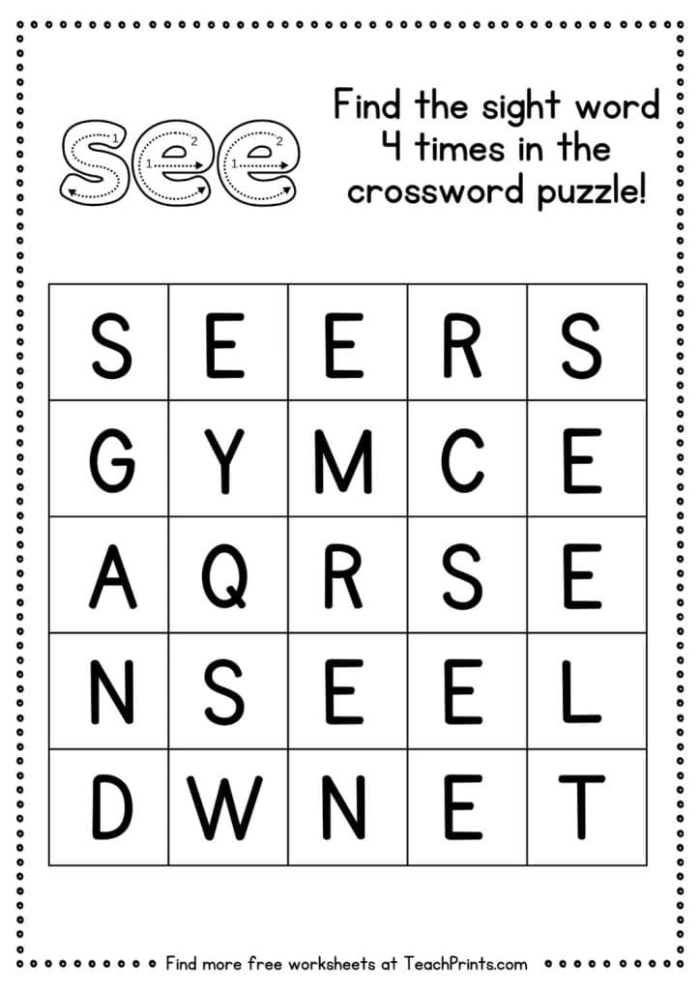
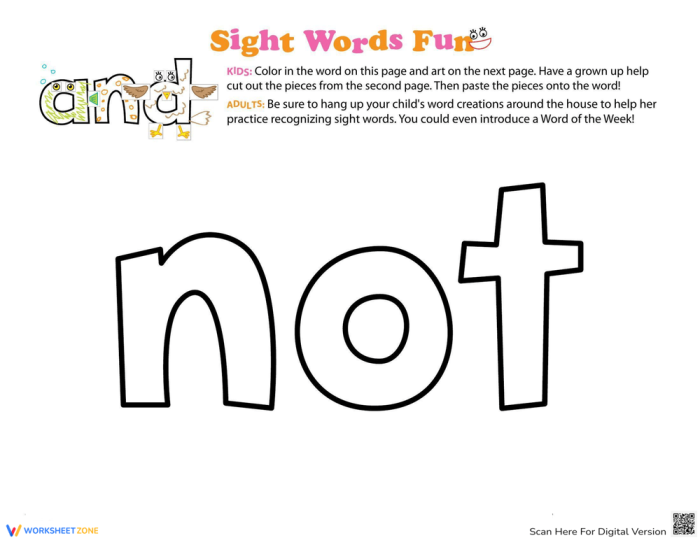
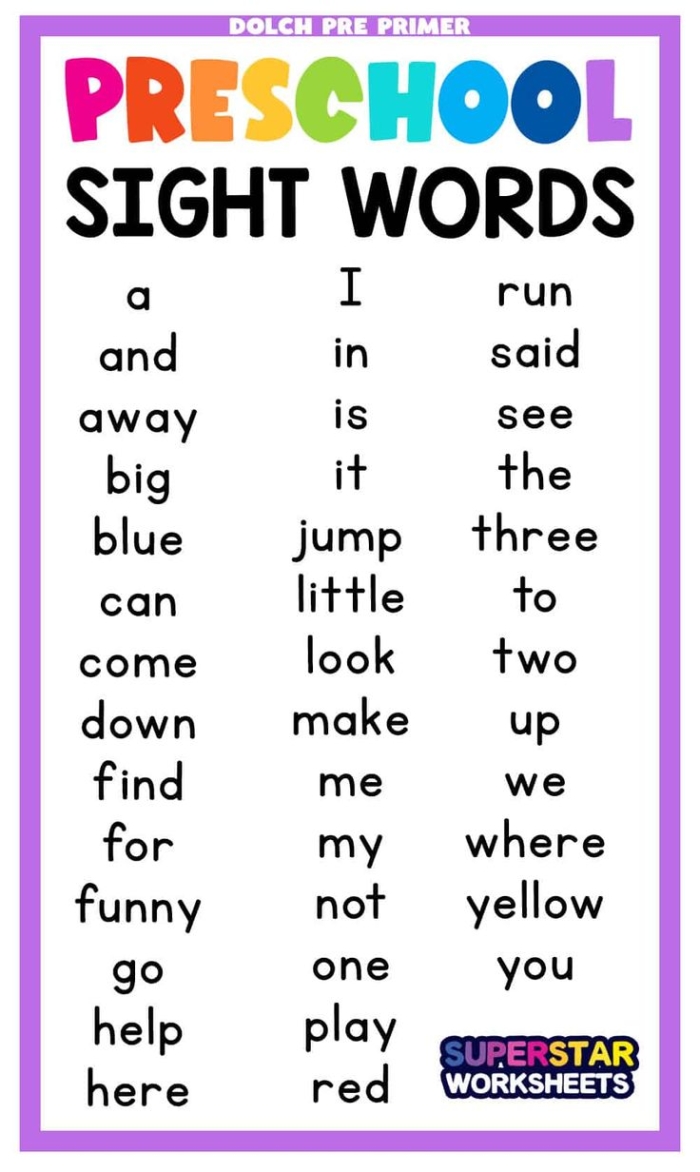
Sight word instruction doesn’t have to feel like drill-and-repeat flashcards. When your preschooler transforms the word “see” into a creature, something shifts. The letters stop being abstract symbols and become building blocks for imagination.
Here’s how it works: your child takes the word “see” and uses those three letters as the foundation for an animal or character design. The first “s” might curve into a snake’s body. The two “e”s become eyes, or ears, or even legs. What starts as a vocabulary exercise becomes a drawing project where your preschooler owns the creative direction. They’re not just memorizing the word; they’re constructing it with intention.
This approach taps into something genuine about how young learners work. Pre-K vocabulary instruction works best when it connects to play and creation. When kids draw and design, they’re engaging multiple senses and memory pathways at once. The word “see” becomes tied to the creature they invented, making it far more memorable than isolated practice.
You can extend this activity by having your child tell you about their creation. What does the creature eat? Where does it live? Can it really see? These questions naturally reinforce the sight word while keeping the conversation playful and open-ended.
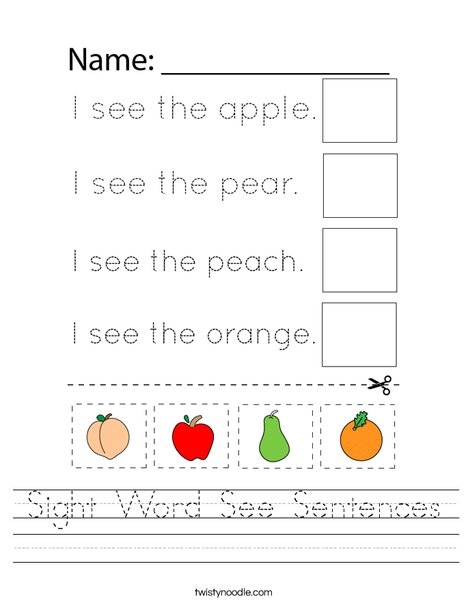
If you want to build on this foundation, consider pairing the activity with other hands-on learning. Animal cut-and-paste vocabulary worksheets let your preschooler continue working with animals and words together. You might also explore letter-focused activities to strengthen letter recognition alongside sight words.
The beauty of this method is its simplicity. No special materials needed, just paper, markers, and permission for your child to play with letters in their own way.
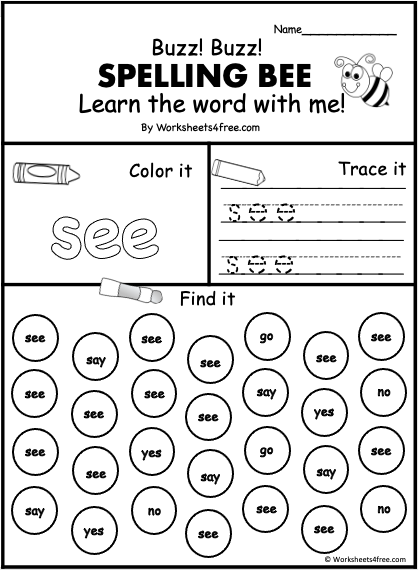
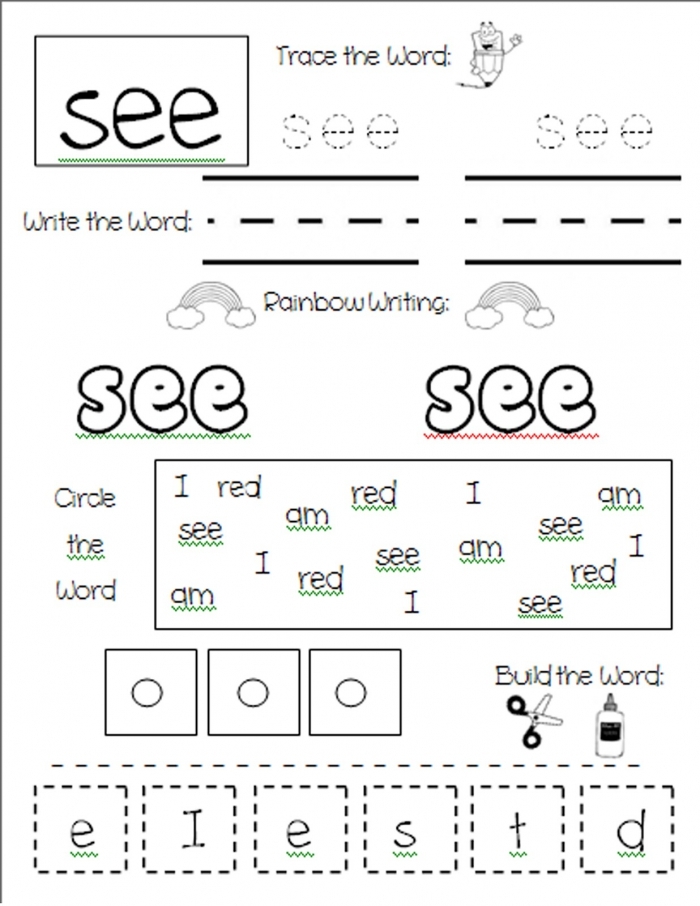
Printable Worksheets for Practice