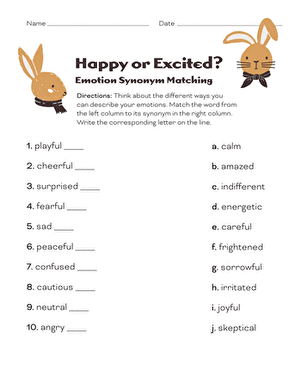
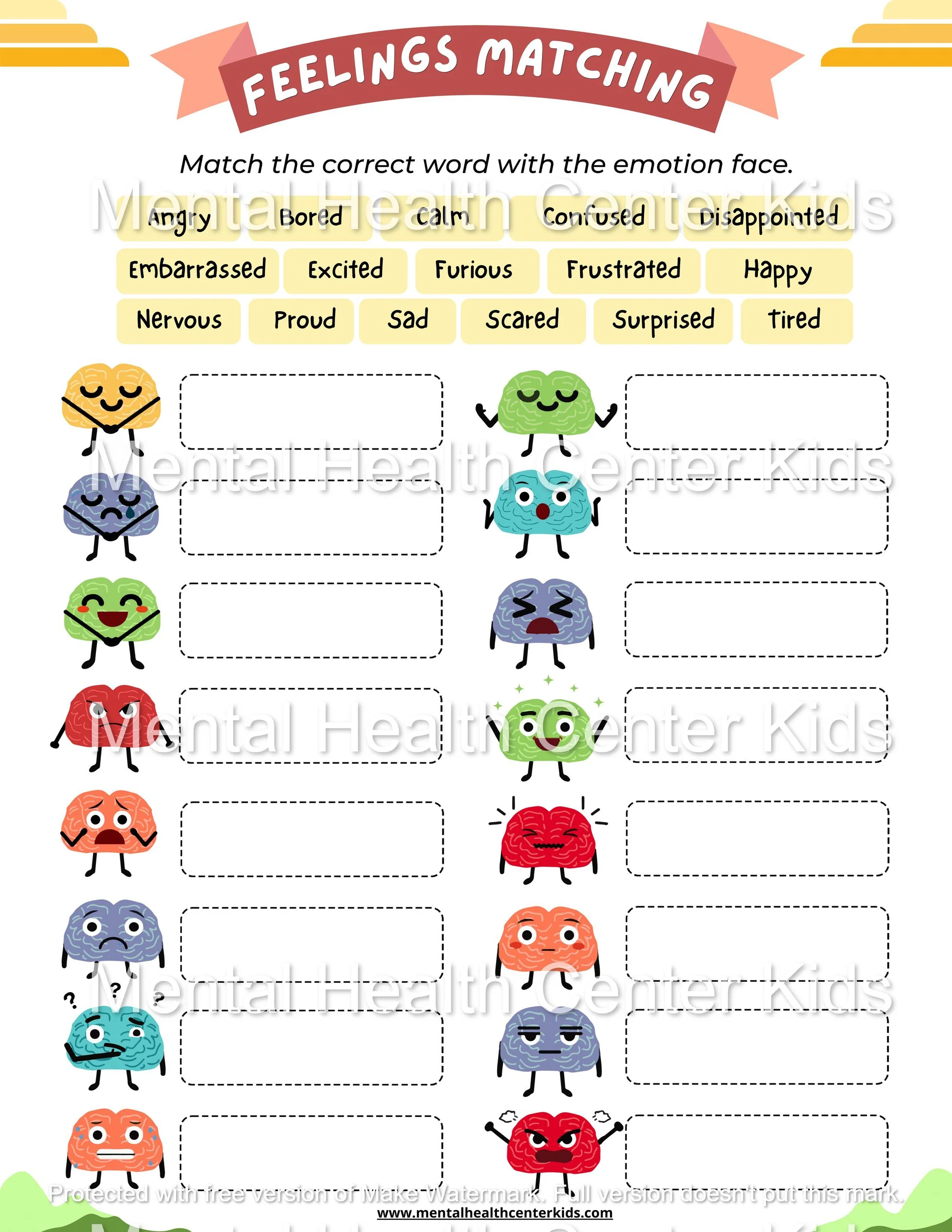
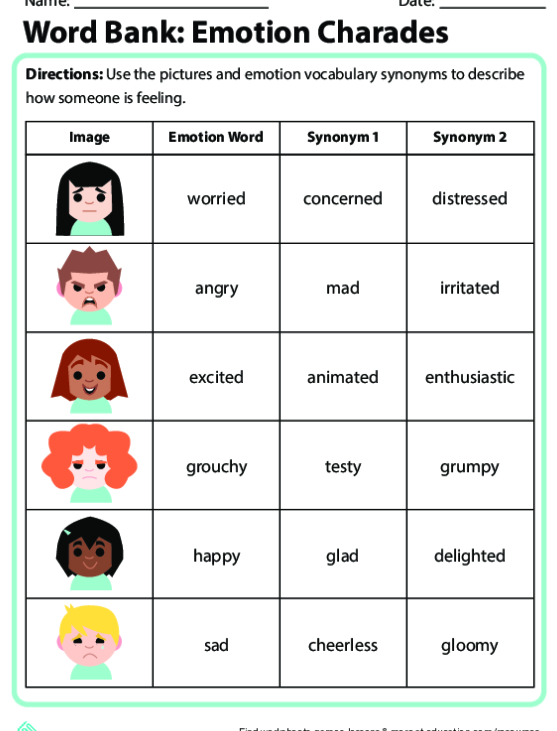
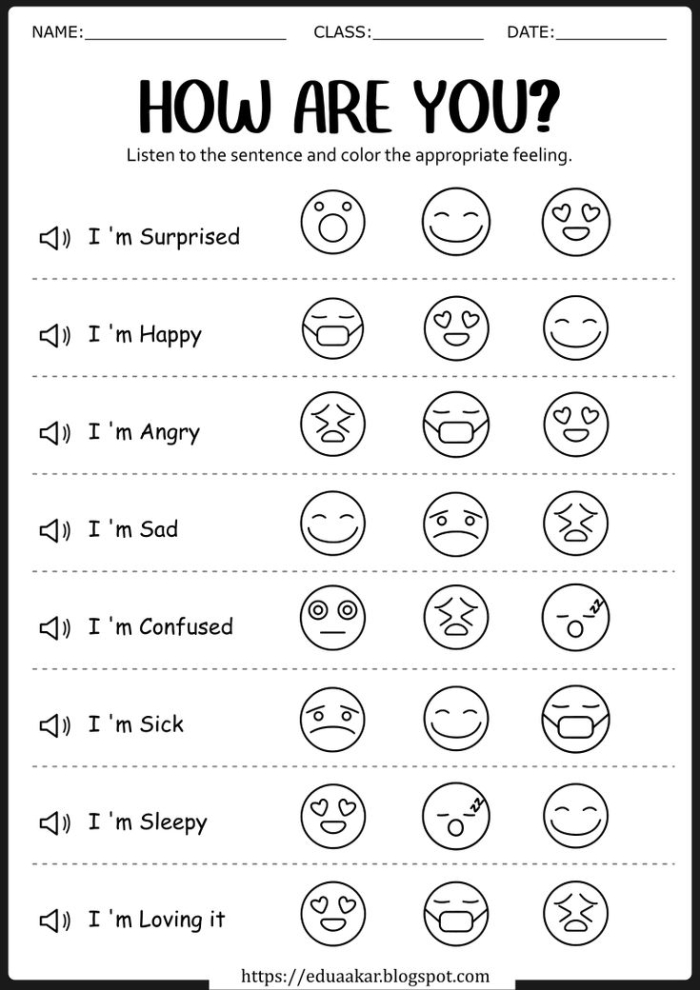
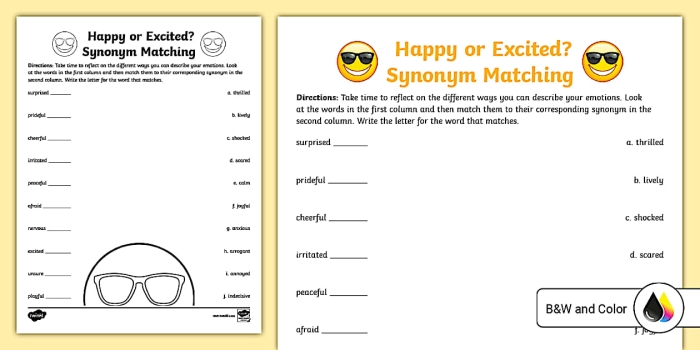
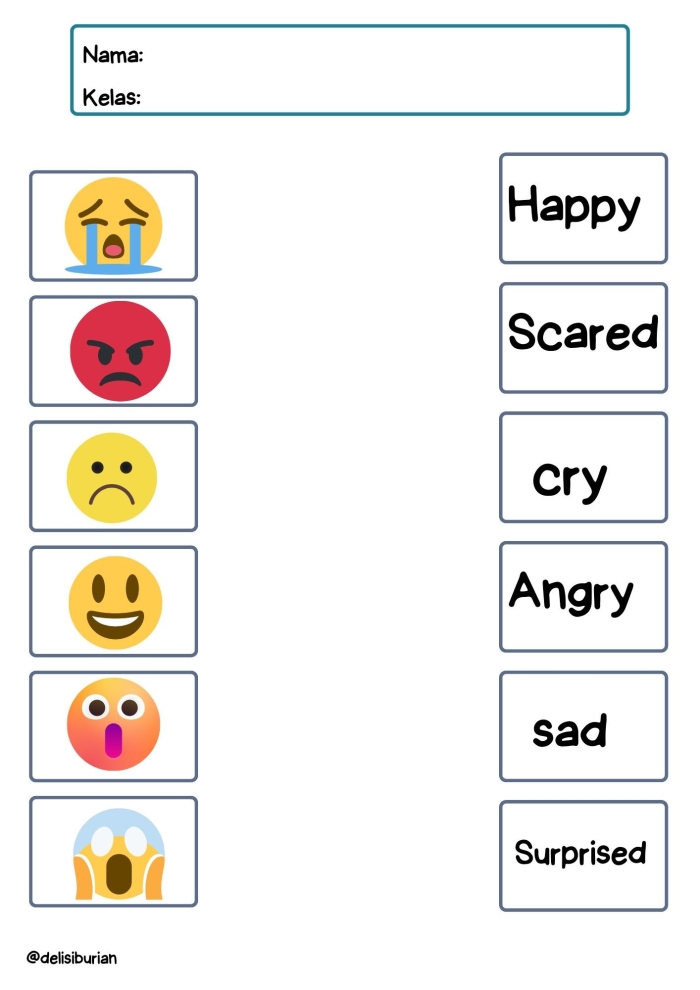
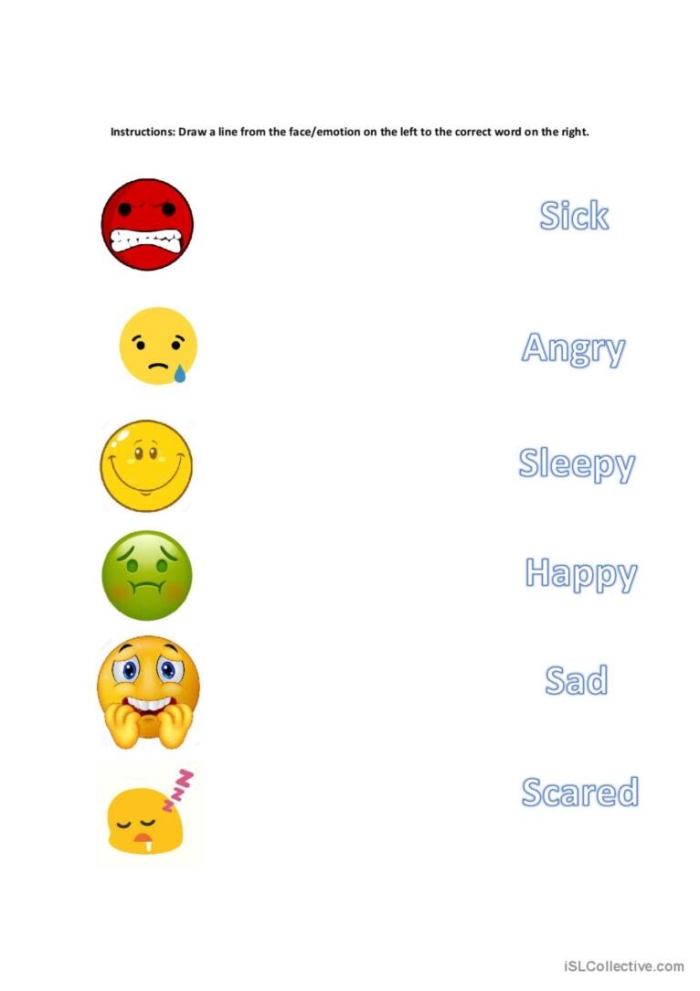
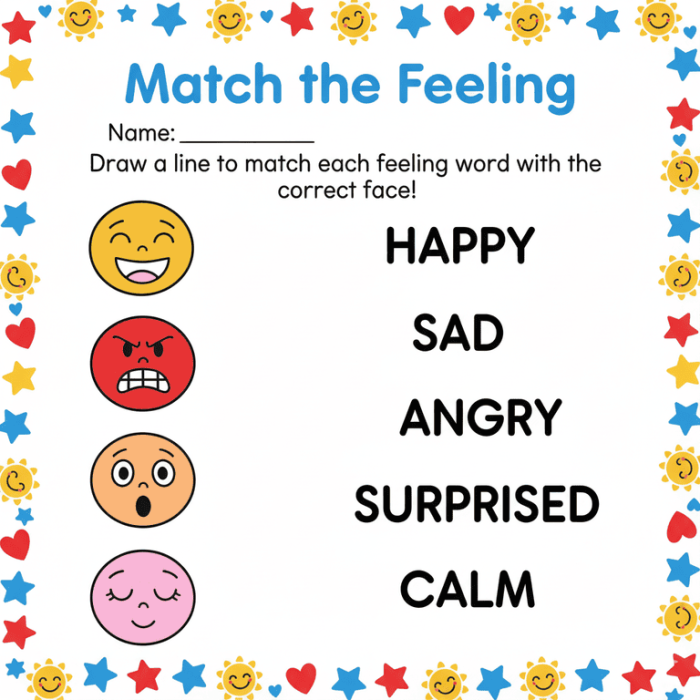
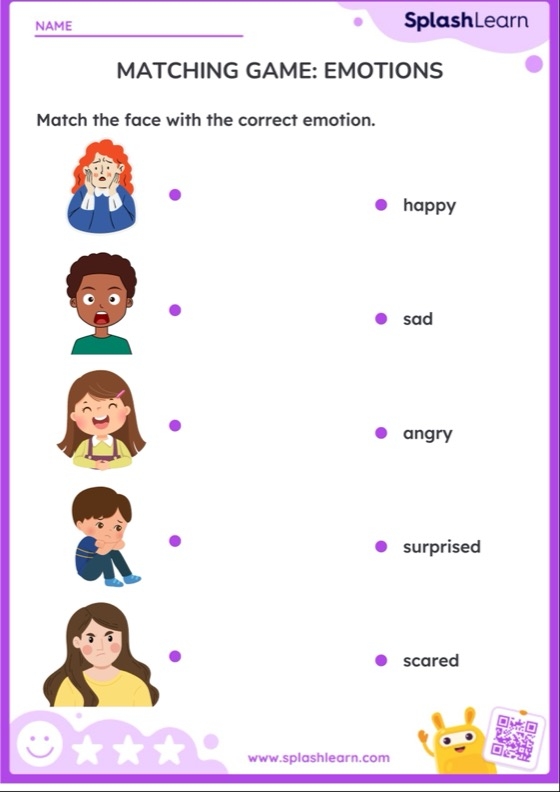
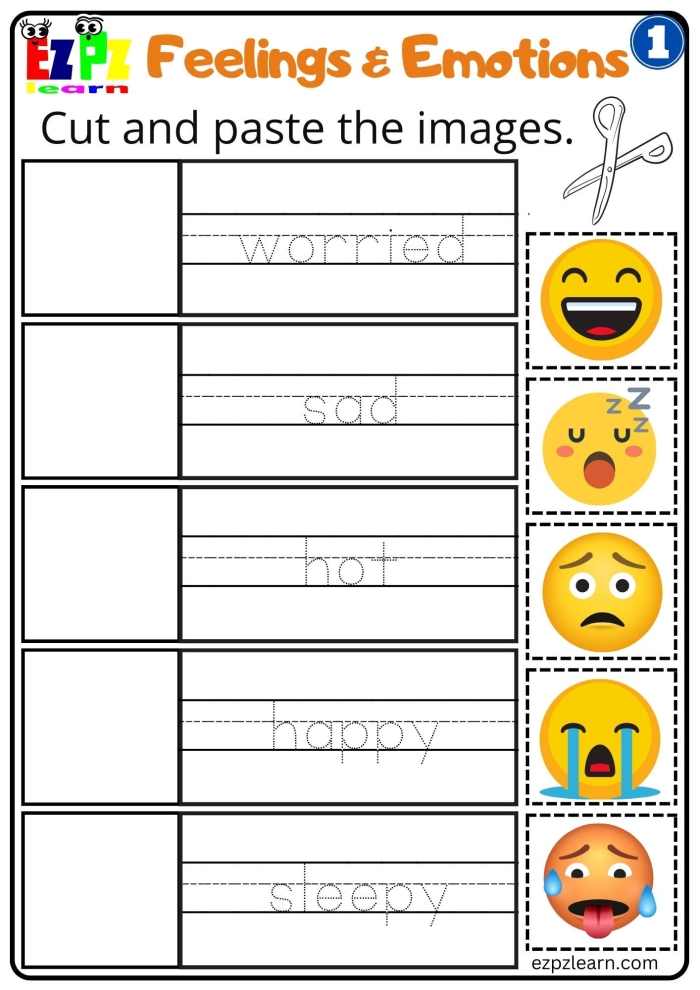
When fourth grade students encounter words like “happy” and “excited,” they often treat them as interchangeable. Yet these emotions carry different weights and shades of meaning. A worksheet that asks children to match emotion synonyms does more than build vocabulary—it teaches them to recognize nuance in language while developing emotional awareness at the same time.
This type of exercise sits at the intersection of social-emotional learning (SEL) and traditional reading instruction. Rather than simply listing definitions, students engage with words by considering when and why one emotion word fits better than another. The process requires them to think about their own experiences. What does it feel like to be happy versus thrilled? When might someone feel content rather than excited? These questions push children beyond surface-level word recognition into genuine comprehension.
For fourth grade reading, synonym work strengthens several skills simultaneously. Students develop stronger writing abilities when they understand how to choose precise words instead of relying on the same tired vocabulary. They also improve their reading comprehension because recognizing synonyms helps them understand unfamiliar words in context. When a story describes a character as “delighted,” a child who knows this word relates to “happy” can grasp the emotional tone even if they haven’t encountered “delighted” before.
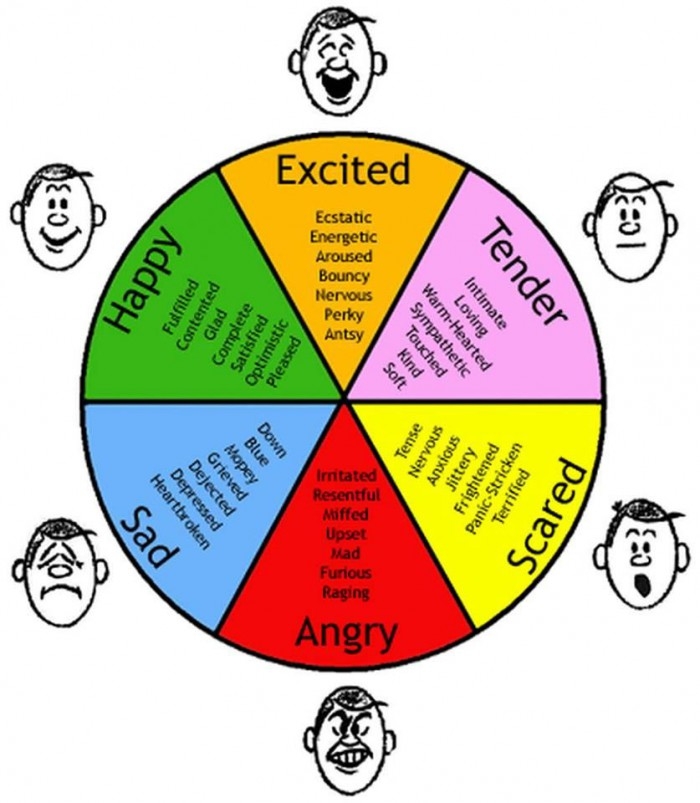
The SEL component adds meaningful depth. By pairing emotion words with scenarios or discussing when they’d use each synonym, children build emotional literacy. They learn that feelings exist on a spectrum and that naming emotions accurately matters. This mirrors what educators emphasize across SEL curricula: the ability to identify and articulate emotions supports better self-regulation and social awareness.
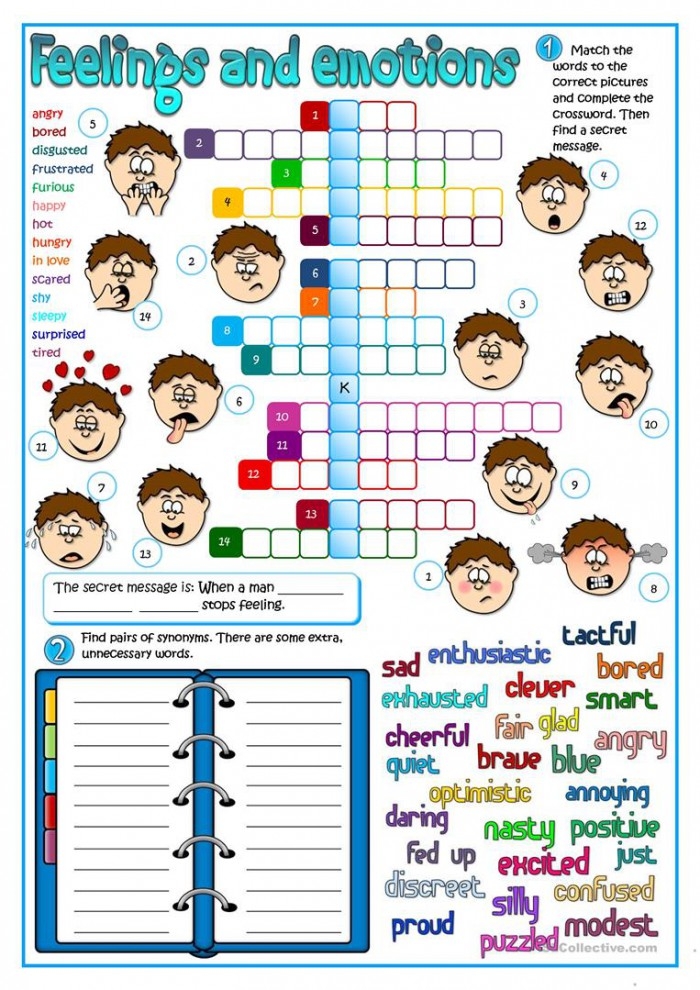
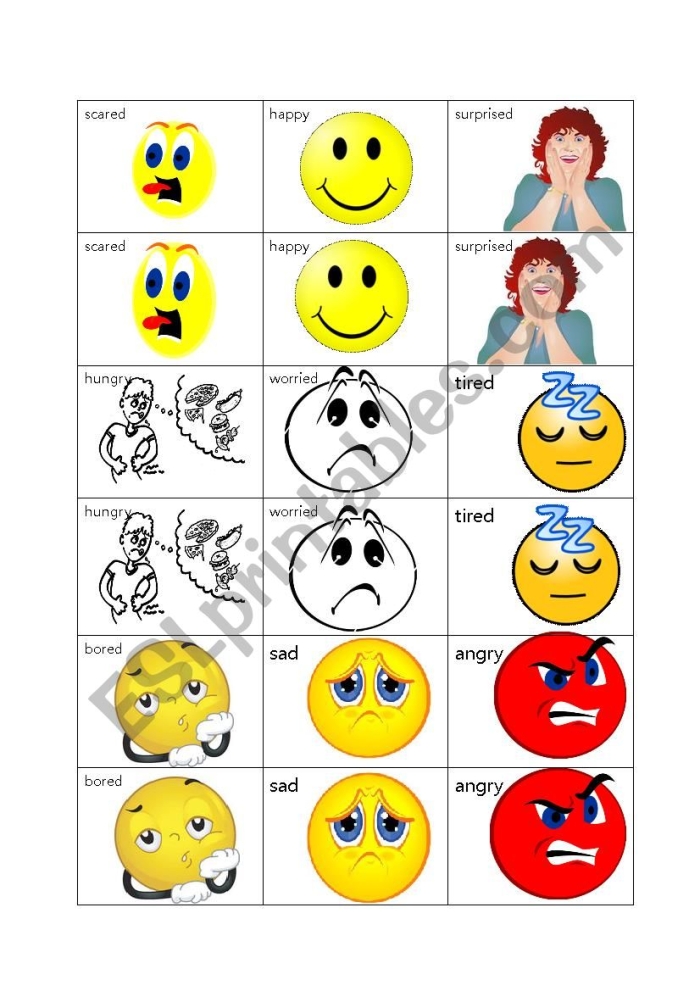
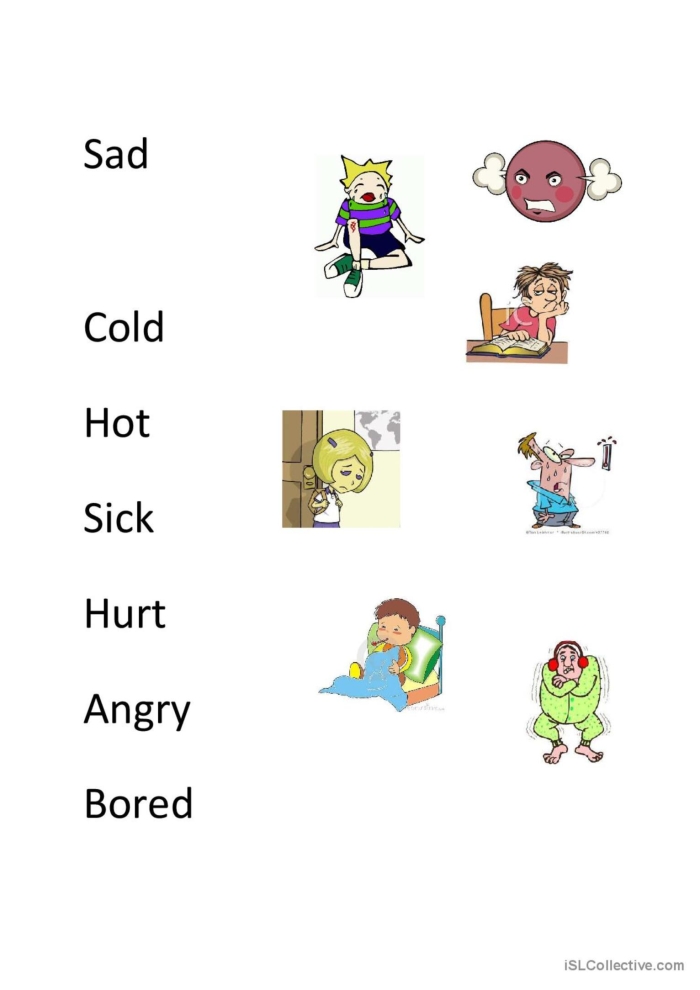
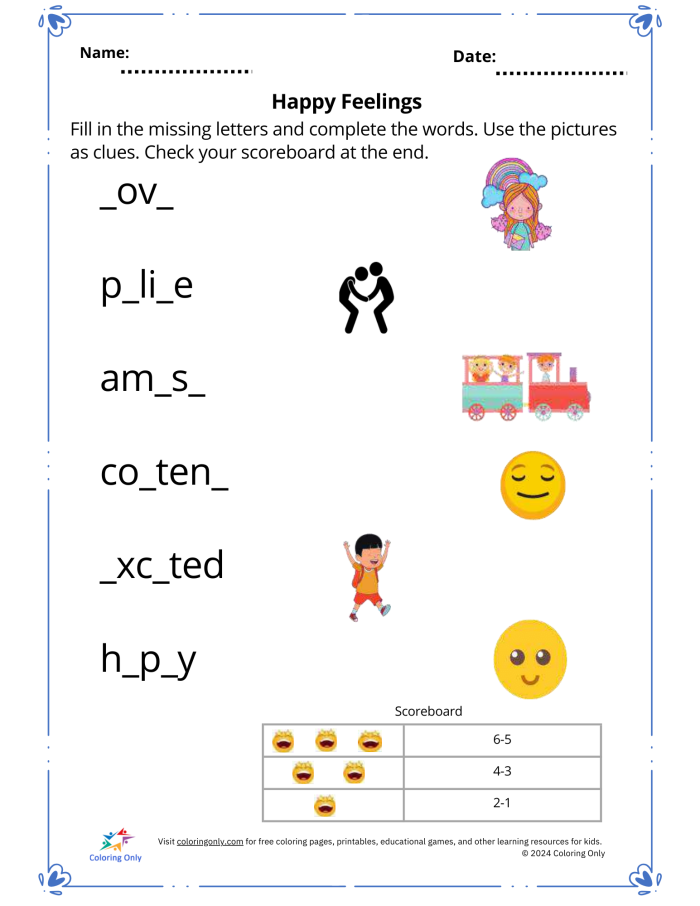
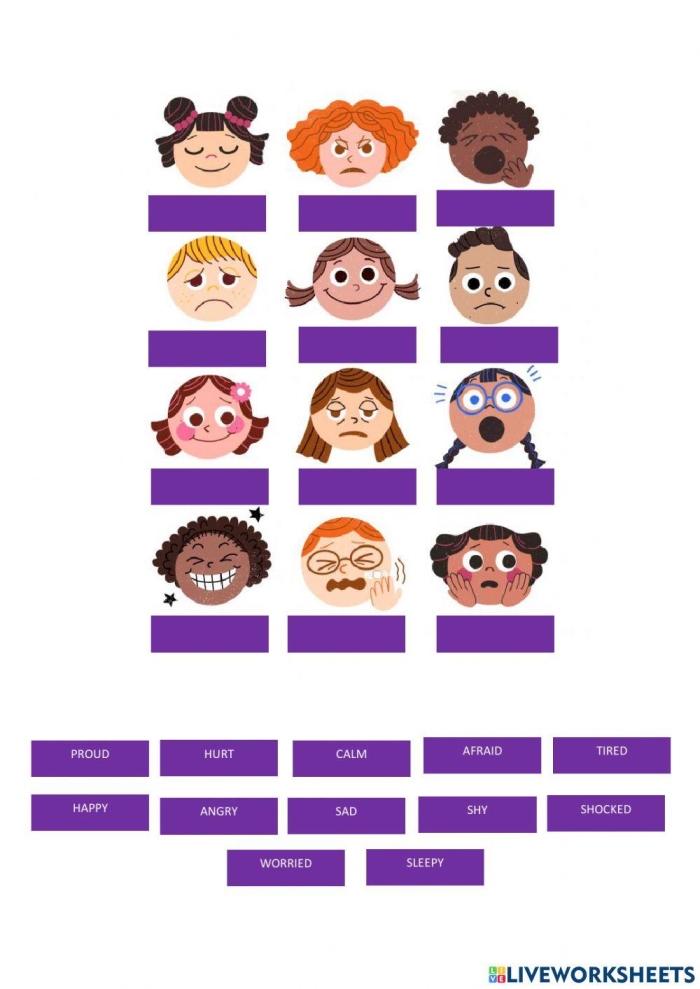
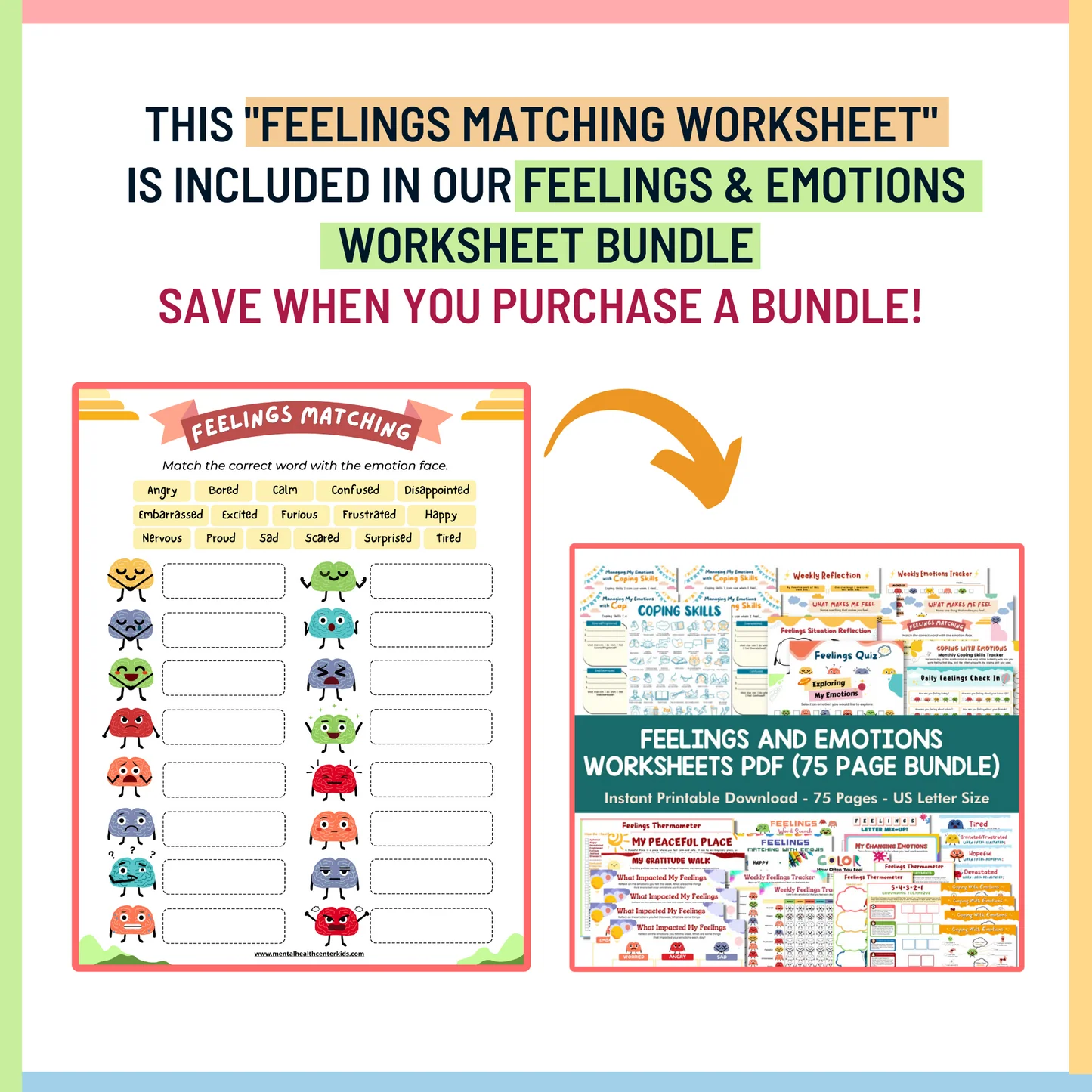
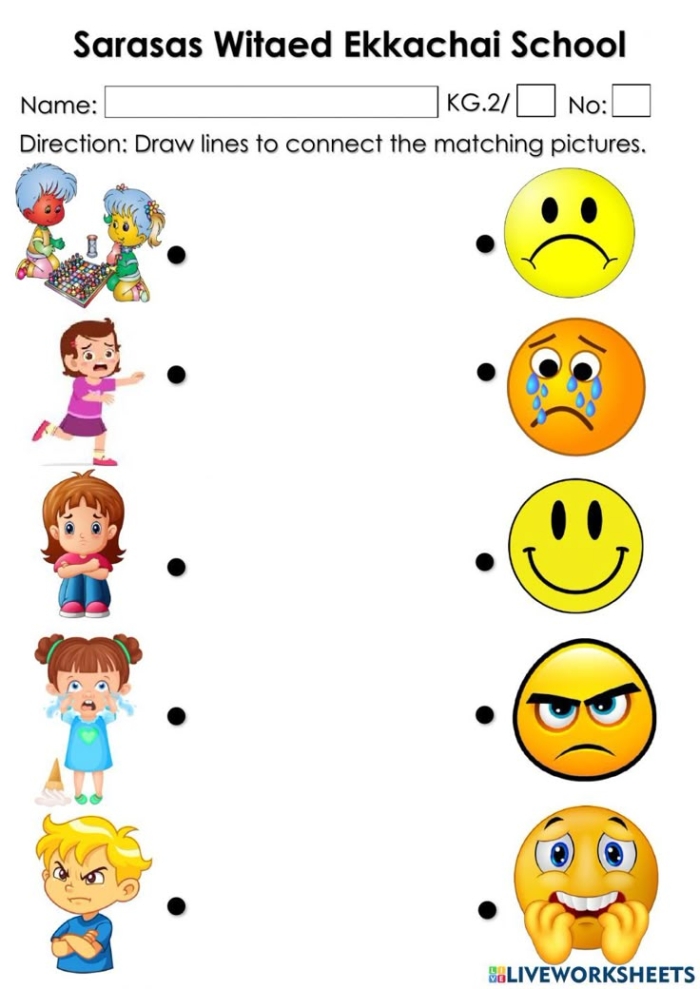
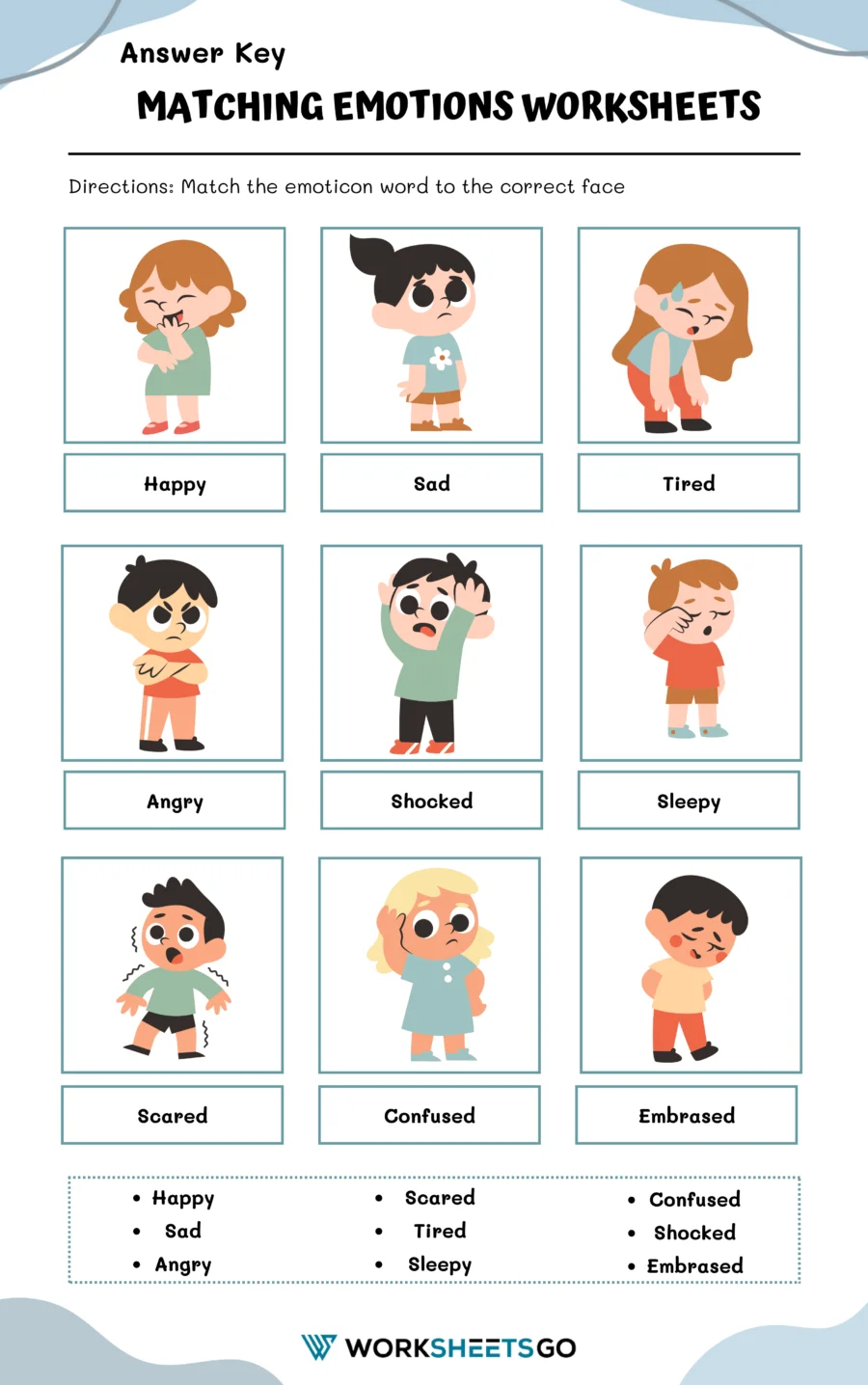
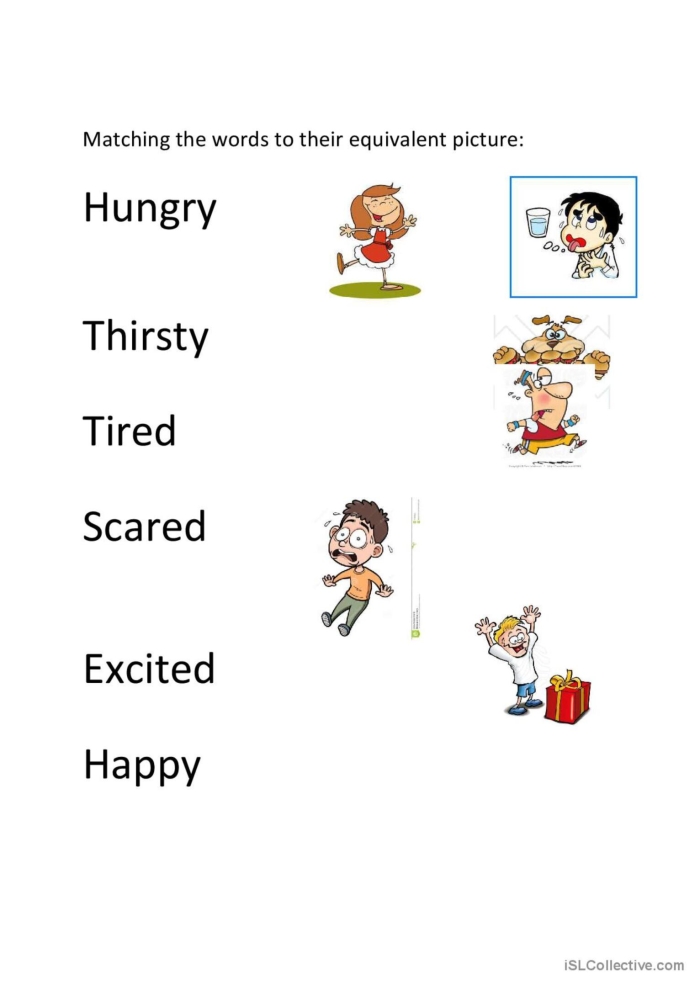
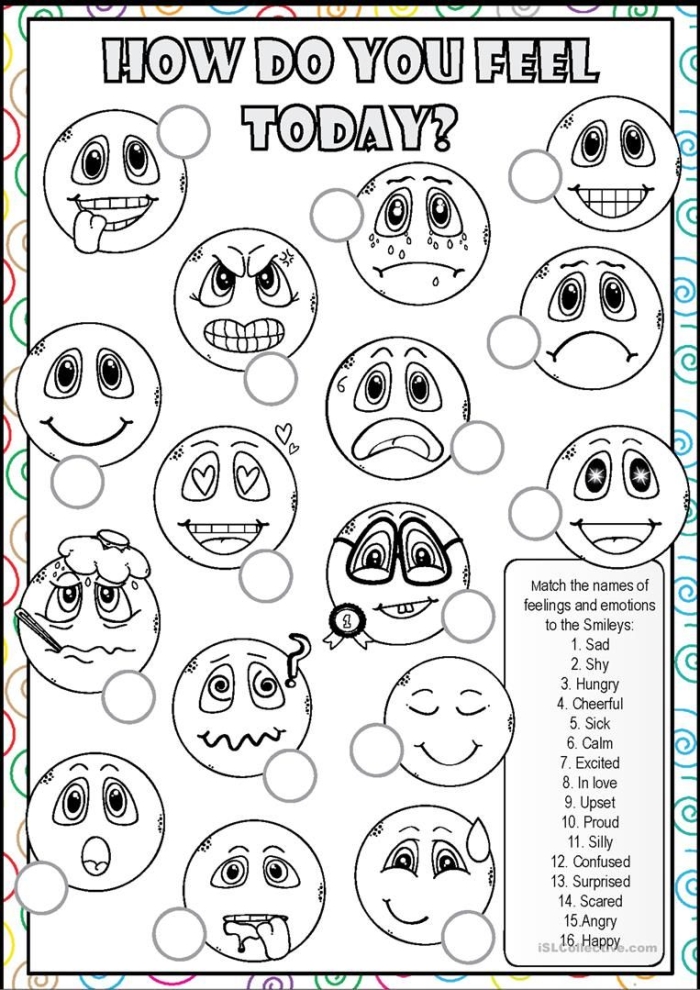
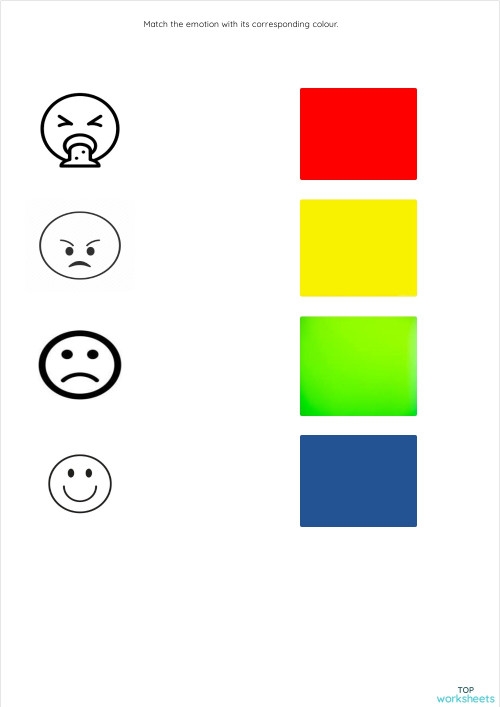
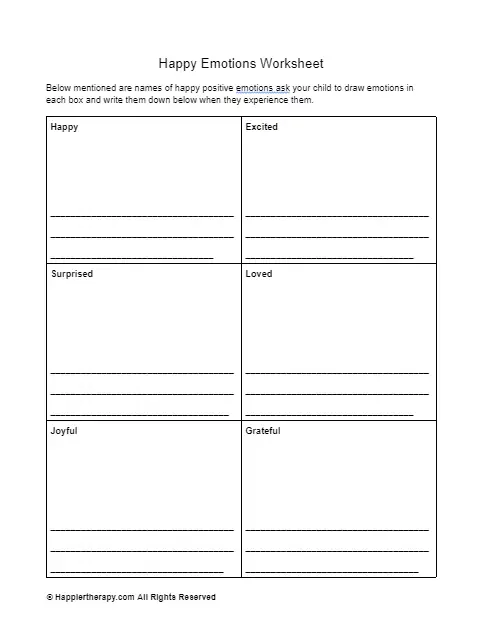
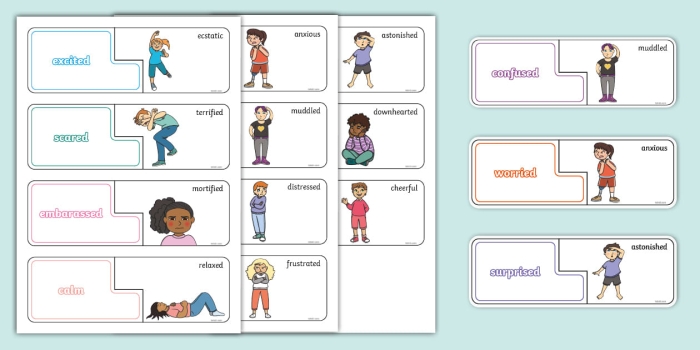
Worksheets of this kind work best when they include visual elements or real-world contexts. Pairing emotion synonyms with illustrations or brief scenarios helps fourth graders anchor abstract concepts to something tangible. The format also supports differentiation—some students might match simple pairs while others analyze subtle differences between nearly identical emotions.
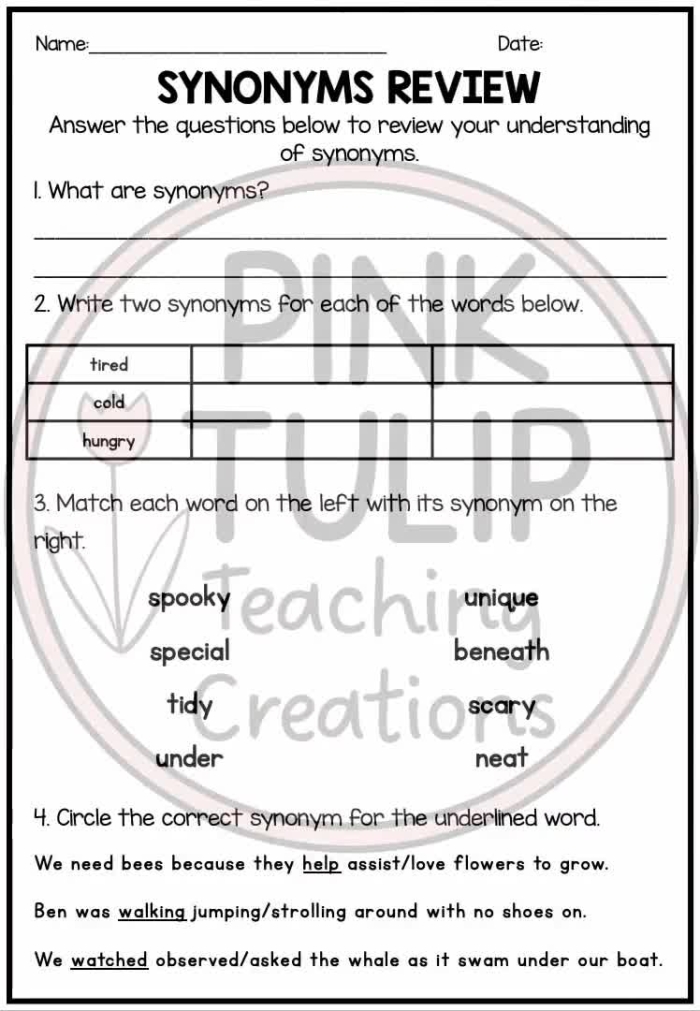
When combined with other reading exercises like learning to recognize sentence fragments or identifying sentence patterns, synonym work becomes part of a comprehensive literacy approach. These foundational skills build on each other, creating readers who understand not just what words mean, but how they function within larger communication.
Hands-On Worksheet Activities