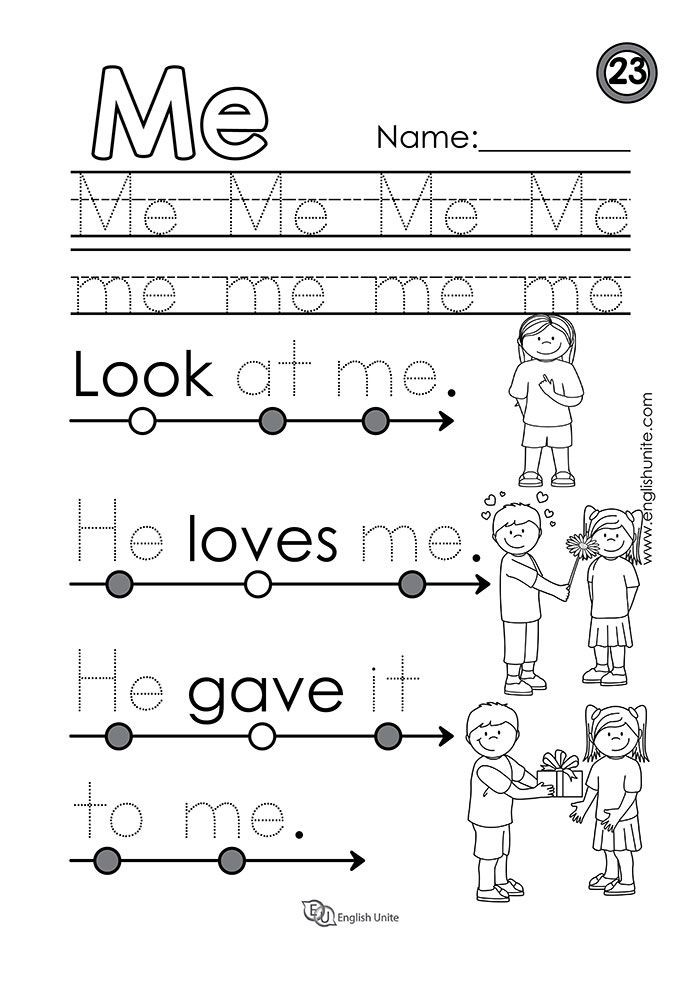
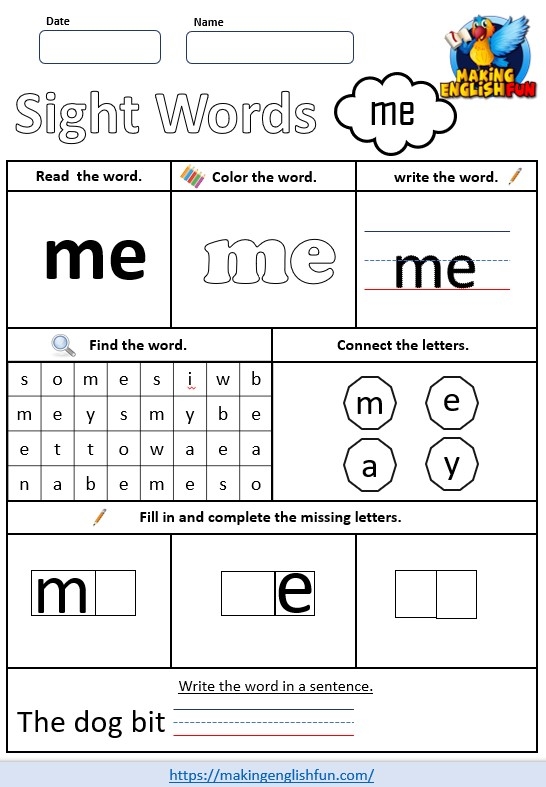
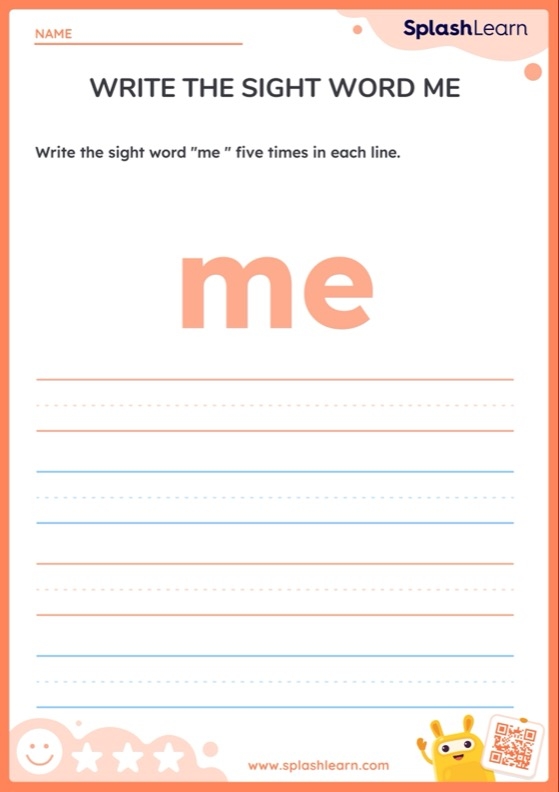
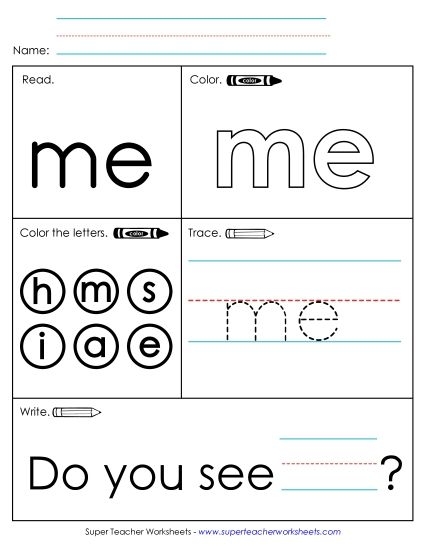
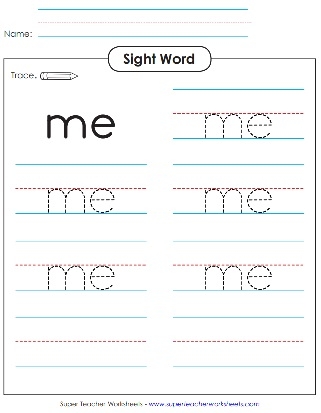
Combining craft activities with sight word practice creates a hands-on learning experience that sticks with young learners far better than repetitive drills alone. When you add decoupage techniques to early literacy instruction, you’re tapping into something that Pre-K students naturally gravitate toward: creating something tangible they can hold, display, and feel proud of.
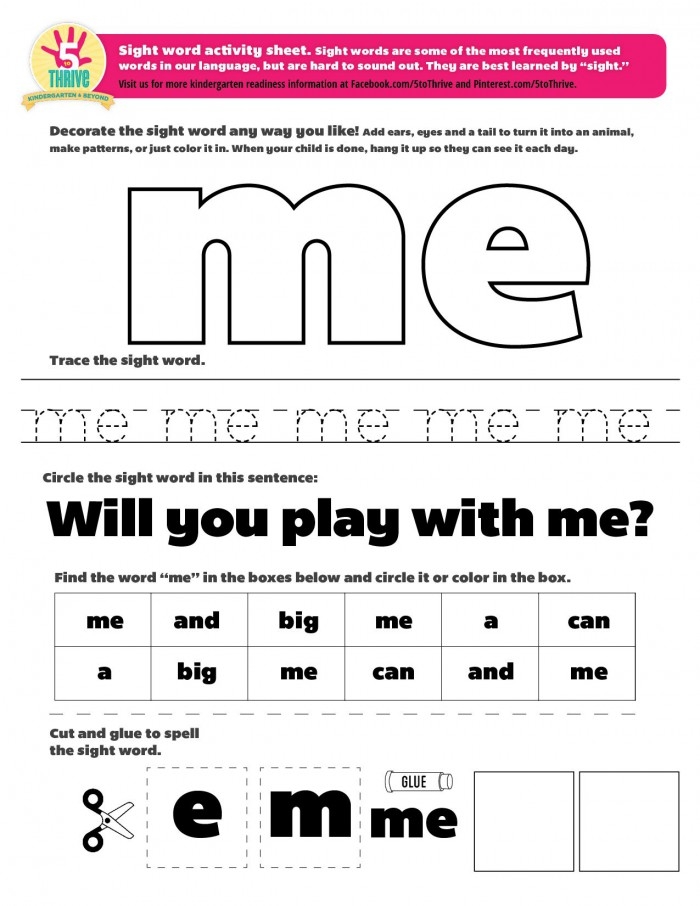
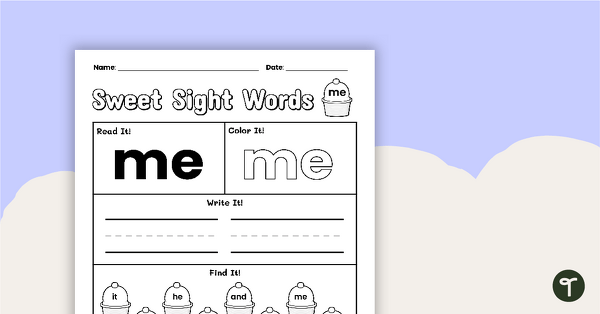
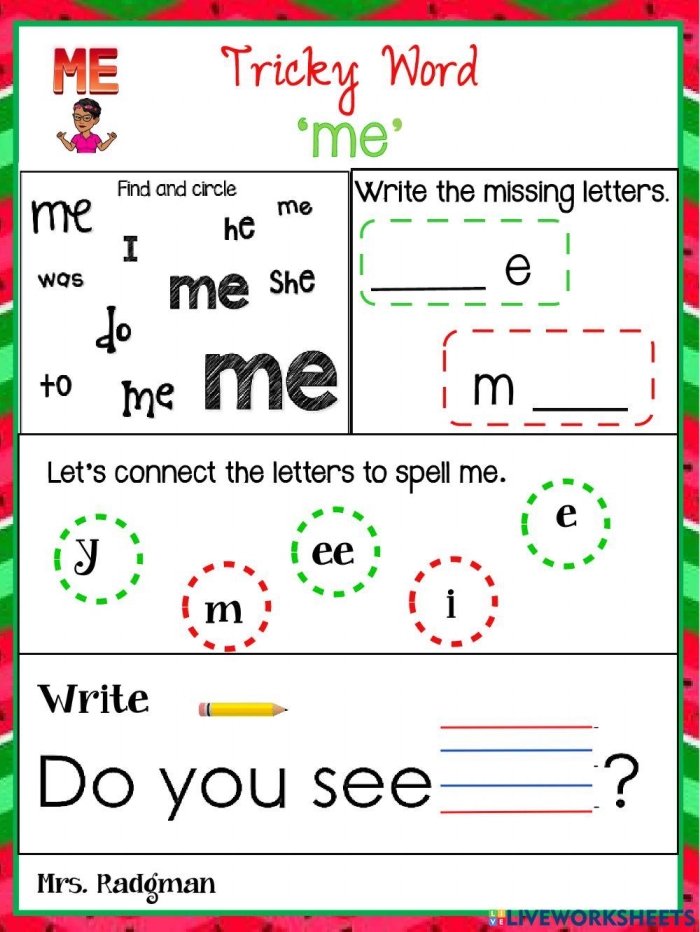
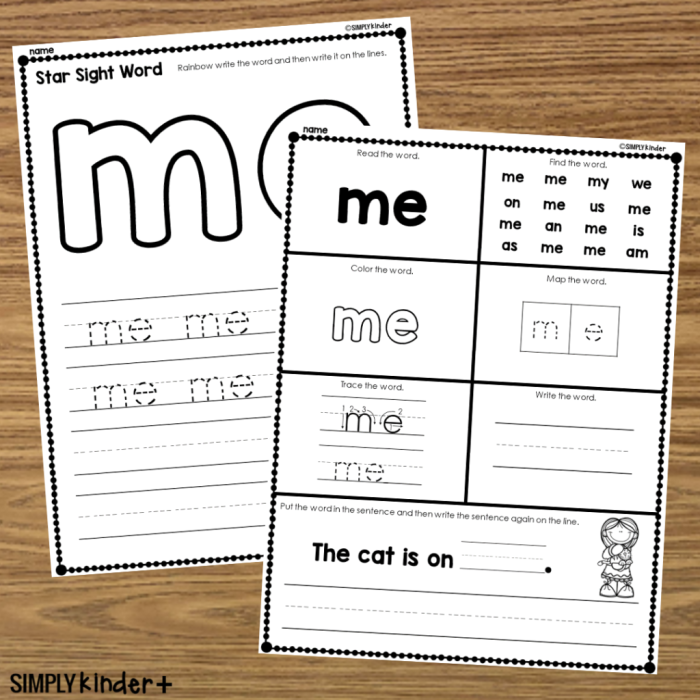
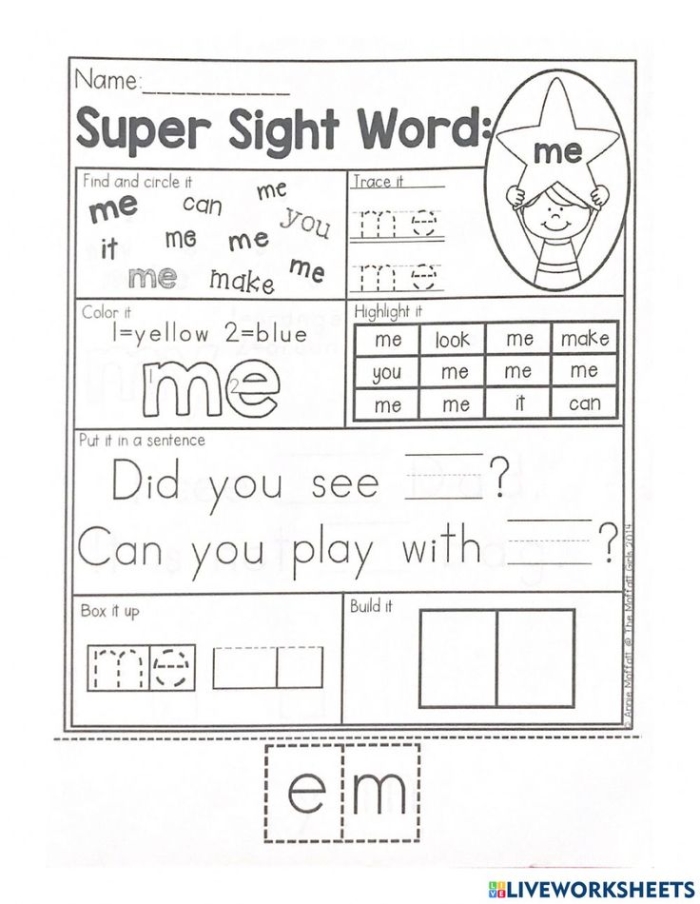
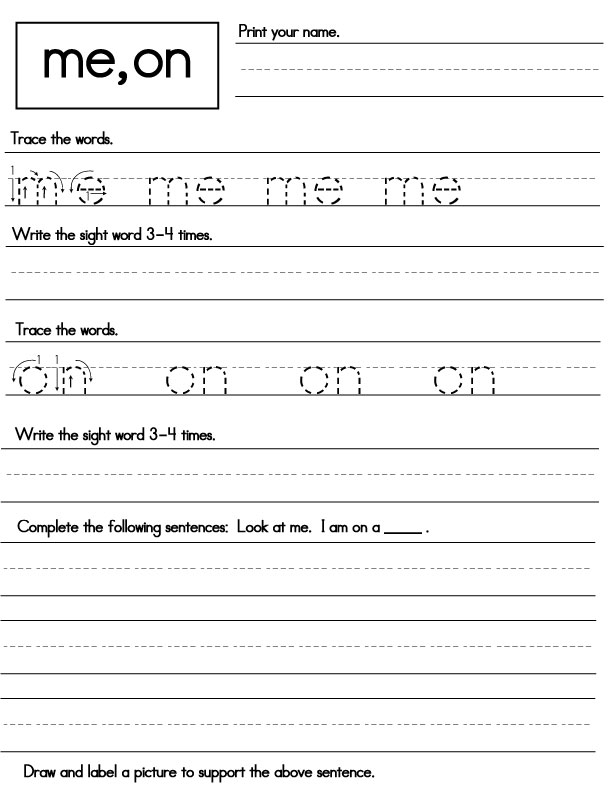
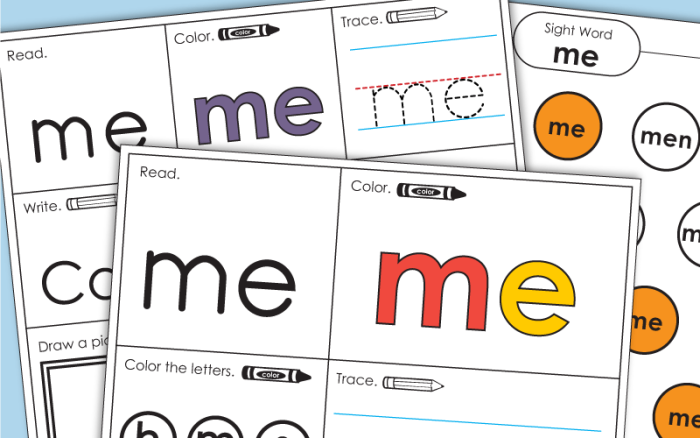
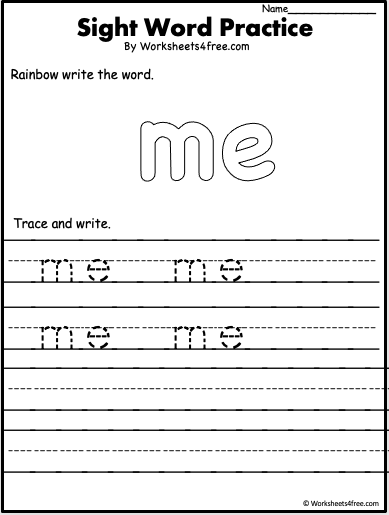
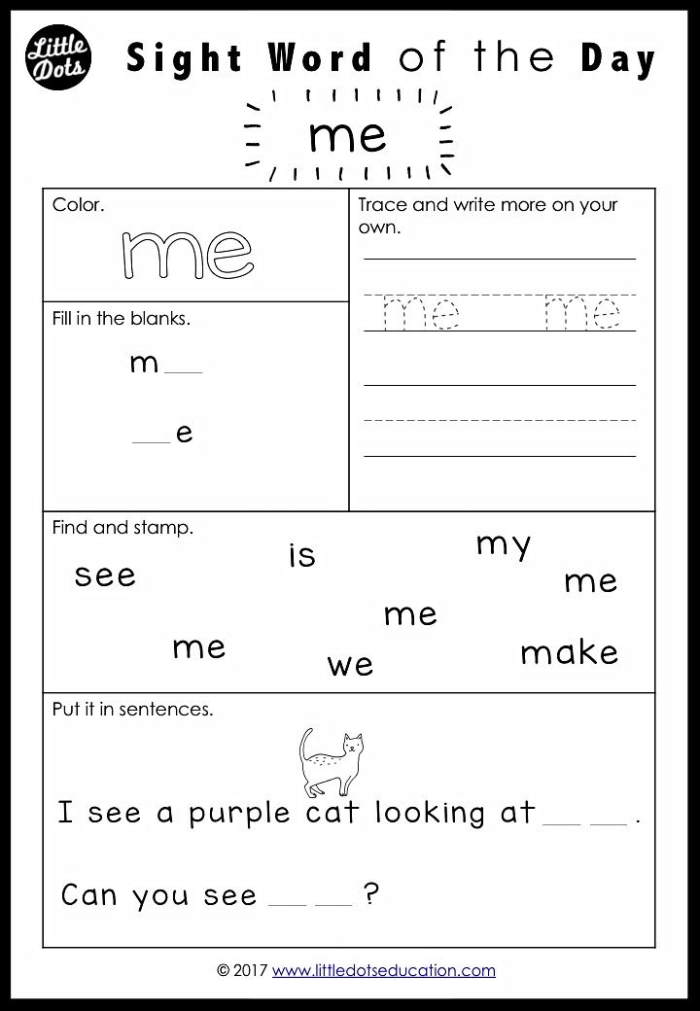
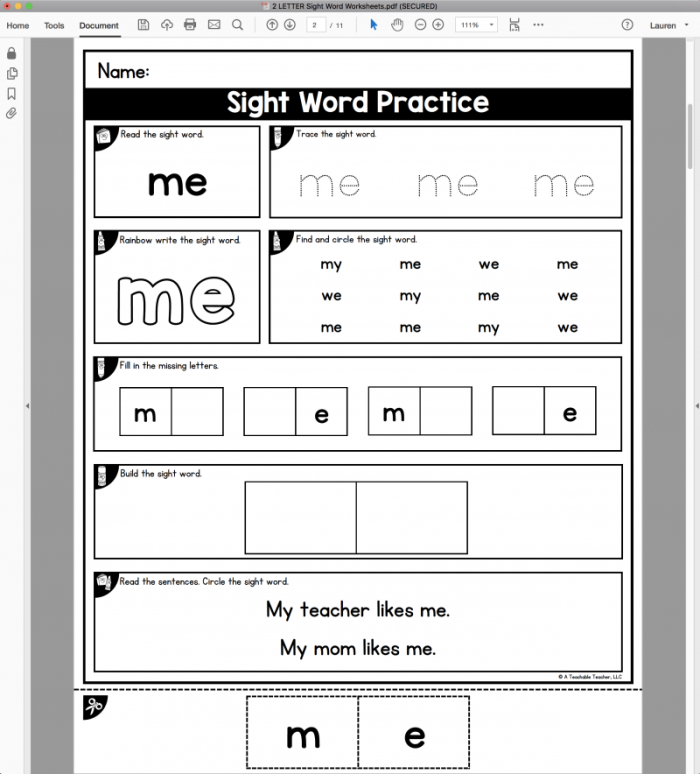
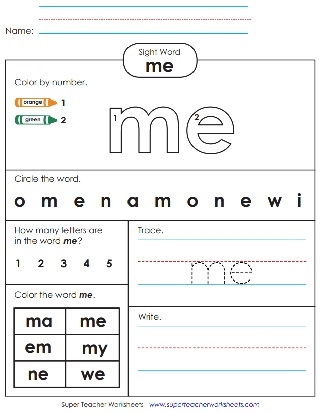
The word “me” serves as an ideal starting point for this approach. It’s one of the most frequently encountered sight words in early reading materials, and it’s personal in a way that resonates with young children. A decoupage worksheet featuring this word lets students cut, paste, and arrange colorful paper scraps around the letters while reinforcing recognition and spelling. This tactile engagement helps cement the word in memory through multiple sensory channels simultaneously.
Pre-K educators often find that worksheets combining visual art with literacy instruction hold children’s attention longer than traditional practice sheets. The cutting and pasting components develop fine motor skills while the sight word repetition builds reading fluency. When students see the word “me” repeatedly throughout the activity, they internalize its shape and sound without the exercise feeling like work.
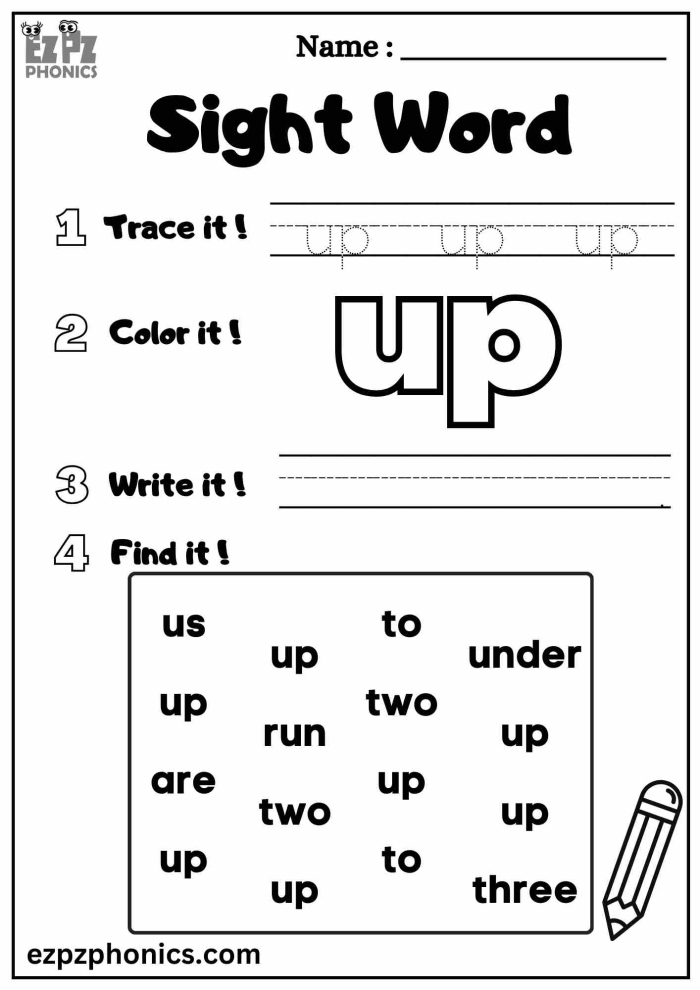
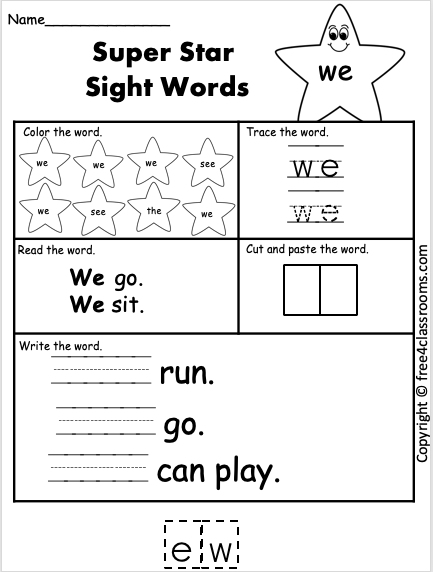
Building on this foundation, you might explore related word families and letter practice. Tracing activities for individual letters complement sight word work, while letter books provide additional context for how words connect and build upon one another. Word family worksheets focusing on common patterns naturally extend what students learn from decoupage activities, showing them how “me” relates to similar words and sounds they’ll encounter in their reading journey.
Practice with These Worksheets