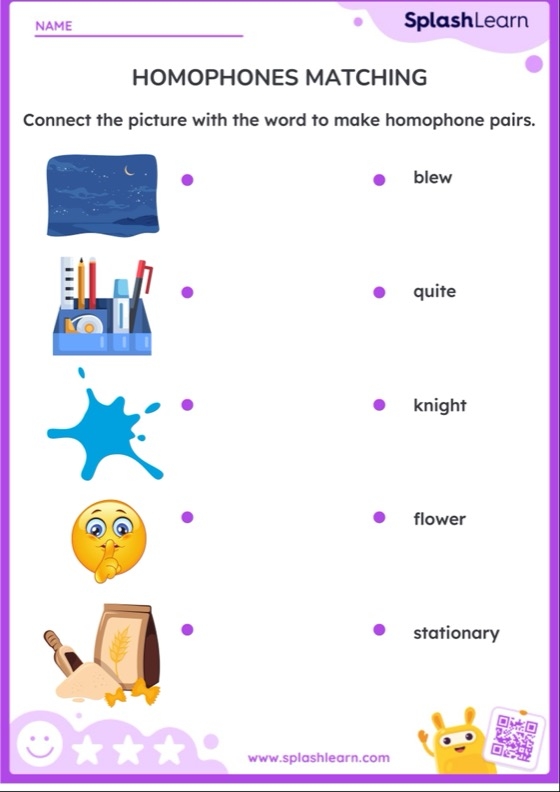
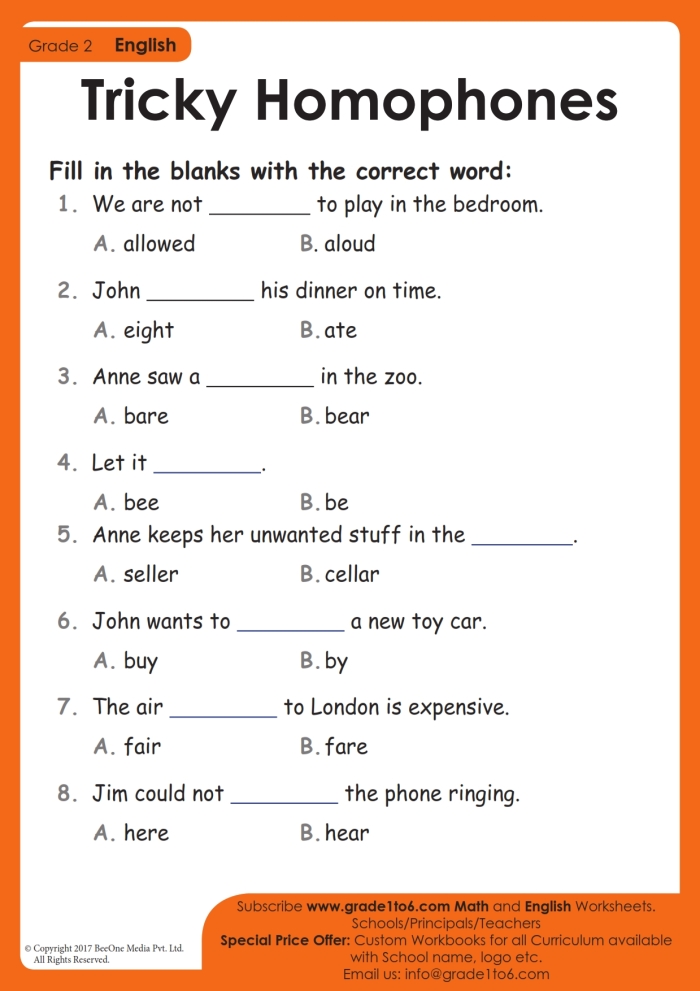
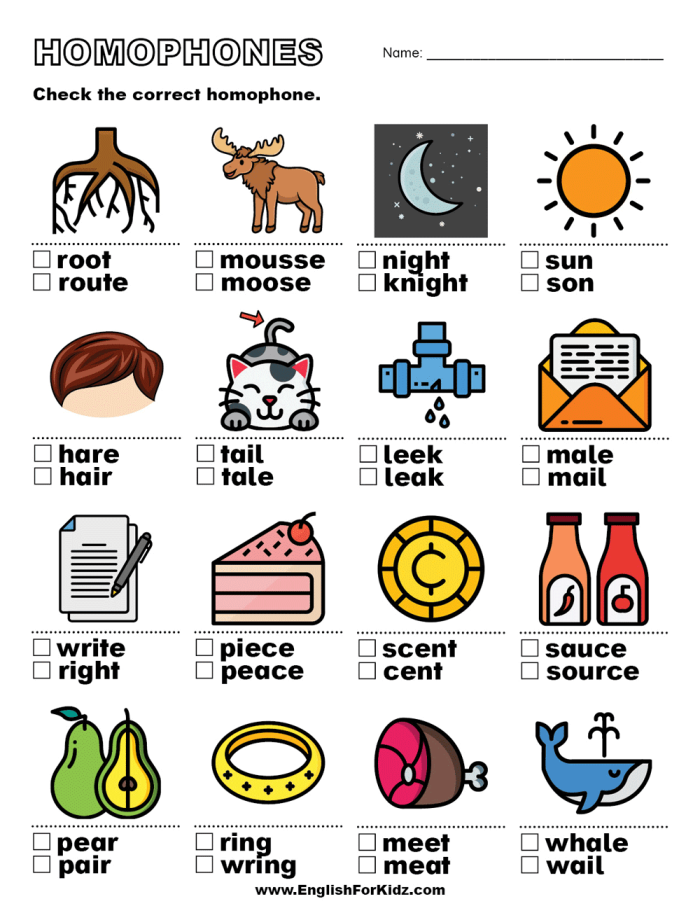
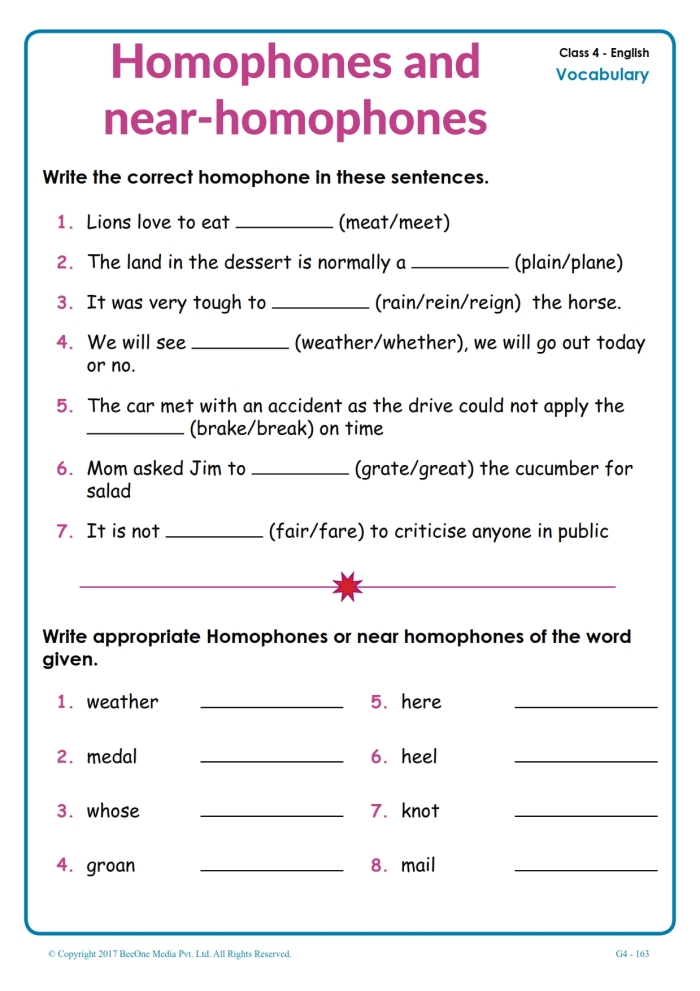
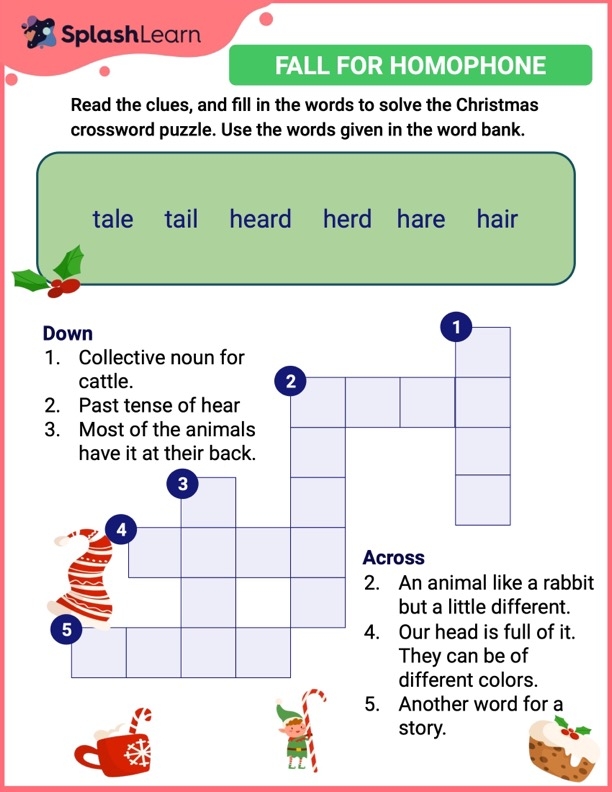
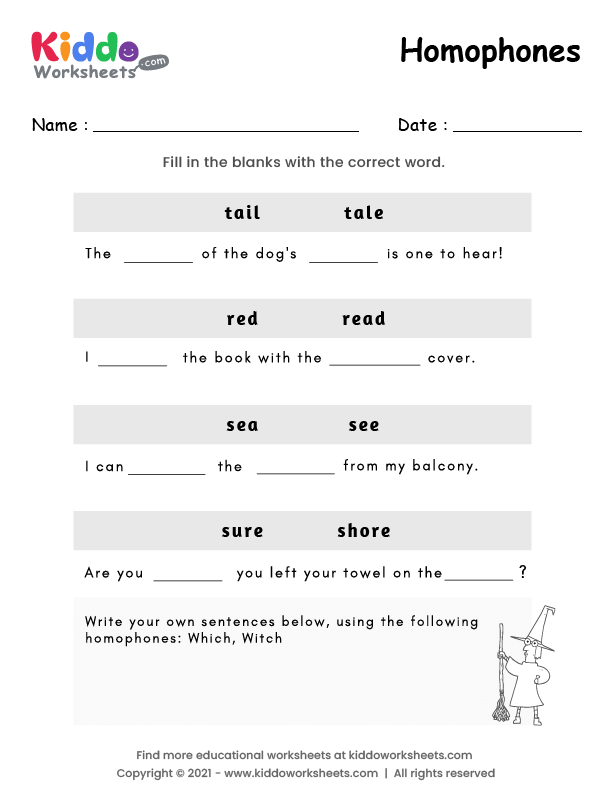
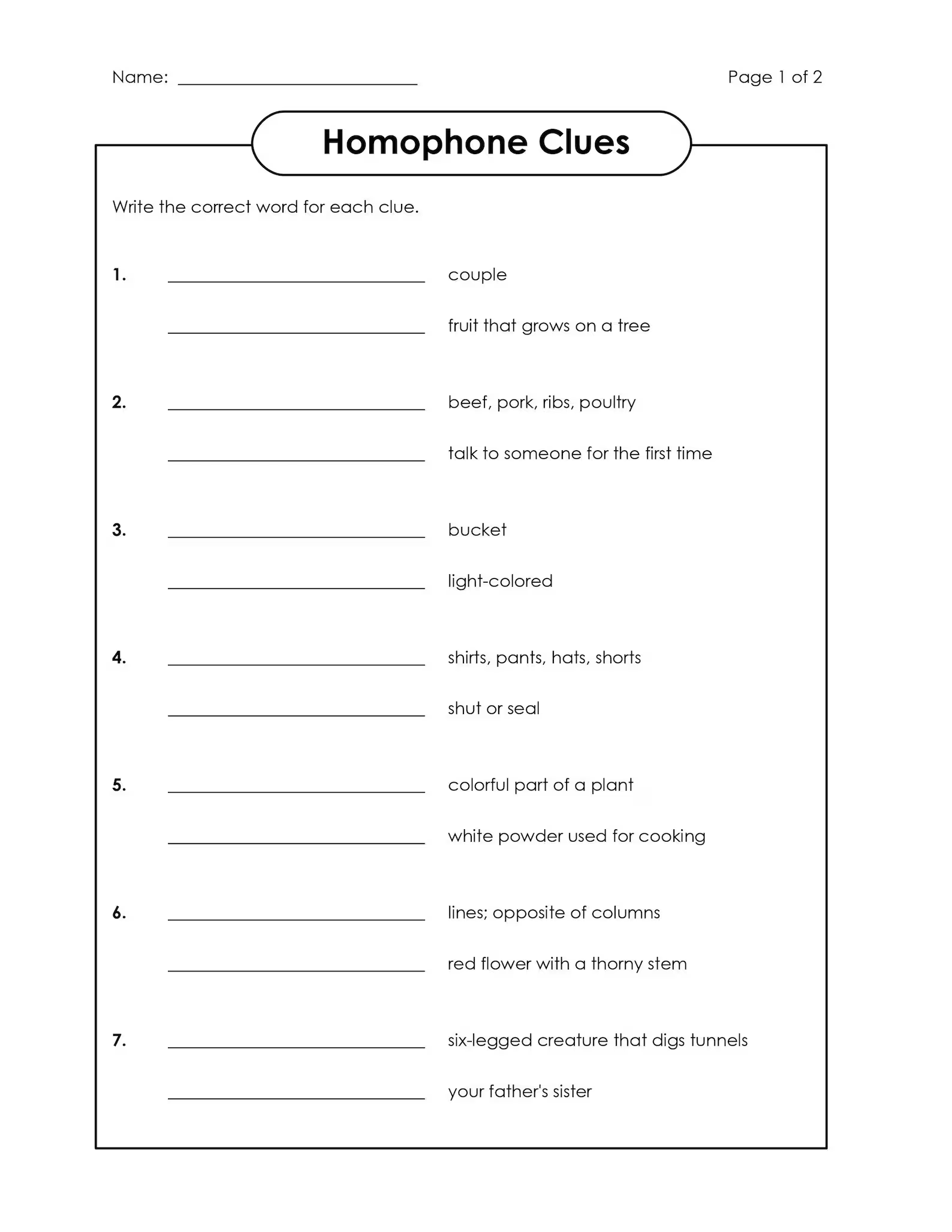
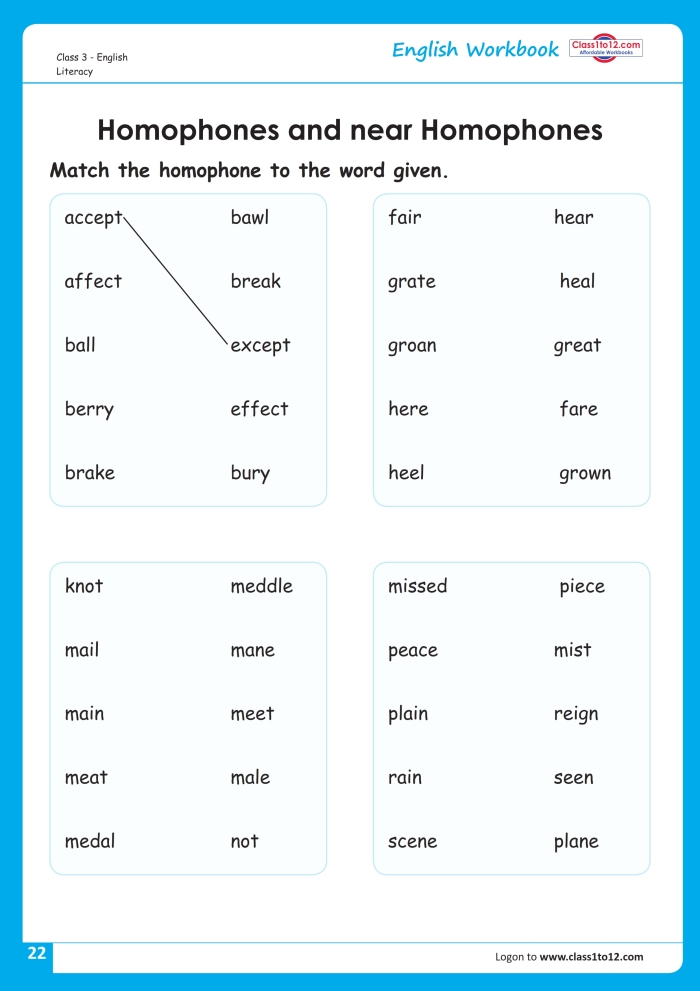
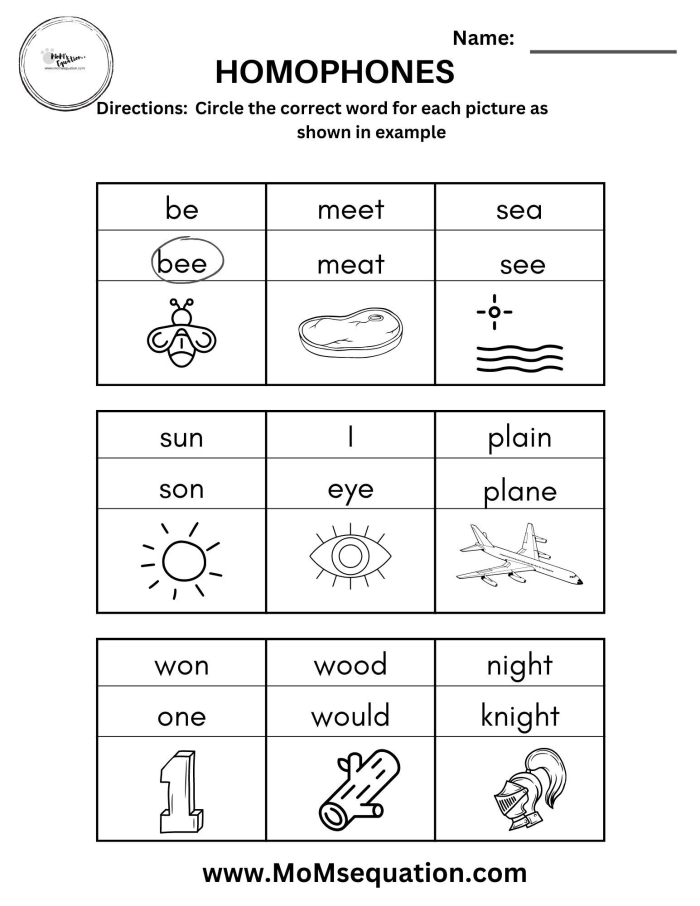
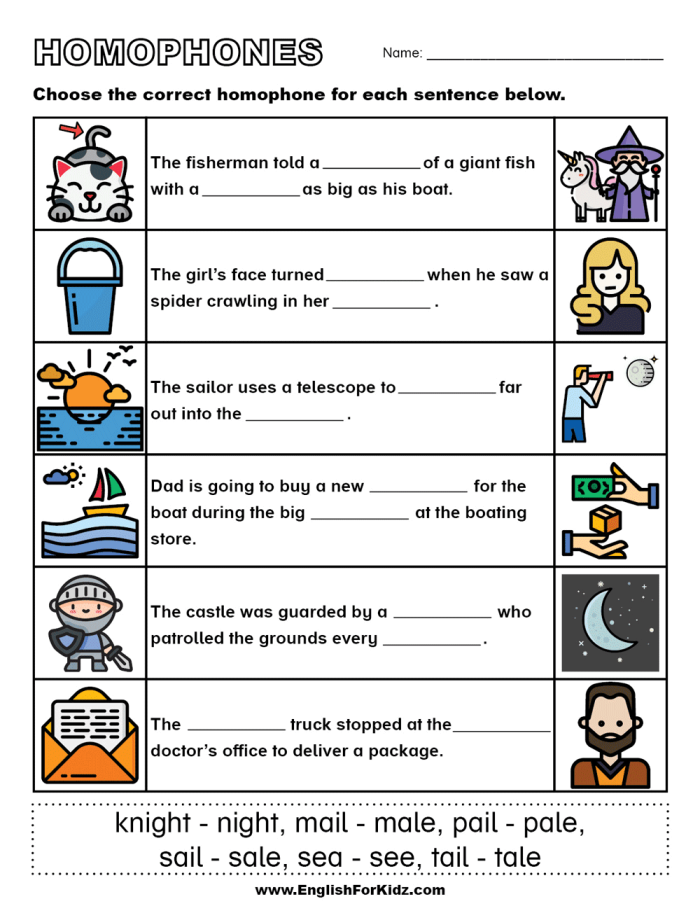
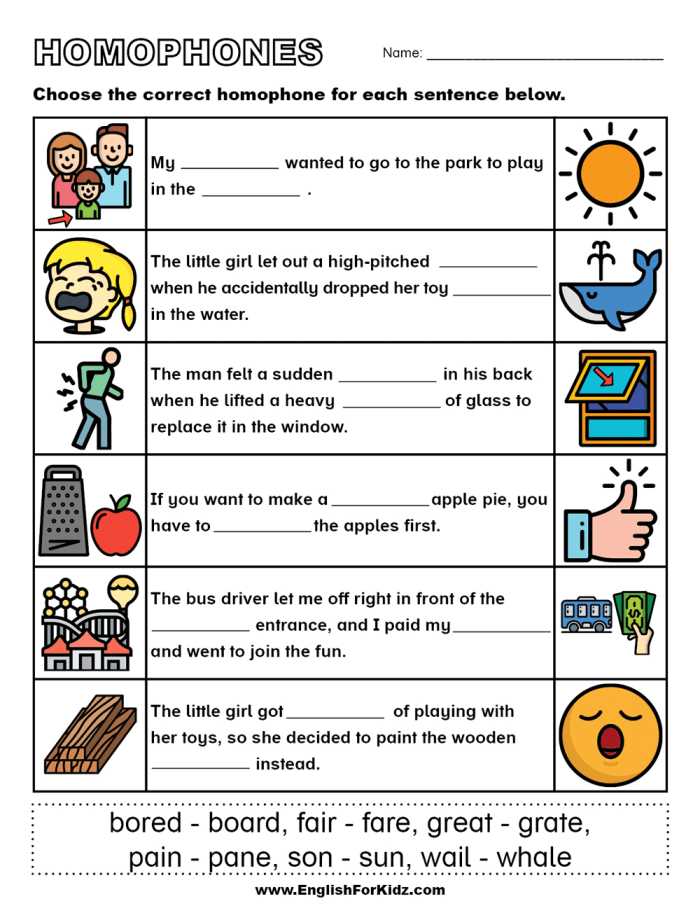
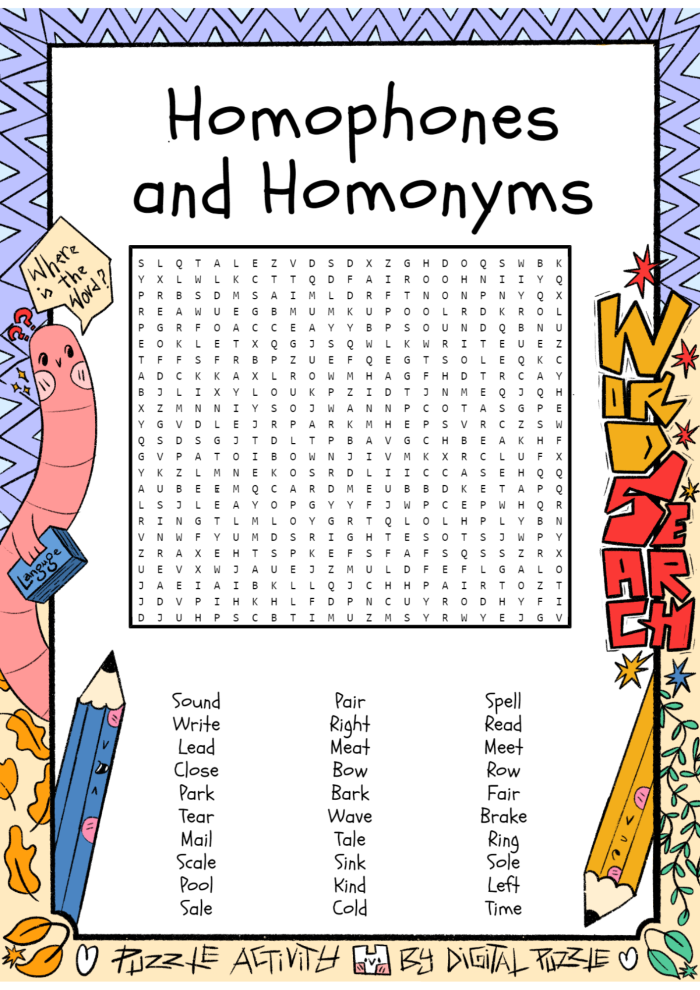
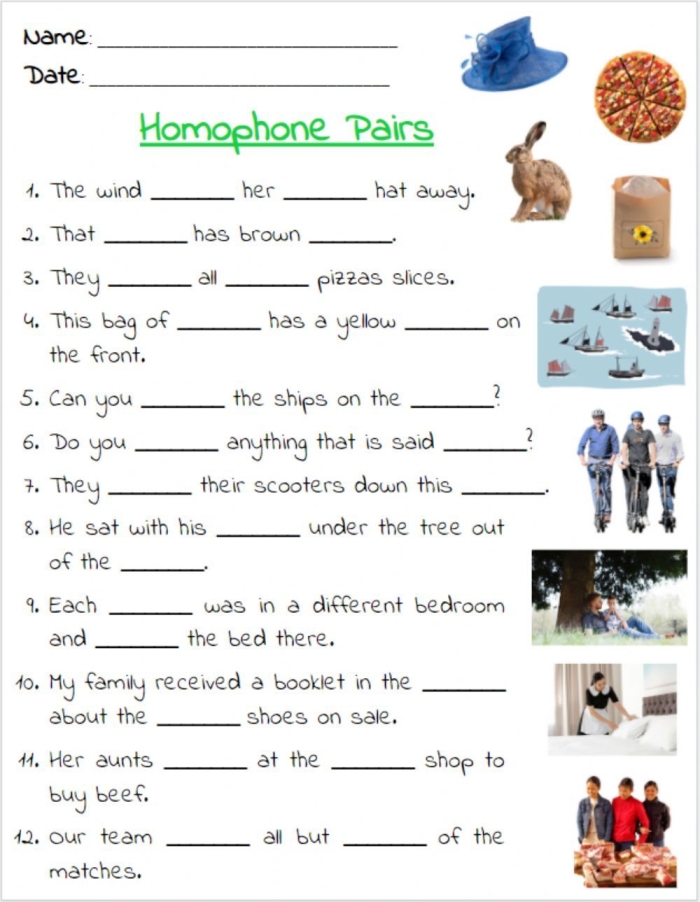
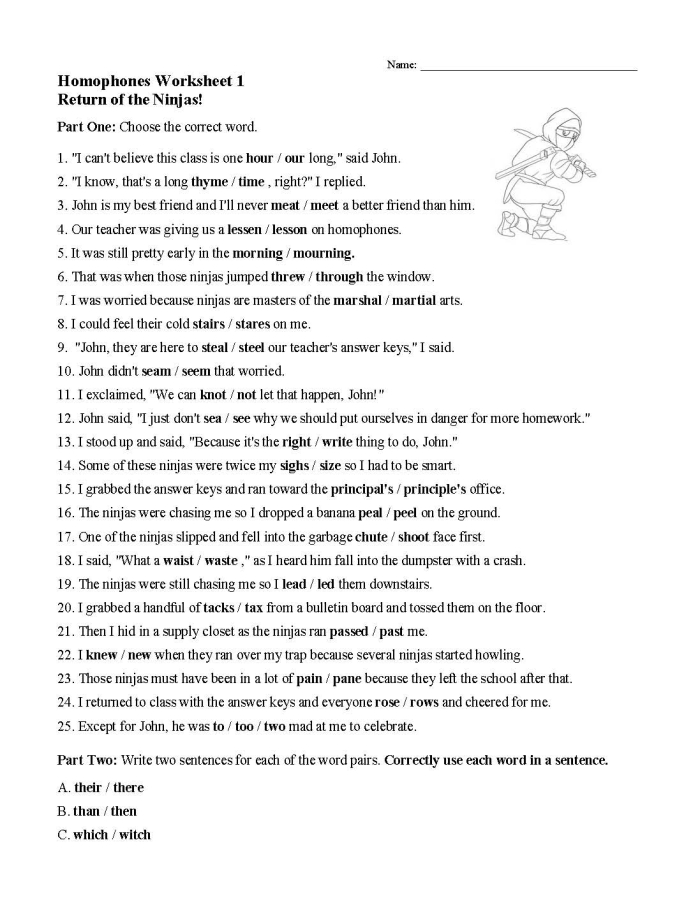
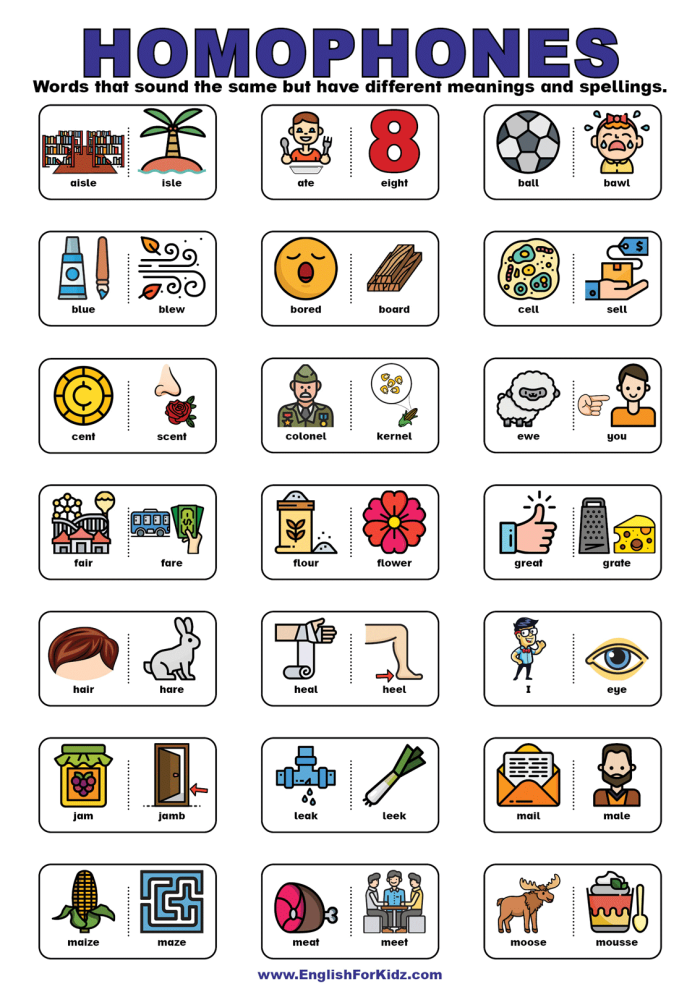
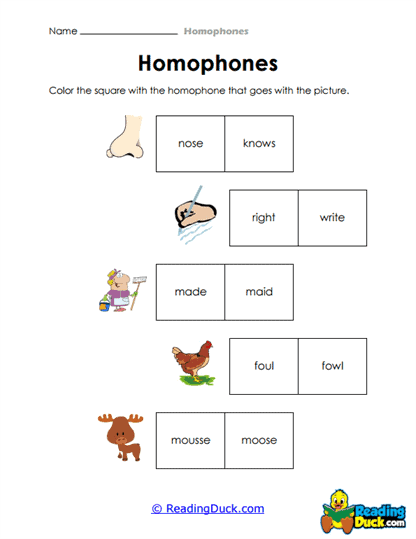
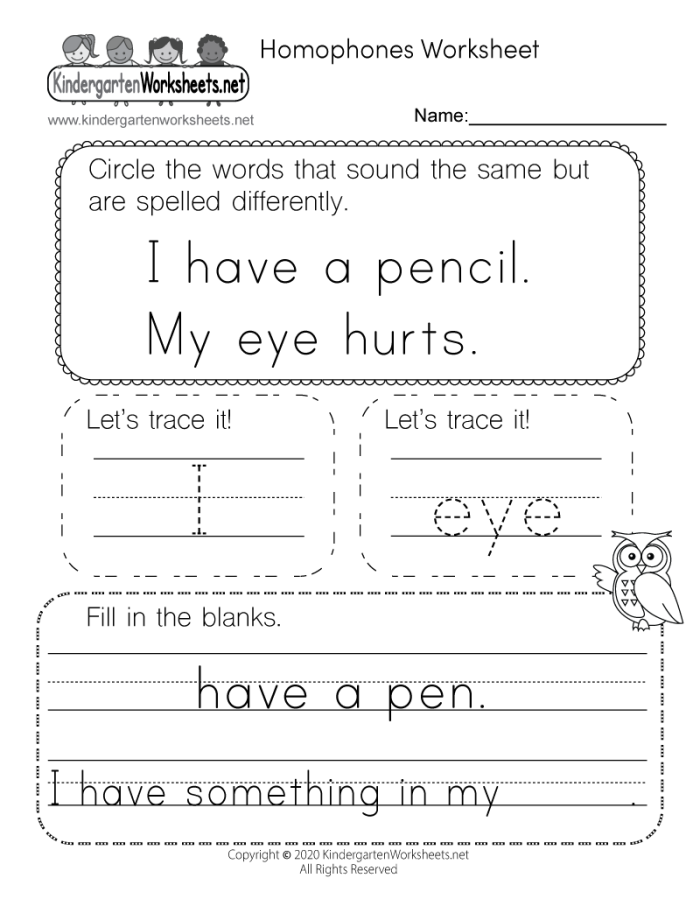
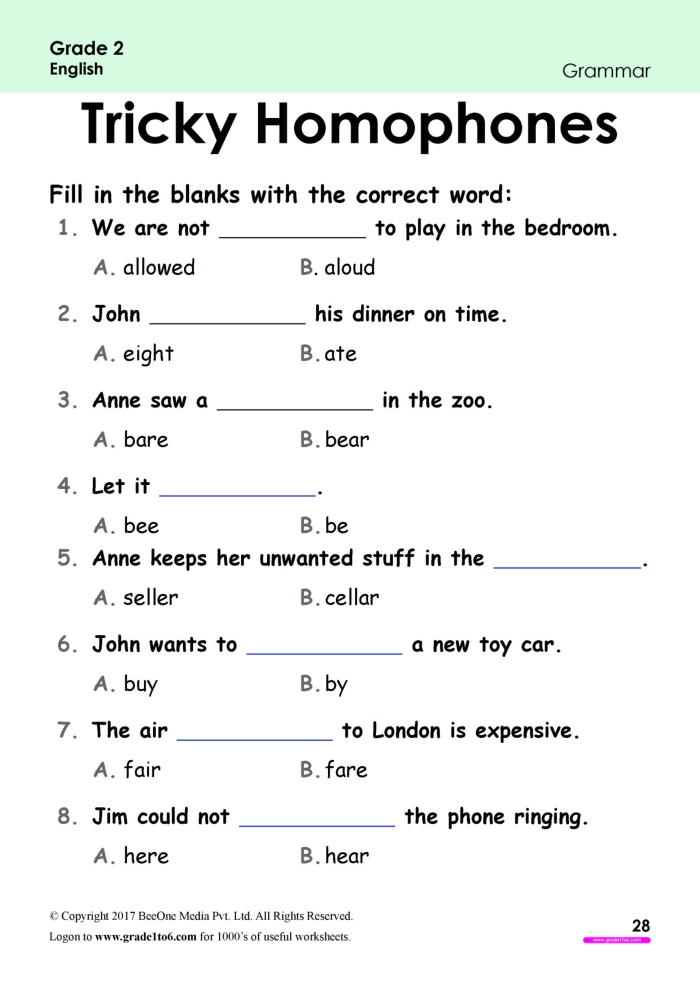
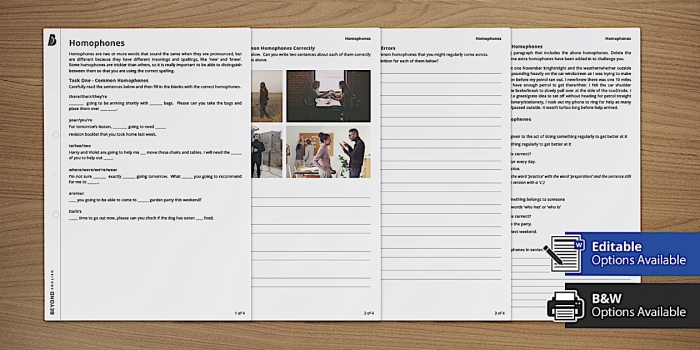
Homophones trip up plenty of second grade writers, and Simone is no exception. Words that sound identical but carry different meanings, like “their” and “there” or “to” and “too,” create real confusion when kids are learning to compose sentences. The challenge isn’t that children can’t hear the difference, it’s that they haven’t yet built the mental framework to choose the right spelling in context.
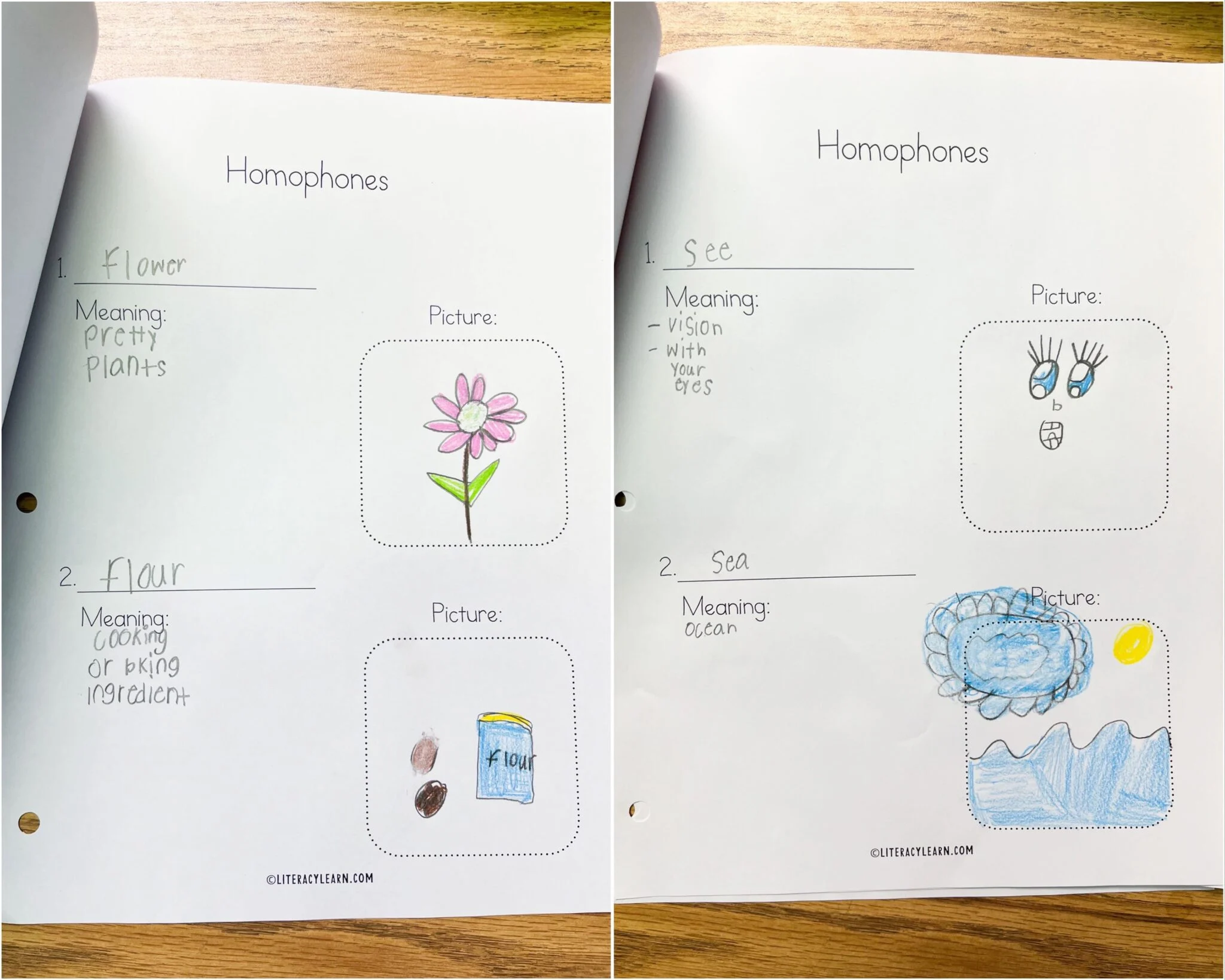
Your child can become Simone’s writing coach by working through homophone exercises together. This isn’t just busywork, it’s genuine composition practice that strengthens spelling and vocabulary at the same time. When children explain to someone else why “see” and “sea” are different, they’re cementing their own understanding. They’re also practicing the kind of clear communication that good writing demands.
Second grade is the perfect time to tackle this skill because students are moving beyond simple sentences into more complex writing. As they work on projects like biography timeline writing or historical hero compositions, homophone mistakes can slip in and weaken their message. The more practice they get now, the more automatic correct usage becomes.
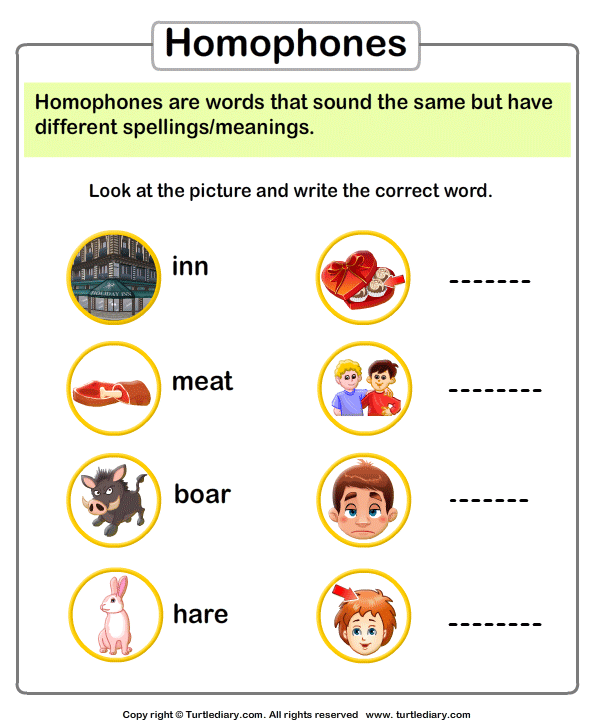
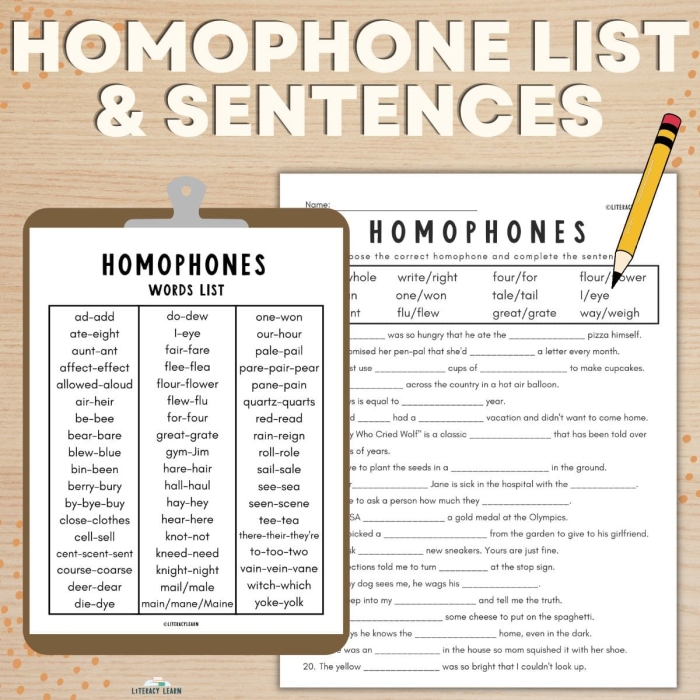
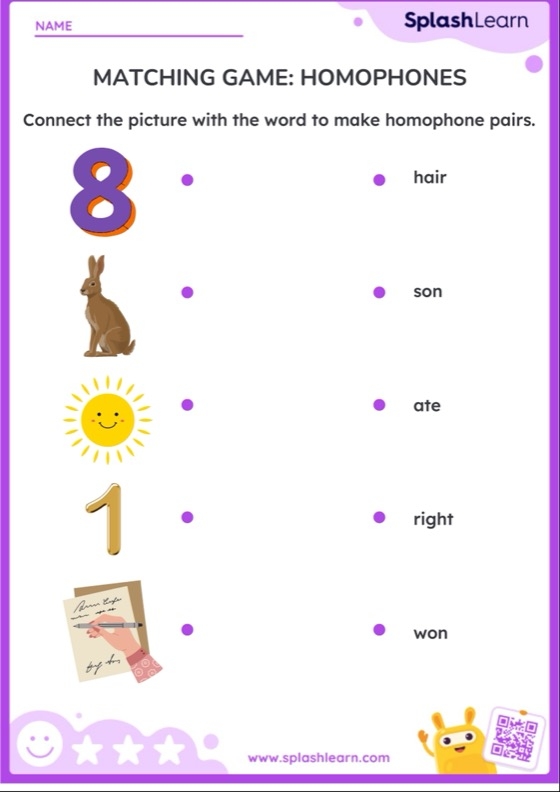
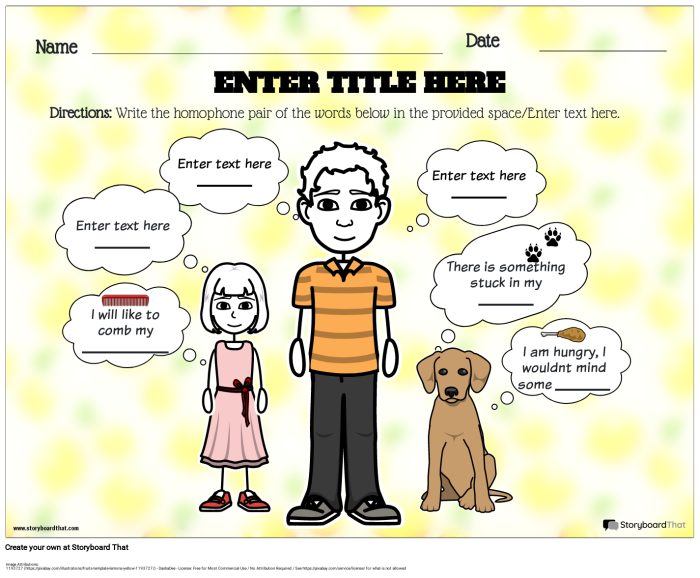
One effective approach is to have your child create sentences using homophone pairs, then swap papers with Simone (or work through them together) to check for accuracy. You might also explore worksheets focused on floss words or irregular past tense verbs, which often appear alongside homophone practice in writing instruction.
The real value comes when your child realizes that helping Simone actually helps themselves. Teaching reinforces learning, and by explaining homophones to someone else, your child becomes a stronger, more confident writer.
Download These Worksheets for Practice