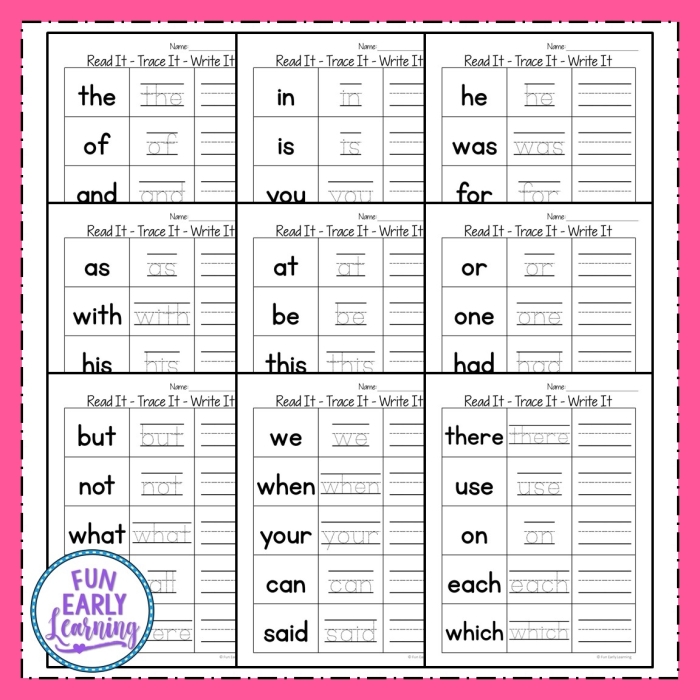
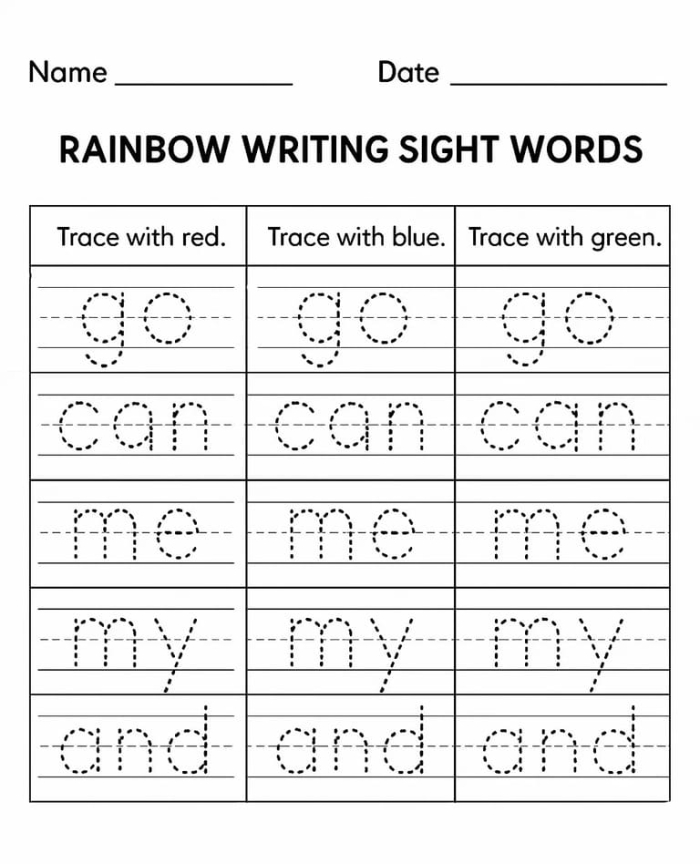
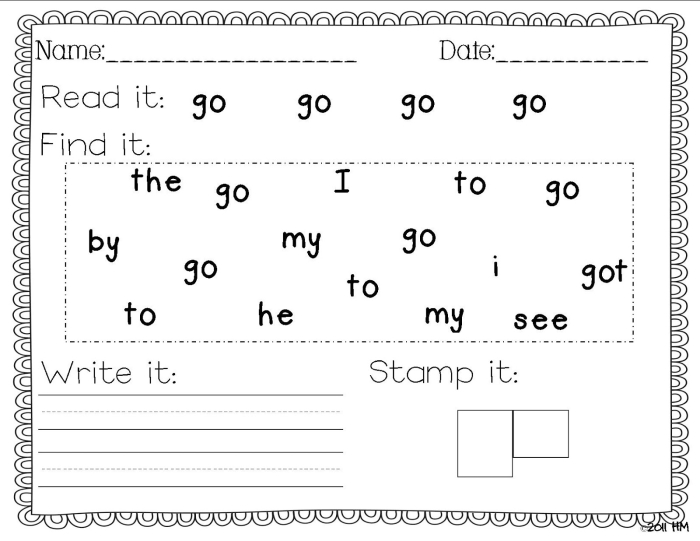
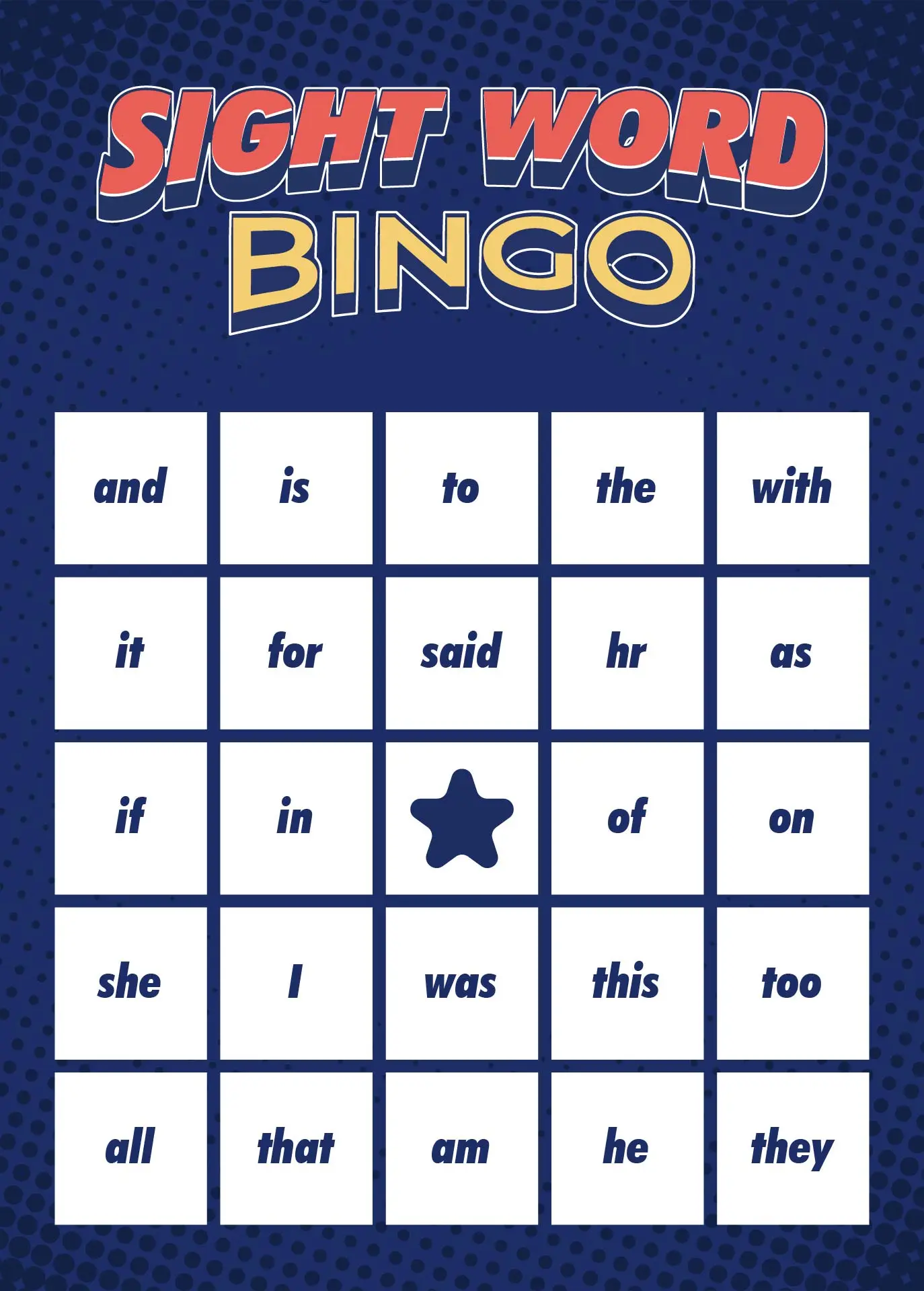
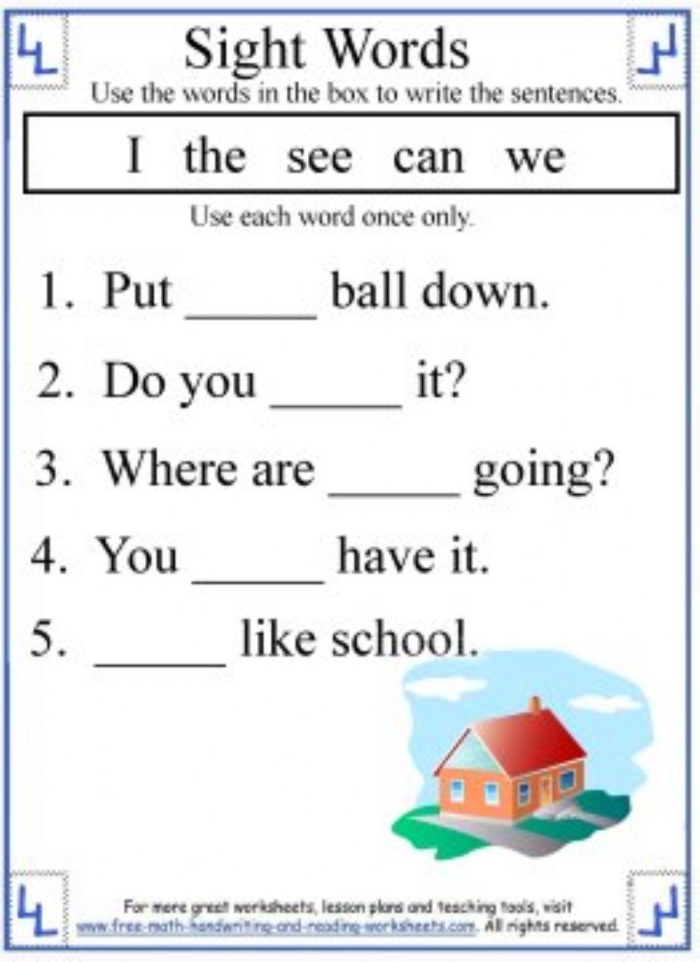
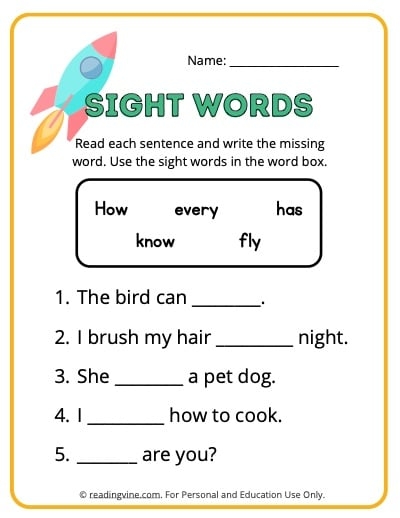
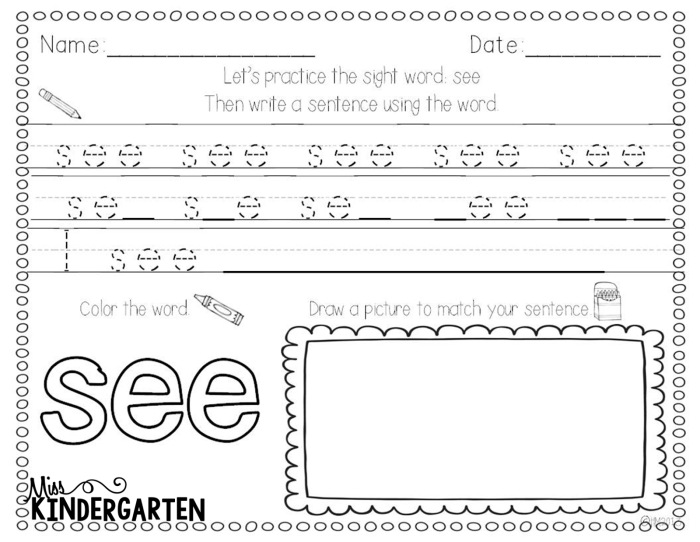
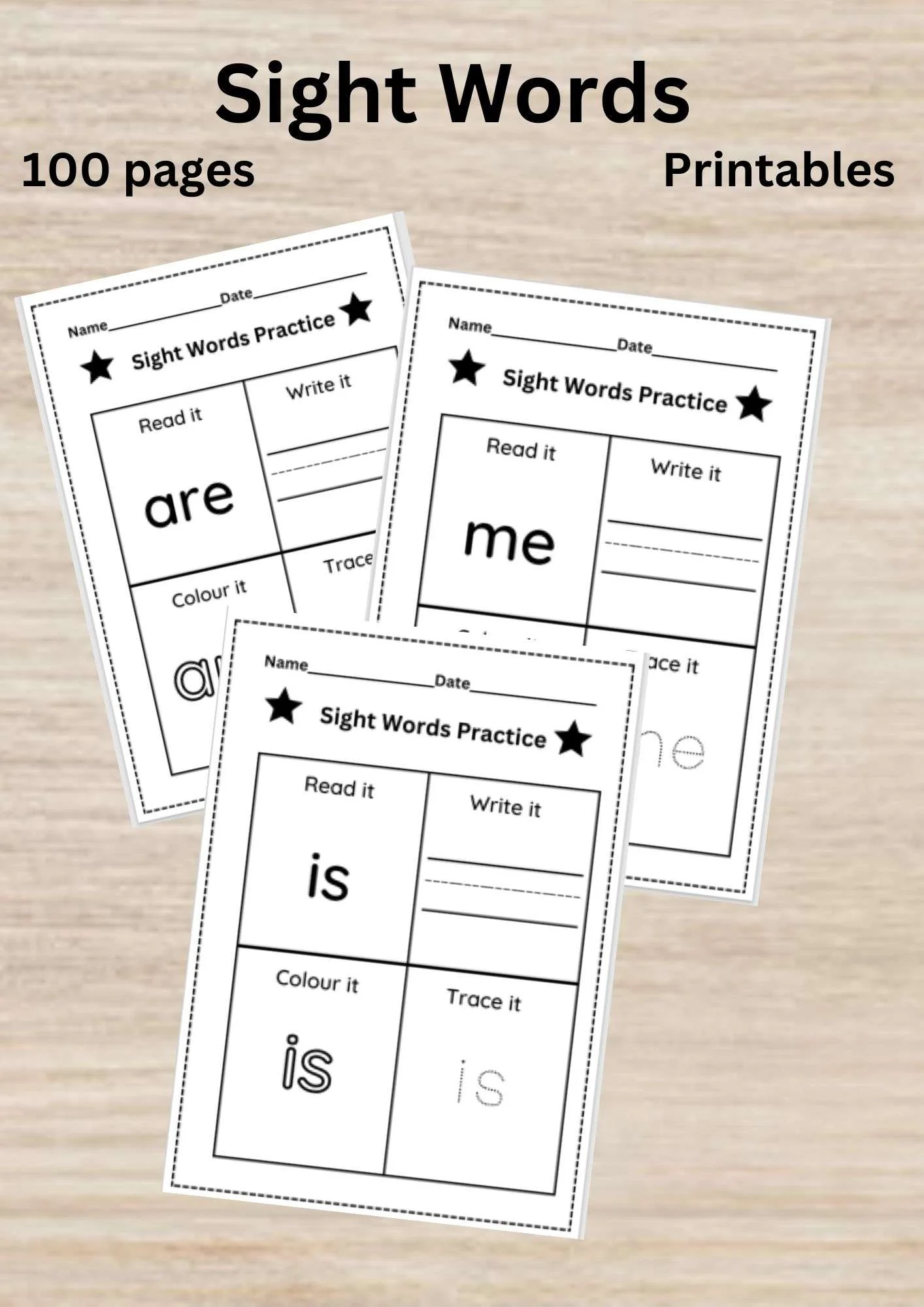
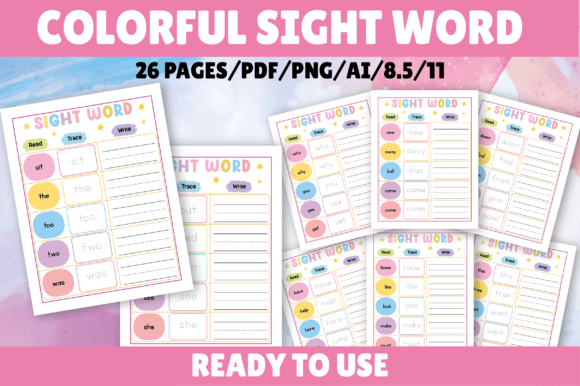
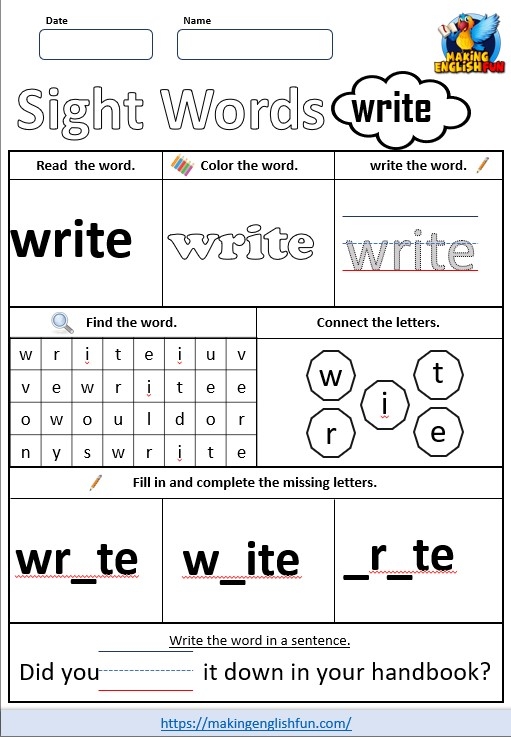
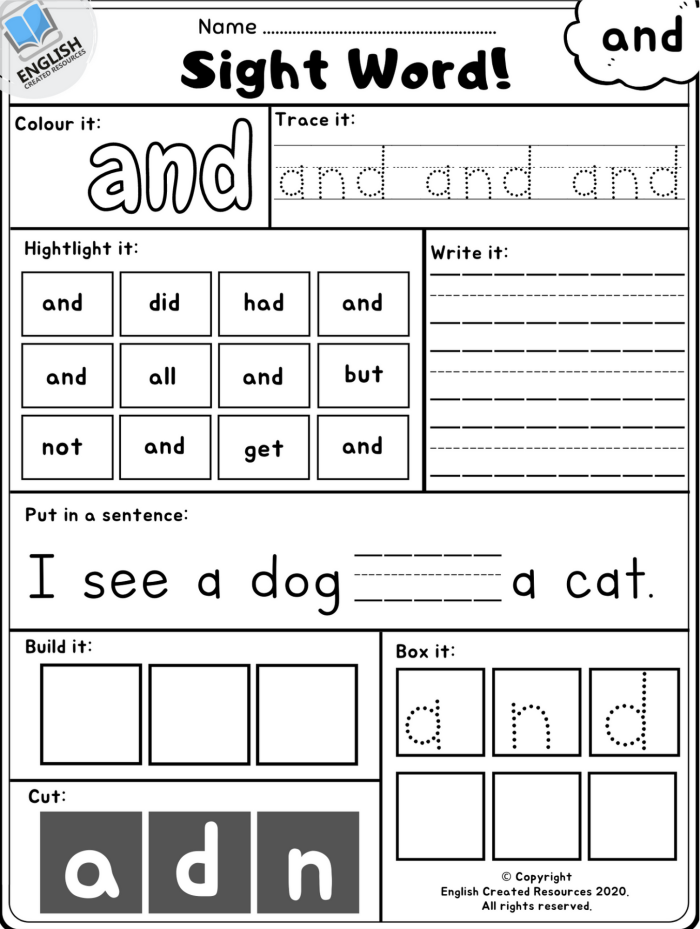
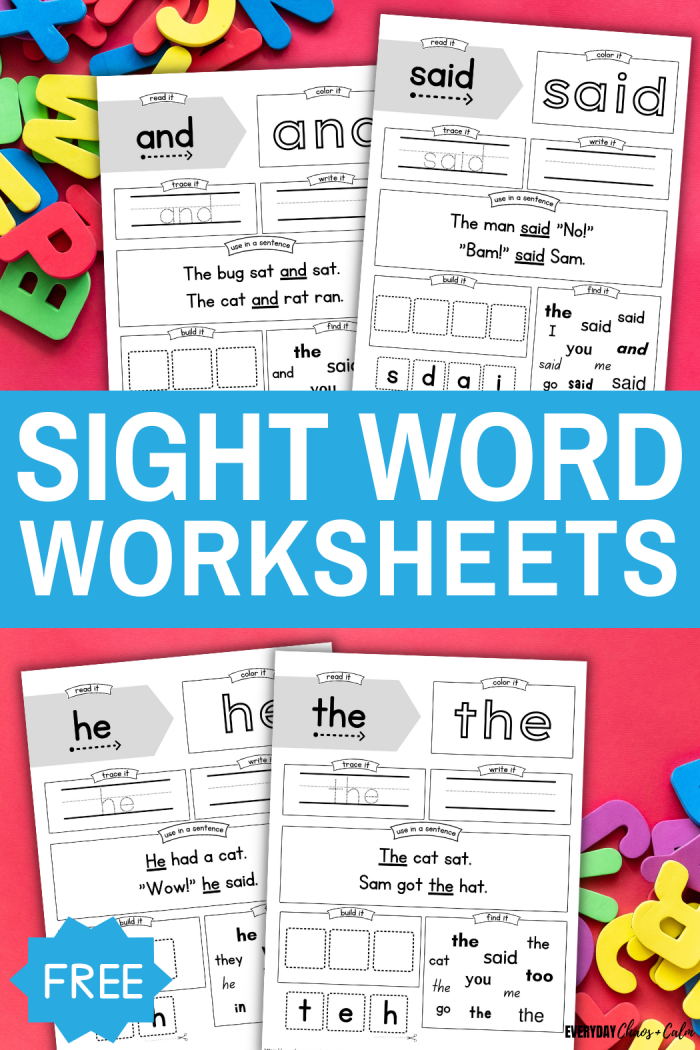
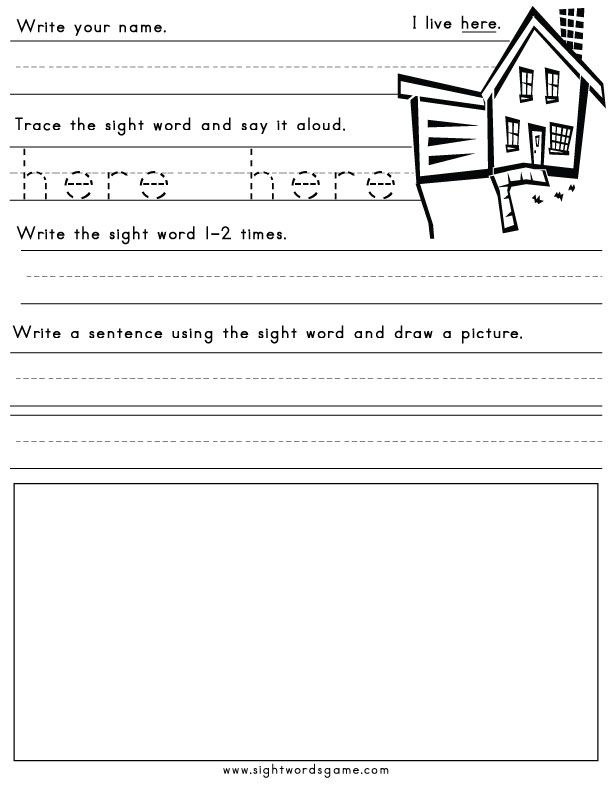
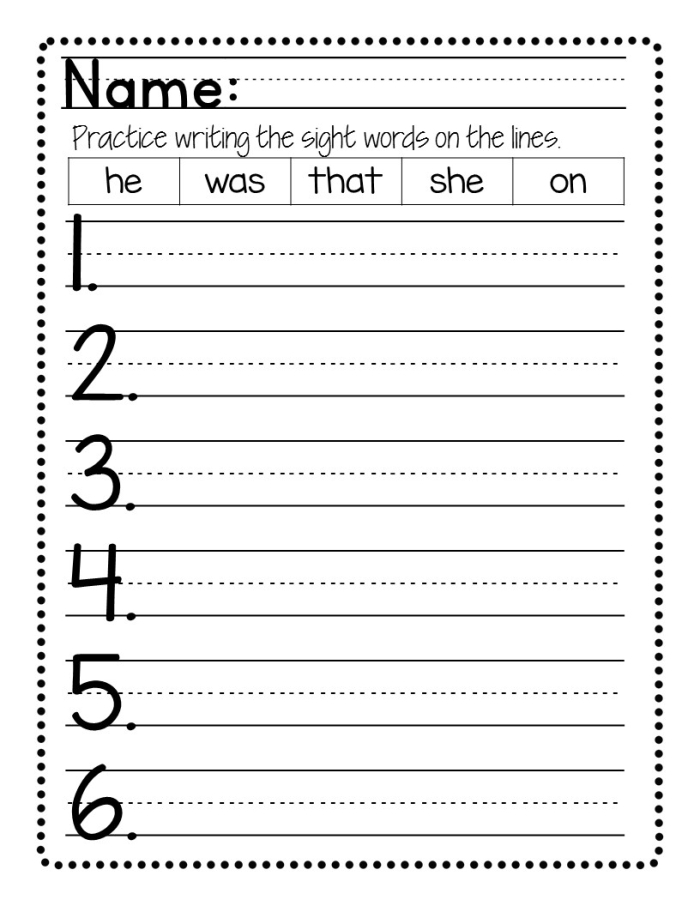
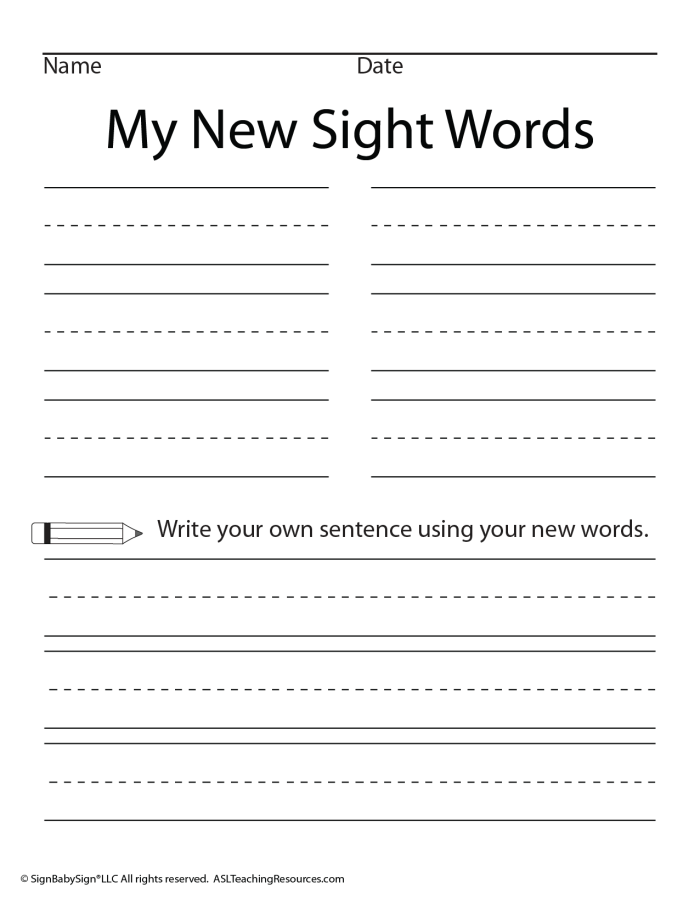
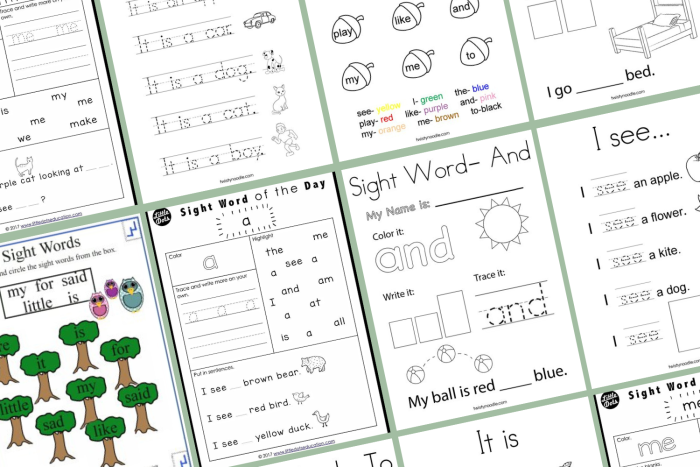
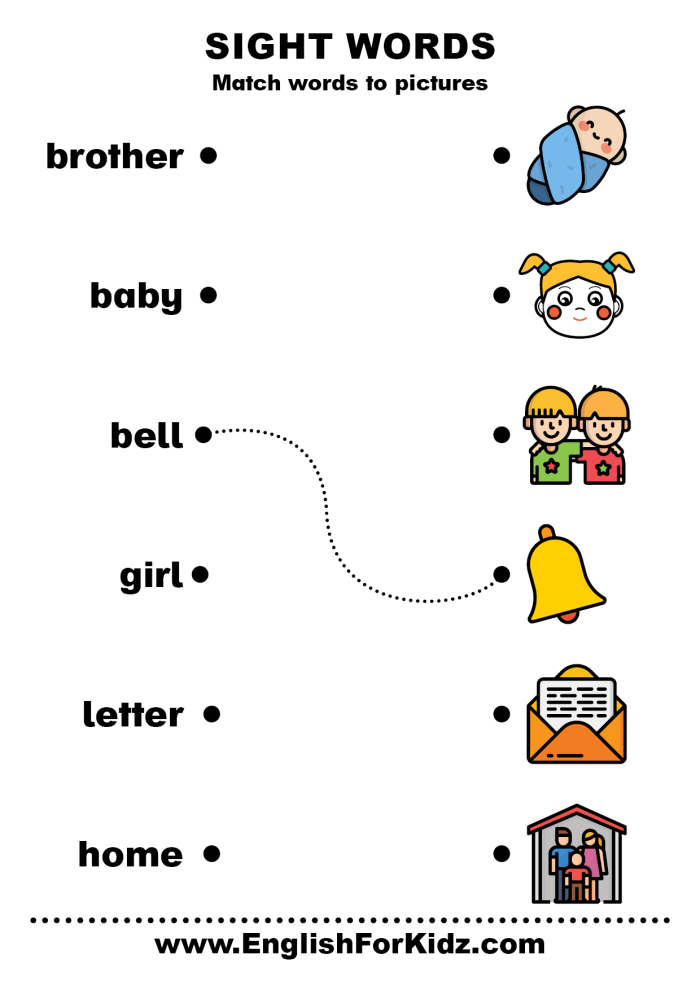
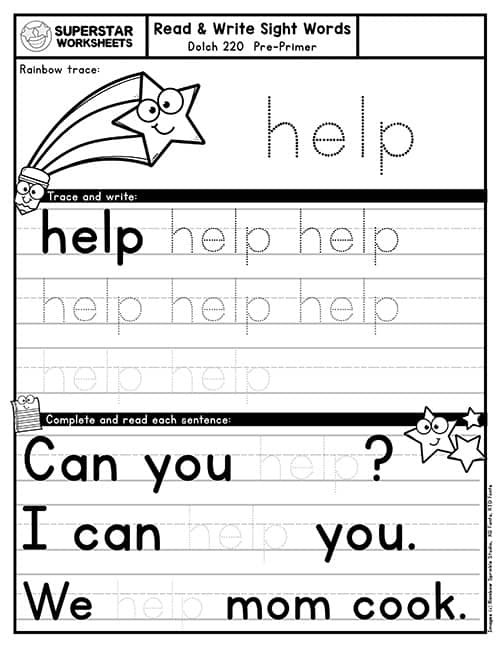
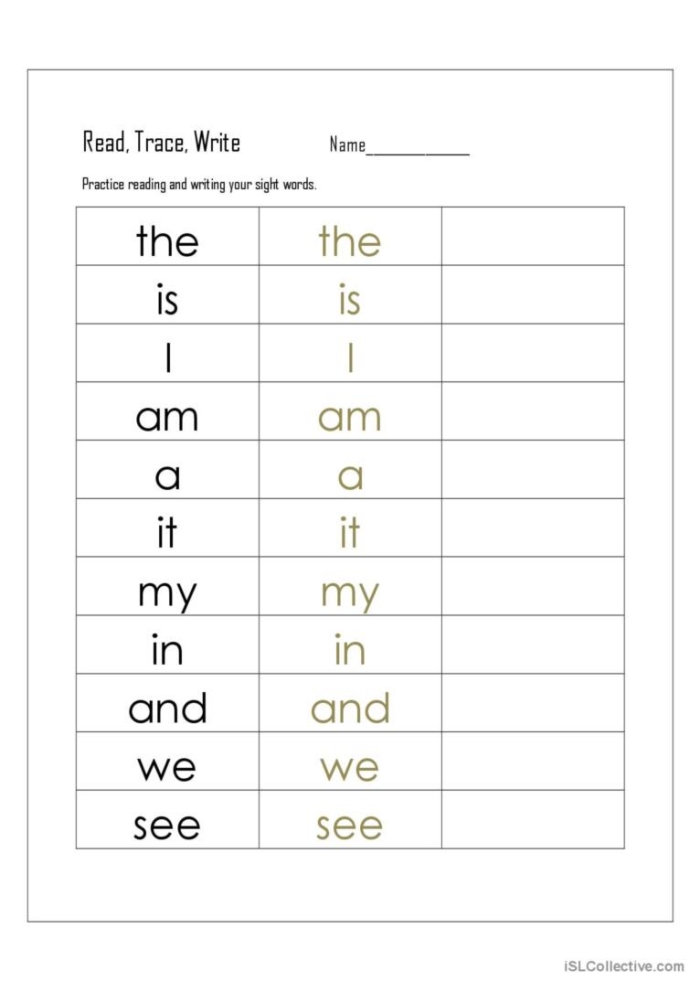
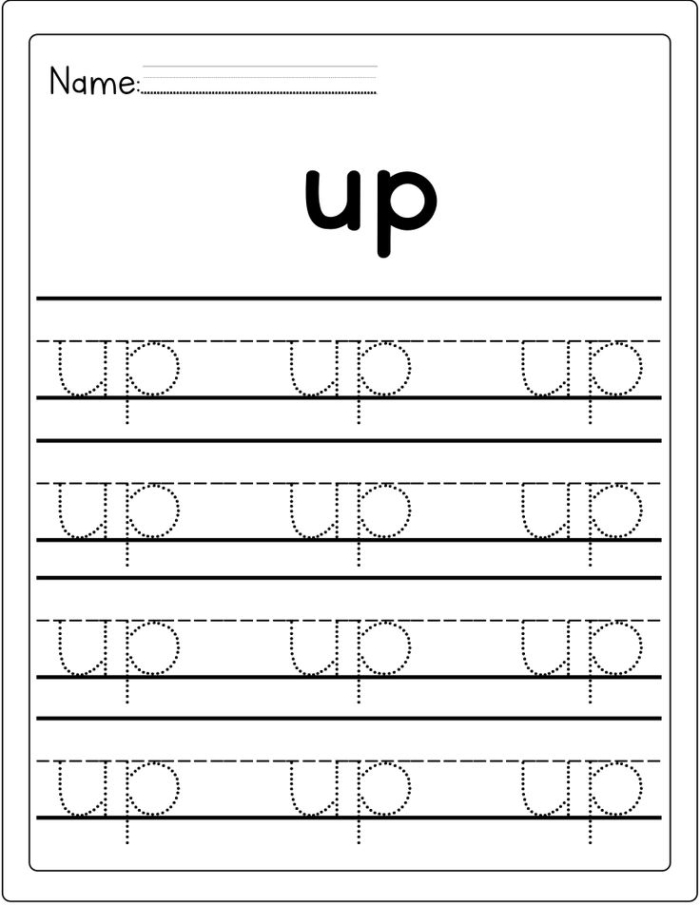
Your Pre-K student is ready to pick up a pencil and start writing, and sight words are the perfect place to begin. These high-frequency words appear constantly in reading and writing, making them essential building blocks for early literacy. The key to success isn’t rushing through a worksheet, though, it’s slowing down and engaging your child in the learning process.
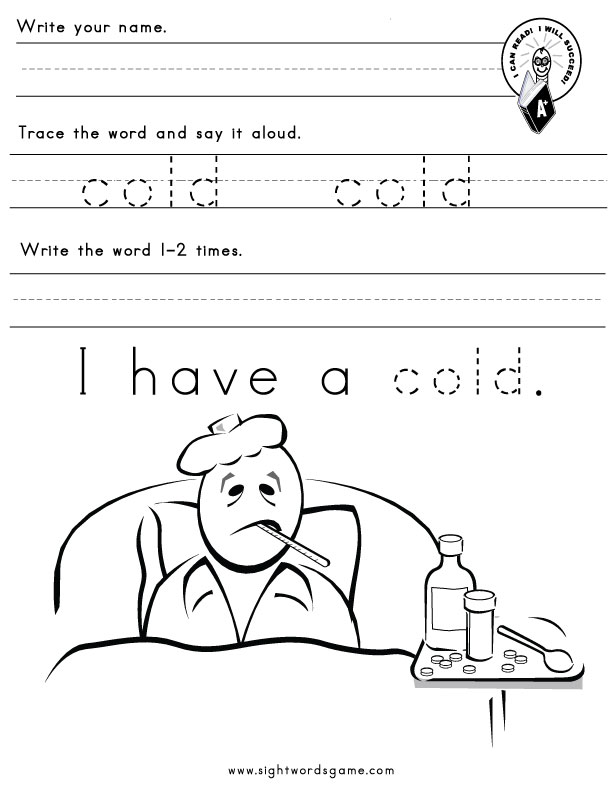
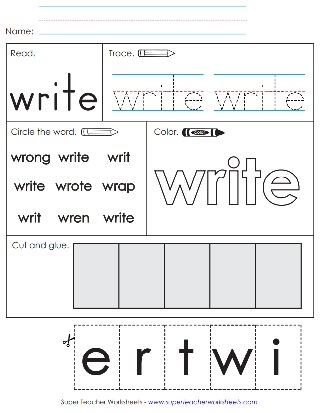
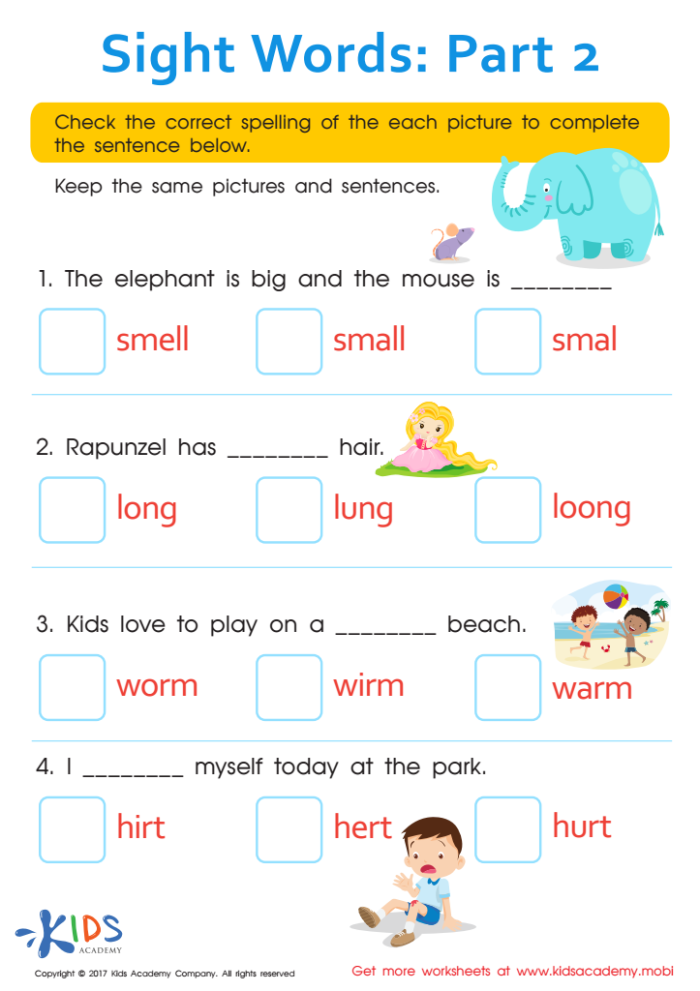
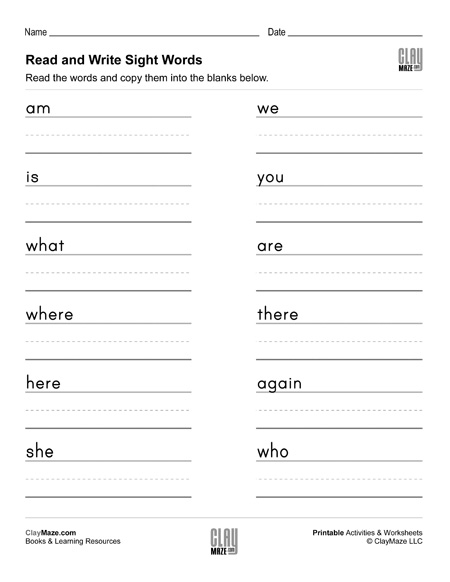
Before your child puts pencil to paper, say each word aloud together. This step matters more than you might think. When children hear a word spoken clearly, they connect the sound to the letter shapes they’re about to write. This auditory-motor link strengthens memory and helps them recognize the word when they encounter it in books later. Spend a few seconds on each word, pronounce it naturally, and let your child repeat it back to you.
The writing itself comes next. Your child’s handwriting won’t be perfect at this stage, and that’s completely normal. The act of forming letters by hand builds muscle memory and reinforces letter recognition in ways that typing simply cannot replicate. As your child practices, they’re also beginning to understand that words have consistent patterns and spellings.
Keep practice sessions short and positive. Five to ten minutes with genuine enthusiasm beats thirty minutes of frustration. Celebrate effort over perfection. When your child completes a word, acknowledge the work they’ve done rather than critiquing the neatness.
Pairing sight word practice with other literacy activities strengthens learning. Consider exploring resources like building background knowledge alongside word practice, or incorporating word family activities as your child progresses. These connections help sight words stick in long-term memory and show your child how words relate to each other.
Boost Skills with These Worksheets