By late spring, you need a clear picture of where your fifth graders stand with grammar, punctuation, and sentence structure. A comprehensive end-of-year assessment reveals not just what students know, but what gaps remain before they move to sixth grade, where writing expectations shift dramatically.
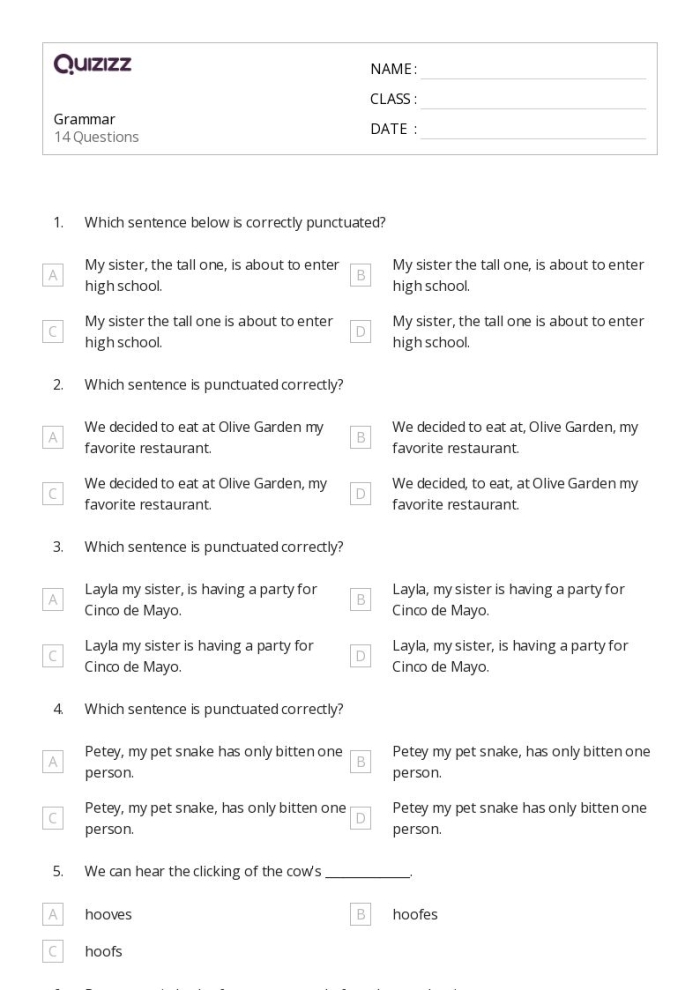
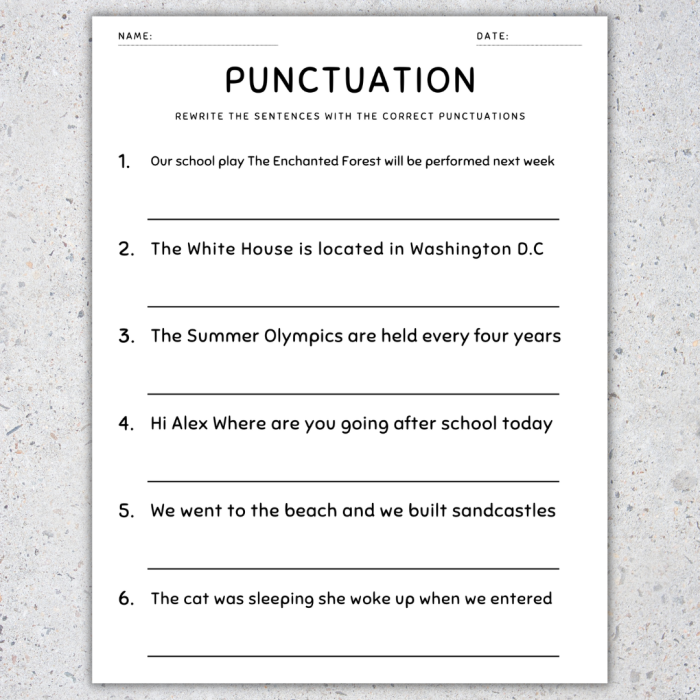
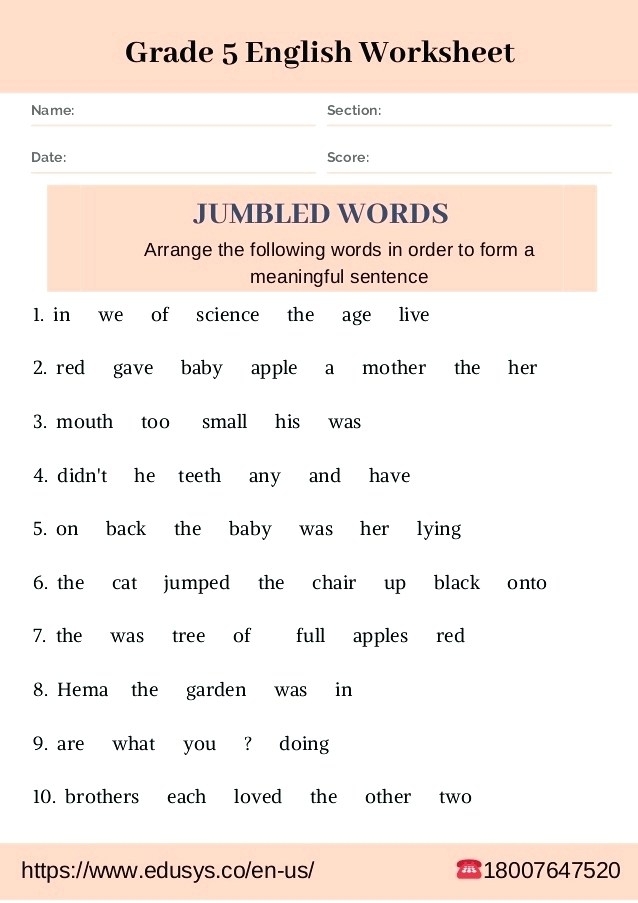
The best assessments go beyond isolated skill drills. Instead of testing comma rules in a vacuum, ask students to identify and correct punctuation errors within actual sentences and short paragraphs. This mirrors real writing and shows whether they can apply knowledge in context. When you assess sentence structure, include tasks where students combine simple sentences into compound or complex ones, or break run-ons into properly structured sentences. These activities demonstrate whether students grasp how sentences work, not just whether they can label parts.
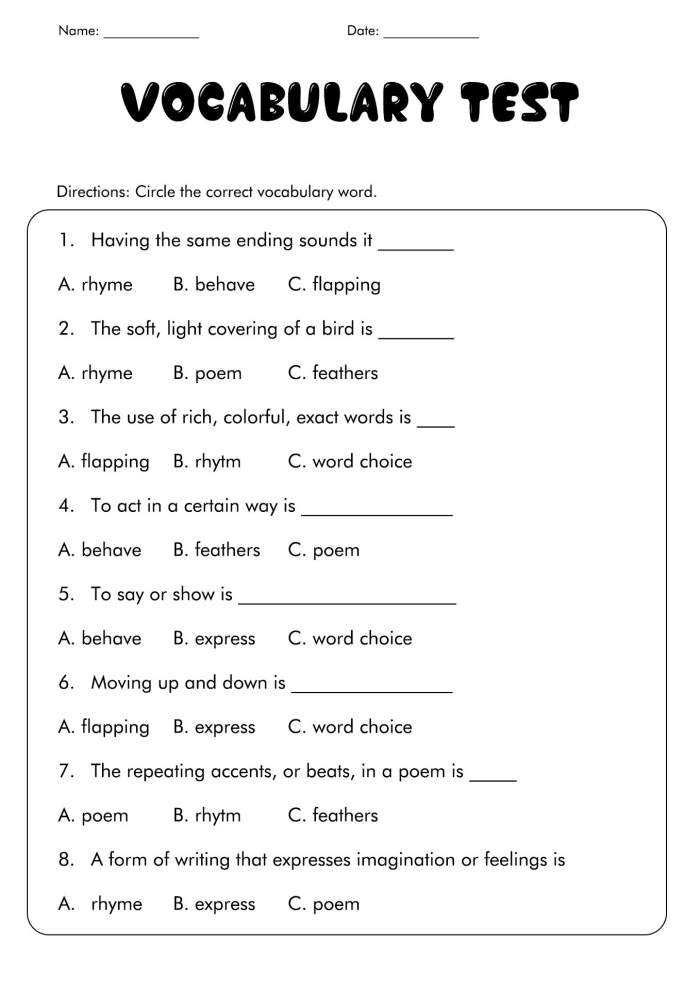
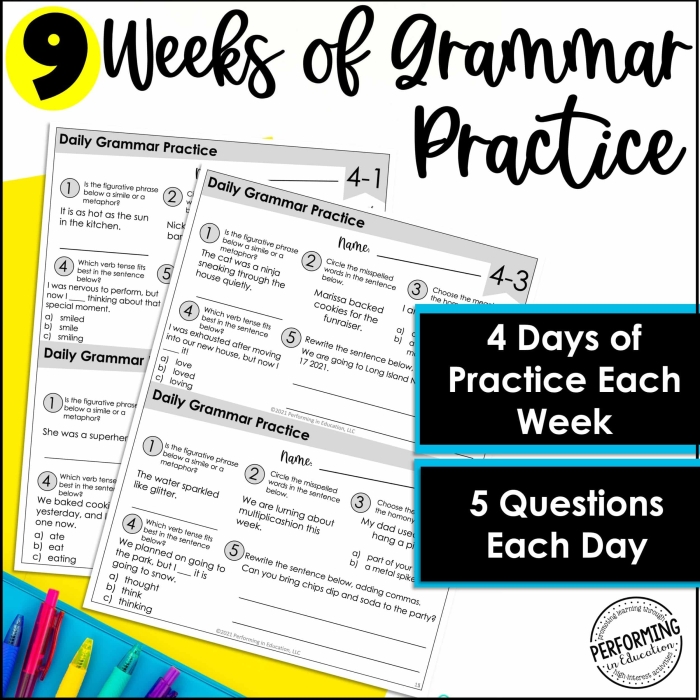
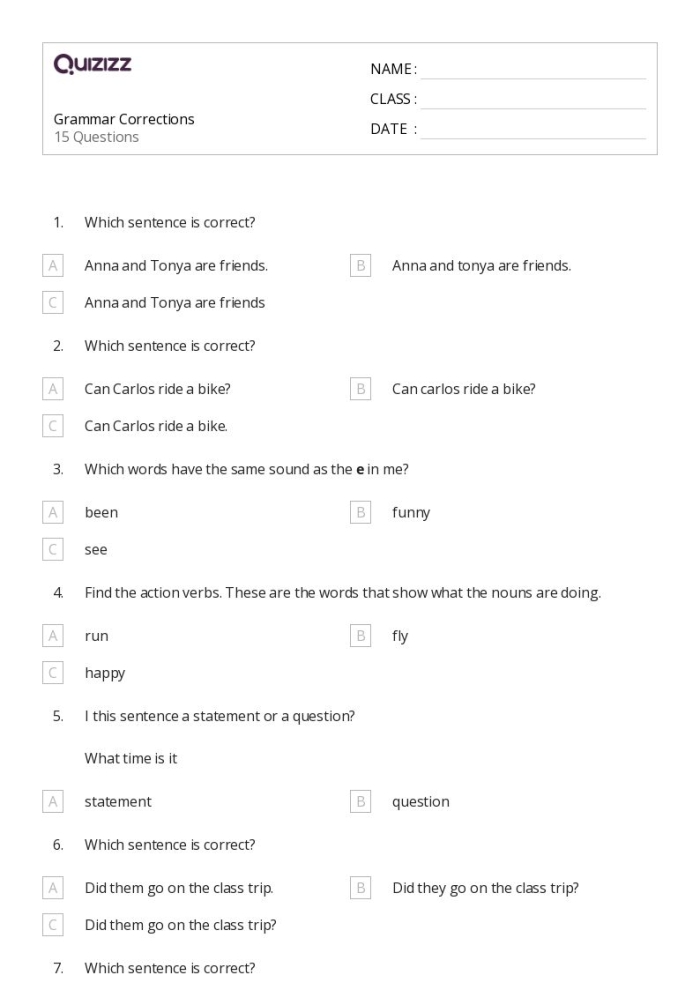
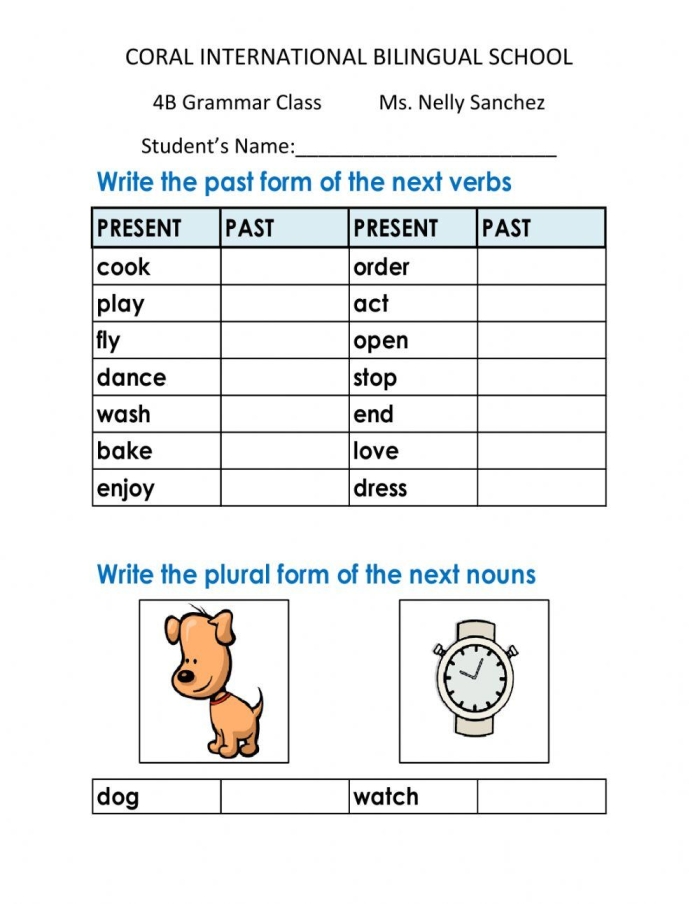
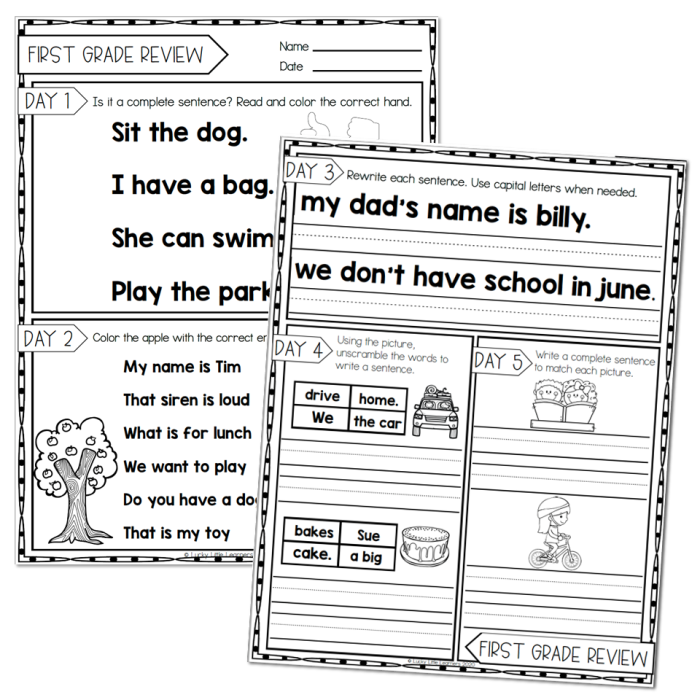
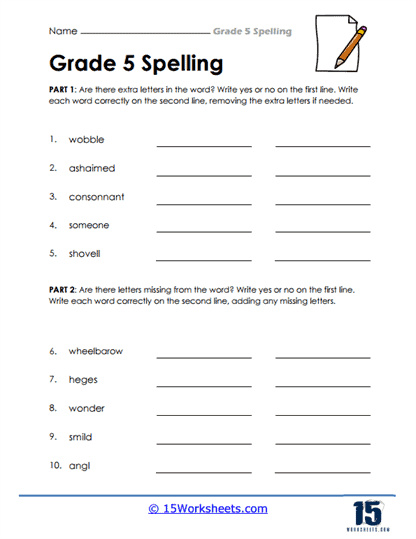
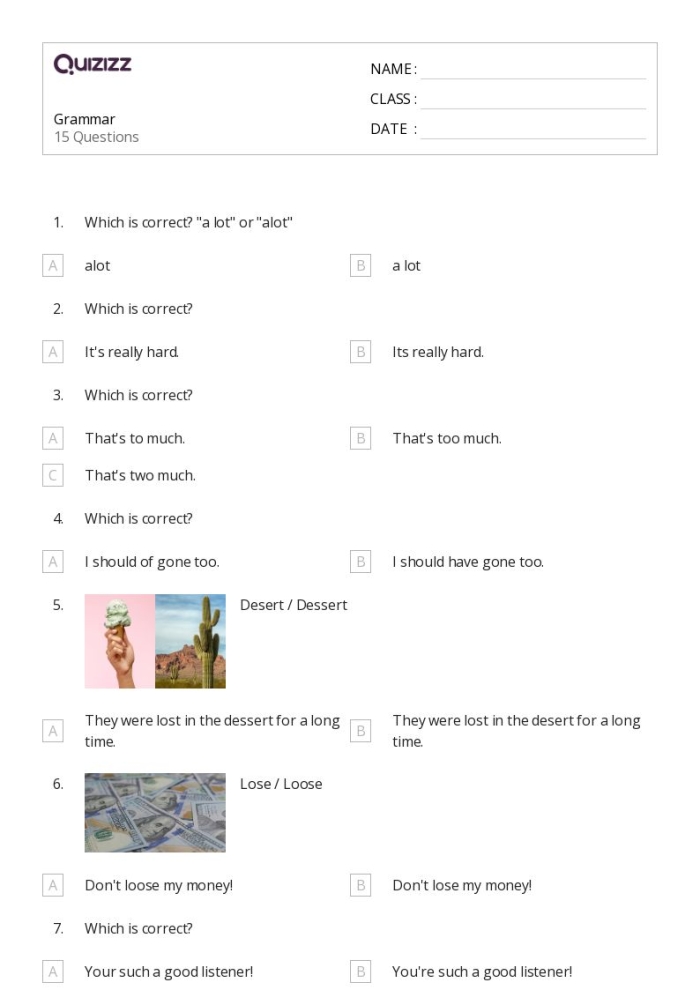
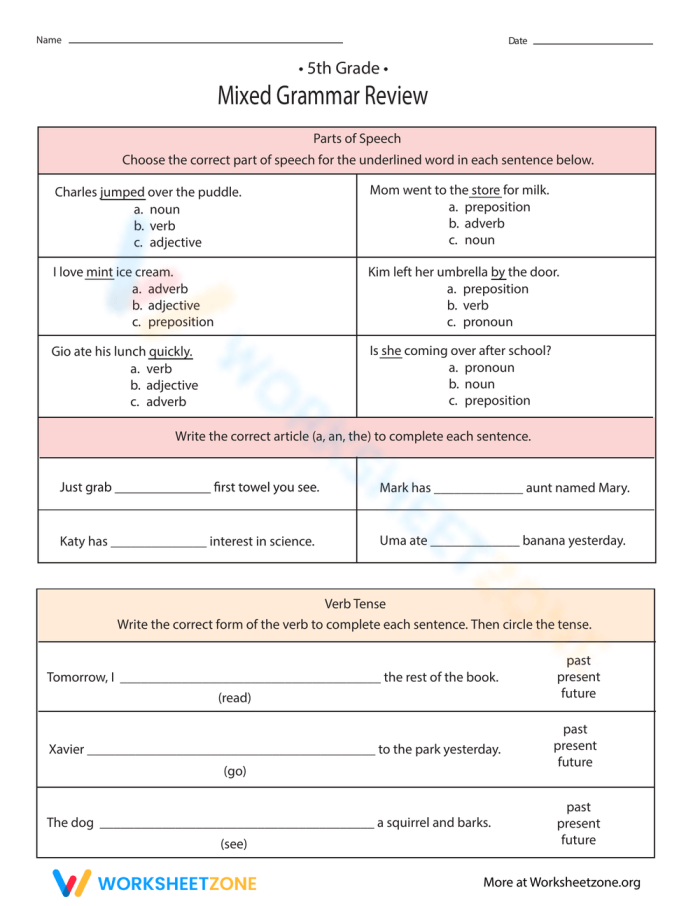
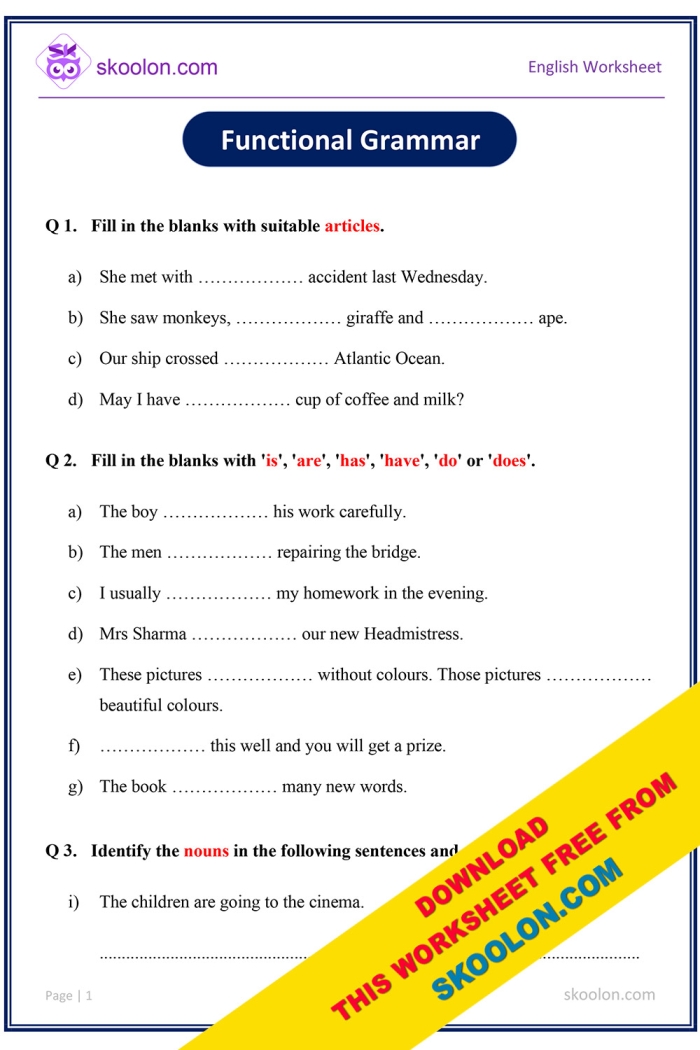
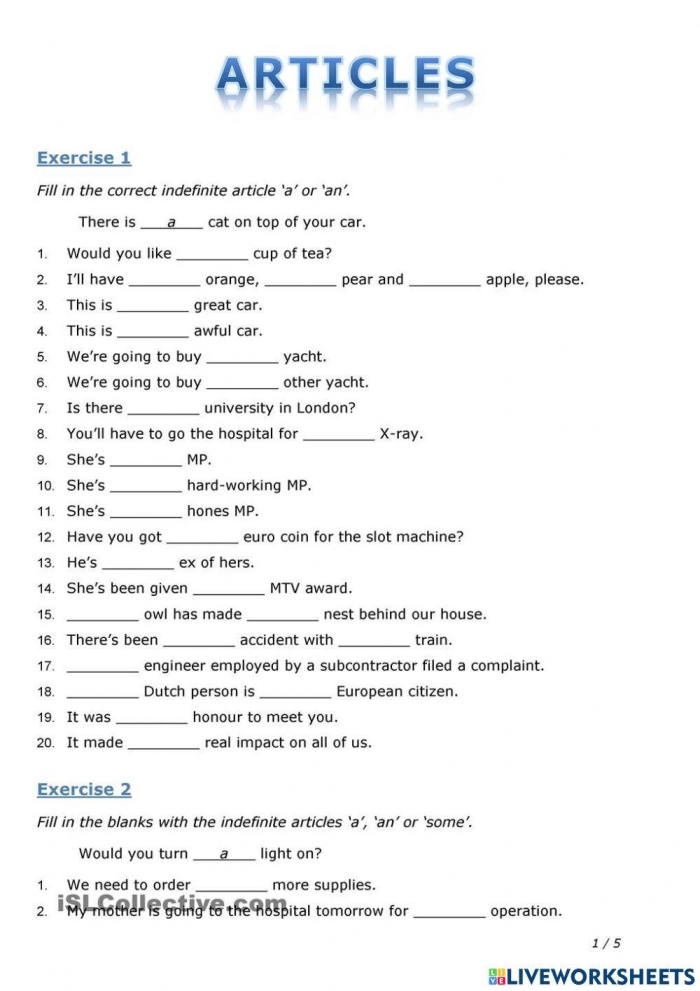
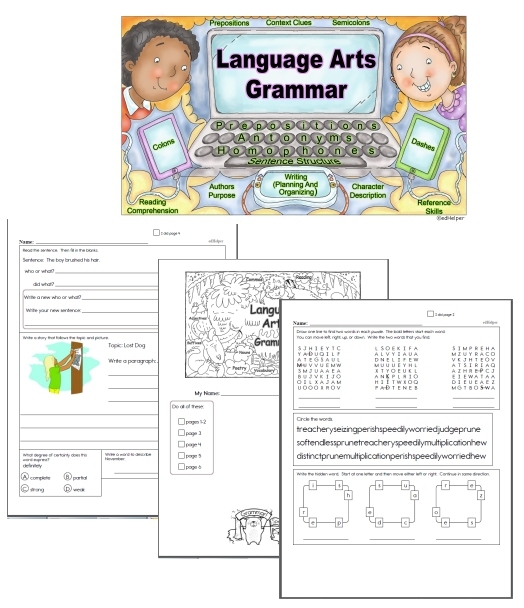
Consider using mixed review worksheets that combine multiple skills on a single page. Students benefit from seeing grammar, mechanics, and handwriting work together rather than in separate units. Worksheets covering historical content with spelling elements or grammar tied to literature analysis help students see why these skills matter in real learning.
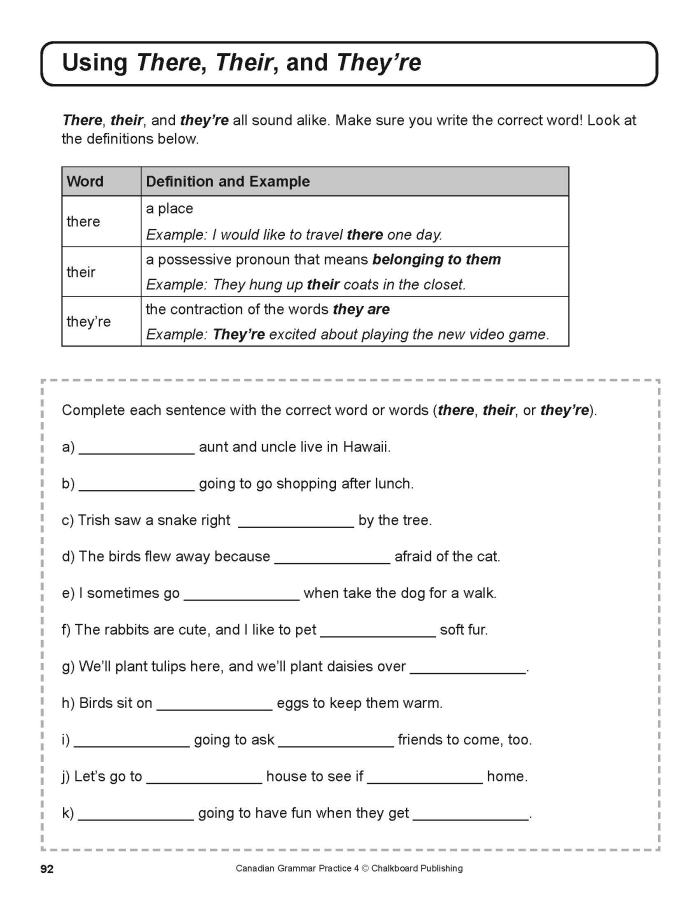
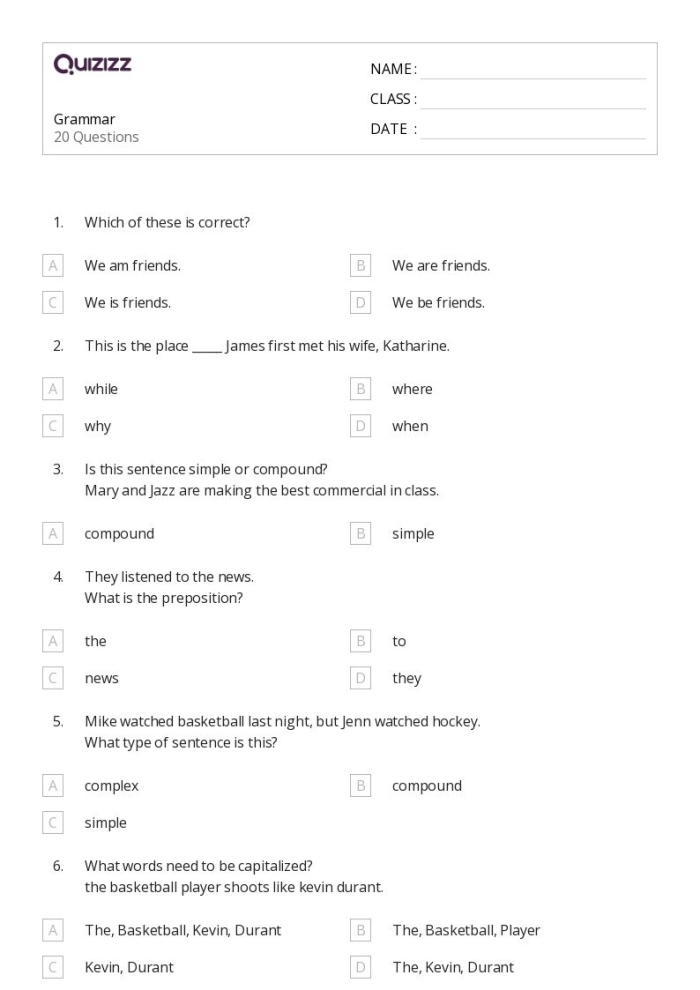
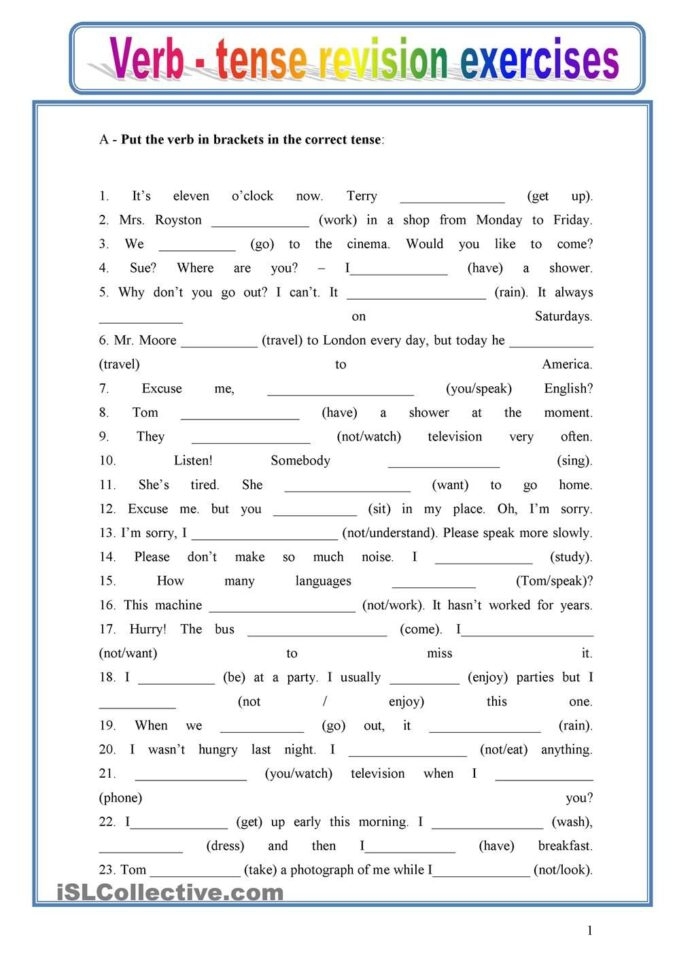
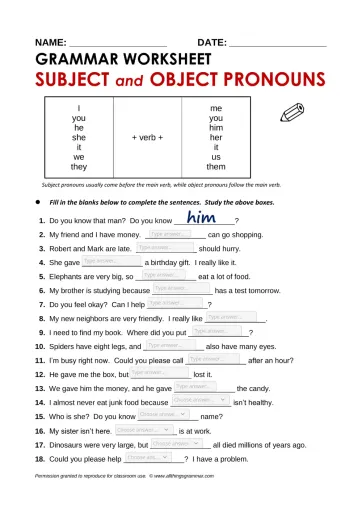
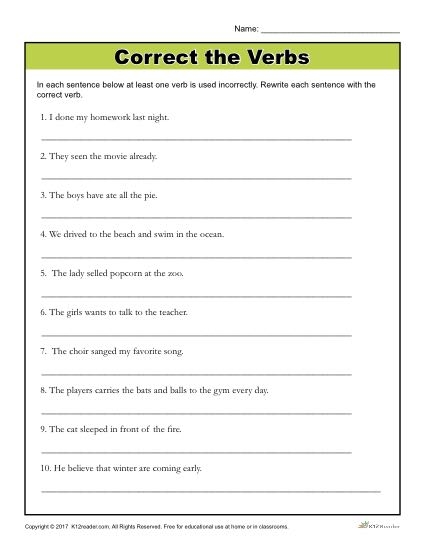
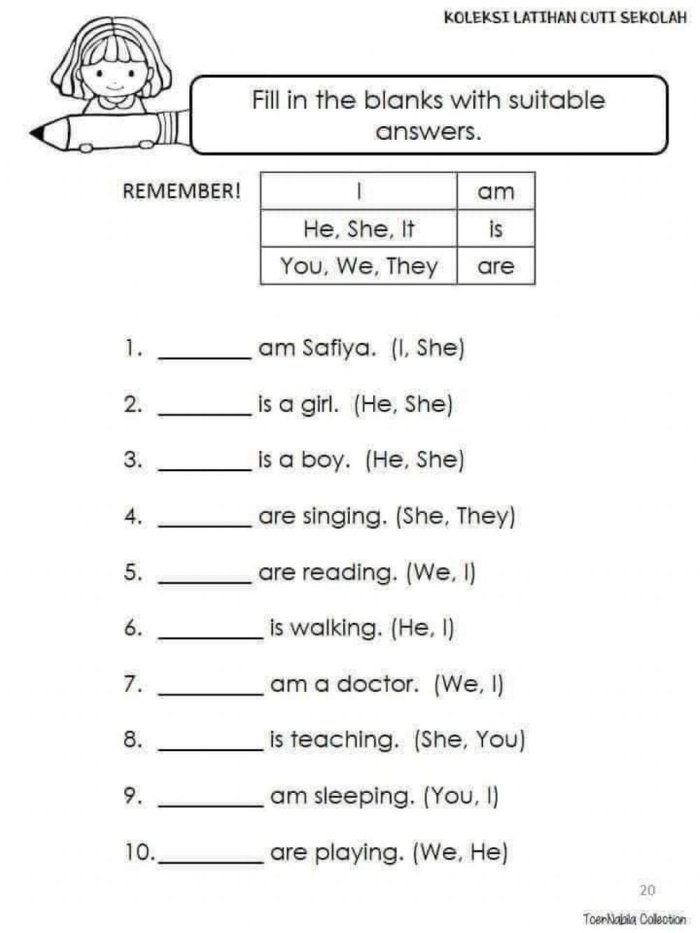
Your assessment should address capitalization, end punctuation, commas in series and compound sentences, subject-verb agreement, verb tense consistency, and pronoun usage. Fifth graders should handle these confidently by year’s end. If they don’t, you’ll want to know which specific areas need summer review or intervention.
Include a short writing sample too. Have students write a paragraph or two on a topic of their choice, then assess their mechanics within that authentic writing. This tells you what students actually do when composing freely, separate from what they can do on a worksheet. Resources like grammar practice with content connections and mechanics review across subjects help you gather this data efficiently while keeping practice engaging.
Use These Worksheets Today