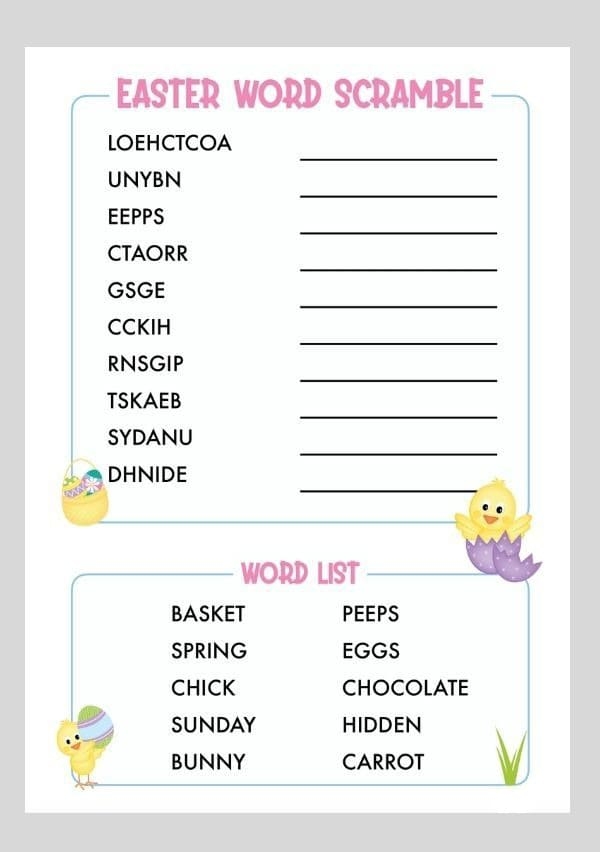
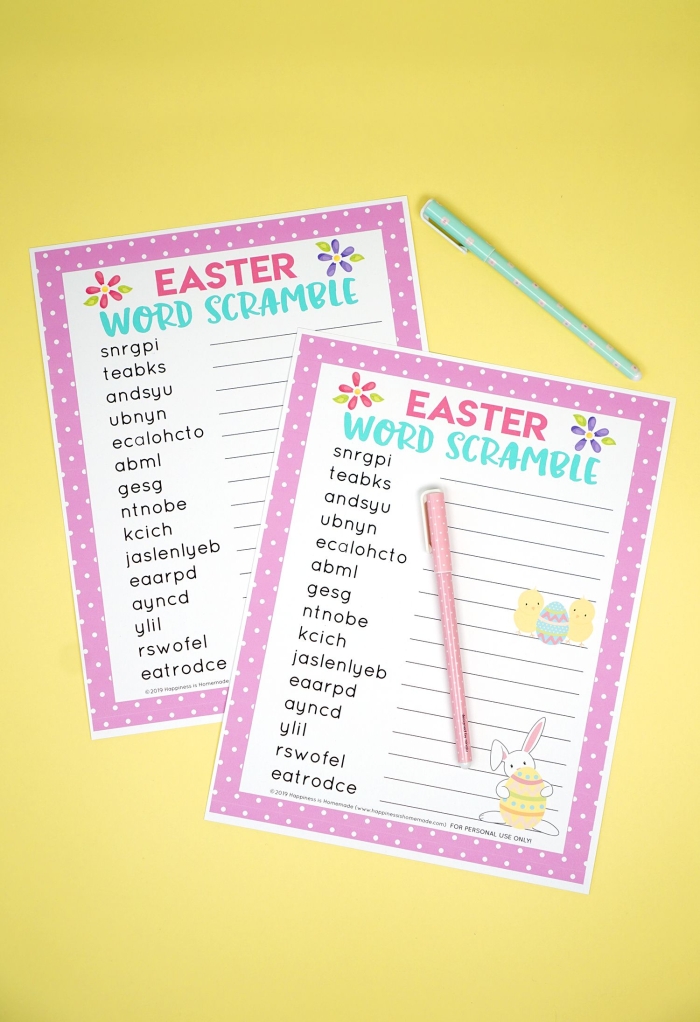
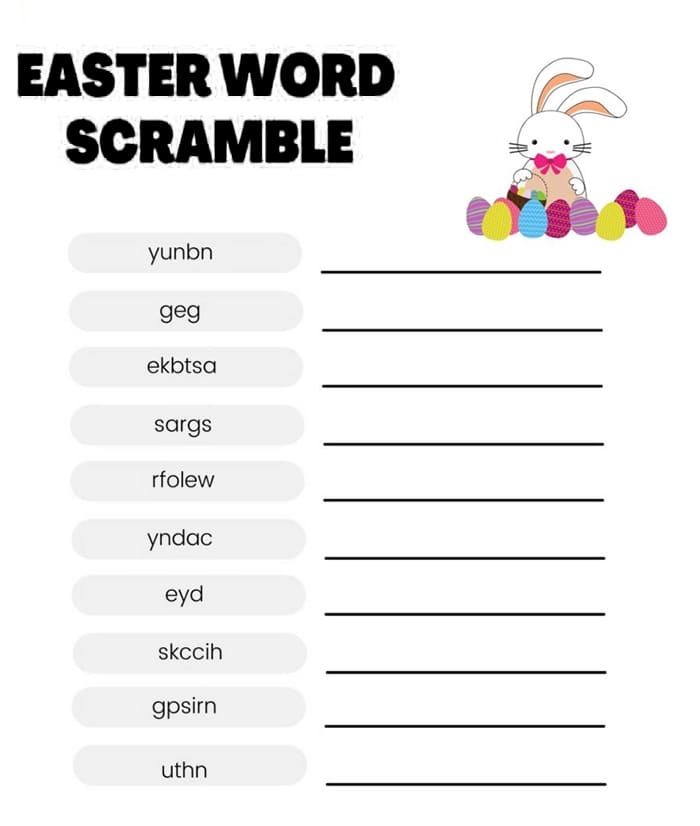
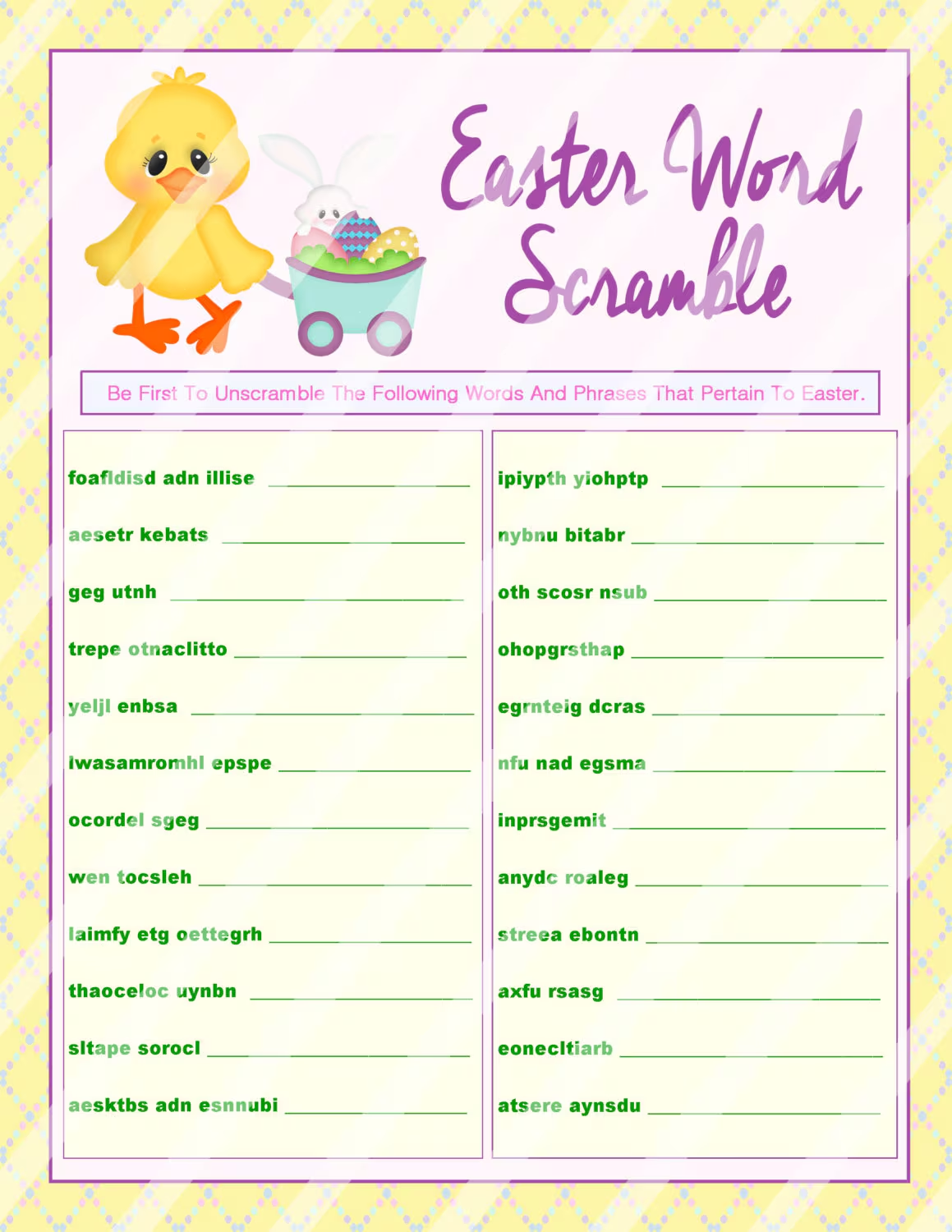
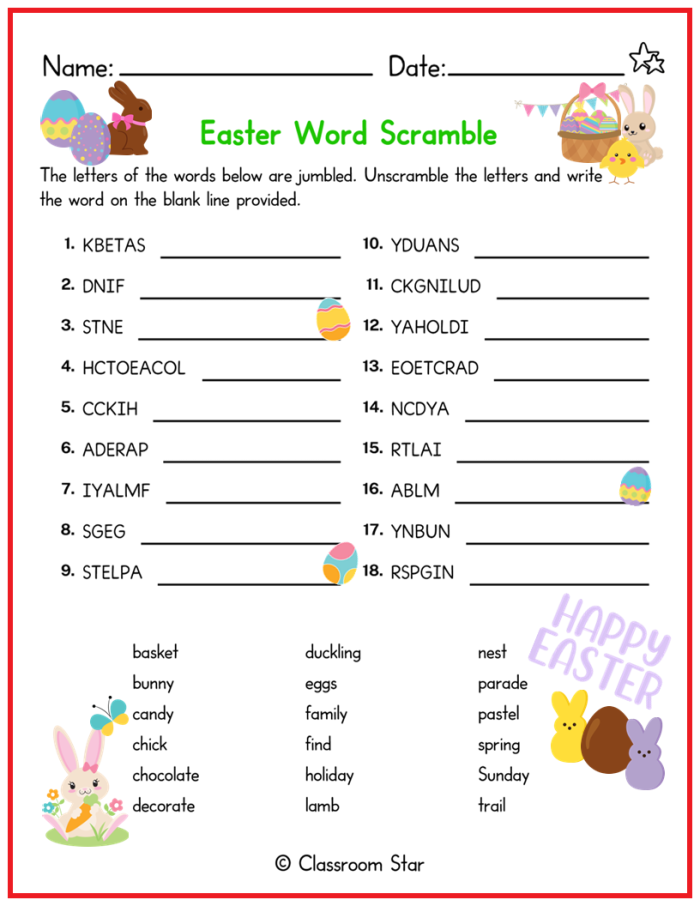
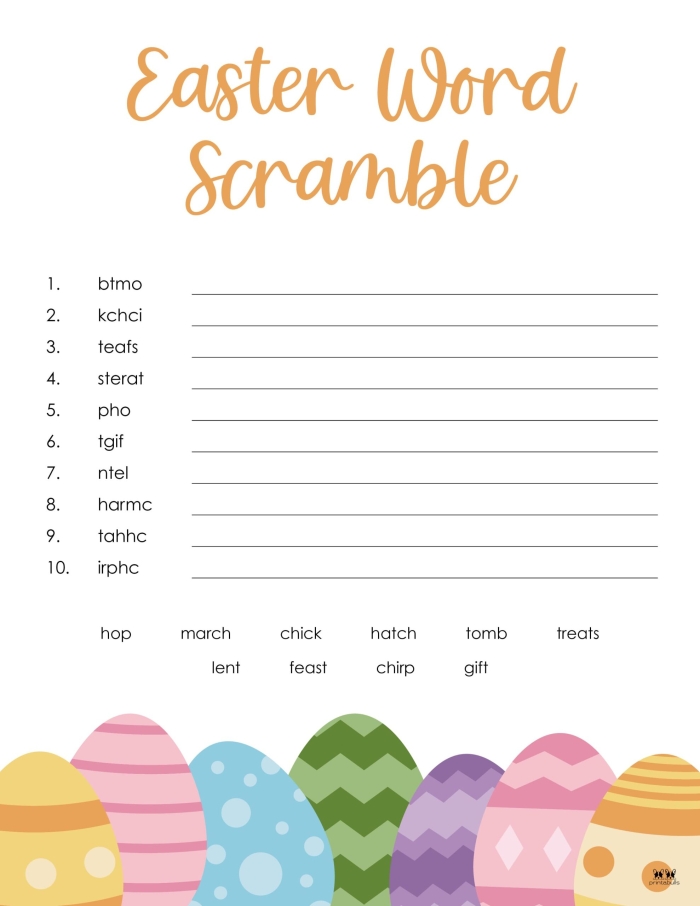
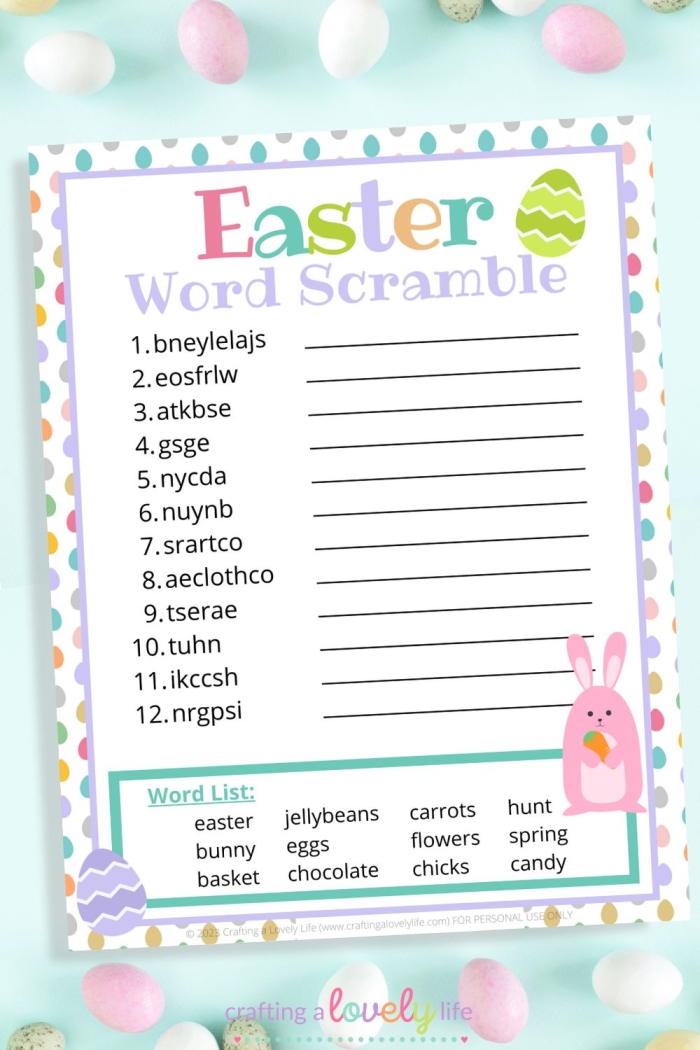
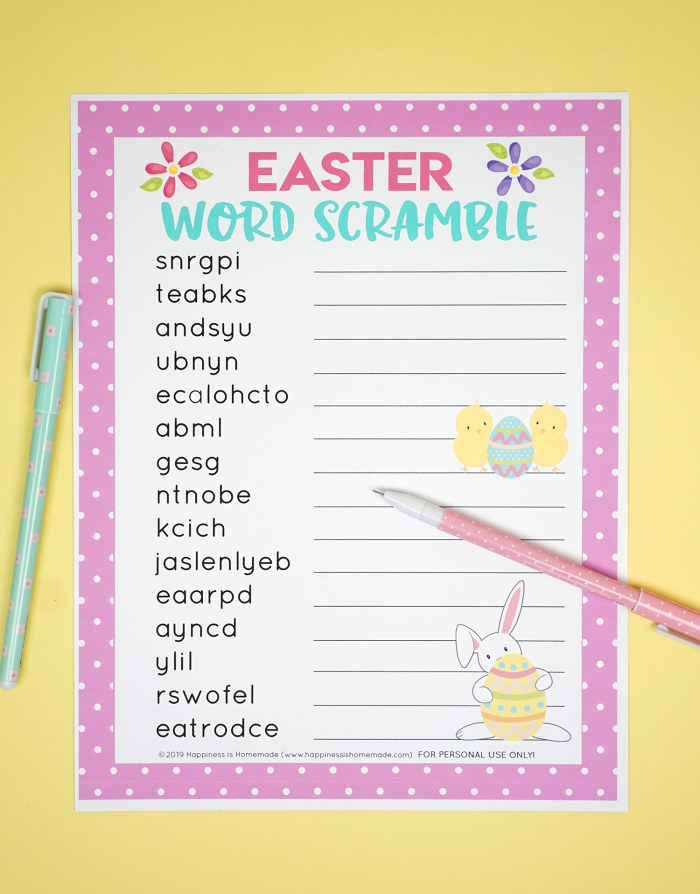
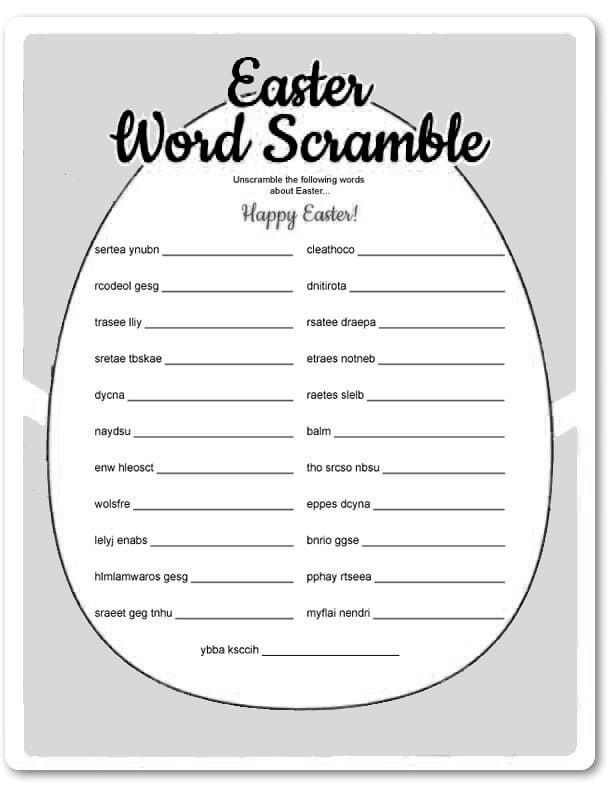
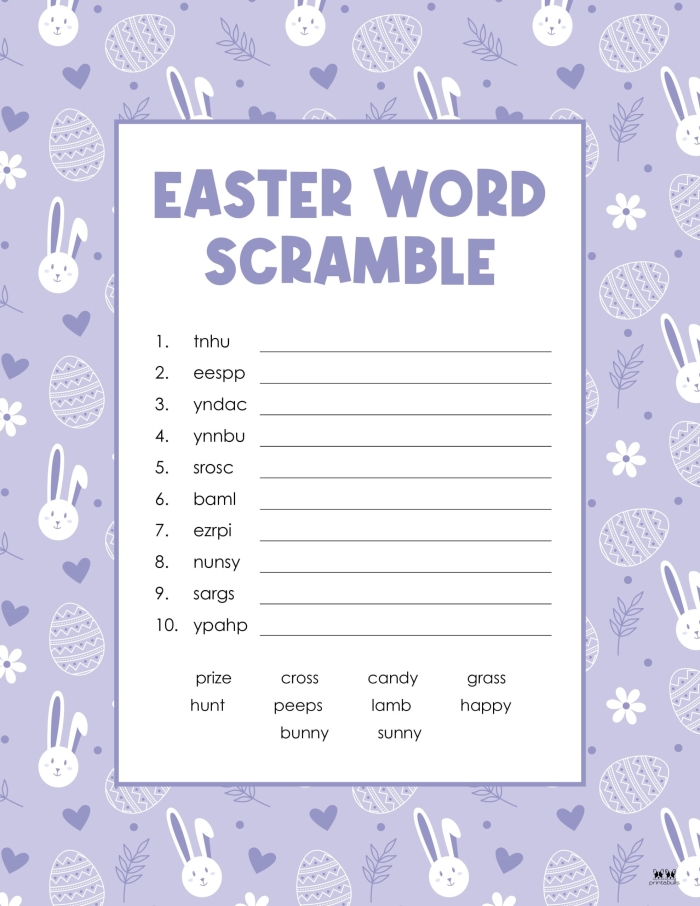
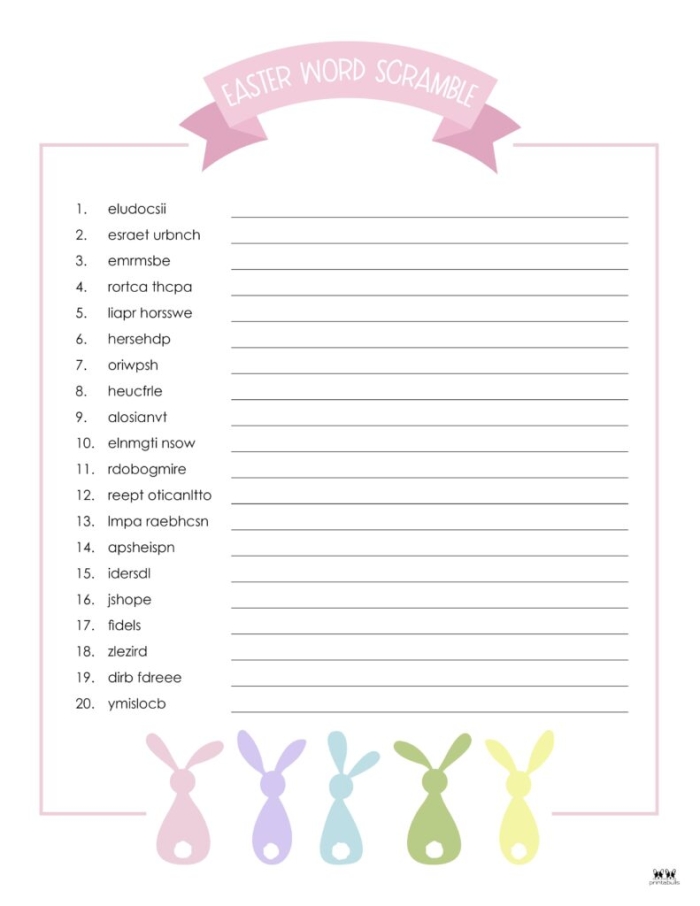
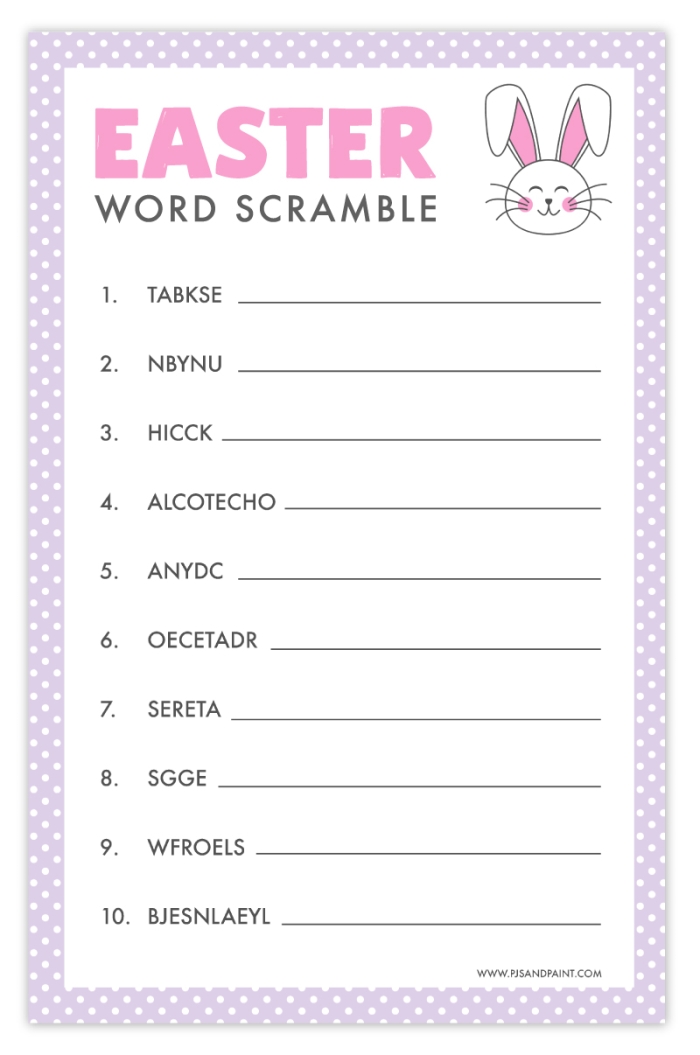
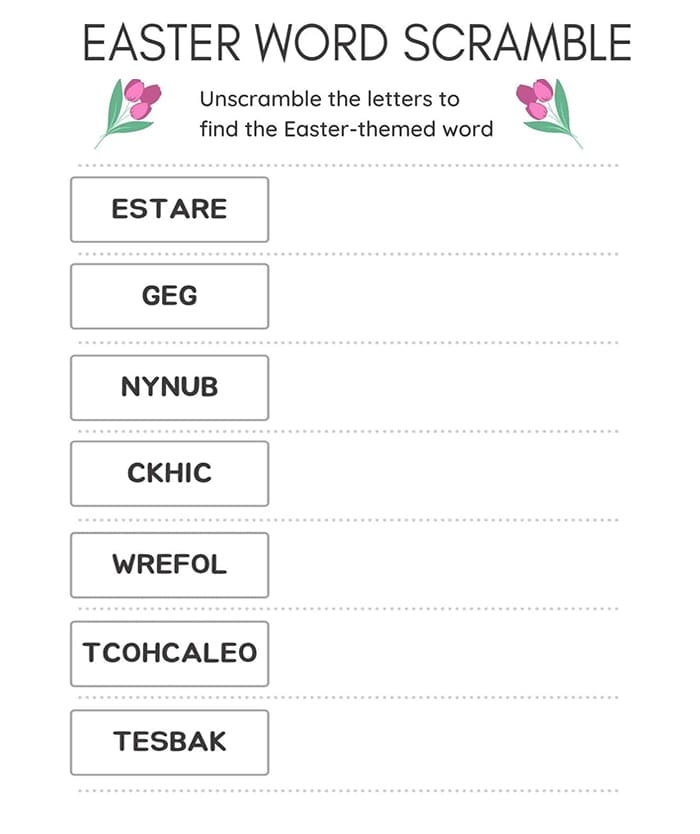
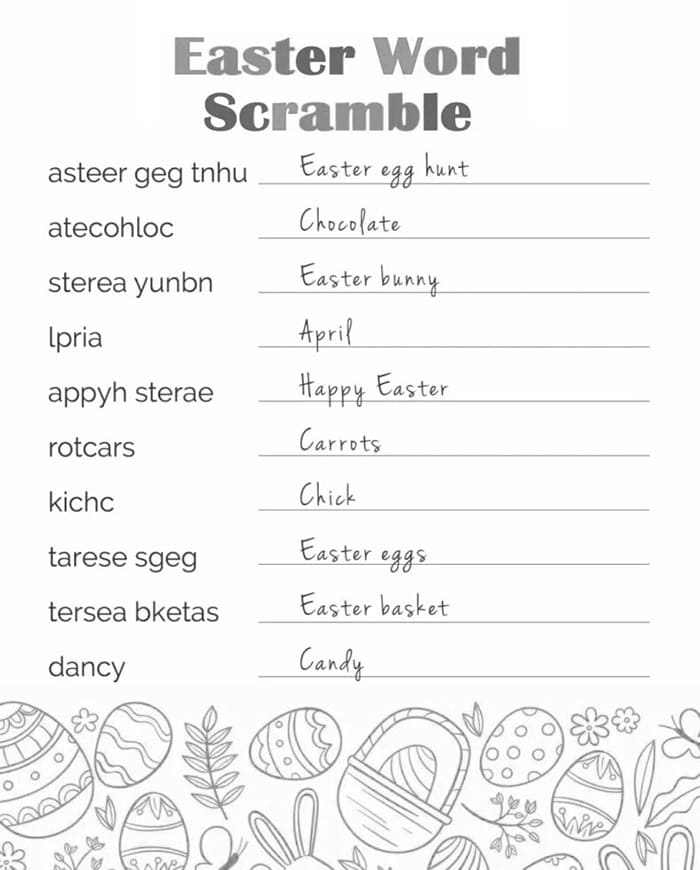
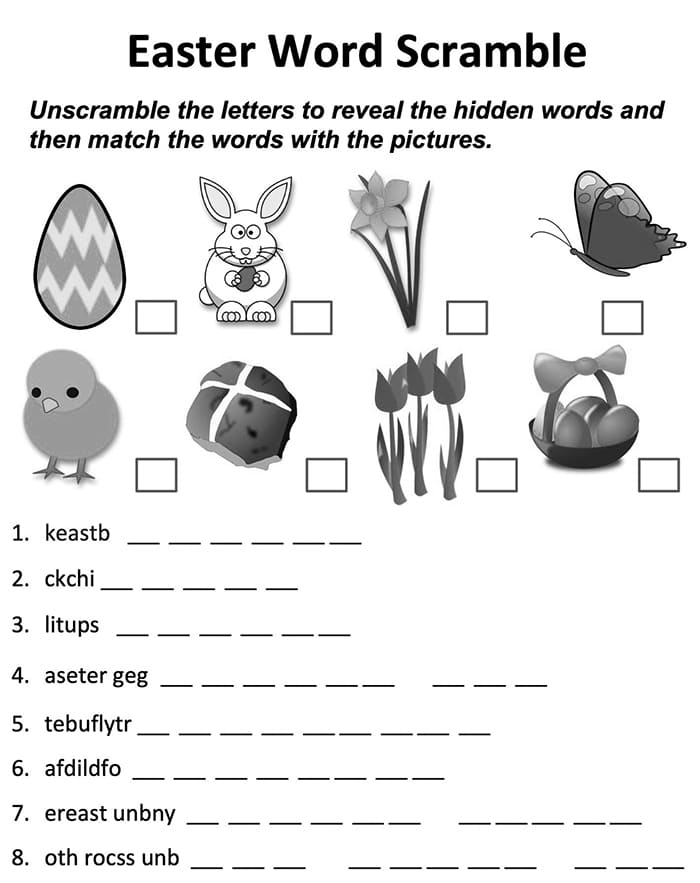
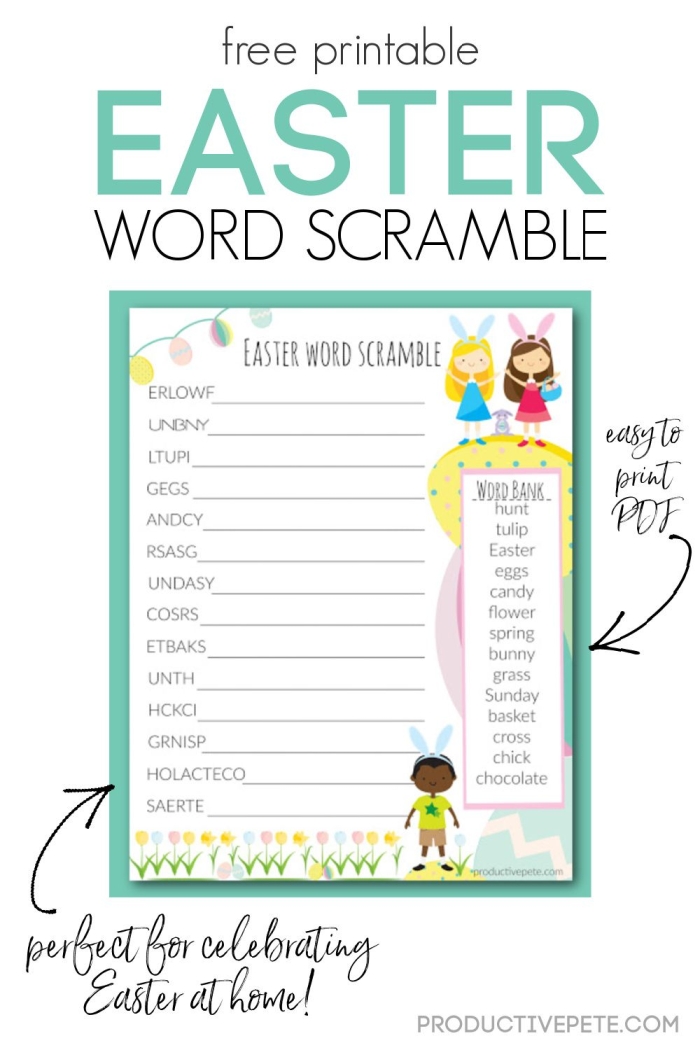
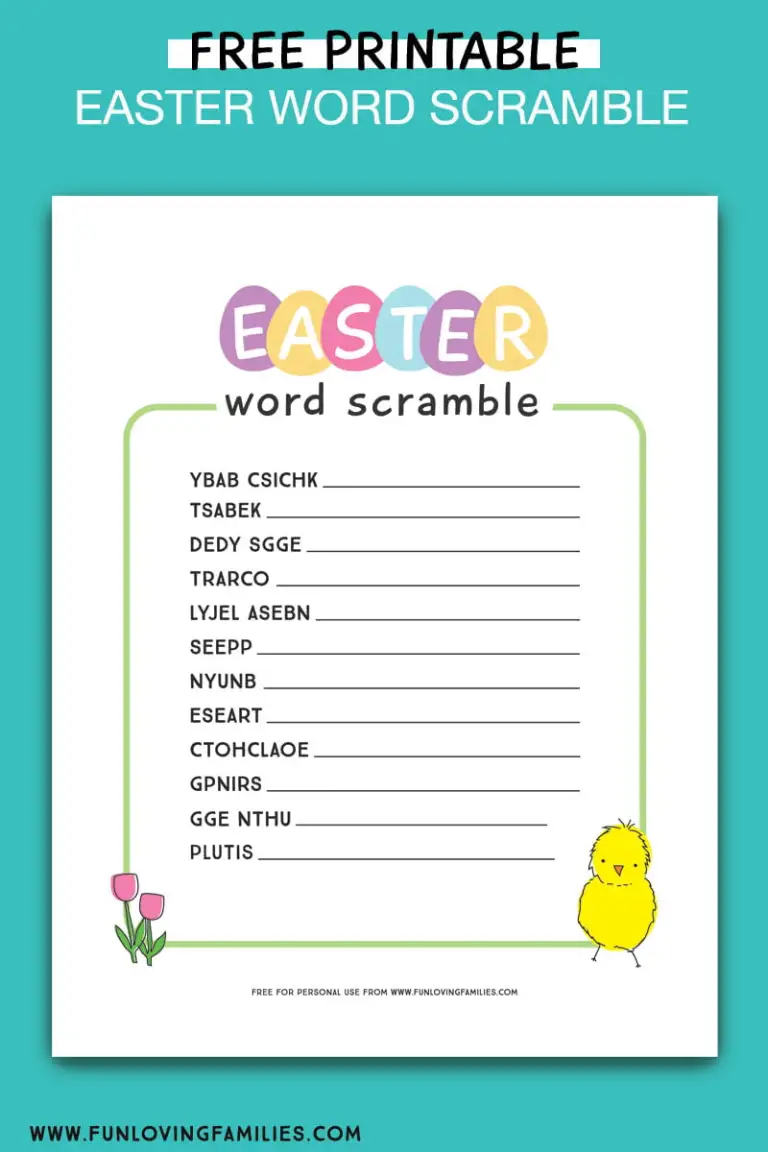
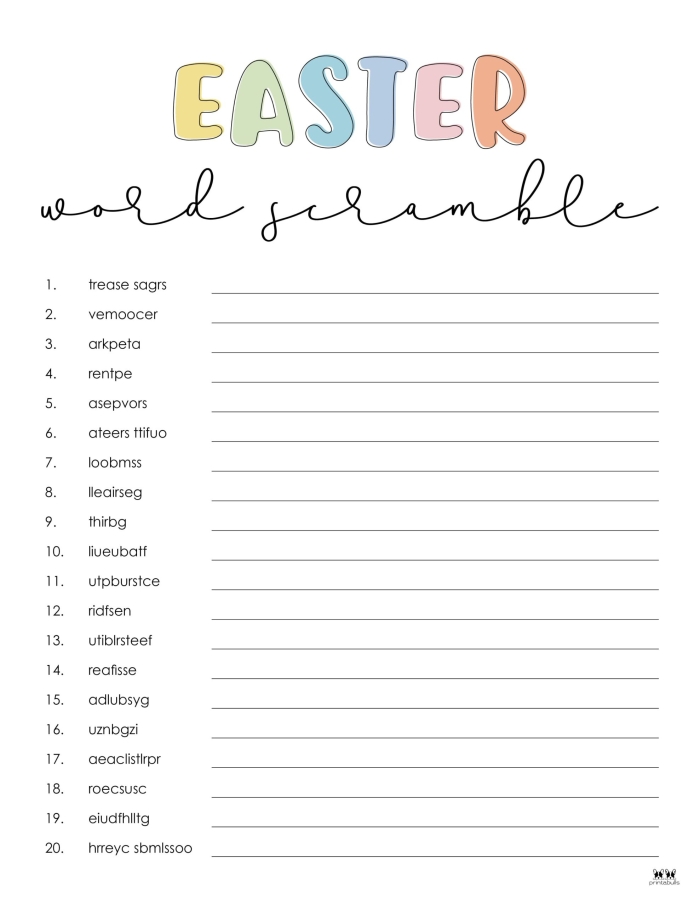
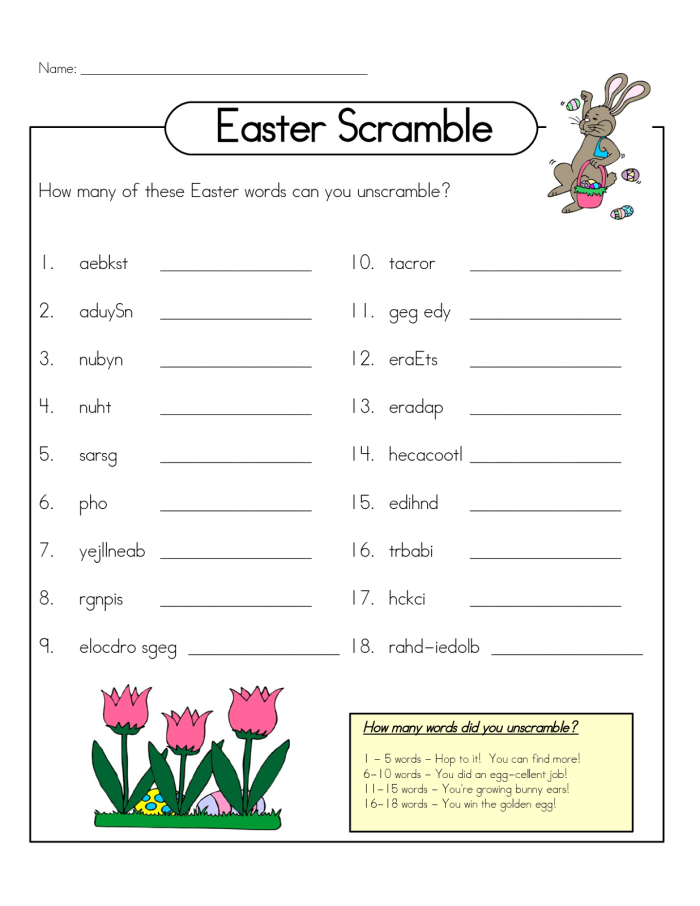
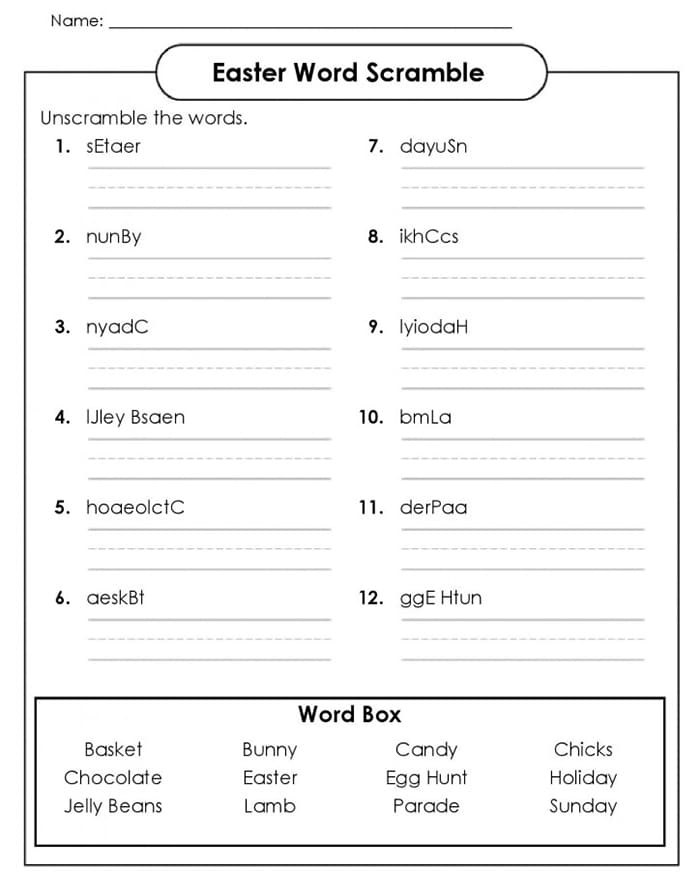
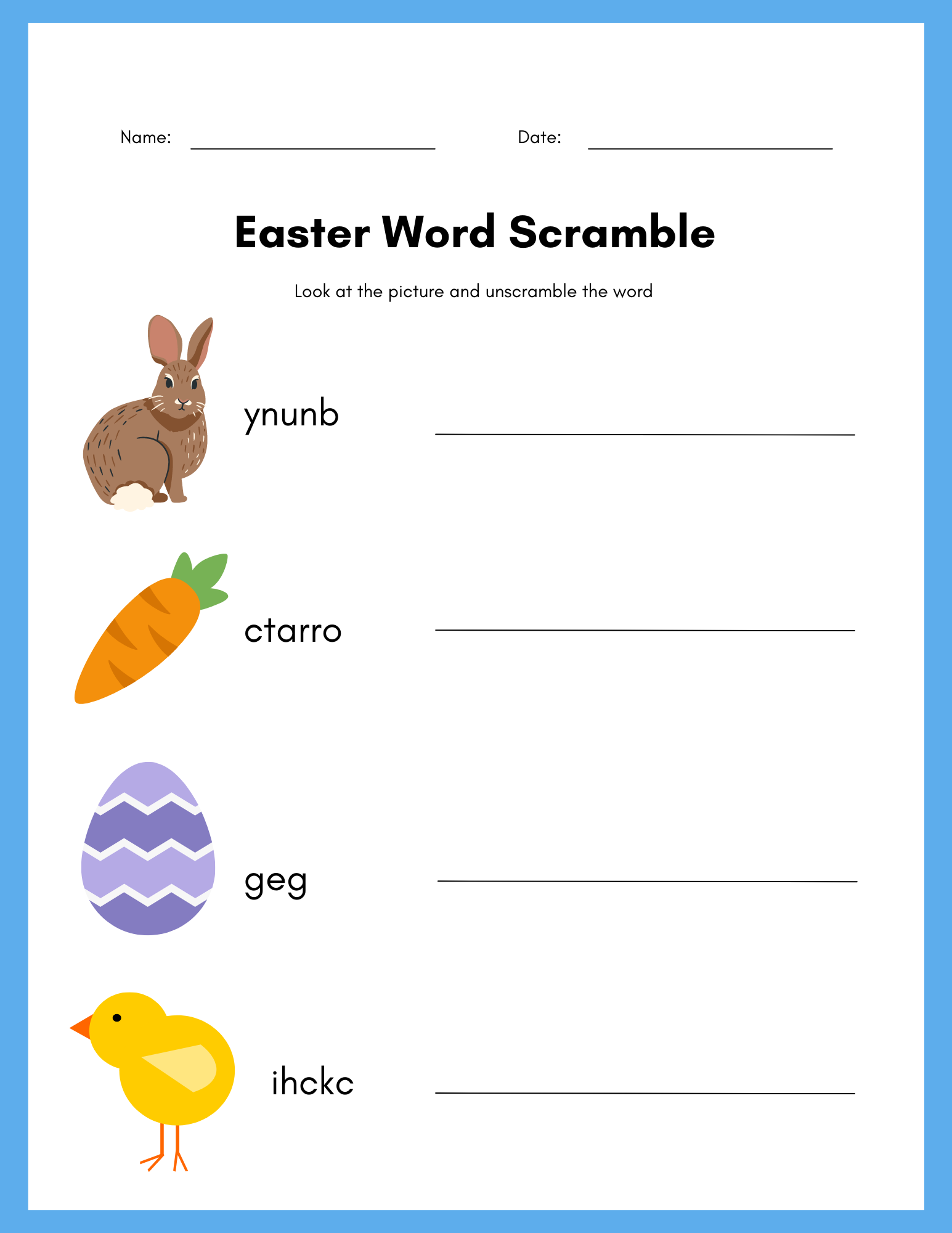
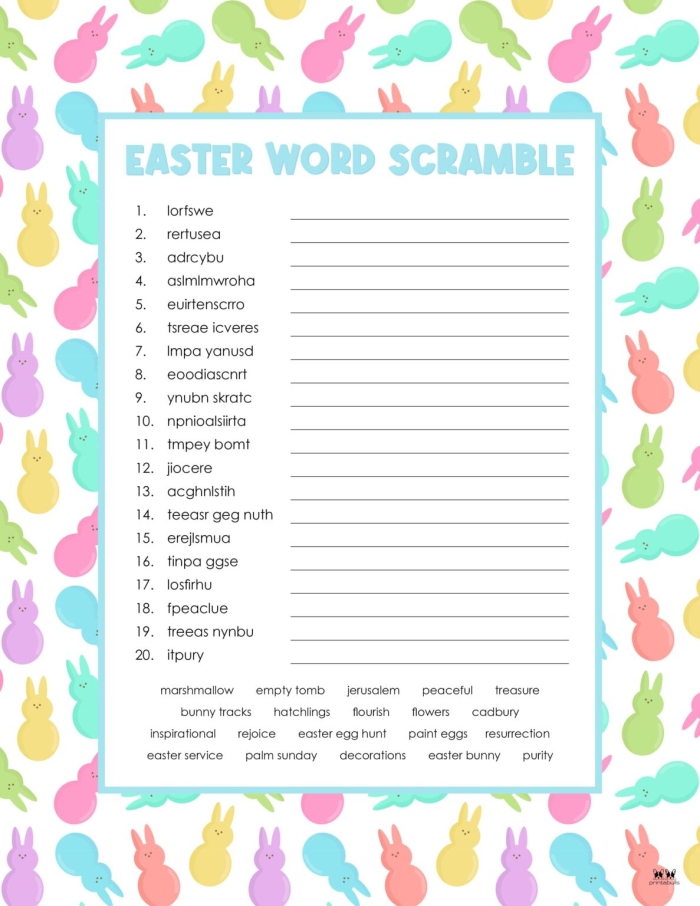
Easter egg hunts have been a springtime tradition for generations, but a scrambled word puzzle offers something different: a way to keep kids engaged indoors while building vocabulary skills. This particular activity uses egg-shaped containers as the visual frame for a word scramble challenge, where third grade learners unscramble jumbled letters to uncover Easter-themed vocabulary.
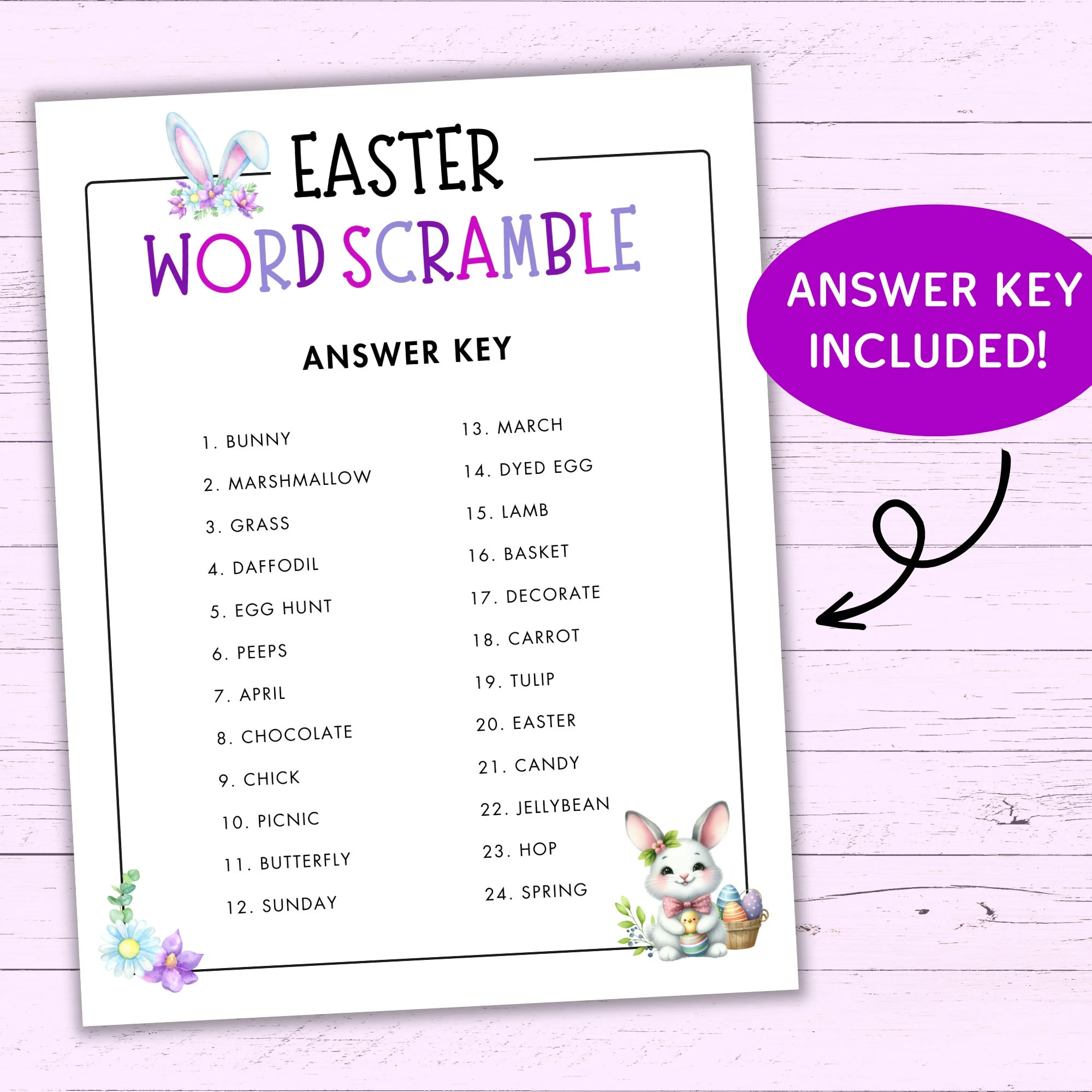
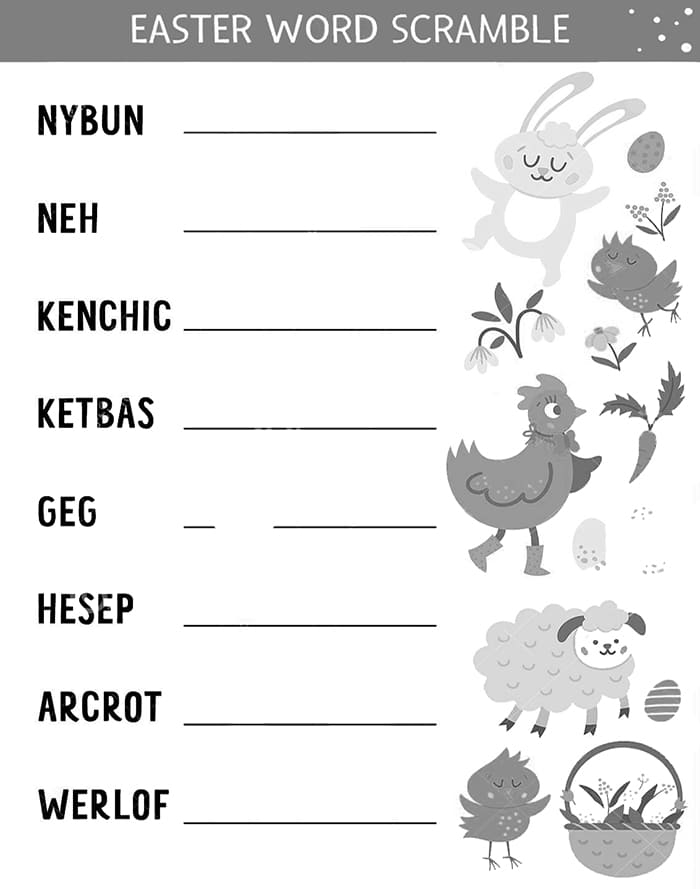
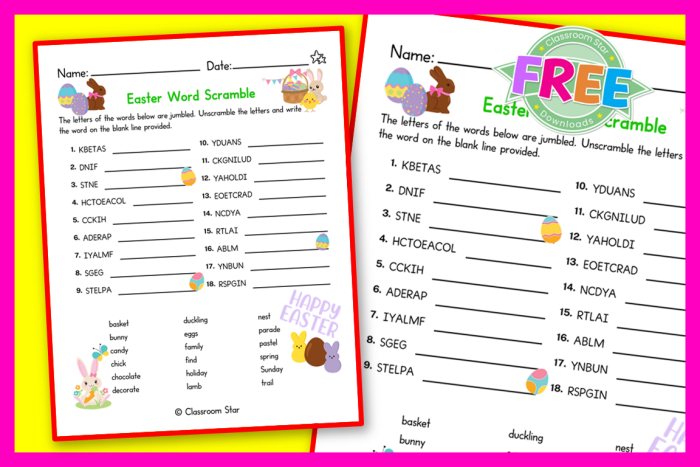
The mechanics are straightforward. Each egg contains a set of letters in random order. Students rearrange these letters to form a complete word related to Easter, whether that’s “bunny,” “basket,” “spring,” or “chocolate.” What makes this approach effective for third grade grammar and mechanics instruction is that it forces students to think about letter patterns, phonetic sequences, and spelling rules without feeling like traditional drill work.
This type of puzzle serves multiple learning purposes at once. It reinforces spelling patterns that third graders are actively studying, encourages careful observation of letter combinations, and builds confidence when students successfully crack each scramble. The Easter theme provides natural motivation, since the holiday connection makes the activity feel like play rather than work.
Word scrambles also complement other grammar-focused activities. While exercises like identifying grammar and mechanics errors in context teach students to spot mistakes, scrambles teach them to construct words correctly from the ground up. The two approaches balance each other well in a comprehensive learning program.
Teachers often find that scramble puzzles work best when printed on cardstock or laminated, allowing students to write answers on separate sheets or use dry-erase markers. Timing matters too: some teachers use these as quick five-minute warm-ups, while others build entire lessons around them, having students create their own scrambles for classmates to solve.
The beauty of this format lies in its flexibility and the way it transforms a simple spelling exercise into something that feels festive and engaging.
Practice with These Worksheets