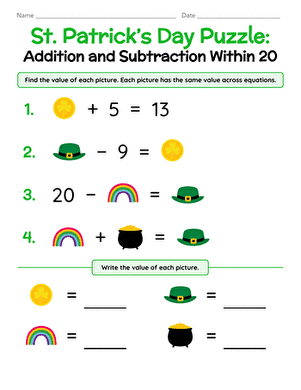
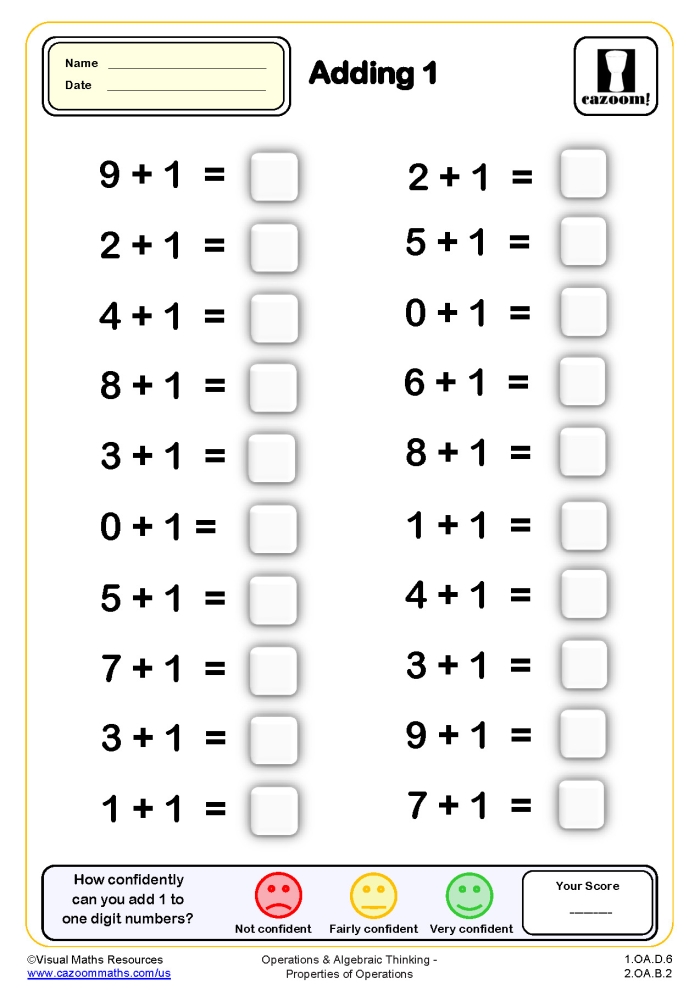
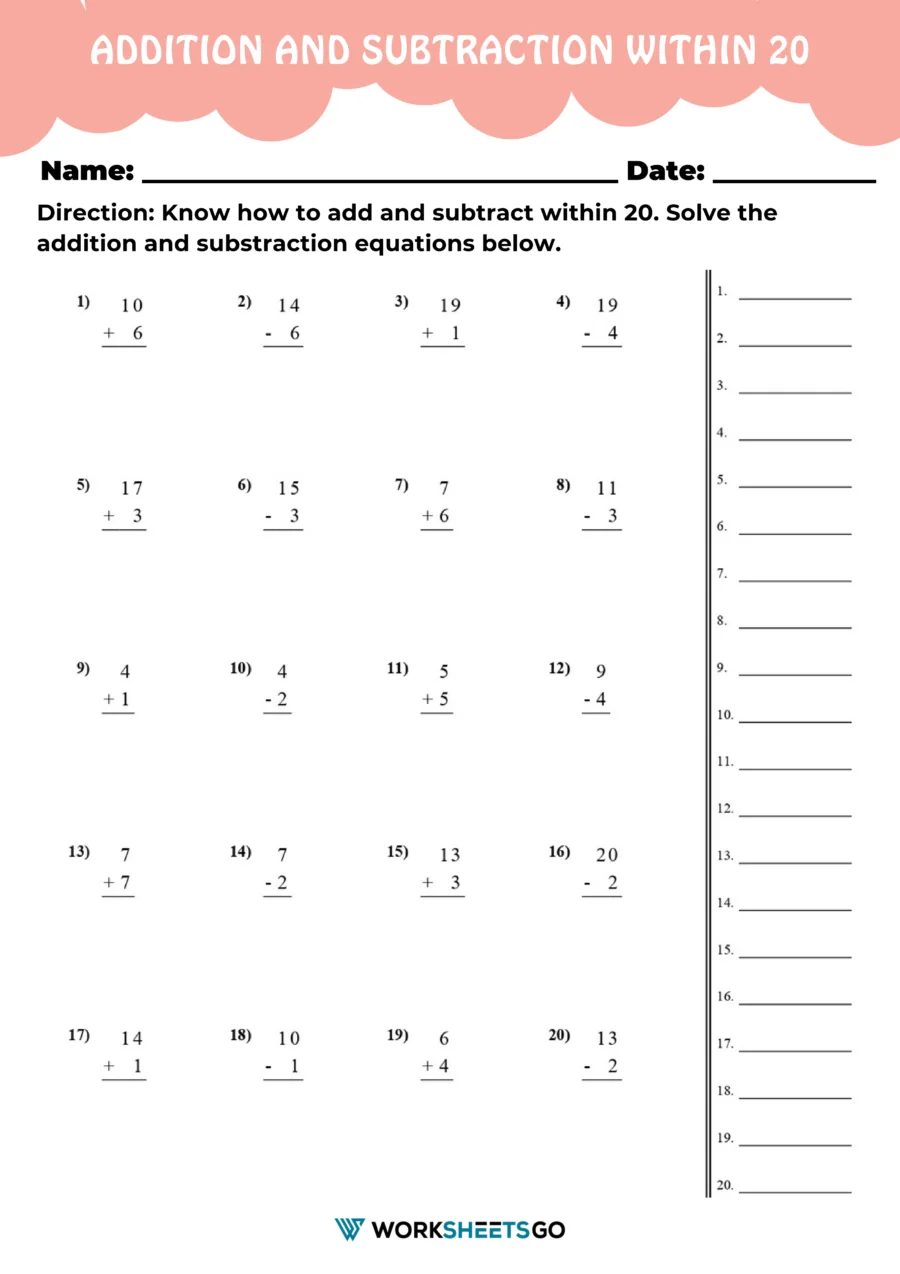
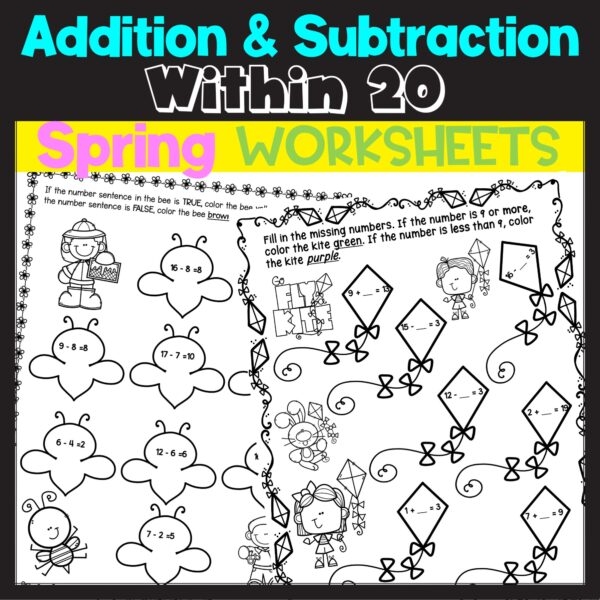
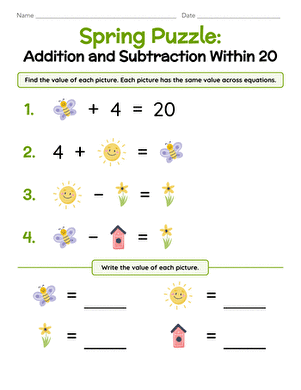
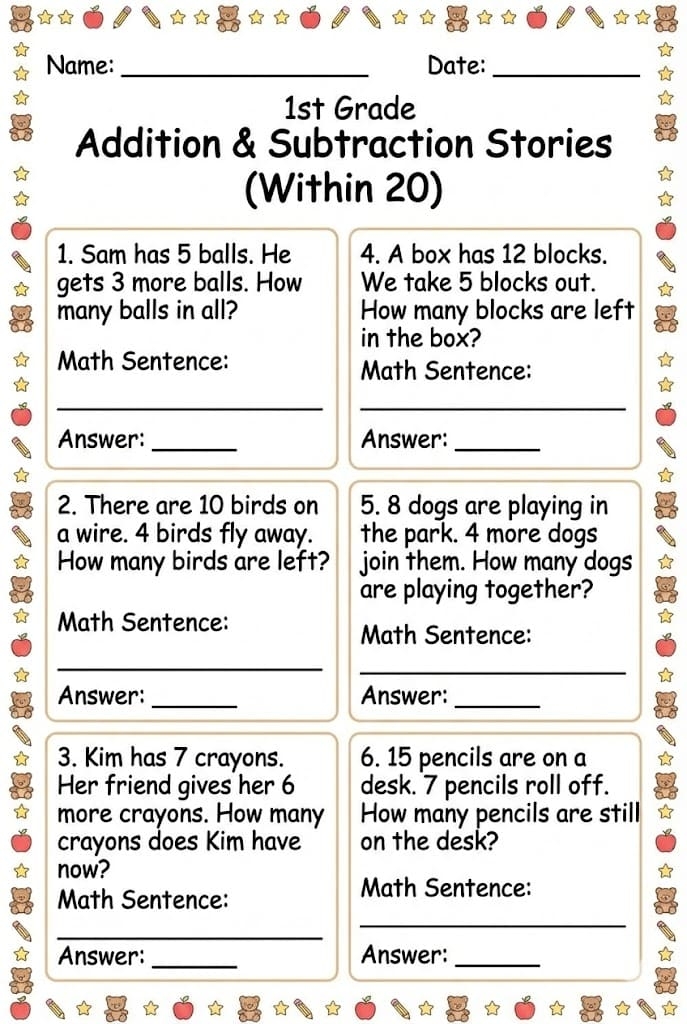
When spring arrives, restless energy often takes over classrooms. First graders especially struggle to focus during those warm, sunny days when their minds drift toward outdoor play. A spring-themed math puzzle offers a practical solution to channel that excitement into productive learning while keeping the season’s charm alive.
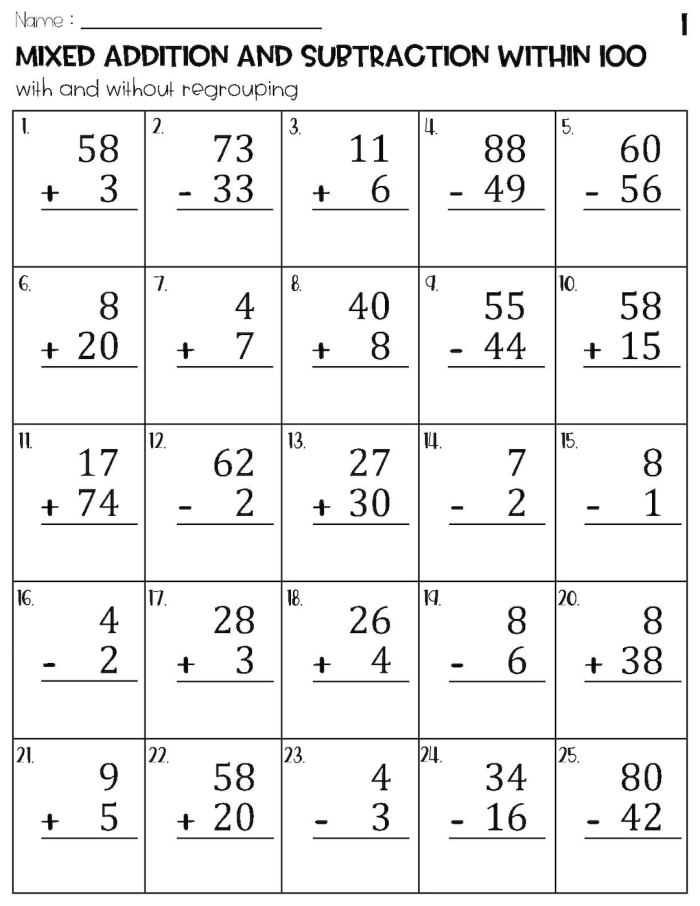
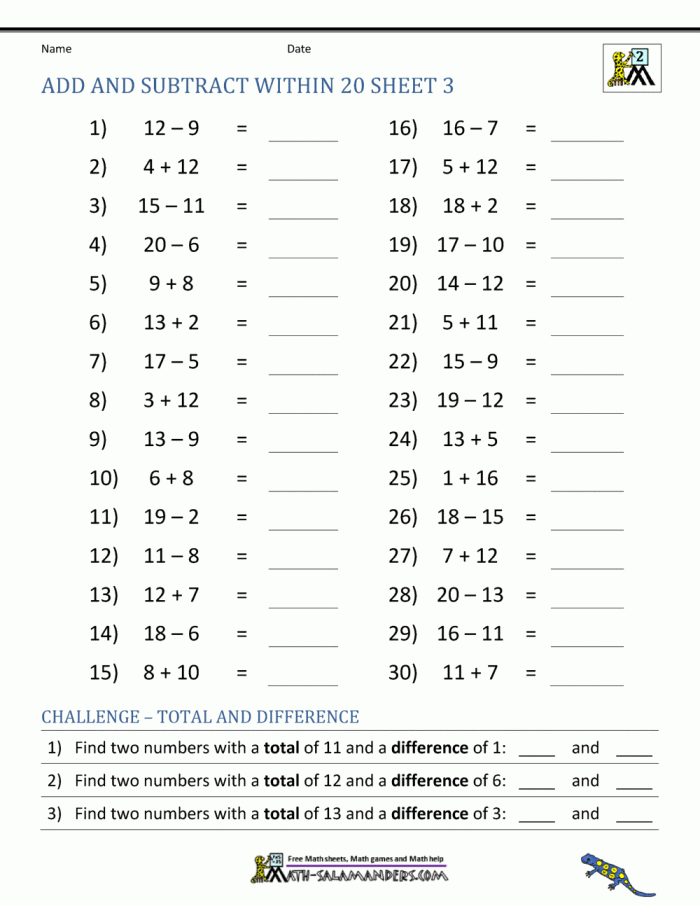
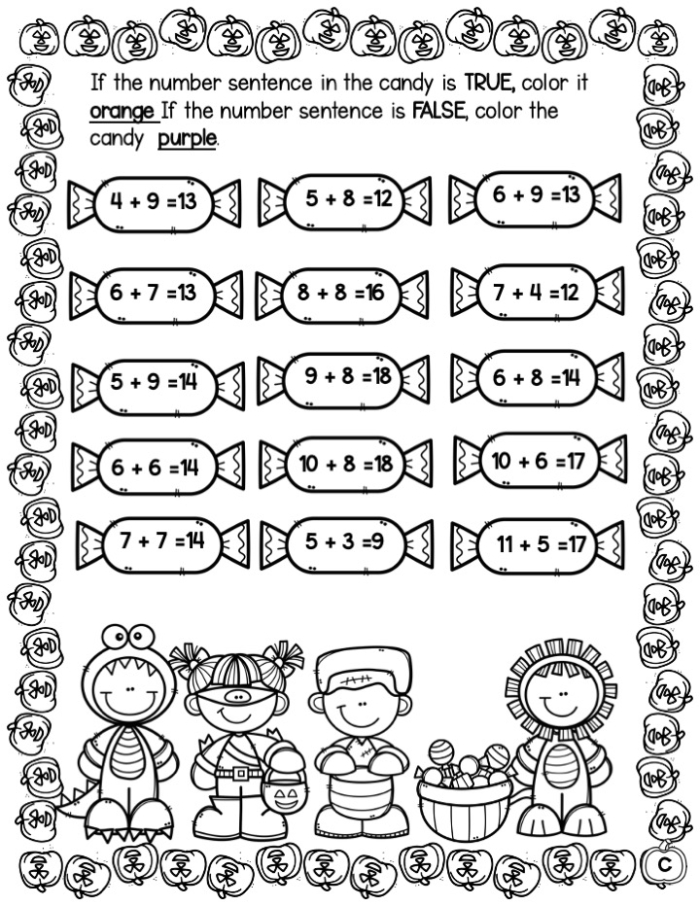
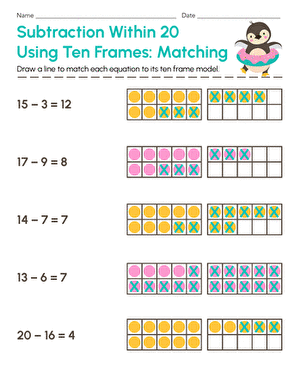
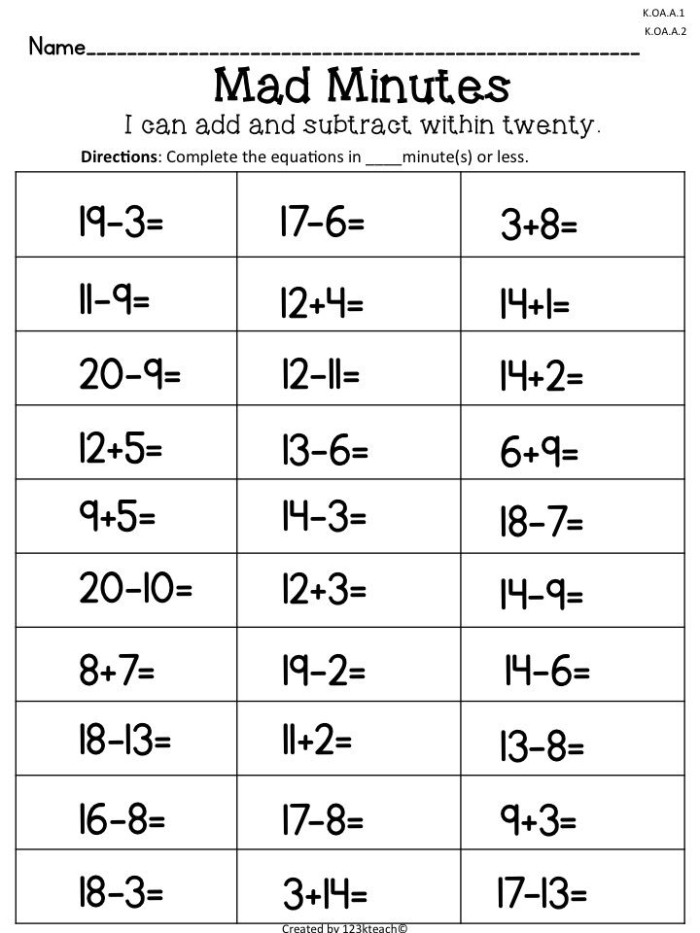
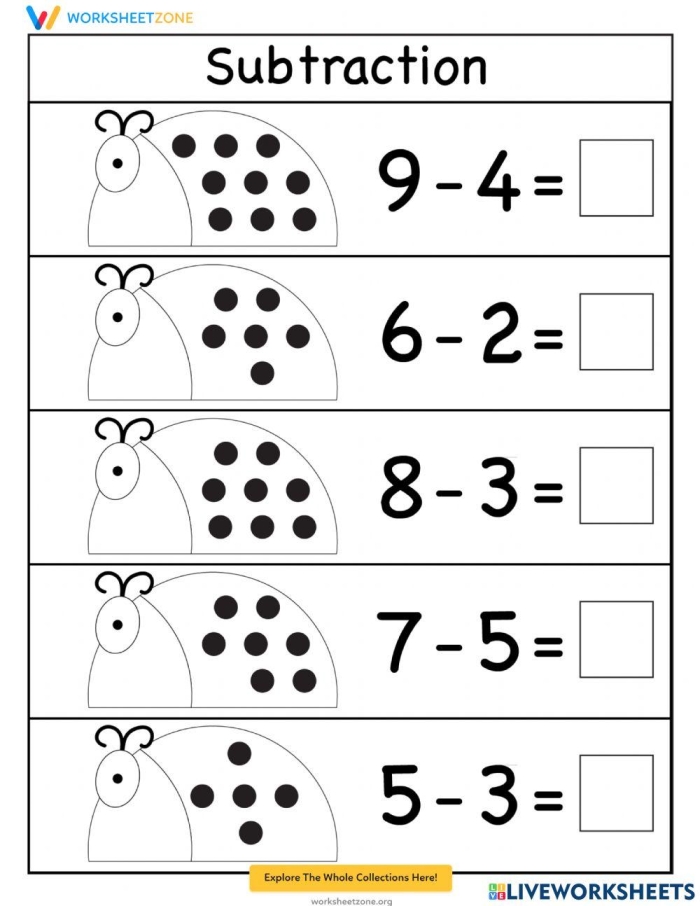
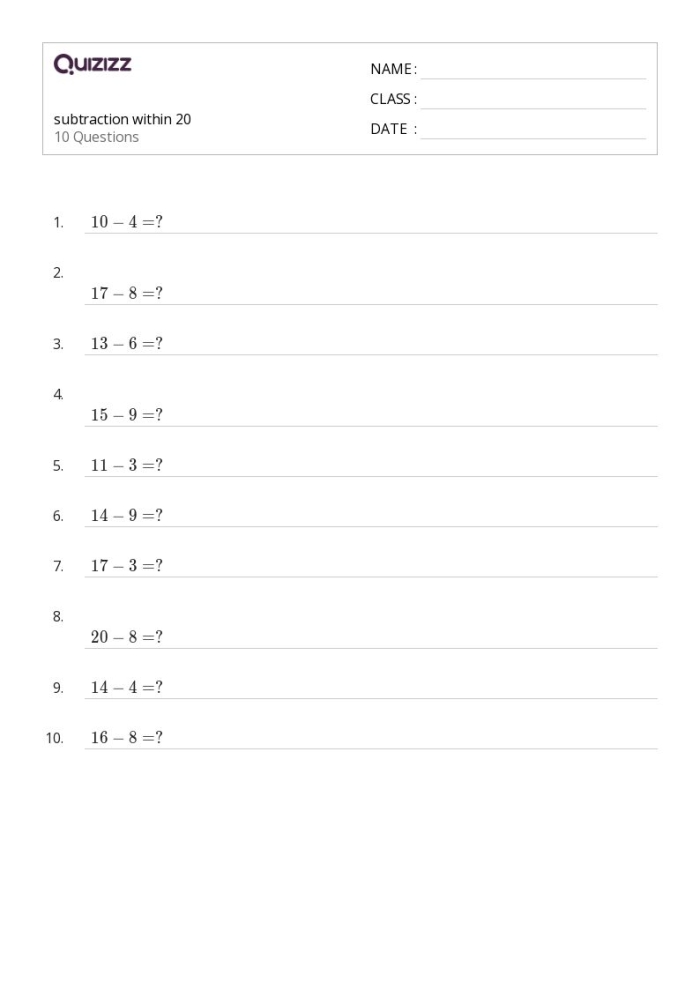
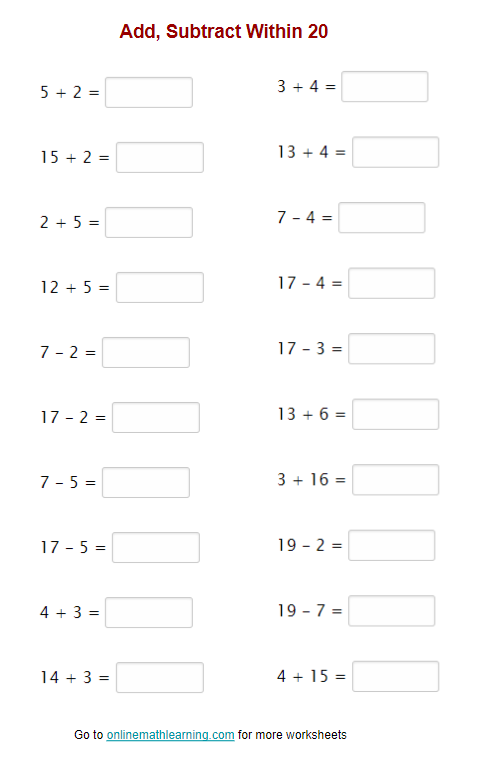
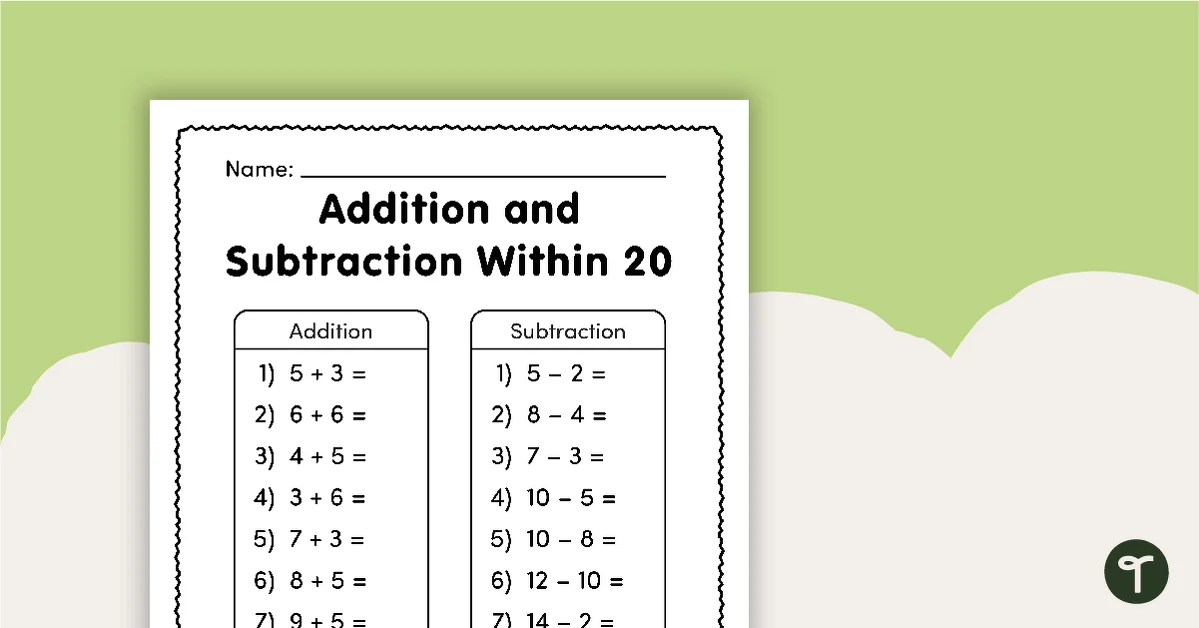
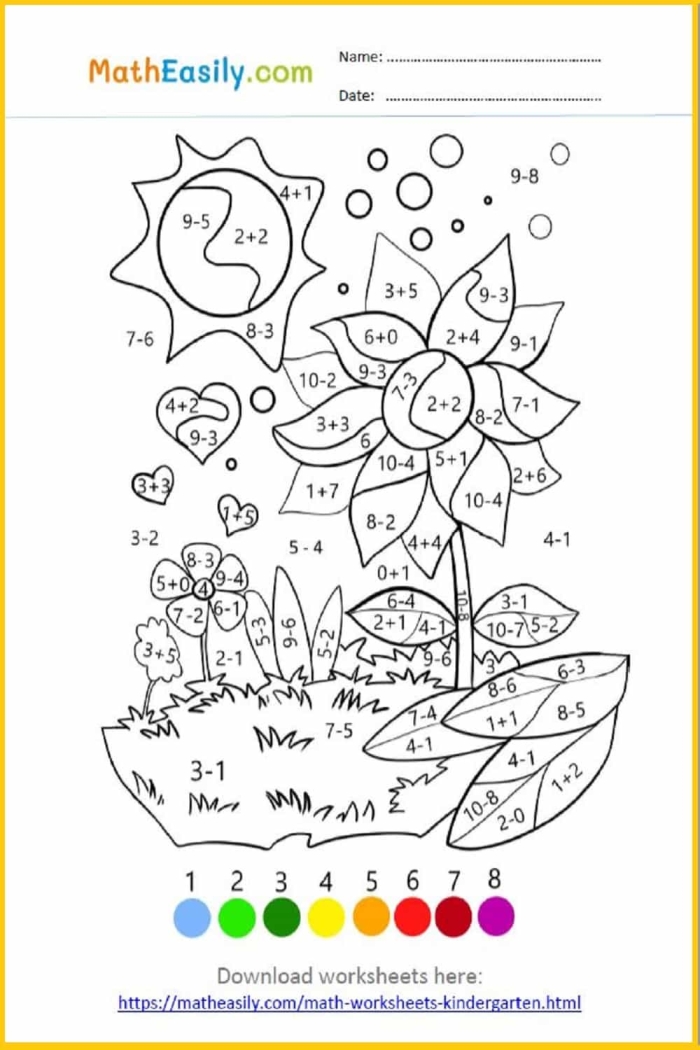
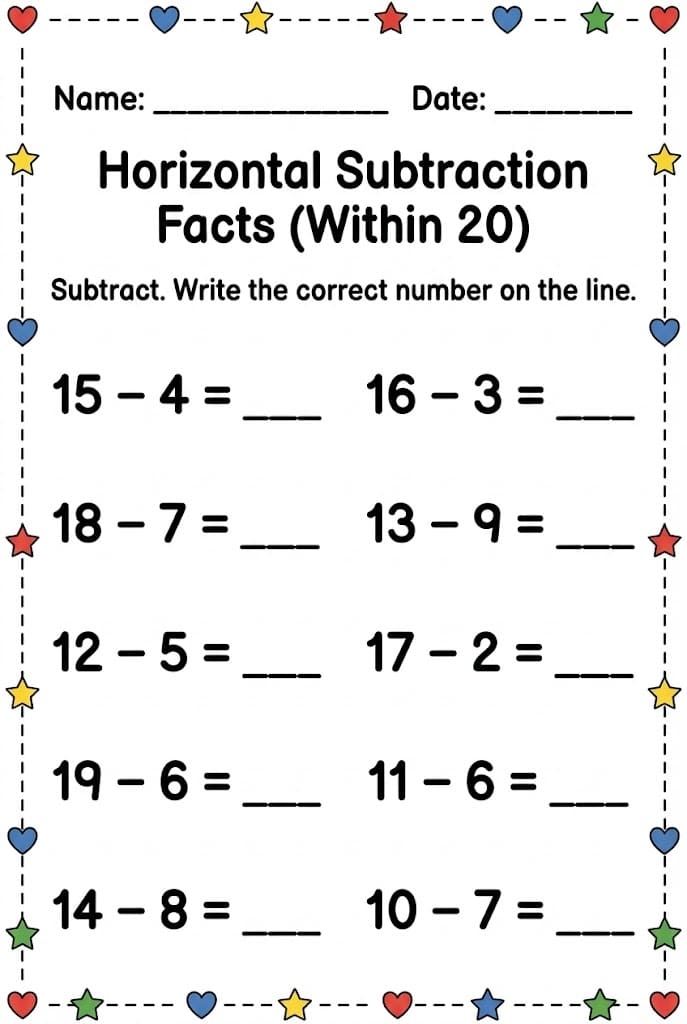
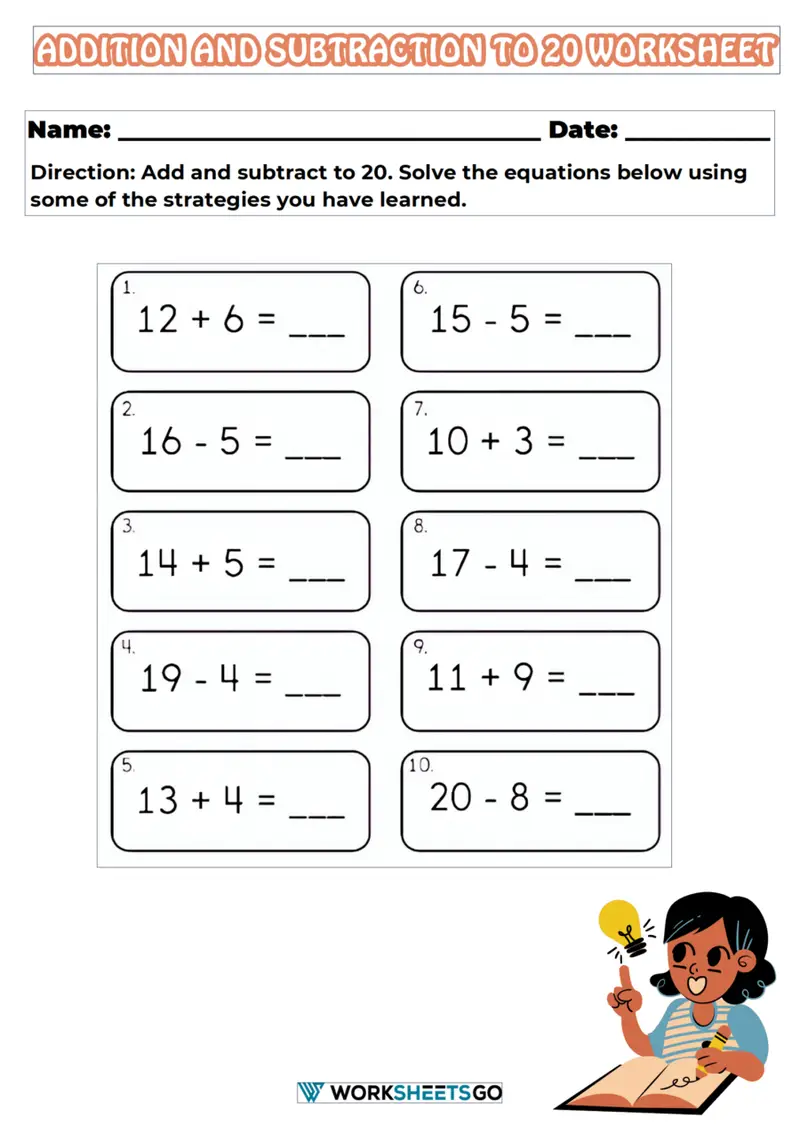
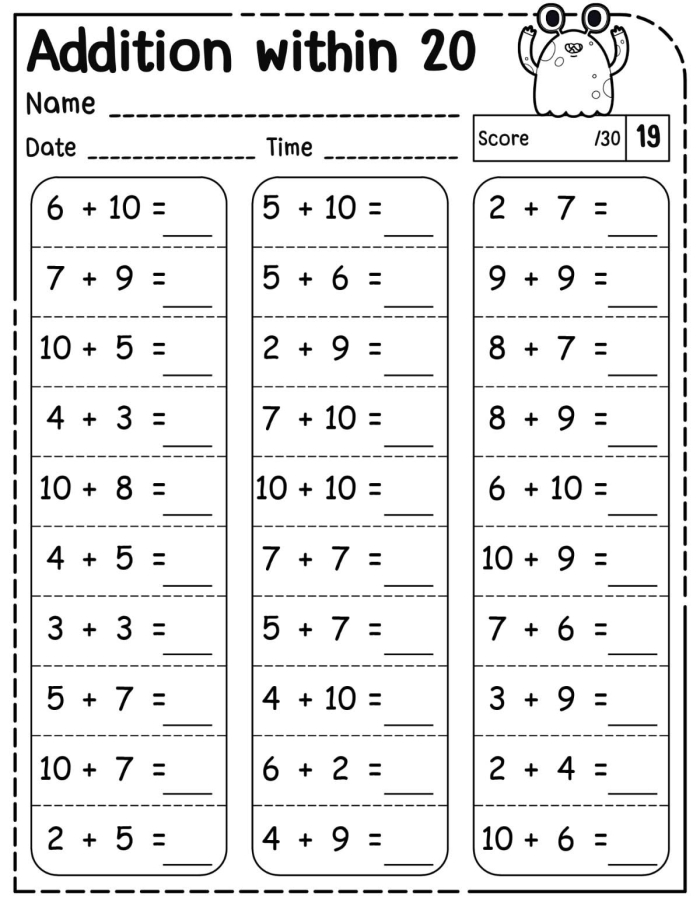
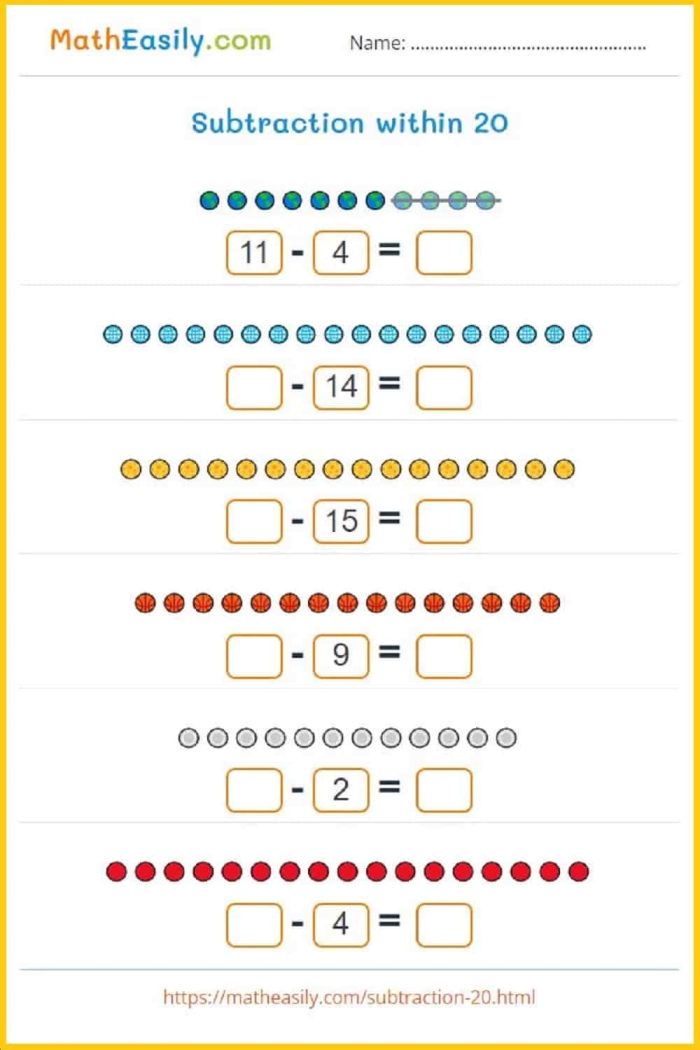
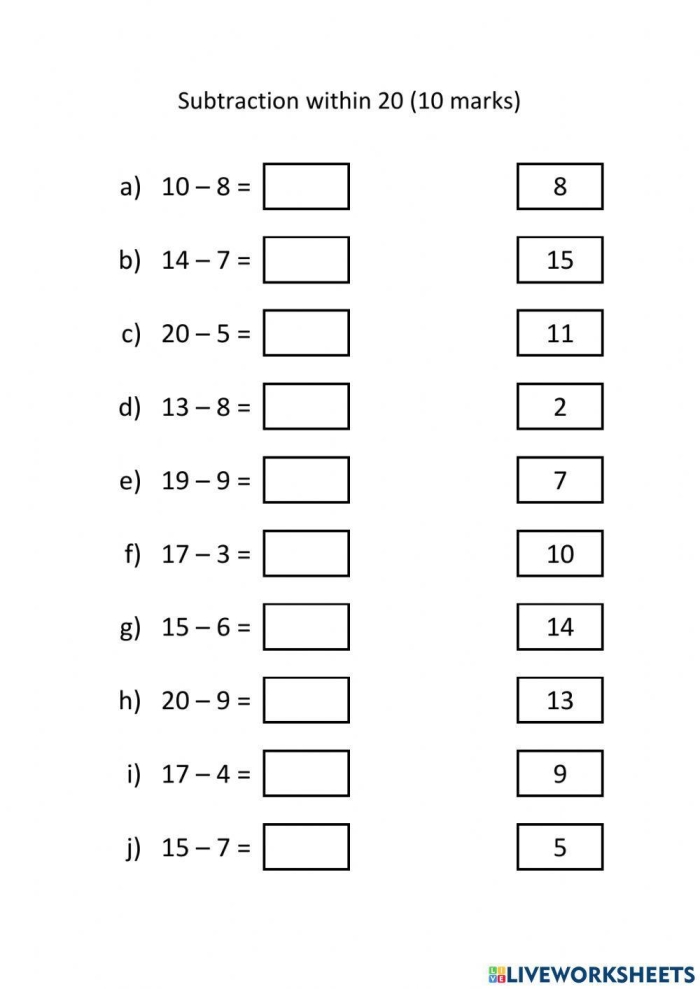
These puzzles work because they combine two things young learners crave: seasonal relevance and problem-solving challenge. A spring puzzle focused on addition and subtraction within 20 gives first graders exactly the right difficulty level. They’re not bored by problems too simple, yet they’re not overwhelmed by concepts beyond their current grasp. The spring imagery, whether flowers, butterflies, or rain clouds, makes the math feel less like drill work and more like a game.
The beauty of printable spring puzzle worksheets lies in their flexibility. Teachers can use them during morning work, as a transition activity between subjects, or as a reward for completing other assignments. Parents working with their children at home find these puzzles bridge the gap between structured lessons and casual learning time. First graders develop number sense naturally when they’re engaged rather than forced.
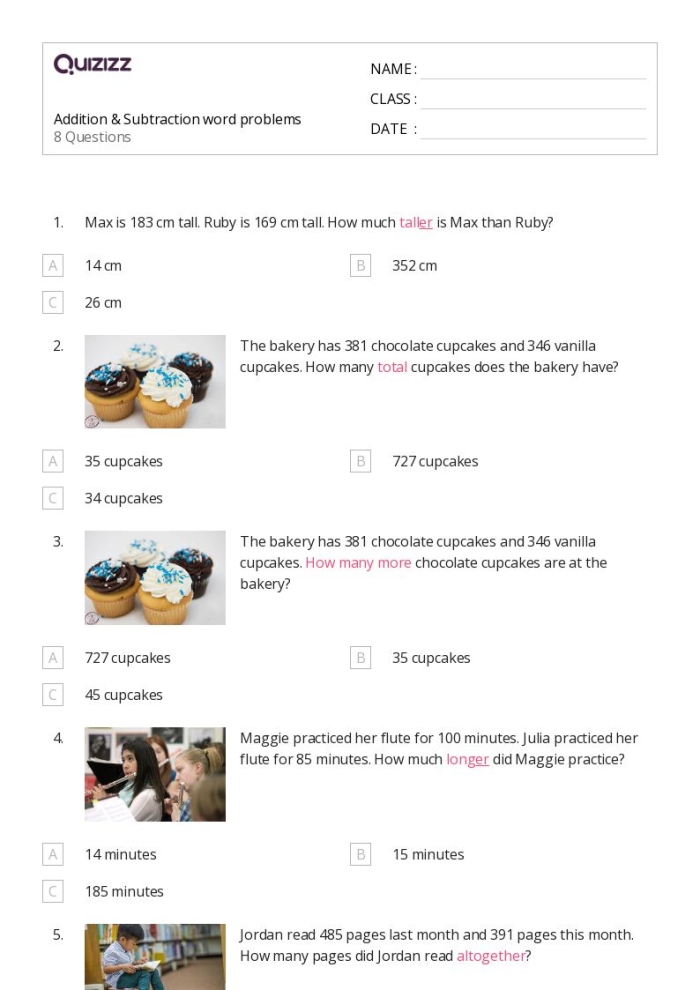
Beyond basic arithmetic, these puzzles support broader literacy skills. When students read word problems embedded in spring scenarios, they practice decoding while solving. This connection between math and reading reinforces both skill sets simultaneously. You might also explore how identifying fractions or understanding angles through visual puzzles can extend learning into geometry.
The printable format means you can adjust difficulty, create multiple versions for differentiation, or laminate copies for repeated use. Spring fever doesn’t disappear overnight, but redirecting that energy toward engaging math puzzles transforms a classroom management challenge into a learning opportunity.
Try These Printable Worksheets