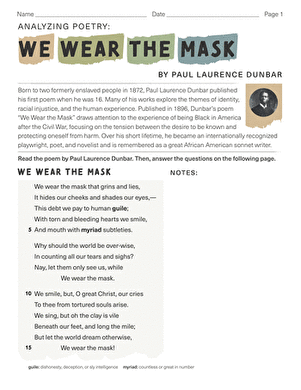
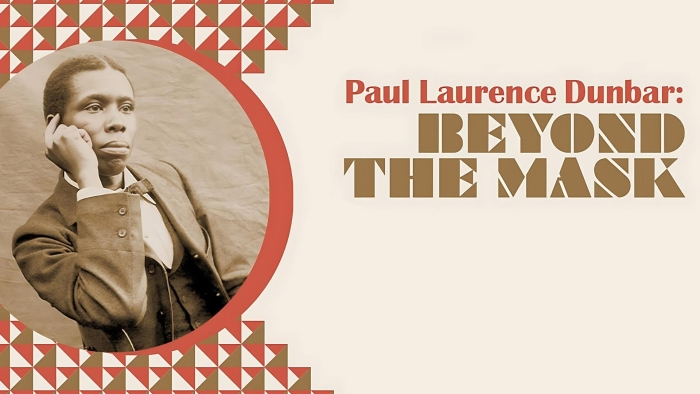
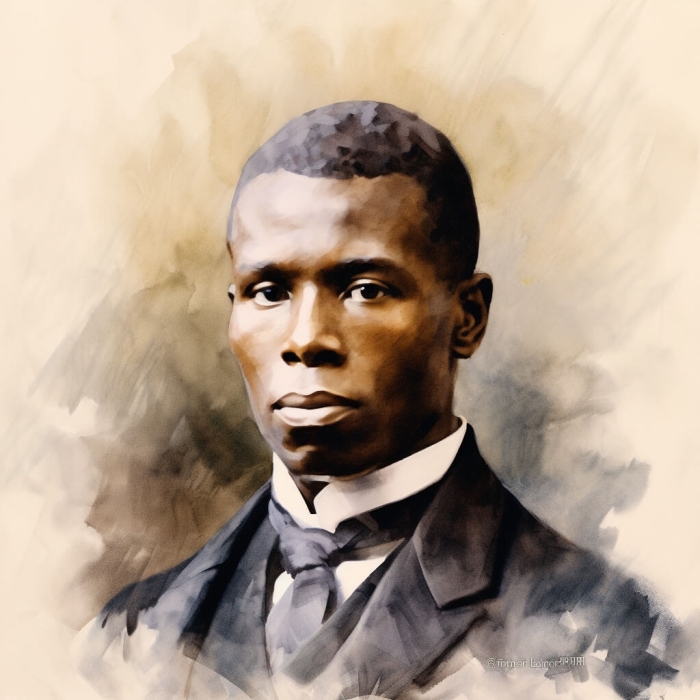
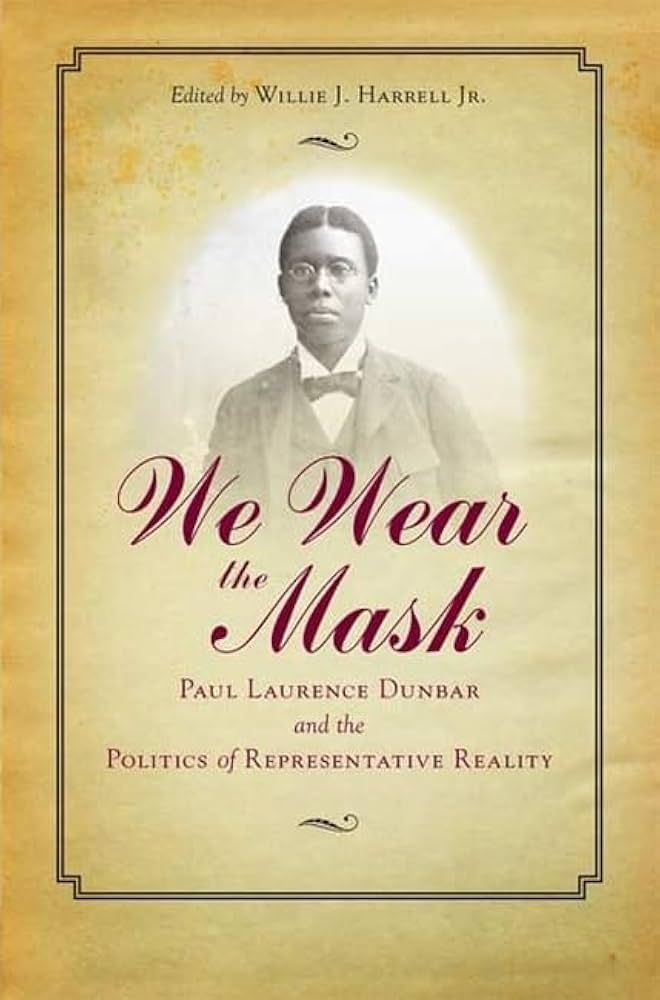
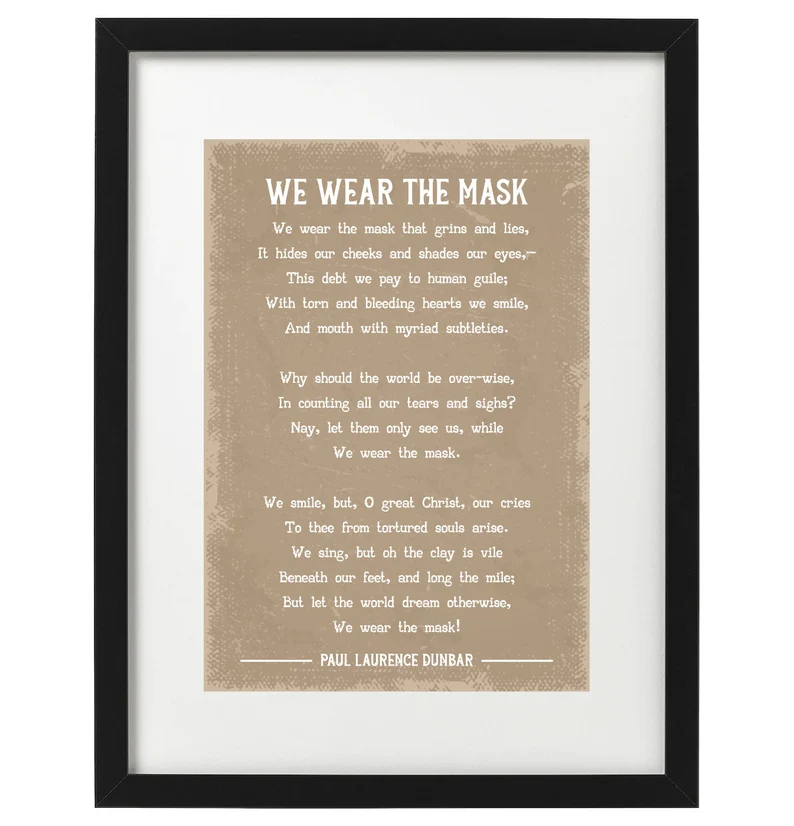
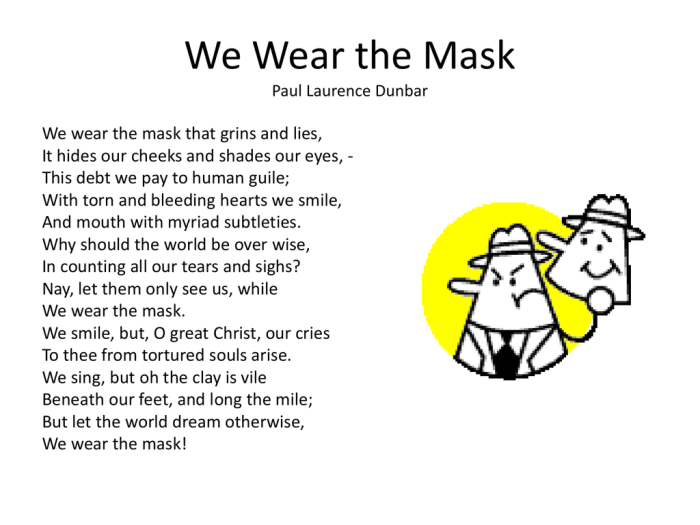
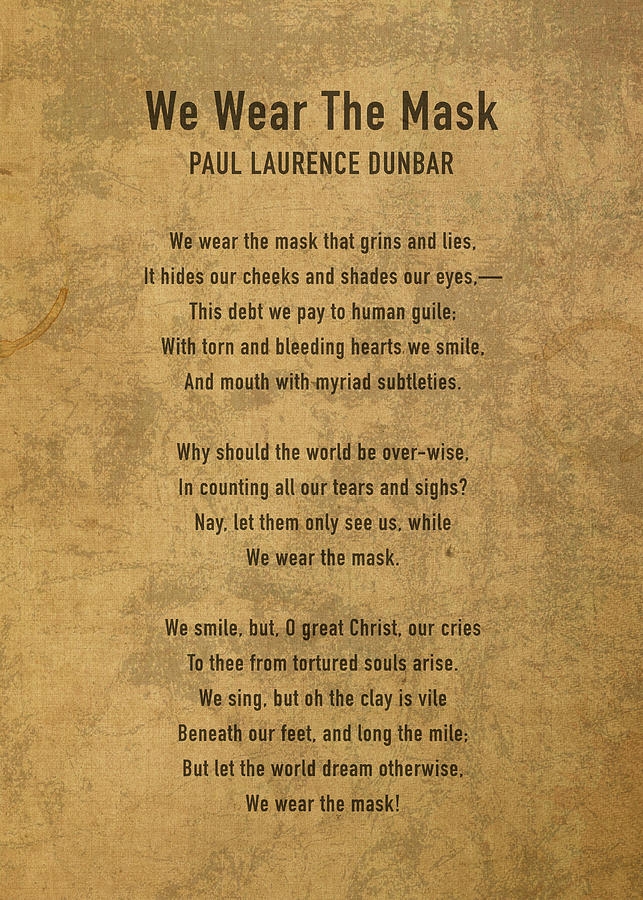
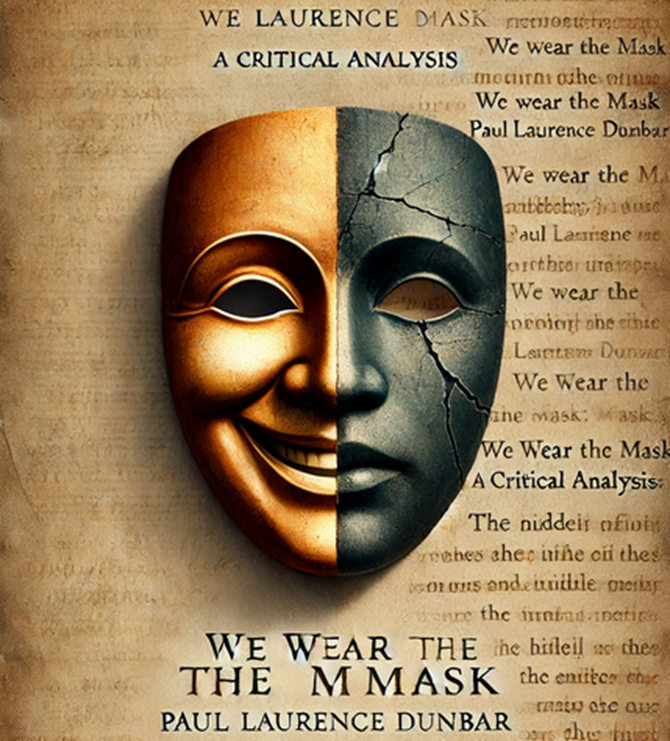
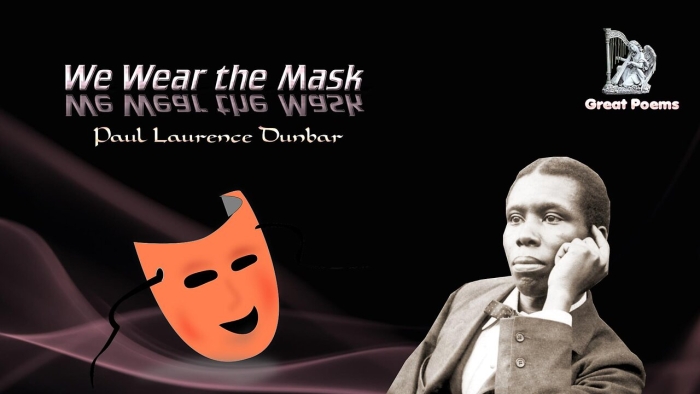
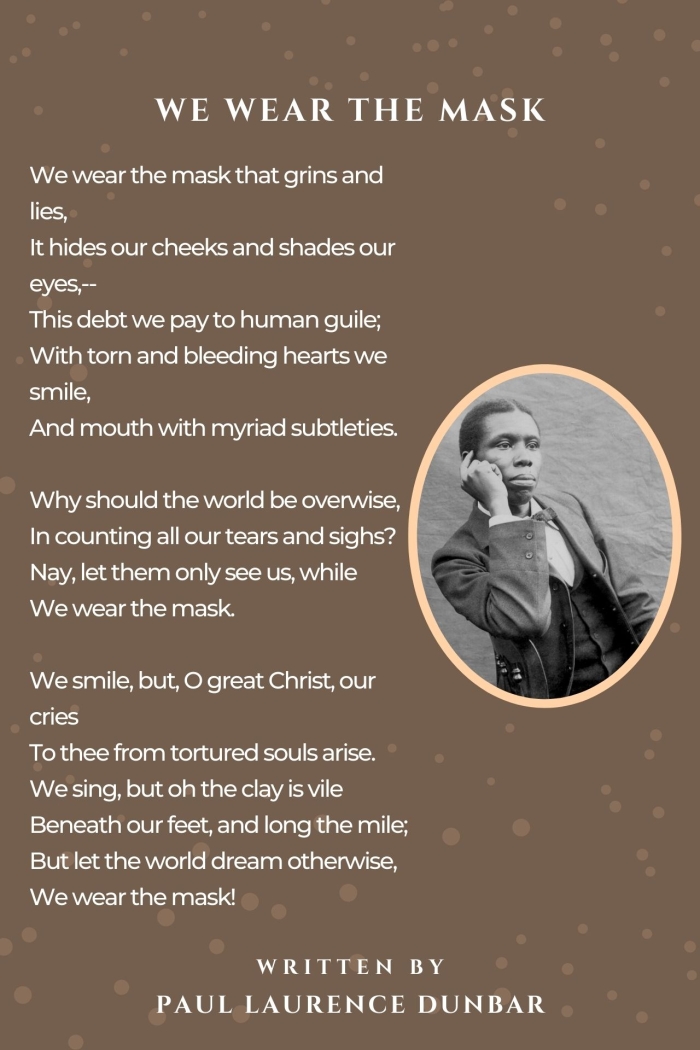
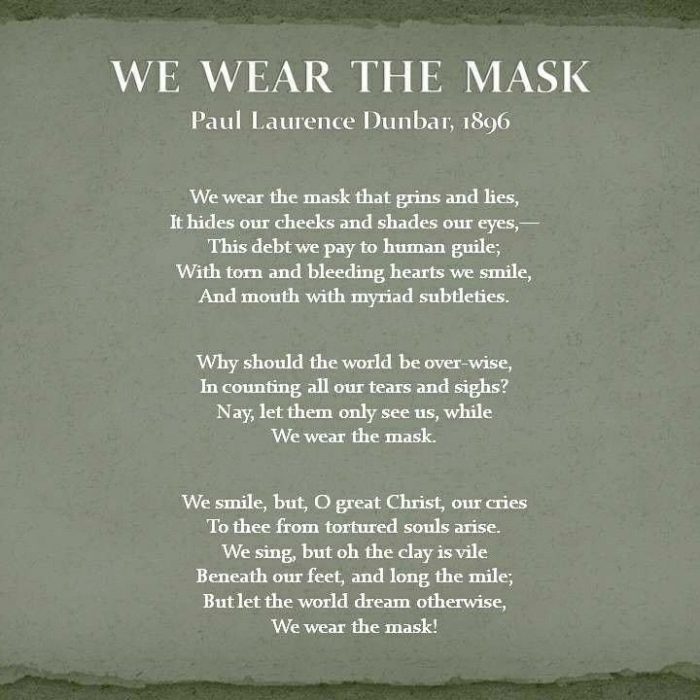
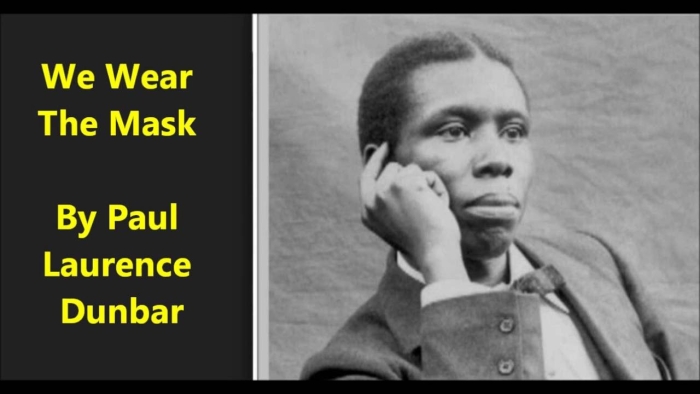
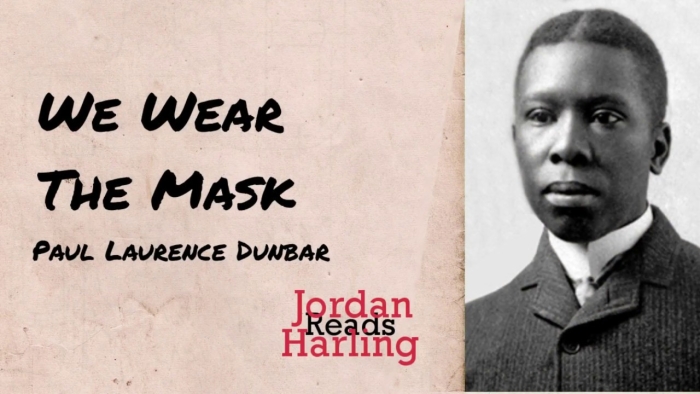
Paul Laurence Dunbar’s “We Wear the Mask” stands as one of the most powerful examinations of hidden identity in American literature. Written in 1896, this poem speaks directly to the experience of masking one’s true self in the face of societal pressure, a theme that remains relevant for seventh grade students studying poetry and perspective. A poetry analysis worksheet focused on this work gives readers the tools to unpack Dunbar’s careful word choices and understand how he builds meaning through structure and imagery.
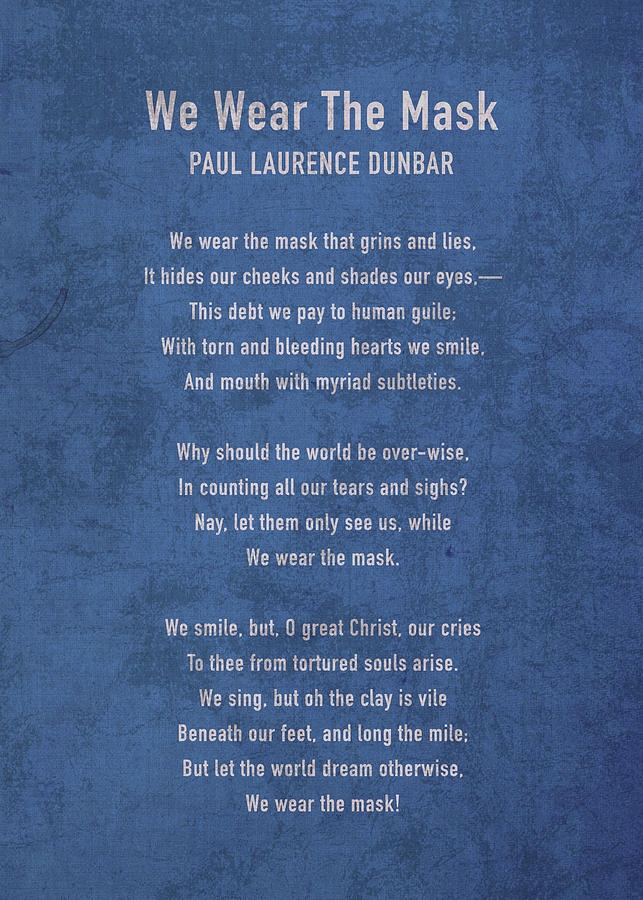
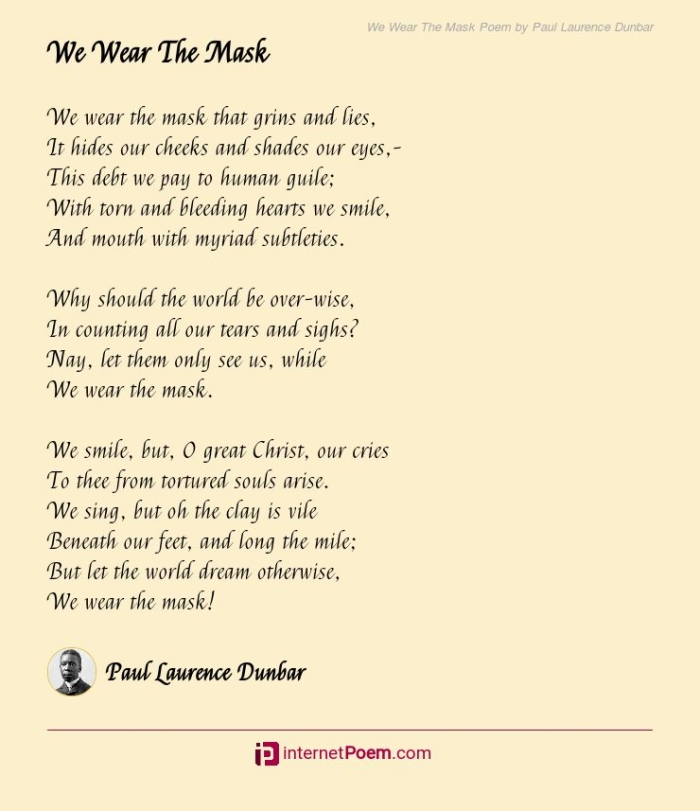
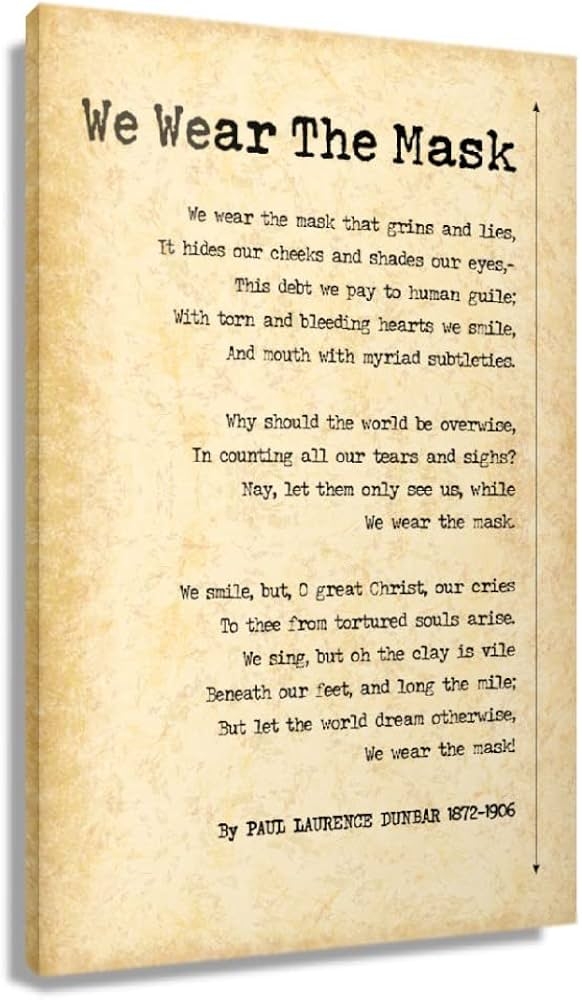
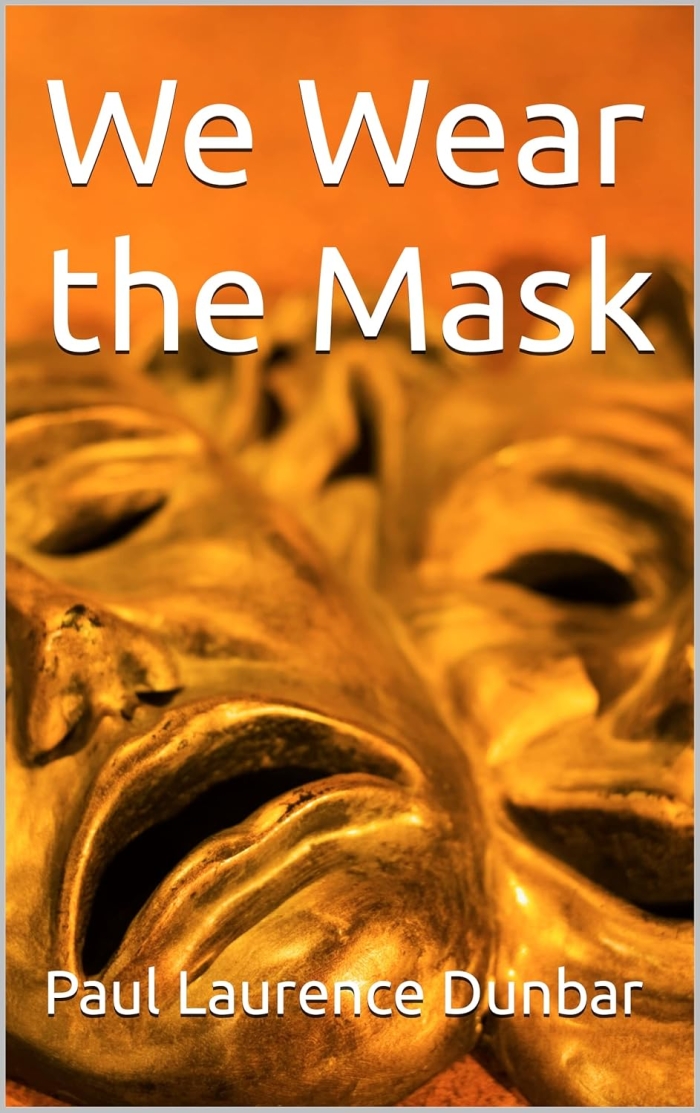
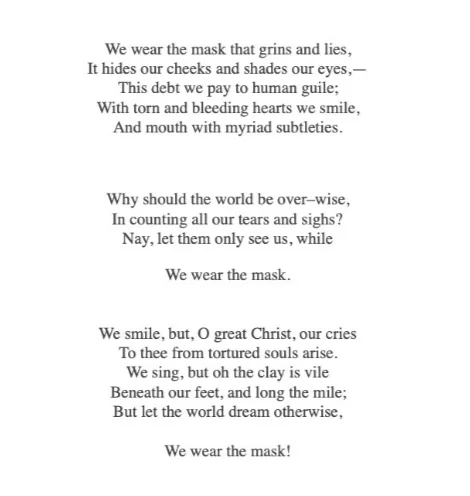
The poem itself is deceptively short, yet each line carries weight. Dunbar opens with the direct statement: “We wear the mask that grins and lies.” This immediate declaration sets the tone for what follows. Rather than building gradually toward his point, Dunbar places his central claim upfront, forcing readers to sit with the uncomfortable truth of his words. The mask becomes both literal and figurative, representing the facades people construct to survive in a world that demands conformity.
For seventh grade students, understanding perspective proves essential when analyzing this poem. Dunbar uses “we” throughout, creating a collective voice that extends the personal into the universal. This choice of pronouns shifts the poem from an individual confession into a shared experience. When working through a worksheet on this text, students benefit from examining how perspective shapes meaning and emotional impact, much like when studying point of view and perspective in literature.
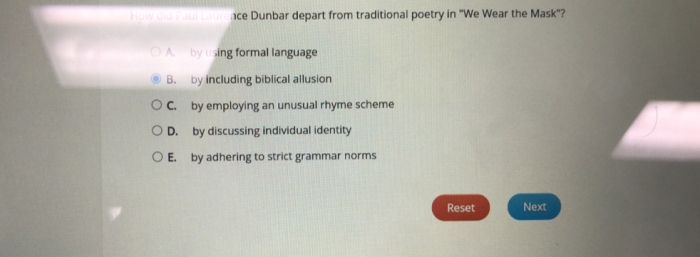
The poem’s rhyme scheme and meter work together to create a rhythm that feels both controlled and constrained. This formal structure mirrors the very act of masking itself, suggesting that maintaining a false identity requires discipline and effort. Students analyzing this work should pay attention to how Dunbar’s technical choices reinforce his message about suppression and survival.
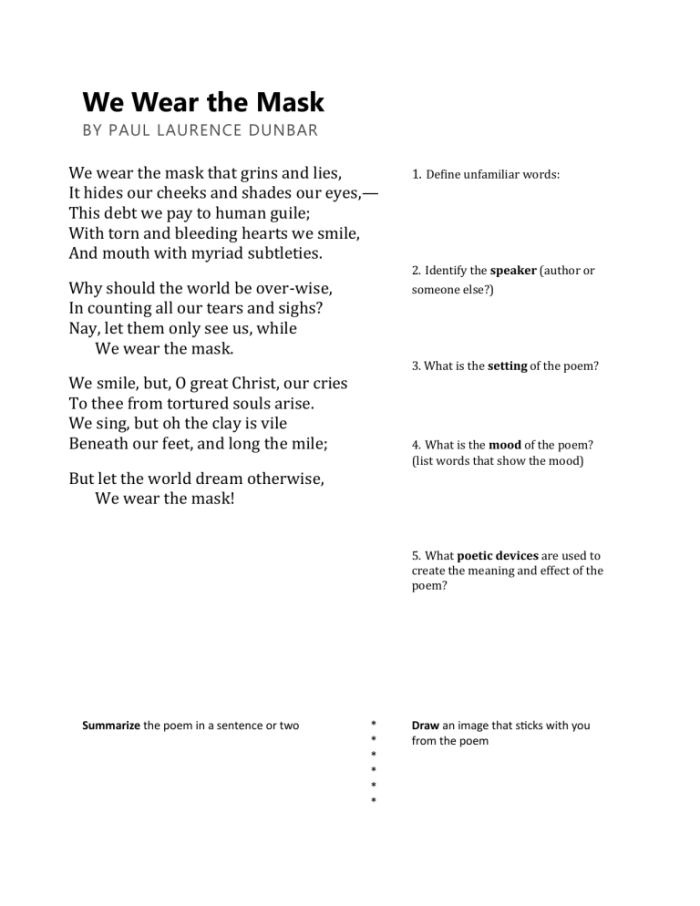
A comprehensive worksheet guides students through close reading, asking them to identify specific examples of metaphor, consider the historical context of Dunbar’s life as an African American poet, and reflect on modern parallels. These mixed operations of textual analysis help seventh graders develop critical thinking skills applicable across literature study. The poem ultimately invites readers to question what lies beneath the surfaces we present to the world.
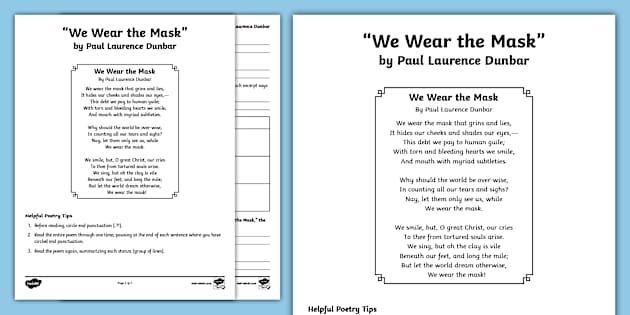
Download These Worksheets for Practice