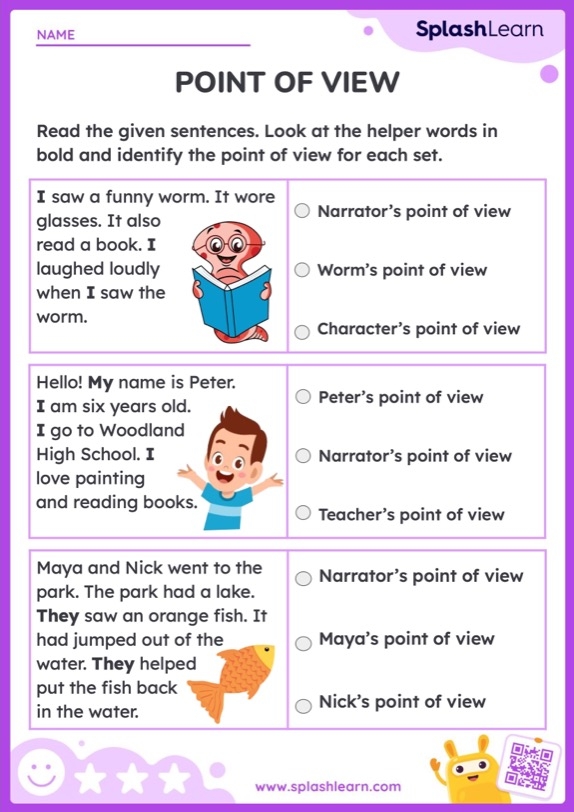
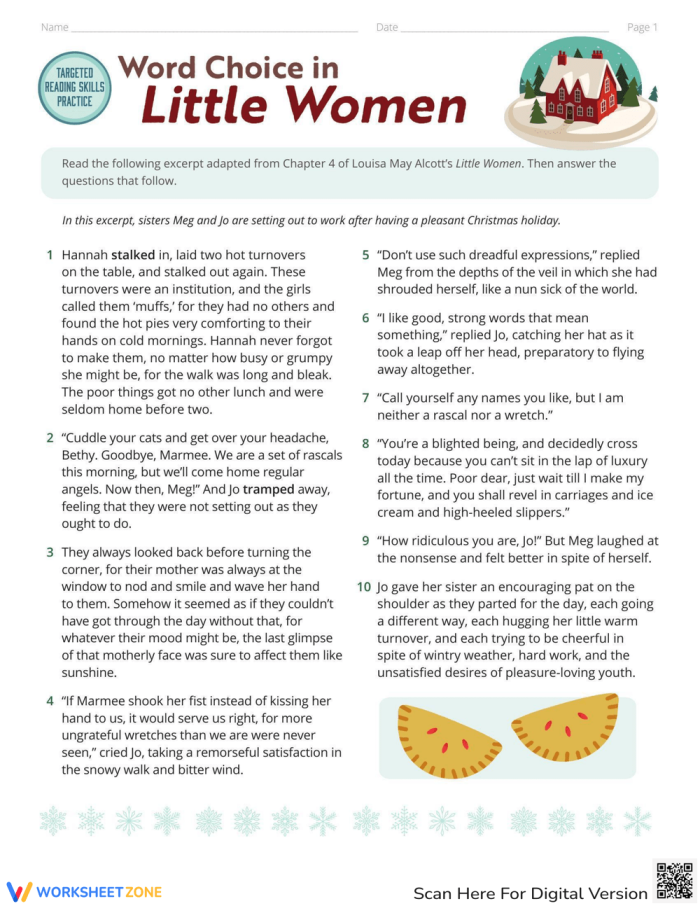
Exploring different points of view and perspectives can significantly deepen our understanding of literature, as seen in Louisa May Alcott’s classic novel, Little Women. This story presents a rich tapestry of characters, each with their unique lens through which they experience life. For seventh graders studying geometry, this exercise not only enhances reading comprehension but also sharpens analytical skills that are crucial across subjects.
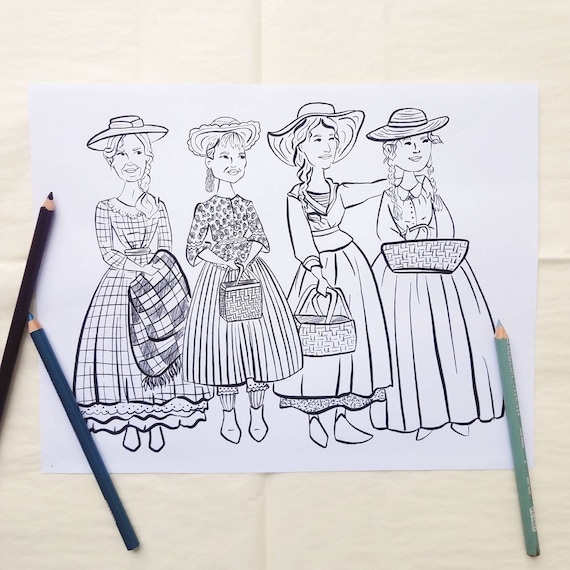
In Little Women, we encounter the March sisters—Meg, Jo, Beth, and Amy—each embodying distinct personalities and values. For example, Jo’s ambition and independence contrast sharply with Amy’s desire for social status and refinement. This difference in perspective showcases how individual experiences and aspirations shape their reactions to similar situations. By analyzing these characters, students can engage with the text on a deeper level, recognizing that their own viewpoints may not align with those of the sisters.
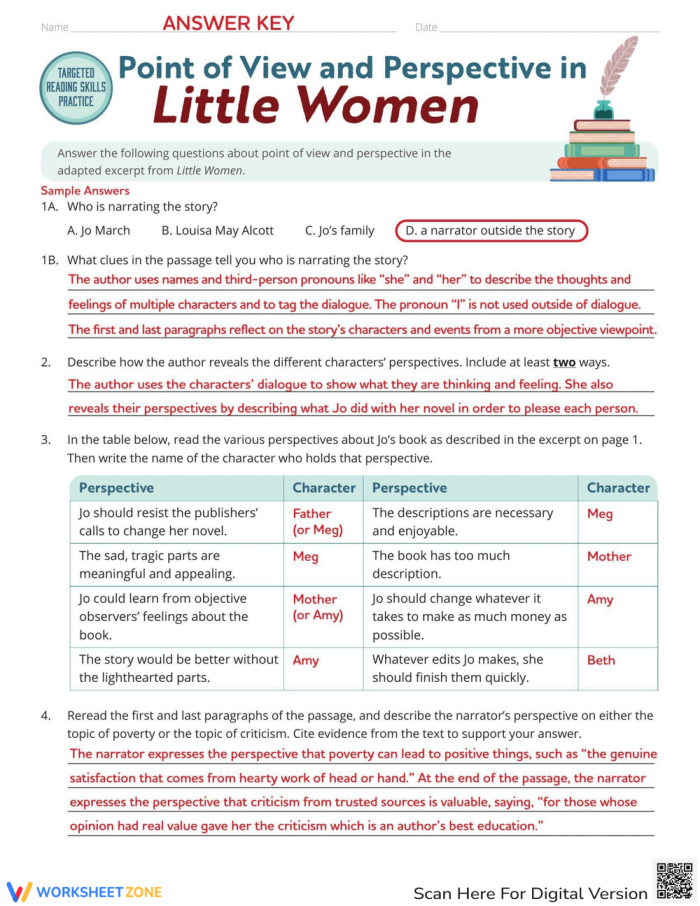
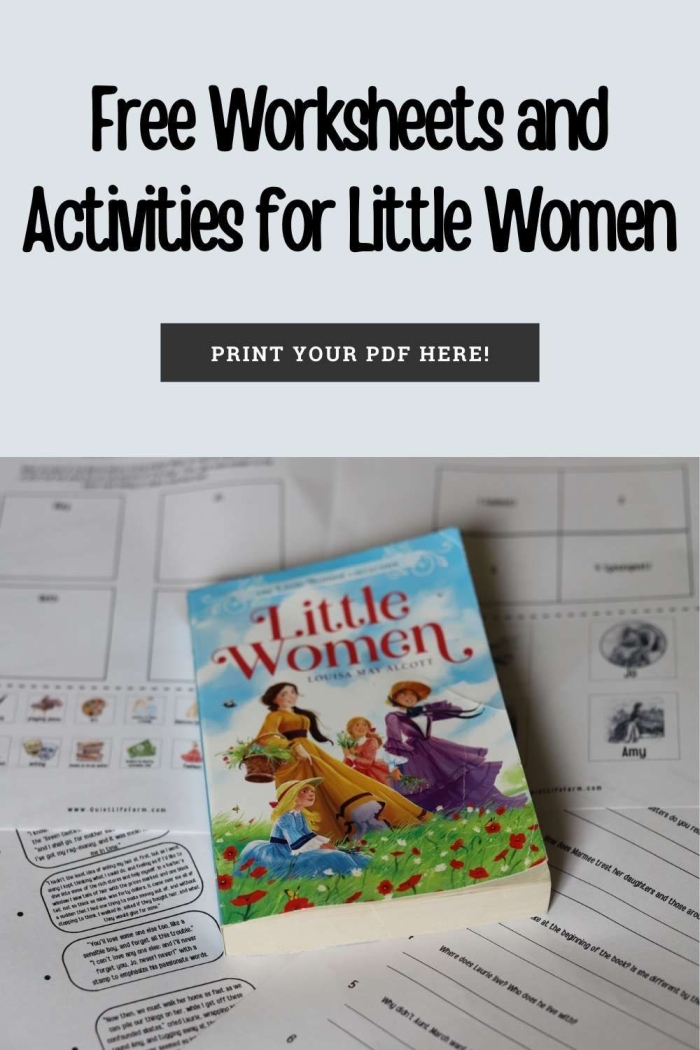
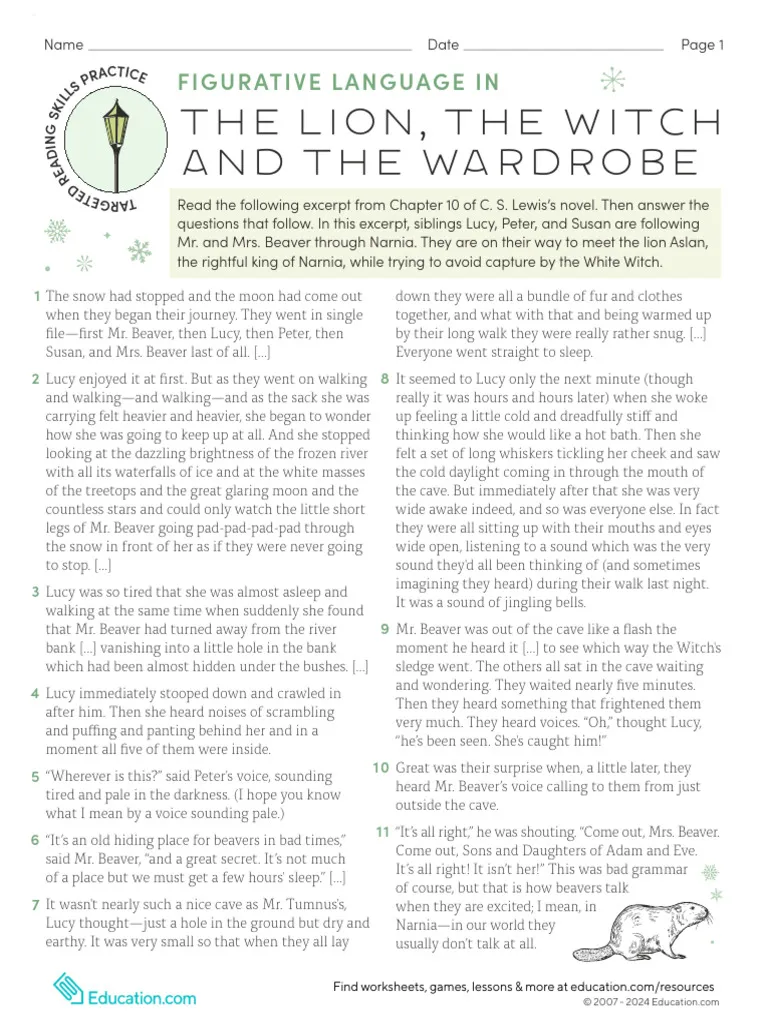
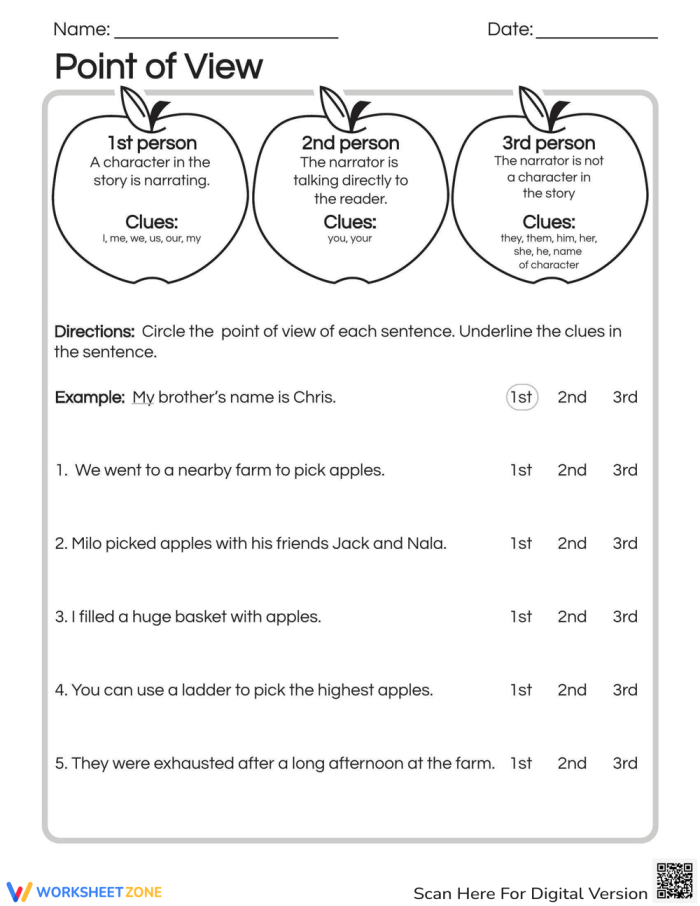
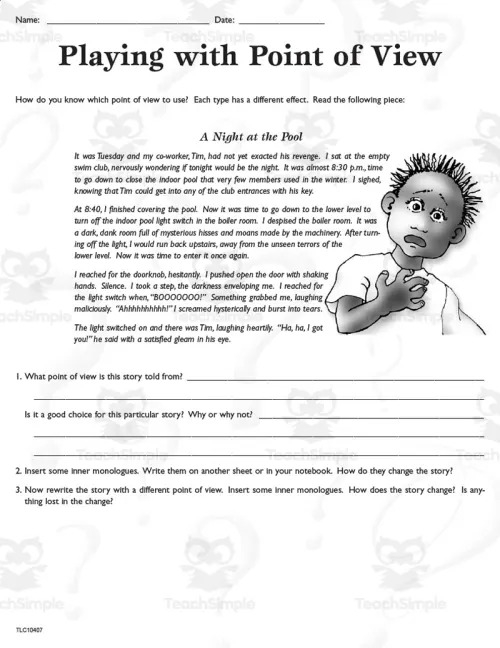
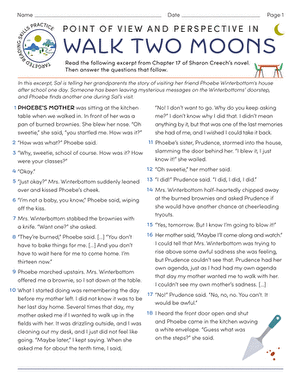
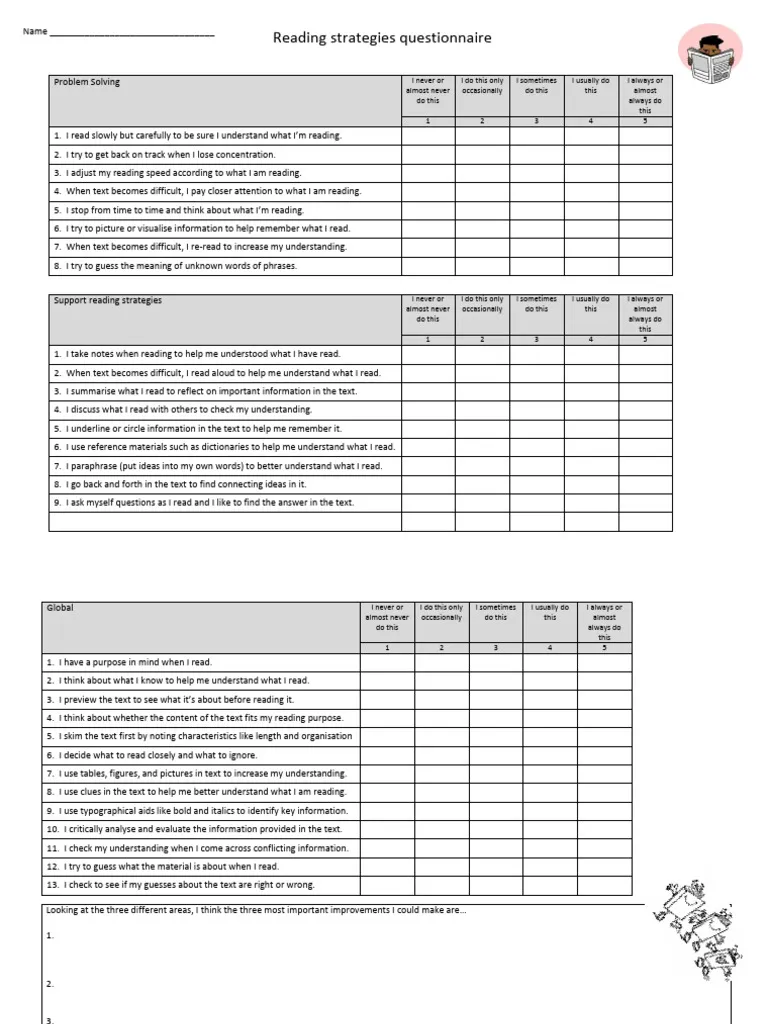
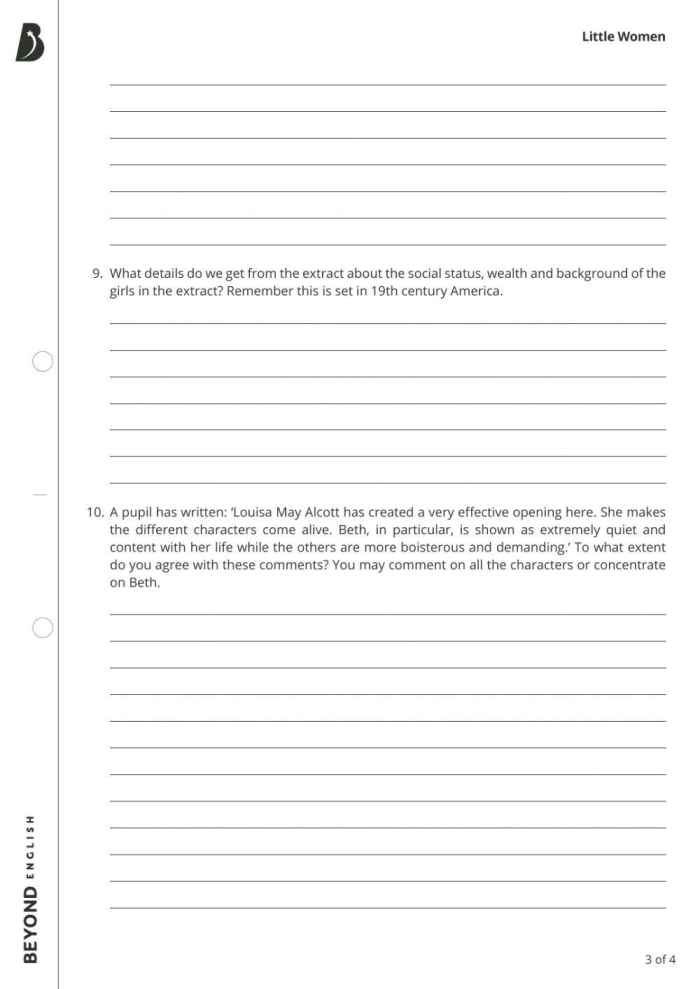
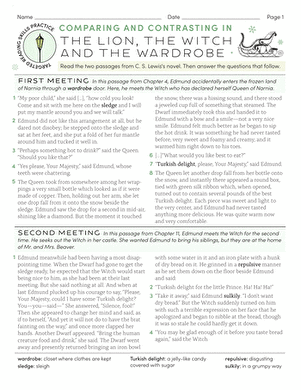
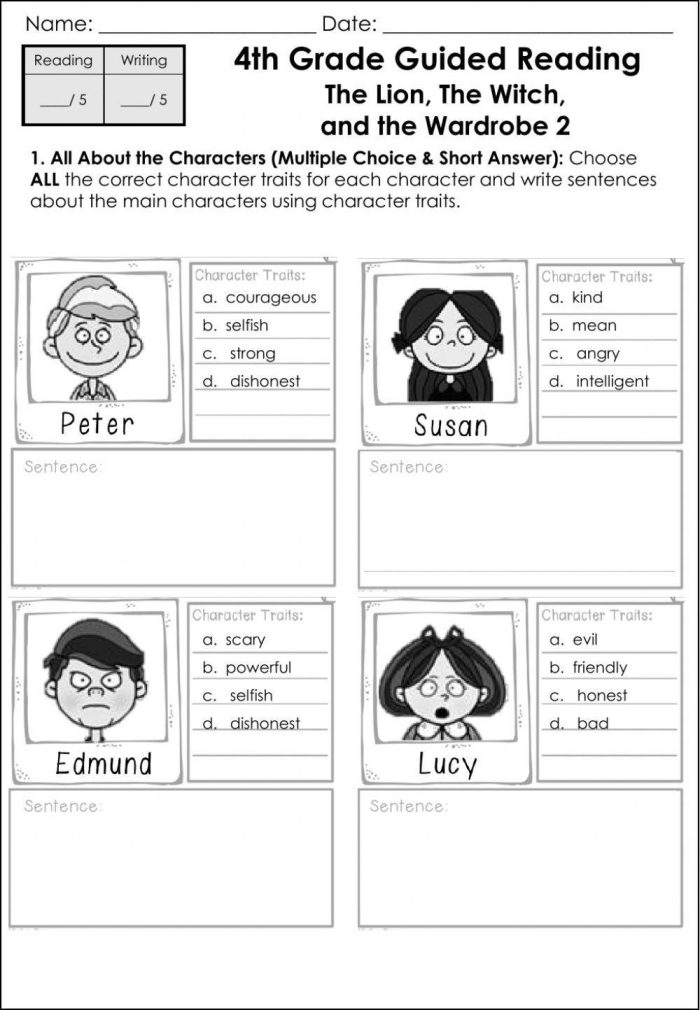
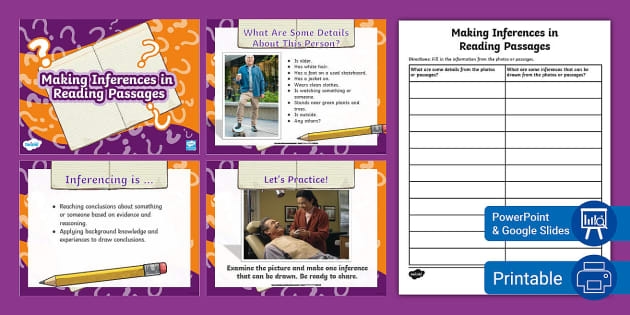
One practical way to explore this is by using targeted reading skills practice worksheets. These resources can help students identify and articulate the various perspectives present in the novel. For instance, while studying a specific excerpt, students might focus on Jo’s internal conflict about her writing ambitions compared to Meg’s traditional views on marriage. Such exercises not only promote critical thinking but also encourage empathy by challenging students to consider viewpoints outside their own.
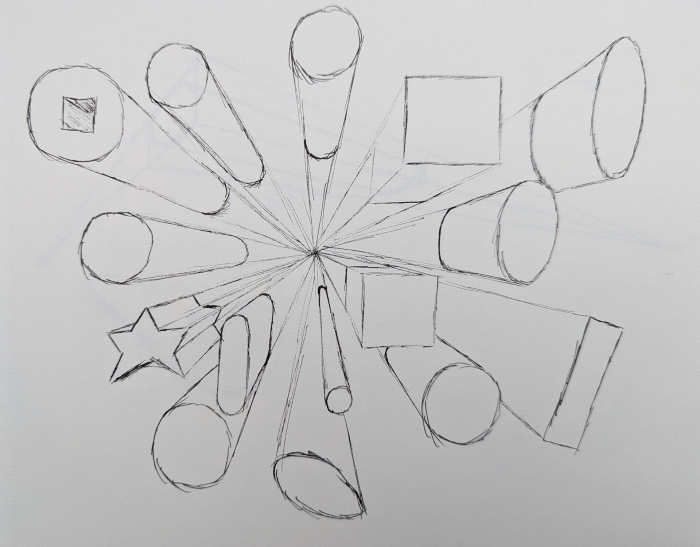
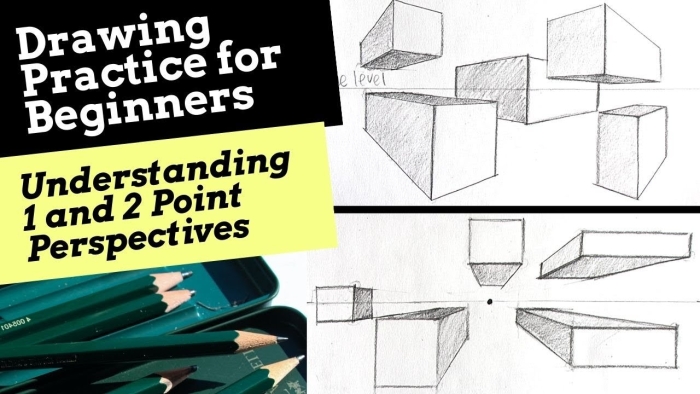
In addition to the literary analysis, students can apply similar strategies in their geometry studies. Just as they examine character perspectives in literature, they can analyze geometric problems from different angles, enhancing their problem-solving skills. For more on this, you can check out resources like the Targeted Reading Skills Practice: Point of View and Perspective in Little Women.
By integrating literature with geometry, seventh graders learn valuable skills that are applicable in various contexts. Analyzing perspectives sharpens their ability to think critically, whether they’re dissecting a character’s motivations or solving complex geometric equations. This holistic approach not only makes learning more engaging but also prepares students for future academic challenges.
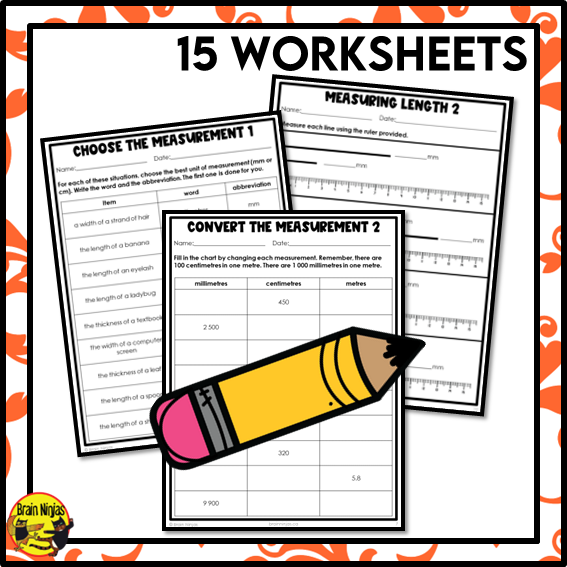
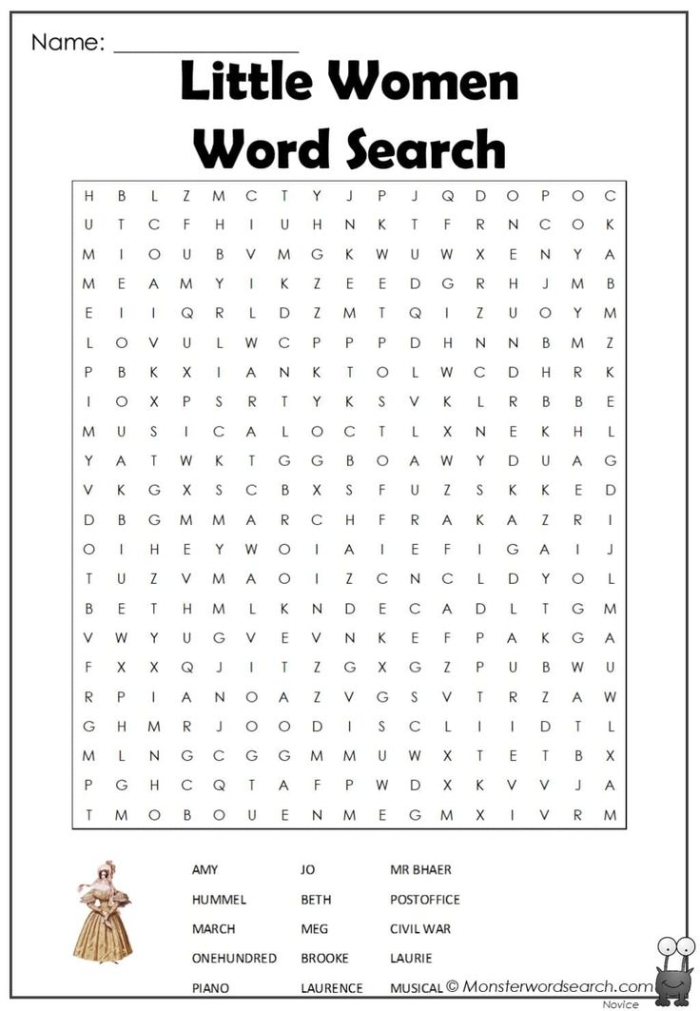
Hands-On Worksheet Activities