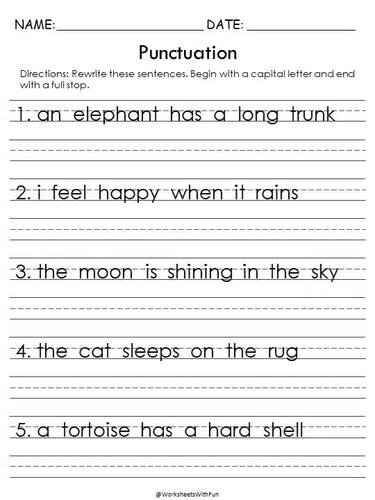
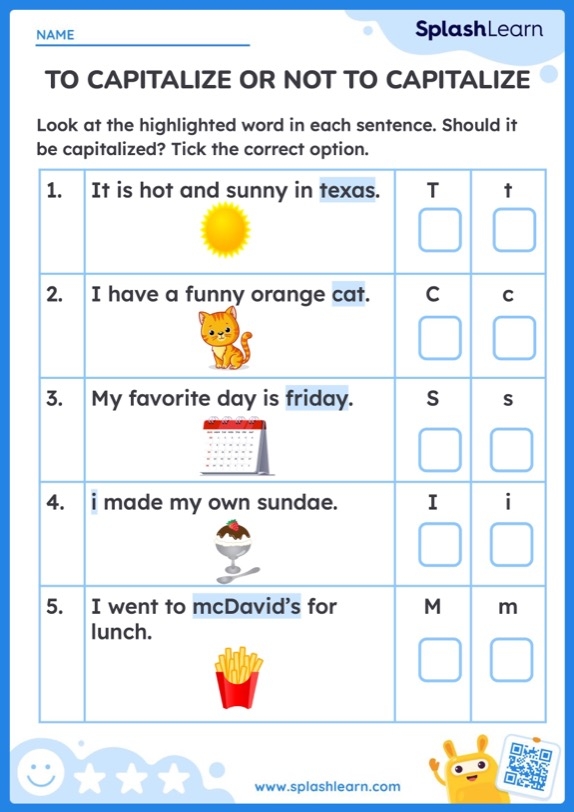
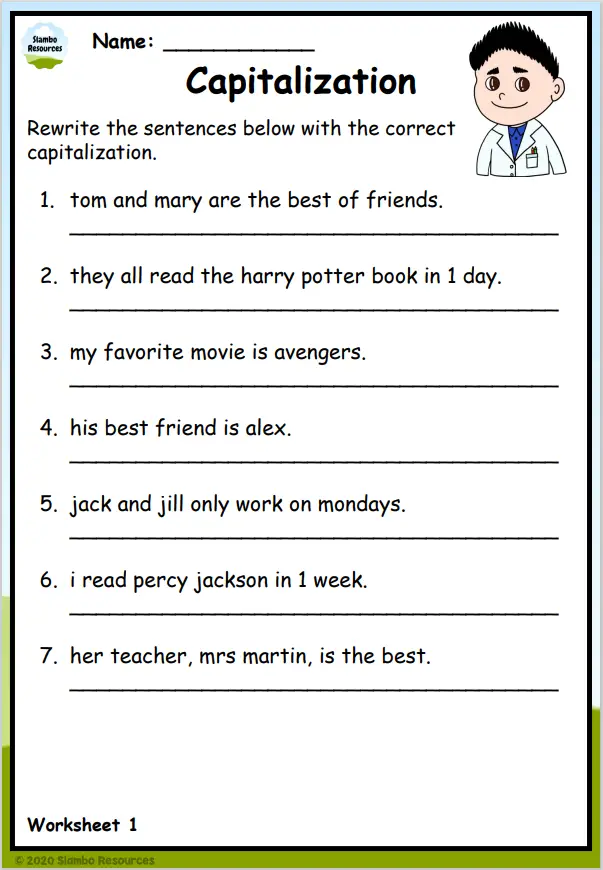
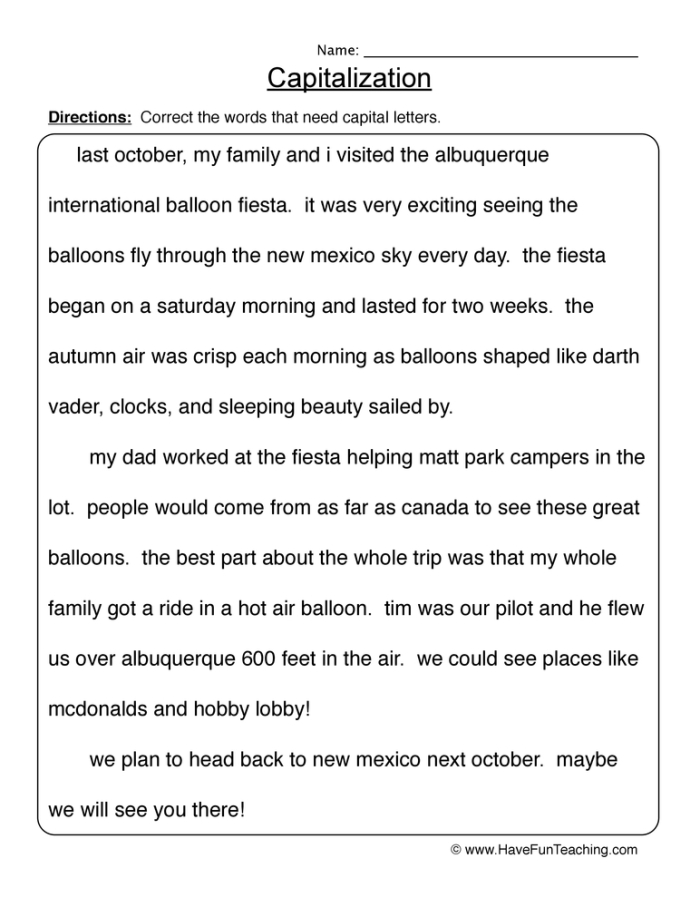
Fourth grade is when punctuation stops being optional and starts mattering. Students at this level need to move beyond basic periods and commas into the trickier territory of quotation marks, apostrophes, and capitalization rules that actually change meaning. A solid grammar and mechanics worksheet focused on punctuation gives learners the structured practice they need to nail these skills before moving into more complex writing.
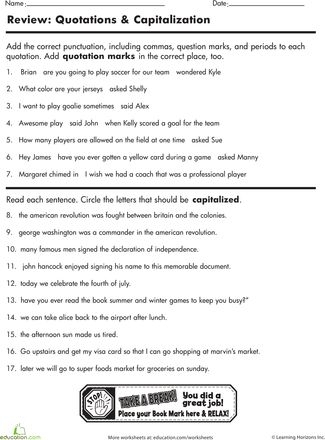
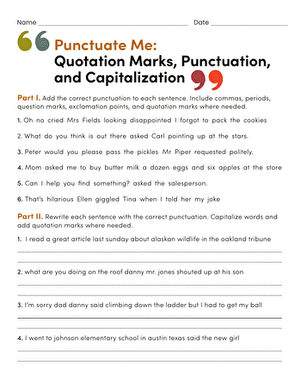
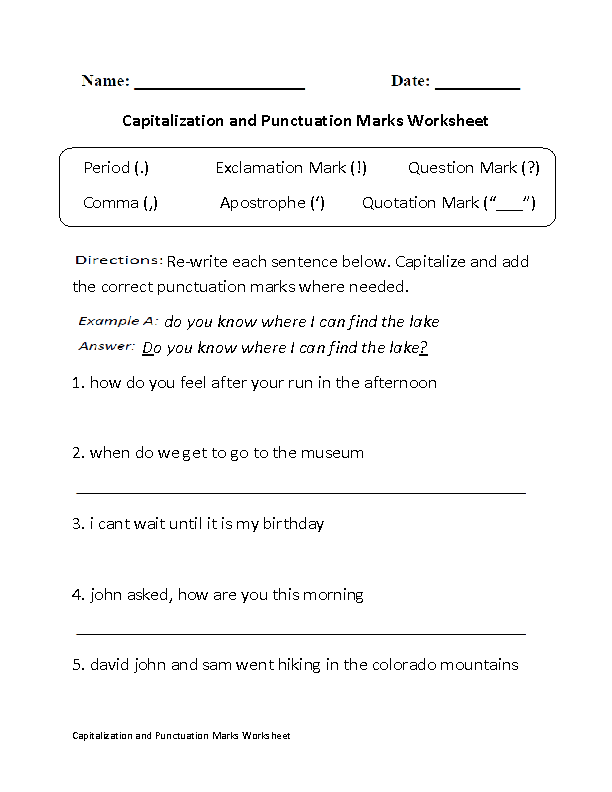
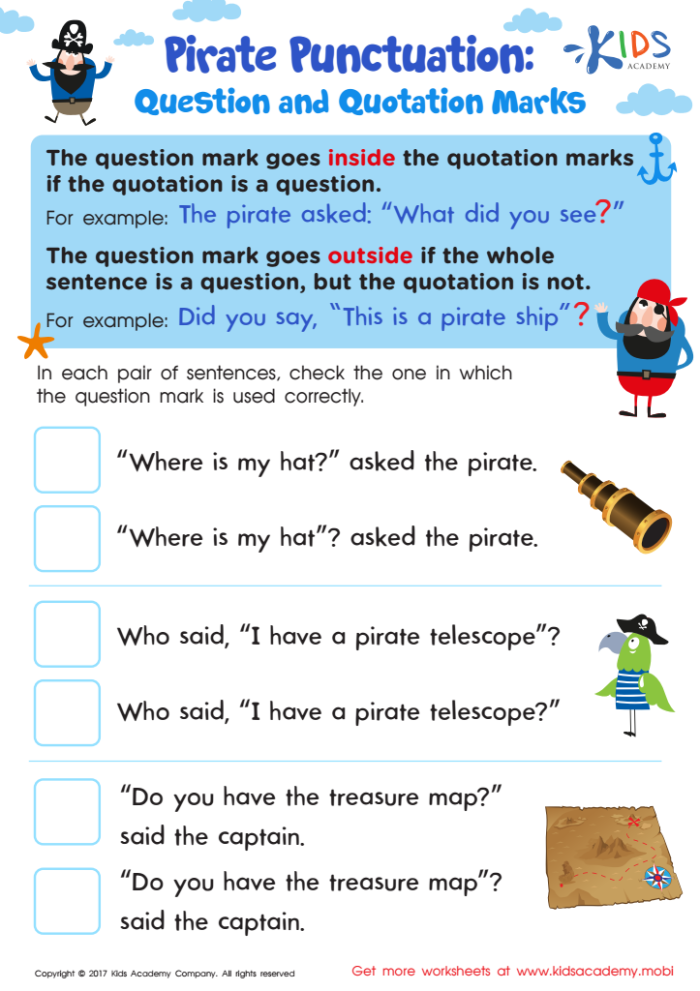
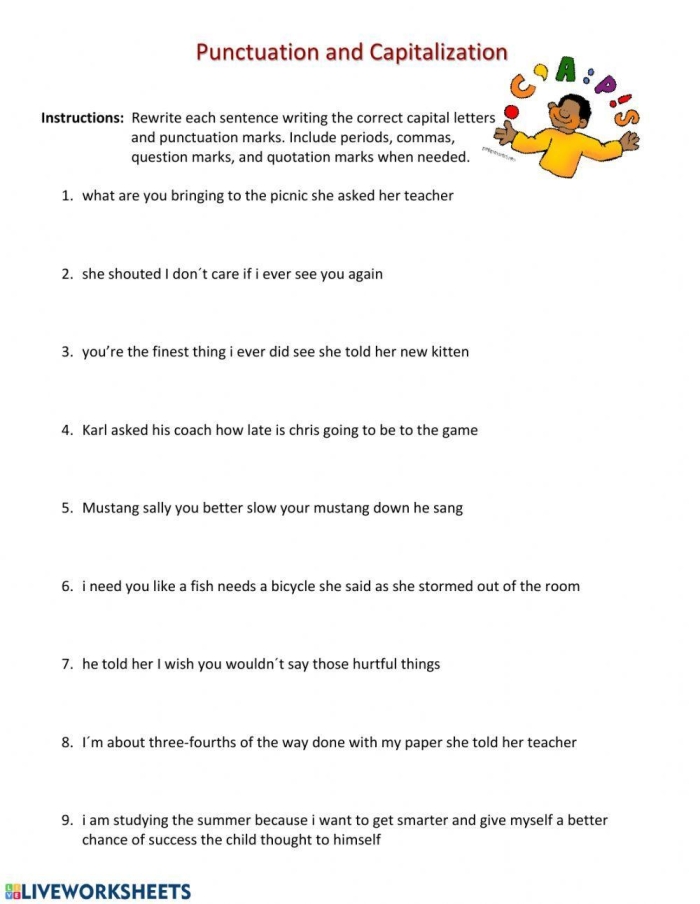
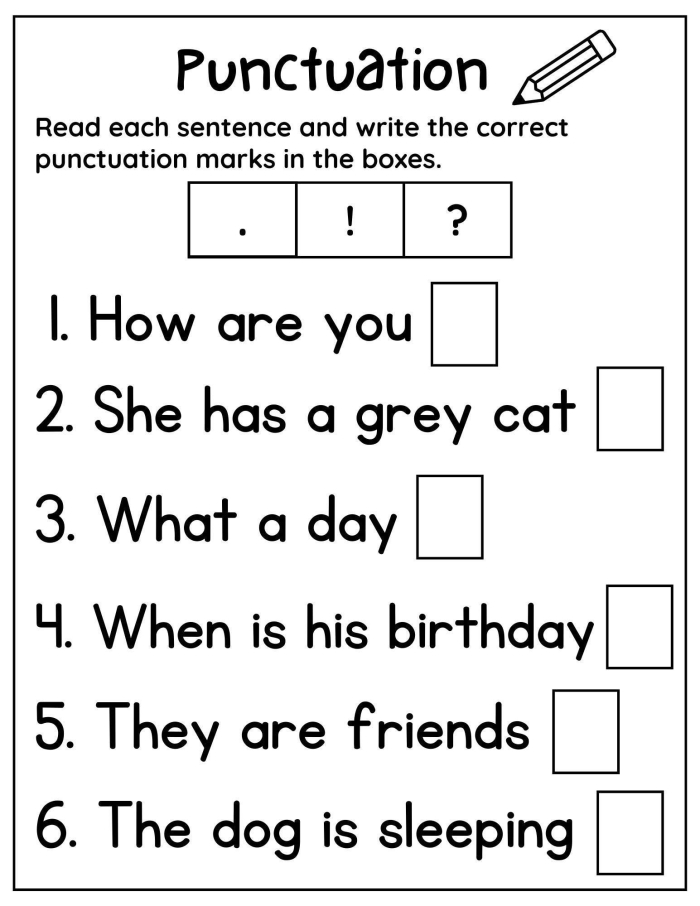
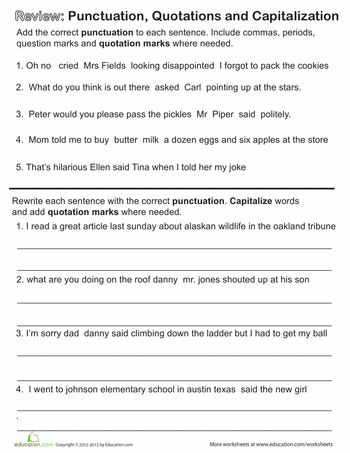
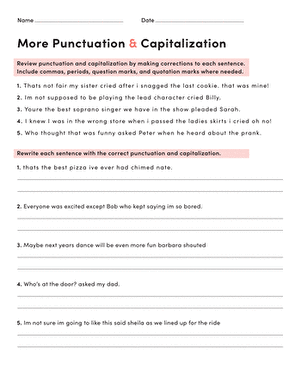
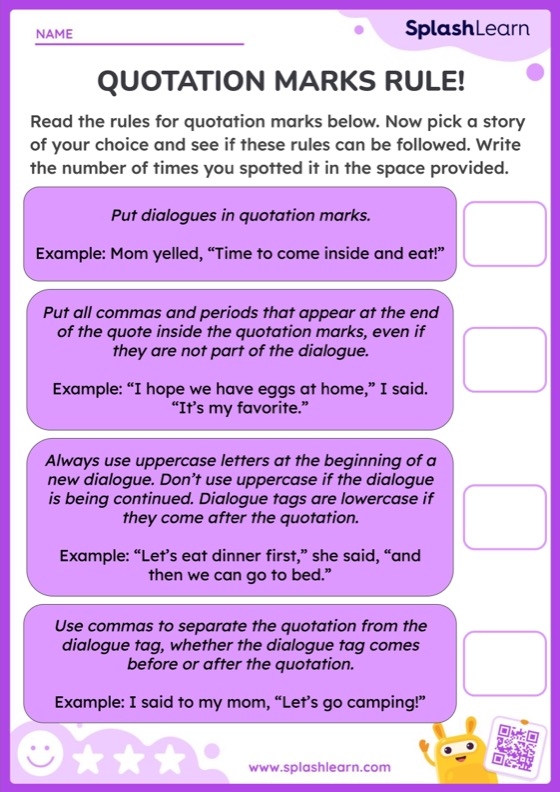
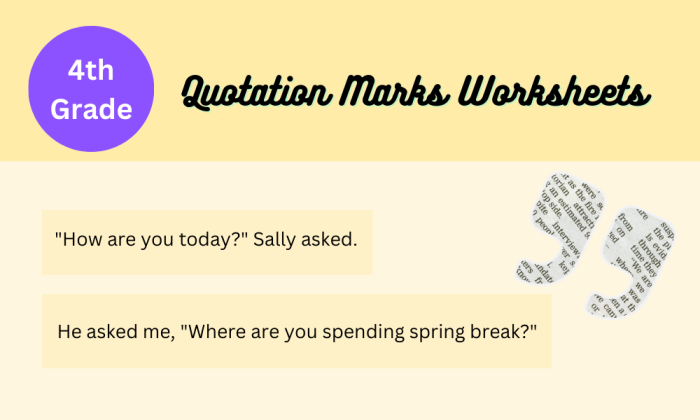
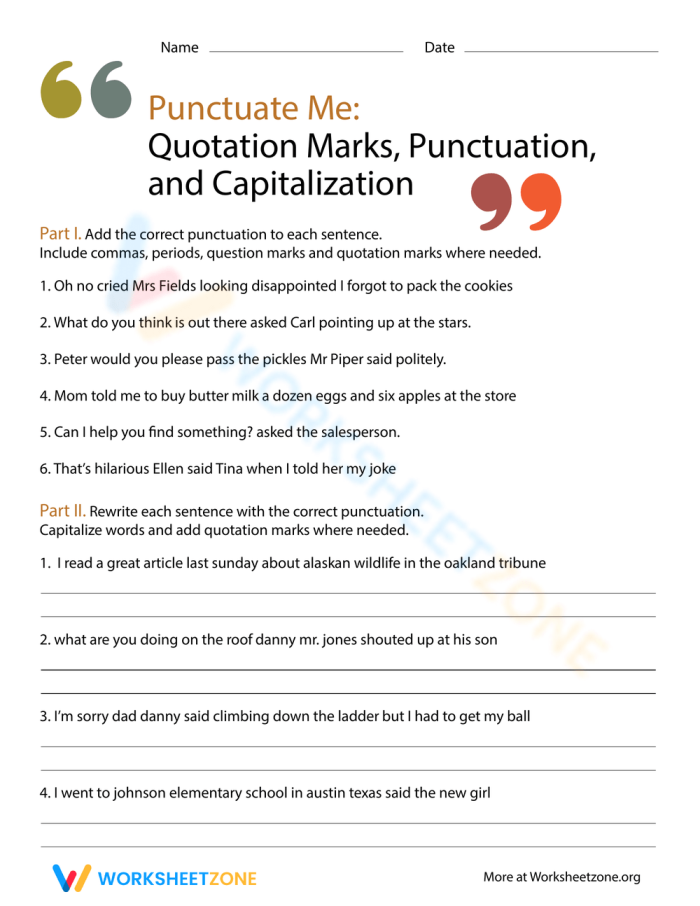
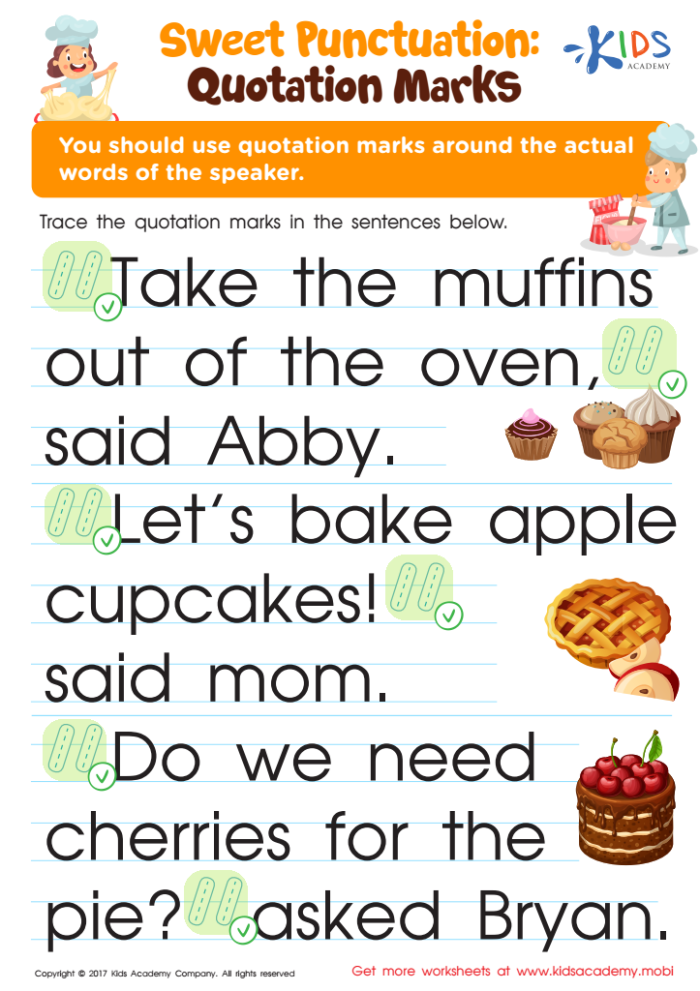
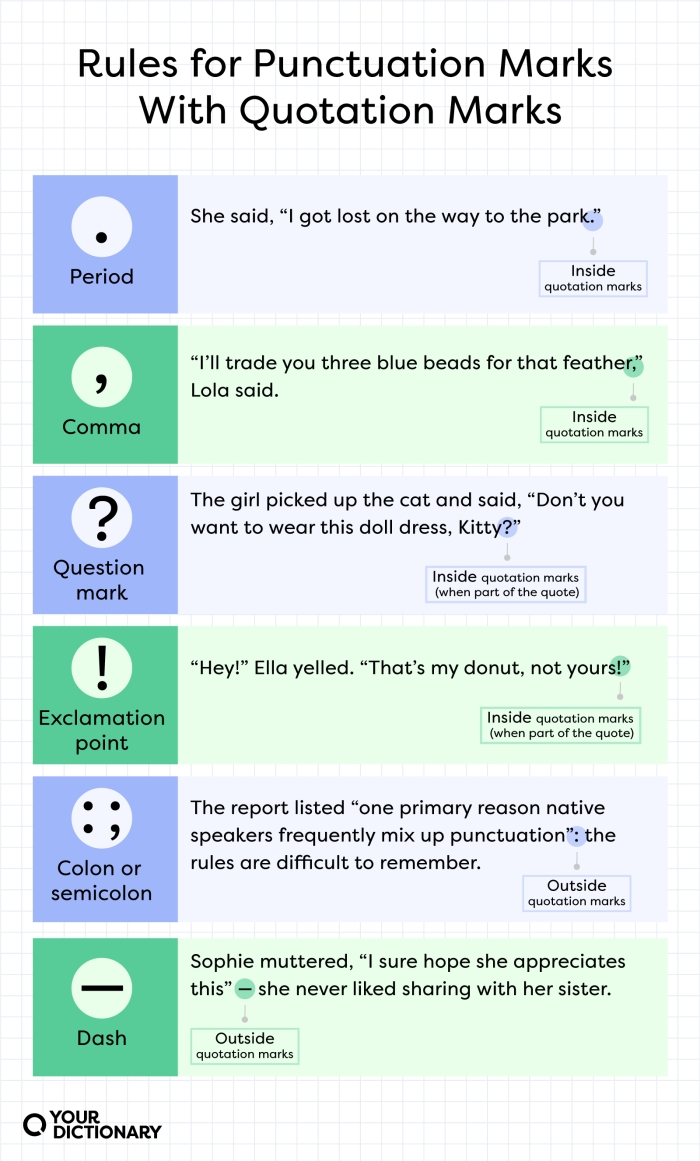
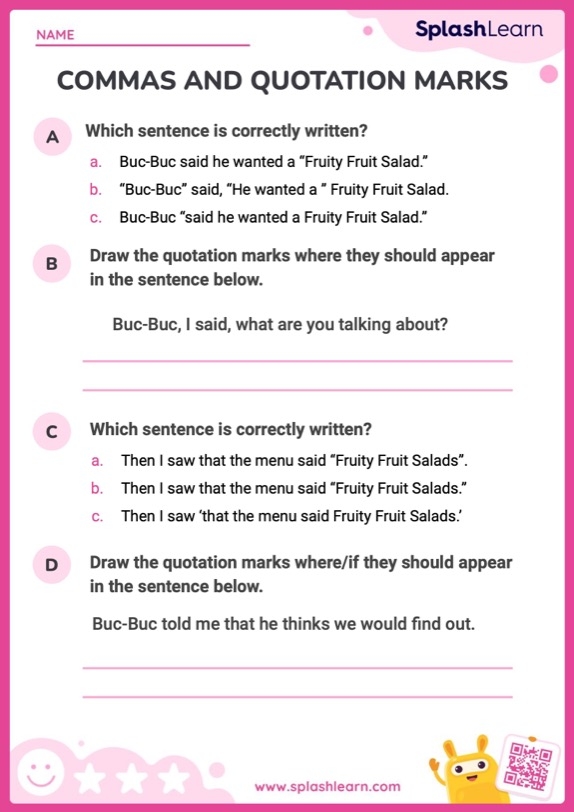
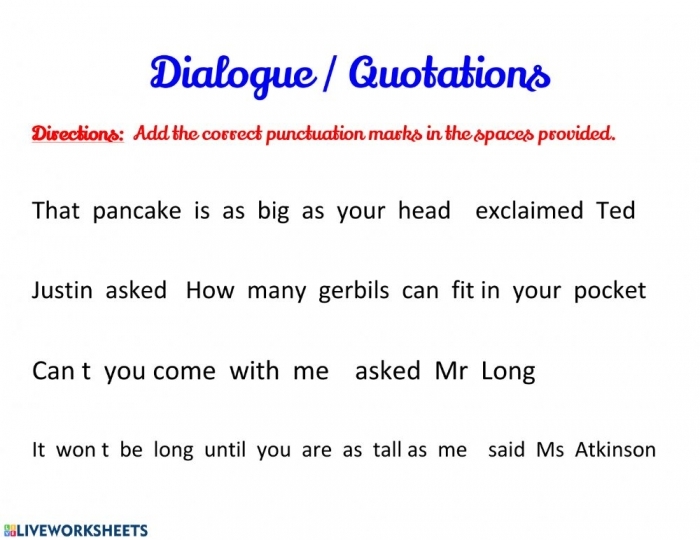
This type of worksheet typically presents real sentences where punctuation is missing or incorrect. Students identify where quotation marks belong in dialogue, fix capitalization errors, and place punctuation marks in the right spots. The repetition builds muscle memory. When a student sees dialogue written as she said hello versus “Hello,” she said, the visual difference starts to stick.
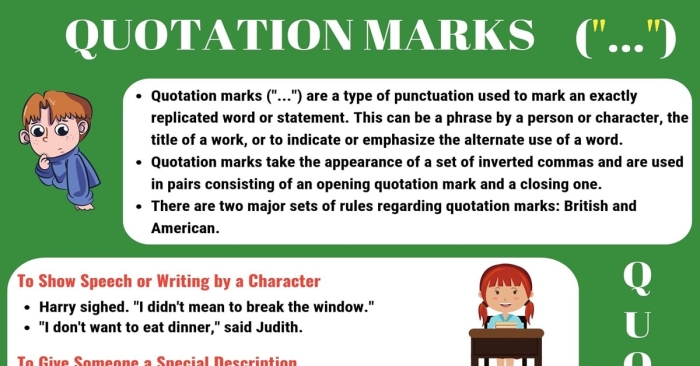
What makes punctuation practice effective at the fourth grade level is connecting it to actual writing. When students understand that quotation marks show exactly what someone said, or that an apostrophe in contractions represents missing letters, the rules become logical rather than arbitrary. This foundation helps when they later encounter more advanced grammar concepts.
Pairing punctuation work with other writing skills strengthens overall literacy. Students who practice punctuation alongside activities like discovering details in their writing or distinguishing facts from opinions see how proper punctuation clarifies their message. Even math-focused learners benefit from understanding punctuation, since clear communication matters across all subjects, including Algebra work at the upper elementary level.
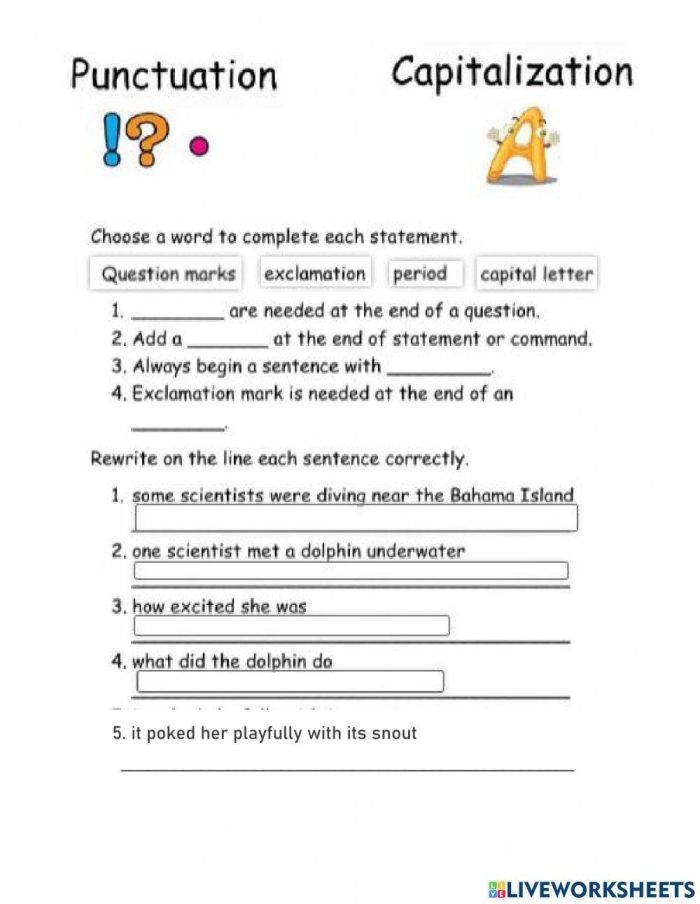
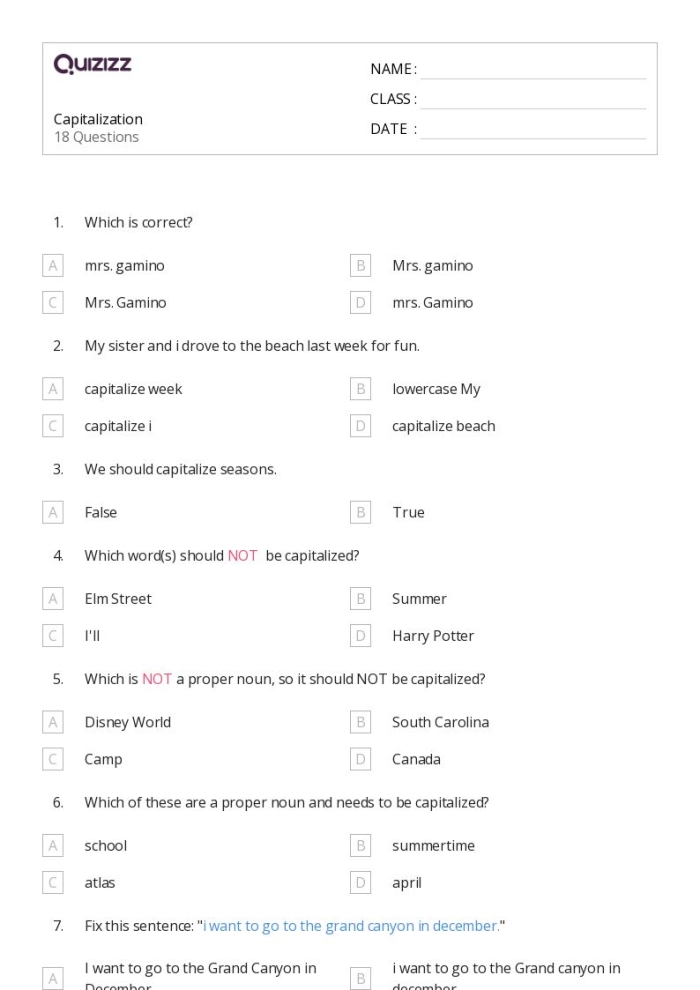
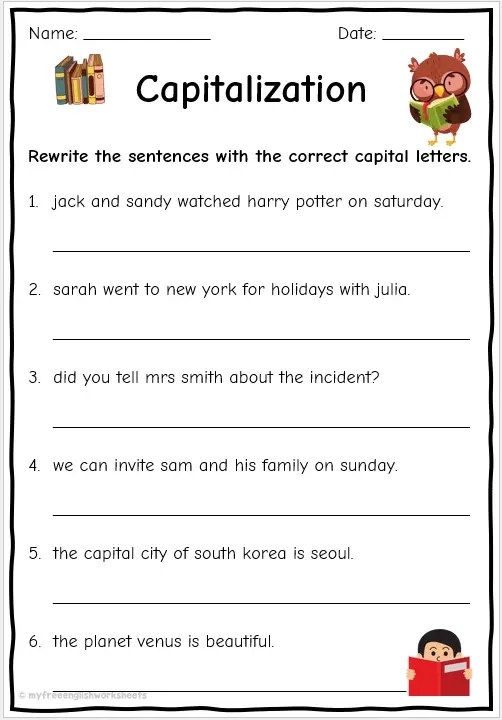
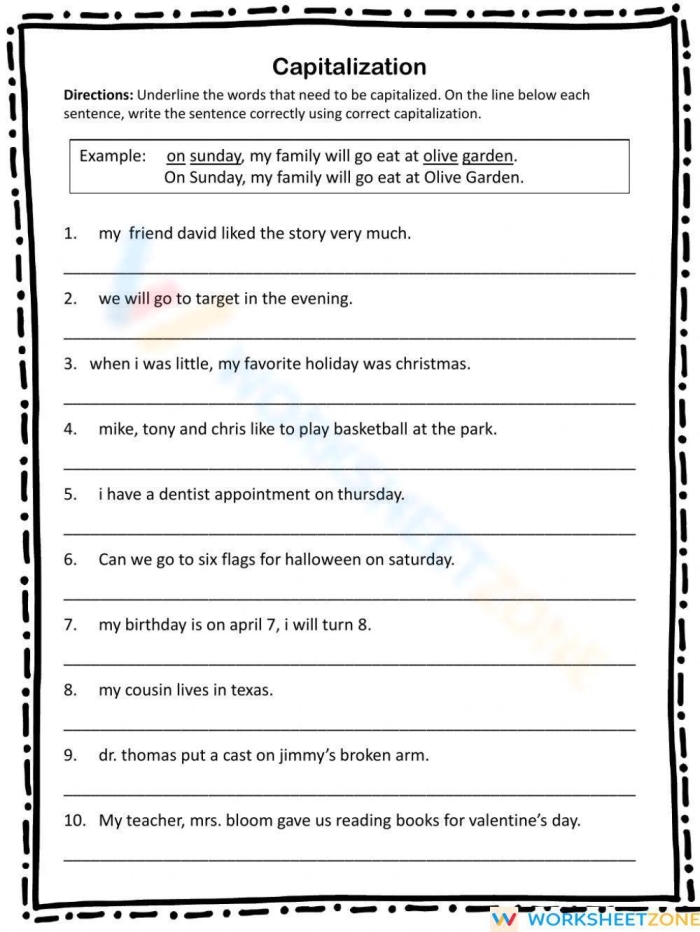
The best worksheets include a mix of sentence types and difficulty levels. Some sentences need only one correction, while others have multiple punctuation issues. This variation keeps students engaged and prevents them from simply memorizing patterns without understanding the underlying rules.
Worksheet Practice Section