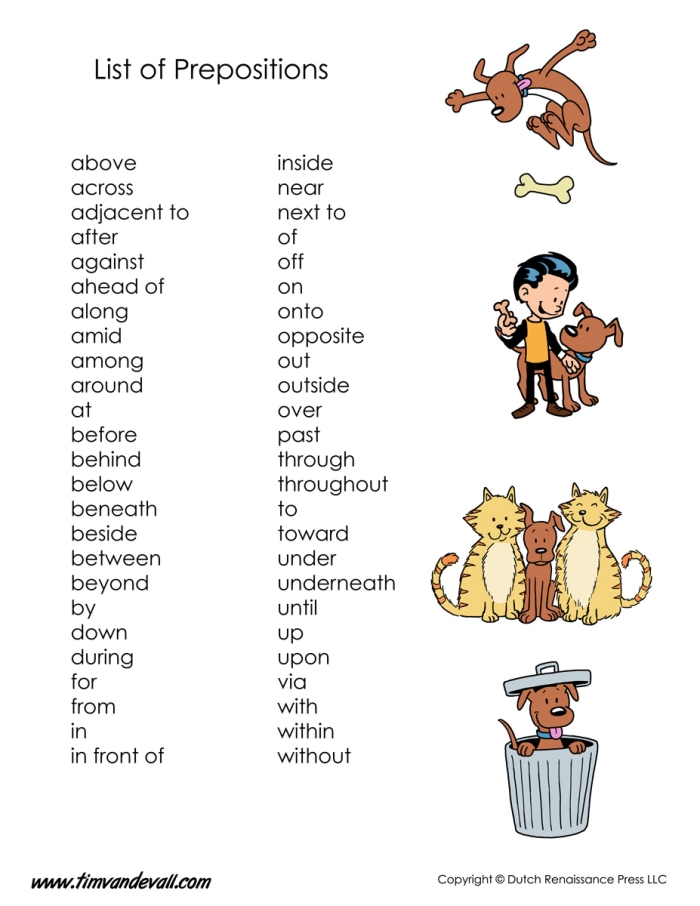
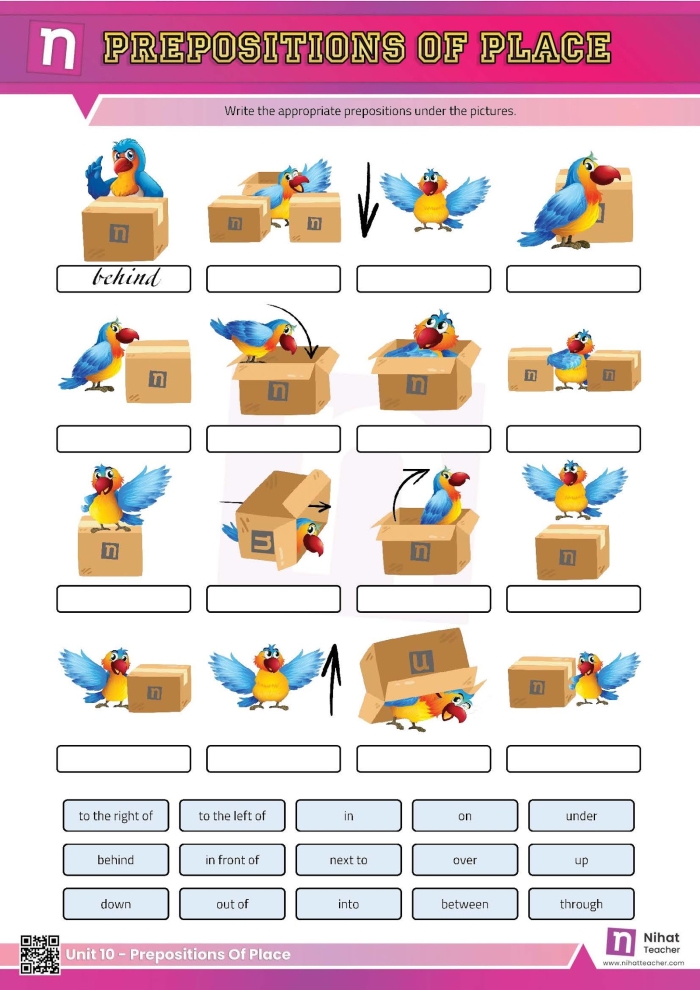
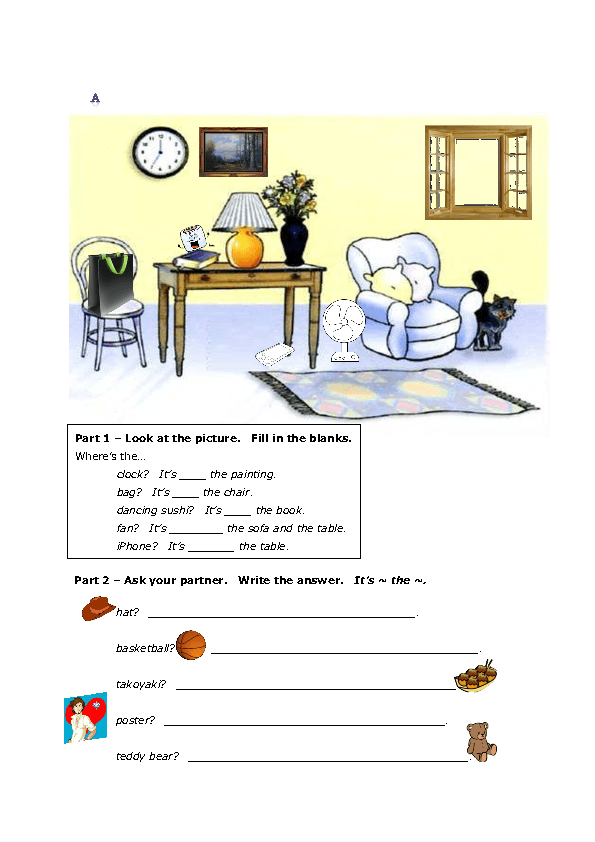
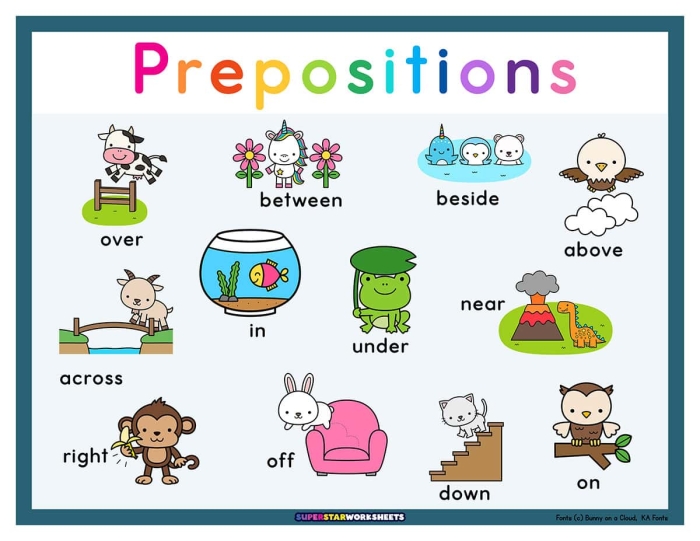
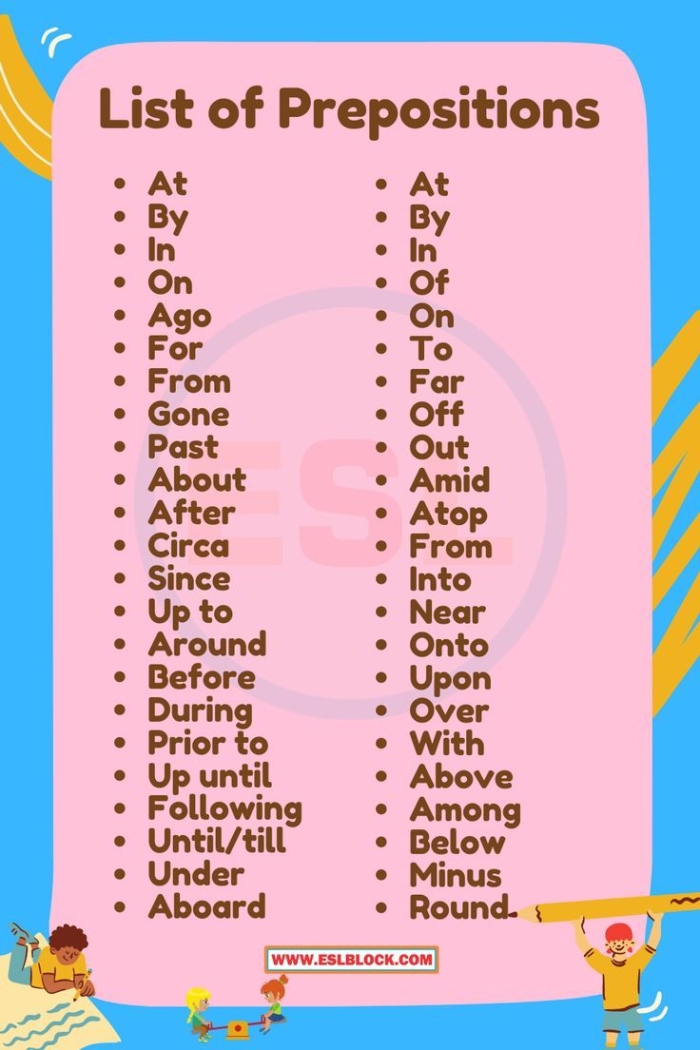
Prepositions are sneaky little words that often confuse young learners, yet they’re essential building blocks for clear writing and speech. If your first grader struggles to understand where things are or how words connect, a solid list of prepositions can transform the way she approaches grammar.
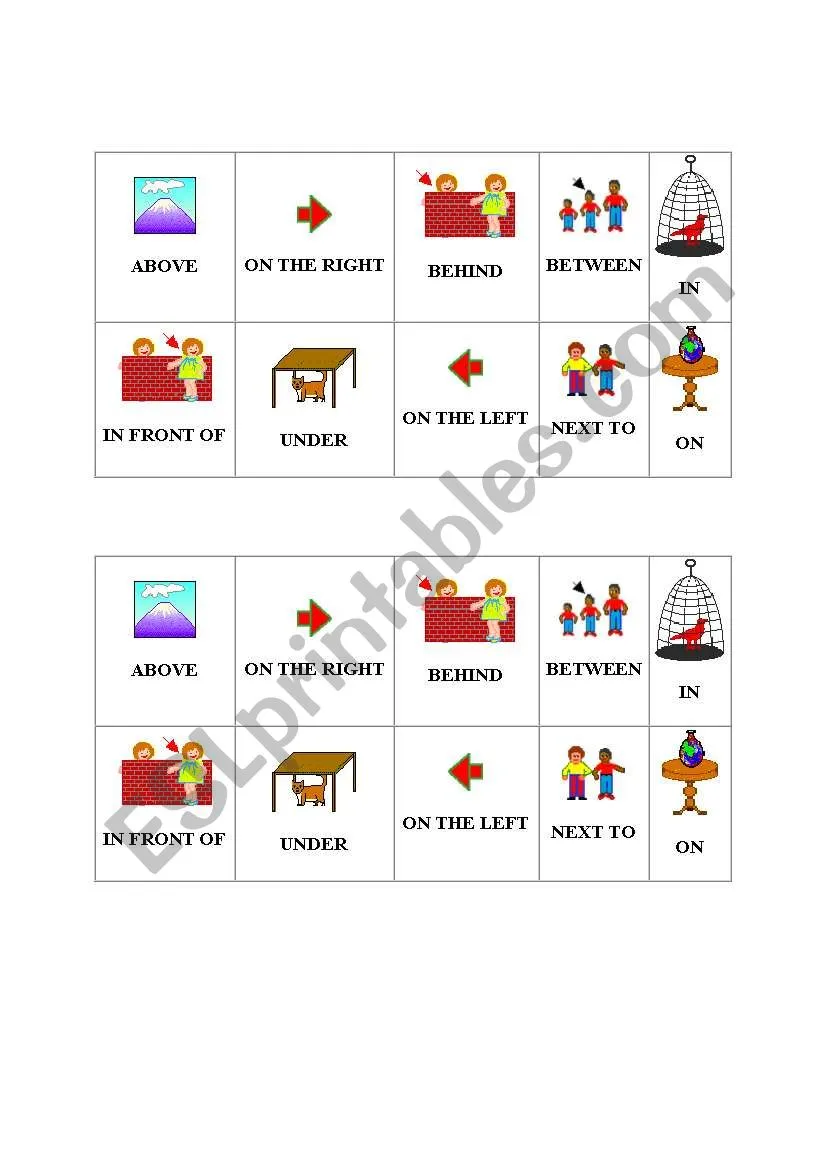
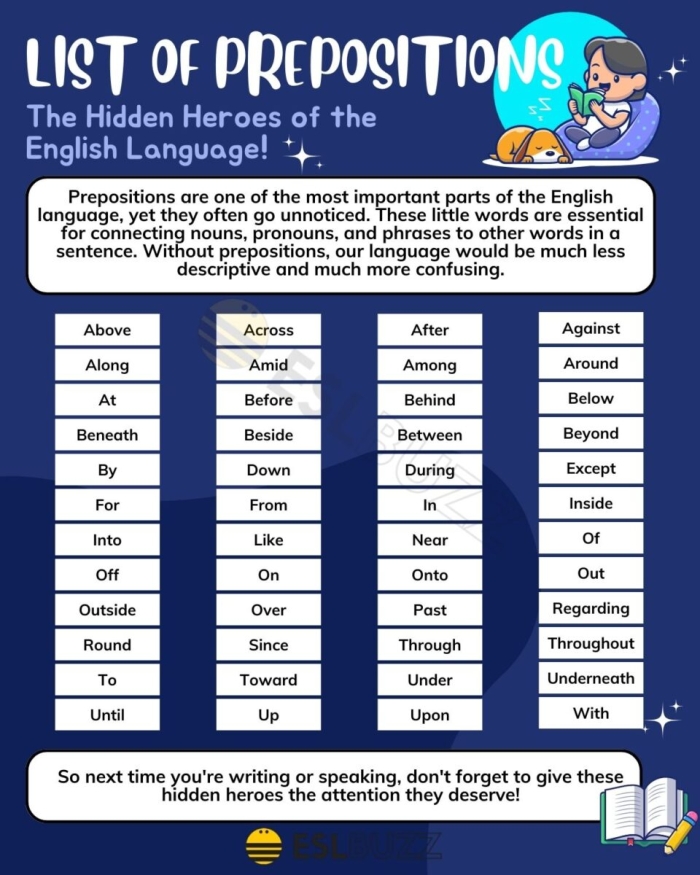
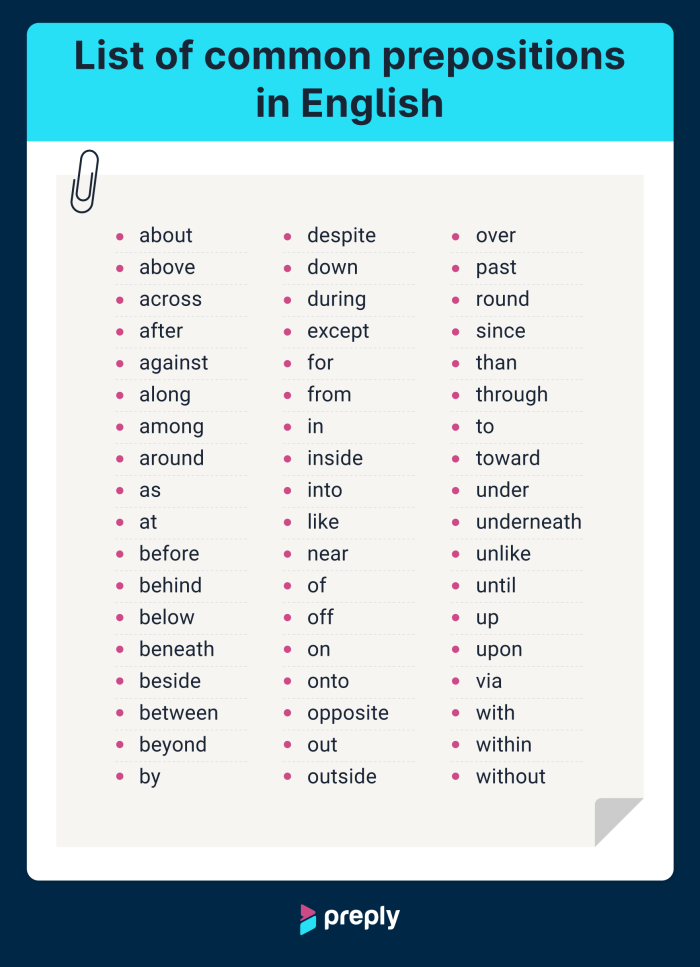
Prepositions show relationships between nouns and other words in a sentence. They tell us where something is located, when something happens, or how things relate to each other. Common examples include in, on, under, between, before, and after. For first grade students just beginning to explore parts of speech, these concrete words make sense because they often describe physical positions or time.
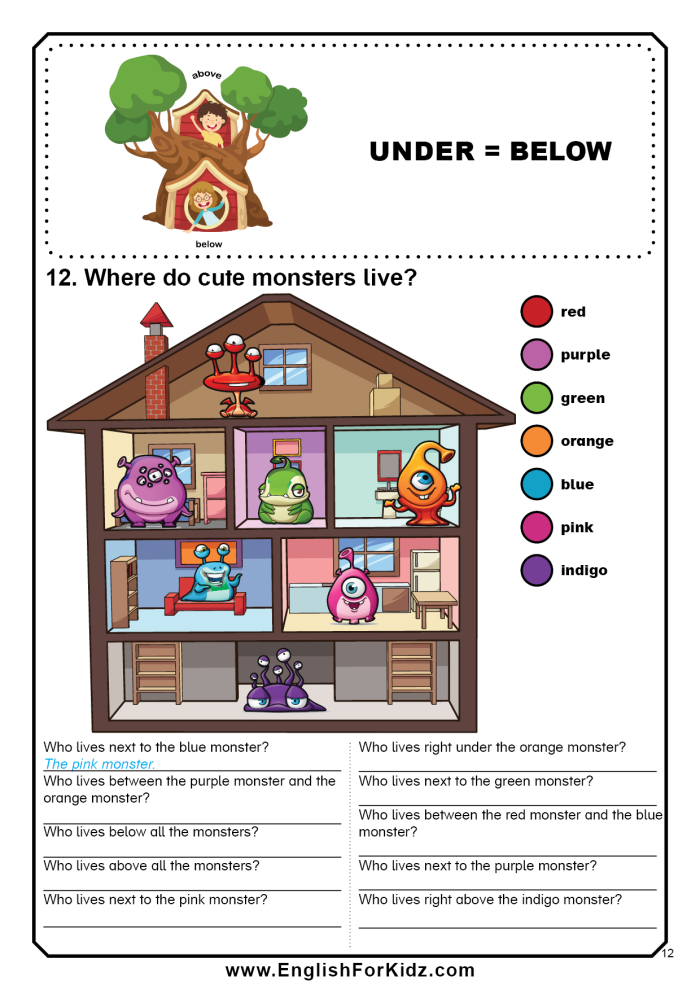
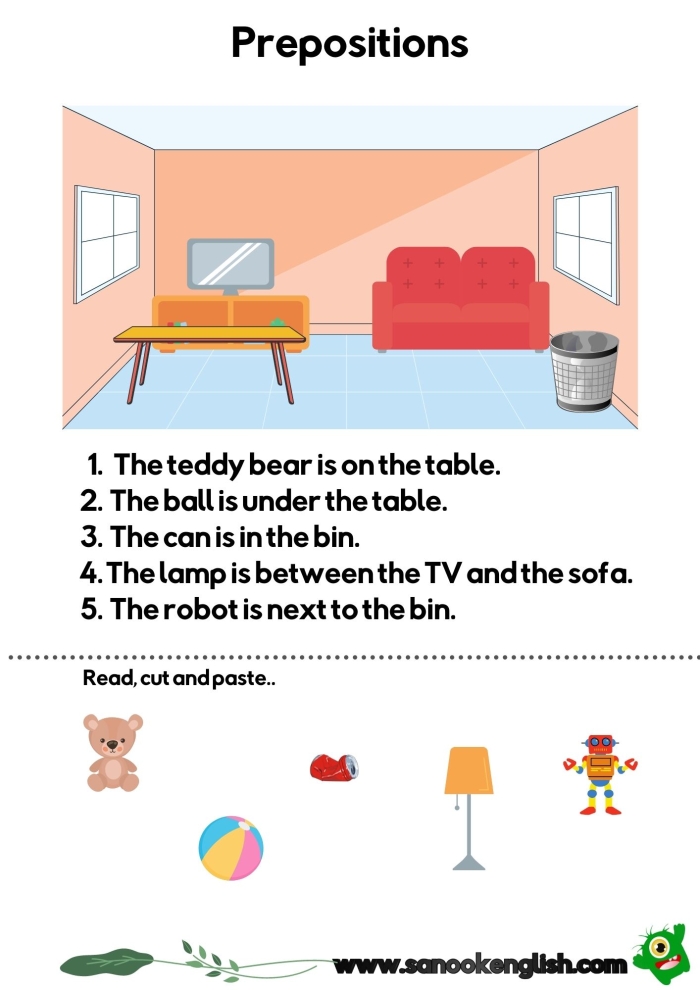
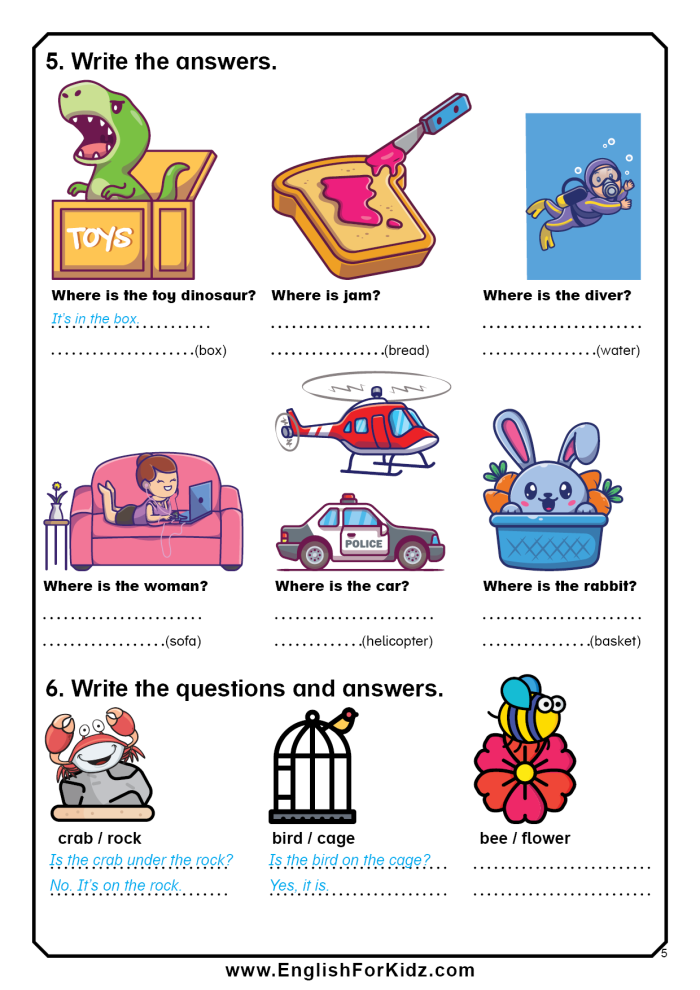
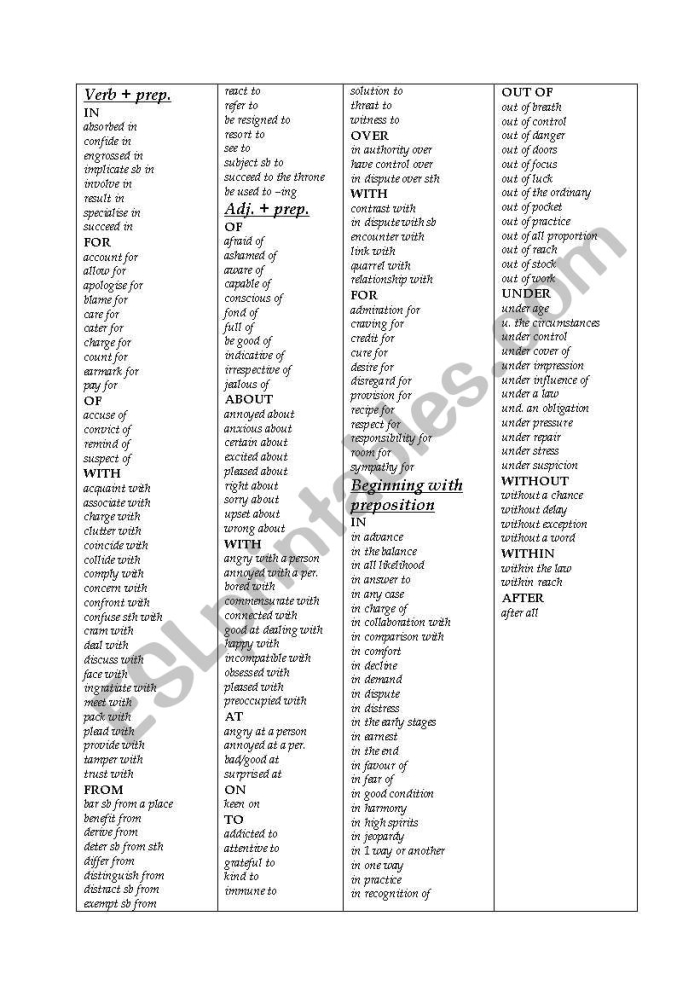
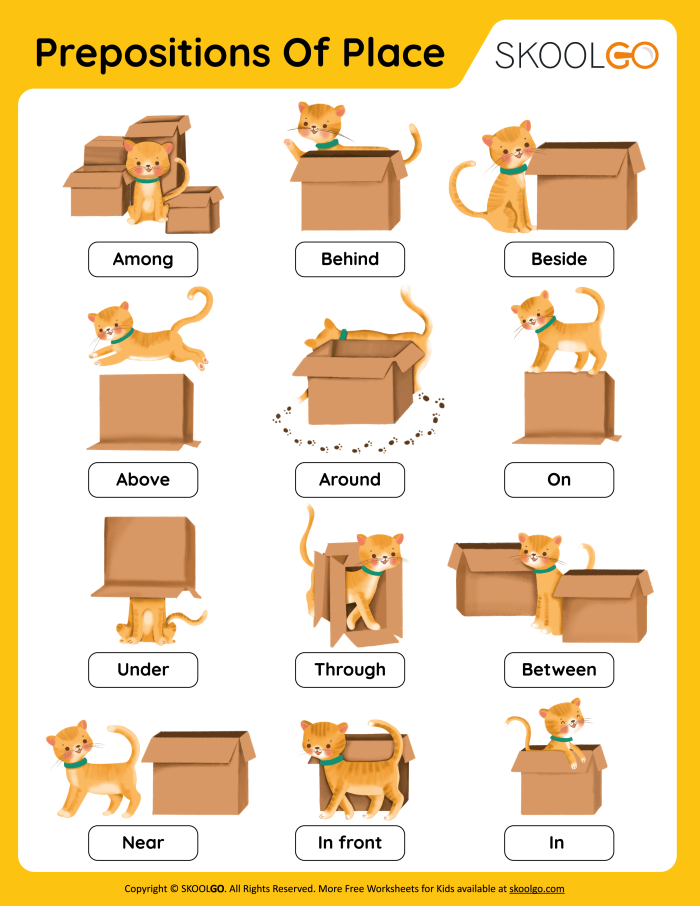
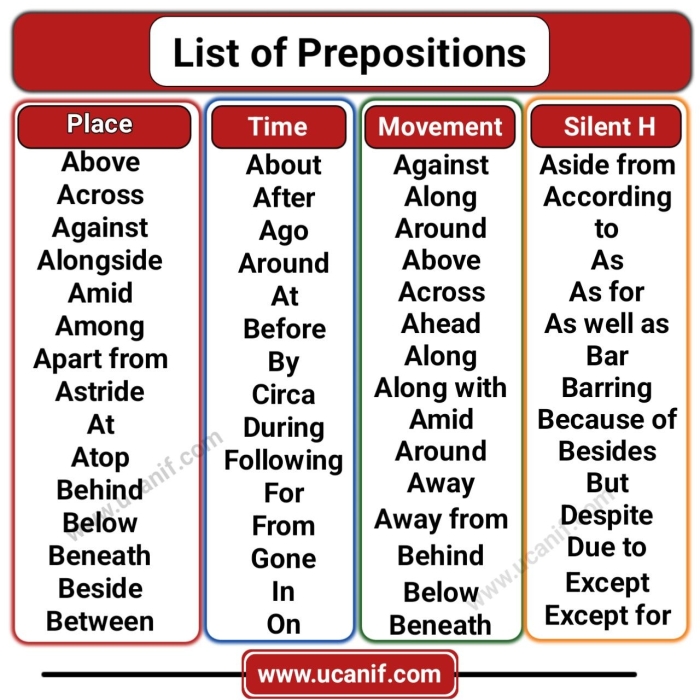
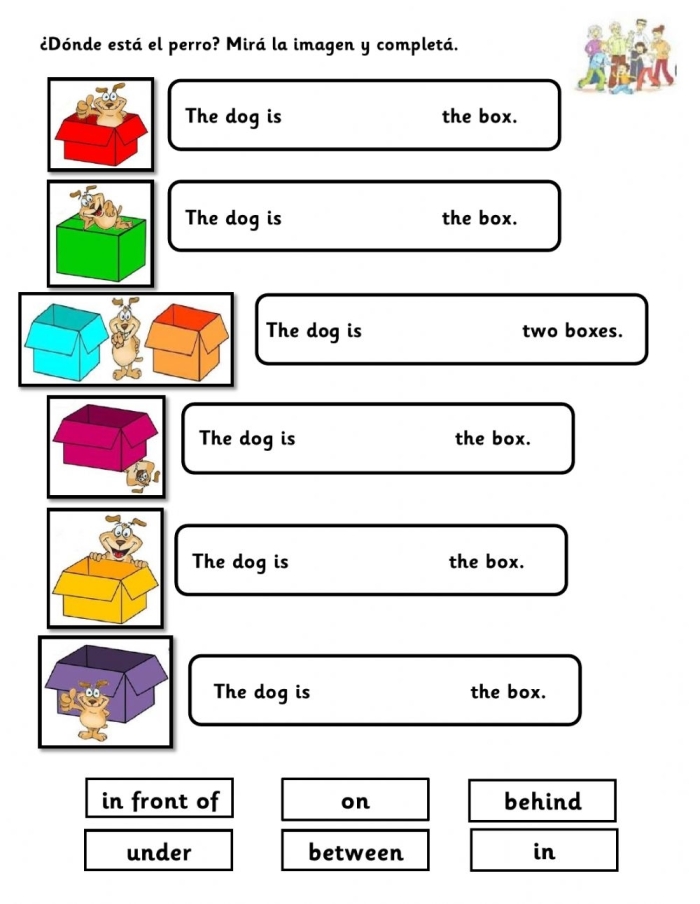
The best approach to teaching prepositions involves both visual and hands-on practice. Start with a simple list featuring the most frequently used prepositions, then use real-world examples. Point out that the cat is under the table or the book is on the shelf. This direct observation helps young learners connect abstract grammar concepts to their daily lives.
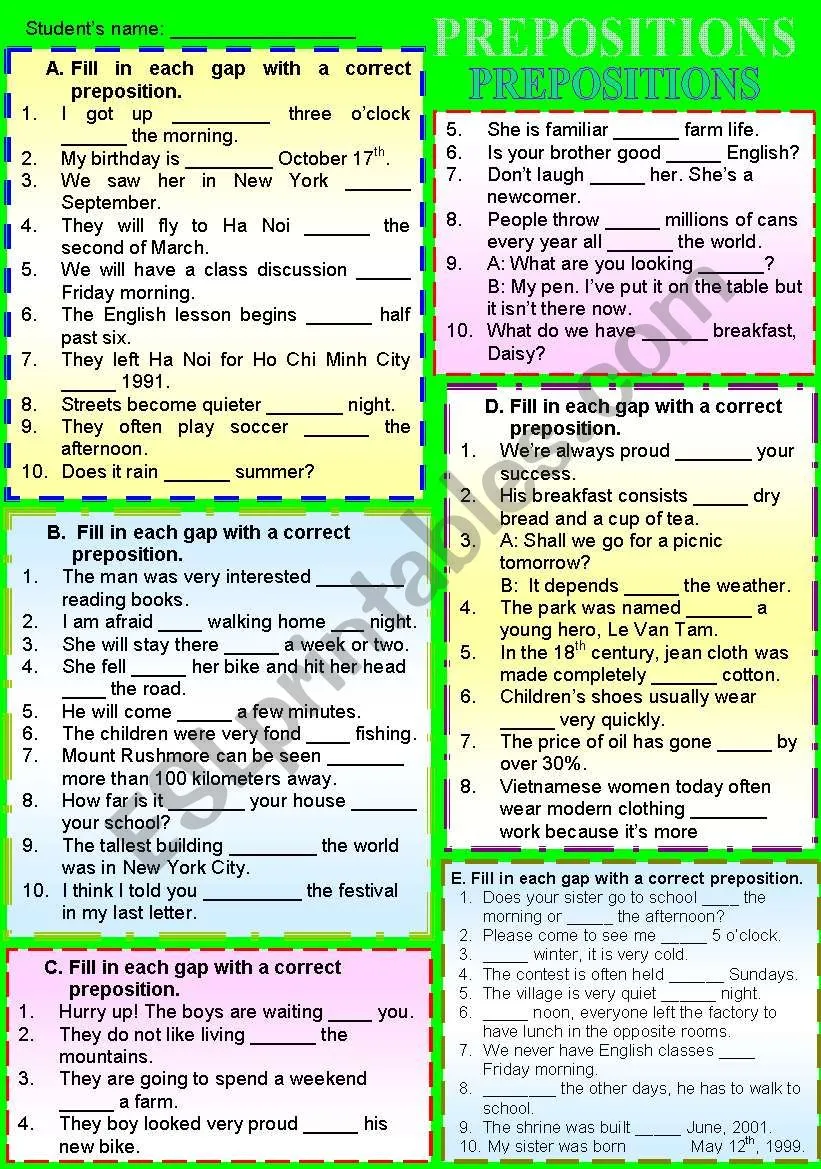
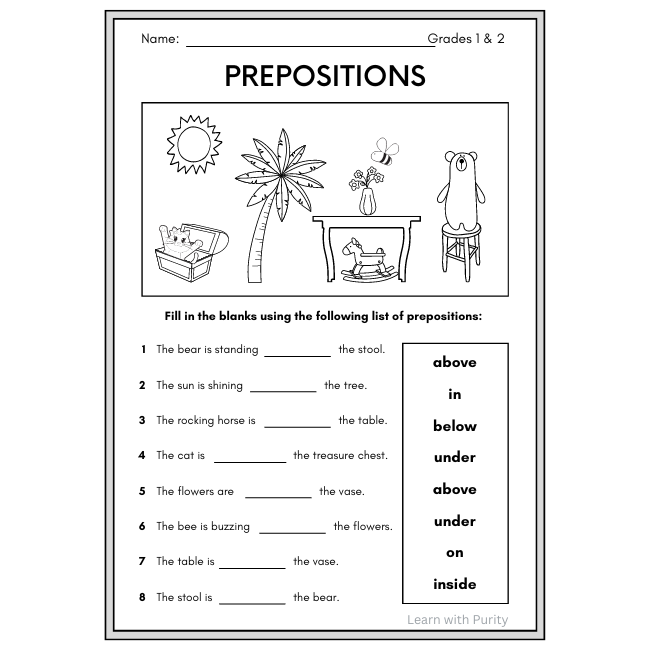
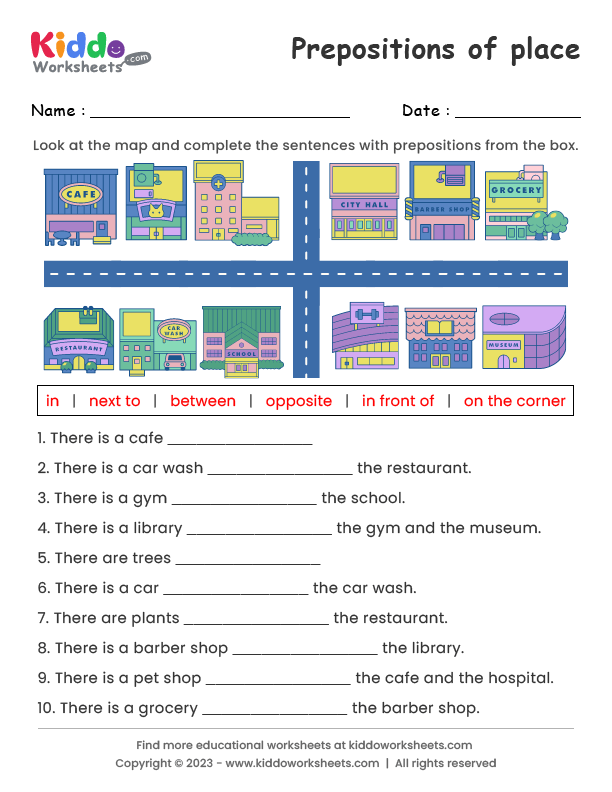
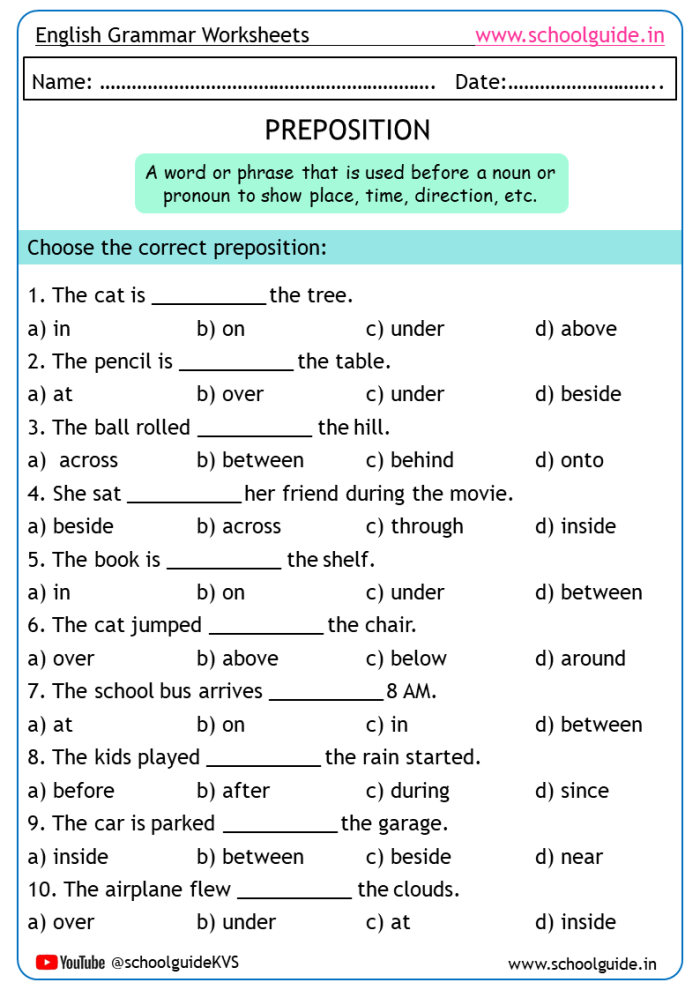
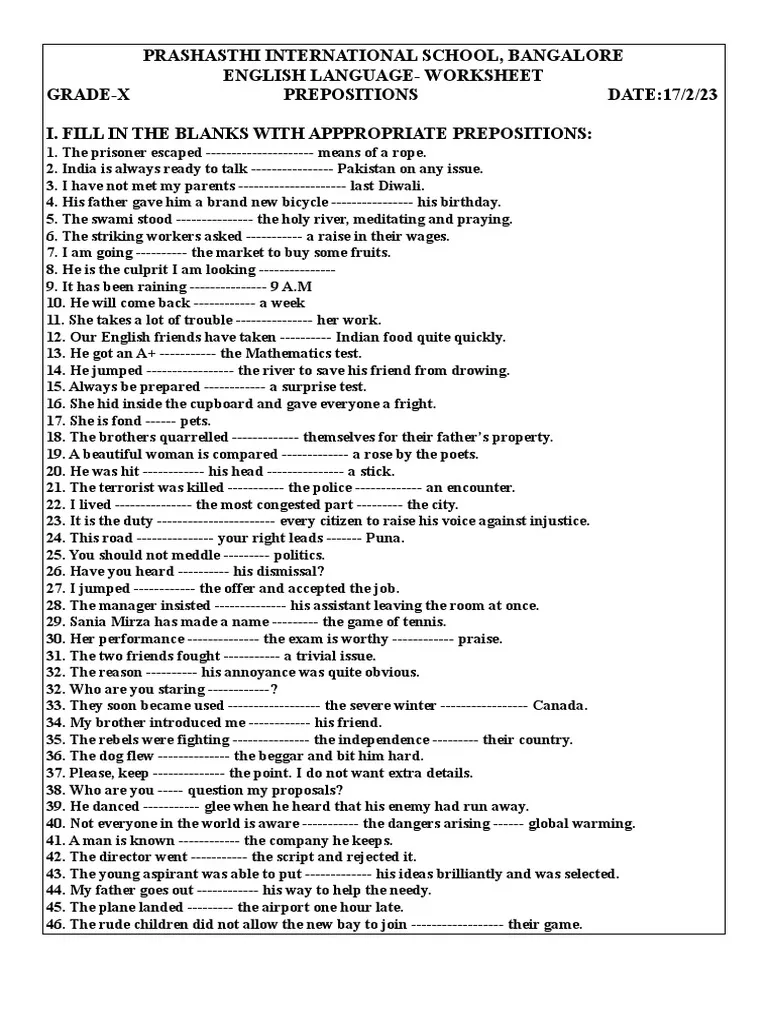
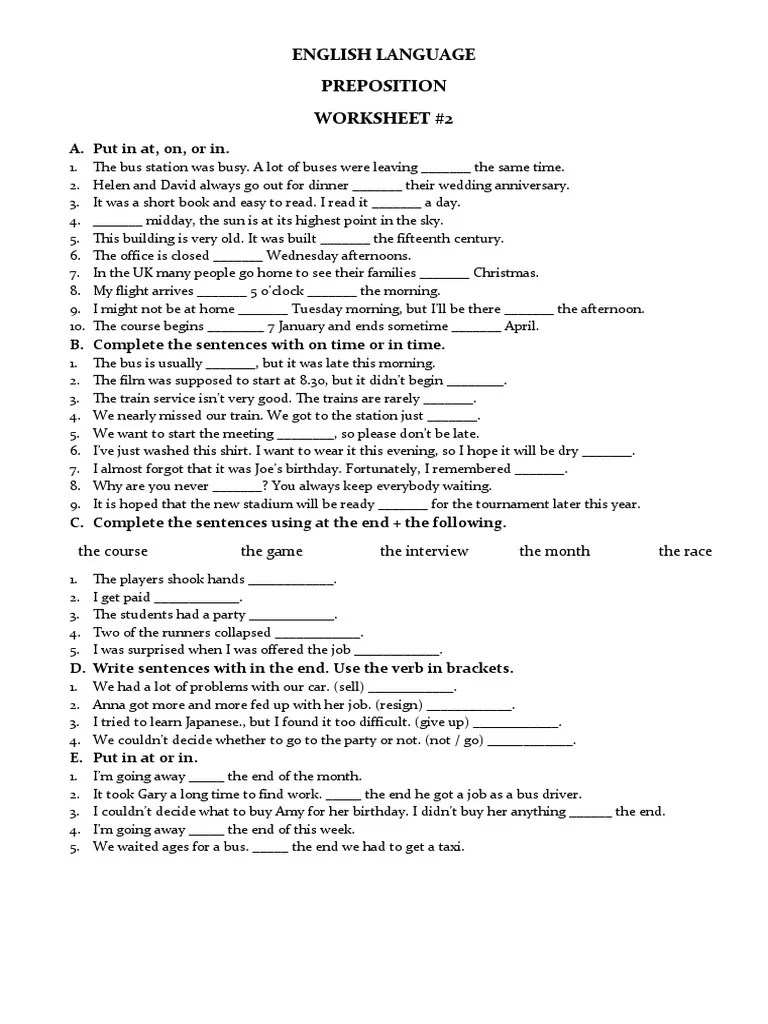
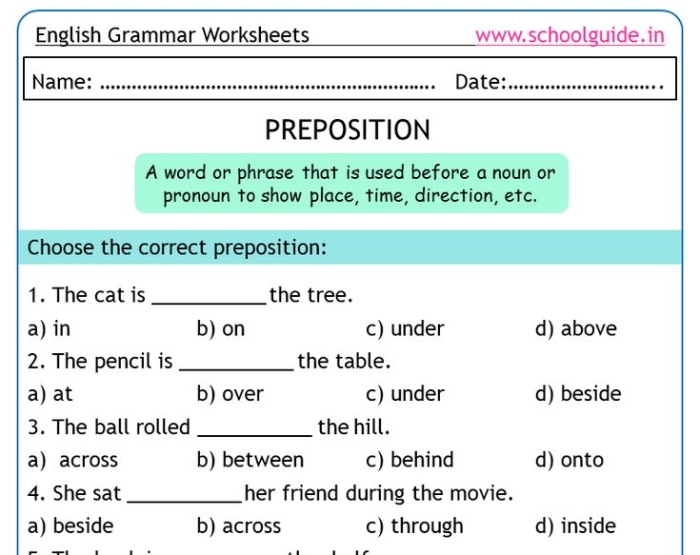
Practice worksheets tailored to first grade level reinforce these concepts effectively. As your child progresses, you can introduce more complex grammatical structures. For instance, understanding prepositions now creates a foundation for later concepts like infinitives and infinitive phrases that appear in upper grades.
Keep your preposition list accessible and reference it often during reading and writing activities. The repetition builds automaticity, and soon your young learner will recognize these words without thinking. This confidence in identifying prepositions strengthens her overall grasp of sentence structure and helps her become a clearer communicator.
Download These Worksheets for Practice