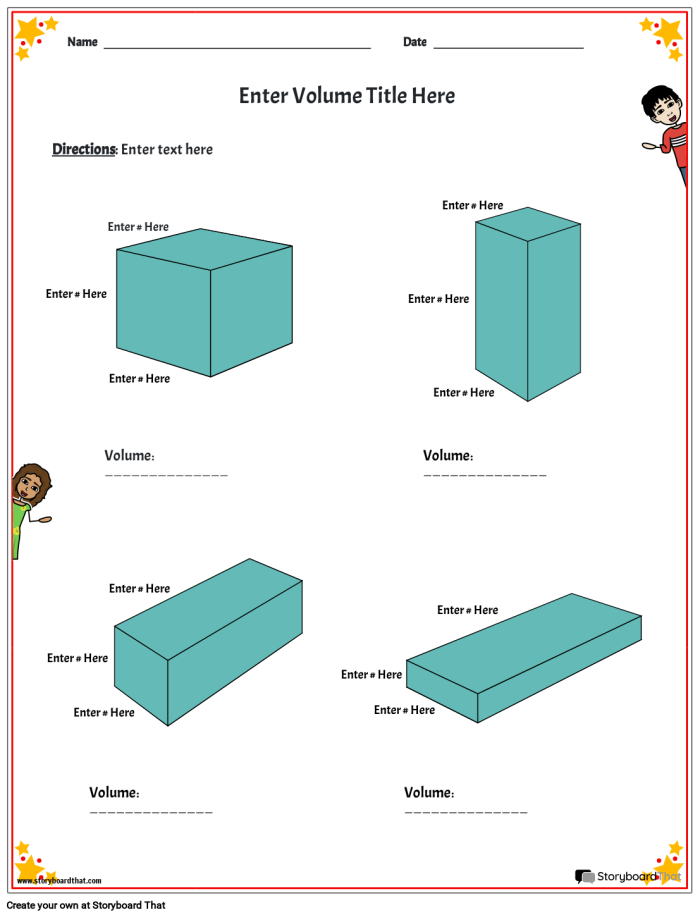
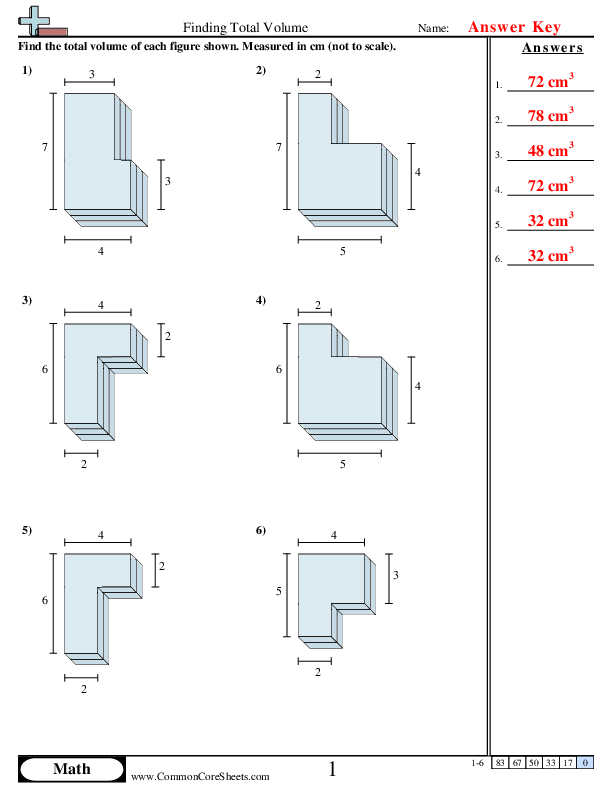
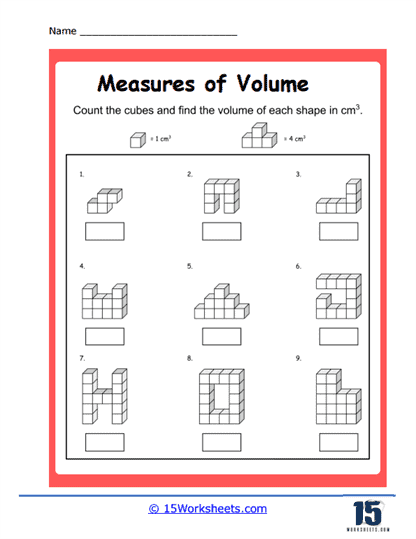
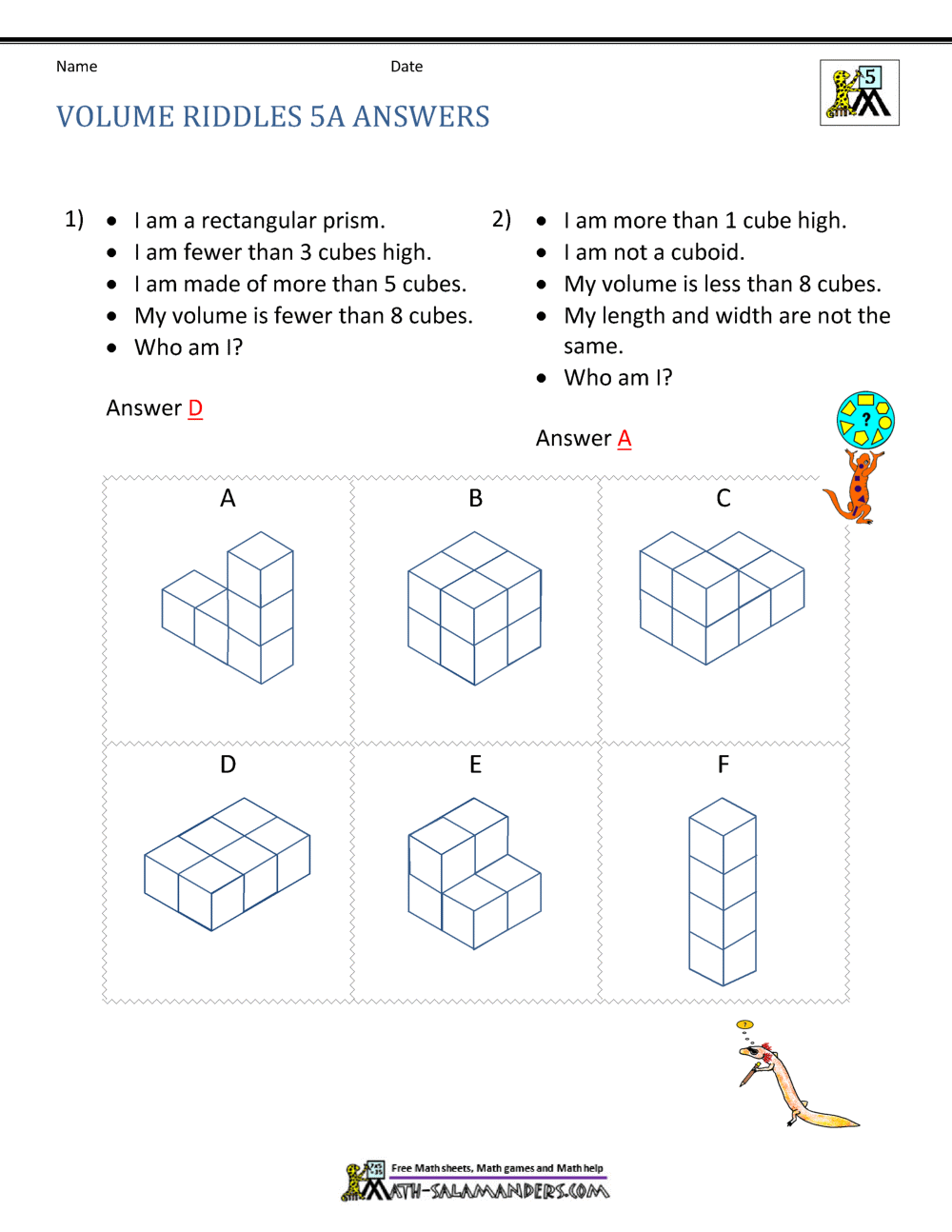
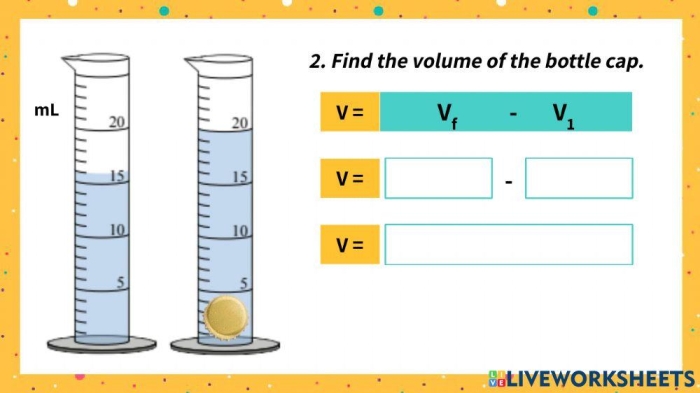
Once fifth-grade students master the straightforward formula for rectangular prisms, length times width times height, they hit a wall when shapes stop cooperating. Irregular shapes don’t fit neatly into that formula, and many students freeze, assuming they need to learn something completely new. The reality is different: the conceptual bridge from rectangular prisms to irregular shapes is shorter than most teachers make it seem.
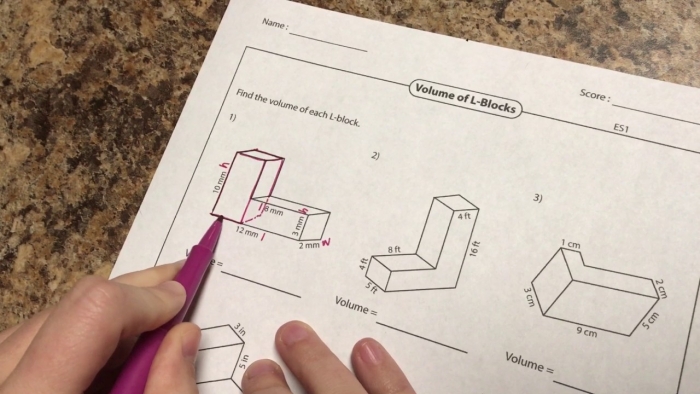
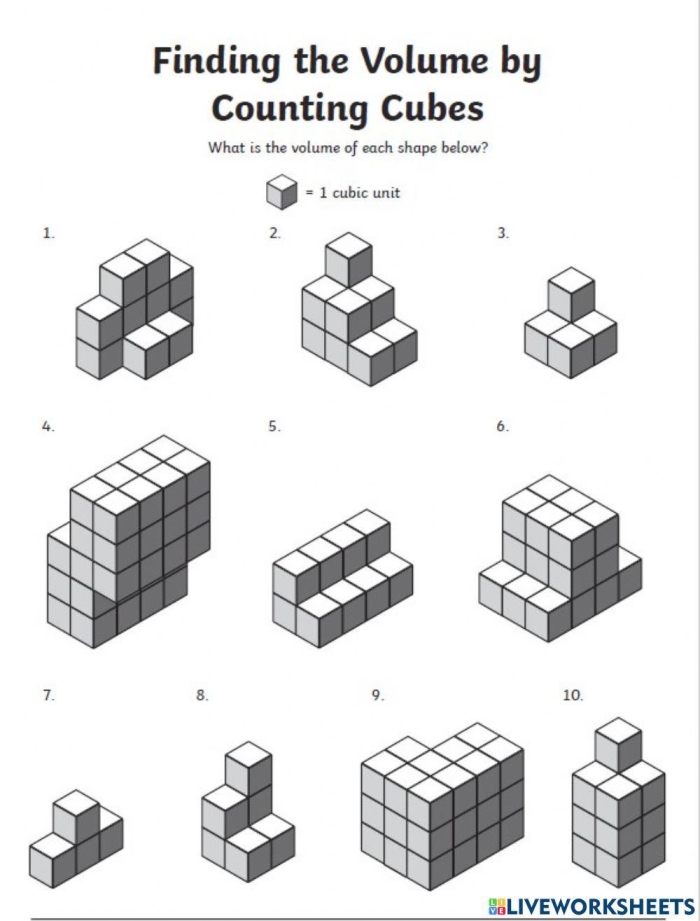
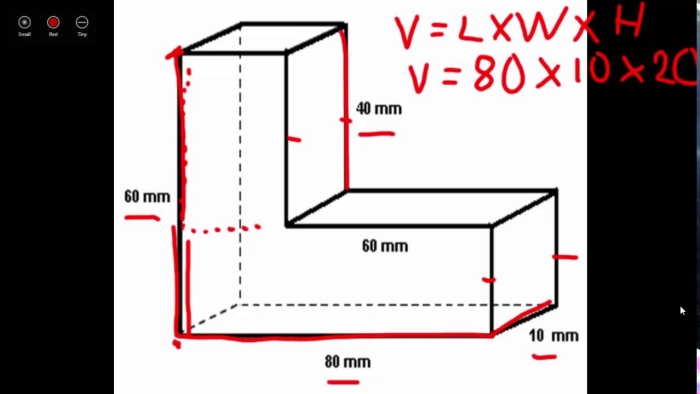
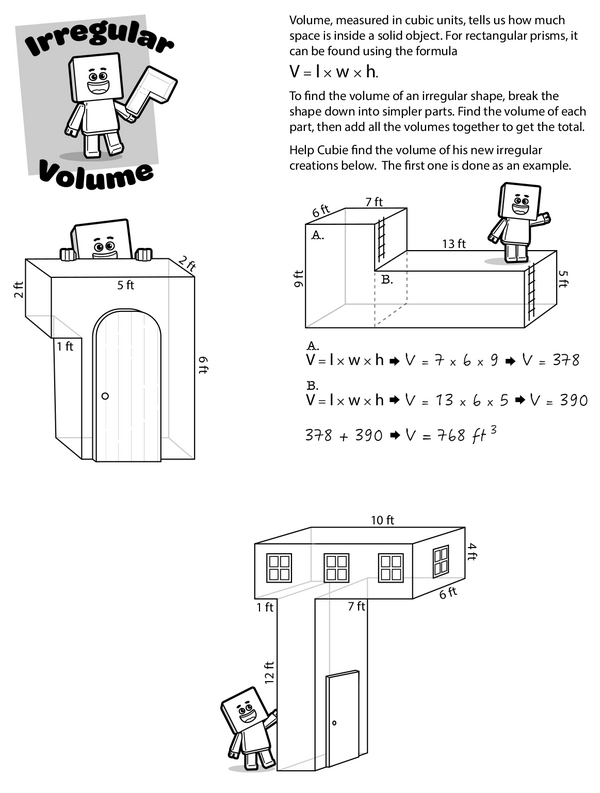
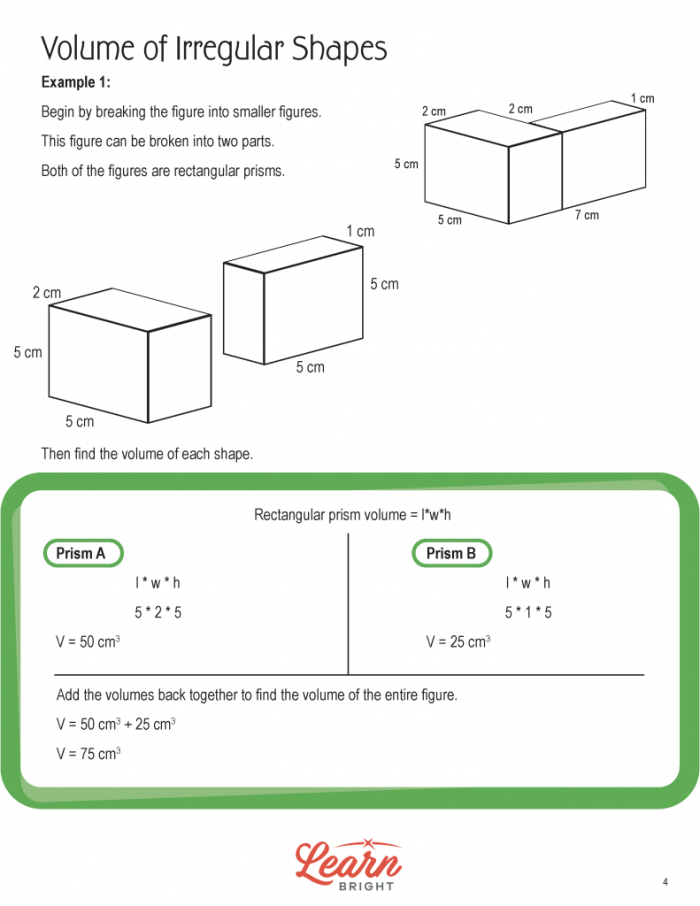
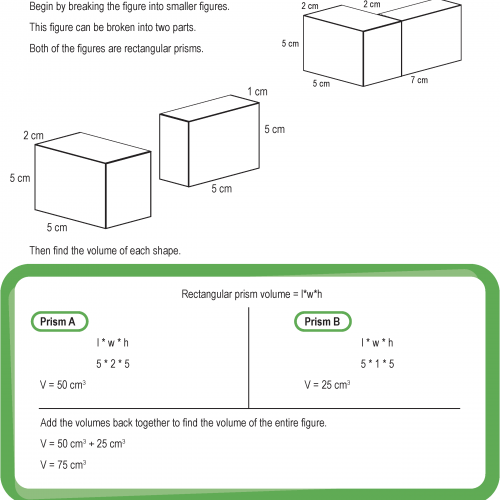
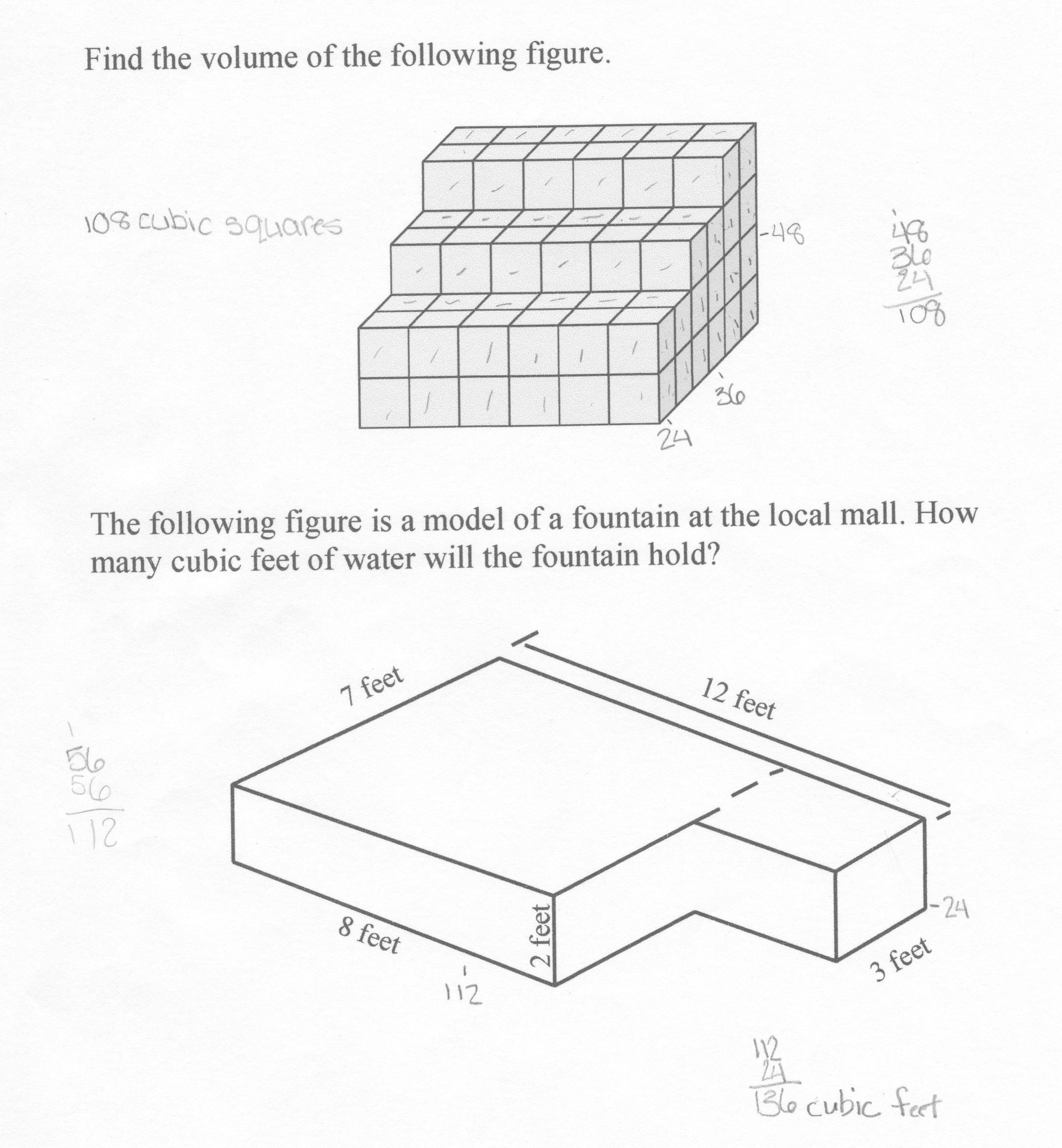
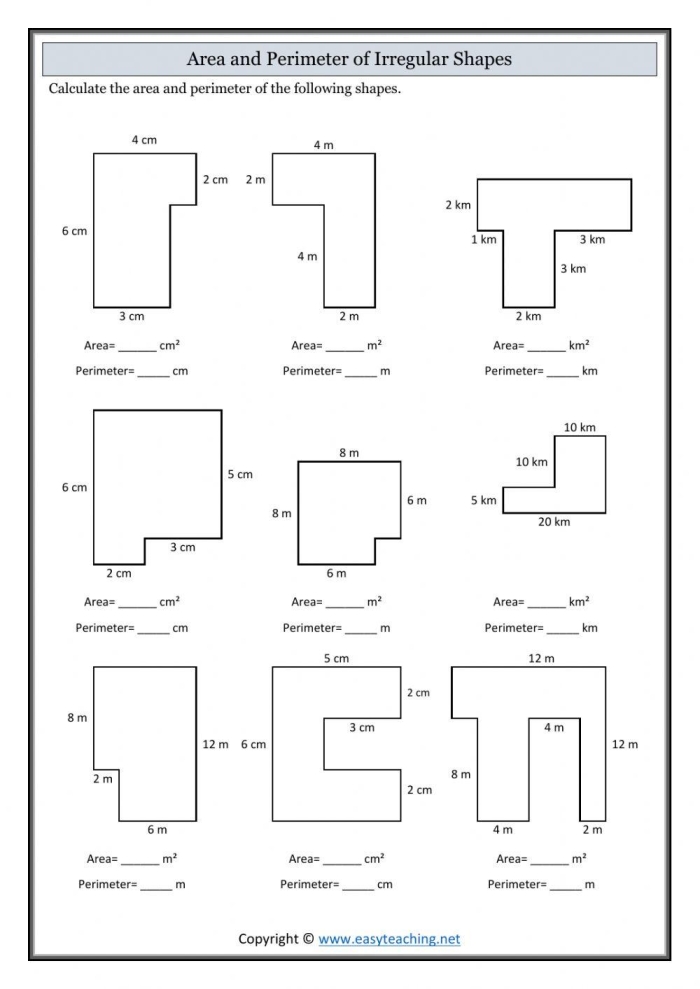
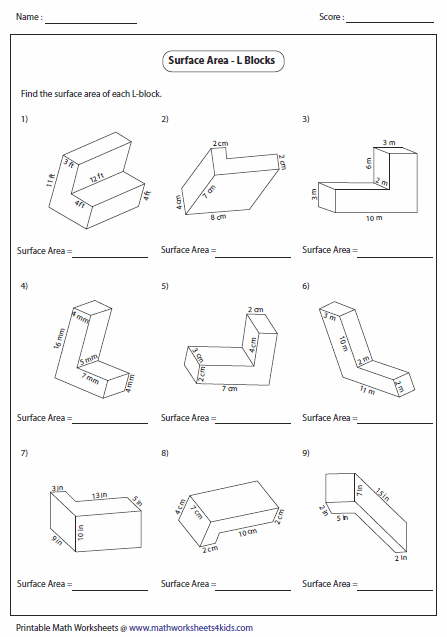
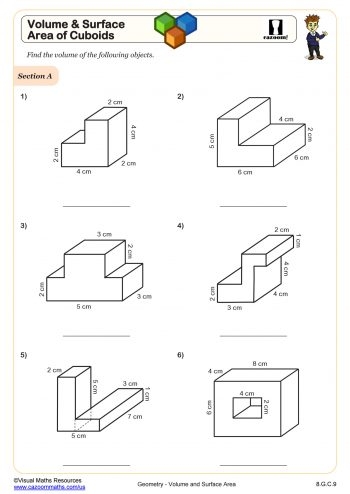
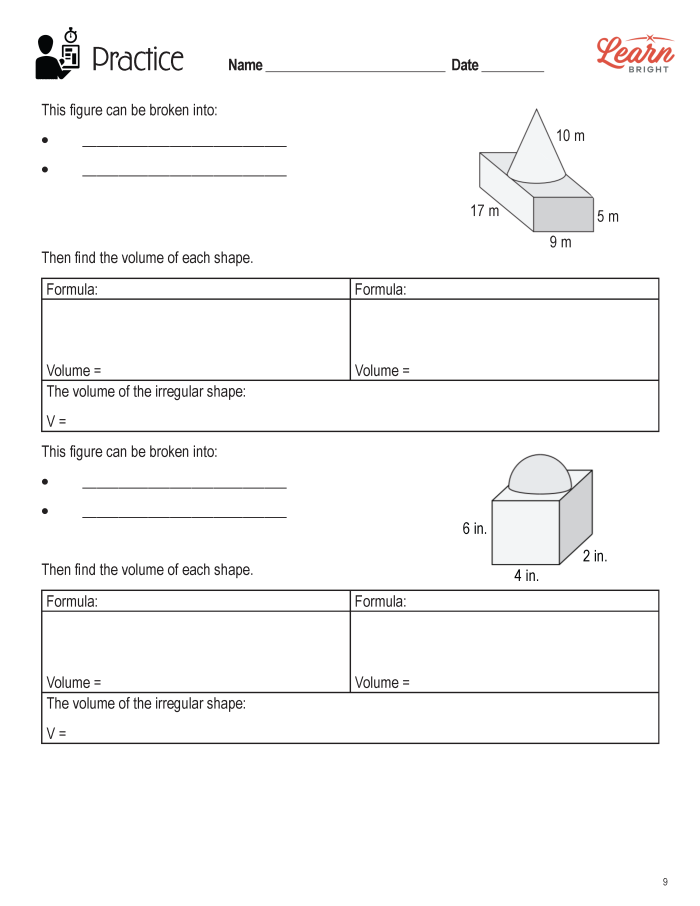
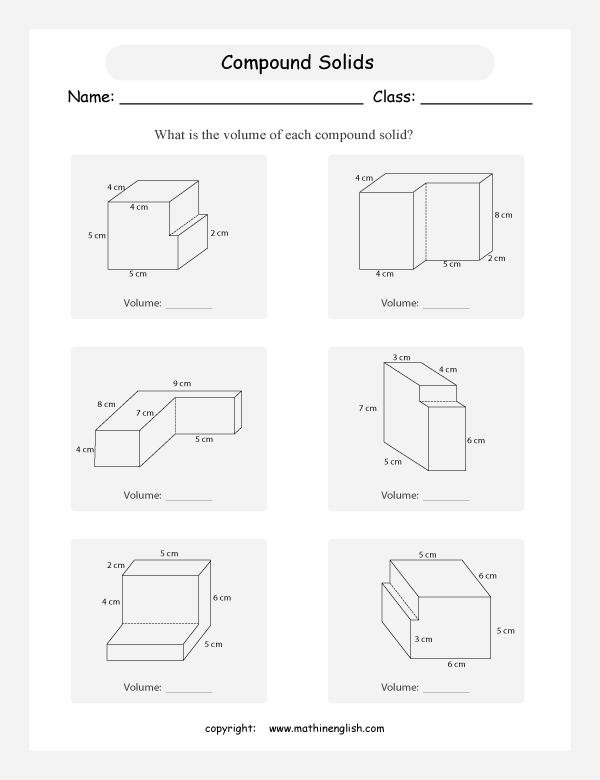
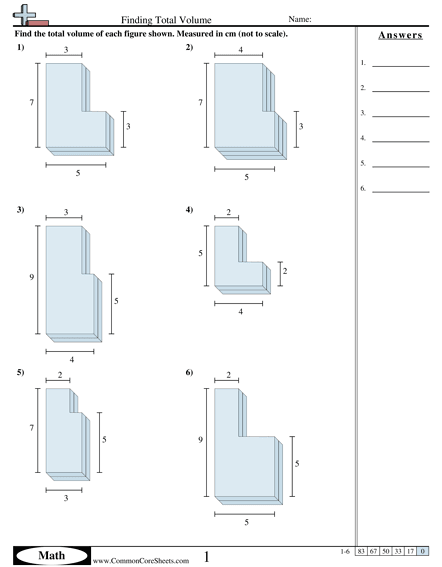
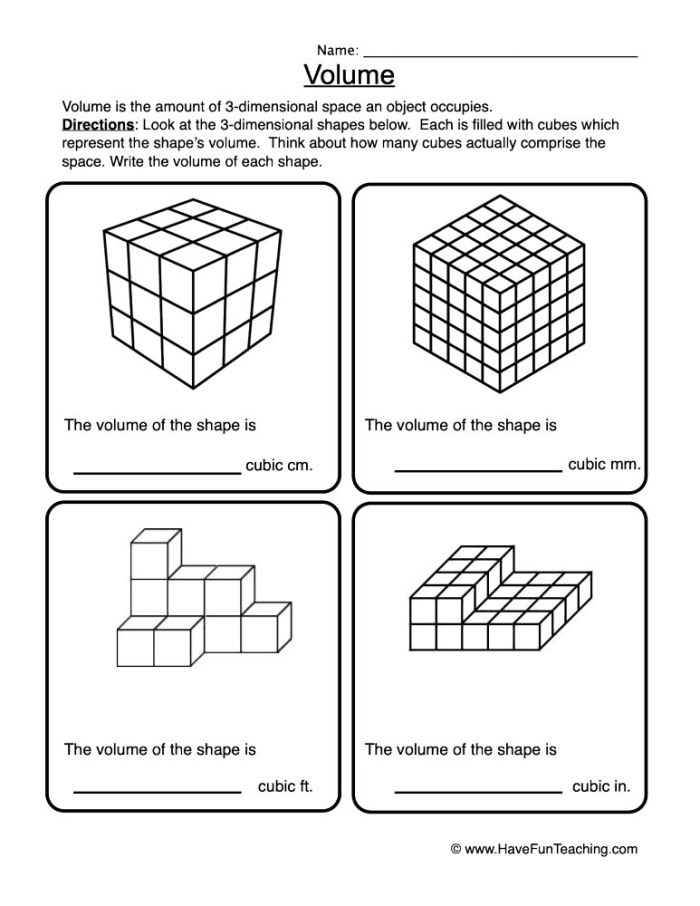
The key insight is that volume, regardless of shape, measures how much space something occupies. When students calculated rectangular prisms, they were essentially counting cubic units that fit inside. Irregular shapes work the same way, just with a different approach to counting those units. Instead of using a single formula, students decompose irregular shapes into simpler rectangular sections, calculate the volume of each section separately, then add them together. A shape that looks complicated on the surface becomes manageable once broken into familiar pieces.
Fifth-grade math instruction benefits from hands-on practice with this transition. Students who work through division word problems develop logical reasoning skills that transfer directly to breaking apart irregular volumes. Similarly, activities involving data and graphing reinforce the habit of organizing information visually, a strategy that helps students sketch and label irregular shapes before calculating.
The practical application matters here. L-shaped rooms, swimming pools with varying depths, and storage containers rarely come in perfect rectangular boxes. When students recognize that their rectangular prism knowledge applies to these real situations, the skill stops feeling abstract. Transfer students particularly benefit from explicit connections between old and new content, as it anchors unfamiliar material to something they already understand and can do confidently.
Boost Skills with These Worksheets