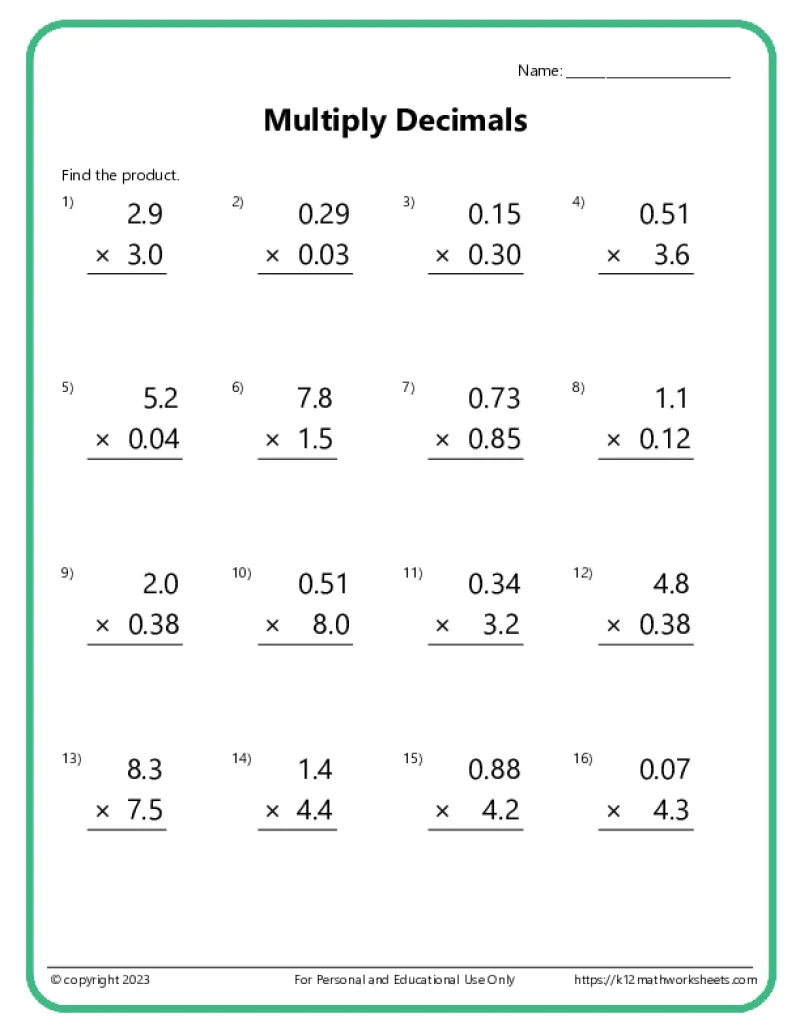
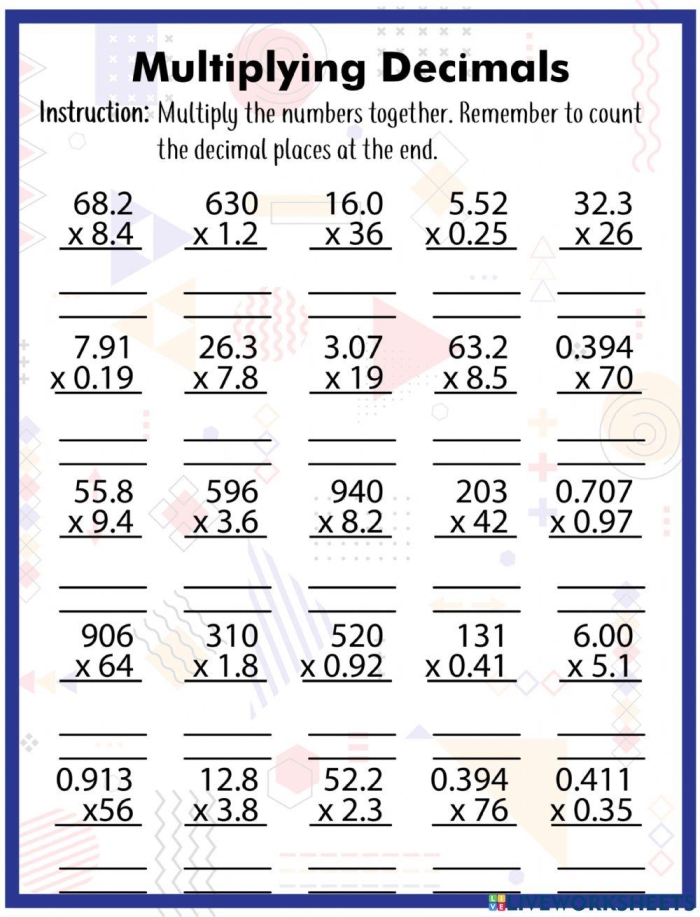
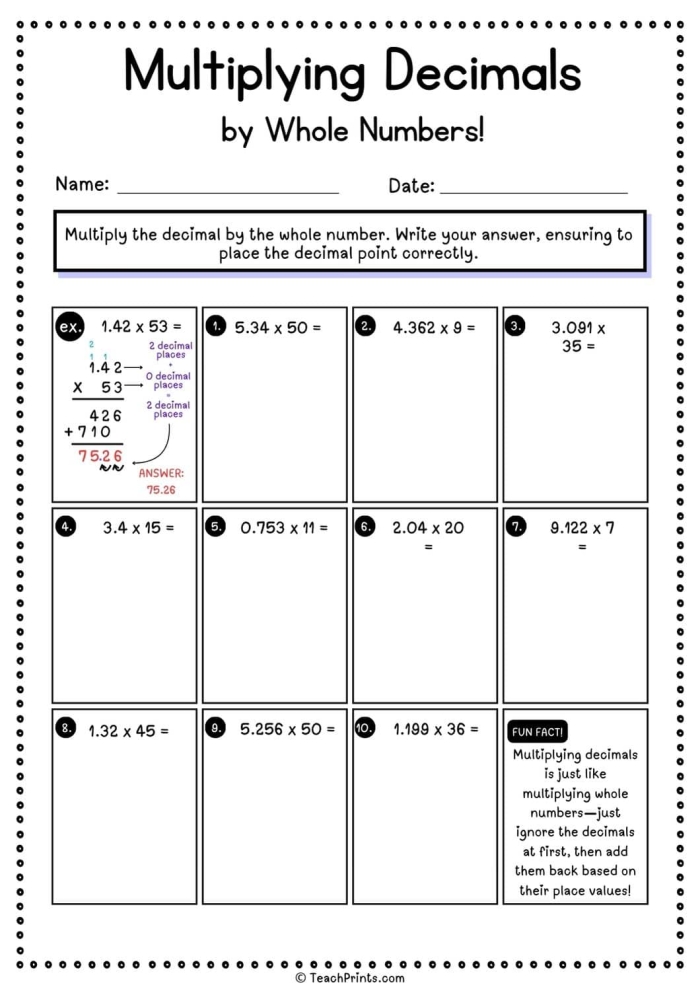
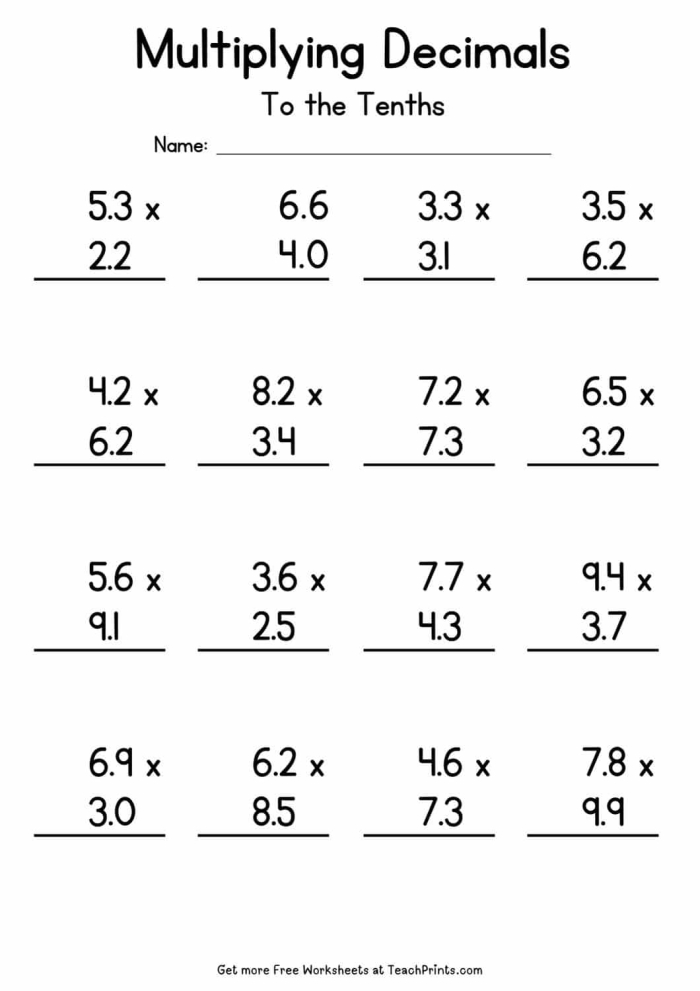
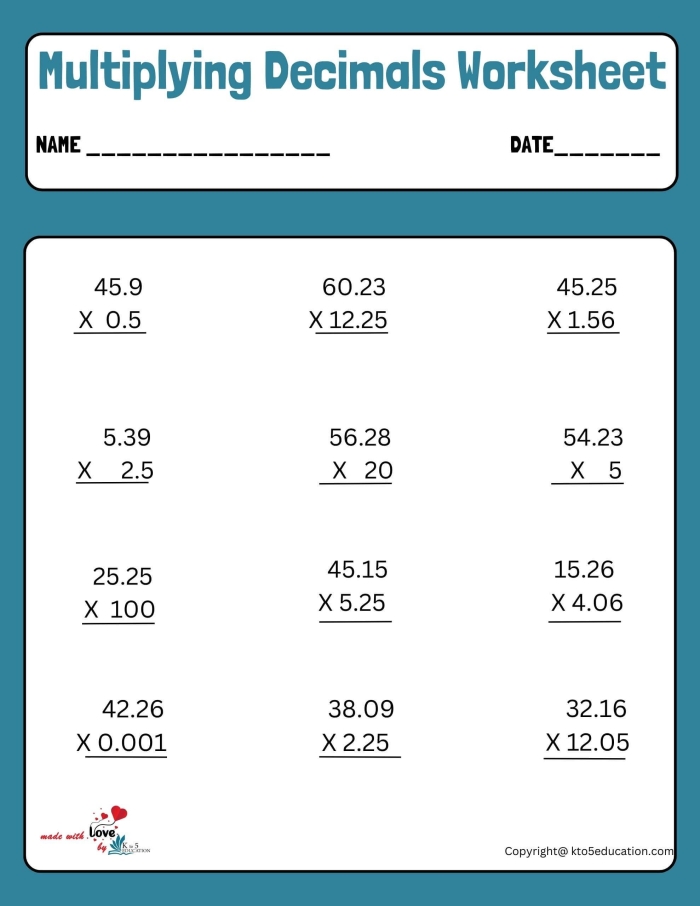
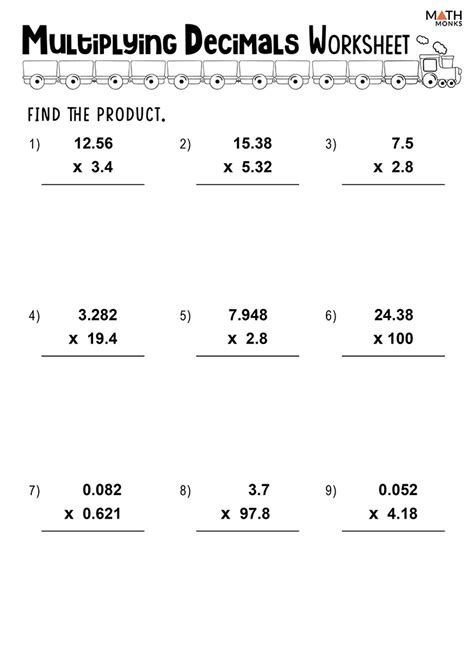
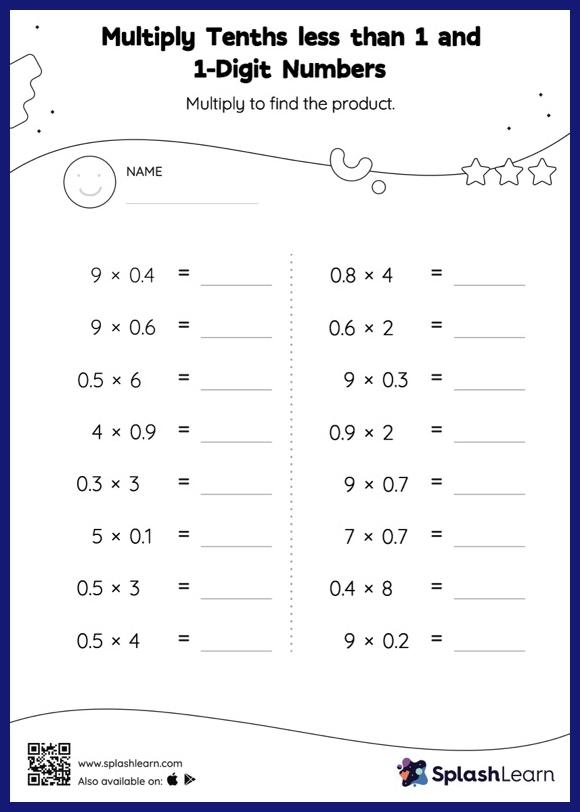
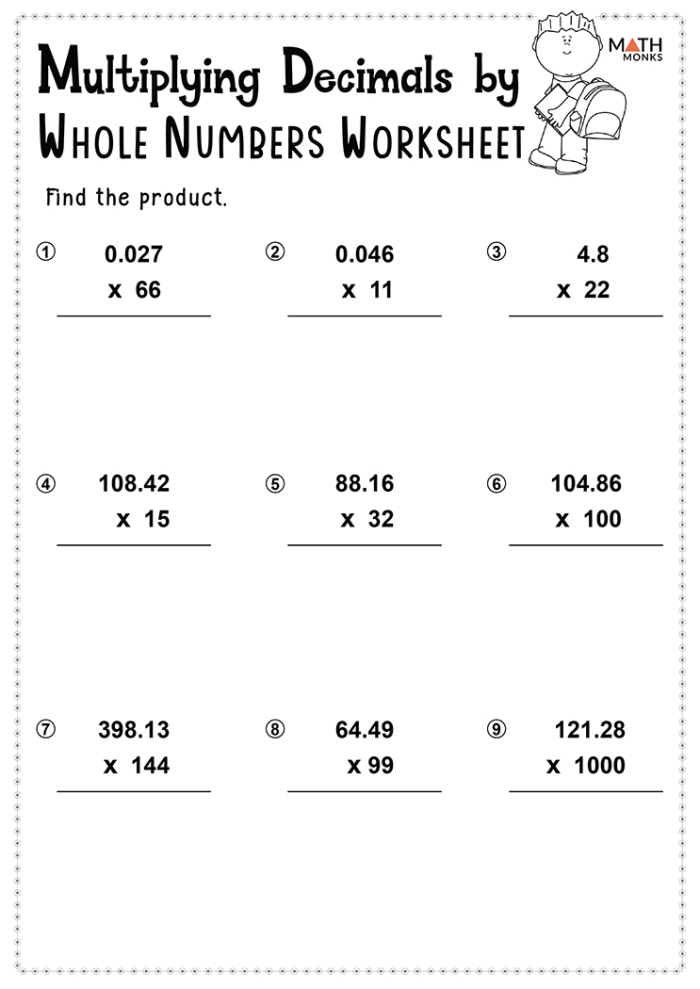
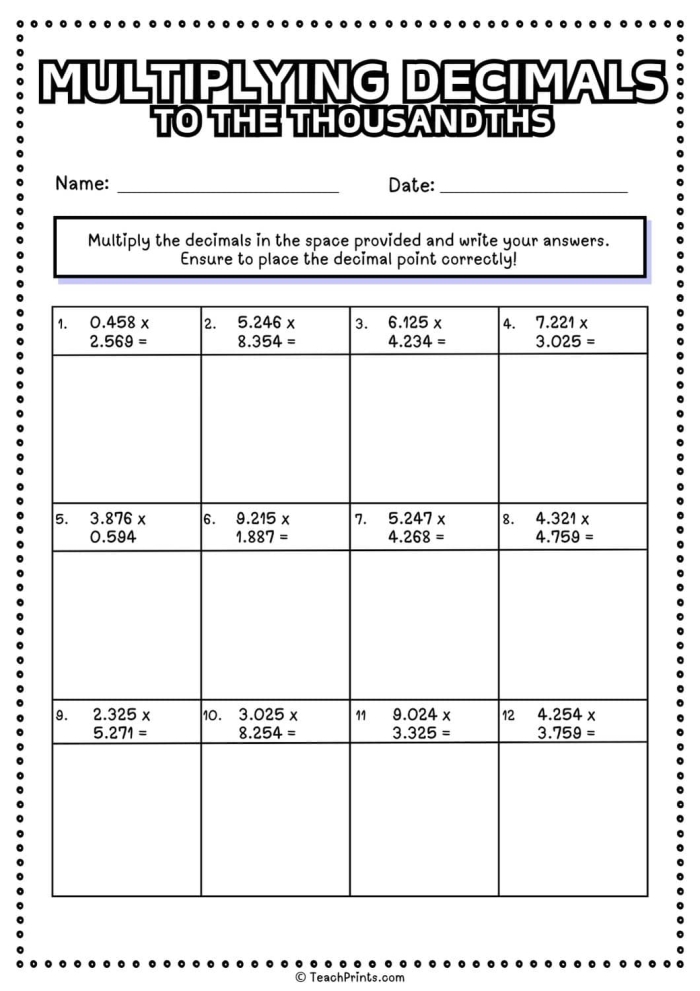
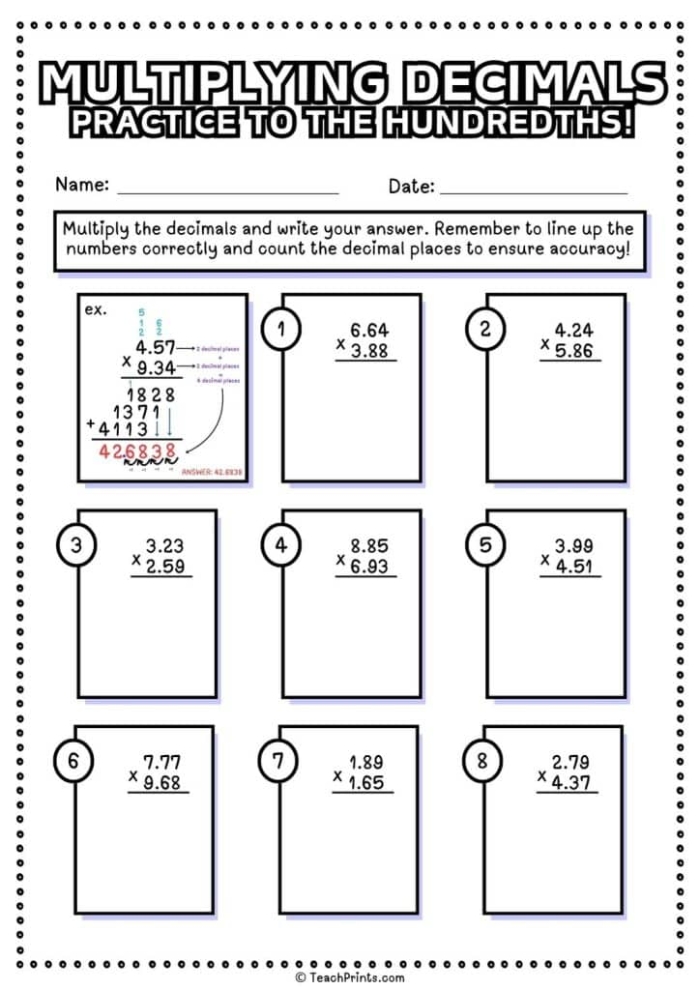
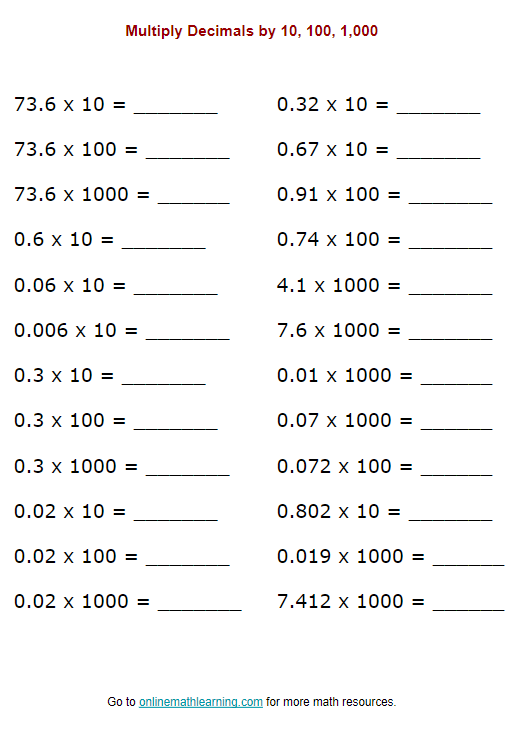
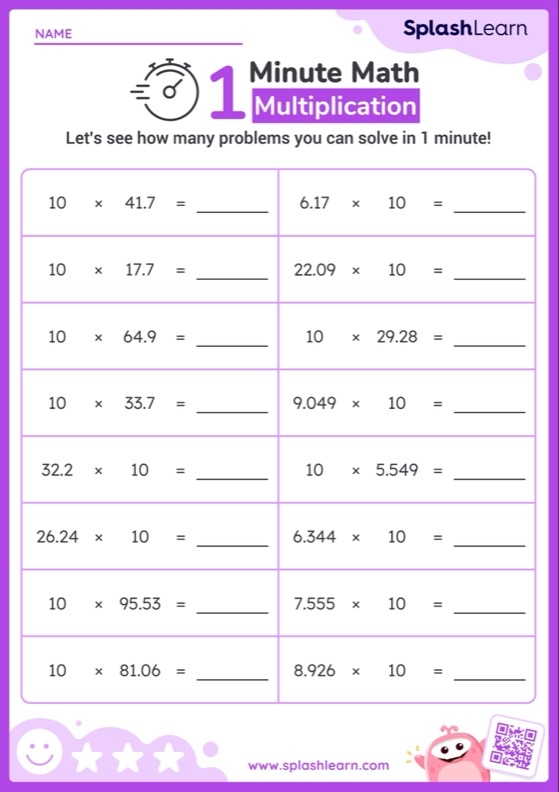
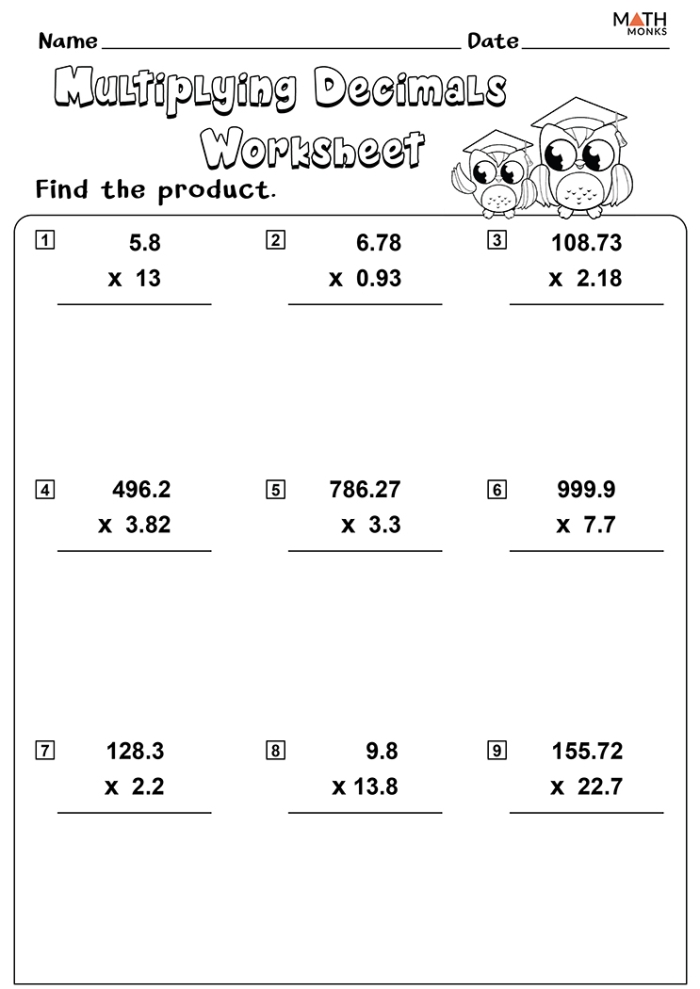
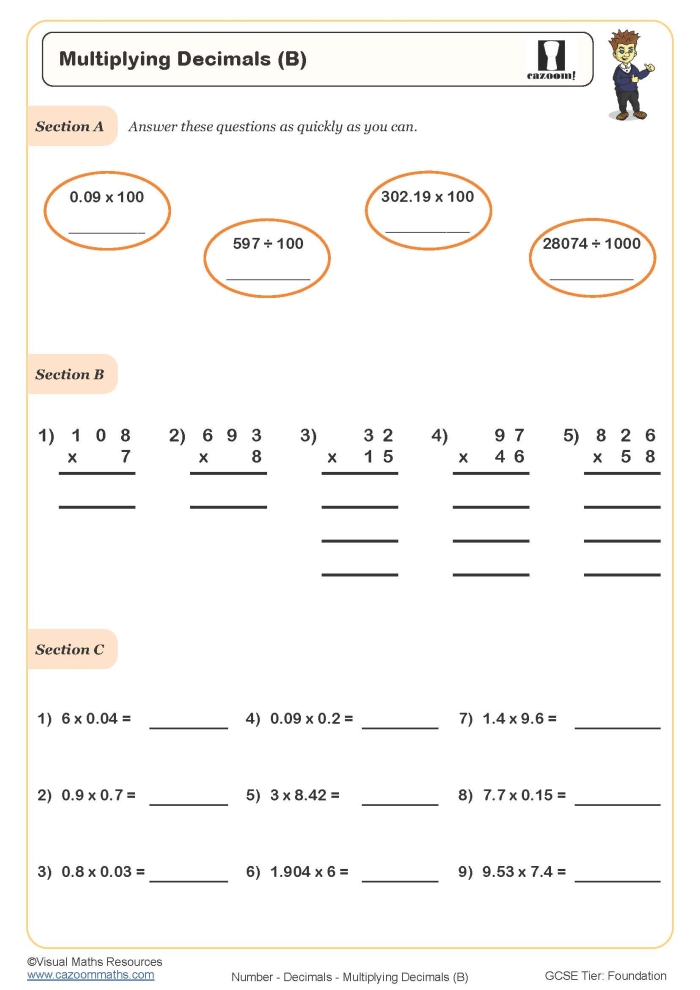
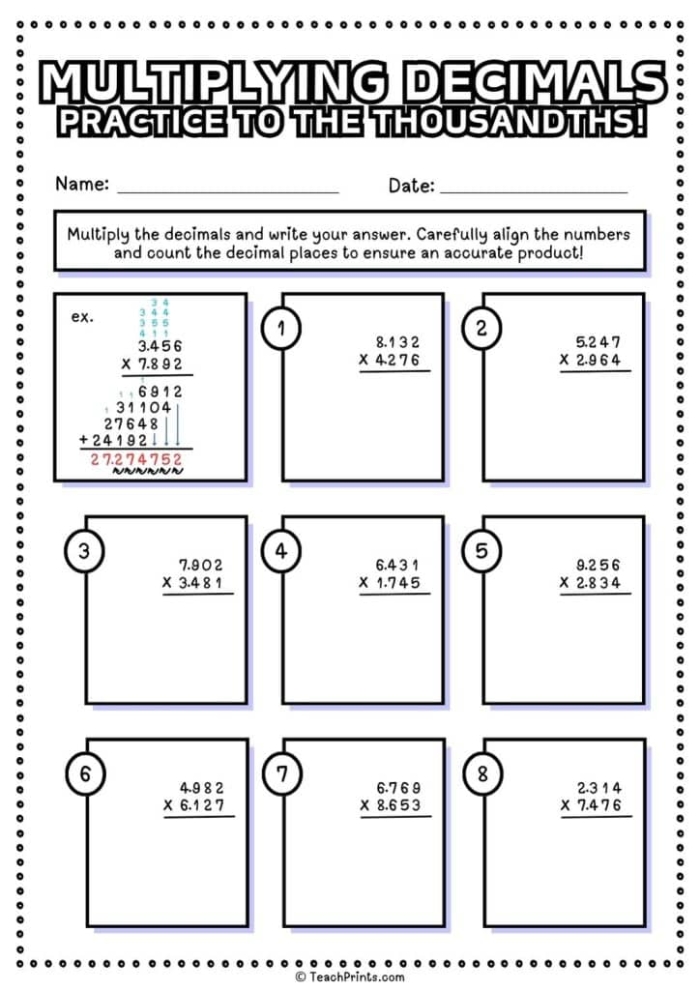
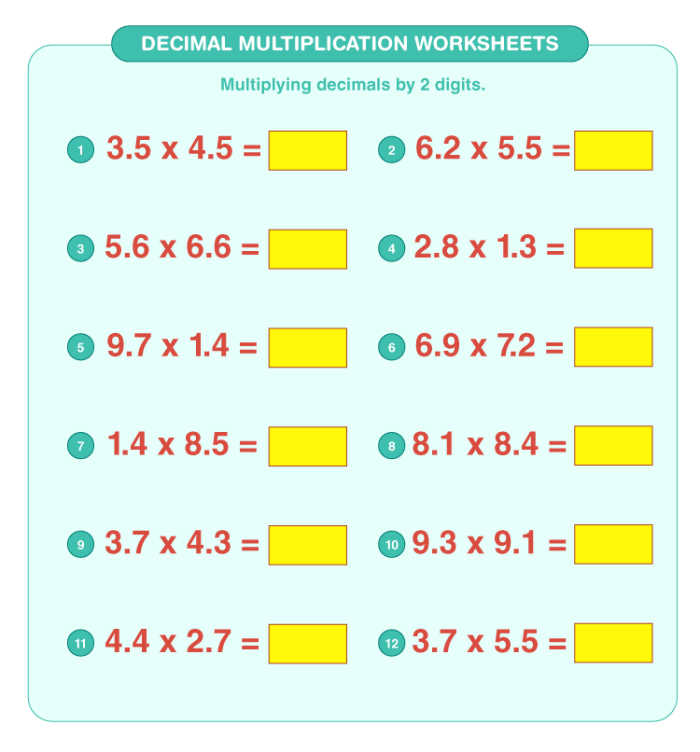
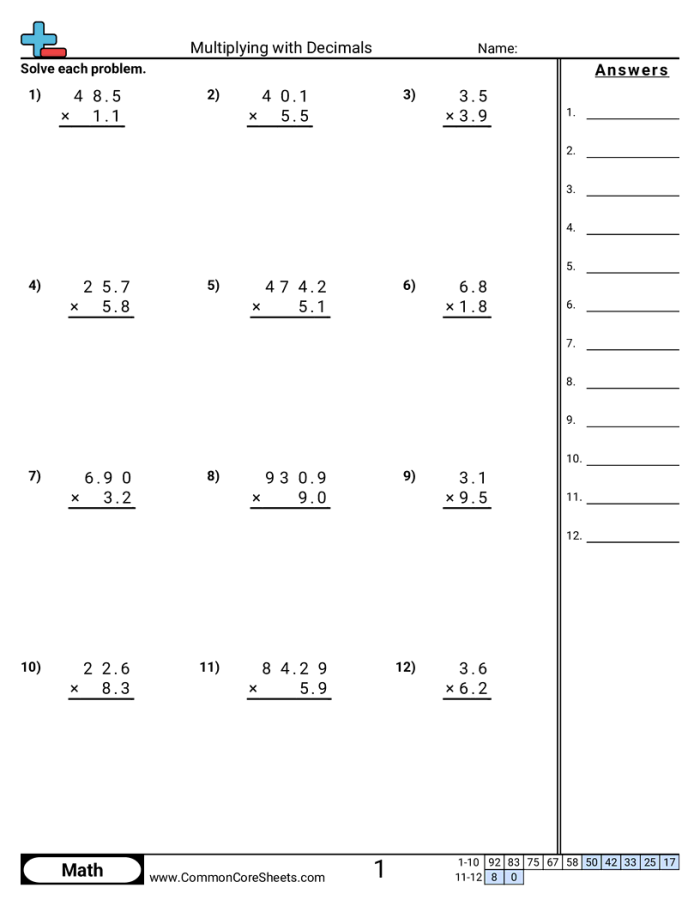
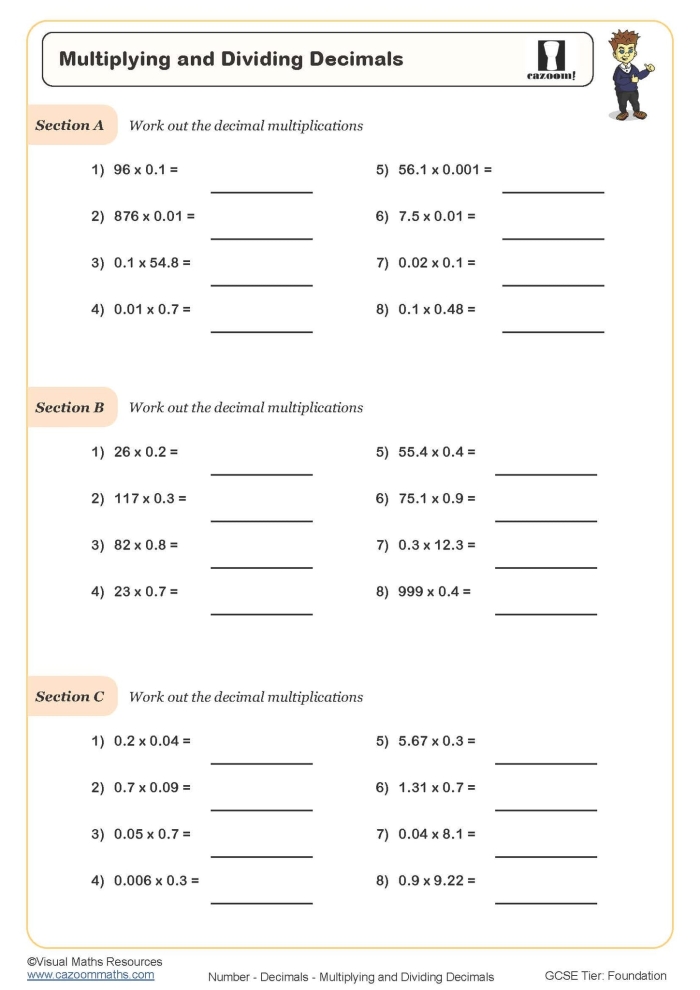
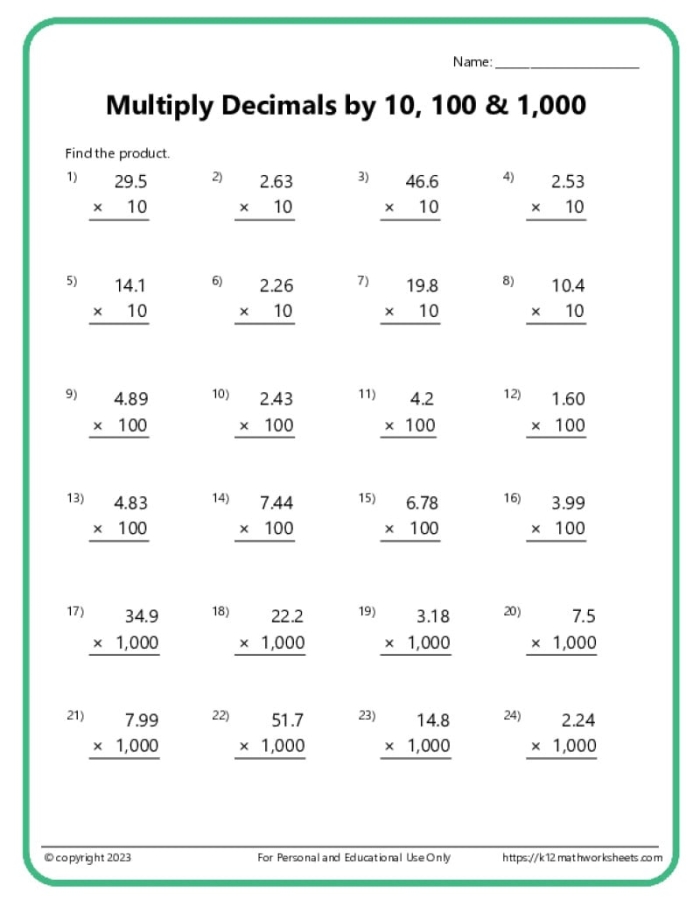
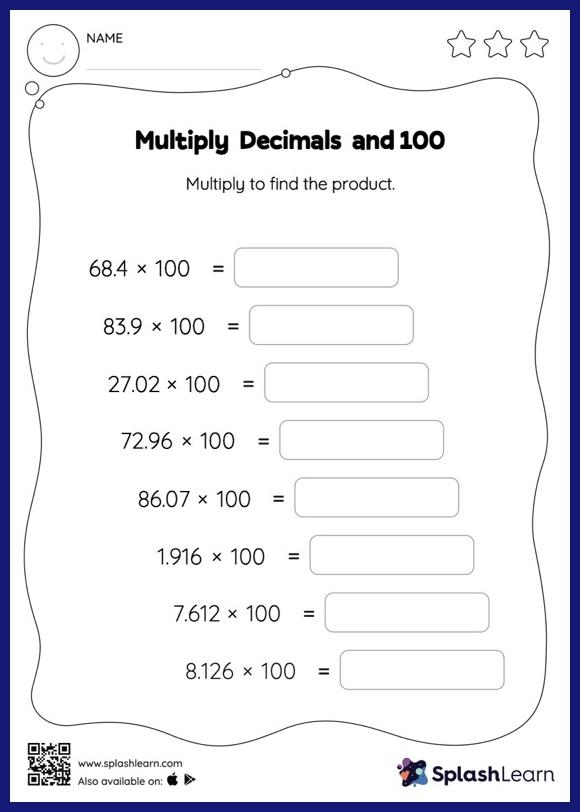
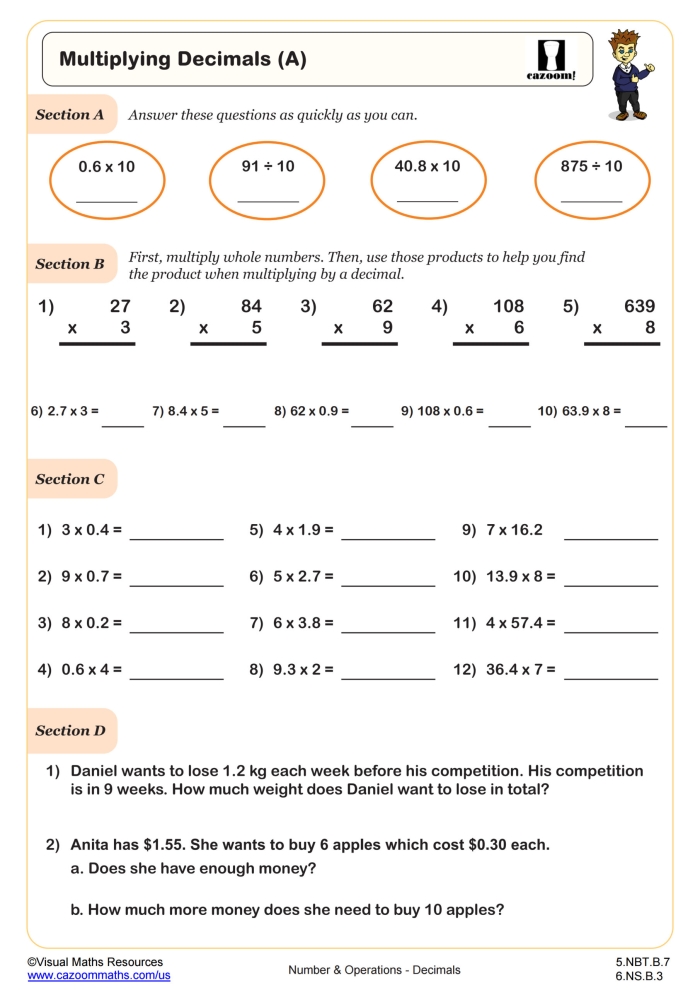
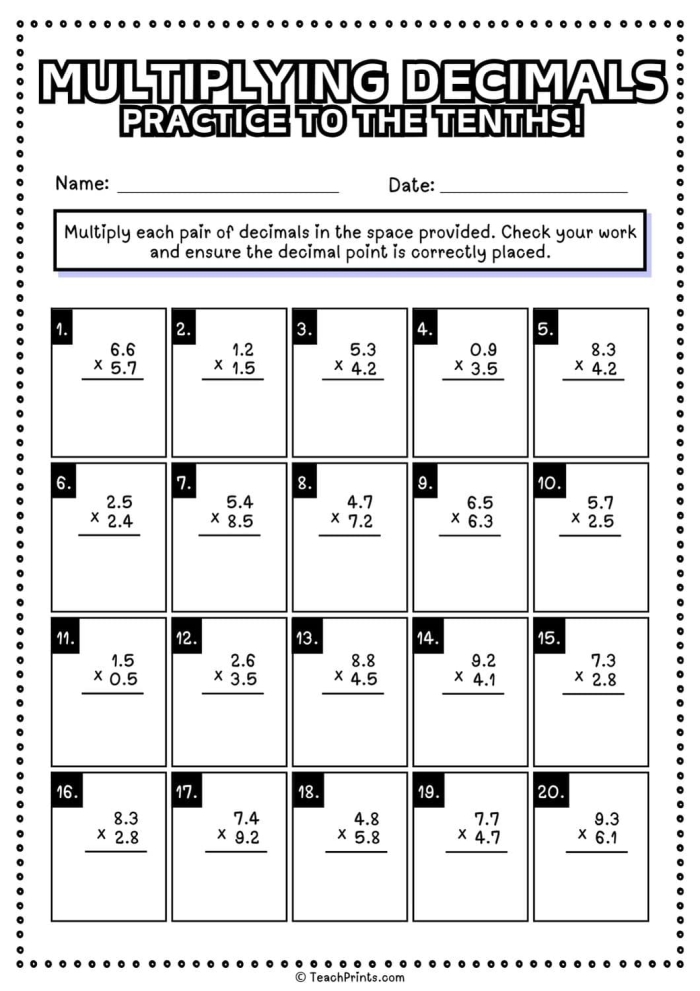
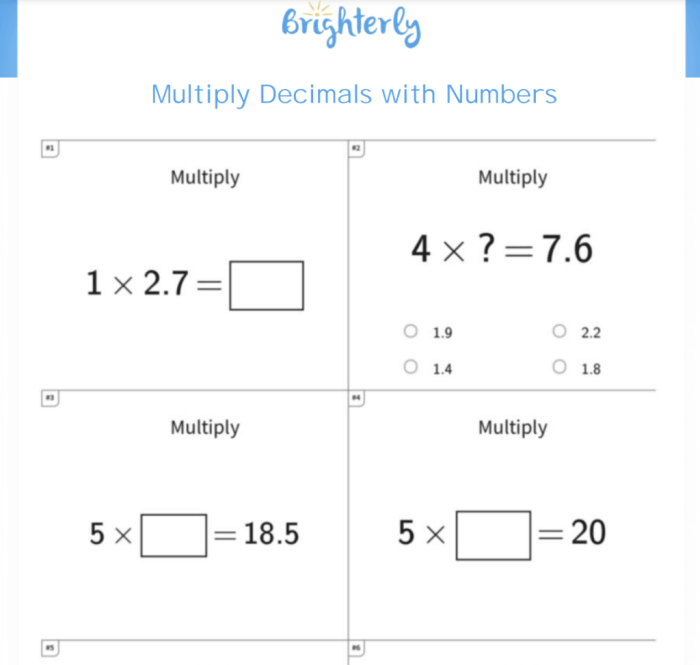
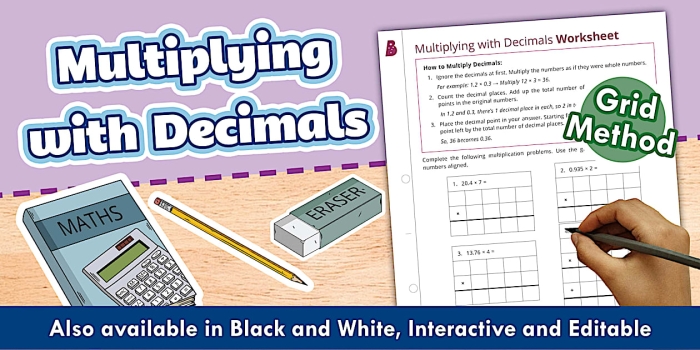
Multiplying decimals trips up many fifth grade students because it feels different from working with whole numbers. The key difference is figuring out where the decimal point goes in your answer, and that’s exactly what this hands-on math worksheet targets.
The worksheet starts by walking learners through the essential steps. First, students ignore the decimal points temporarily and multiply the numbers as if they were whole numbers. Then comes the critical part: counting how many decimal places appear in both the original numbers combined, and placing the decimal point that many spaces from the right in your answer. For example, when multiplying 2.5 by 1.3, you’d multiply 25 by 13 to get 325, then move the decimal point two places left (since 2.5 has one decimal place and 1.3 has one) to get 3.25.
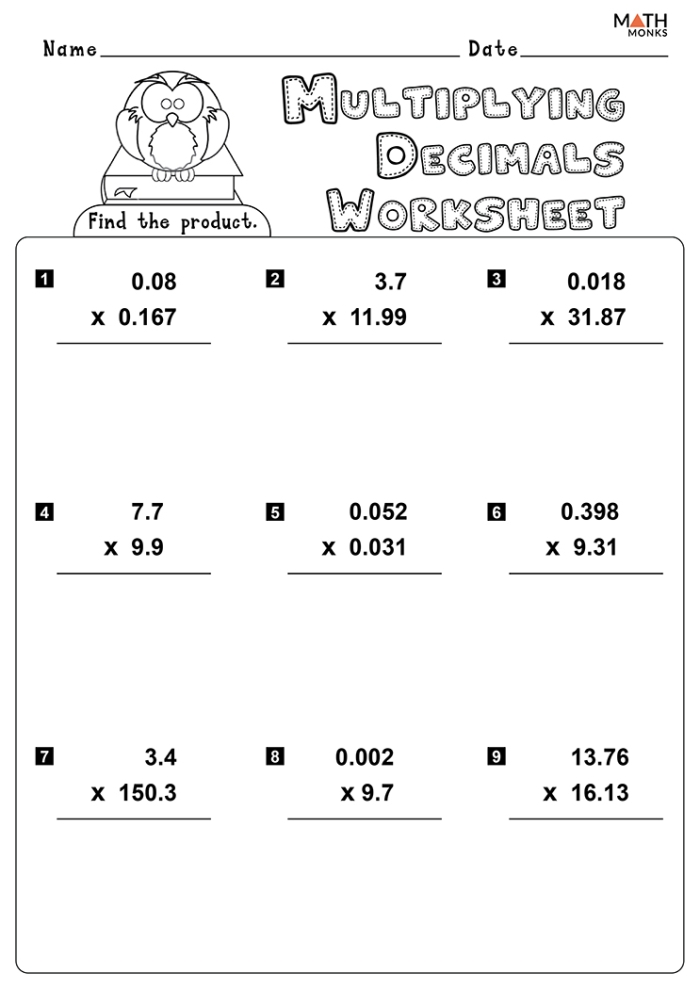
After reviewing these steps, learners move directly into solving nine problems. This progression from instruction to practice helps reinforce the method without overwhelming students. The problems increase slightly in difficulty, starting with simpler decimals and building toward numbers that require more careful decimal placement.
This type of hands-on practice is particularly useful for fifth grade math because it gives students immediate feedback on whether they understand the concept. When they work through each problem, they can check their reasoning against the steps they just learned. If an answer seems off, they can trace back through their work to spot where the decimal placement went wrong.
For teachers looking to supplement division and multiplication work, worksheets like these provide focused practice on a single skill. If you’re working on related topics, you might also explore resources covering additional fifth grade division practice materials to build a complete understanding of how these operations connect.
Try These Printable Worksheets