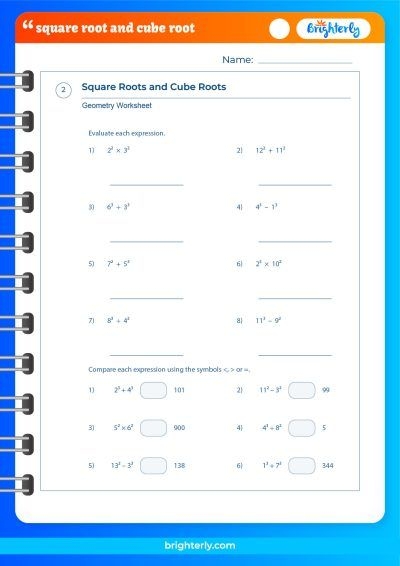
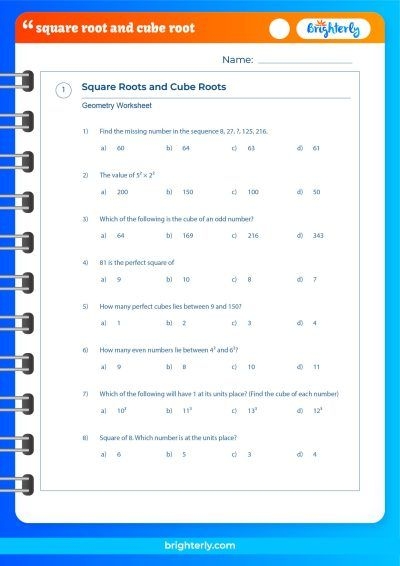
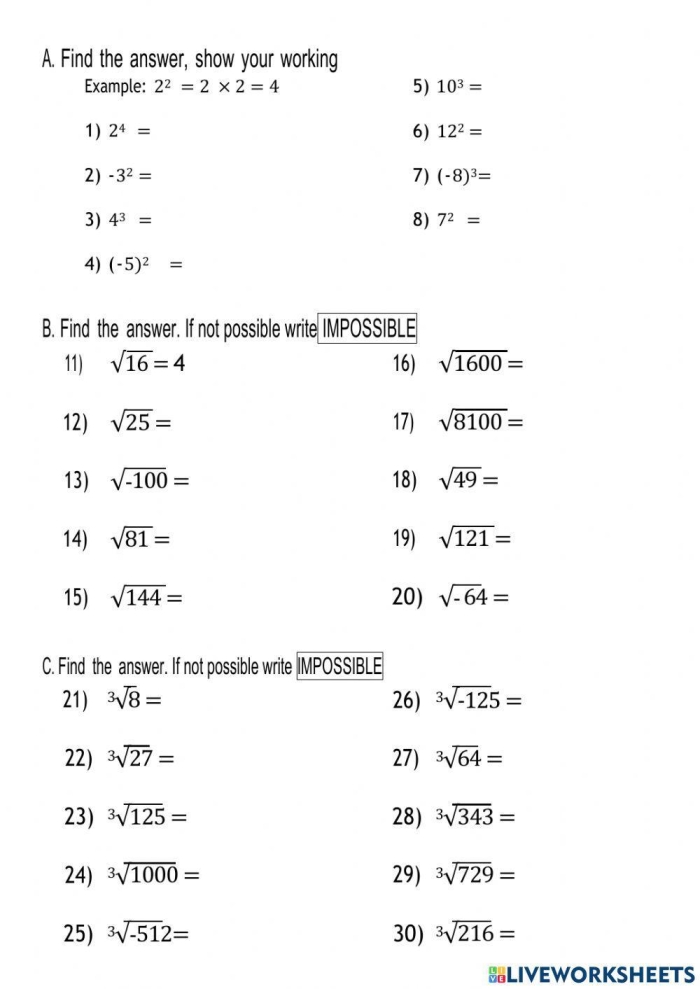
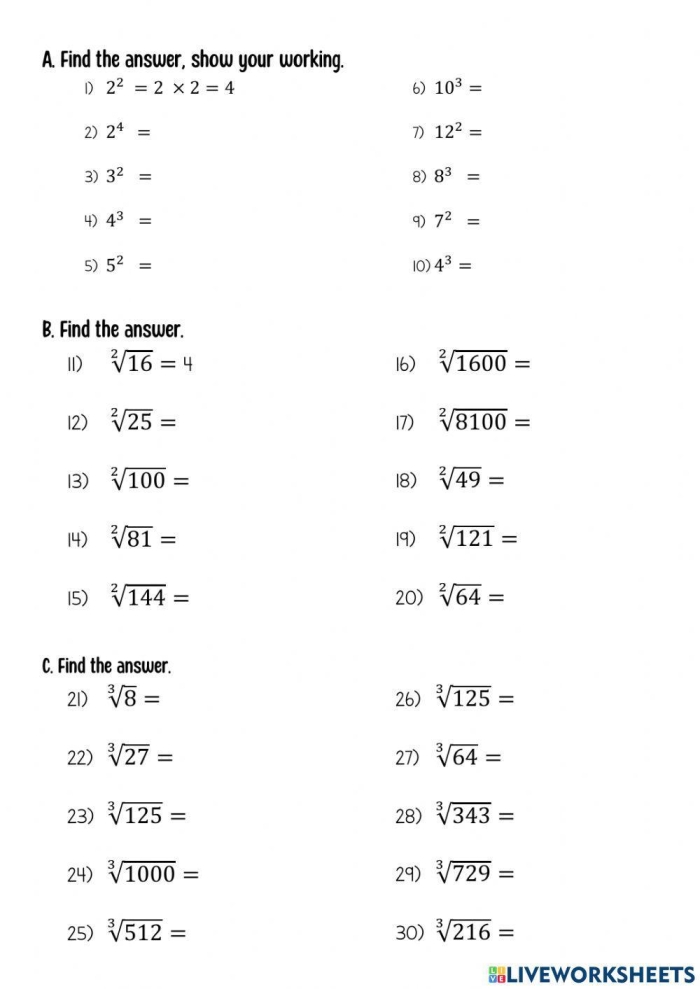
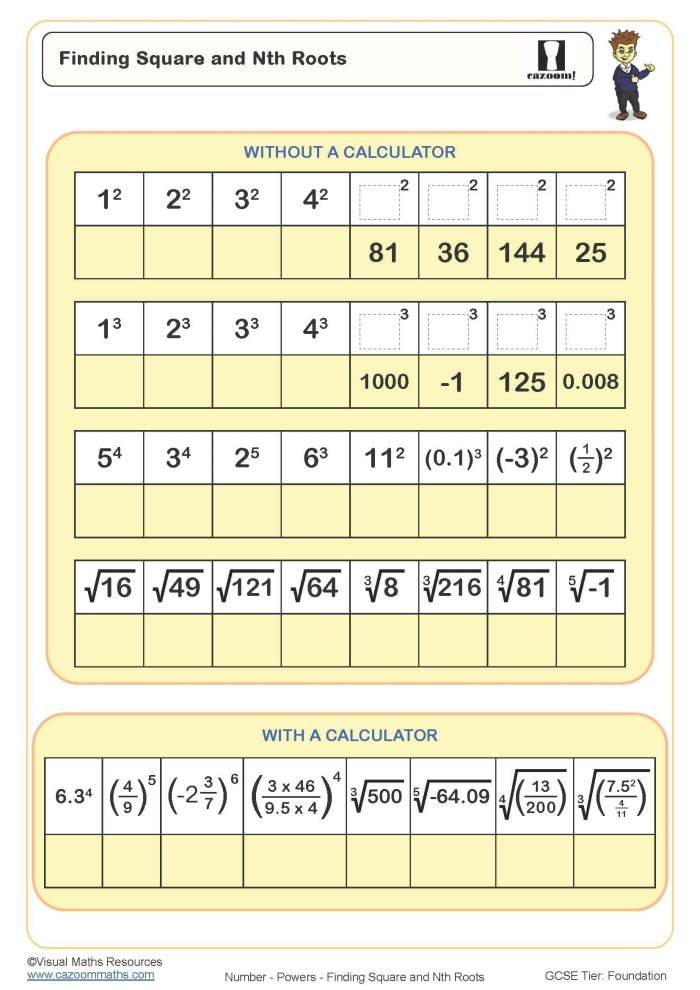
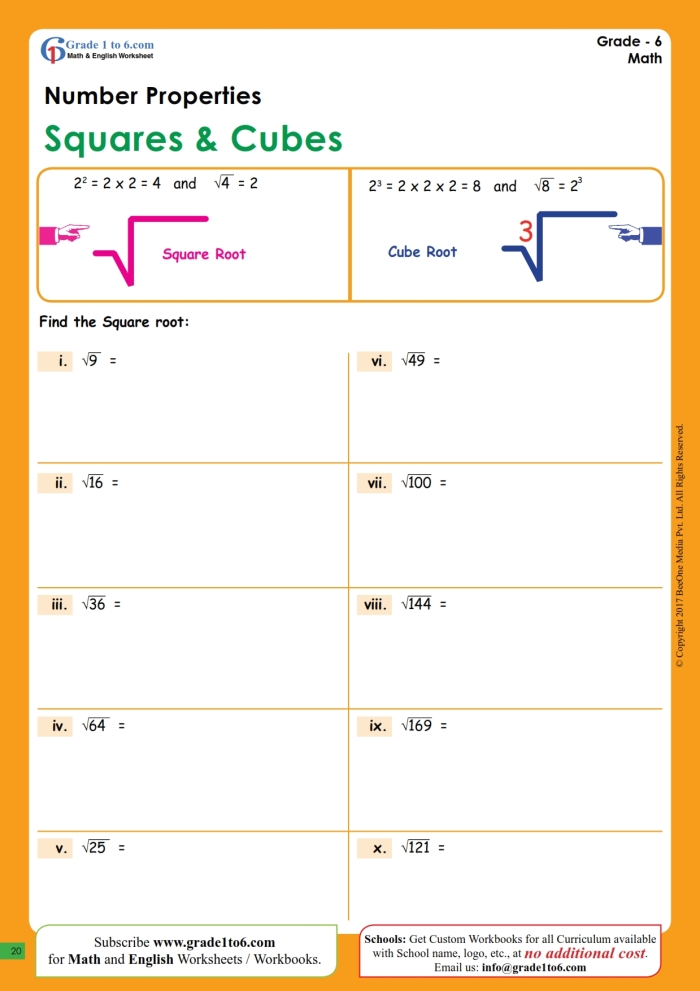
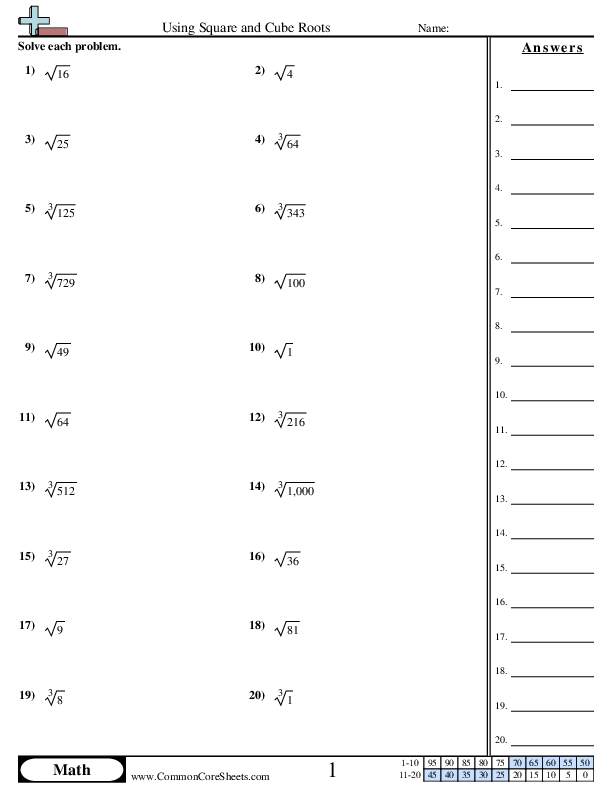
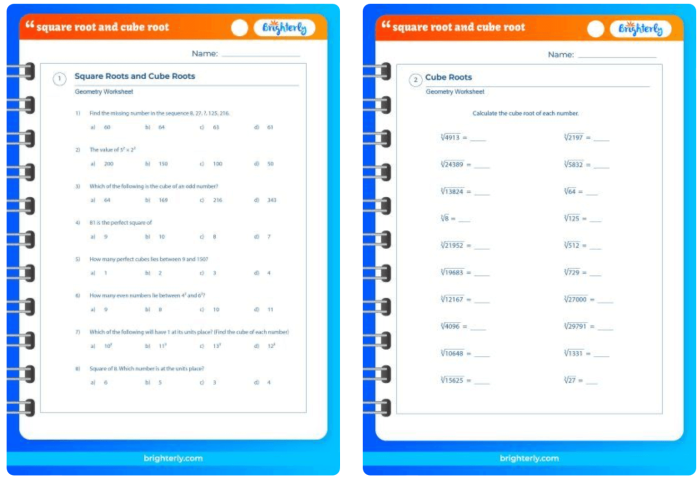
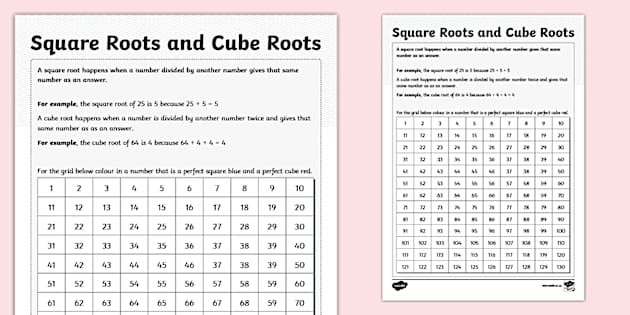
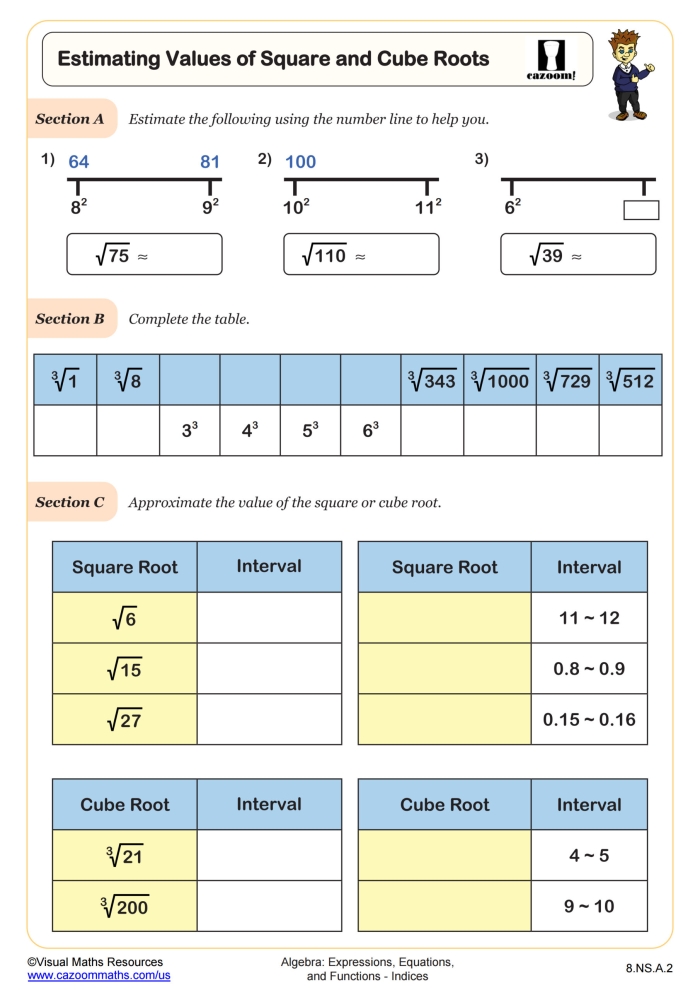
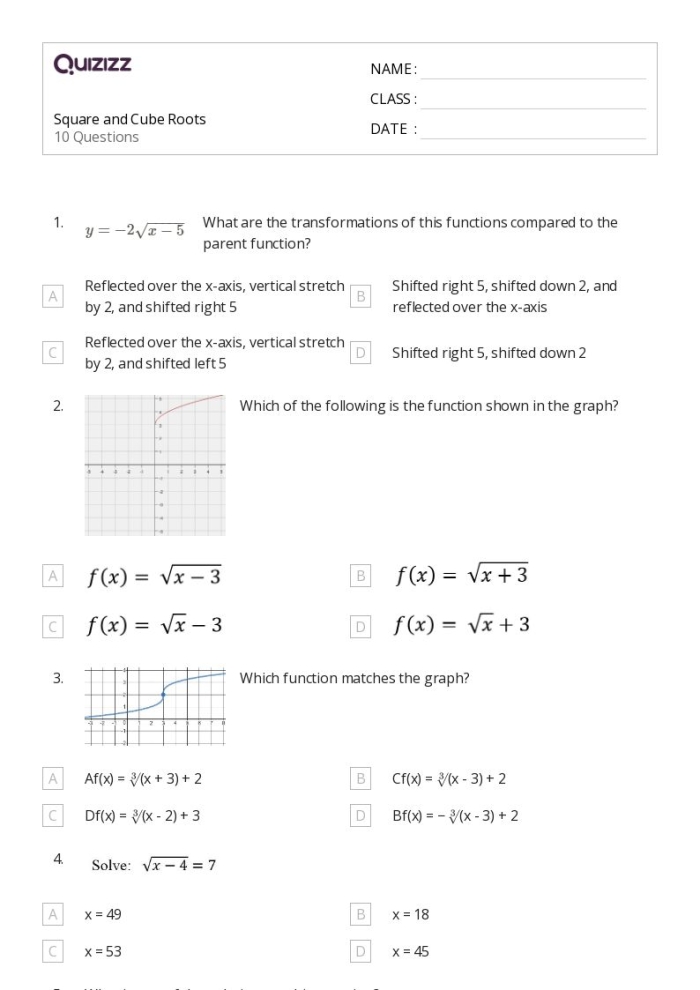
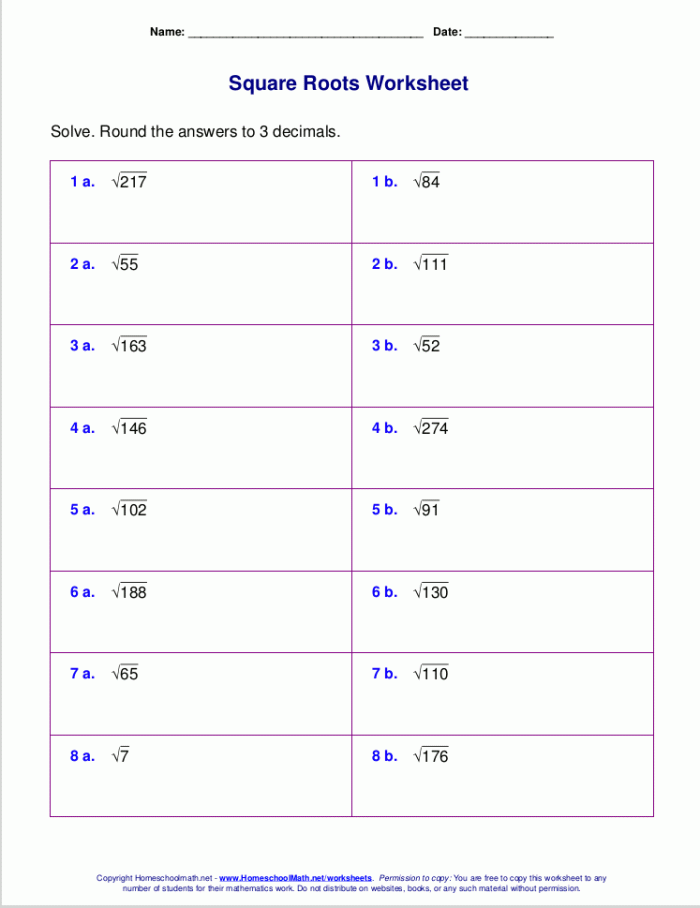
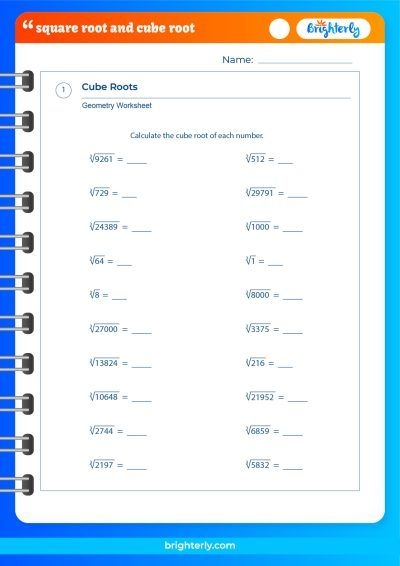
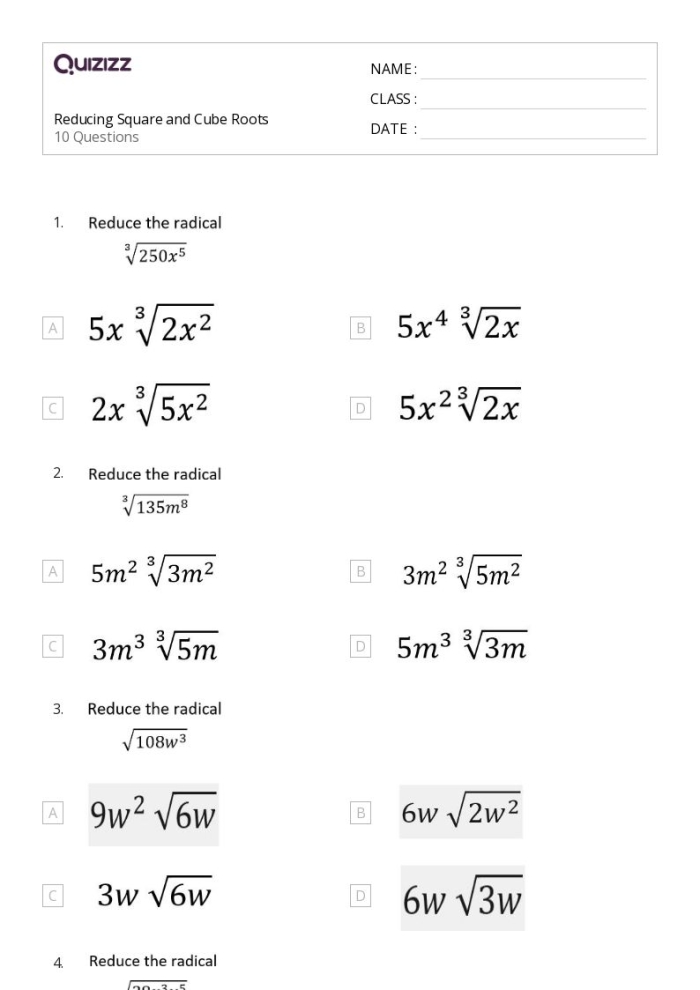
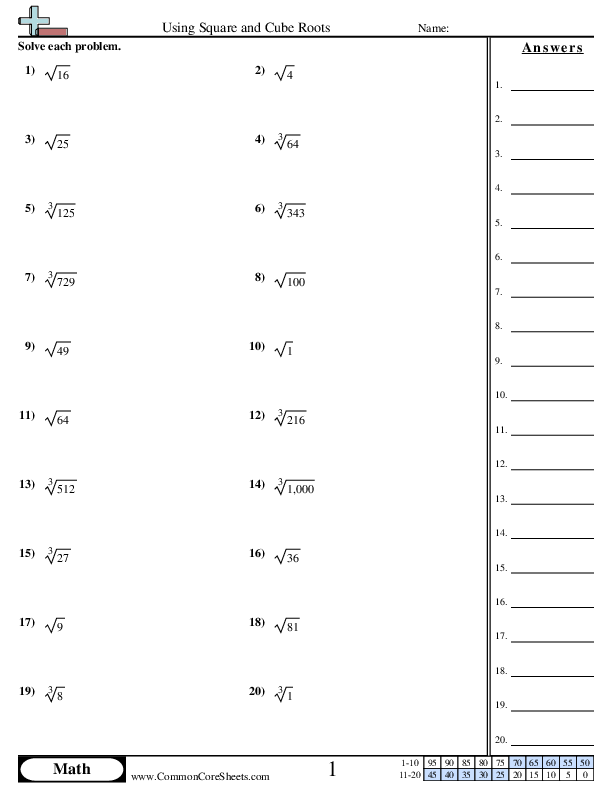
Finding square roots and cube roots trips up plenty of eighth graders, but worksheets that focus specifically on perfect squares and perfect cubes make the concept click faster than you’d expect. The key difference between these two operations matters more than students often realize: square roots reverse squaring (multiplying a number by itself once), while cube roots reverse cubing (multiplying a number by itself twice).
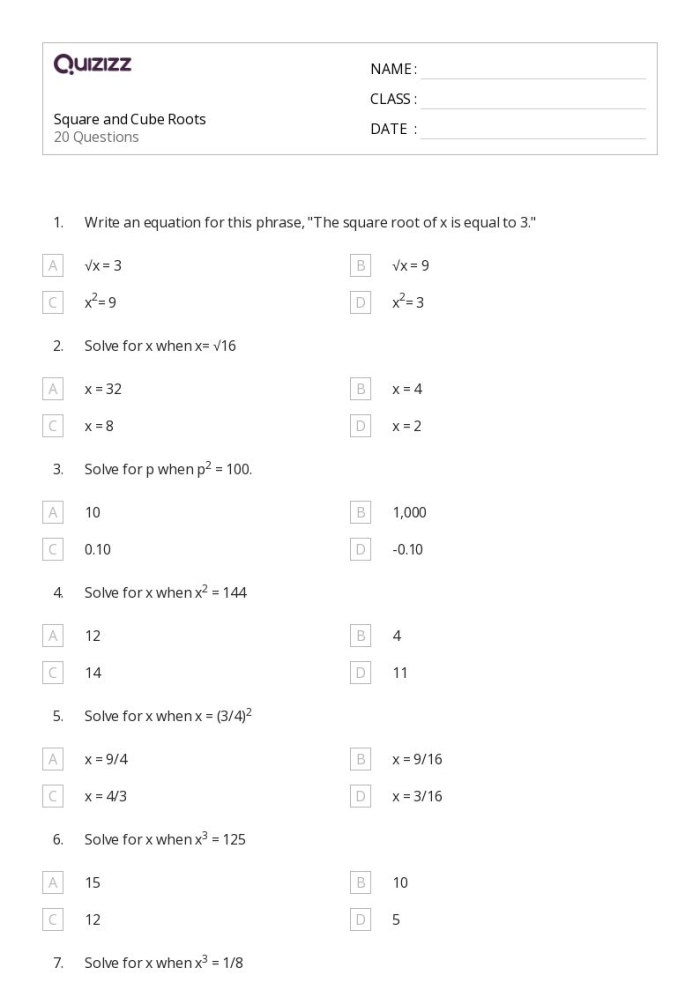
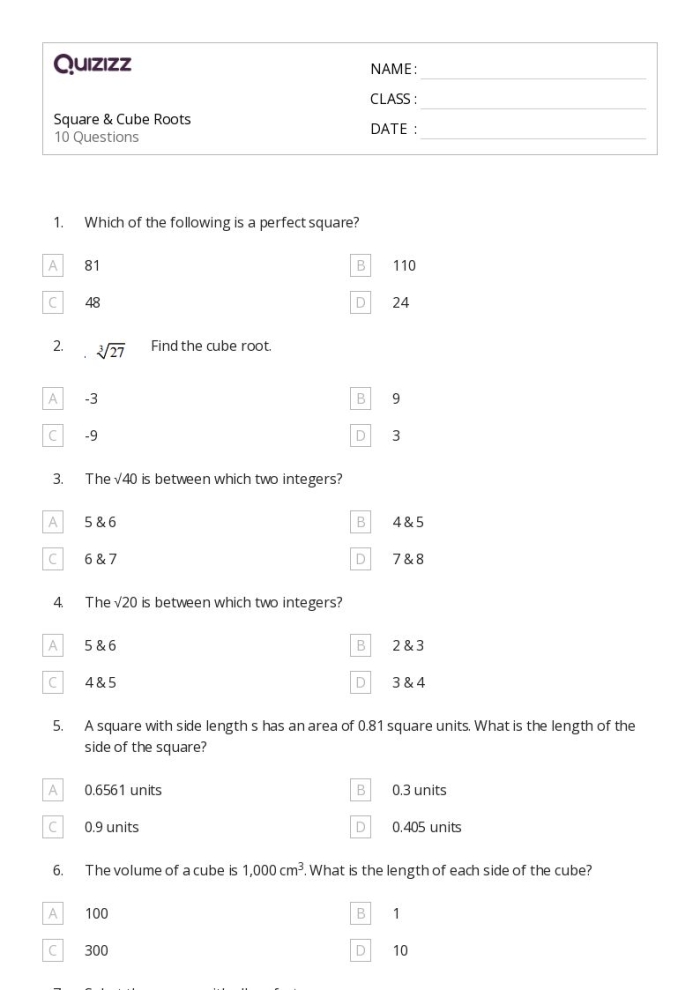
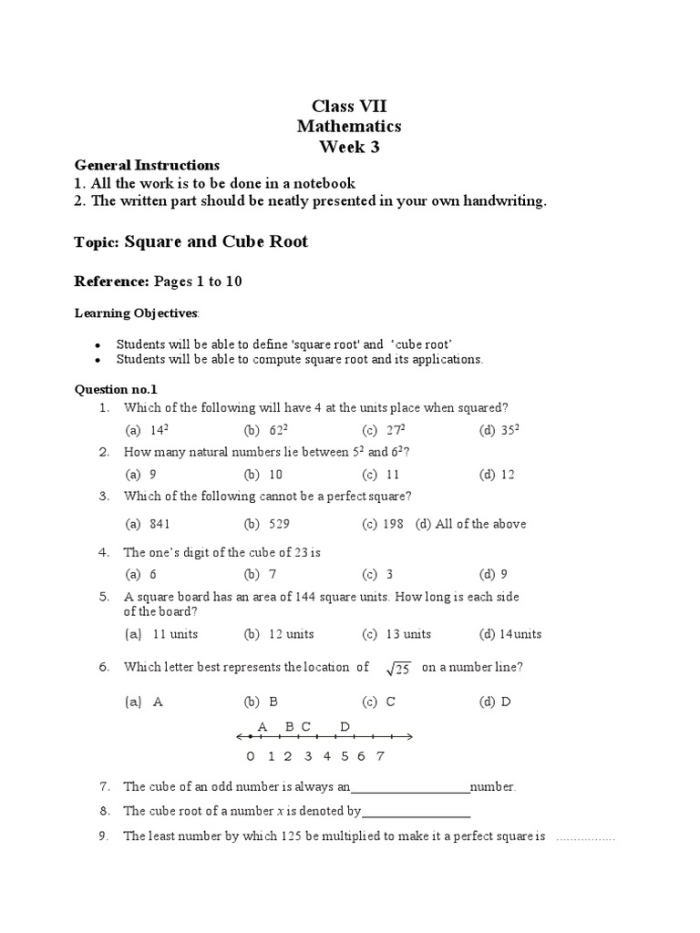
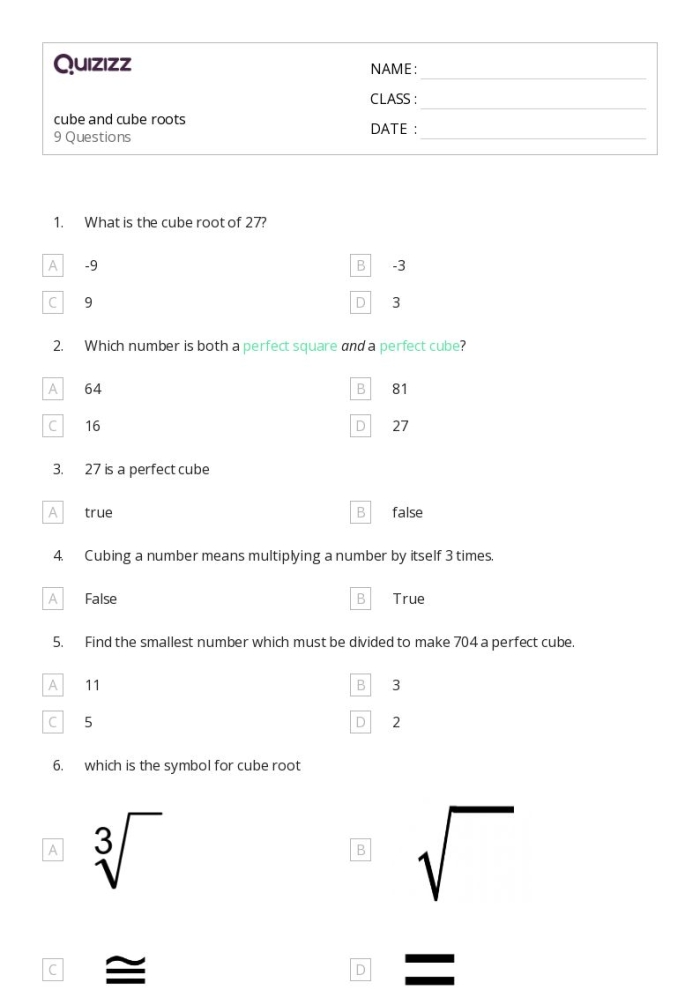
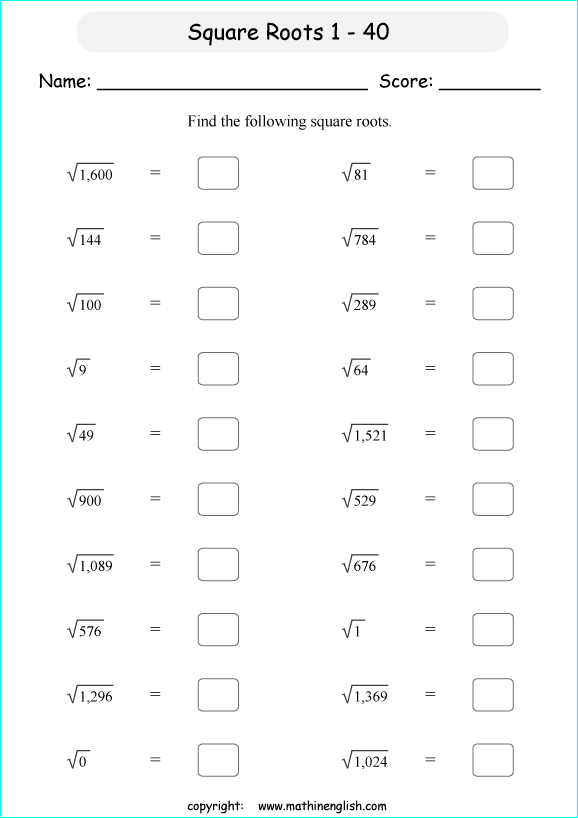
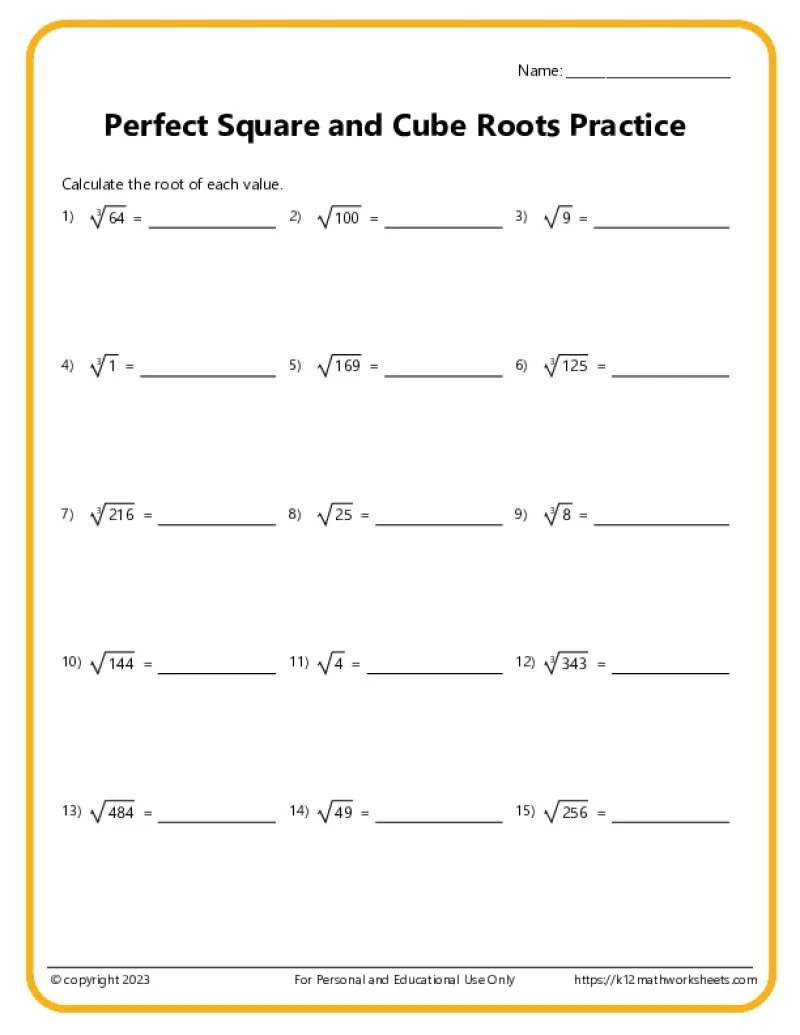
When students work through problems on a dedicated worksheet, they start seeing patterns. Perfect squares like 4, 9, 16, 25, and 36 have clean square roots of 2, 3, 4, 5, and 6. Perfect cubes follow a similar logic: 8 has a cube root of 2, 27 has a cube root of 3, and 64 has a cube root of 4. This consistency builds confidence because there’s no guessing involved.
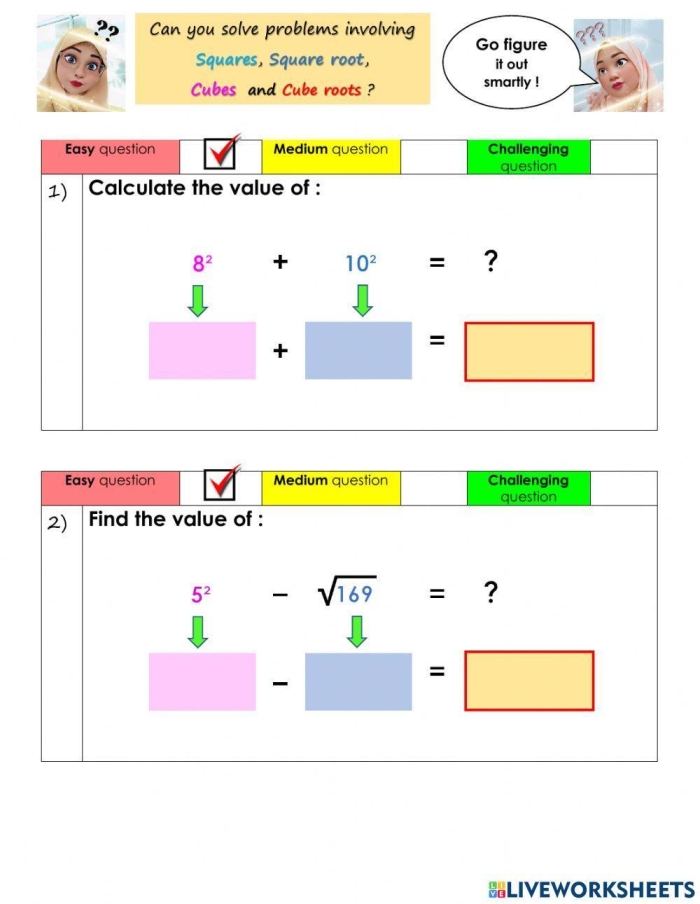
The mixed operations approach works well here because students often encounter these roots alongside other calculations. A worksheet might ask them to find the square root of 49, then add it to another number, or find the cube root of 125 and use that result in a larger equation. This mirrors real problem-solving where roots don’t exist in isolation.
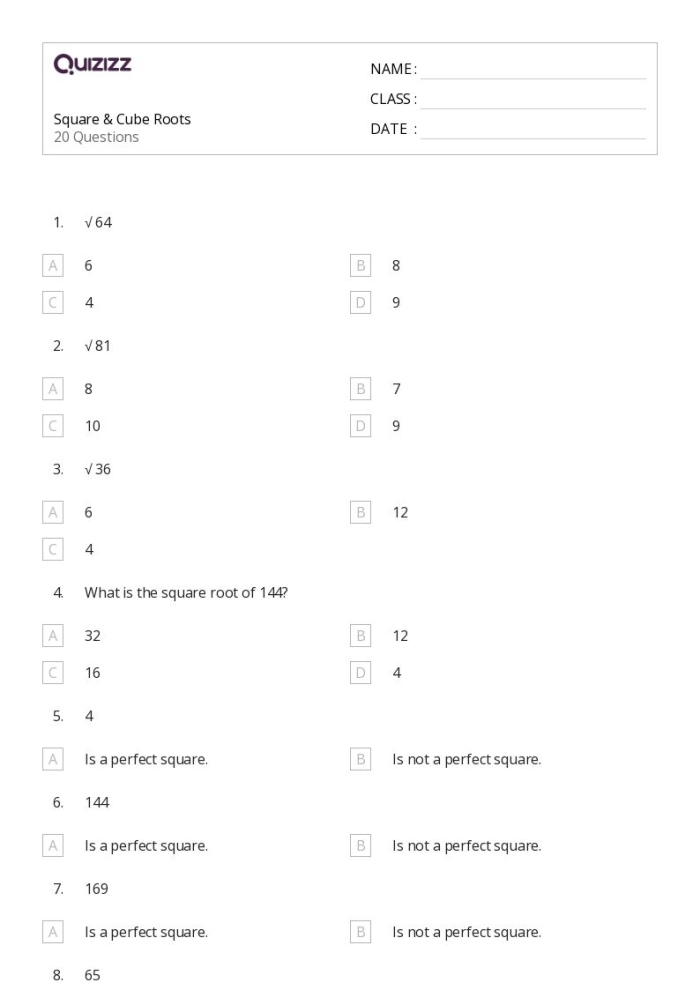
Practice with printable square roots and cube roots worksheets helps students build automaticity. The repetition trains their brains to recognize perfect squares and cubes without hesitation. Once that foundation solidifies, eighth graders can move forward to more complex algebraic concepts that depend on this skill.
If your students need additional practice with other mathematical operations, worksheets covering rates of change or translations provide complementary practice that strengthens their overall eighth-grade math toolkit.
Try These Printable Worksheets