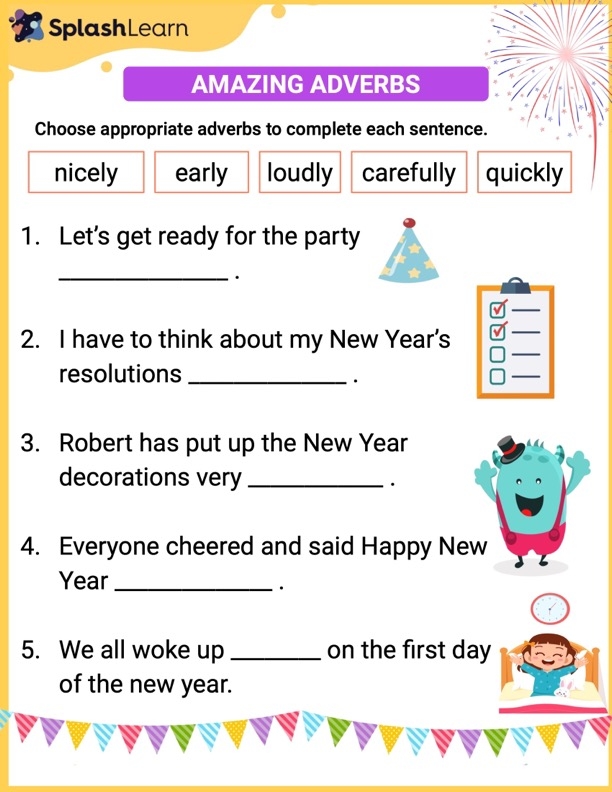
Adverbs are one of those grammar concepts that second grade students often find tricky because they work differently than nouns or verbs. An adverb modifies a verb, adjective, or another adverb by describing how, when, where, or why something happens. For example, in the sentence “She ran quickly,” the word “quickly” is an adverb that tells us how she ran. Without practice identifying these words in context, students struggle to recognize them in their own writing.
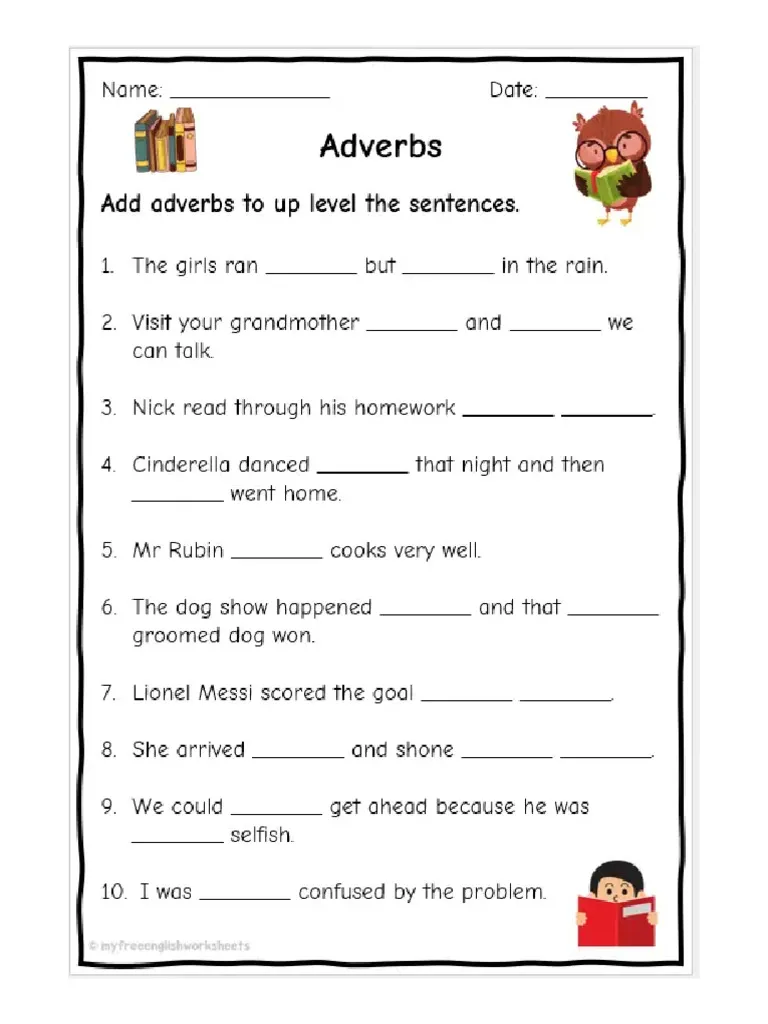
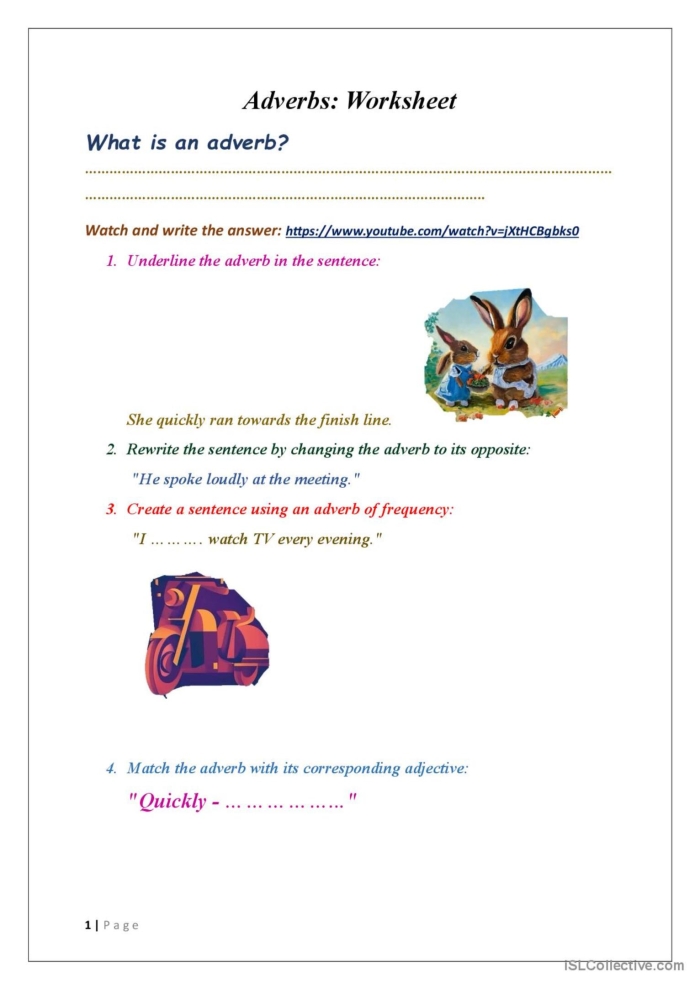
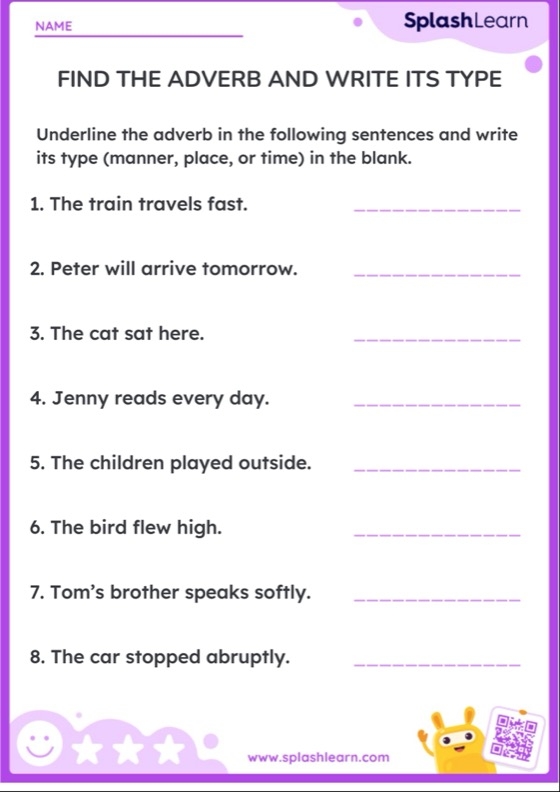
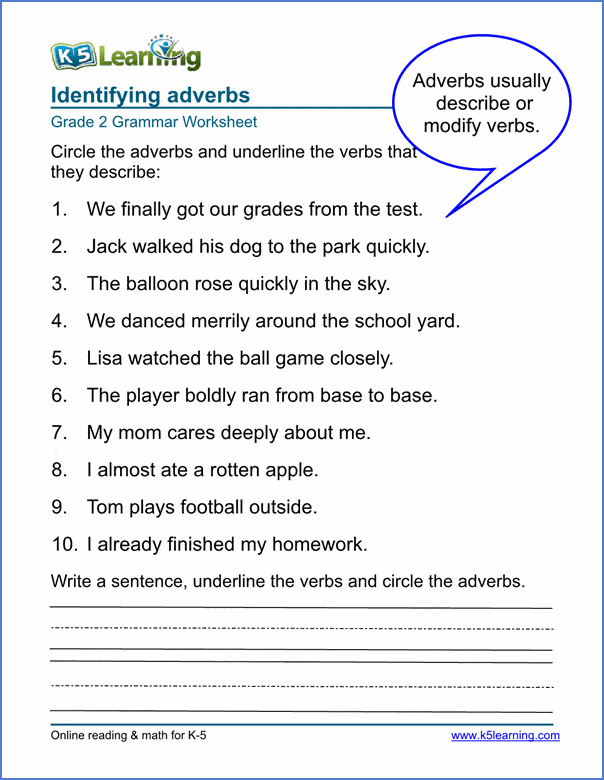
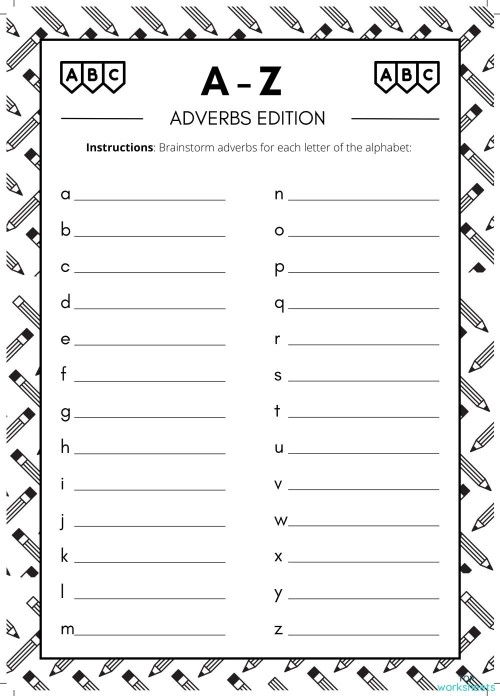
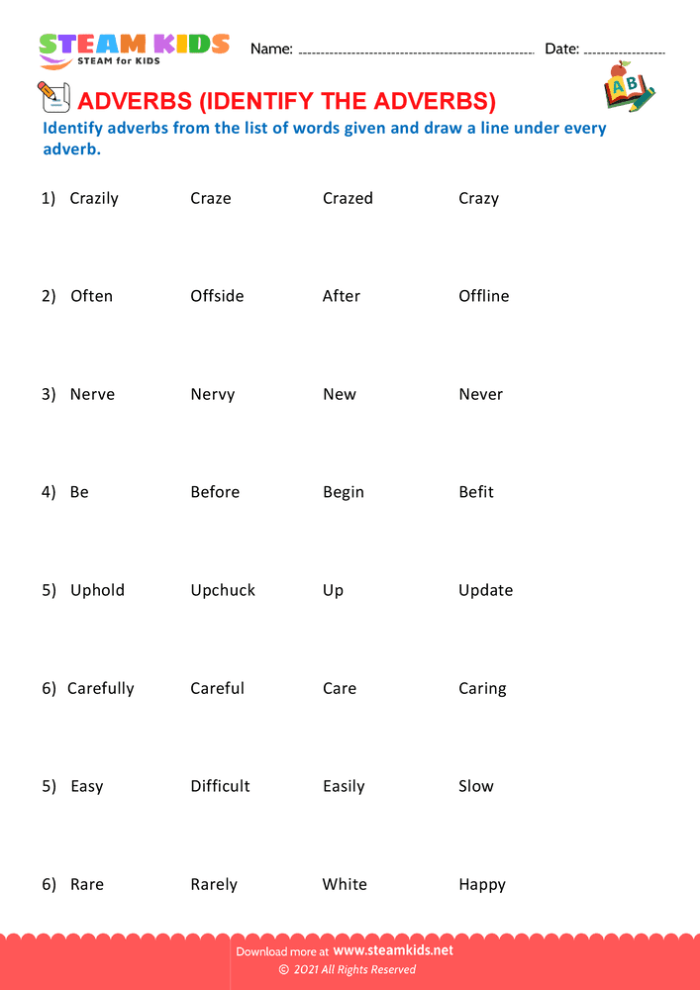
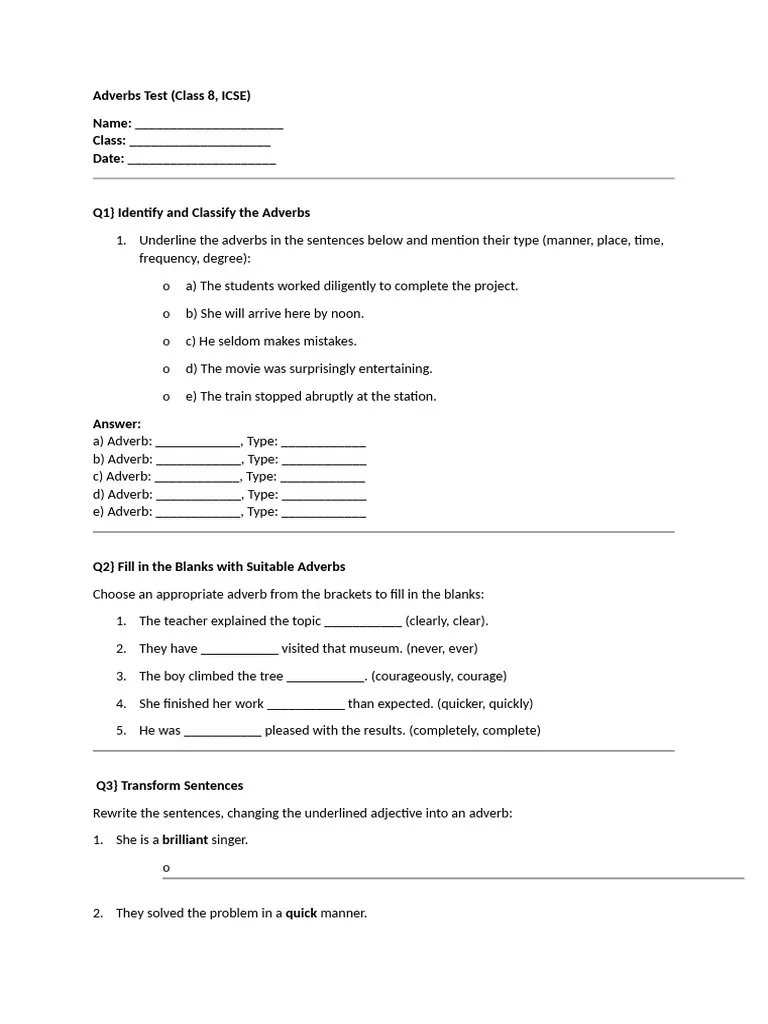
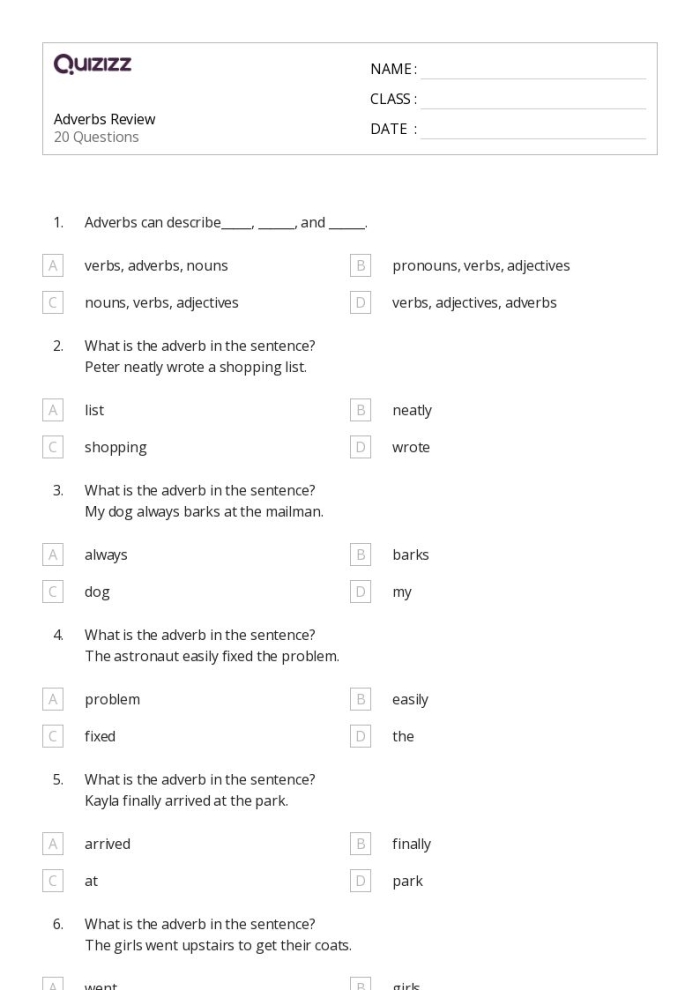
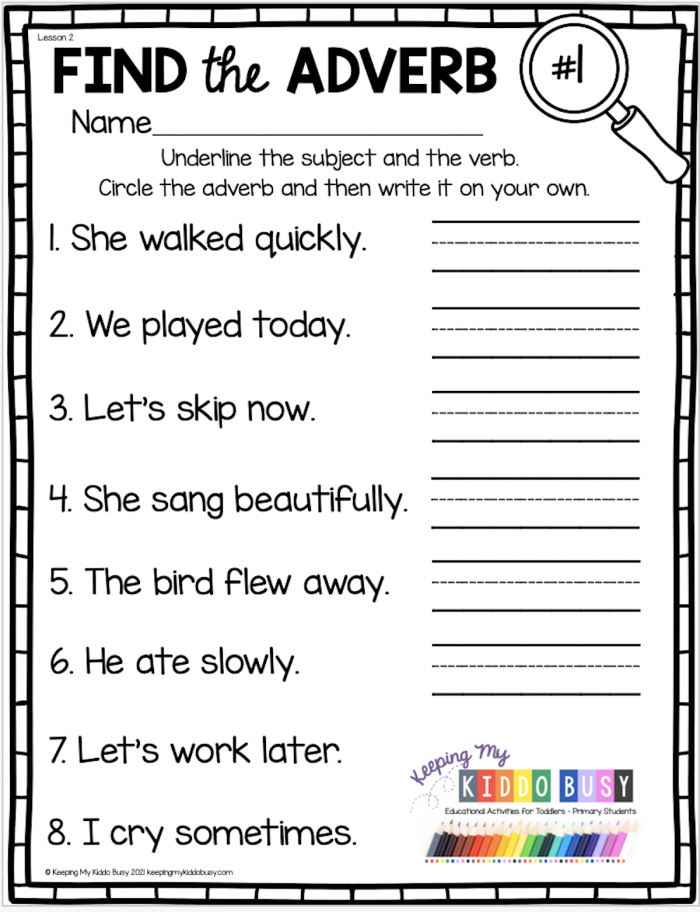
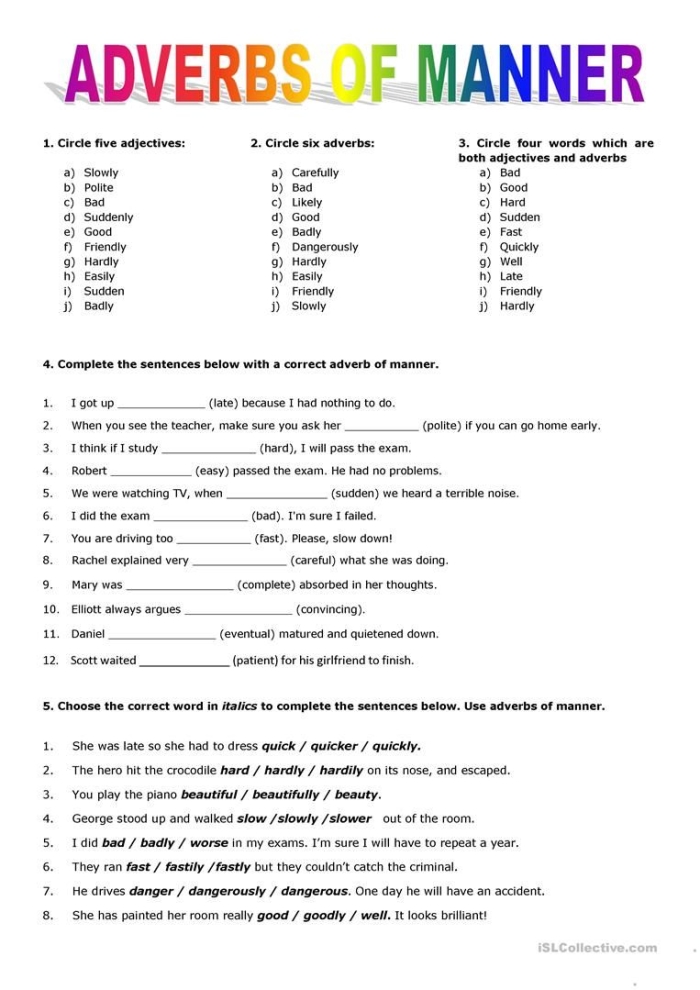
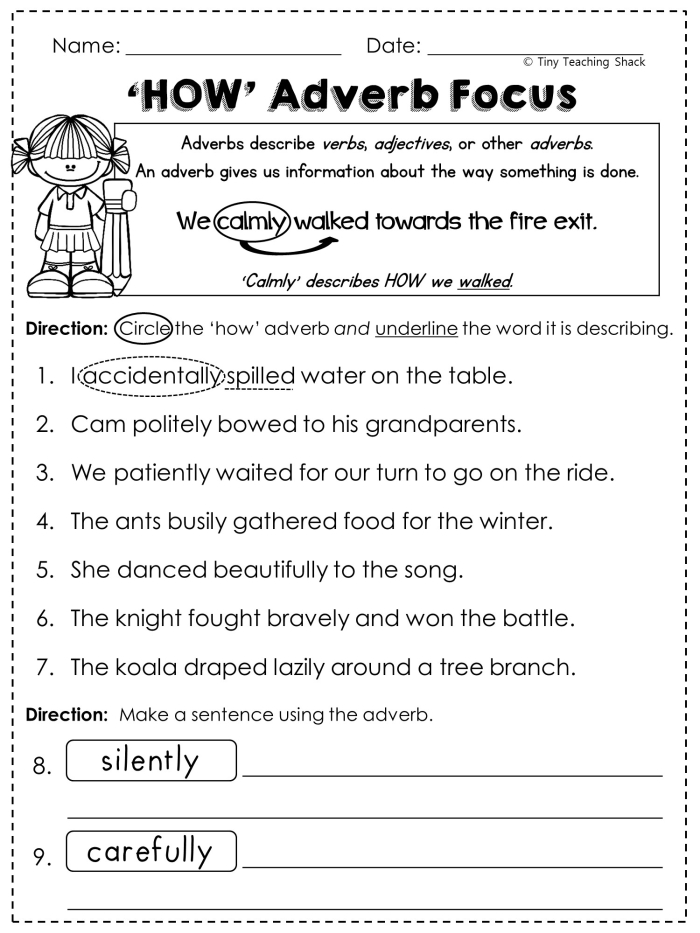
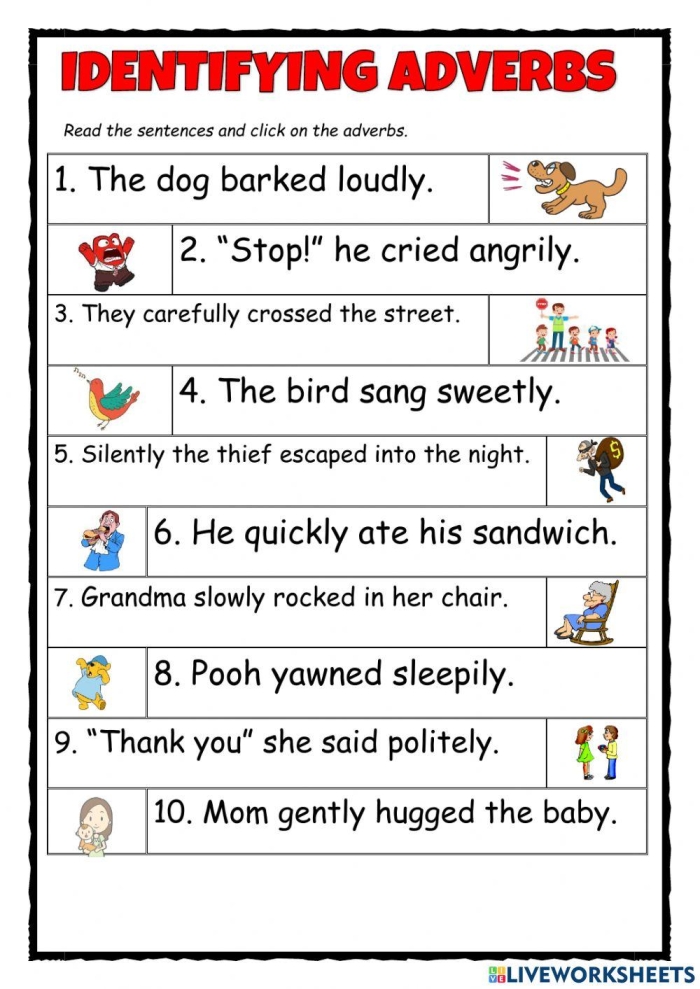
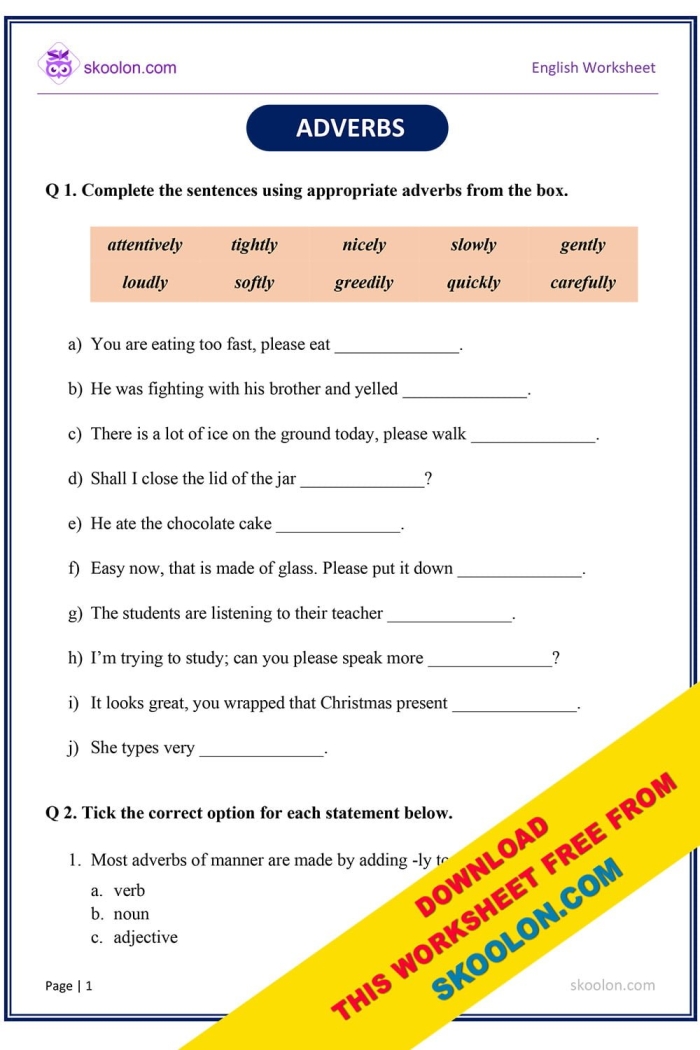
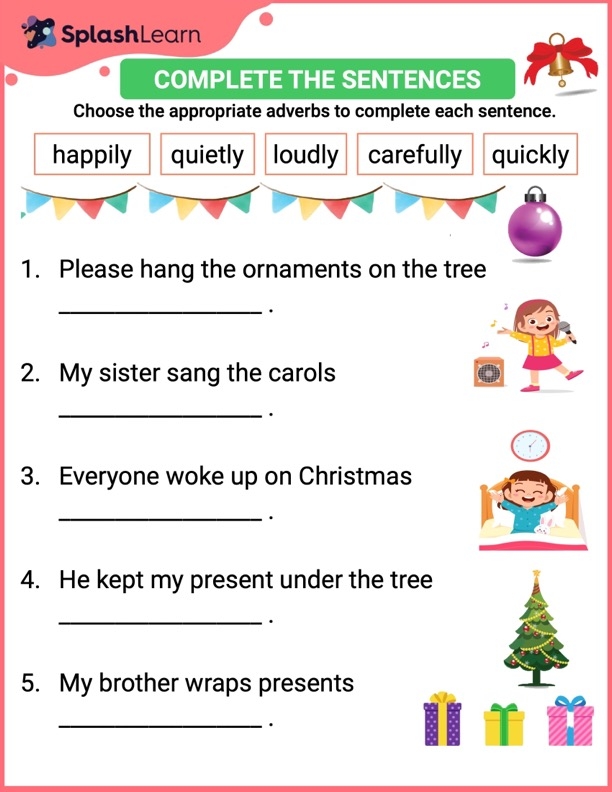
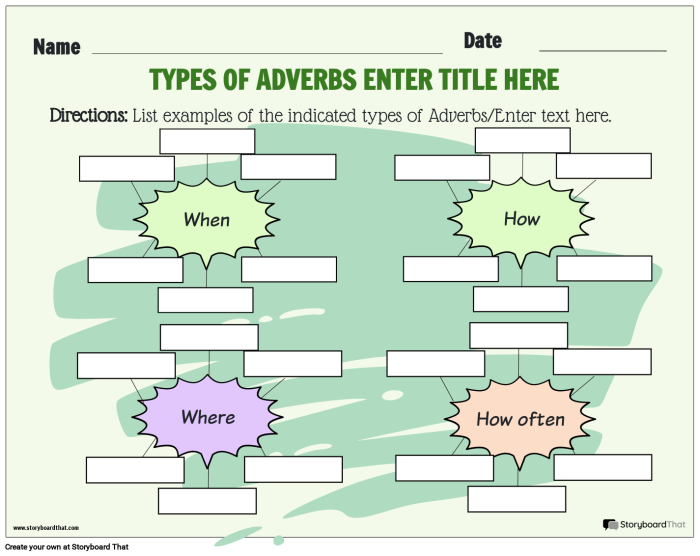
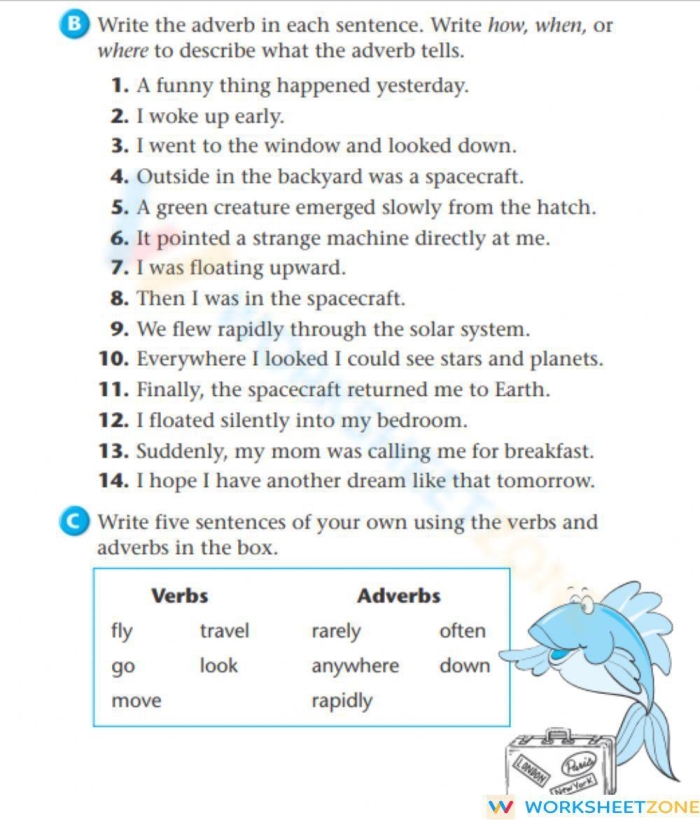
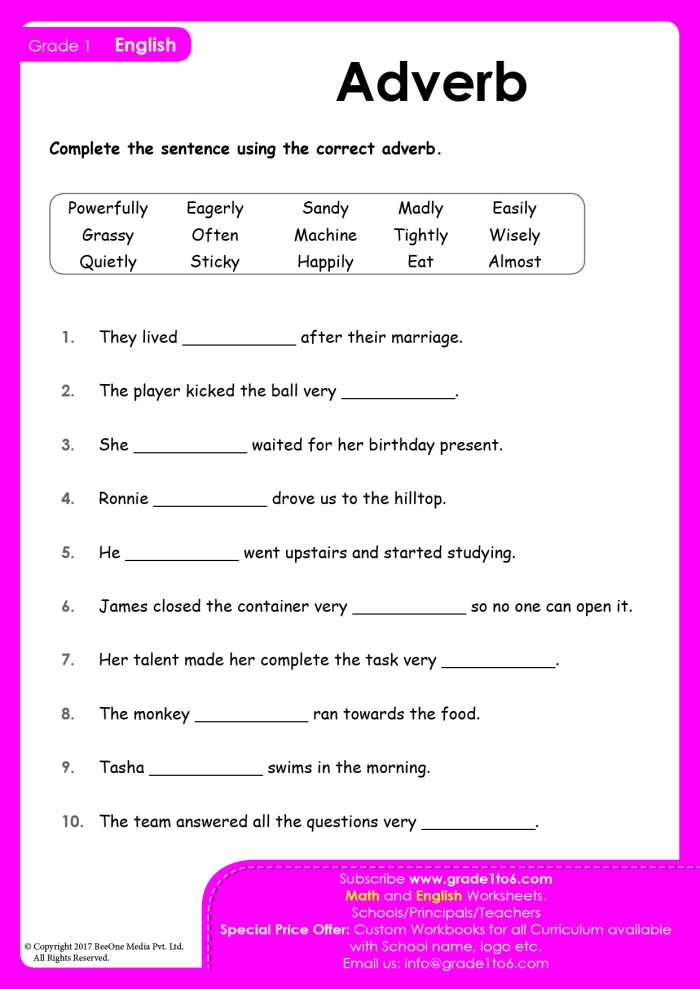
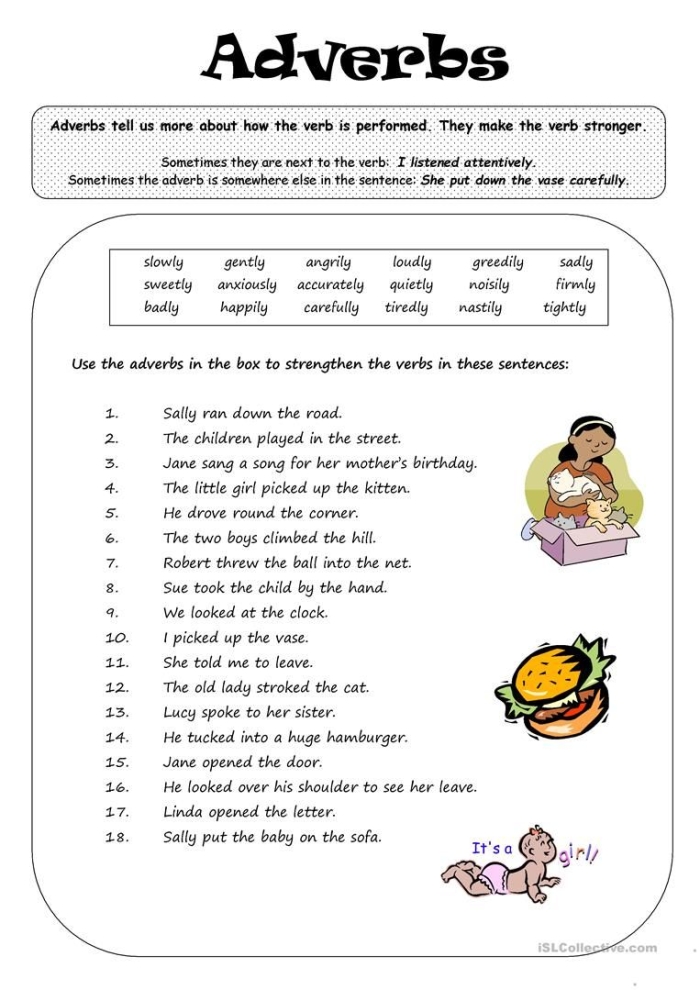
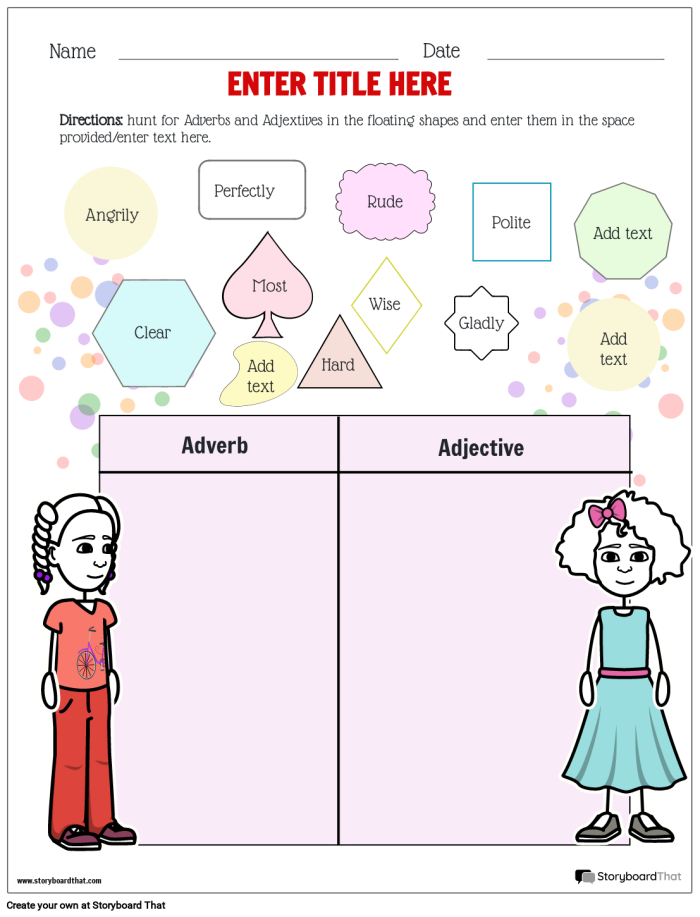
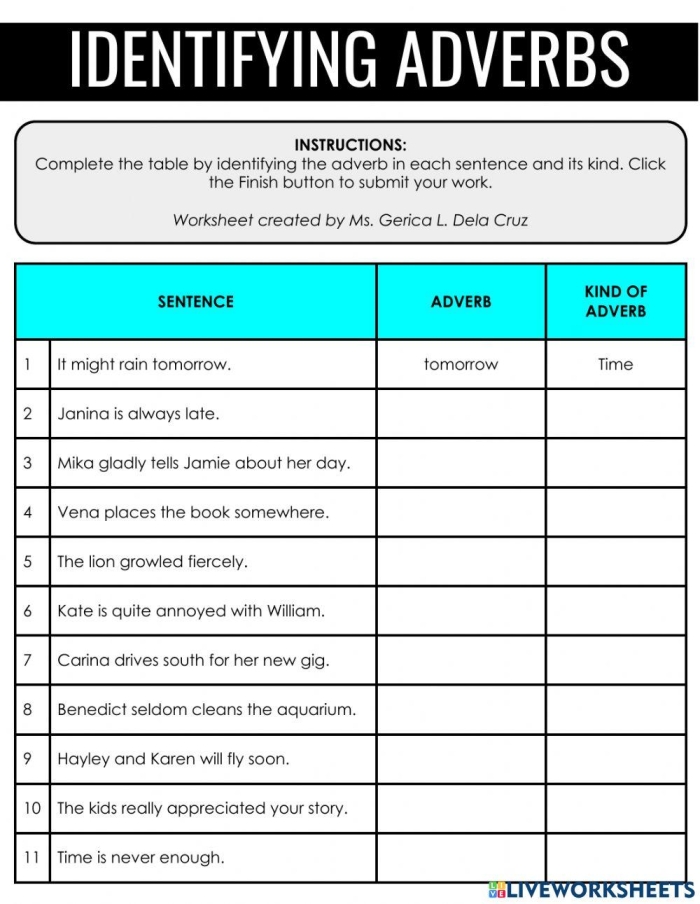
This worksheet gives second graders a structured way to spot adverbs within sentences and understand their purpose. The exercises typically present simple sentences where students circle or underline the adverb, then answer questions about what action or quality it describes. This hands-on approach works better than memorizing definitions because students see adverbs doing their job in real sentences.
One reason this practice matters is that adverbs appear constantly in reading material. When children encounter words like “slowly,” “yesterday,” “here,” or “very,” they need to recognize these as adverbs to fully understand what they’re reading. The worksheet reinforces this skill through repetition and varied examples, which builds confidence.
The geometry component of second grade curriculum might seem unrelated, but worksheets covering different subjects often share similar teaching approaches. Just as students learn to identify shapes and their properties in geometry, they learn to identify parts of speech and their functions through grammar practice.
Beyond adverbs, second graders benefit from exploring other language skills. Worksheets on topics like silent final consonants and bossy r sounds help round out phonics knowledge. Meanwhile, activities focused on making inferences develop reading comprehension alongside grammar skills.
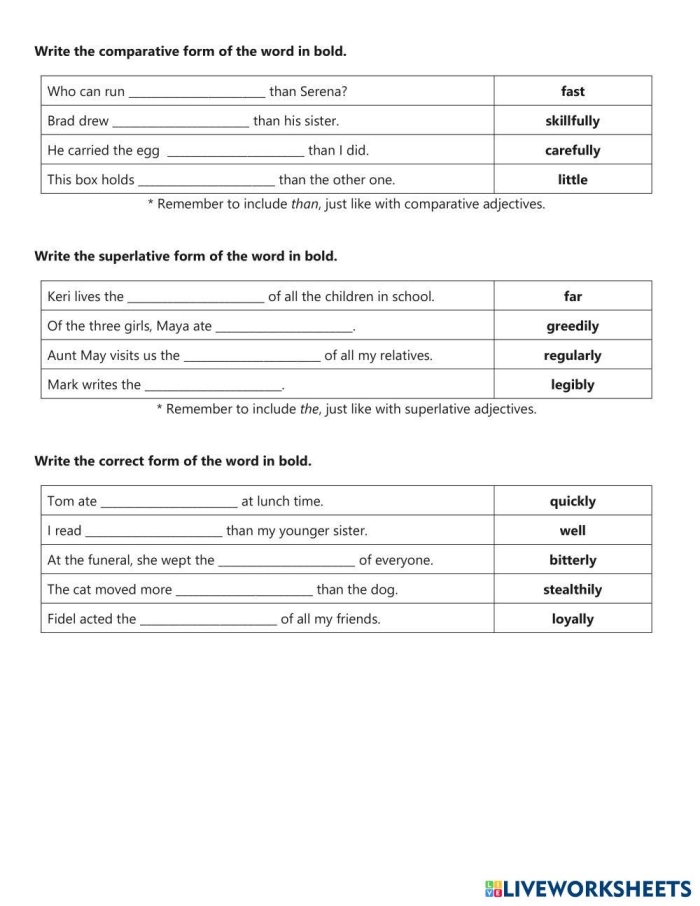
Regular practice with adverb identification sets a foundation for more complex grammar work in later grades, where students will learn about adverb placement, comparatives, and how adverbs interact with other sentence elements.
Hands-On Worksheet Activities