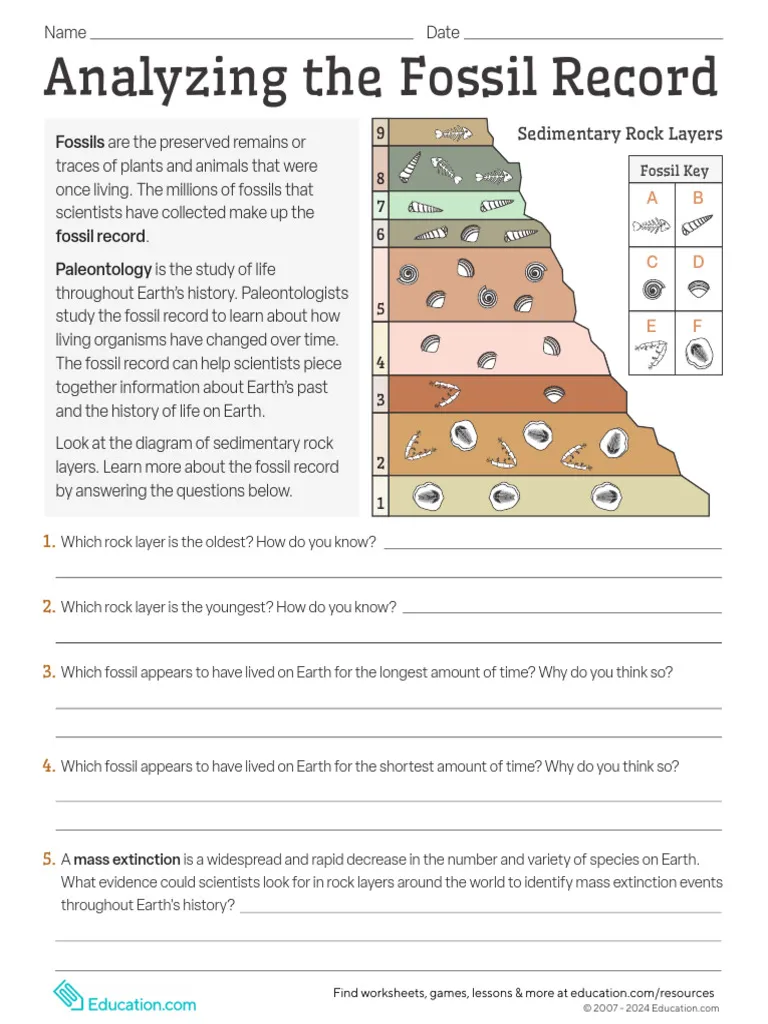
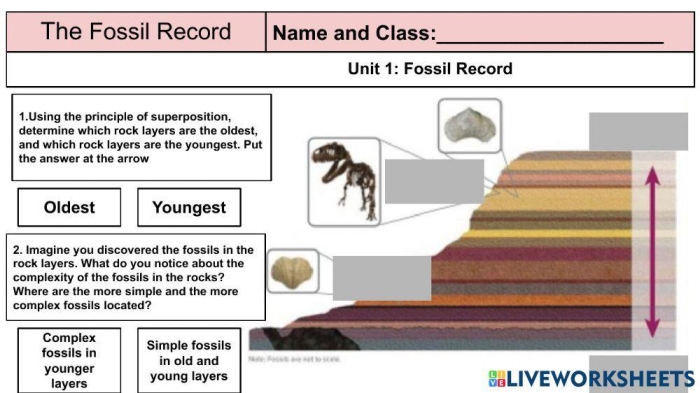
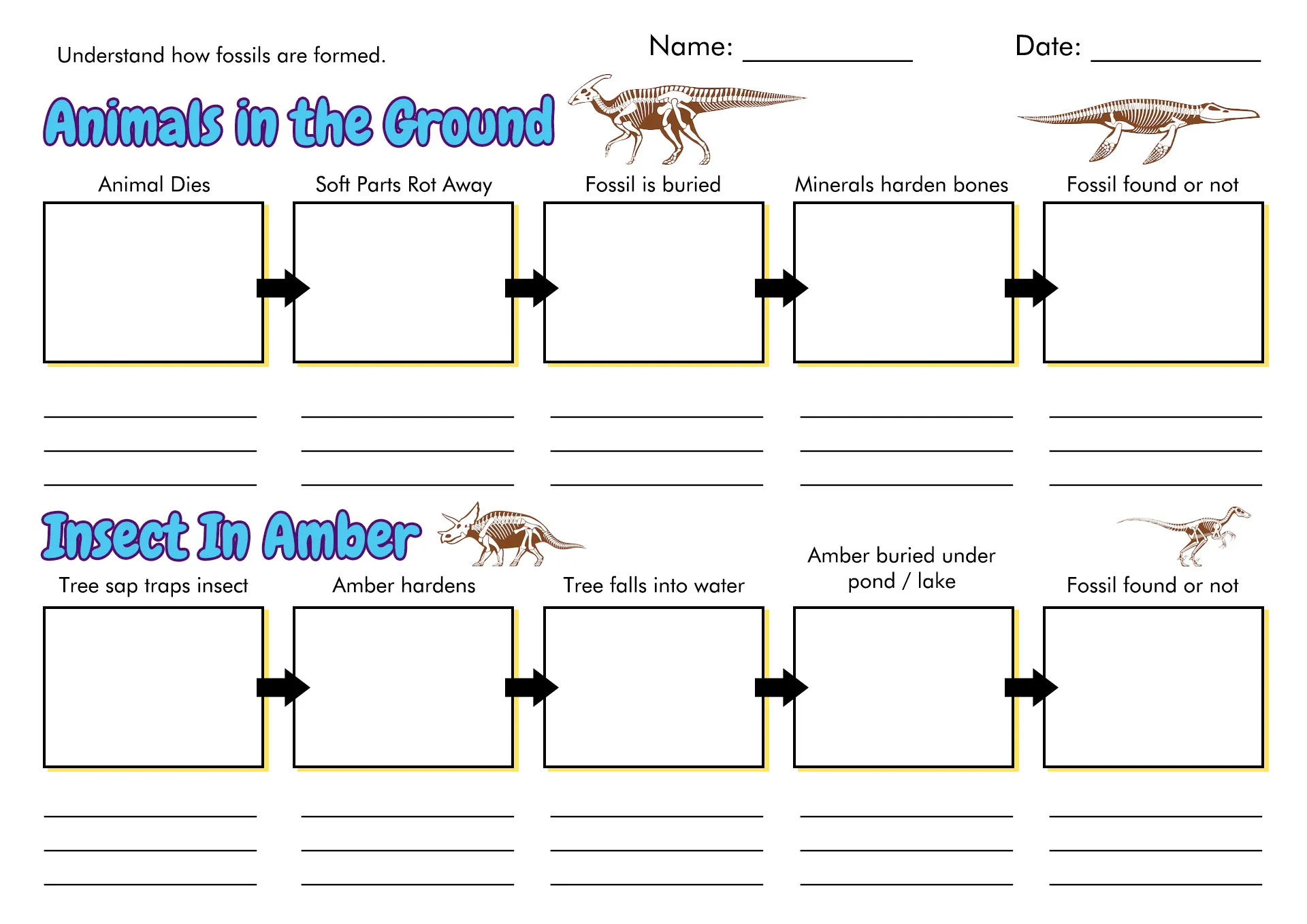
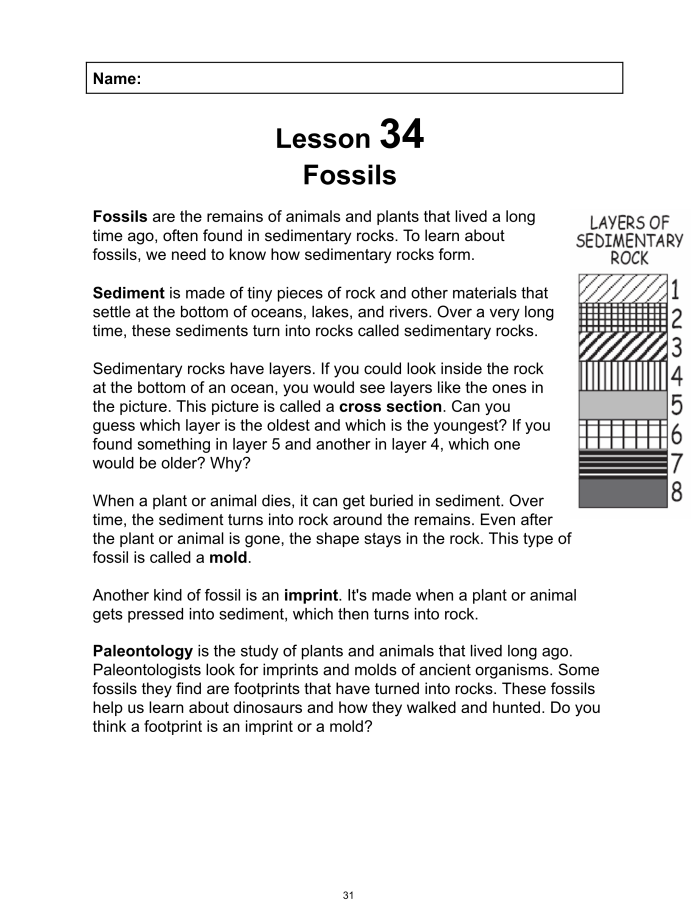
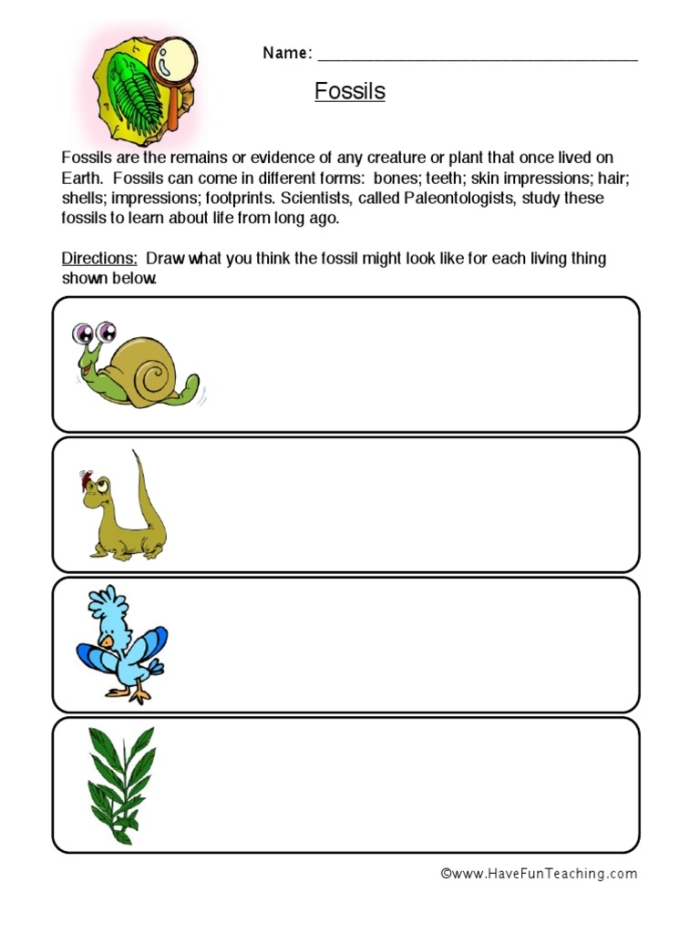
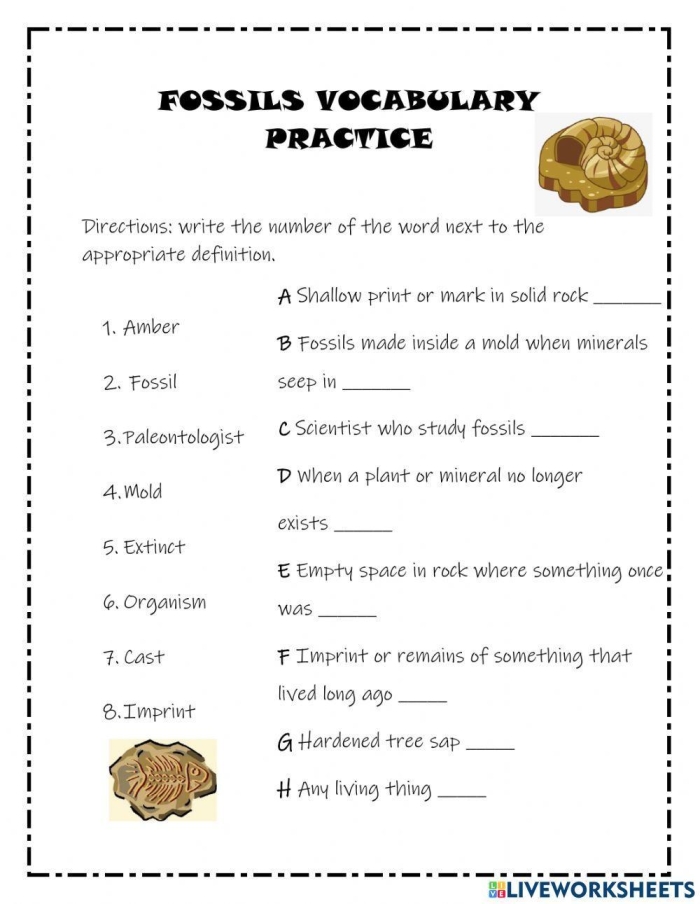
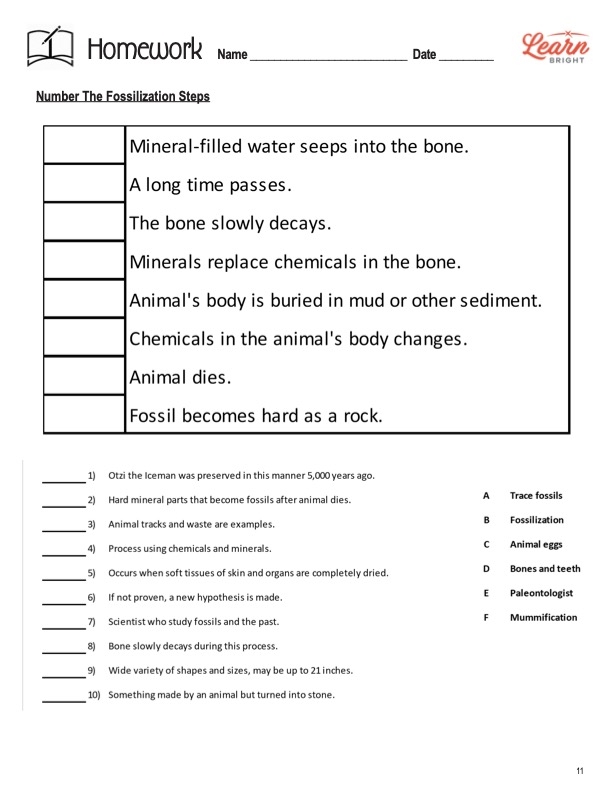
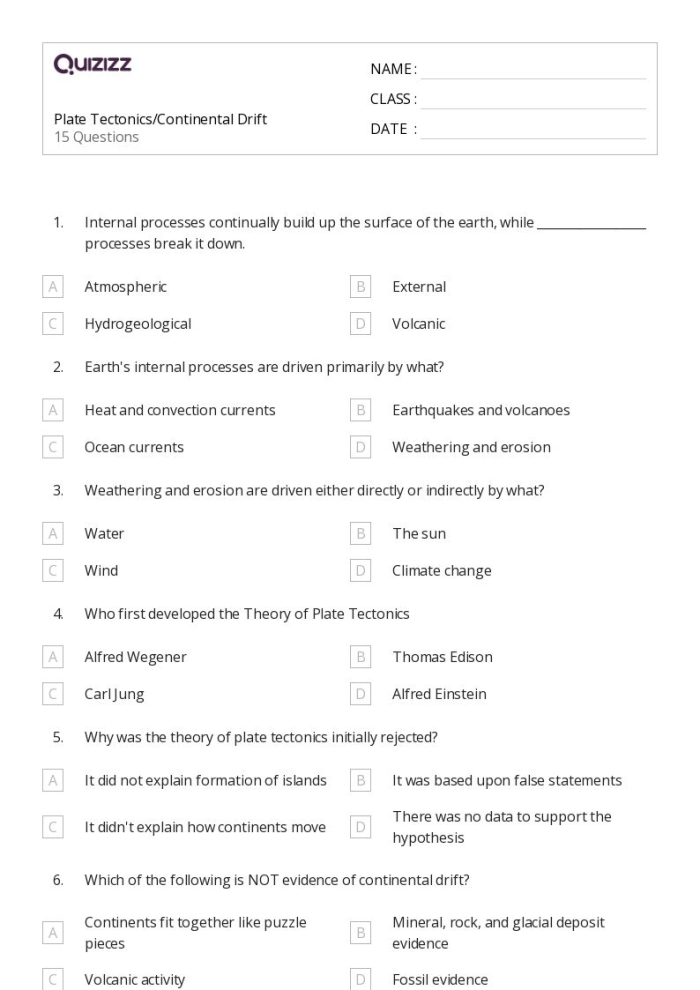
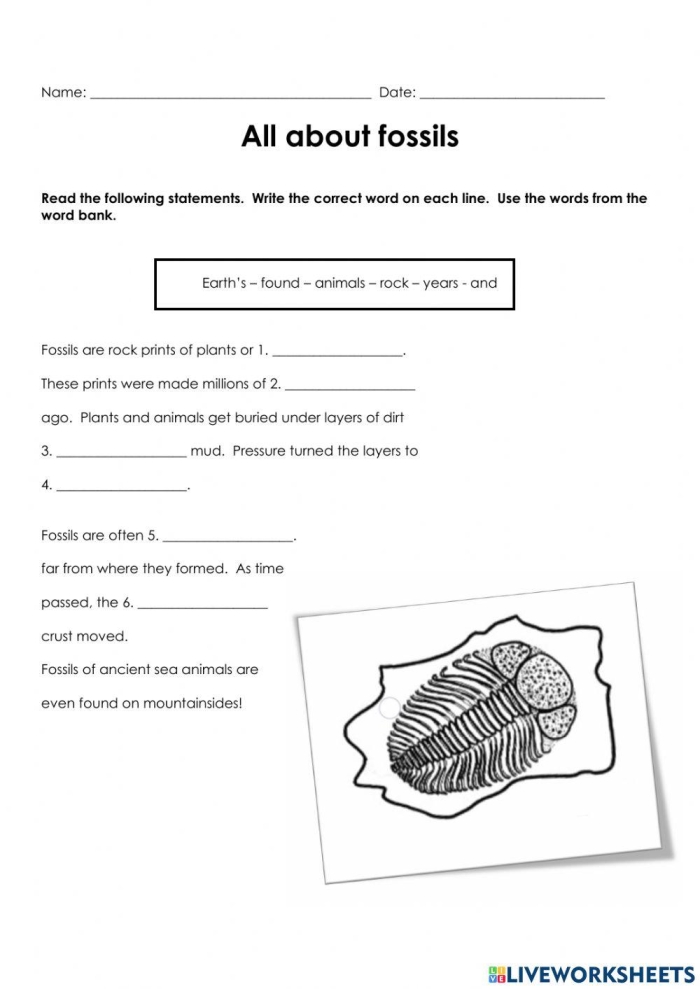
When sixth graders first encounter fossils, they’re holding evidence of life from millions of years ago. A well-designed worksheet on analyzing the fossil record transforms this wonder into structured learning where students actually work through real paleontological thinking rather than just memorizing facts.
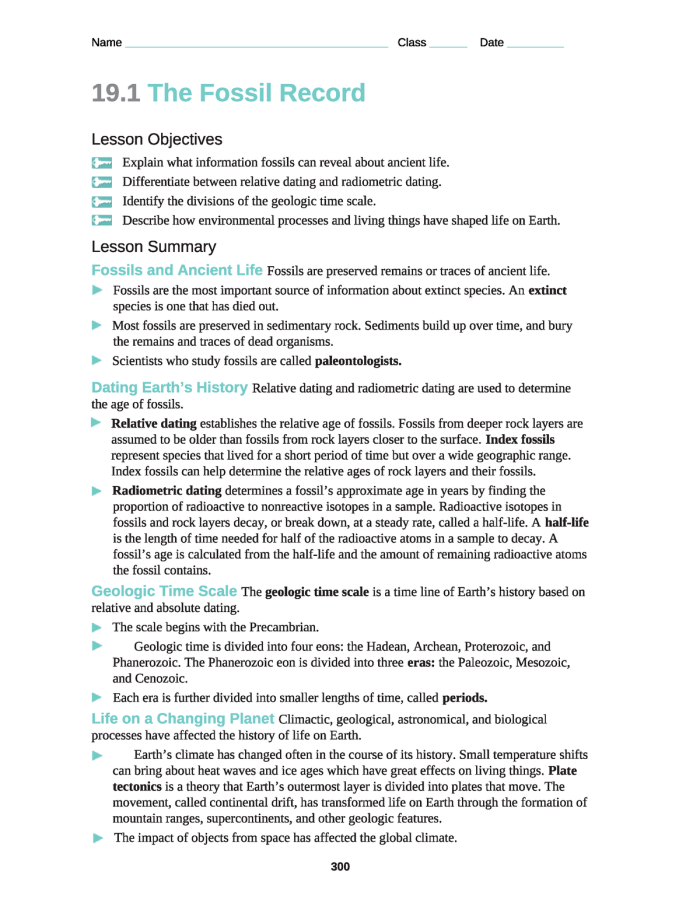
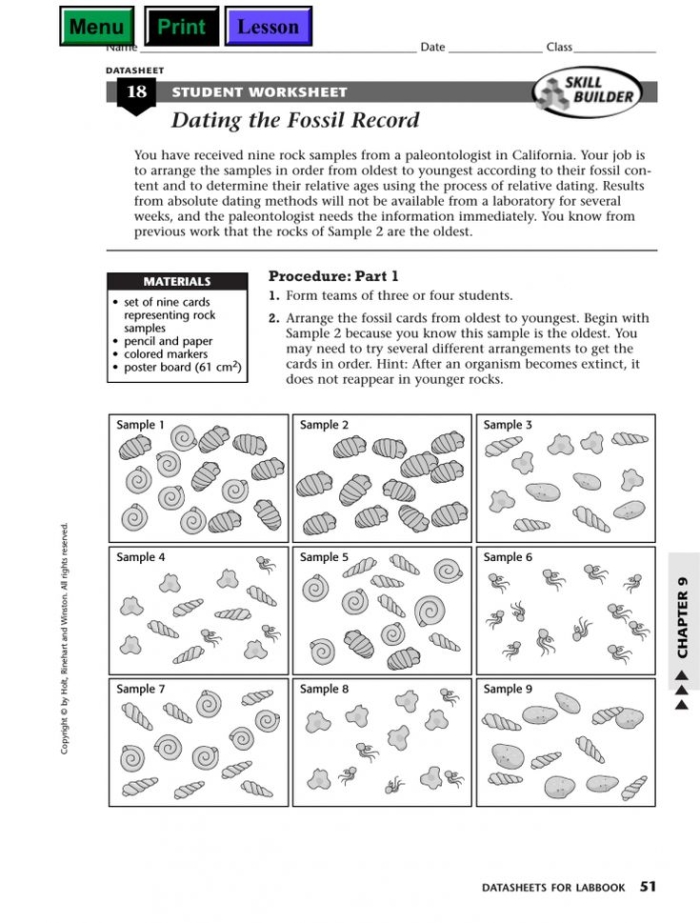
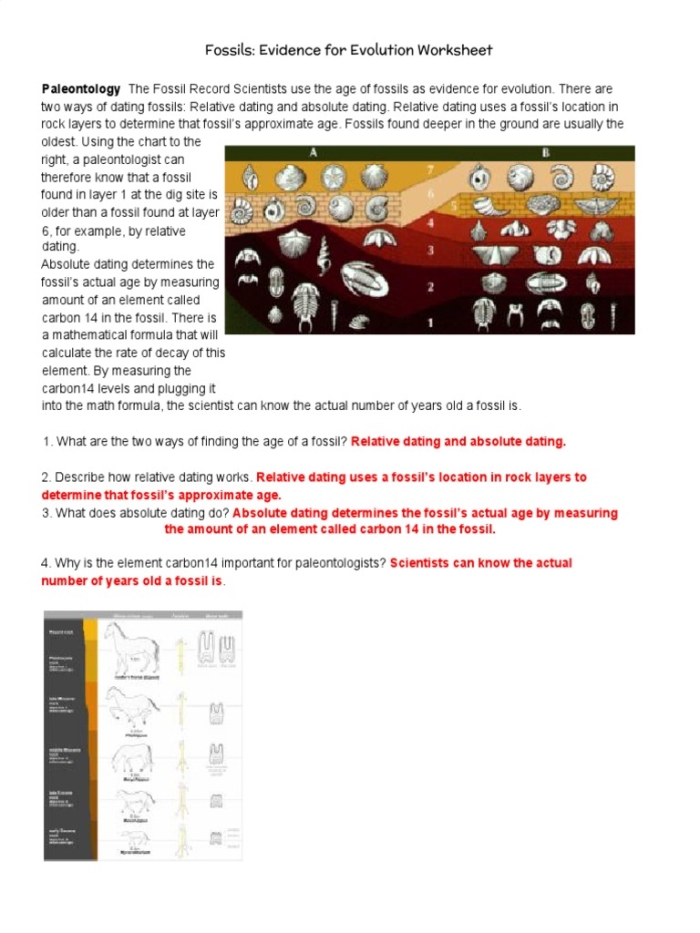
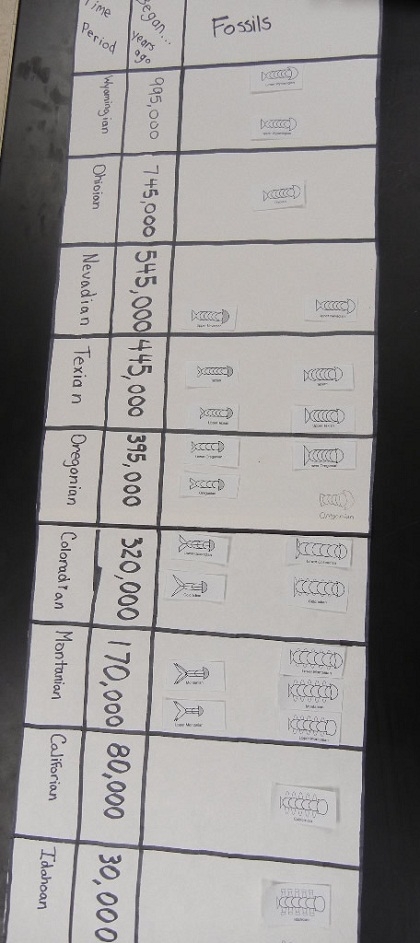
The fossil record tells Earth’s biological history through preserved remains, and worksheets that guide learners through this material help them understand how scientists piece together evolutionary timelines. Students learn to observe fossil characteristics, compare organisms across different geological periods, and make inferences about environmental changes. This hands-on approach builds critical thinking skills that extend far beyond memorizing dinosaur names.
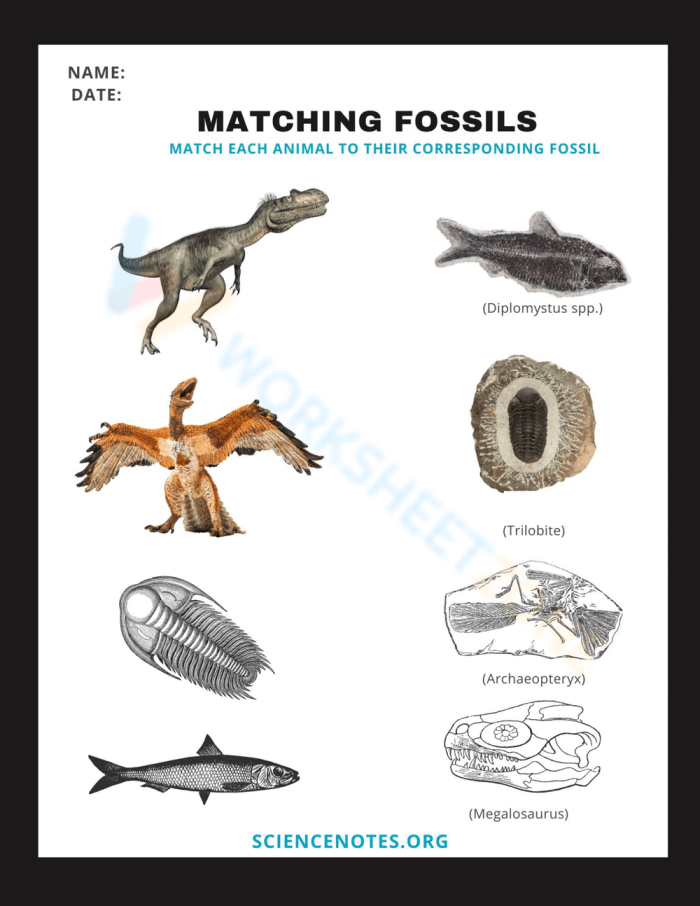
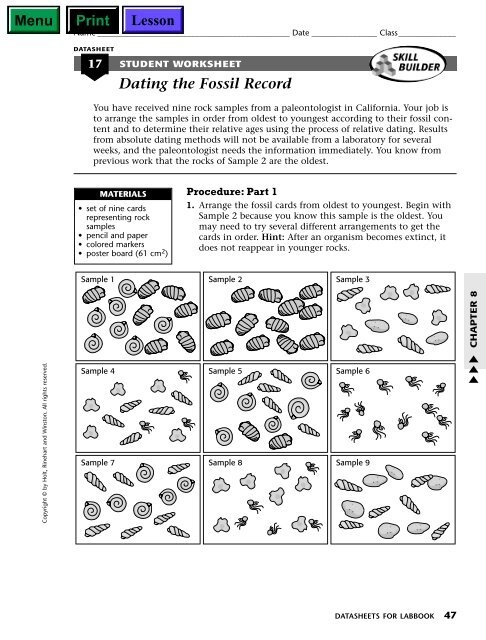
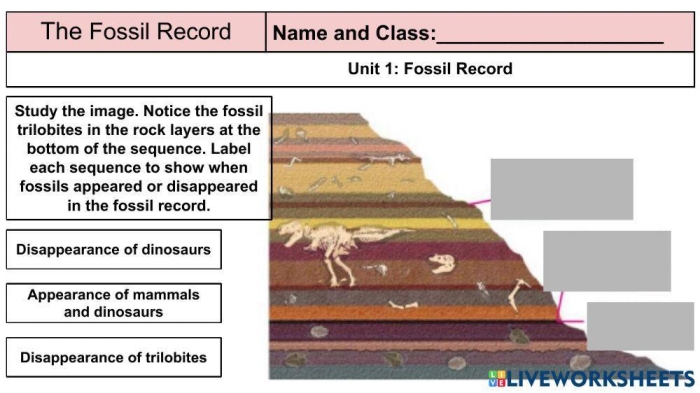
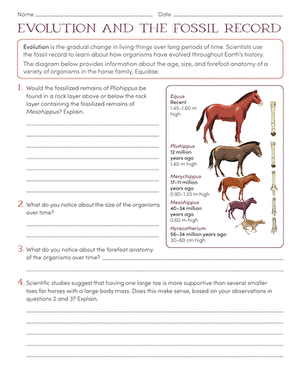
Sixth grade is the ideal time to introduce this material because learners are developing stronger analytical abilities. A quality worksheet presents fossils in context, asking students to examine images, read descriptions, and answer questions that require them to think like paleontologists. They might compare the skeletal structures of ancient and modern animals, or examine how certain species changed over time based on fossil evidence.
The geometry involved in fossil analysis often goes unnoticed, yet students use spatial reasoning to understand how organisms fit into their environments and how body structures relate to function. Measuring fossil dimensions, understanding scale, and visualizing three-dimensional objects from two-dimensional images all connect to geometric thinking.
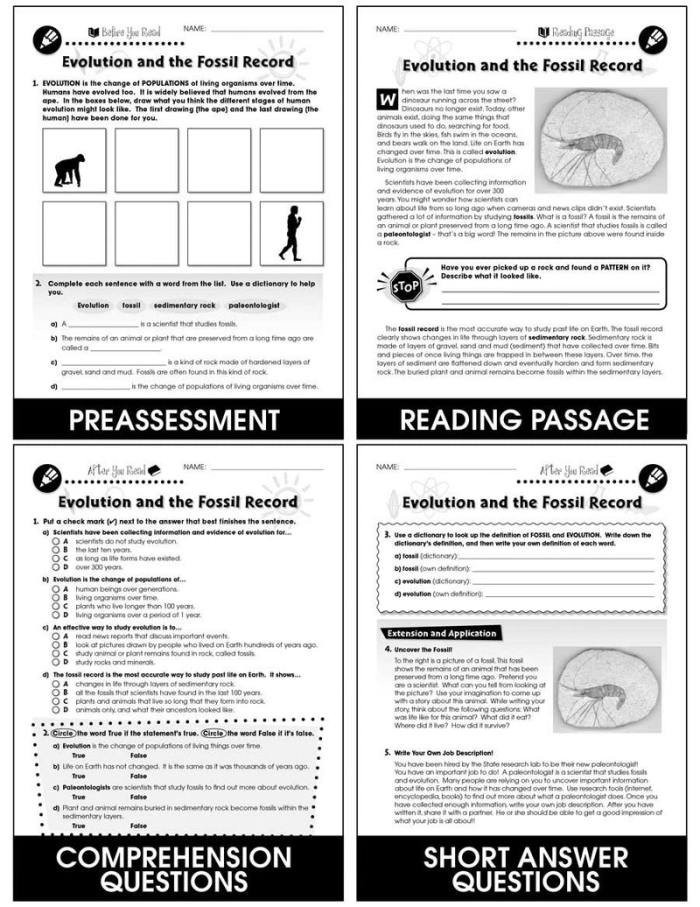
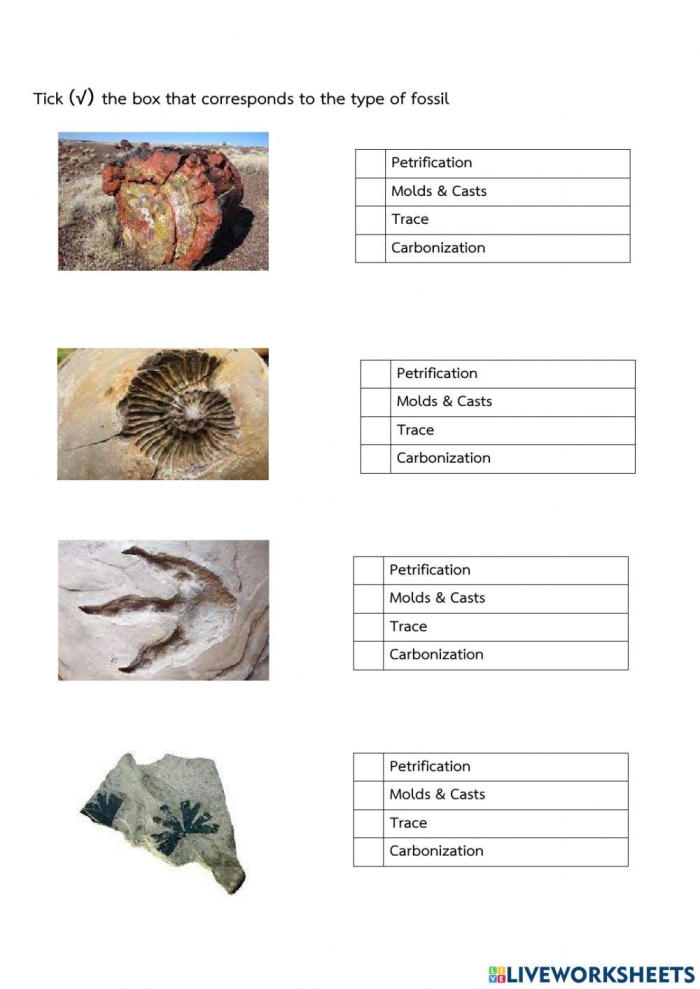
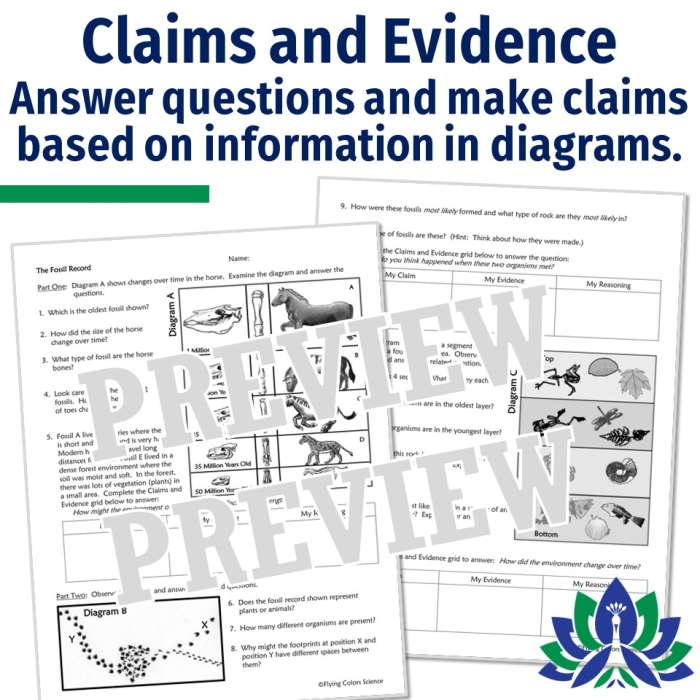
When creating or selecting these worksheets, look for materials that include actual fossil images, clear questions that require analysis rather than simple recall, and opportunities for students to draw conclusions. Pairing fossil record work with other research skills, like evaluating sources or writing a bibliography, strengthens overall literacy development.
These worksheets work best when they encourage genuine exploration rather than passive reading. Students retain more when they’re actively comparing, questioning, and forming their own interpretations of the evidence in front of them.
Hands-On Worksheet Activities