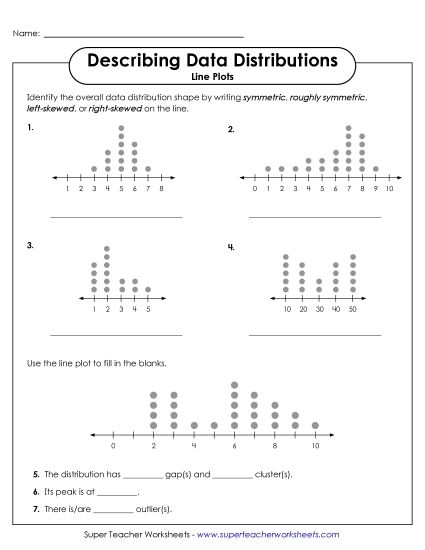
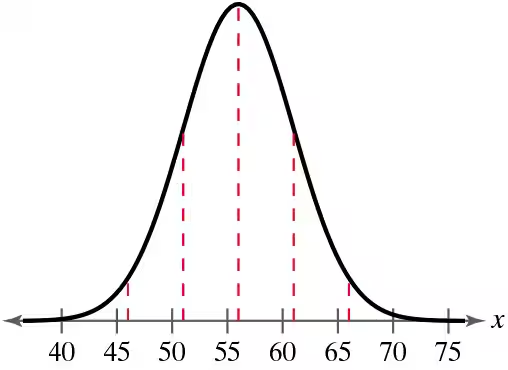
Sixth grade is when students first encounter the real power of data visualization, and dot plots offer a perfect entry point into understanding how numbers tell stories. When students explore distributions in dot plots, they’re learning to read patterns that appear across a dataset, spotting where values cluster, where they spread out, and what the overall shape of the data reveals.
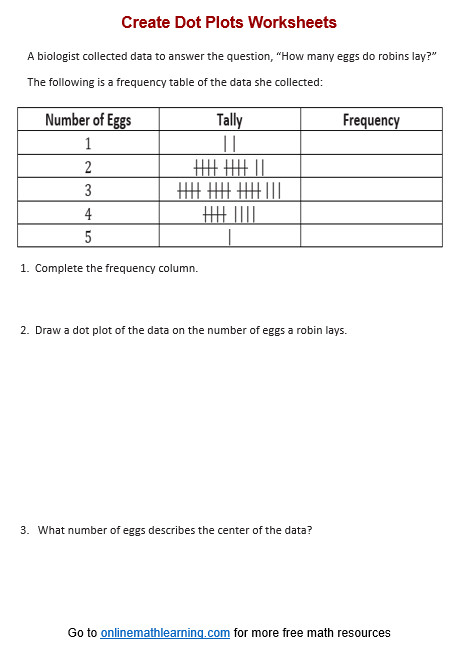
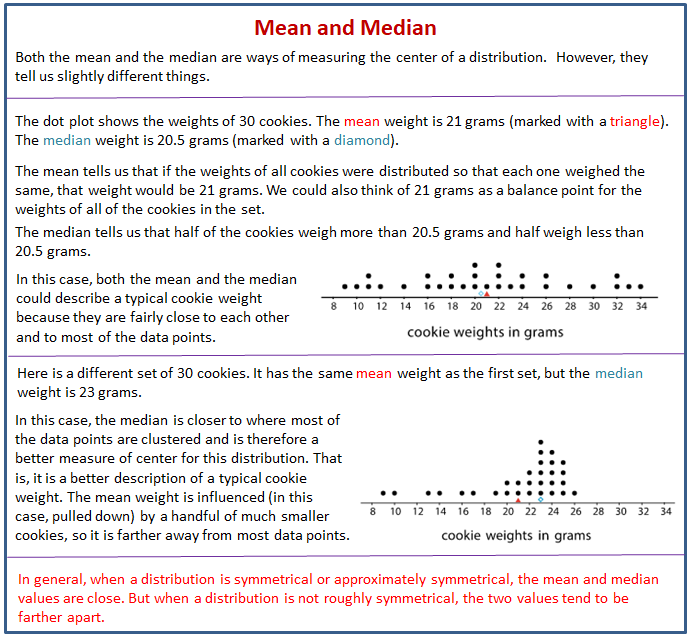
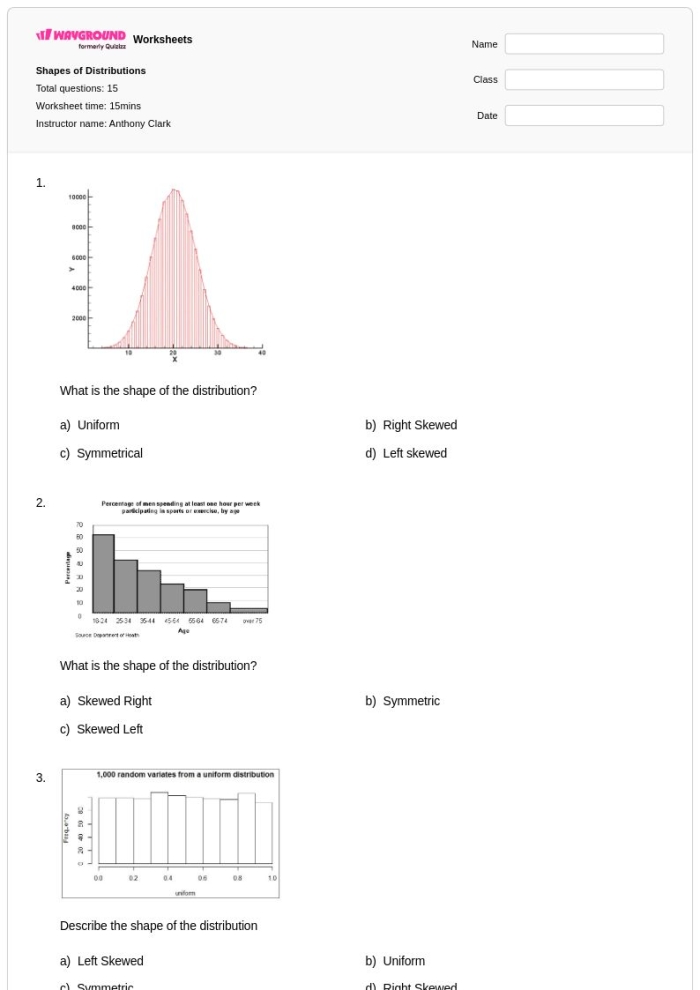
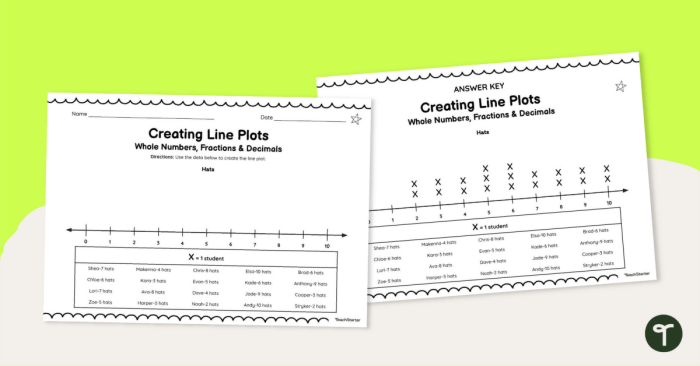
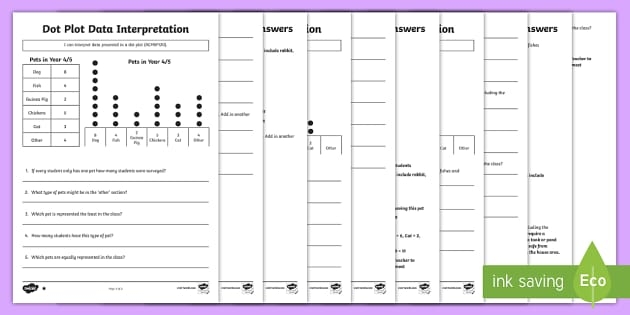
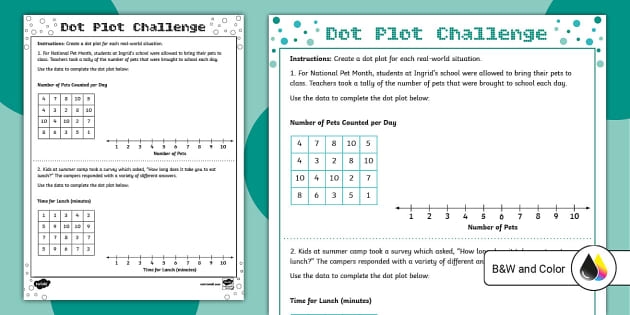
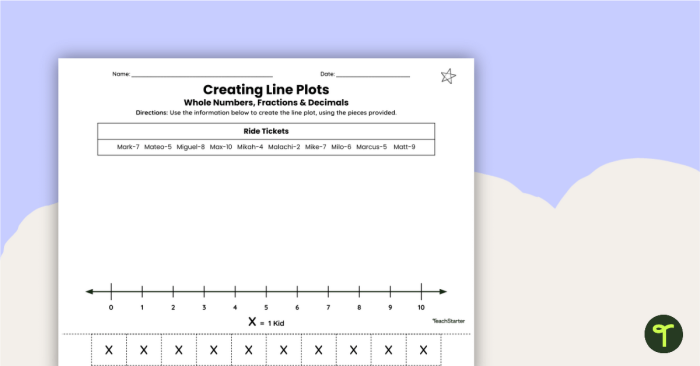
A dot plot displays individual data points as dots arranged along a number line. Each dot represents one observation, making it easy for students to count occurrences and compare frequencies at a glance. This visual simplicity masks a deeper skill: recognizing distribution patterns. Students begin to notice whether data bunches toward the center, skews to one side, or spreads evenly across the range. These observations form the foundation for more advanced statistical thinking.
The practical applications extend beyond the classroom. When sixth graders work with dot plots showing real scenarios, like the number of hours students spend on homework or the time required to complete a task, they connect abstract math to their own experiences. This relevance keeps engagement high and makes the learning stick.
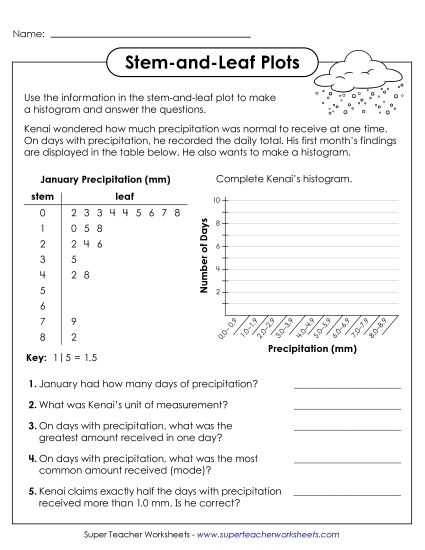
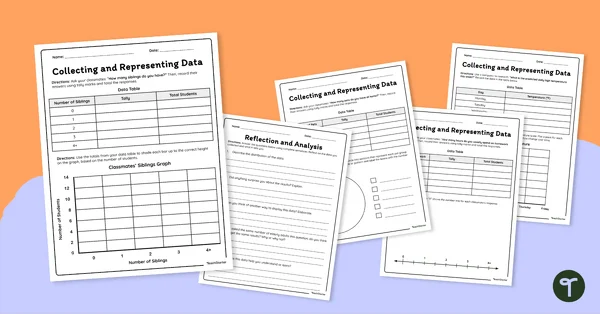
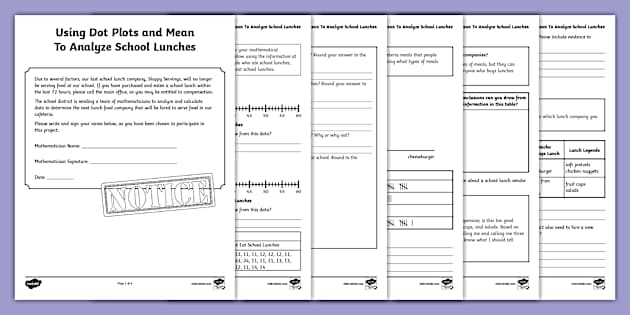
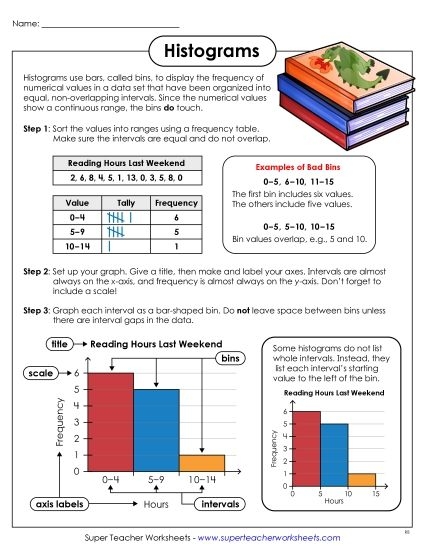
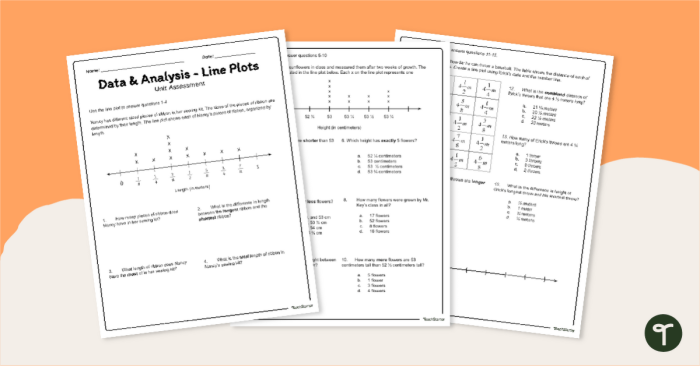
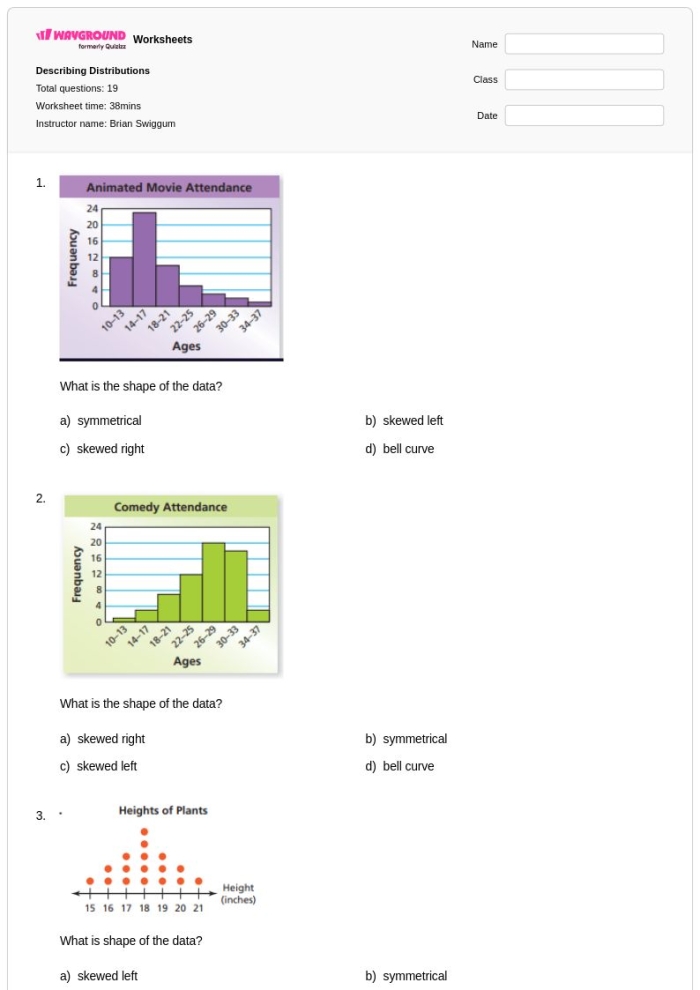
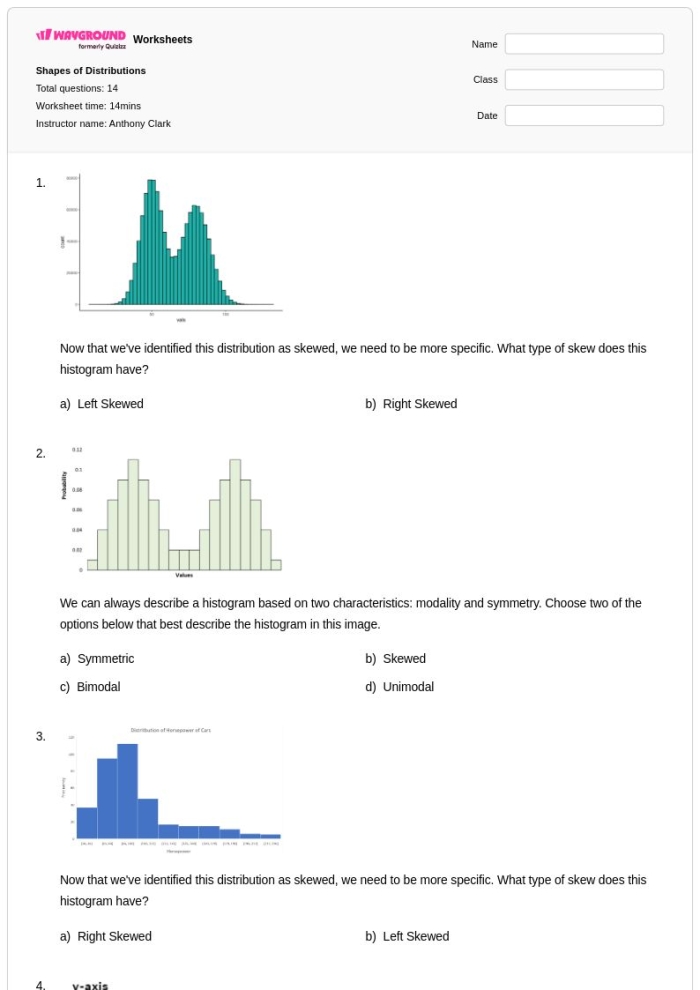
Working through printable describing distributions in dot plots worksheets helps students develop the language to discuss what they see. They learn terms like center, spread, and range, which allow them to articulate observations with precision. Pairing these worksheets with other sixth-grade materials, such as activities on equivalent expressions, reinforces how different mathematical concepts support each other.
The beauty of dot plots lies in their accessibility. Unlike more complex statistical representations, students can create and interpret them with minimal tools and maximum clarity, making them an ideal starting point for exploring distributions.
Grab These Worksheets Now