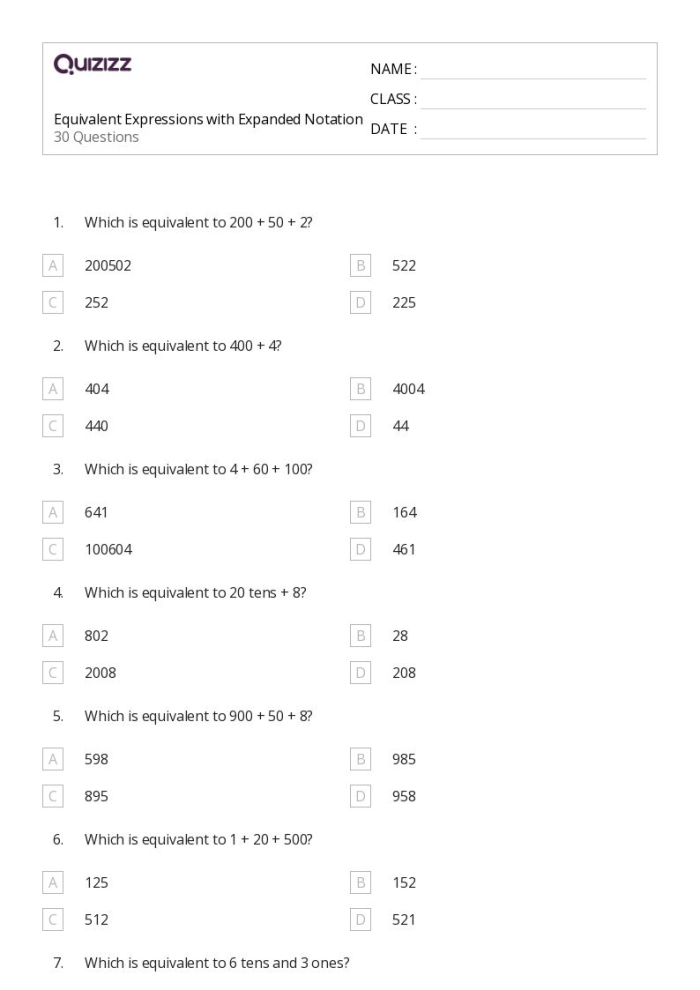
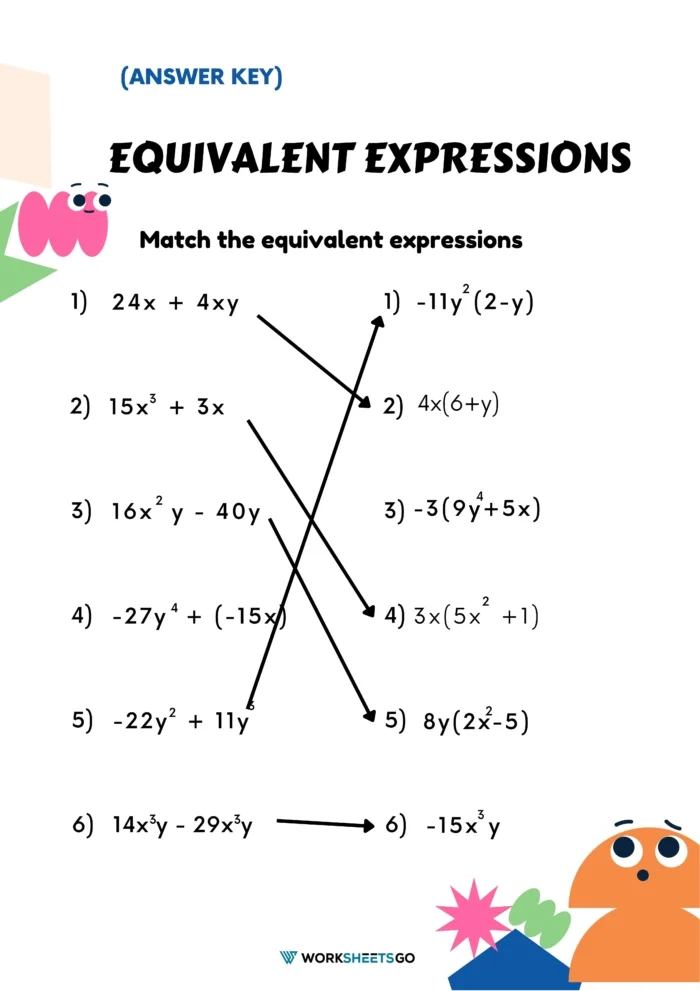
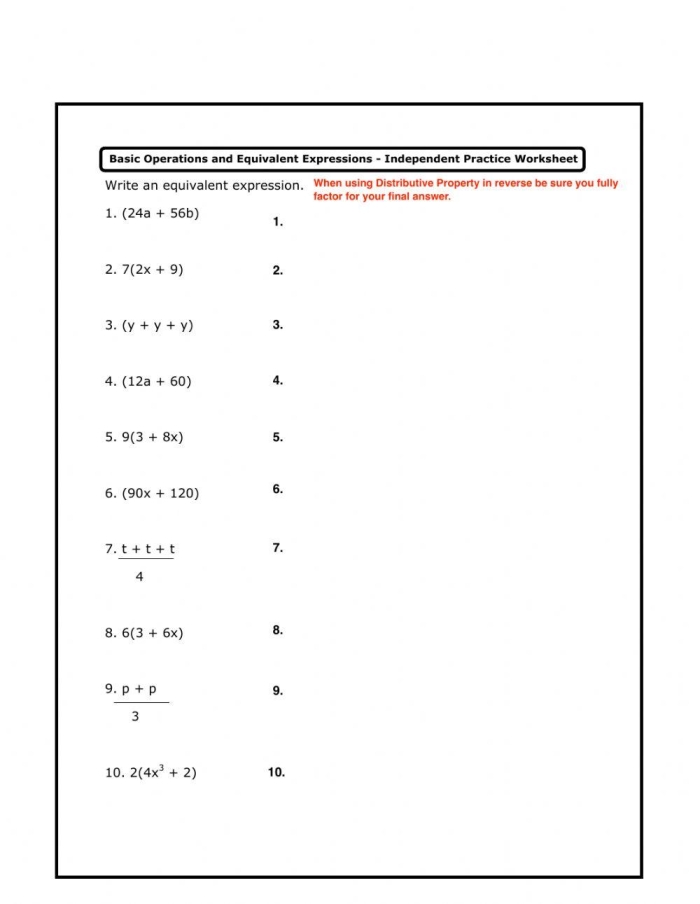
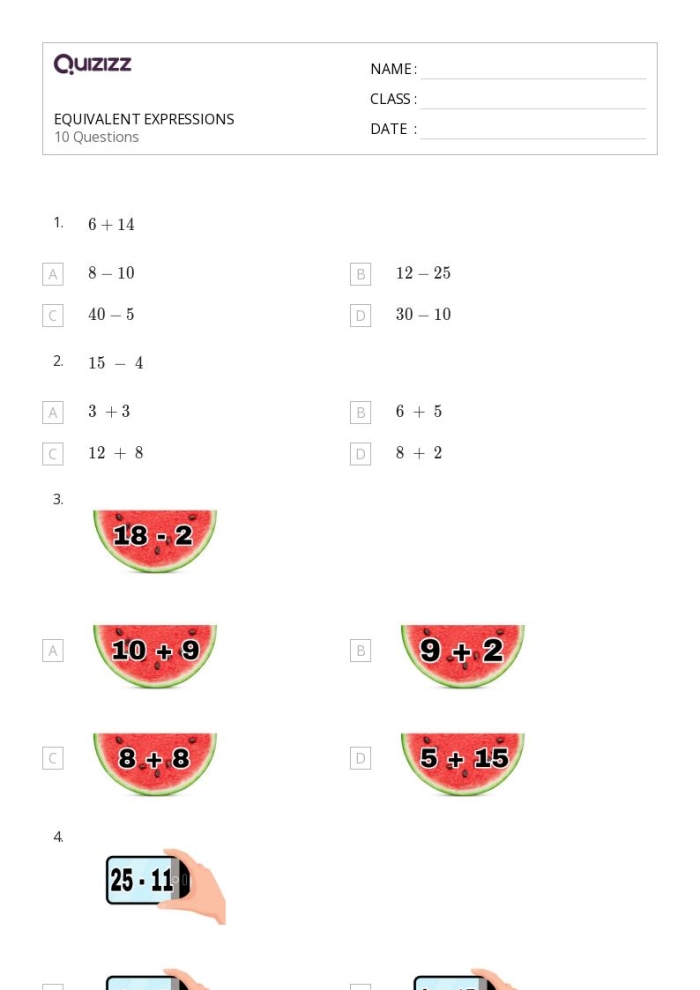
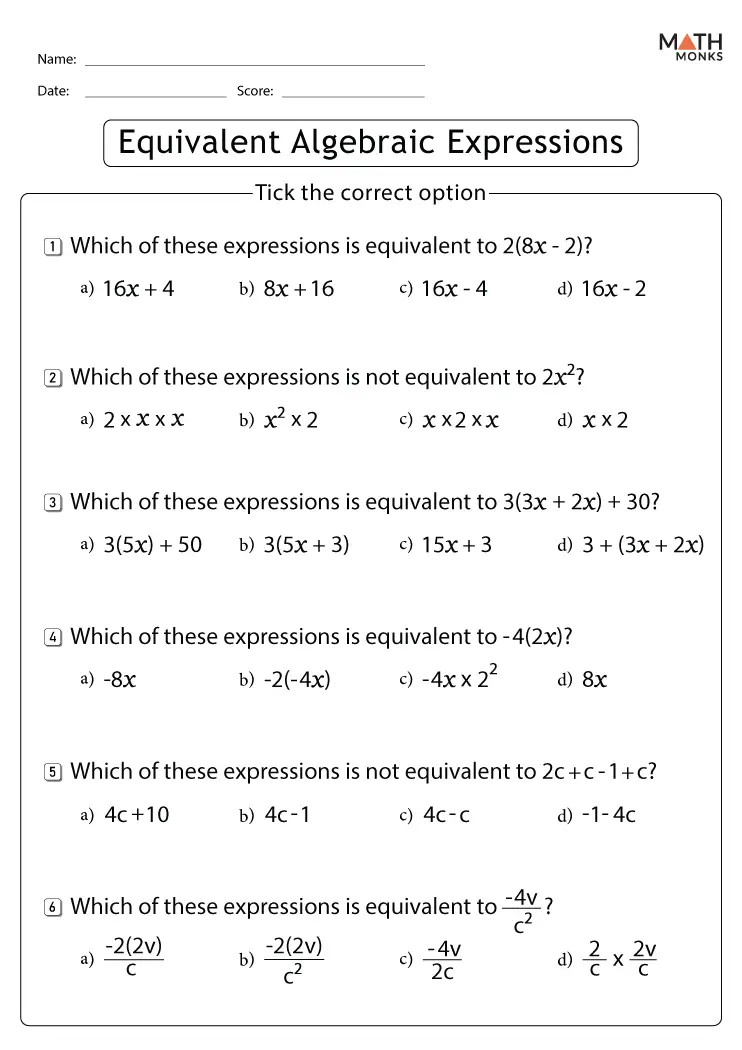
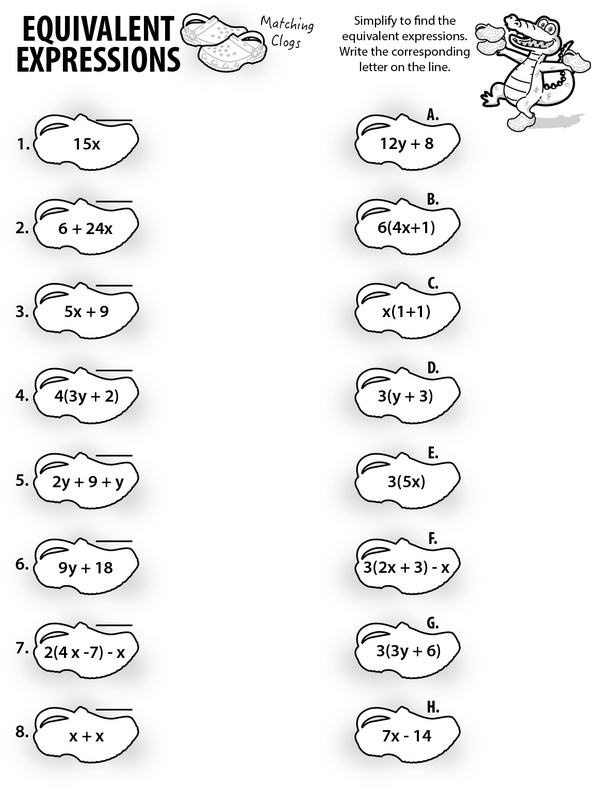
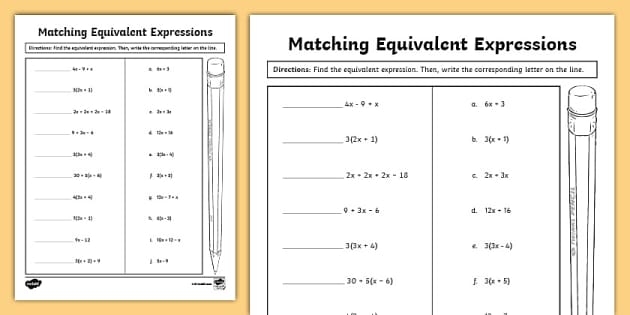
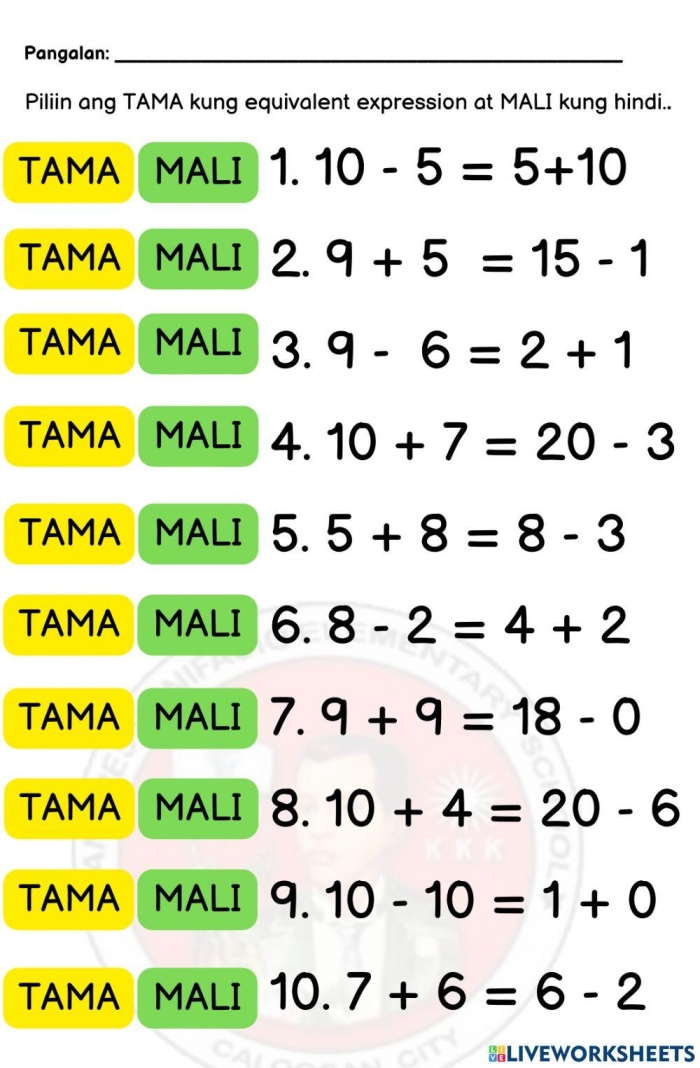
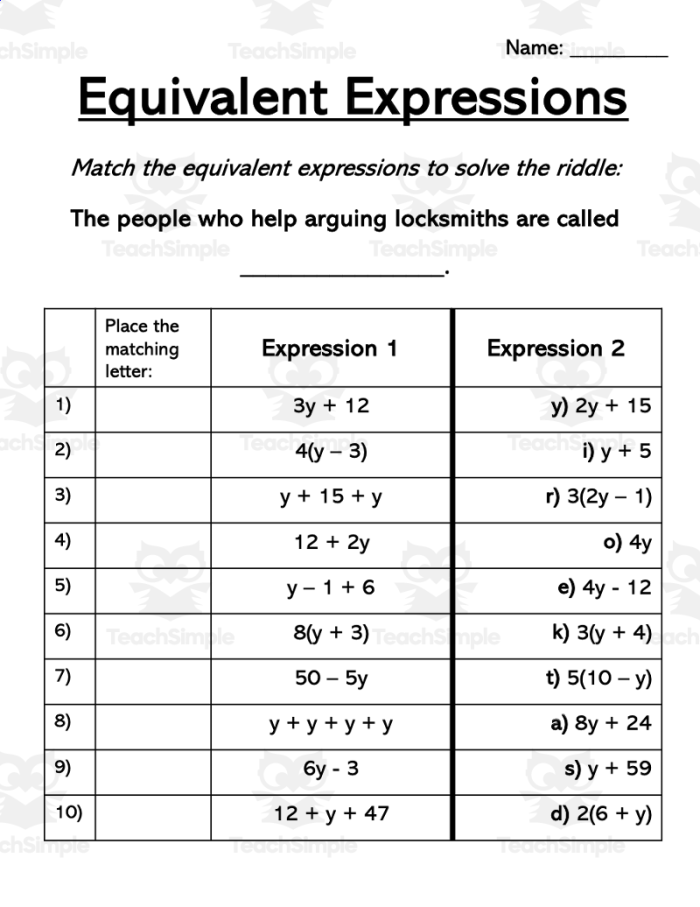
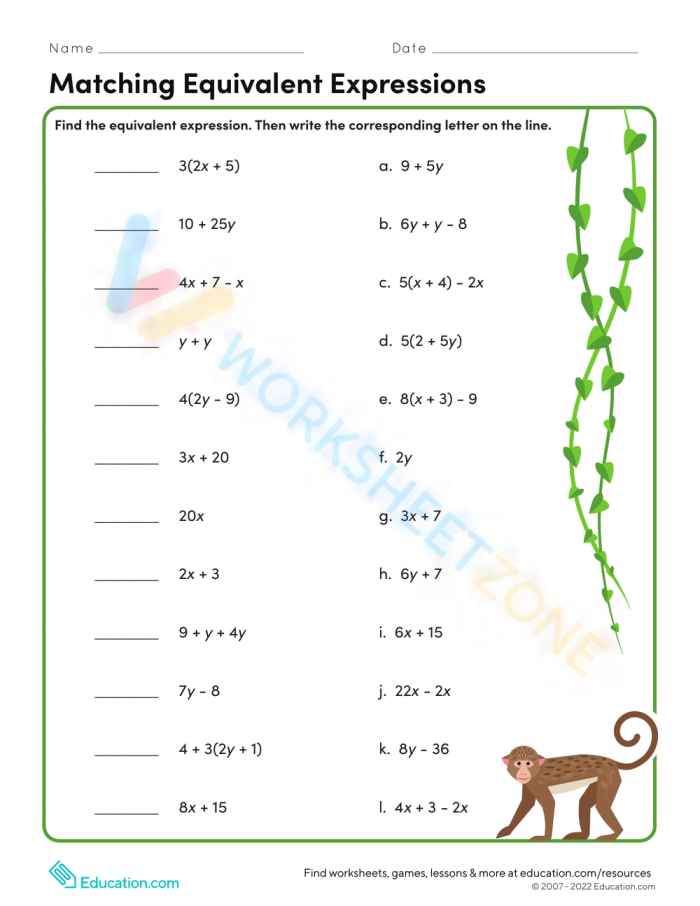
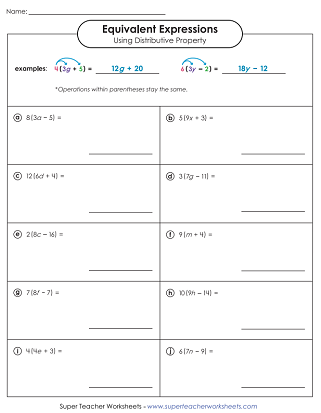
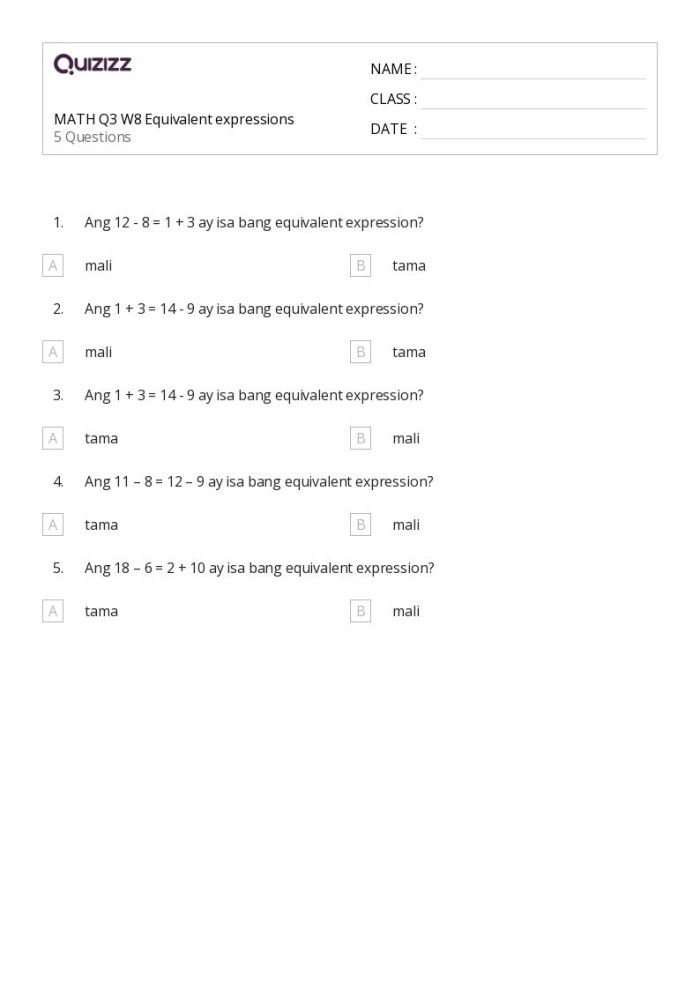
Matching activities give students a direct way to build confidence with equivalent expressions, and sixth grade is exactly when this skill clicks into place. Rather than working through abstract problems on paper, learners see expressions side by side and make real connections between different forms of the same value.
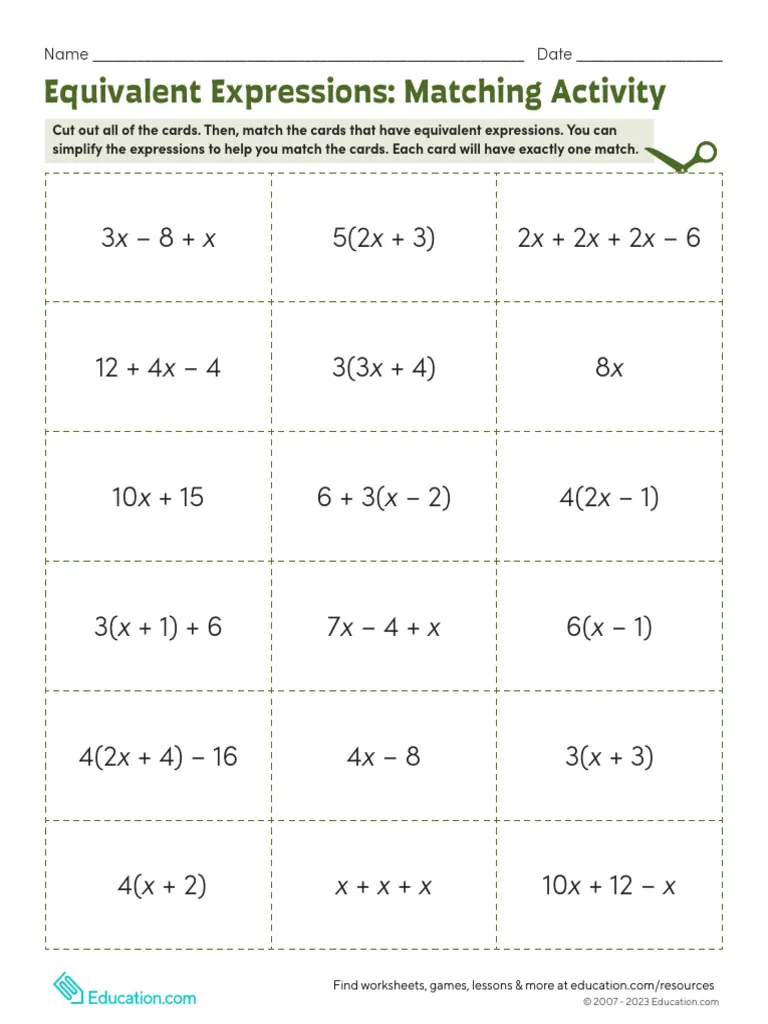
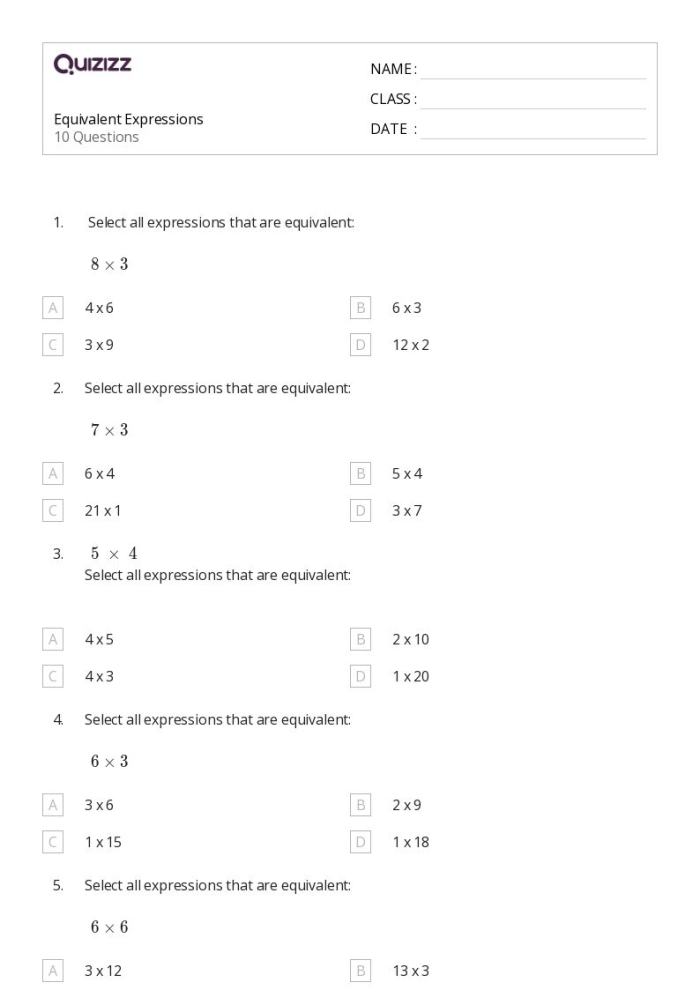
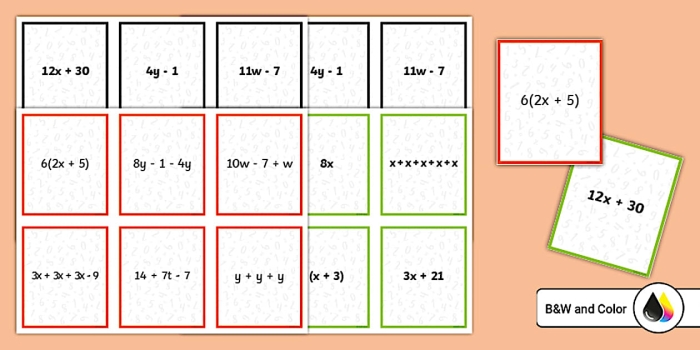
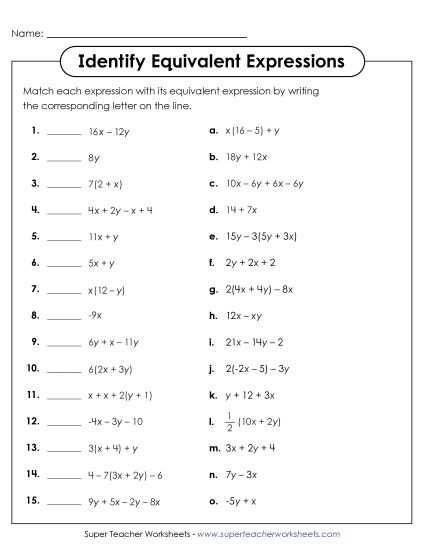
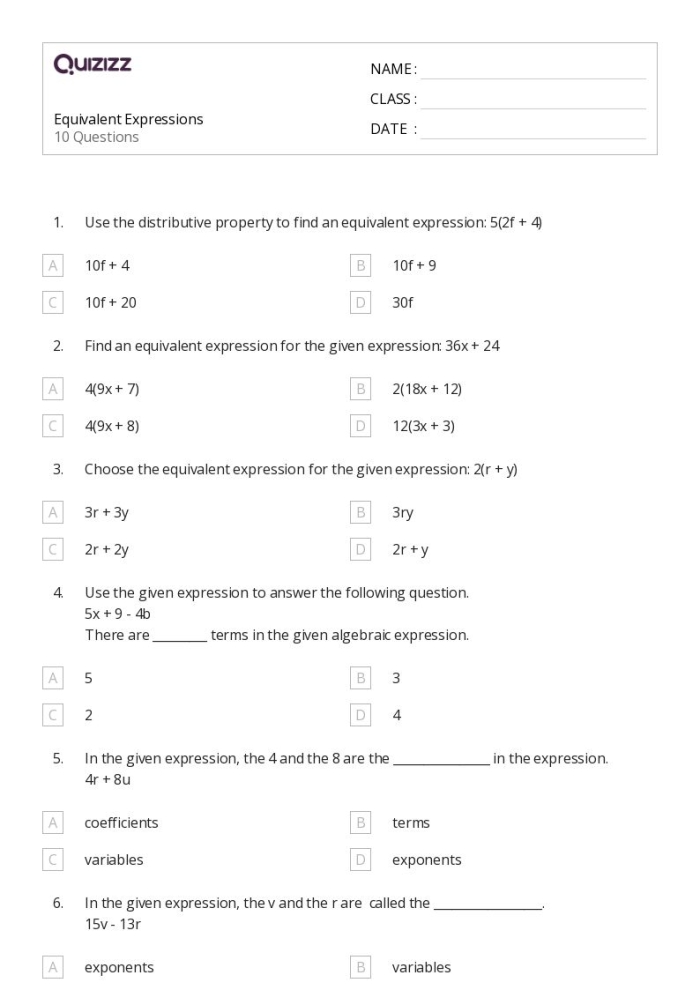
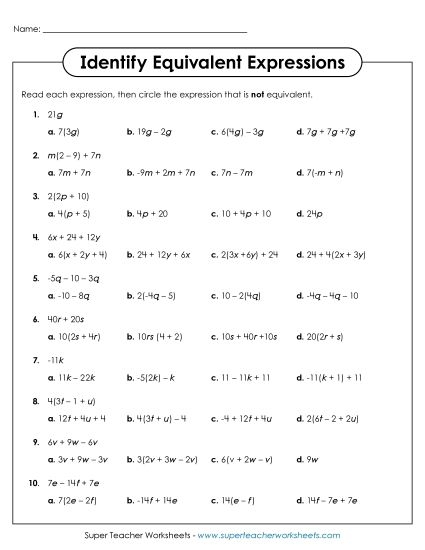
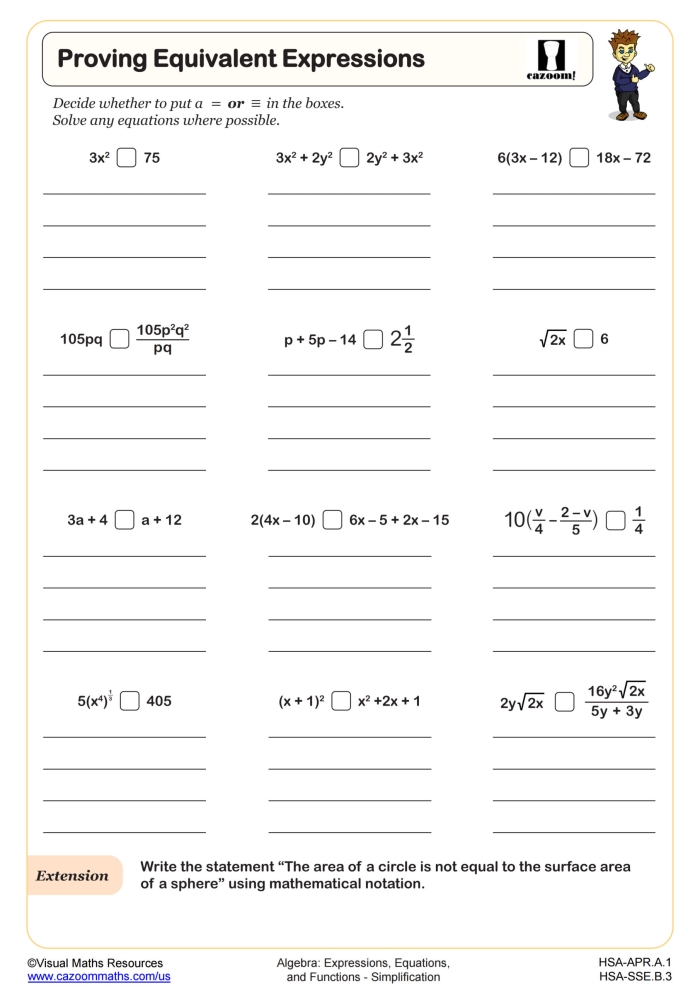
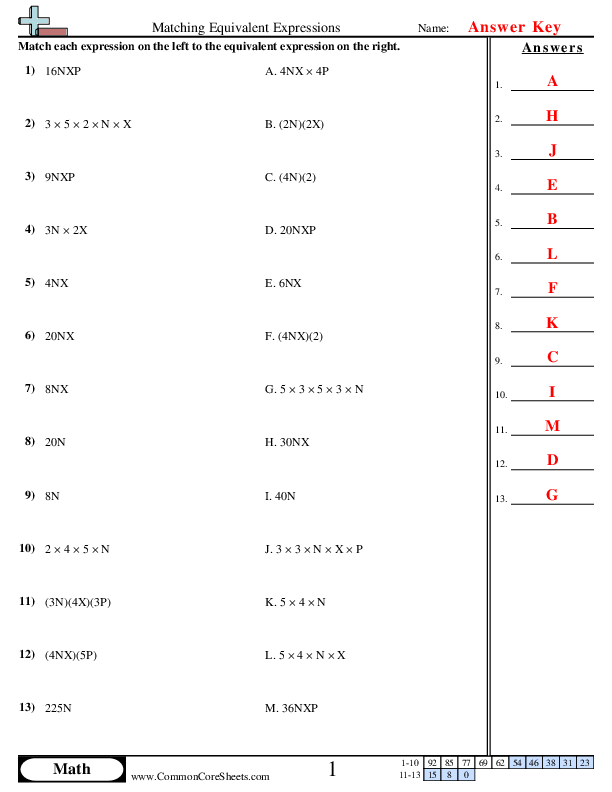
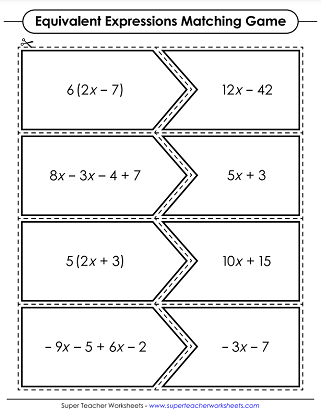
The core idea is straightforward: students pair expressions that equal each other, even when they look different at first glance. For example, 3(x + 2) matches with 3x + 6. The visual layout forces them to think critically about what makes expressions equivalent, pushing beyond memorized rules into genuine understanding. This hands-on approach works particularly well in sixth grade math, when students are still building their algebraic foundations.
One practical benefit is that matching activities reduce anxiety. Instead of staring at a blank page waiting for inspiration, students work with concrete options. They can eliminate wrong answers, test their reasoning, and self-correct without the pressure of generating responses from scratch. This format also works well for reviewing time and money concepts, where students apply equivalent expressions to real-world scenarios like calculating change or comparing prices.
When you structure these activities with varied difficulty levels, they serve multiple learners in the same classroom. Some cards might use simple numeric expressions, while others incorporate variables or require knowledge of operations with exponents. If your students have worked through materials on functions and relationships or practiced coordinate plane transformations, they already have the foundation to handle more complex matching scenarios.
The beauty of this activity lies in its simplicity and flexibility. You can print cards, display them on a board, or use them digitally. Students work individually or in pairs, spending time with material that might otherwise feel repetitive. They leave with stronger pattern recognition skills and genuine confidence in their ability to recognize equivalent forms.
Start Practicing with These Worksheets