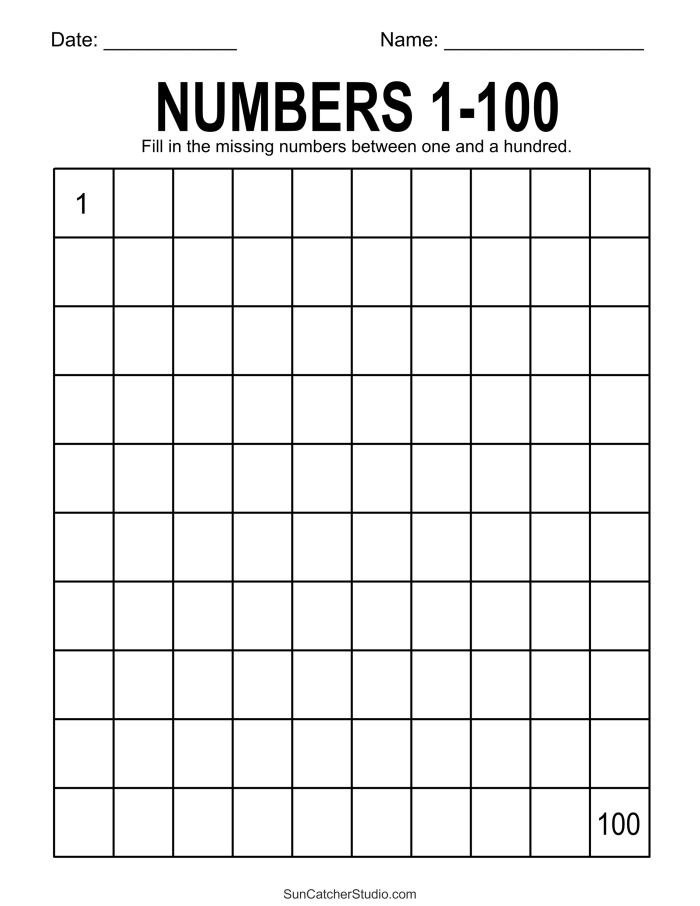
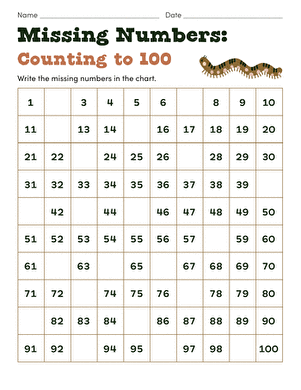
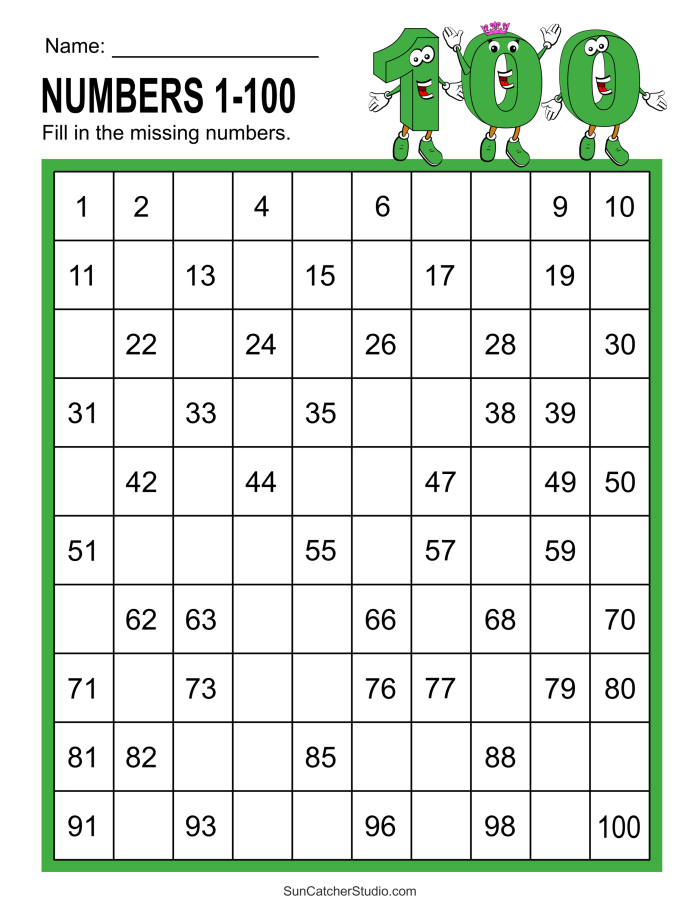
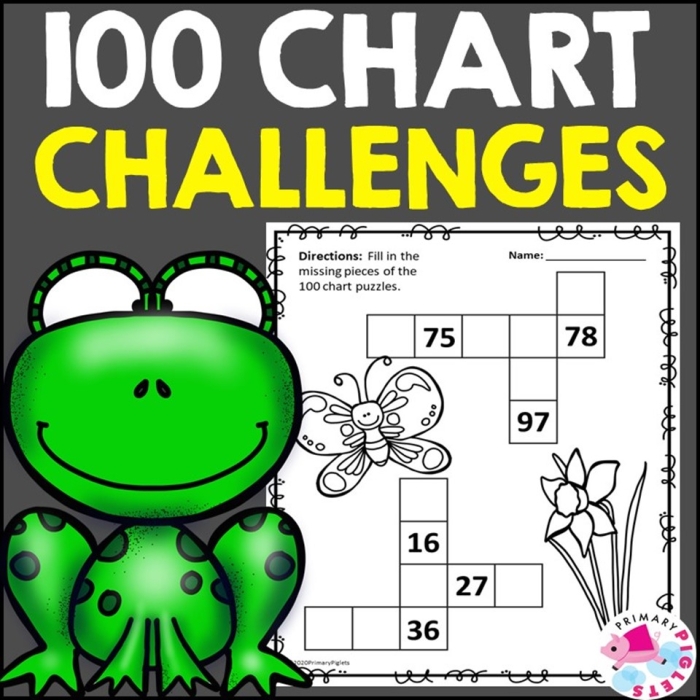
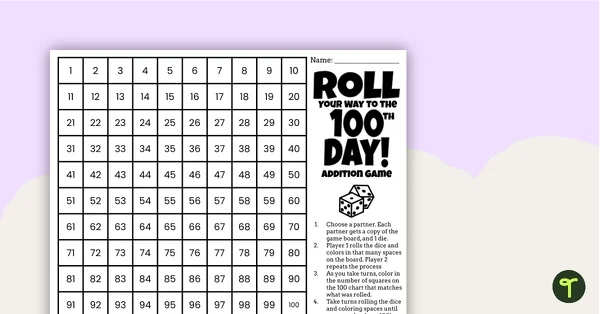
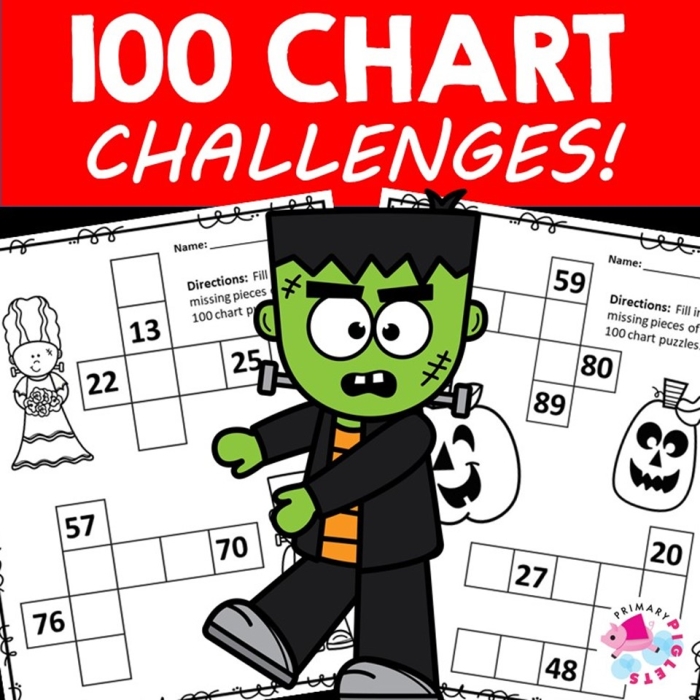
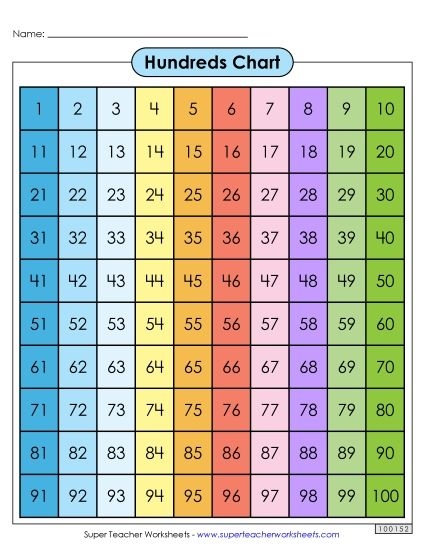
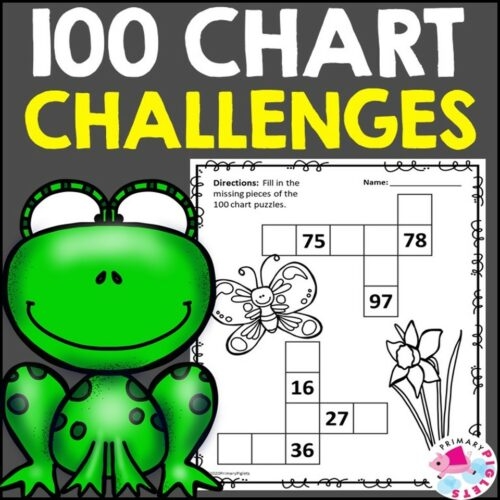
Once your first grader can count to 100 and recognize number patterns, the hundreds chart becomes their playground. If your child has already mastered reading across rows and identifying sequences, it’s time to push them further with fill-in-the-blank challenges that require real thinking rather than just recitation.
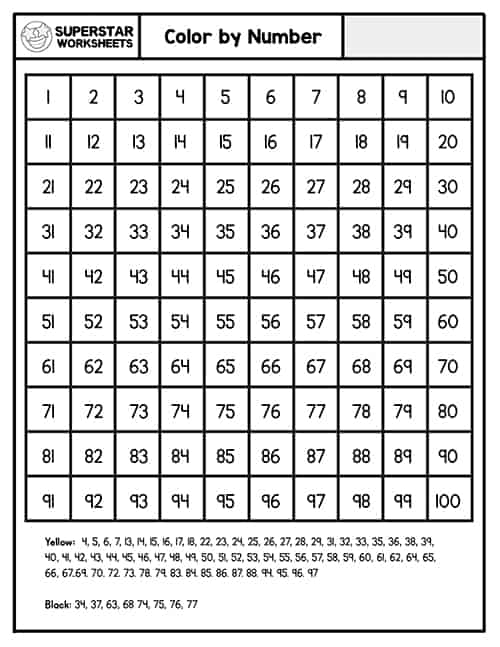
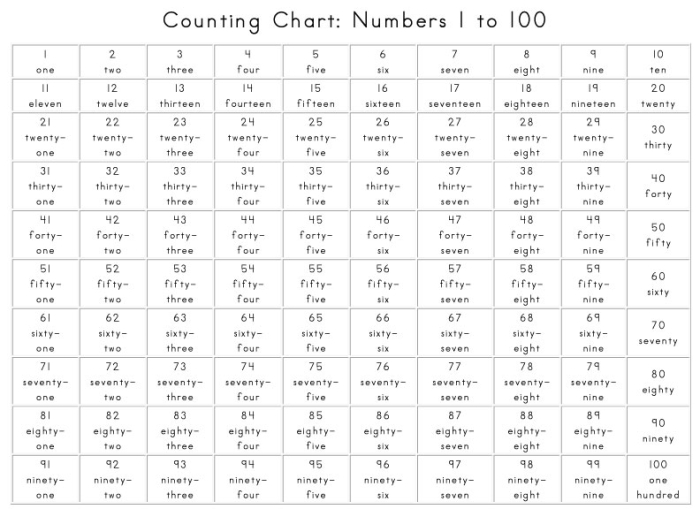
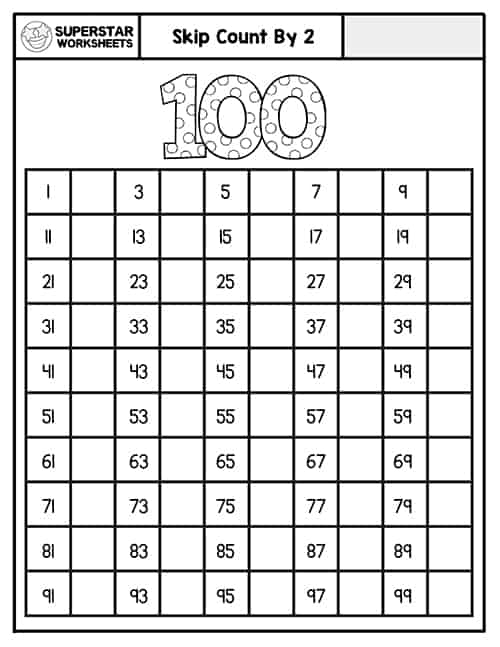
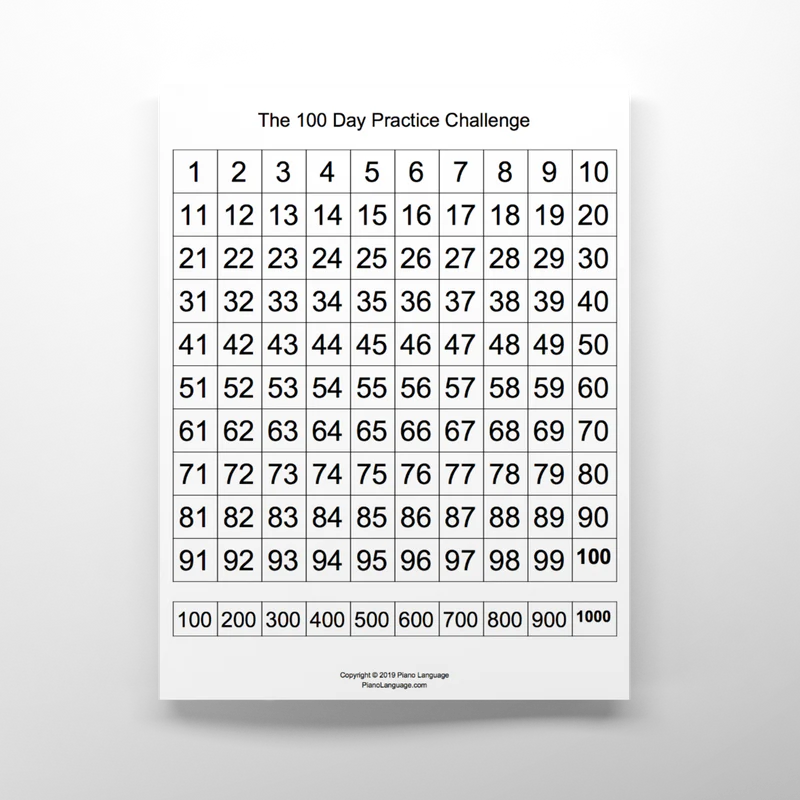
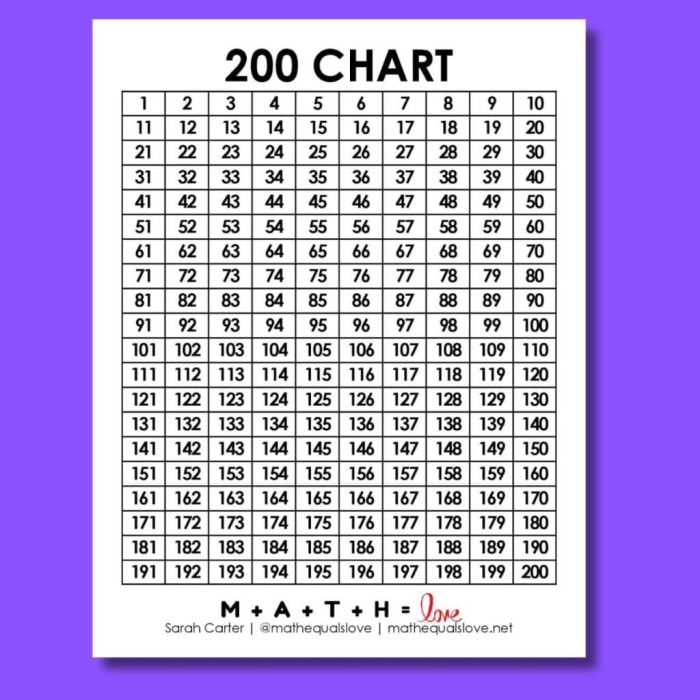
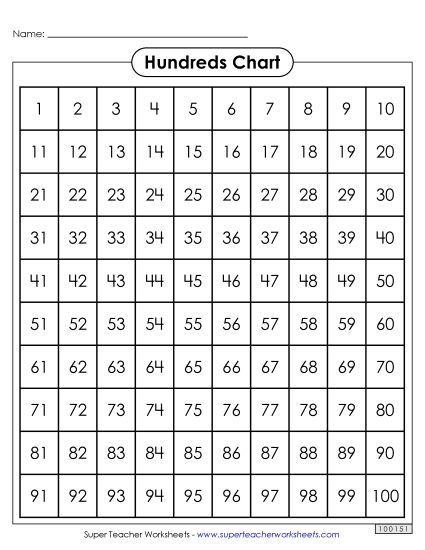
The beauty of a hundreds chart lies in its structure. Numbers increase by one as you move right and by ten as you move down. When you remove certain numbers and ask children to fill them in, you’re asking them to understand these patterns at a deeper level. A child who simply memorizes might struggle here, but one who truly grasps the logic will thrive.
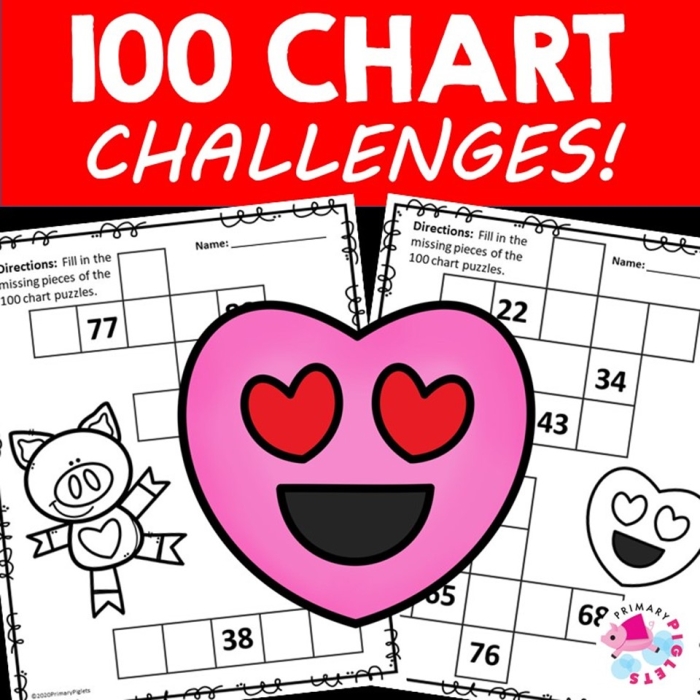
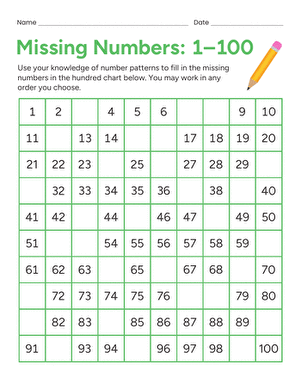
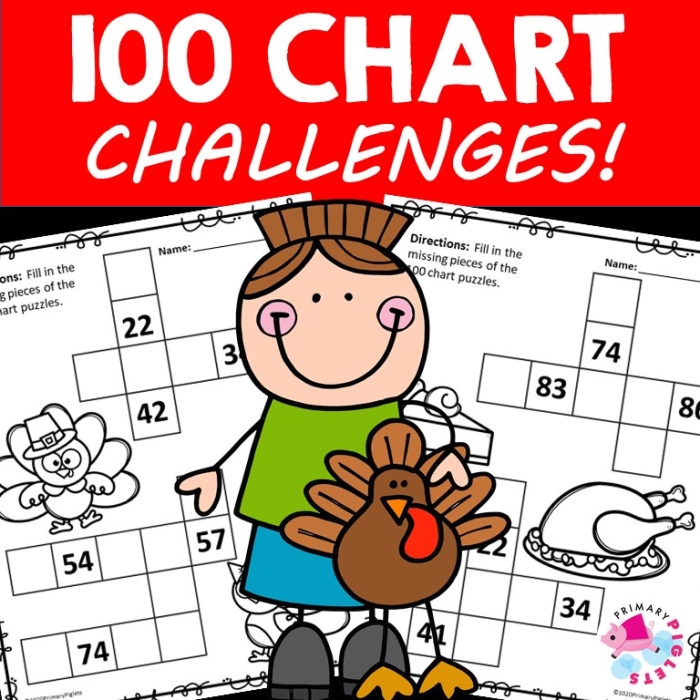
These worksheets work best when you start small. Remove a few numbers from the first row or column, let your child fill those in, then gradually increase the difficulty. By removing numbers scattered throughout the chart, you’re forcing them to think about what comes before and after, what sits above and below. This builds number sense that goes far beyond the hundreds chart itself.
The cognitive benefits extend into other areas of learning too. When children work with place value activities focused on ones and tens, they’re reinforcing the same foundational concepts. Many first grade math programs layer these skills together intentionally.
You can make these challenges even more engaging by pairing them with other activities. After completing a hundreds chart worksheet, try having your child work with measurement through connect-the-dots activities to give their brain a different kind of challenge.
Keep a stack of these fill-in-the-blank charts ready for when your child needs a quick math task. The repetition builds automaticity with numbers while the puzzle element keeps things interesting.
Worksheet Practice Section