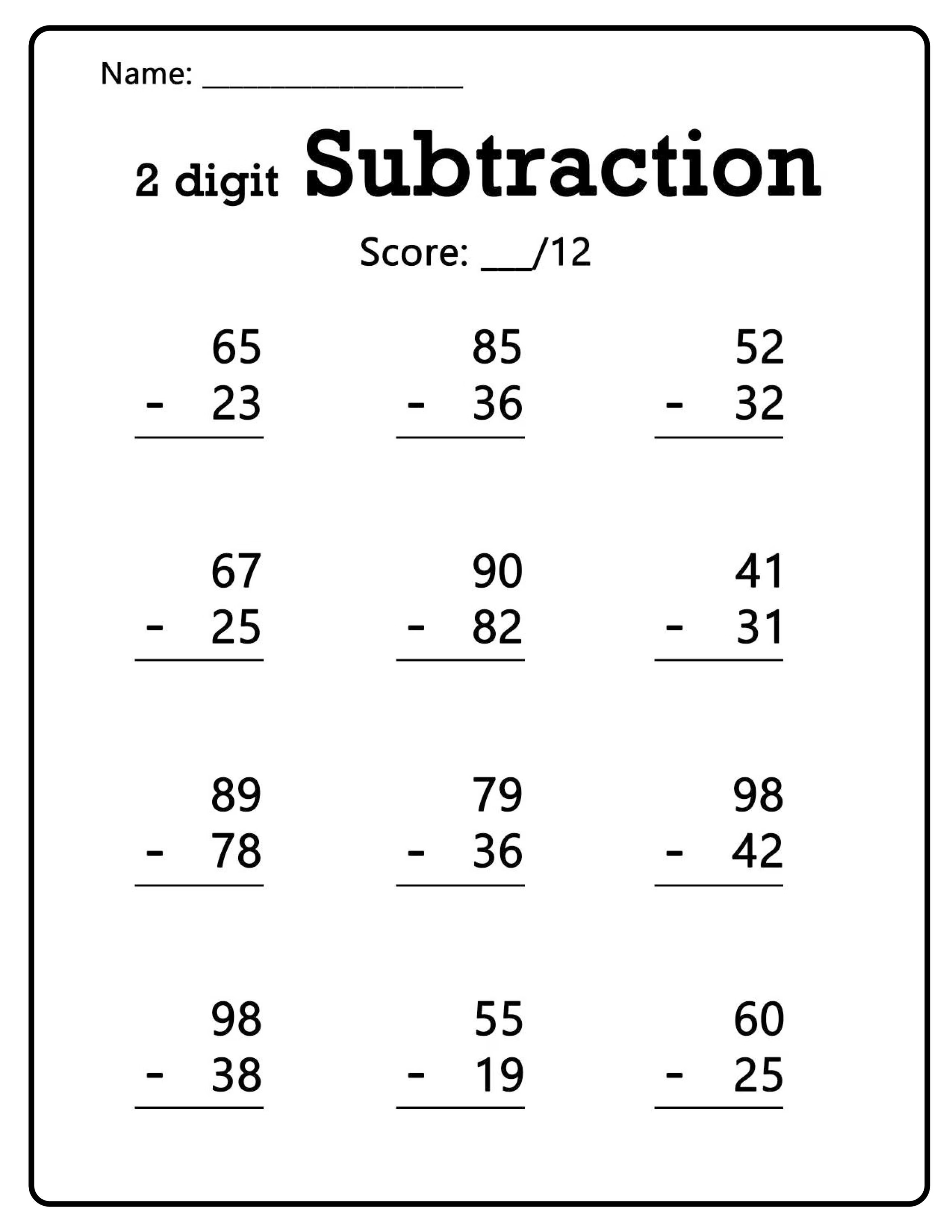
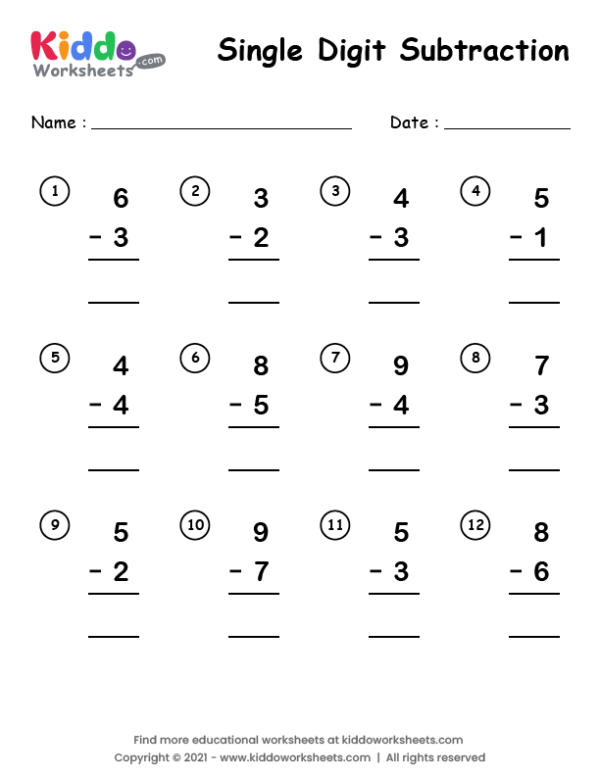
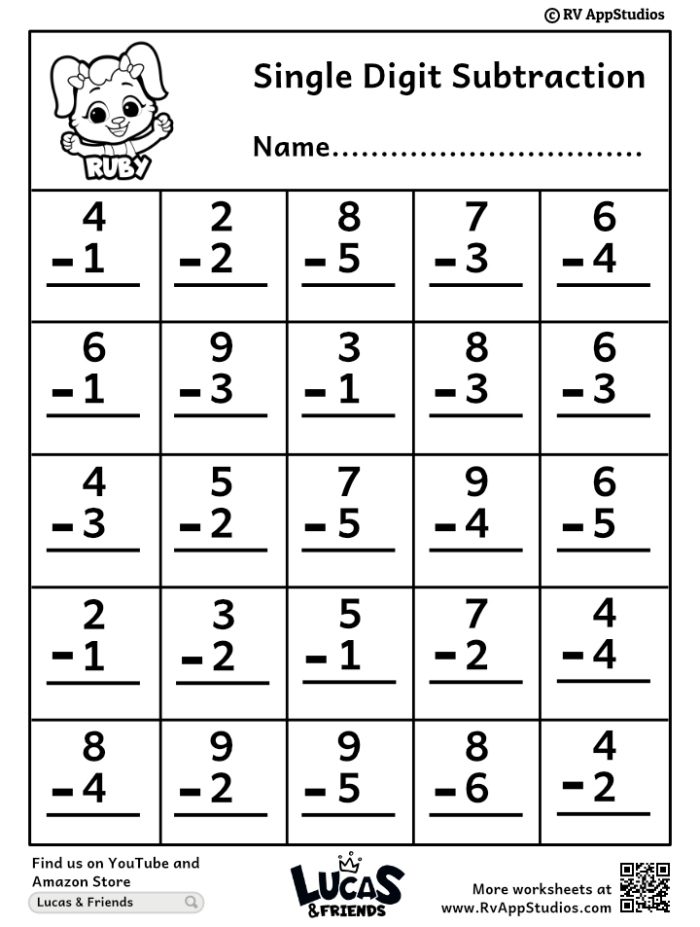
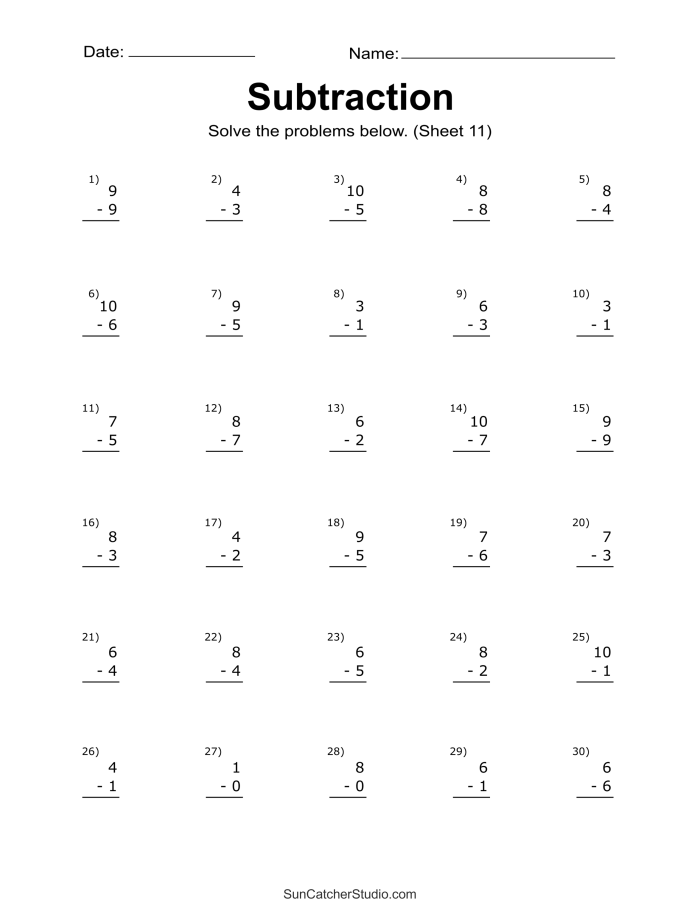
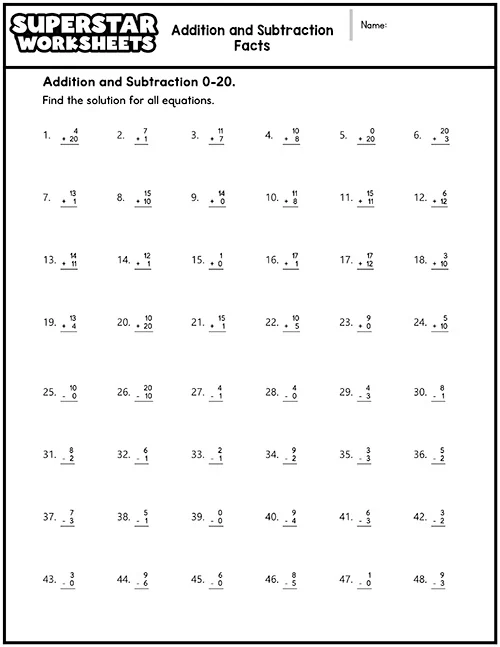
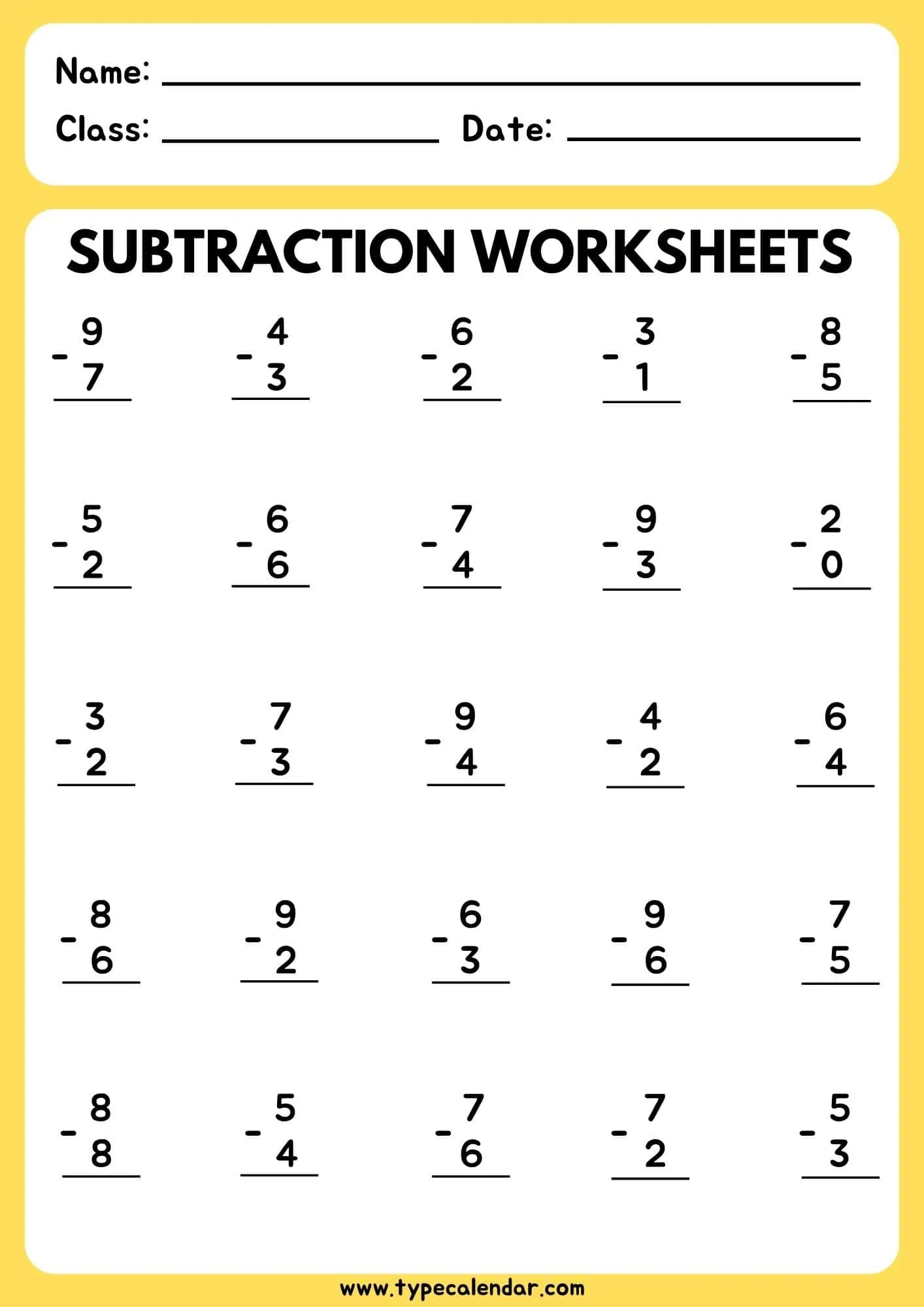
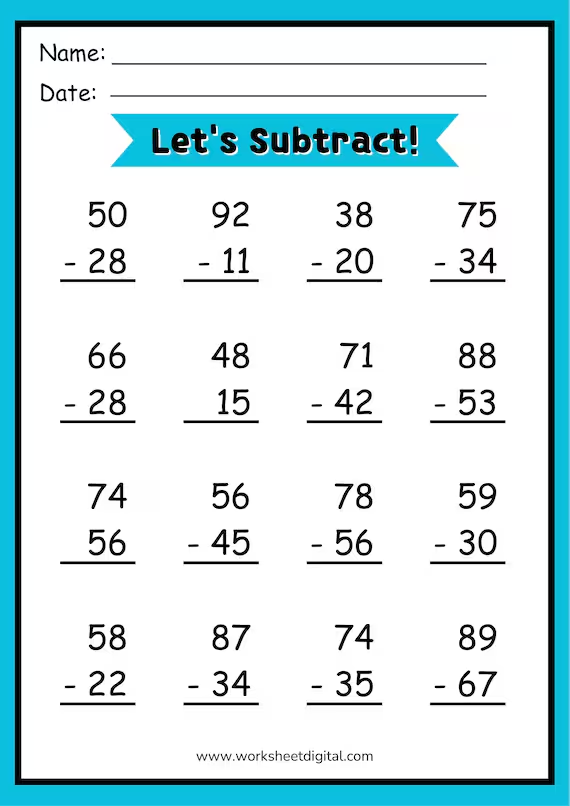
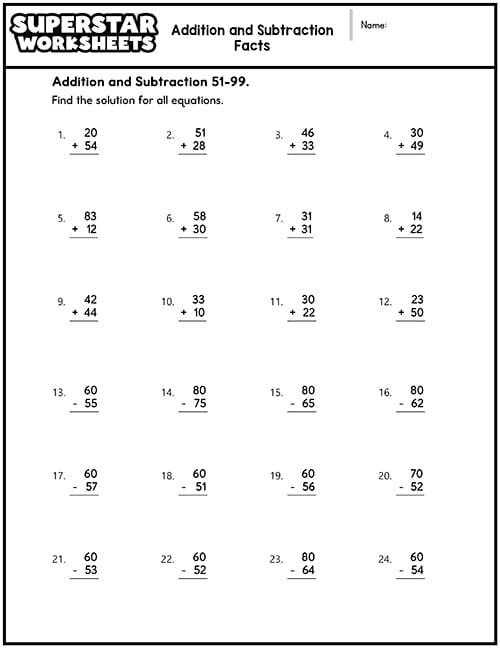
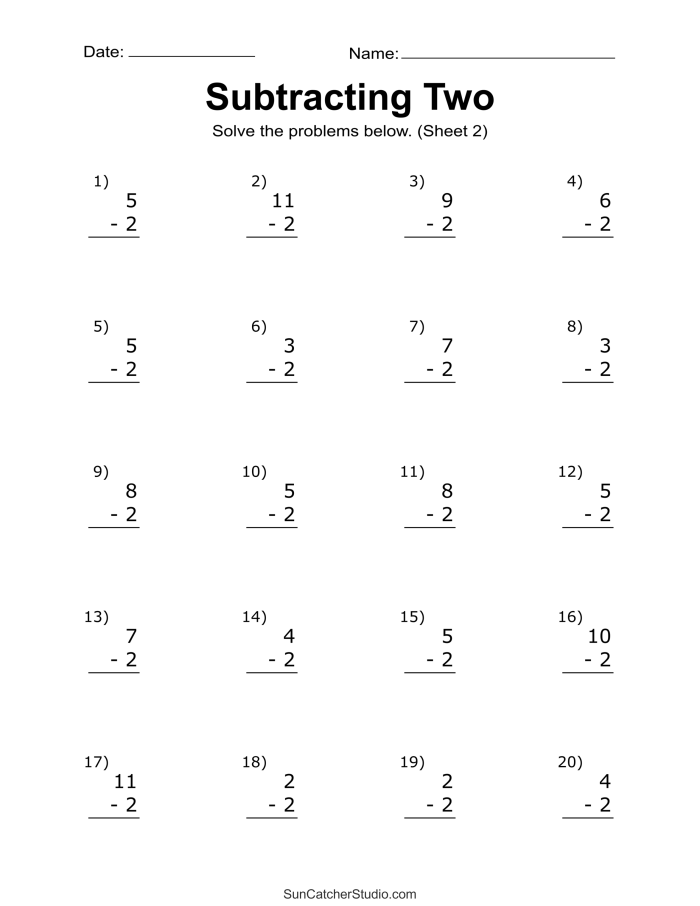
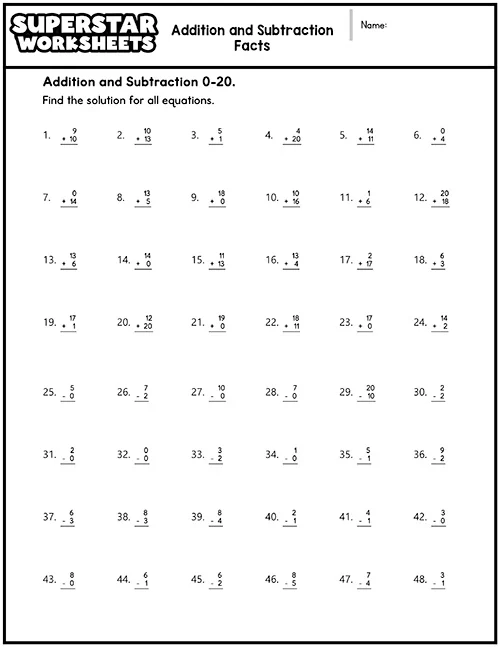
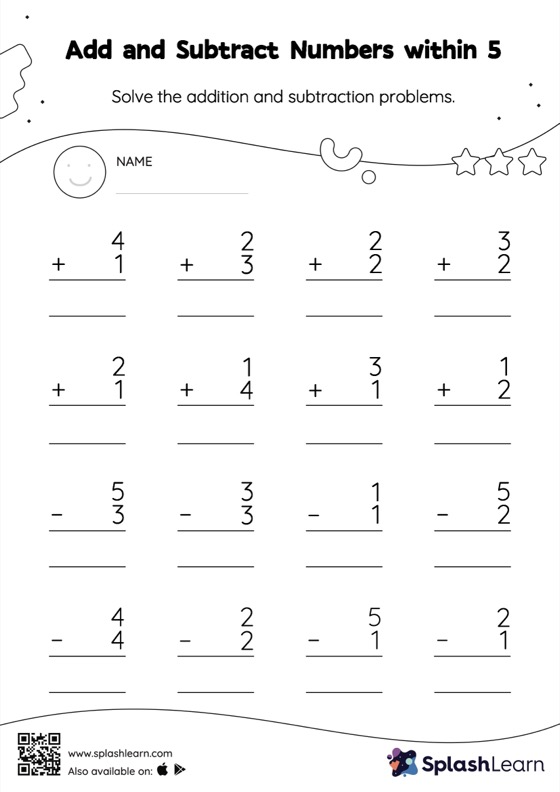
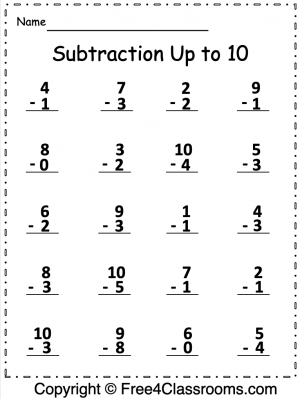
Single-digit subtraction is where most first graders begin their journey into taking away and understanding what remains. This skill forms the foundation for all future math work, and a solid worksheet can make the difference between a child who grasps the concept and one who struggles with it for months.
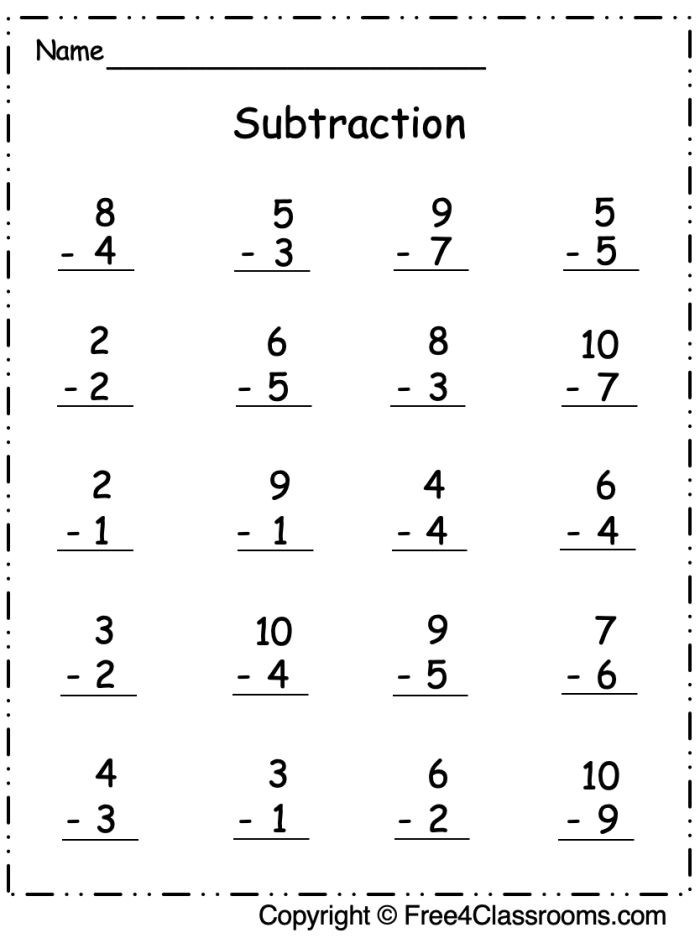
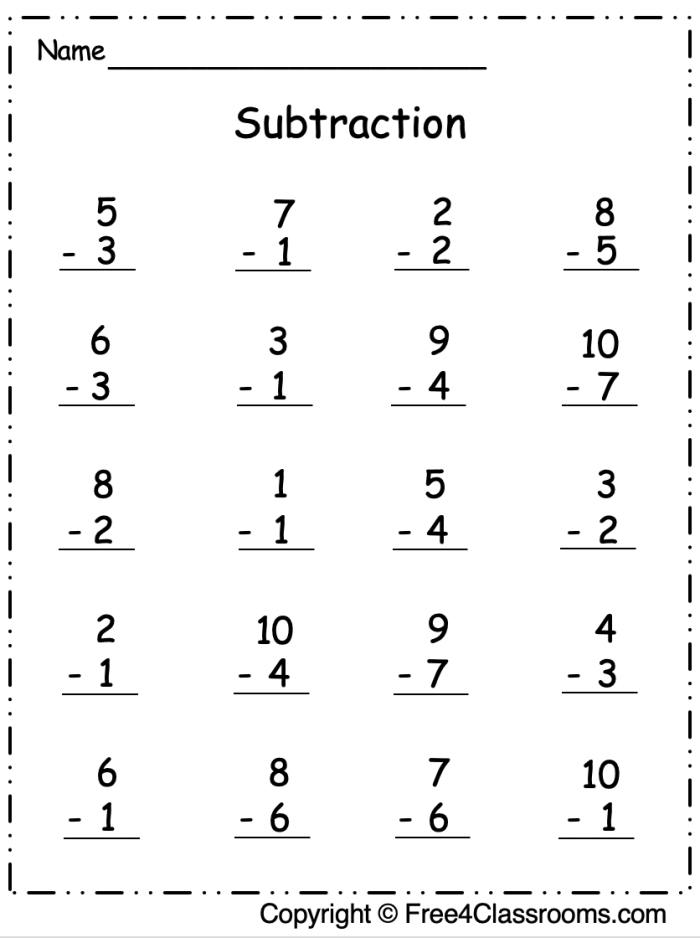
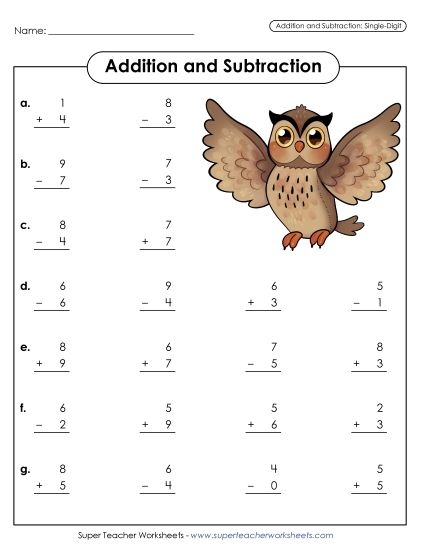
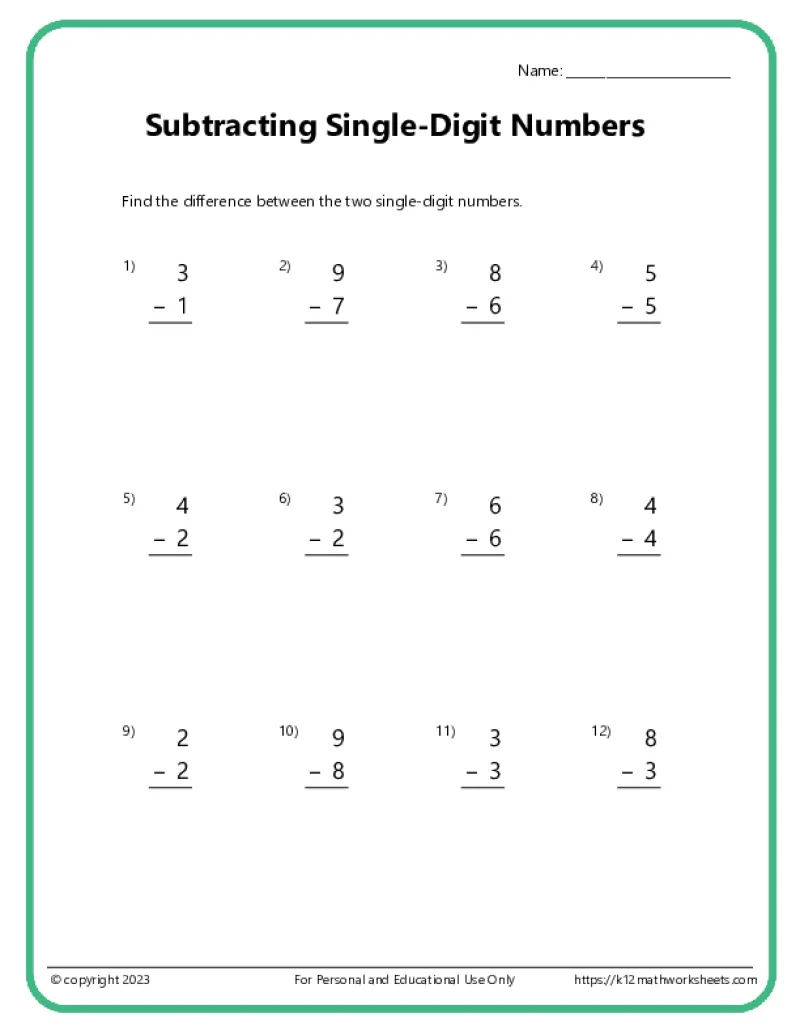
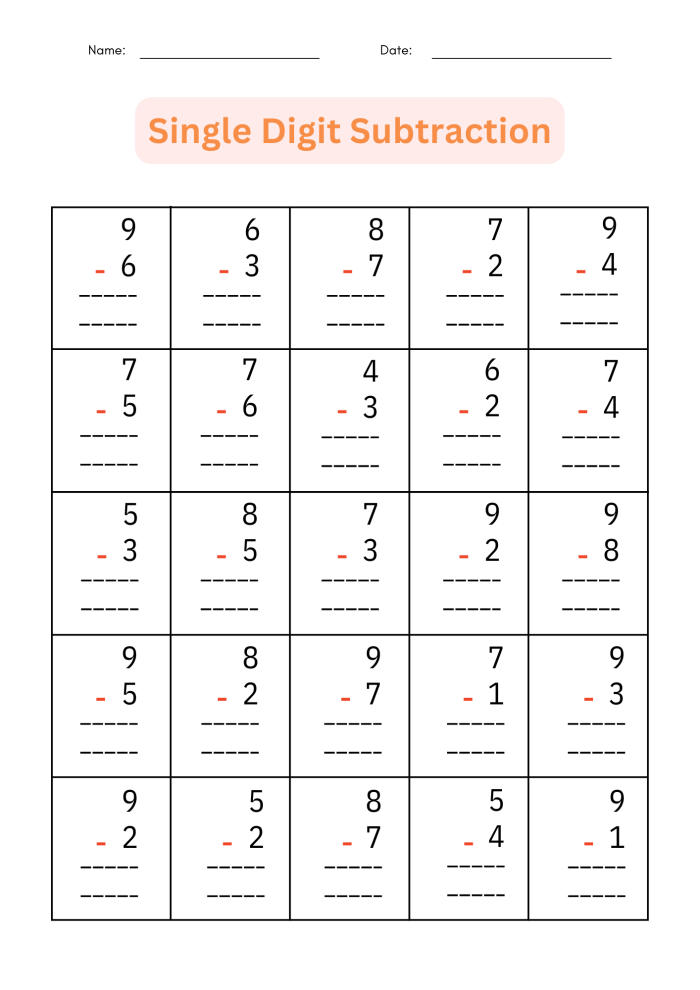
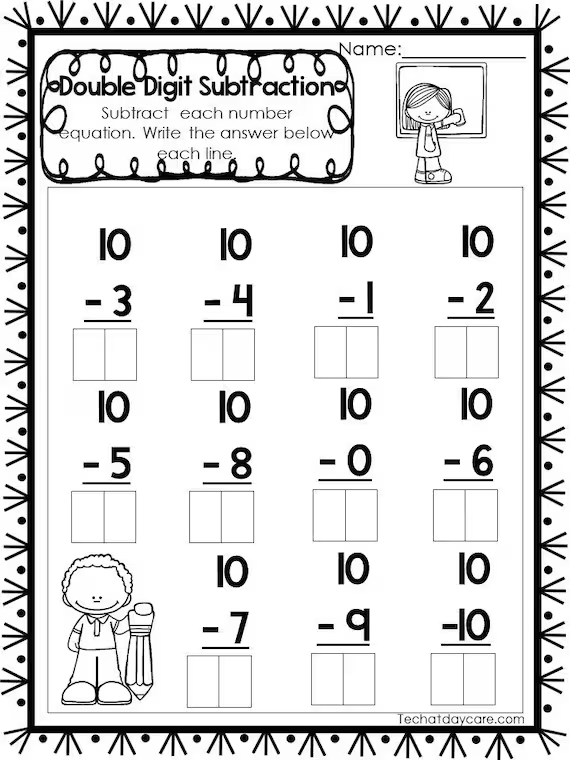
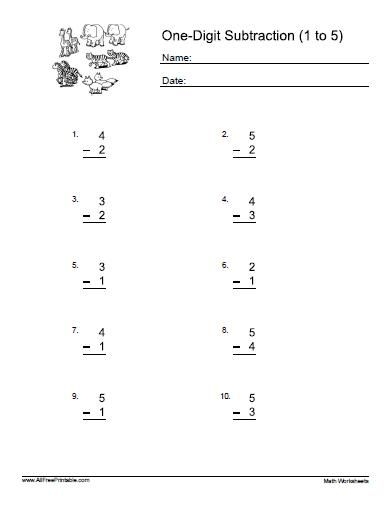
When you’re working with a first grader on subtraction, you’re essentially teaching them to visualize quantity. A worksheet that presents problems like 7 – 3 or 9 – 5 helps children see subtraction as a concrete action rather than an abstract symbol. The best worksheets use clear spacing, large numbers, and sometimes visual aids like dots or objects that can be crossed out, making the mental math feel less intimidating.
What makes single-digit subtraction different from other arithmetic skills is that children can still use their fingers or physical objects to find answers. This tactile approach is perfectly valid at this stage. A well-designed worksheet acknowledges this by leaving room for students to draw, mark, or manipulate the problems. Some first graders will work through skip counting and number theory concepts alongside subtraction, which reinforces their understanding of how numbers relate to each other.
Repetition matters with subtraction facts. A worksheet that includes the same problems in slightly different formats helps lock these facts into memory. You might see 5 – 2 presented with dots, then again with just numerals, then embedded in simple math word problems. This variety keeps practice from feeling monotonous while reinforcing the same core skill.
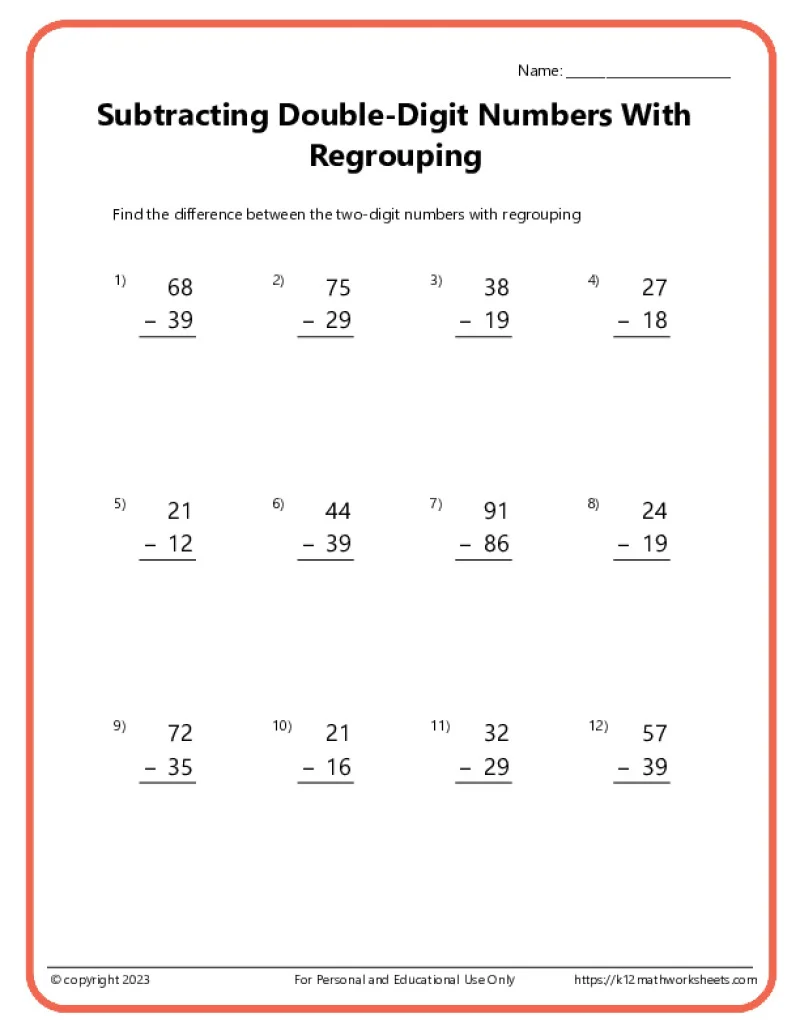
The geometry of the worksheet itself deserves attention too. Cluttered layouts overwhelm young learners, while clean designs with adequate white space help them focus. When a child can easily see where one problem ends and another begins, they’re more likely to work through the entire sheet without confusion or frustration.
Try These Printable Worksheets