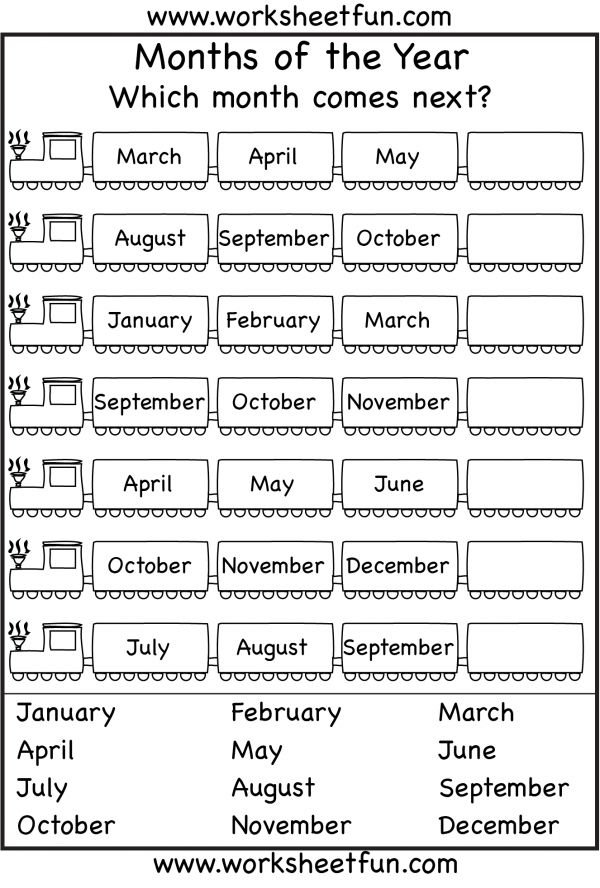
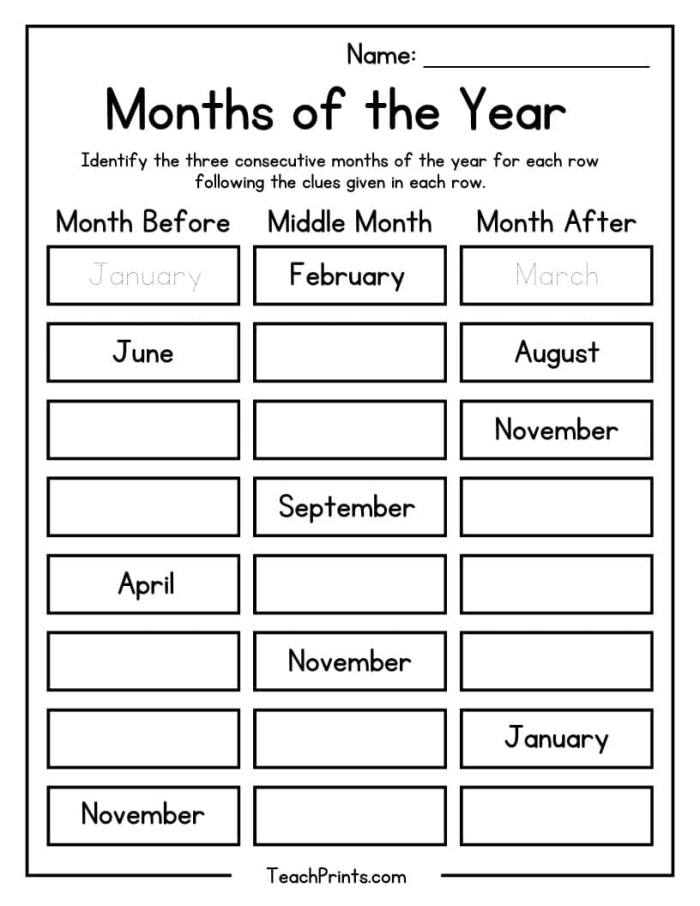
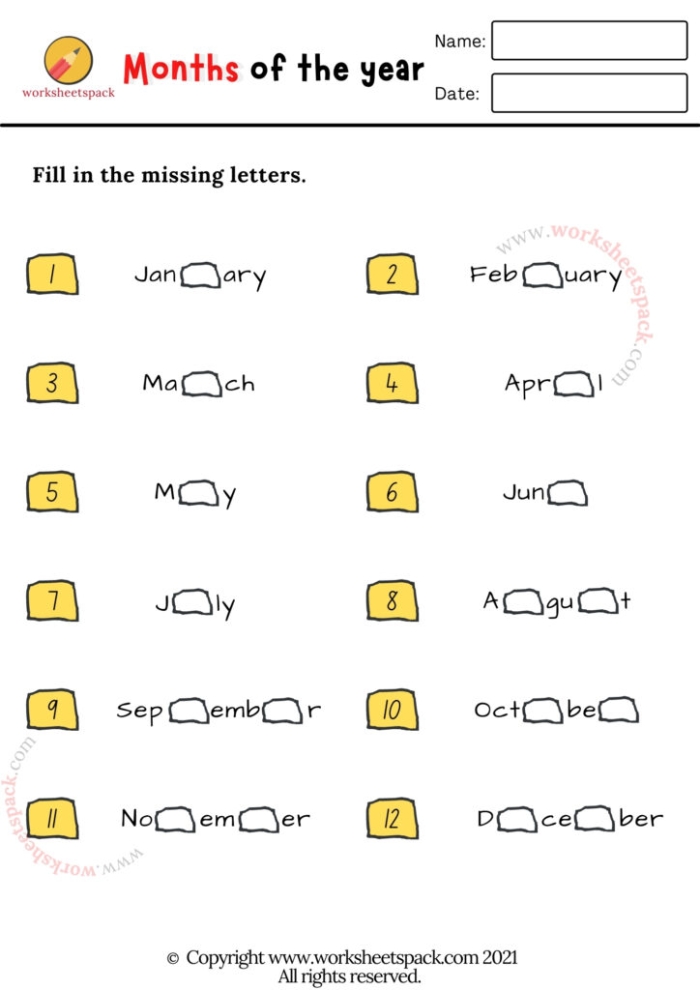
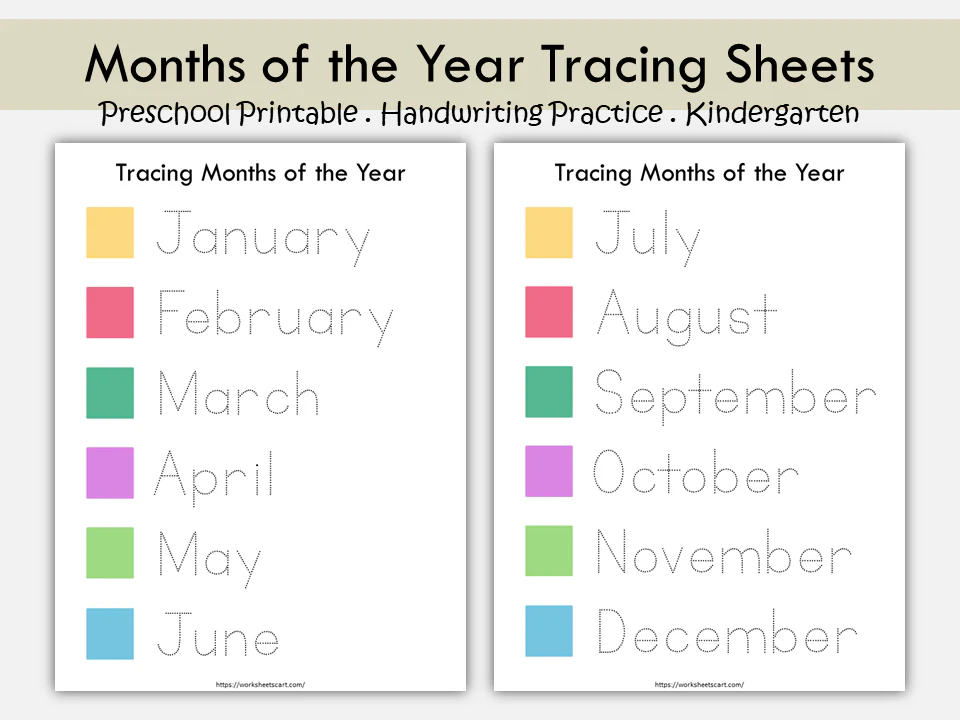
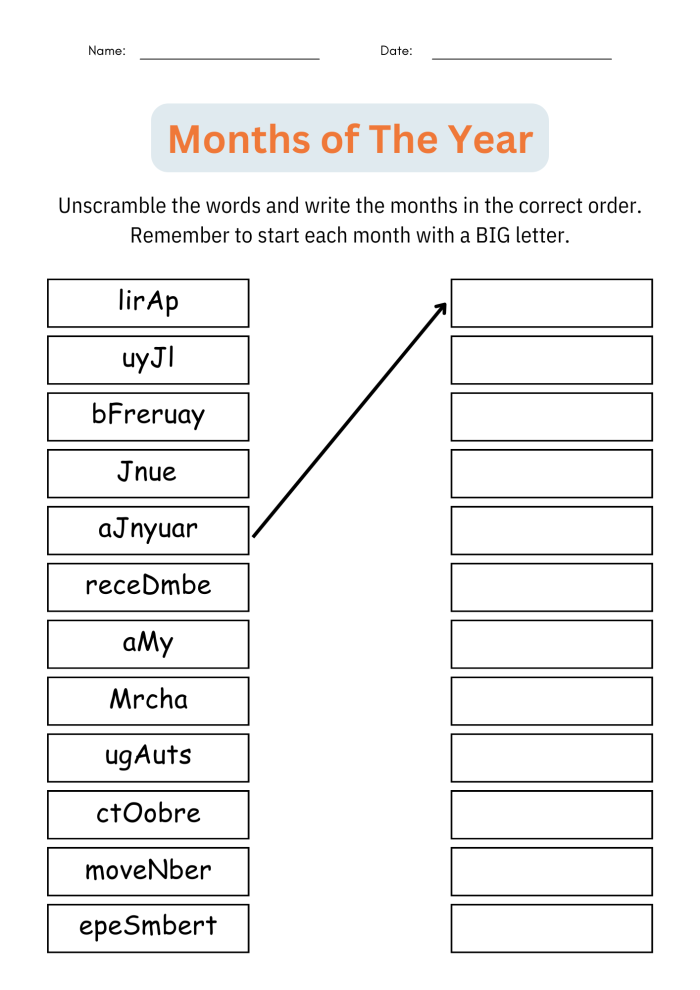
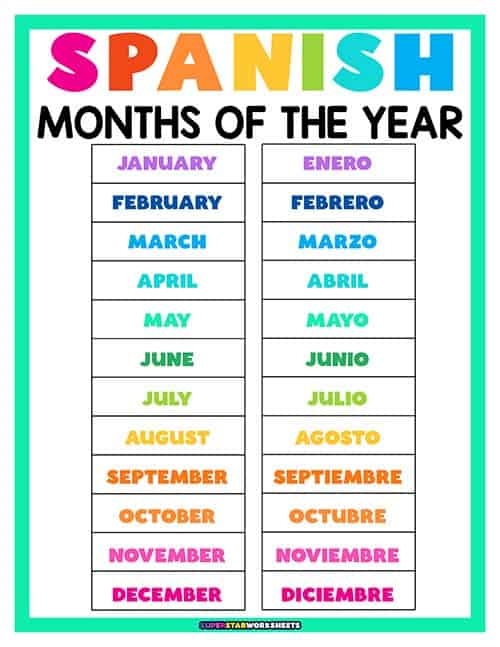
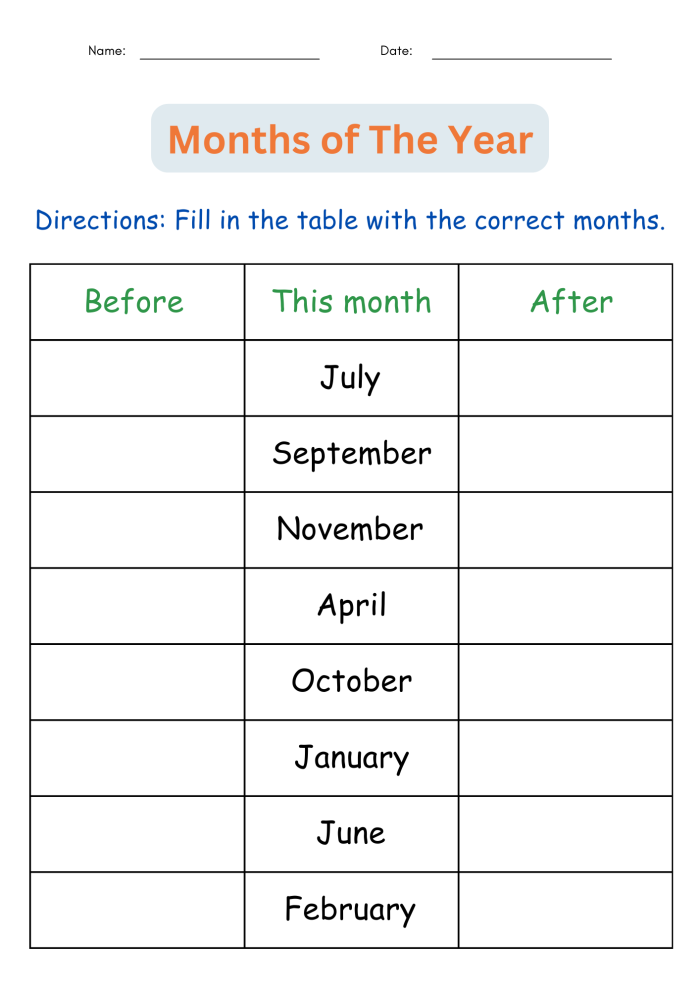
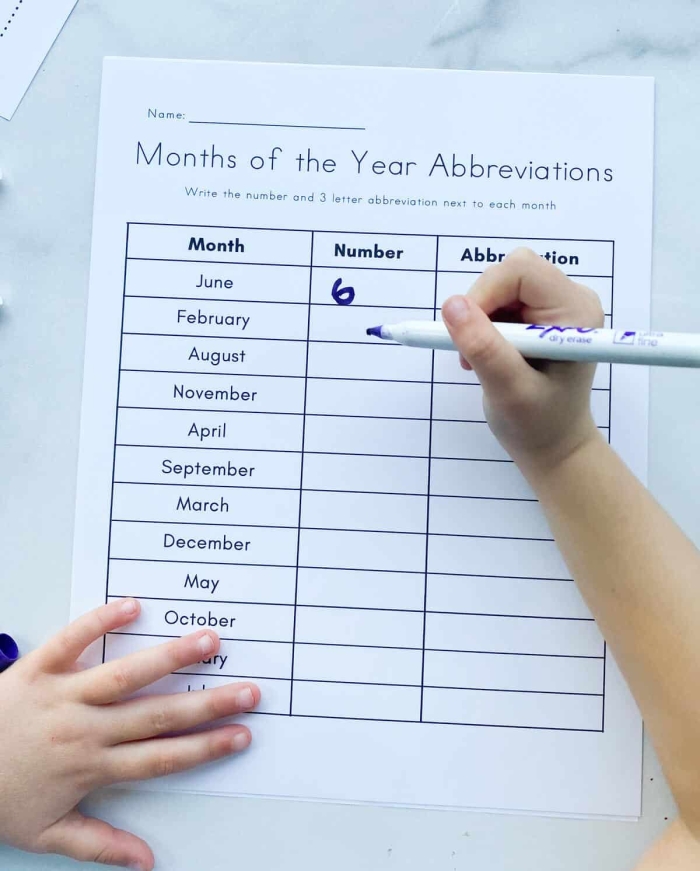
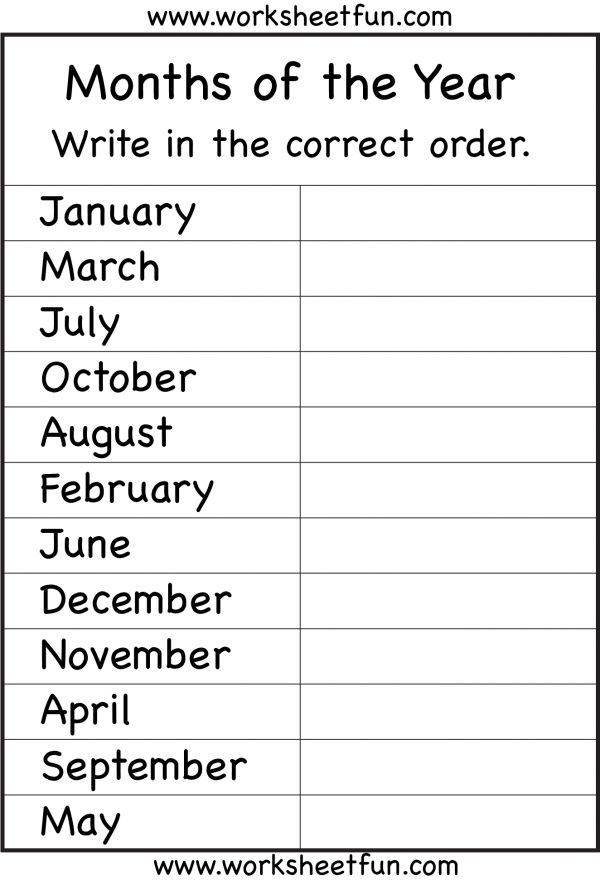
Teaching first graders to recognize and name the months of the year is one of those foundational skills that seems simple on the surface but actually requires repeated exposure and practice. A calendar worksheet gives students a concrete way to see how months connect to the passage of time, which is an abstract concept for young learners.
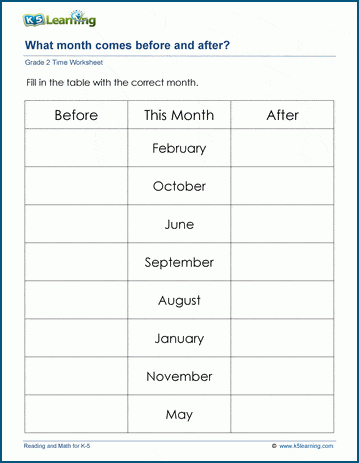
When children work through a months of the year worksheet, they’re doing more than just memorizing names. They’re beginning to understand temporal sequence, which is a key part of early geometry and spatial reasoning. First grade students learn that months follow a specific order, much like how shapes have specific properties and positions. This connection between ordering and structure helps build the foundation for more complex mathematical thinking.
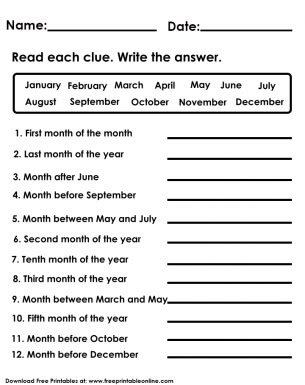
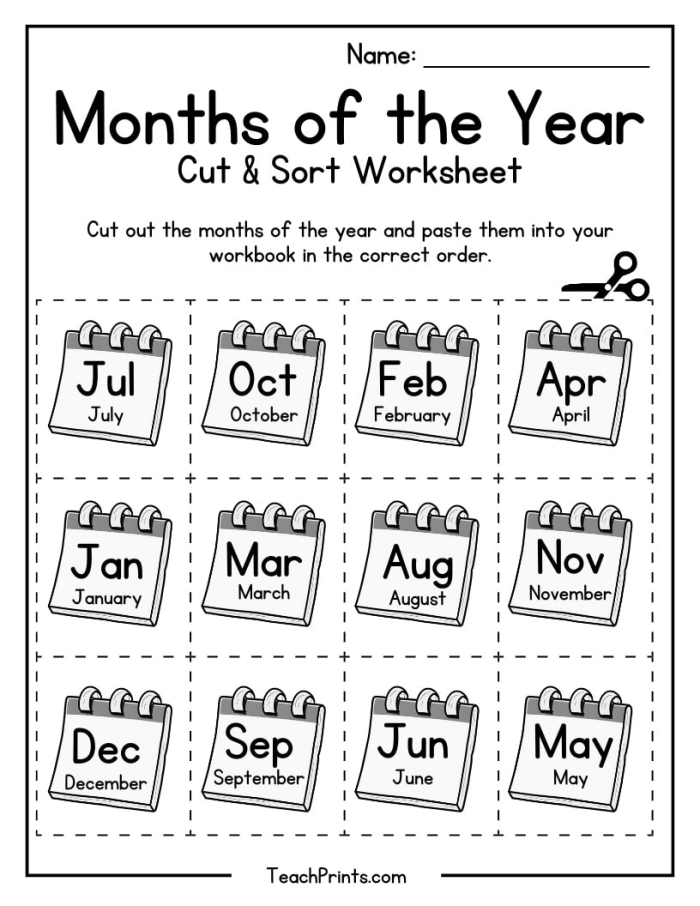
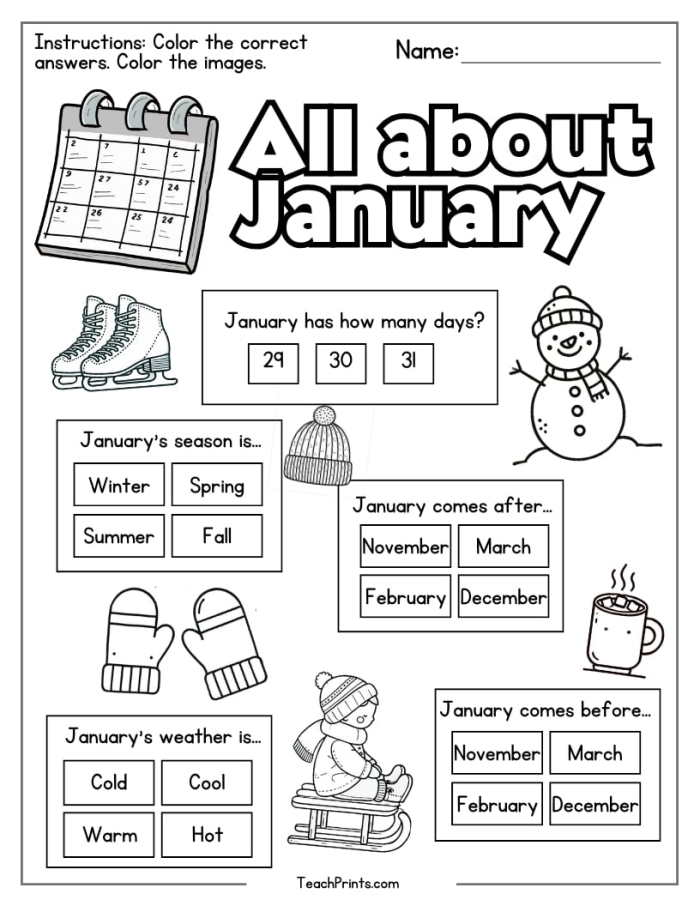
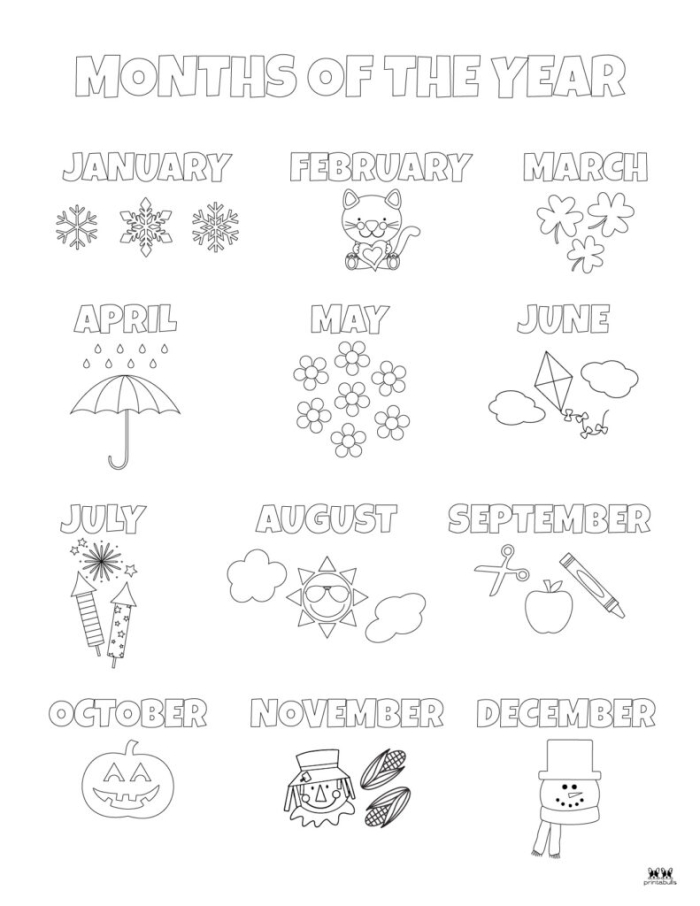
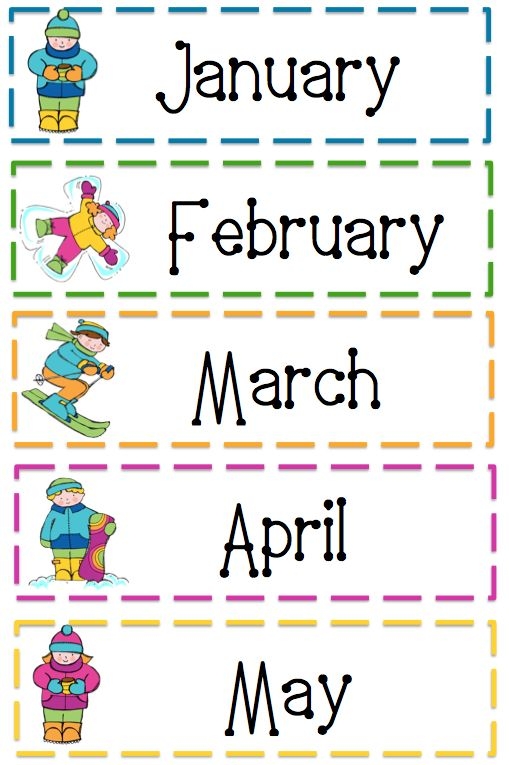
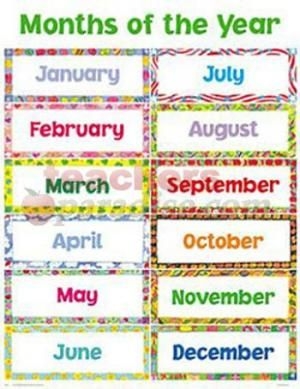
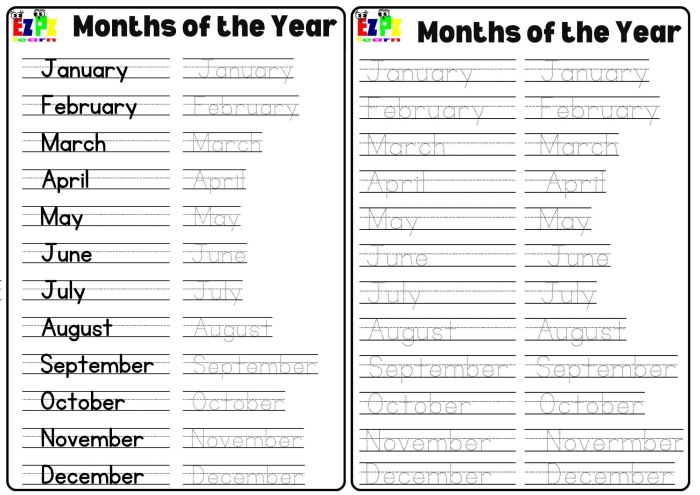
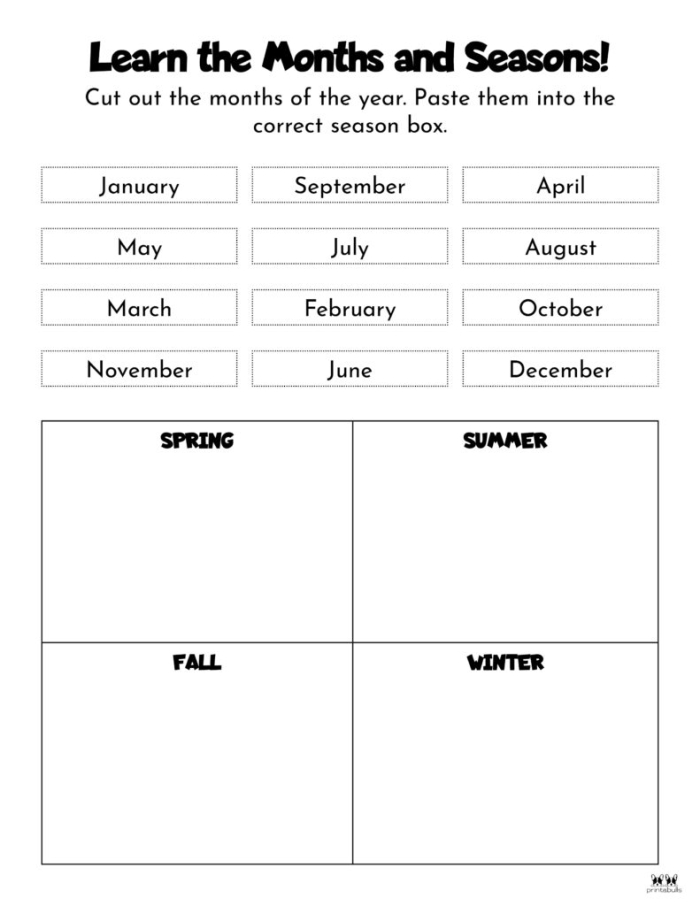
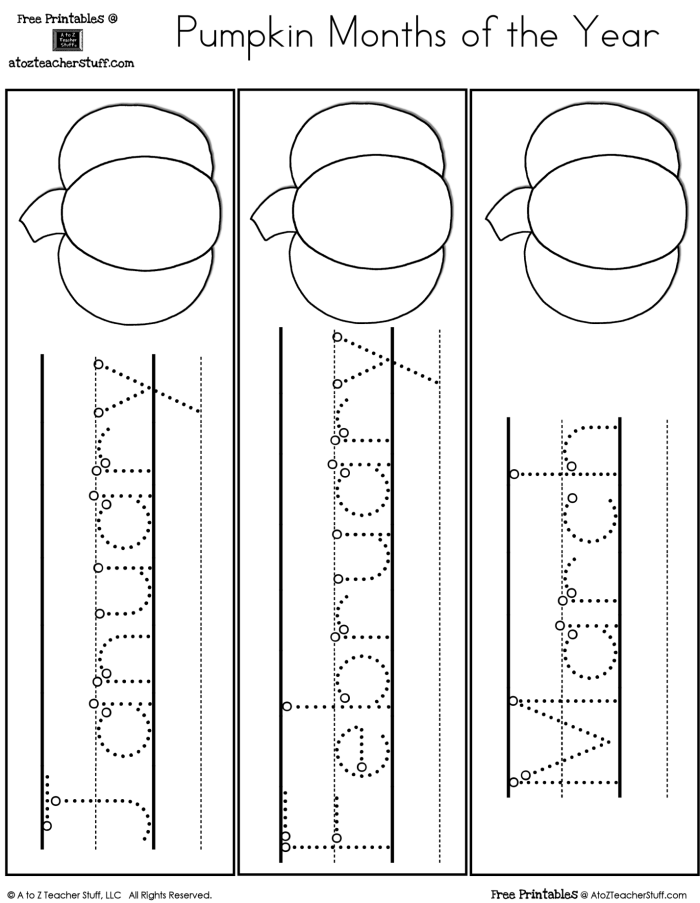
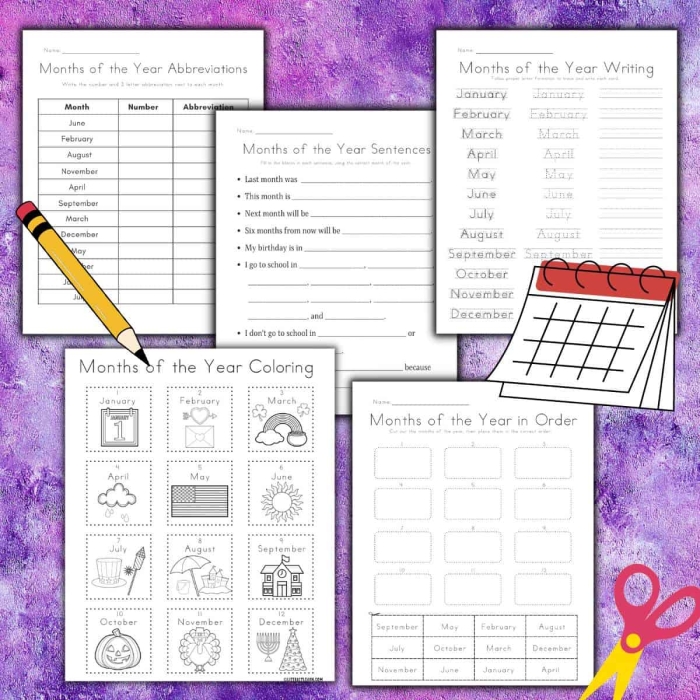
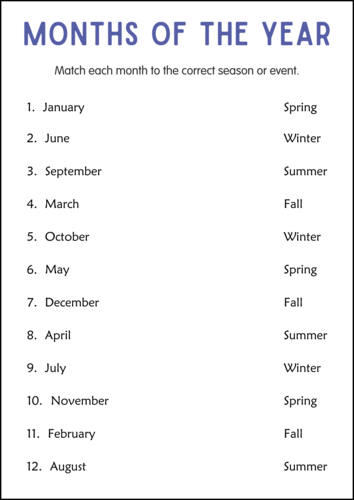
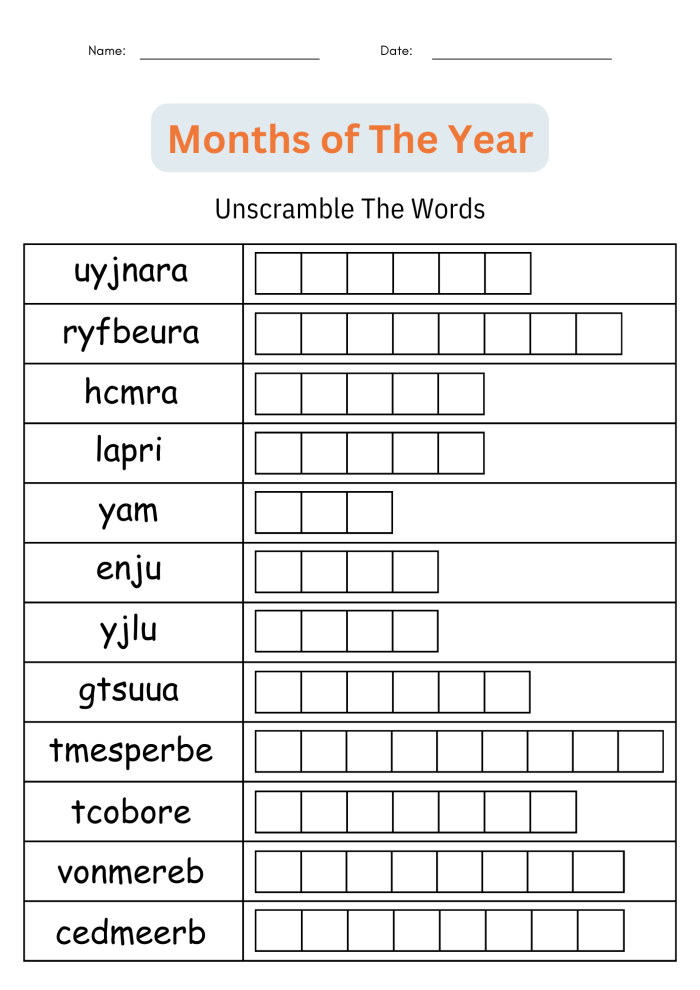
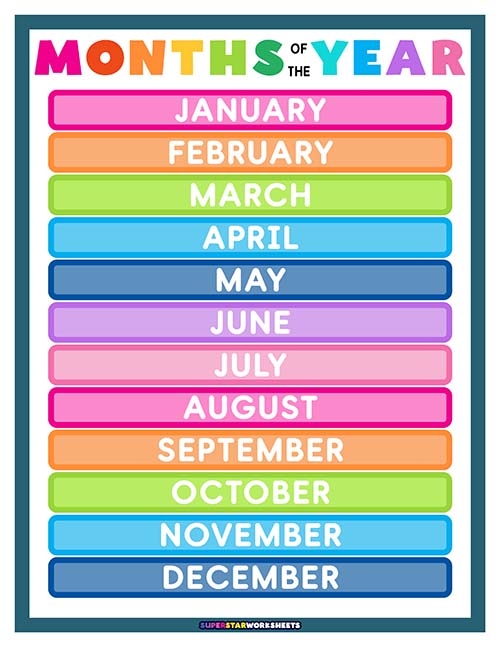
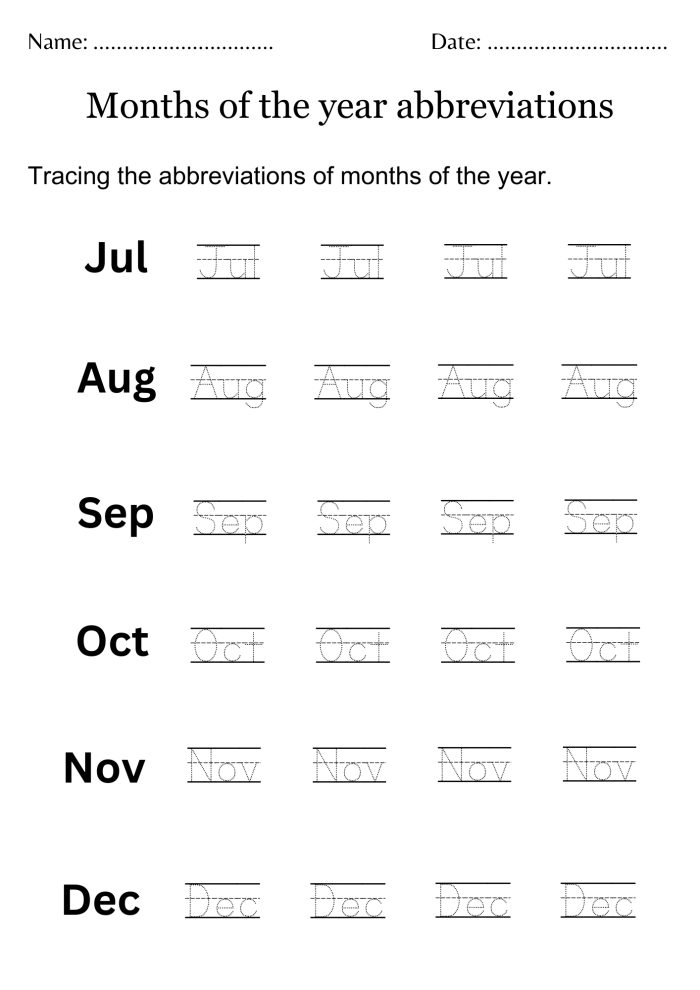
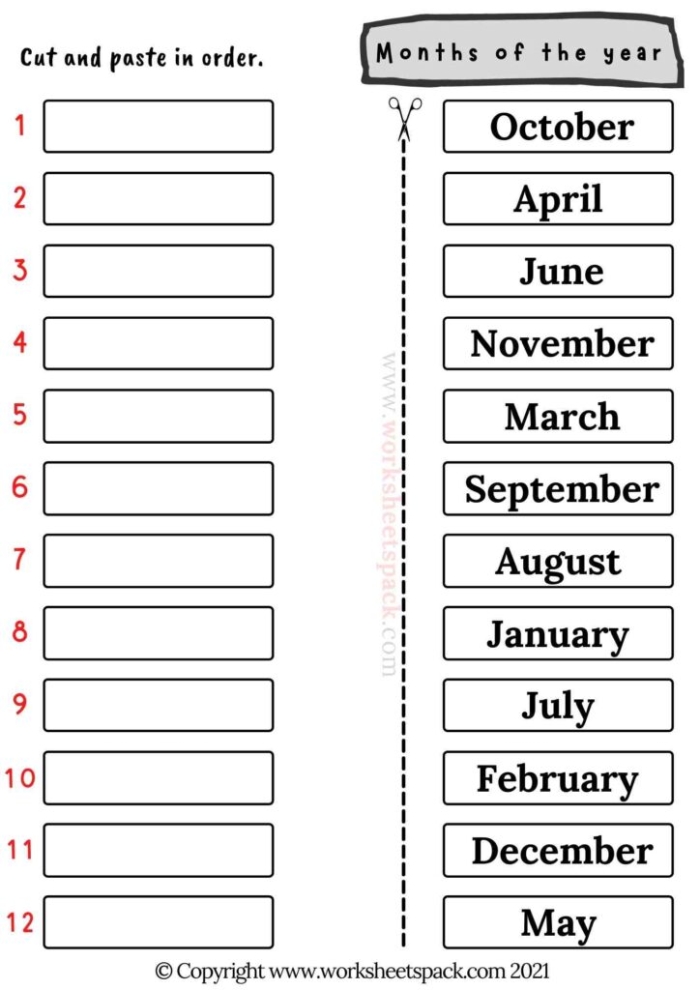
A well-designed calendar worksheet typically includes all twelve months in a visual format, often with space for students to write, trace, or match months to their corresponding numbers. Some worksheets pair months with seasonal images or activities. January might show snow, while July displays summer activities. This visual anchoring helps first graders remember which months belong together and what happens during each season.
The repetition involved in completing these worksheets matters. Kids benefit from writing or tracing each month multiple times across different activities. You might pair calendar practice with other first grade learning tools, such as sight words activities or measurement exercises that reinforce the concept of ordering and sequencing.
Using calendar worksheets consistently throughout the year means students encounter the months in real time, connecting the worksheet activity to actual classroom events and holidays. This makes the learning stick far better than isolated practice.
Practice with These Worksheets