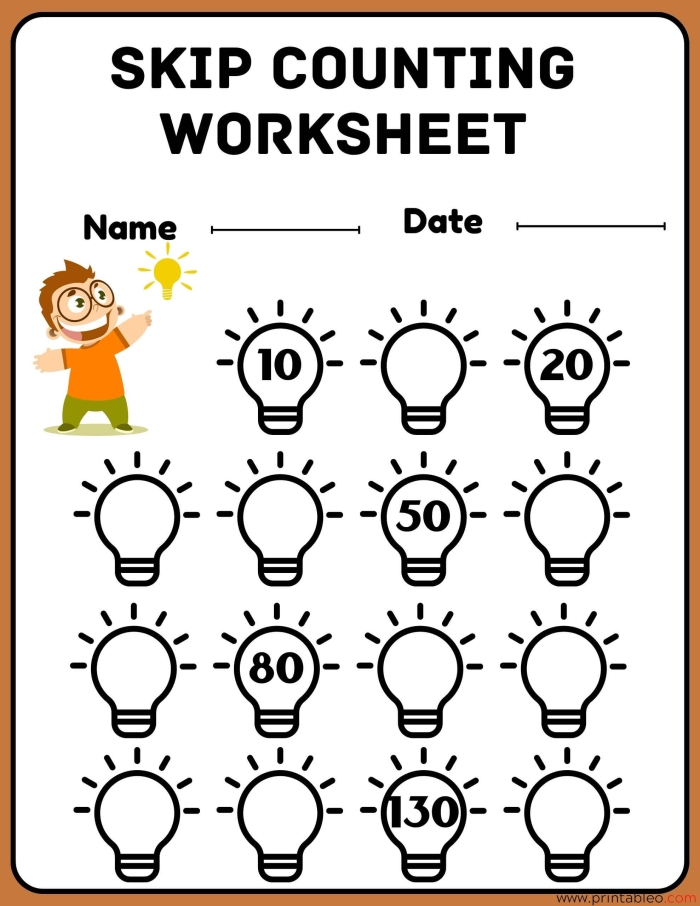
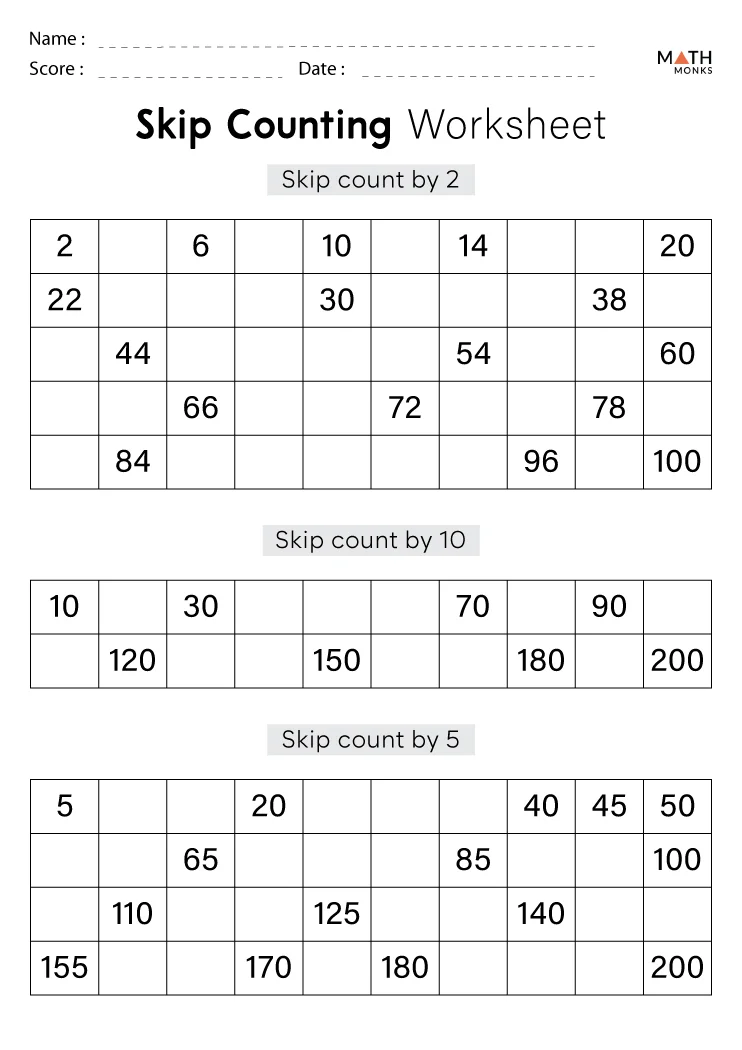
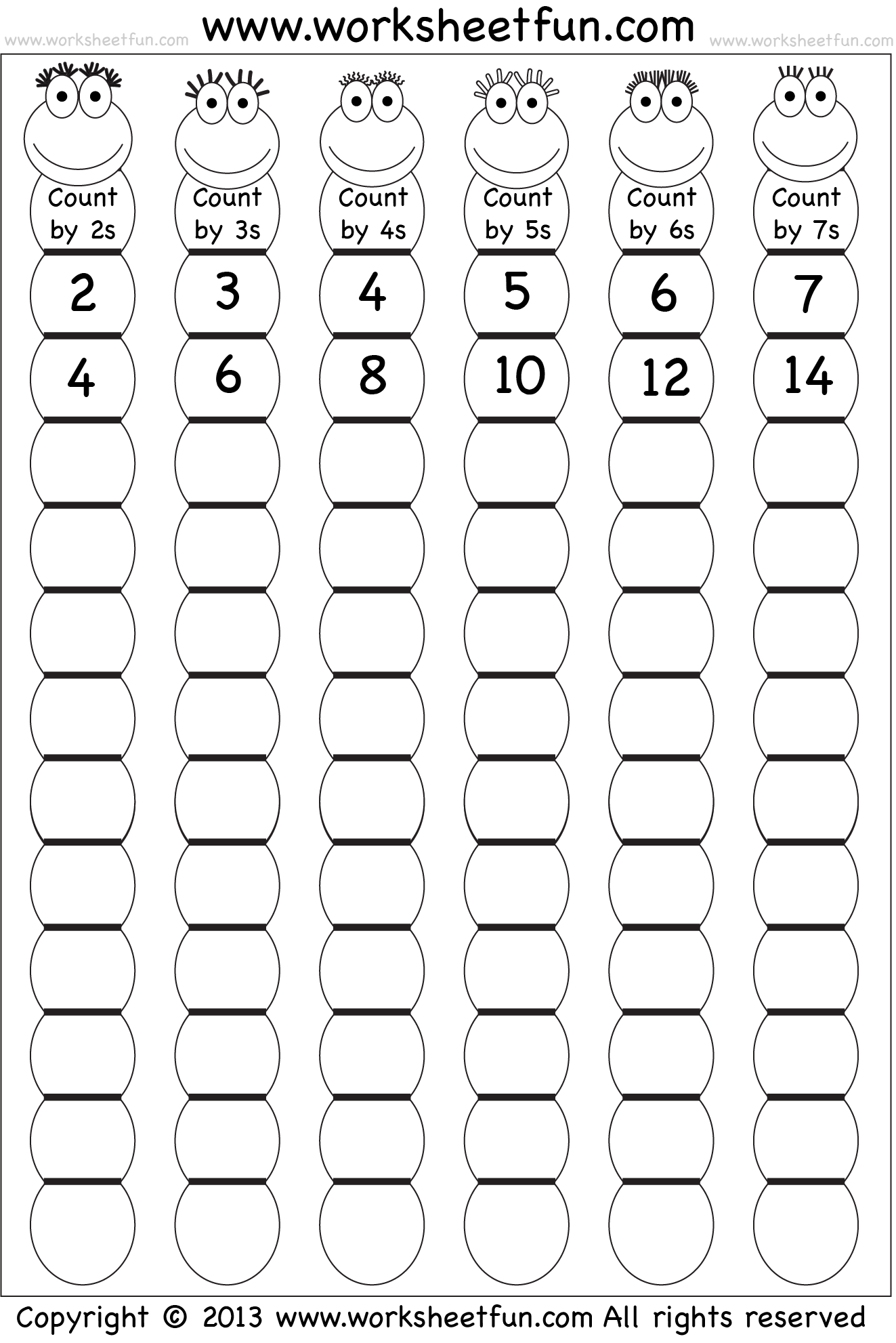
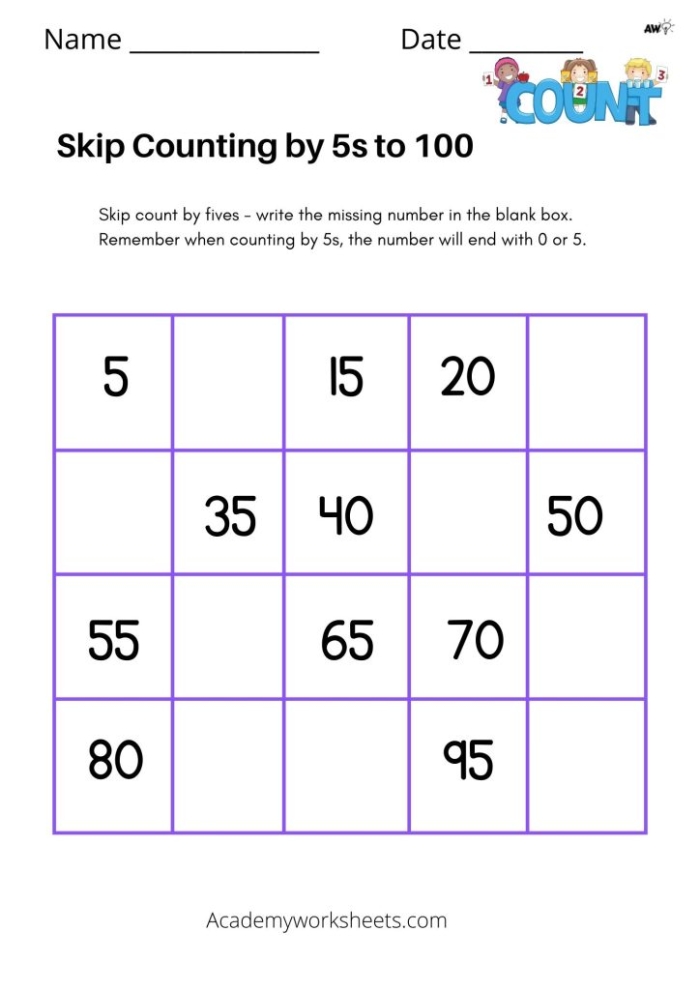
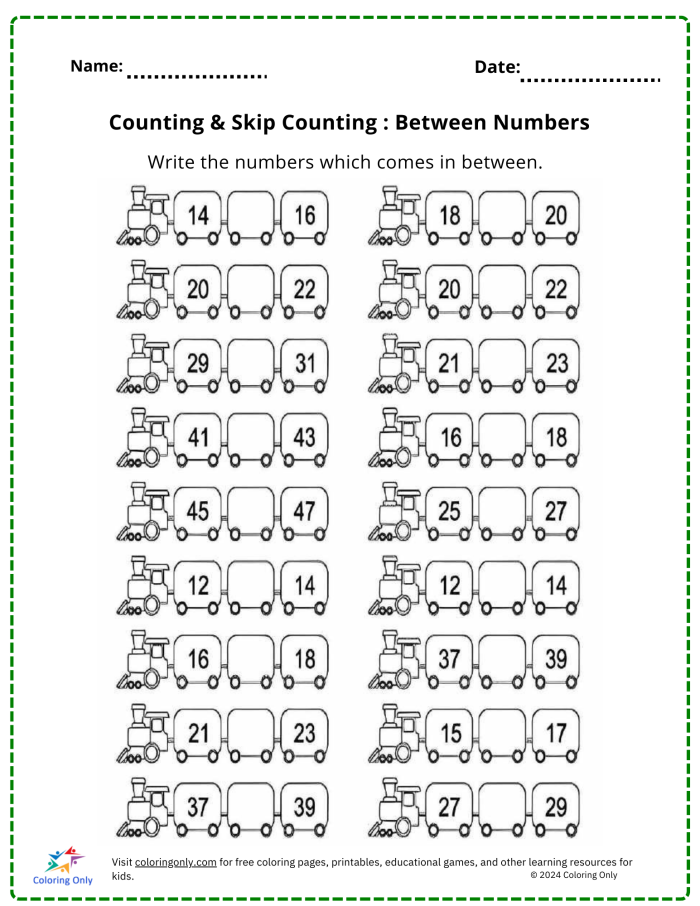
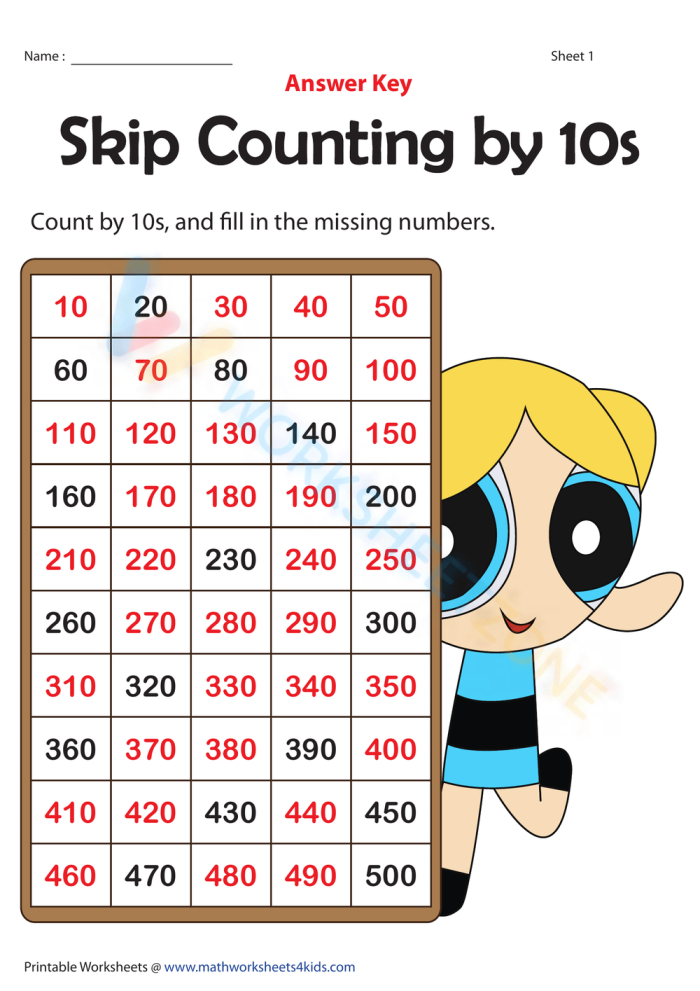
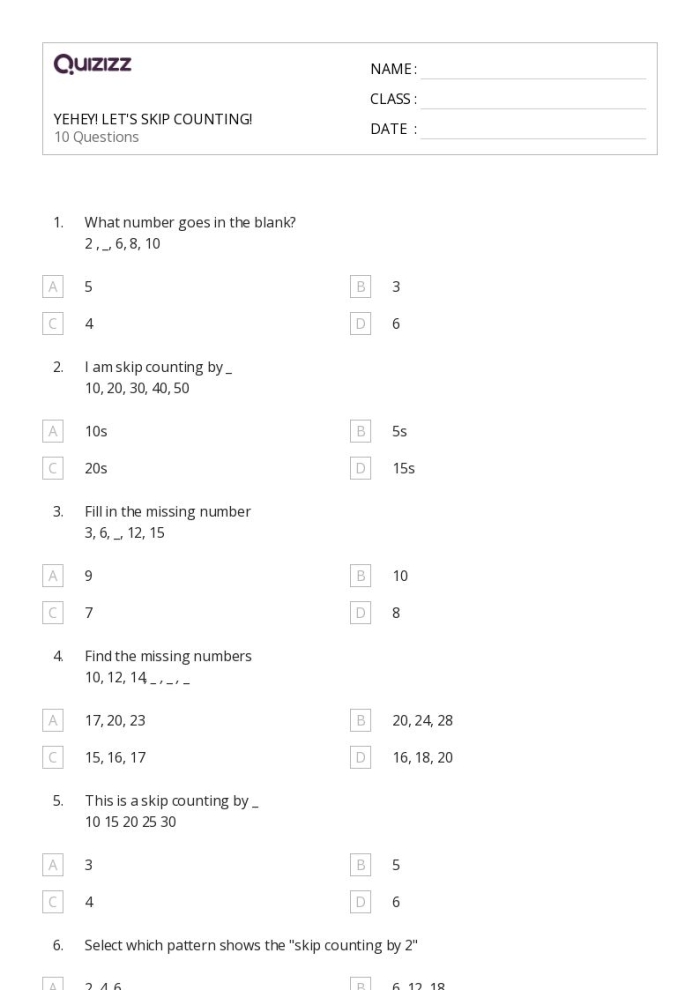
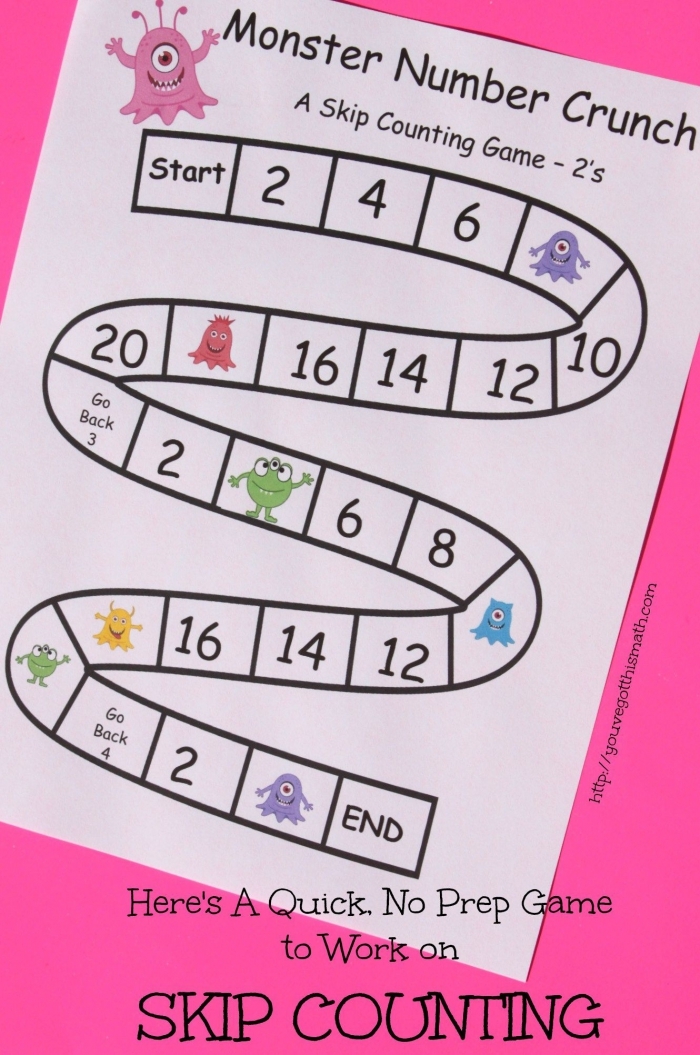
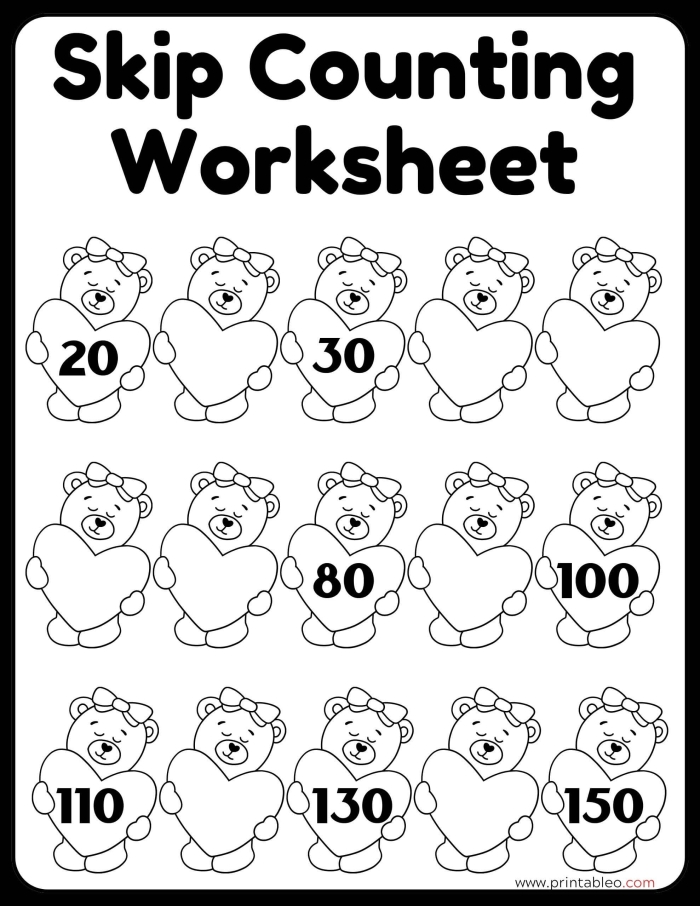
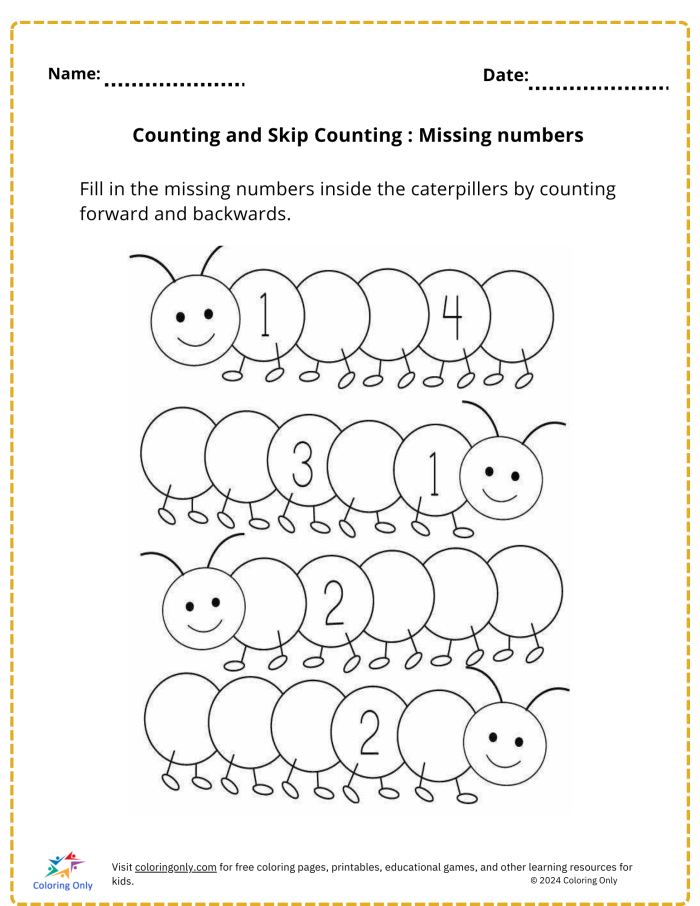
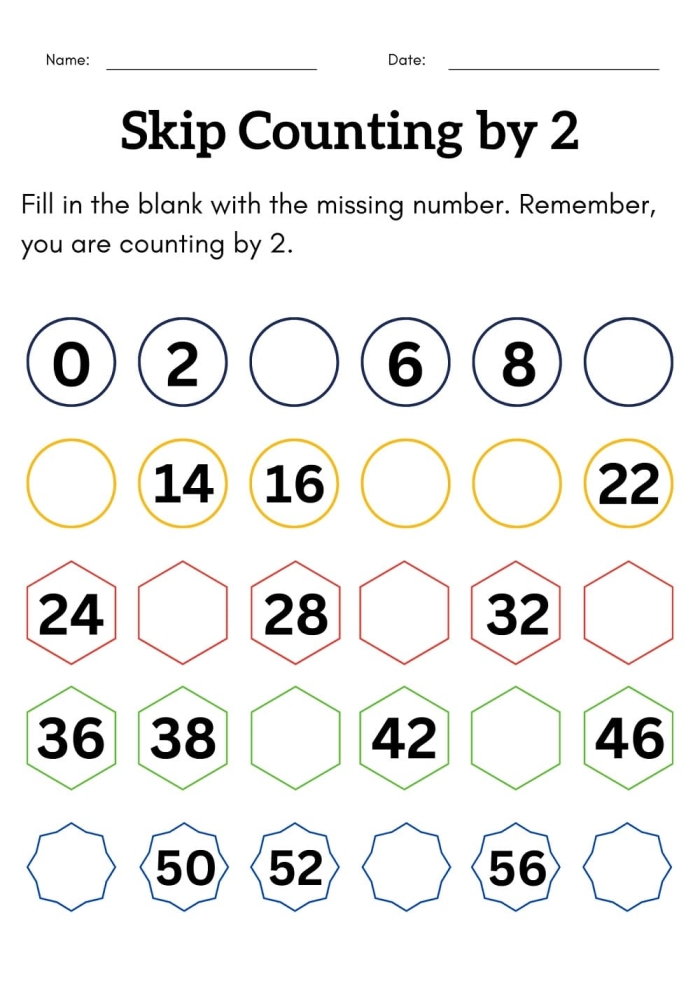
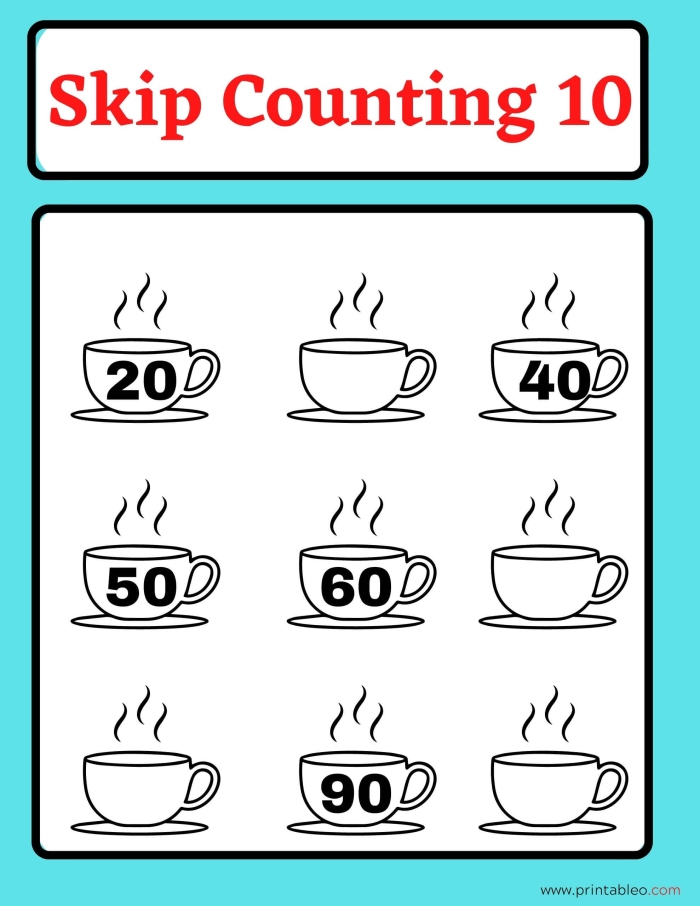
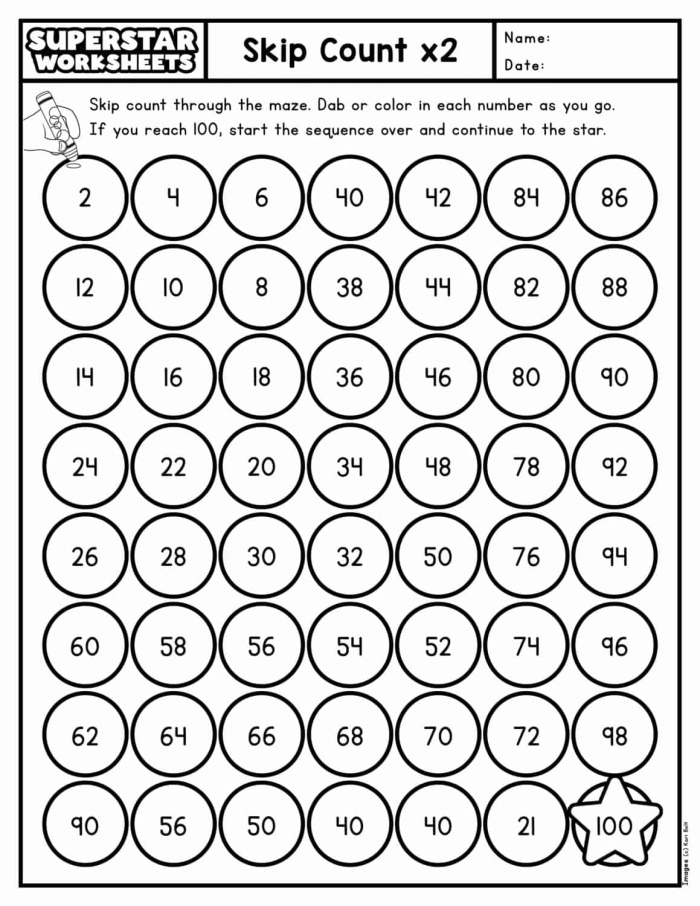
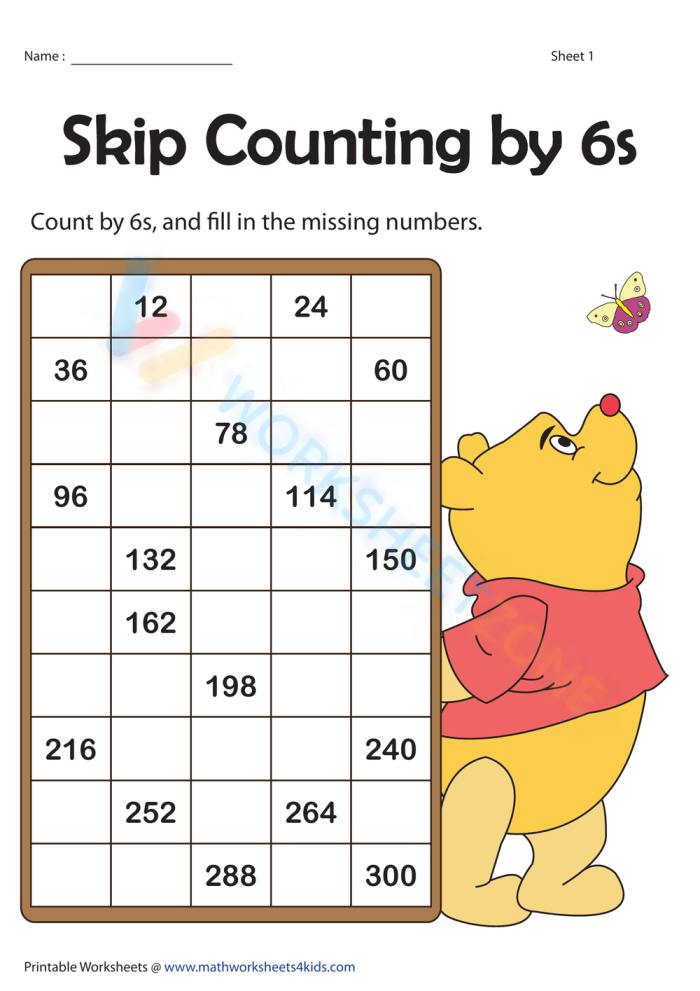
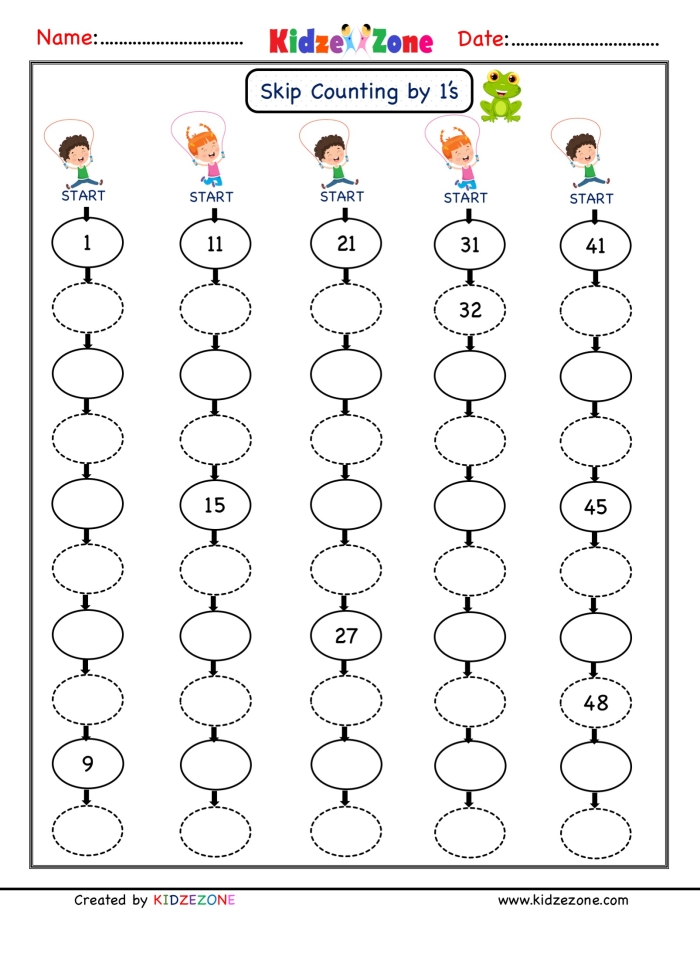
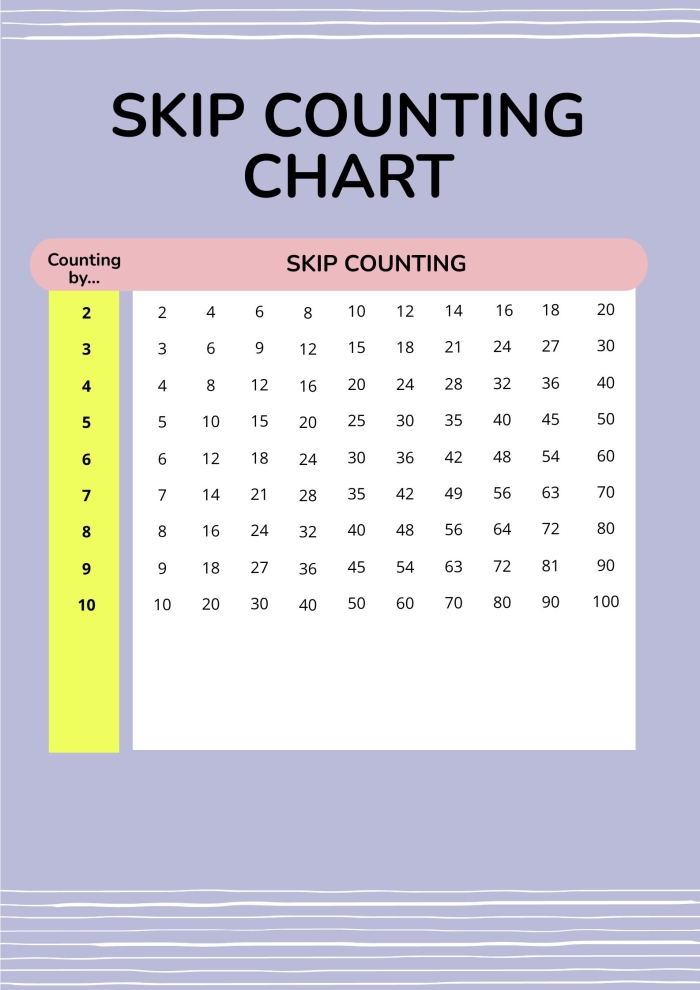
Skip counting is more than just a fun activity; it’s an essential building block for young learners. For first graders, mastering this skill lays the groundwork for future multiplication success. One effective way to engage students in skip counting is through worksheets designed specifically for this purpose. A sporty worksheet packed with skip counting practice not only makes learning enjoyable but also reinforces number sense in a meaningful way.
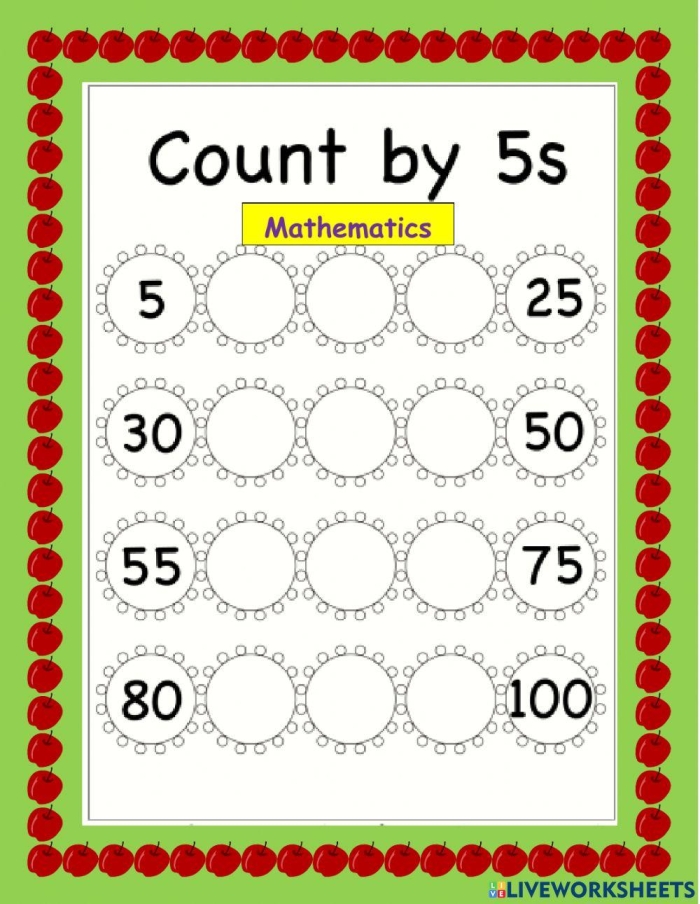
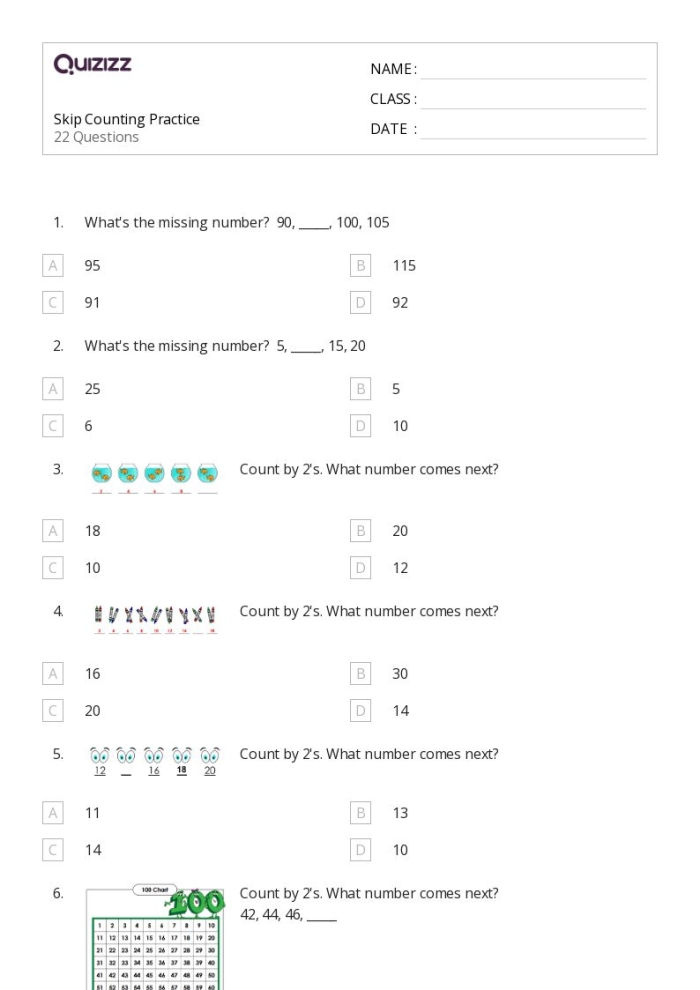
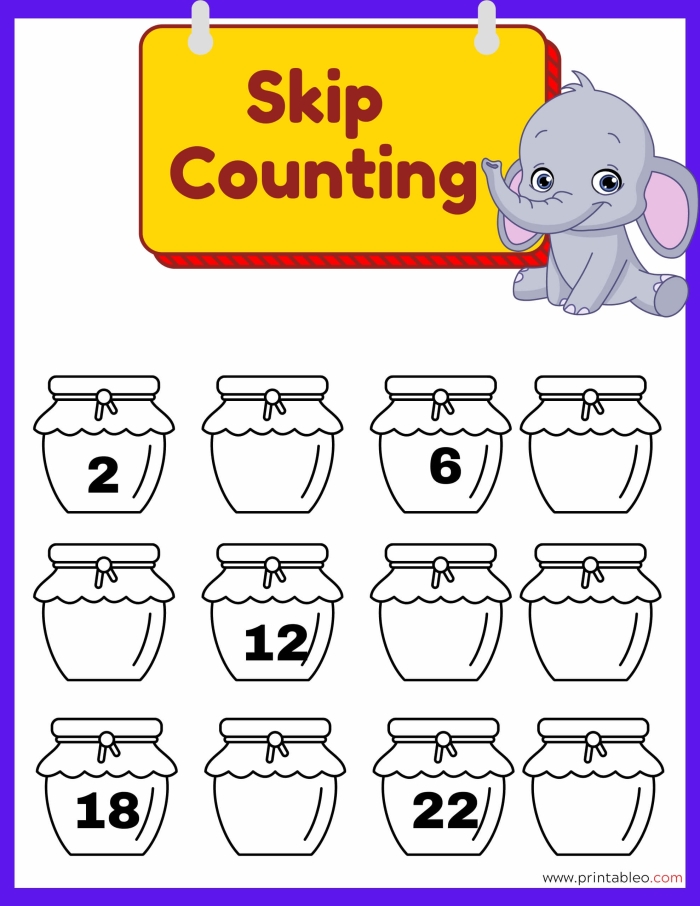
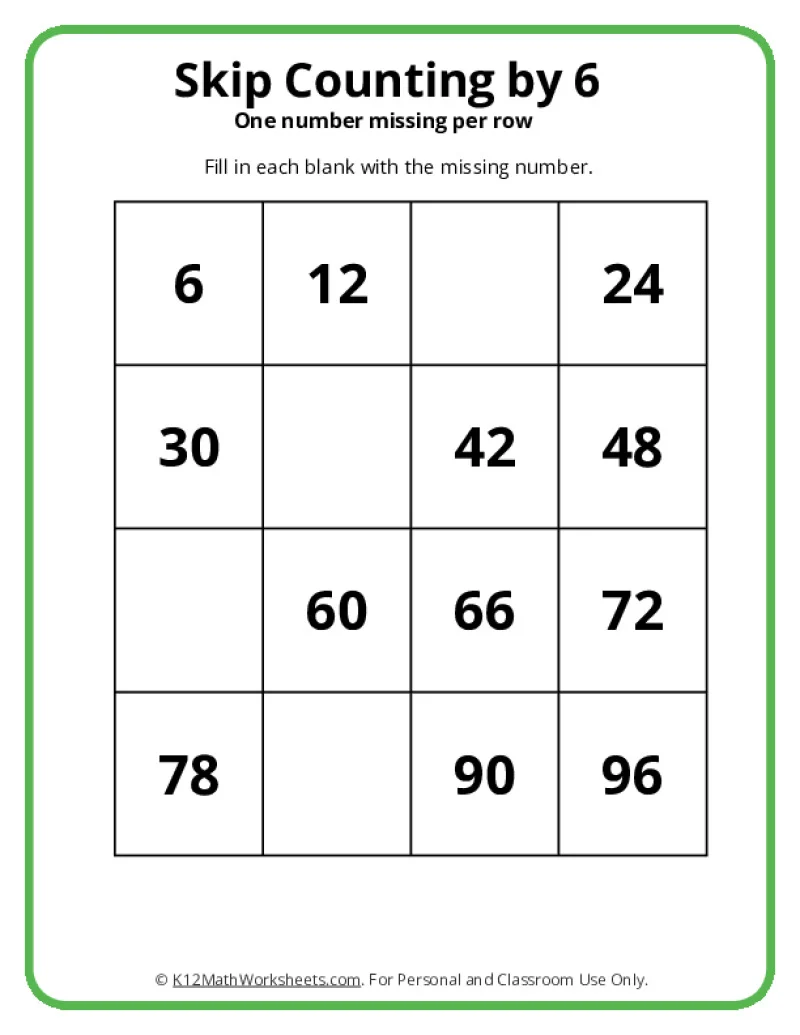
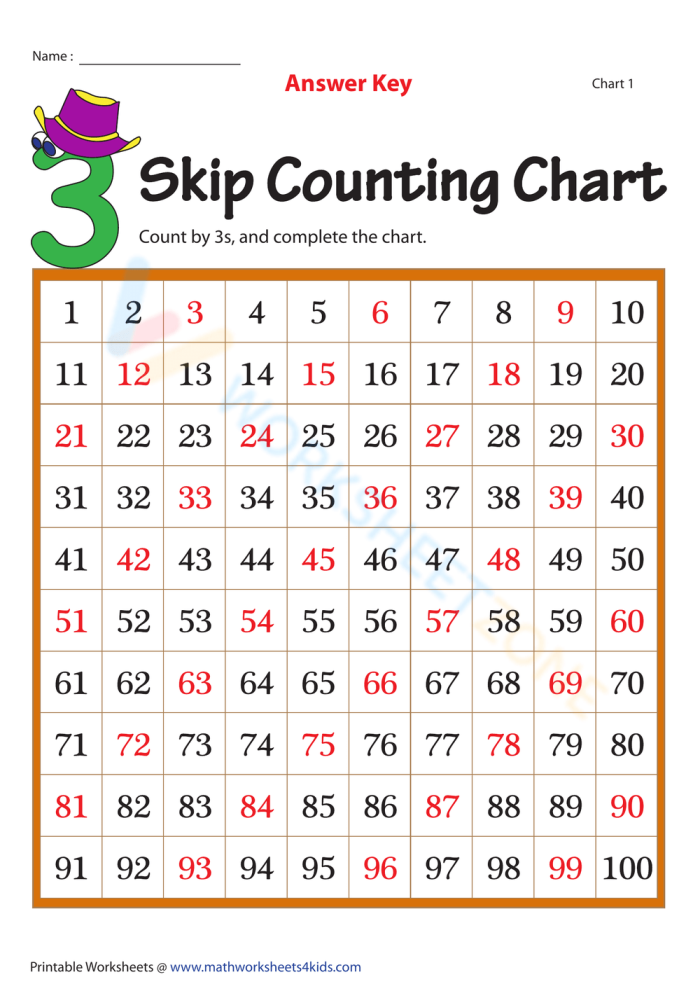
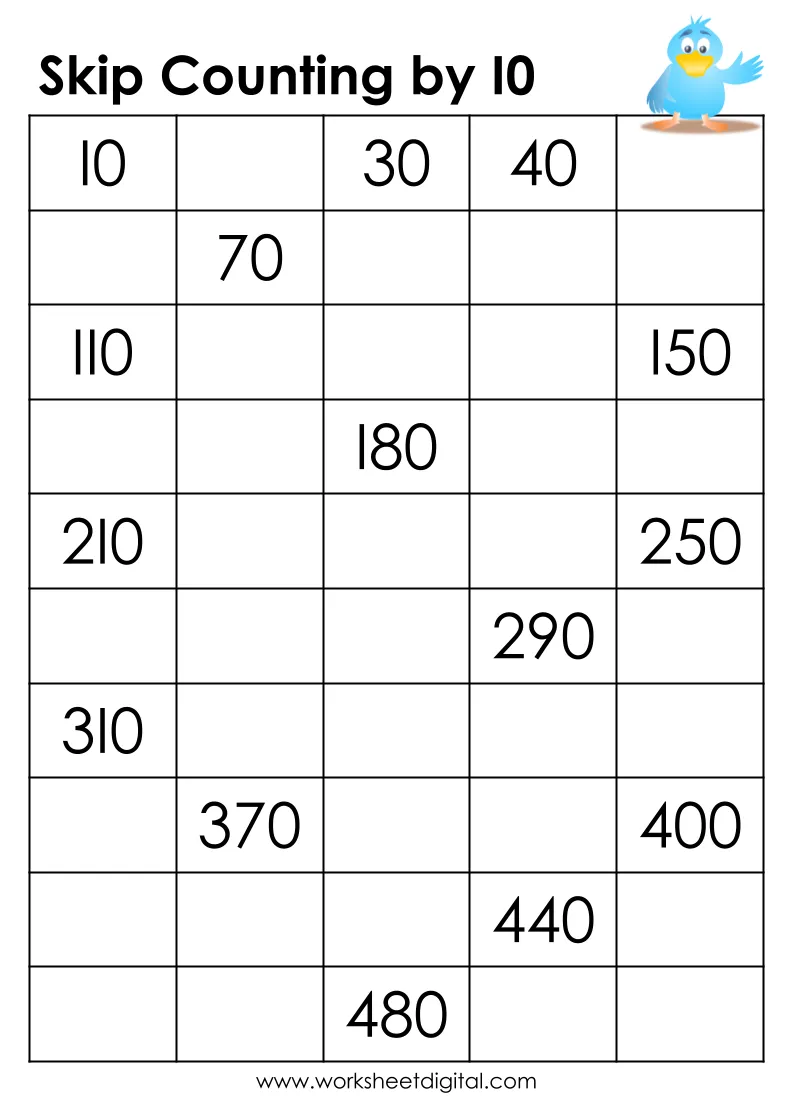
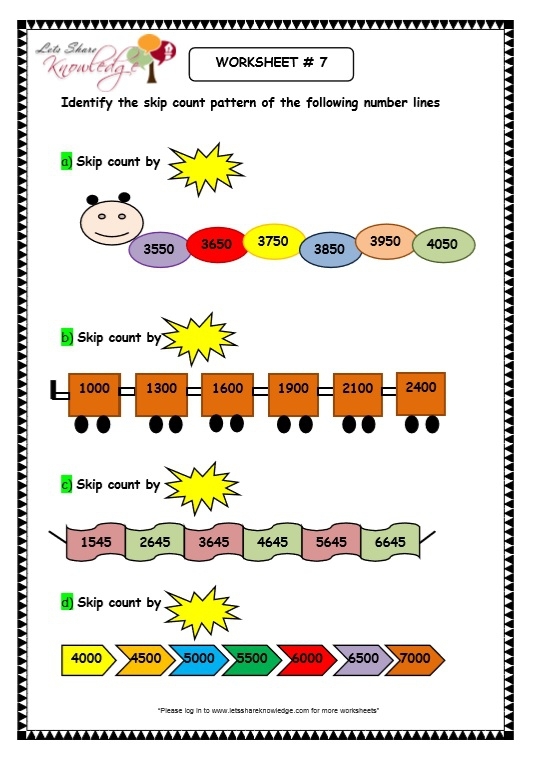
When children skip count, they learn to recognize patterns in numbers, which is crucial for later math concepts. For instance, counting by twos, fives, or tens helps students develop a stronger understanding of addition and multiplication. This worksheet allows kids to see these relationships visually, enabling them to grasp the concept of grouping numbers together. As they write or fill in the missing numbers, they practice their skills in a hands-on manner, which can be more effective than traditional rote memorization.
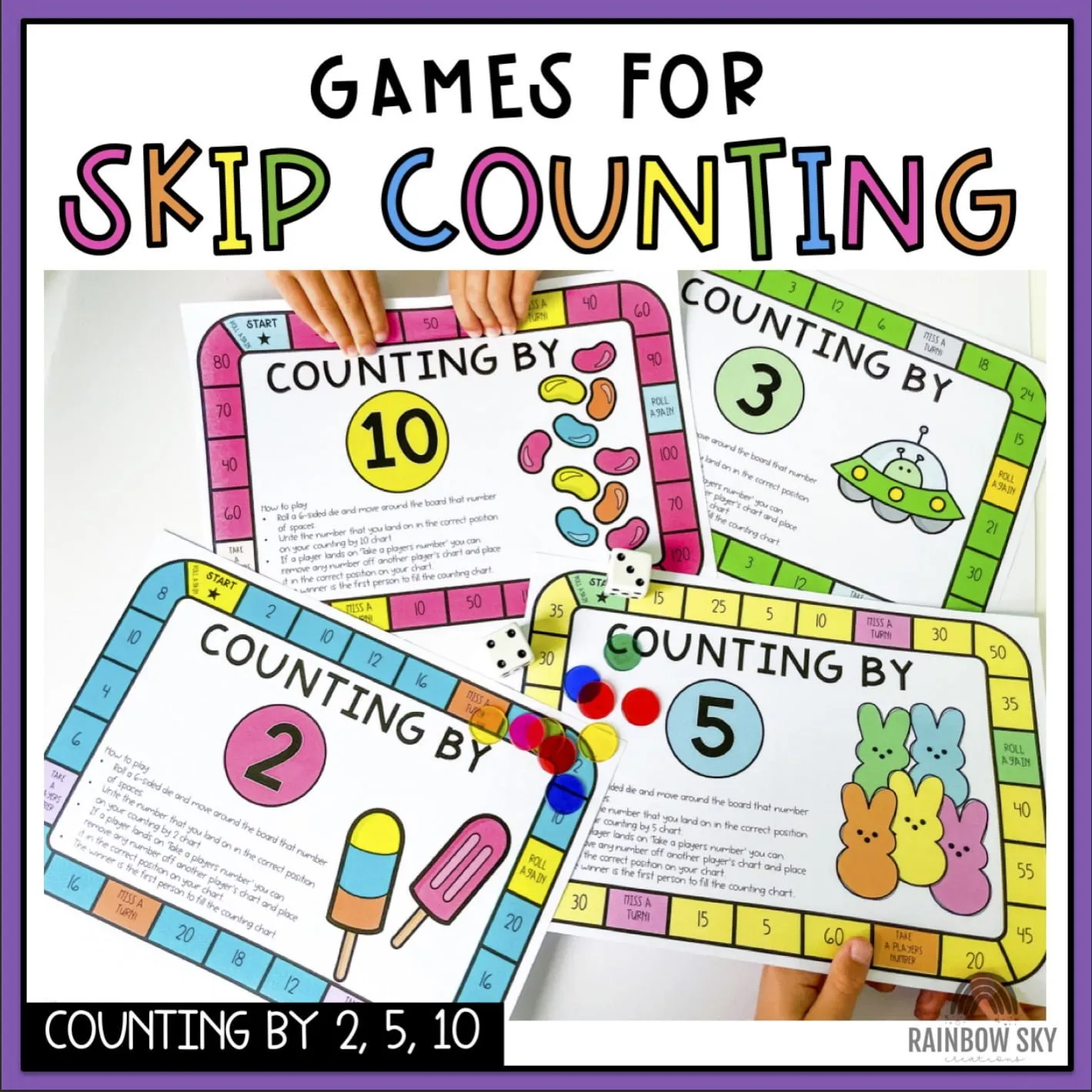
What makes this type of worksheet especially appealing is its sporty theme. Incorporating fun graphics and relatable scenarios—like counting sports equipment or players—can significantly increase engagement. Children are more likely to approach these exercises with enthusiasm, which can lead to a more positive attitude toward math overall. The worksheet serves as a bridge to more complex number theory, giving students the confidence they need as they progress in their math education.
By focusing on skip counting, educators can facilitate a smoother transition to multiplication. Understanding skip counting forms the basis for grasping multiplication tables, as students learn to see multiplication as repeated addition. Resources like Printable Skip Counting: Let’s Practice! Worksheets offer structured practice that is both effective and enjoyable for first graders.
Incorporating these worksheets into math lessons can make a significant difference in a child’s learning journey. With consistent practice, students will not only enhance their number sense but also become more adept at handling future mathematical challenges.
Practice with These Worksheets