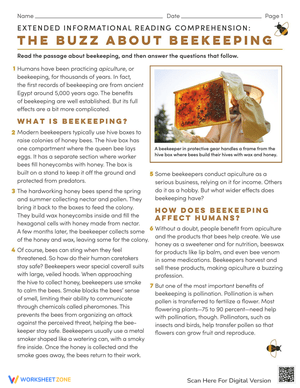
Beekeeping has become increasingly popular among hobbyists, farmers, and educators, and for good reason. These small insects perform essential work that affects food production, ecosystems, and our everyday lives. For fifth grade students studying Earth and space science, understanding beekeeping offers a practical window into how humans interact with nature and why certain species matter so much to our survival.
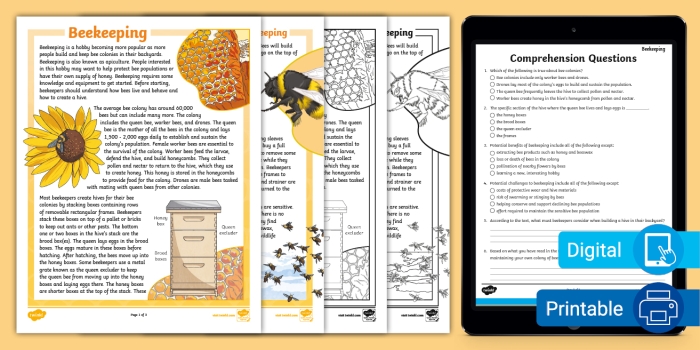
The basics of beekeeping involve maintaining colonies of honeybees in managed hives. A typical hive contains thousands of bees working in organized roles: workers gather nectar and pollen, drones reproduce, and a single queen lays eggs to sustain the population. This structure fascinates students because it demonstrates how complex societies can function without central management in the way humans understand it. When students learn about these dynamics, they grasp concepts about cooperation, specialization, and environmental responsibility that extend far beyond the hive itself.
One specific detail that captures student interest involves how bees communicate. Honeybees perform what scientists call the “waggle dance,” a movement pattern that tells other bees where to find food sources. This natural form of information sharing shows that intelligence and communication exist in forms completely different from human language.
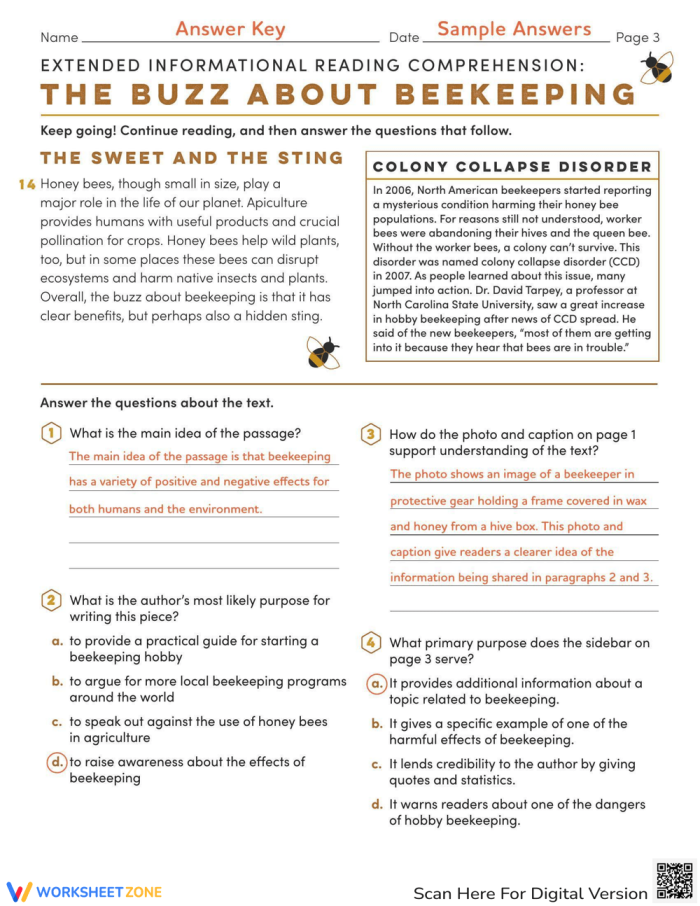
For educators introducing this topic, an extended informational reading comprehension worksheet about beekeeping provides structured learning material. These worksheets help students engage with nonfiction text while building critical reading skills. Pairing this with activities that address perfect verb tense or syllabication evaluation reinforces language arts alongside science content.
Beekeeping connects students to real-world science because it addresses questions they naturally ask: How do insects organize themselves? Why should we protect certain species? What role do we play in maintaining ecosystems? These questions drive genuine curiosity and make learning about Earth and space science feel relevant rather than abstract.
Start Practicing with These Worksheets