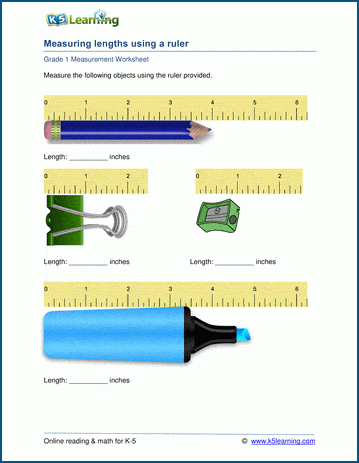
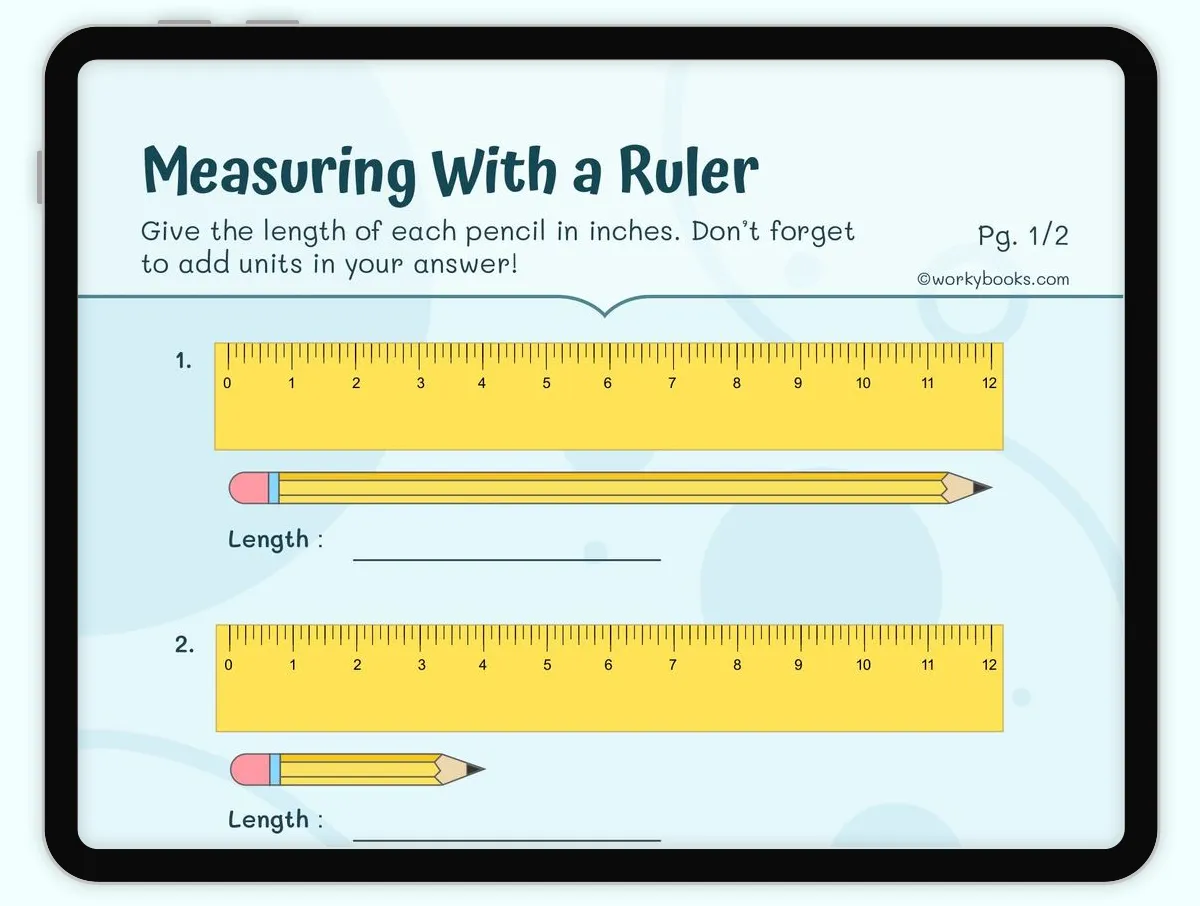
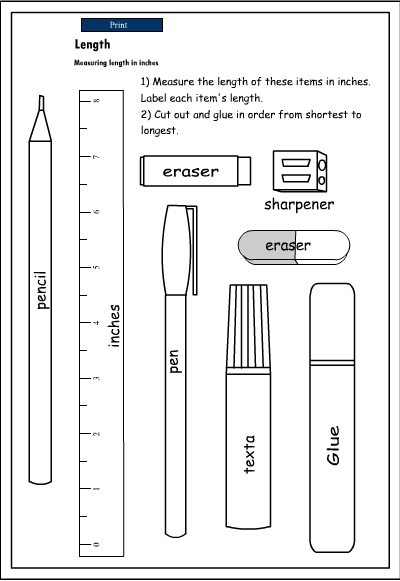
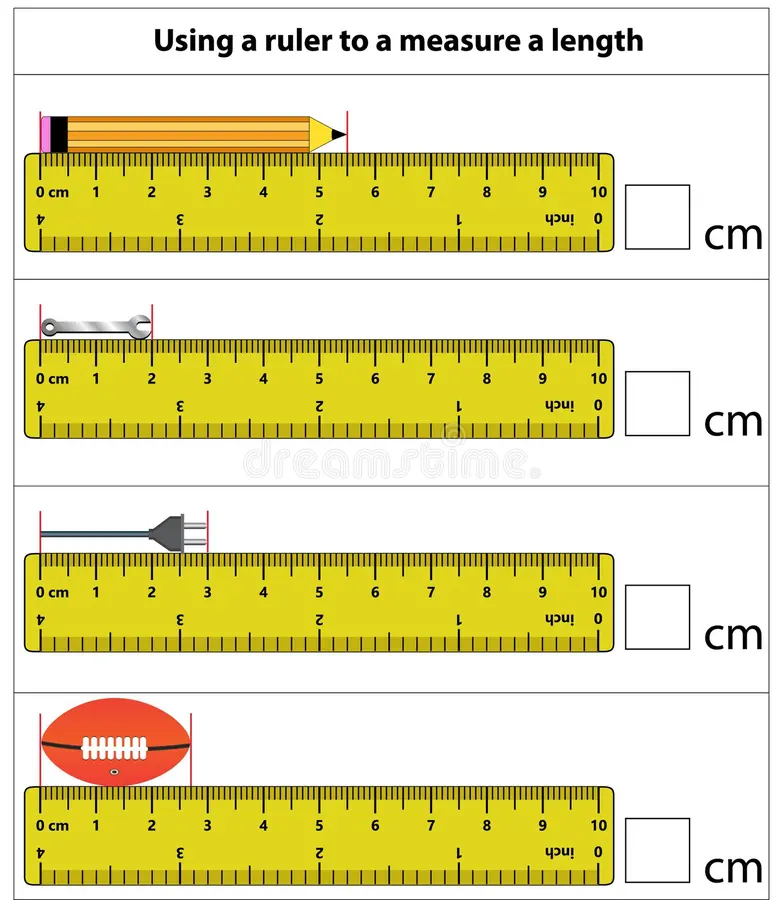
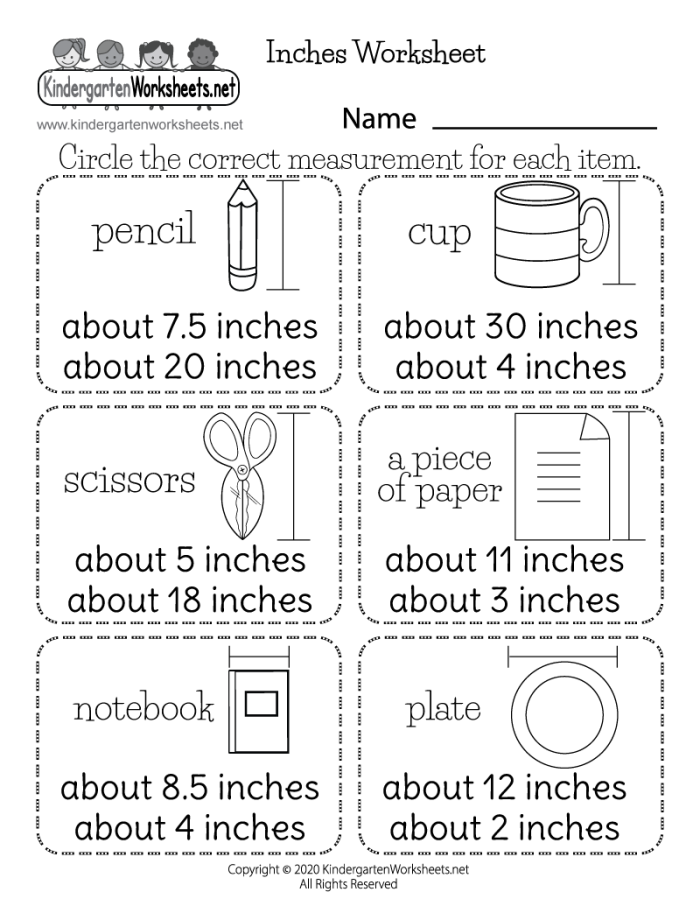
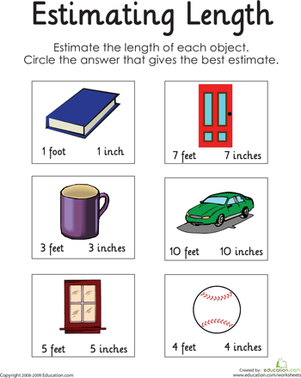
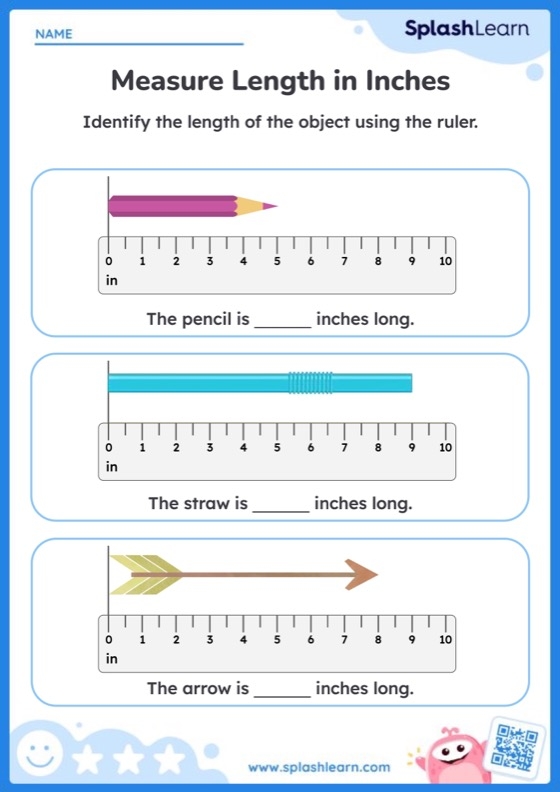
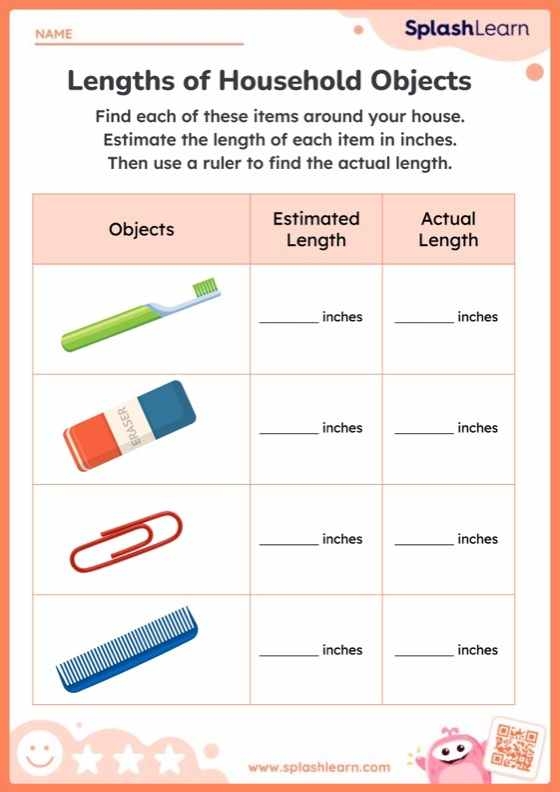
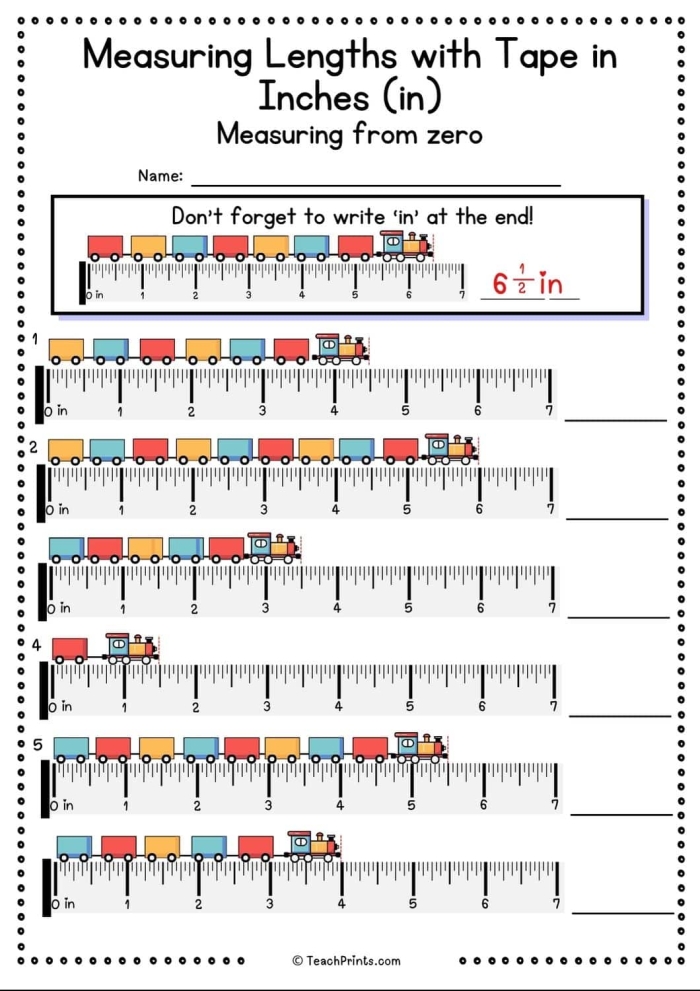
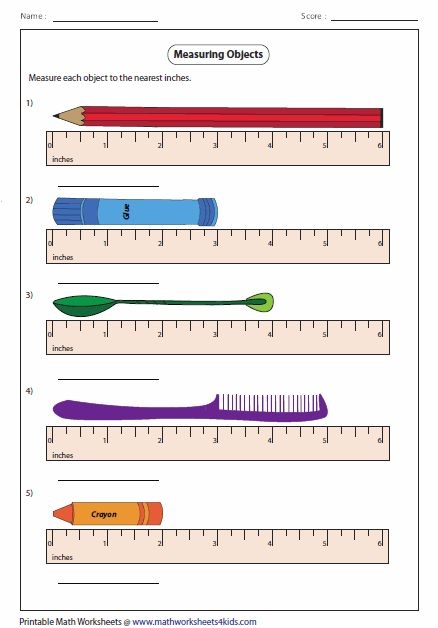
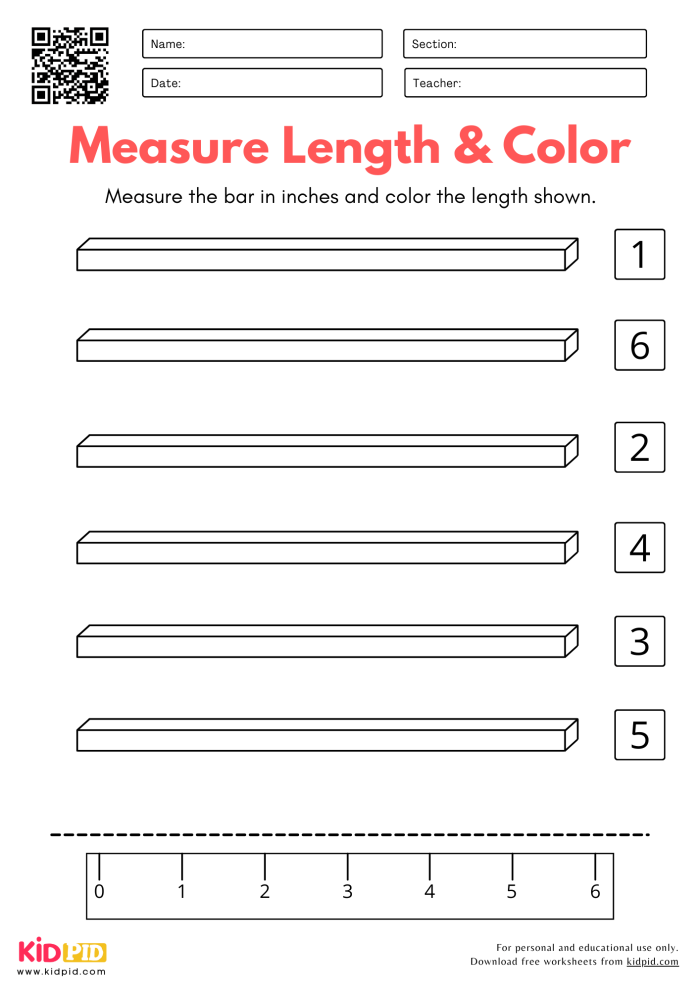
When second grade students first pick up a ruler, the numbers and tick marks can feel abstract and disconnected from anything real. That’s where familiar sights come in. Walking around your classroom, home, or schoolyard with a ruler in hand transforms measurement from a worksheet activity into something tangible. Your pencil, a book spine, a doorway, a window frame—these everyday objects become the practice ground for understanding inches.
The key to building measurement confidence is starting with things kids already know. A standard crayon is about 3.5 inches long. A sheet of paper is 11 inches tall. A child’s hand span might measure 4 to 5 inches across. When second graders measure these familiar items repeatedly, they begin to internalize what an inch actually looks like and feels like in their hands. They stop guessing and start seeing patterns.
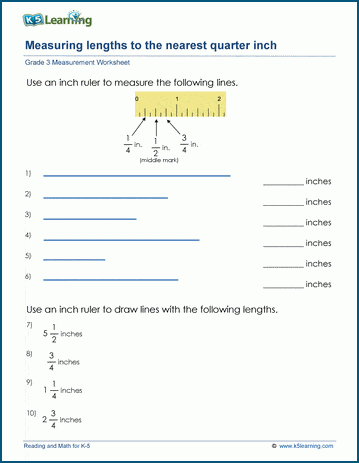
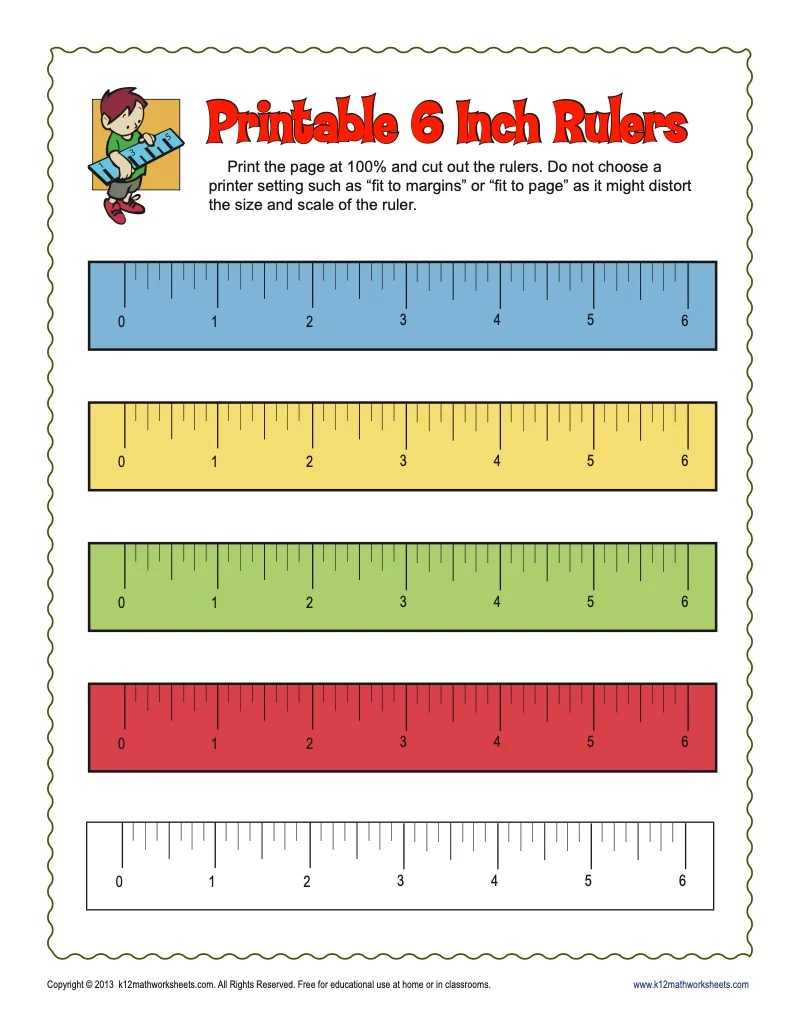
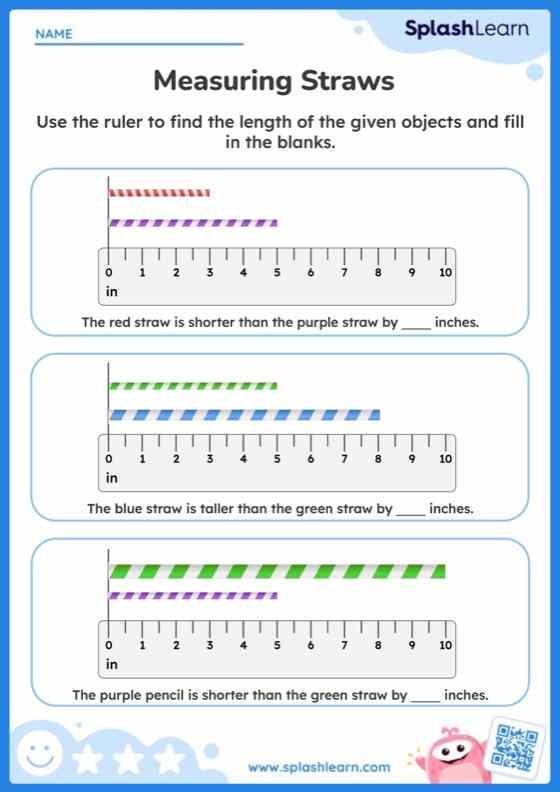
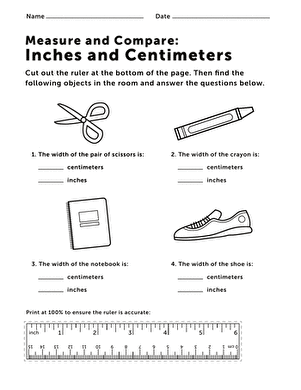
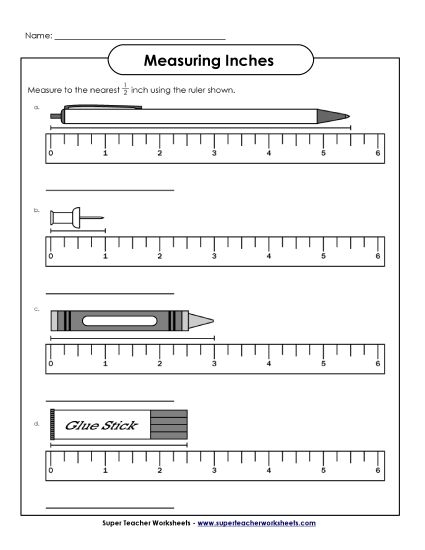
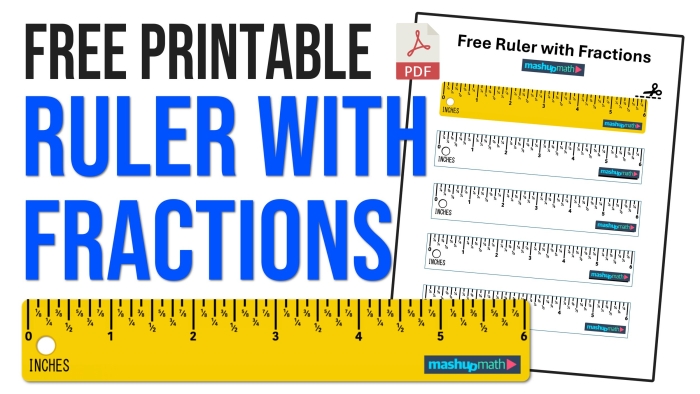
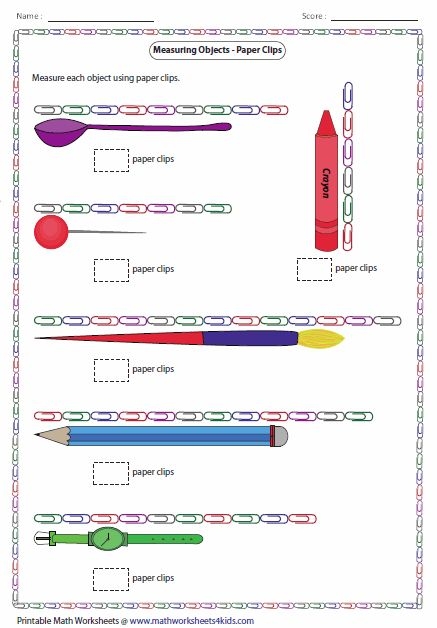
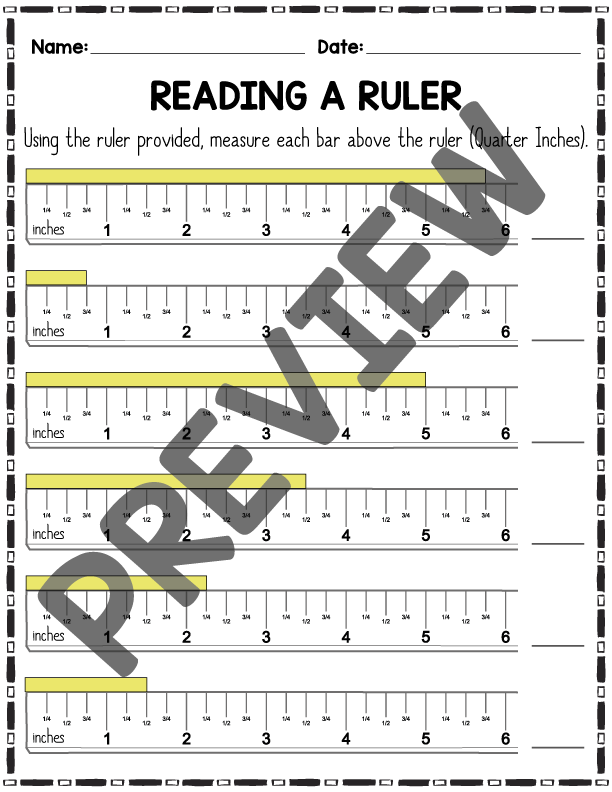
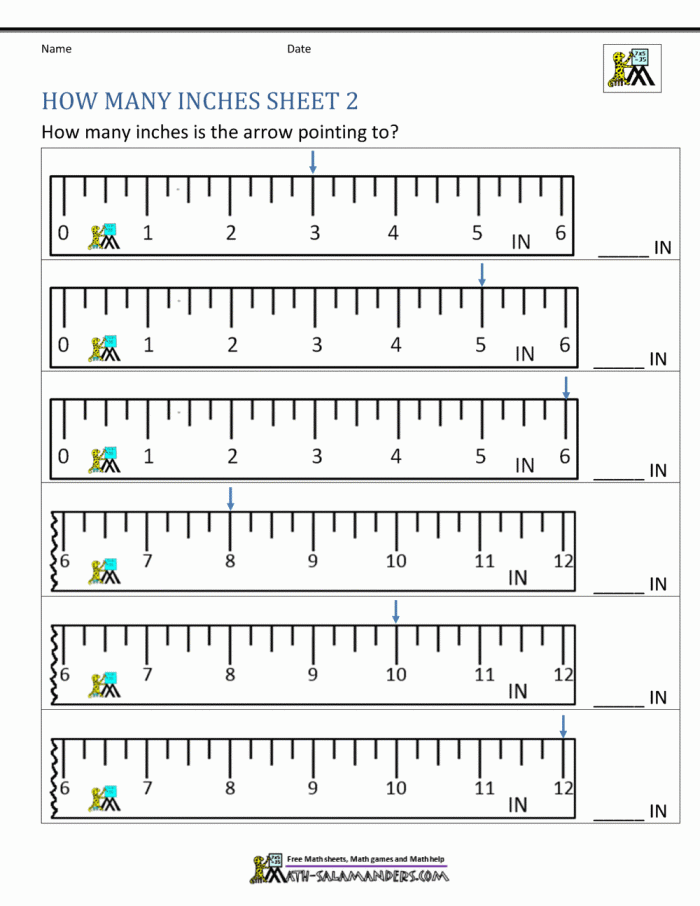
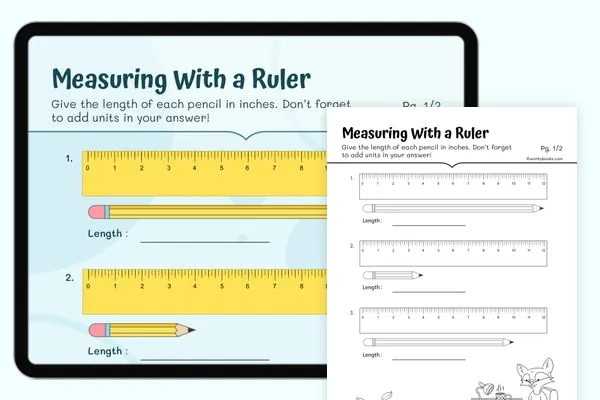
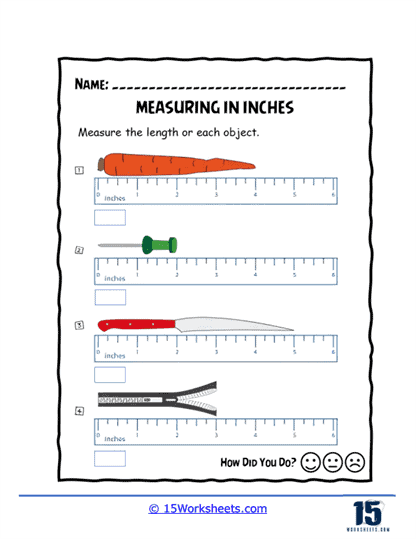
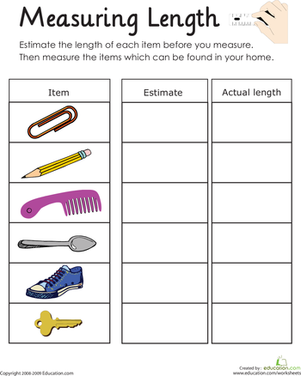
This hands-on approach works because it connects the abstract concept of linear measurement to the physical world students navigate every day. Rather than only working through printable measuring inches worksheets, students who spend time measuring real objects develop a stronger sense of scale and estimation skills that stick with them.
Geography in second grade often includes understanding space and distance, and measurement is central to that understanding. When students measure the length of their desk, the width of a doorway, or the height of a plant, they’re practicing the same skills they’ll use later to read maps and understand distances between places. Combining this real-world practice with structured geography activities reinforces both measurement skills and spatial awareness.
Start small. Pick three or four objects in your immediate space. Let students measure each one and record their findings. The repetition and variety build automaticity faster than drilling numbers alone ever could.
Download These Worksheets for Practice