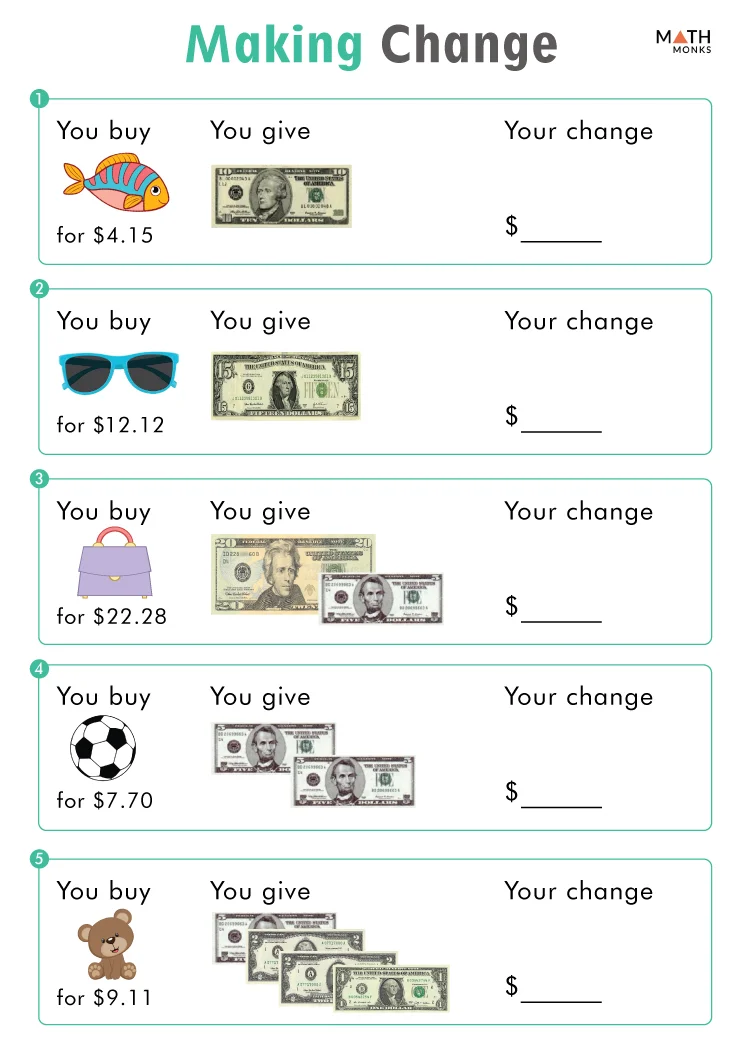
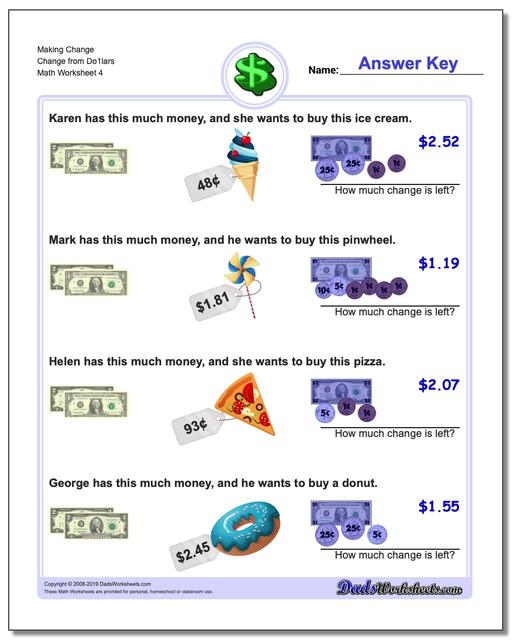
Counting coins teaches second grade students more than just arithmetic. When children add up piles of change, they’re building real-world math skills that connect classroom learning to everyday transactions. This activity combines mental math, place value understanding, and the ability to recognize different coin denominations all at once.
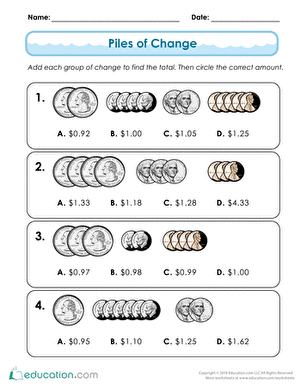
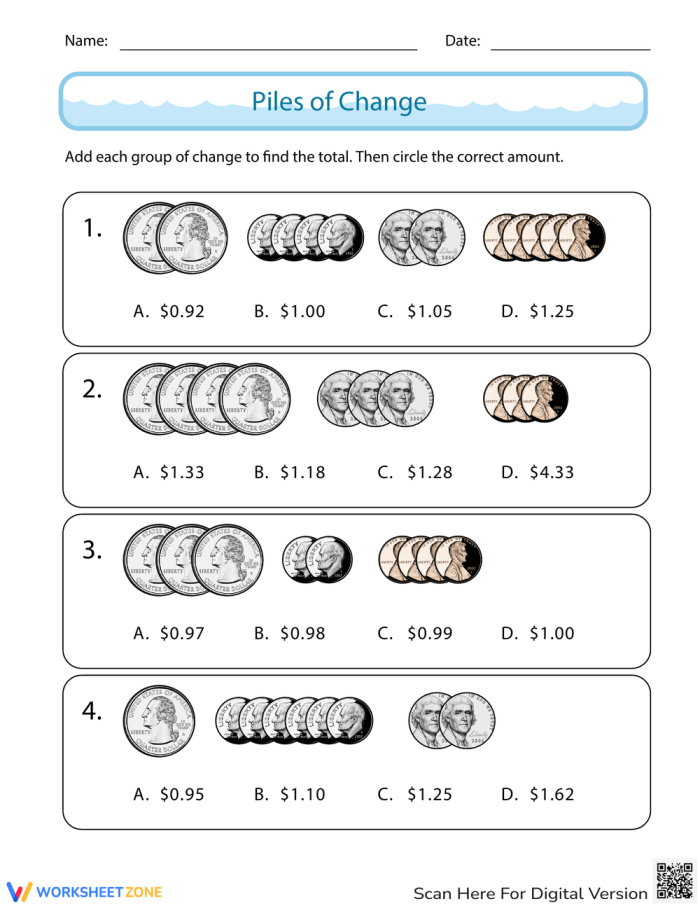
The process starts simple: gather several piles of pennies, nickels, dimes, and quarters. Have students count each pile separately, then add the totals together. The challenge comes when they must circle the correct amount from multiple choice options. This final step forces them to verify their work and think critically about whether their answer makes sense.
Second grade geography and math naturally overlap when teaching about money. Students learn that different regions use different currency systems, and understanding U.S. coins becomes foundational knowledge. When working through St. Patrick’s Day themed activities, teachers often incorporate coin counting to keep math skills sharp during seasonal lessons.
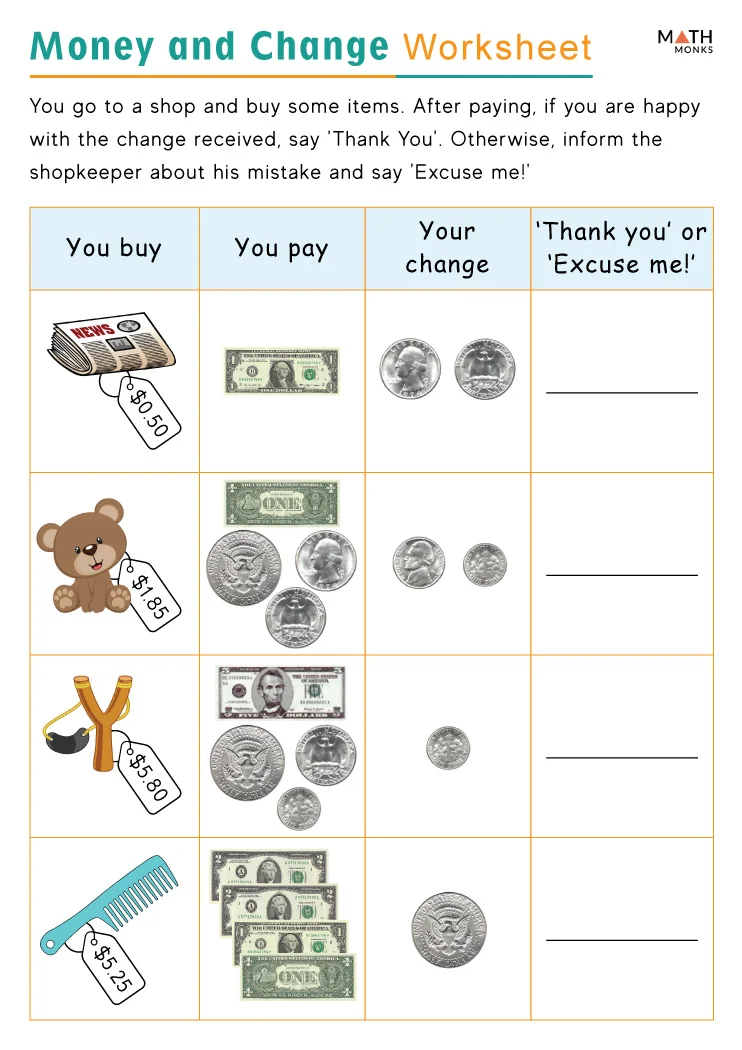
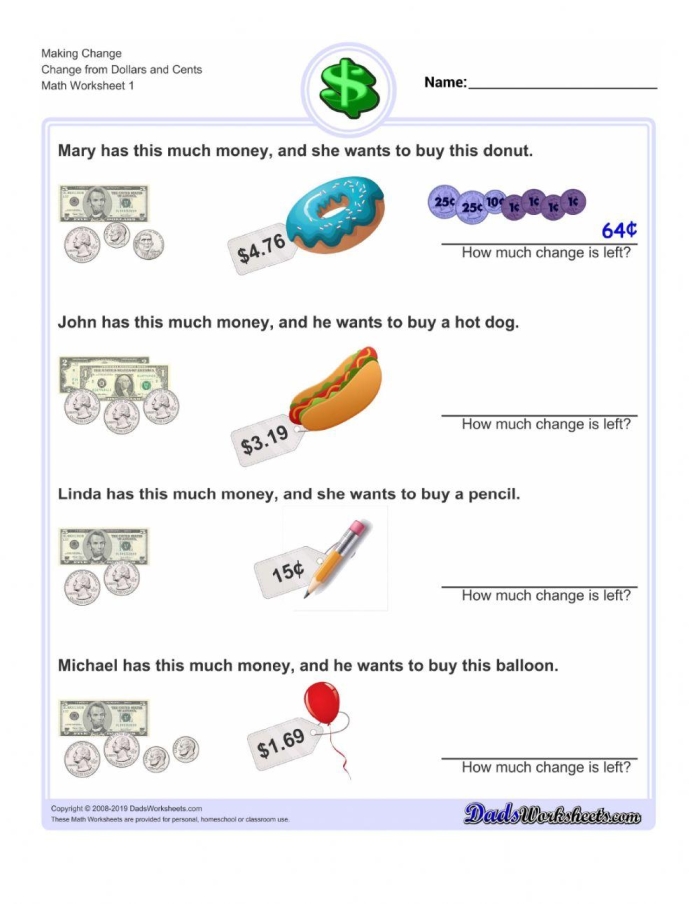
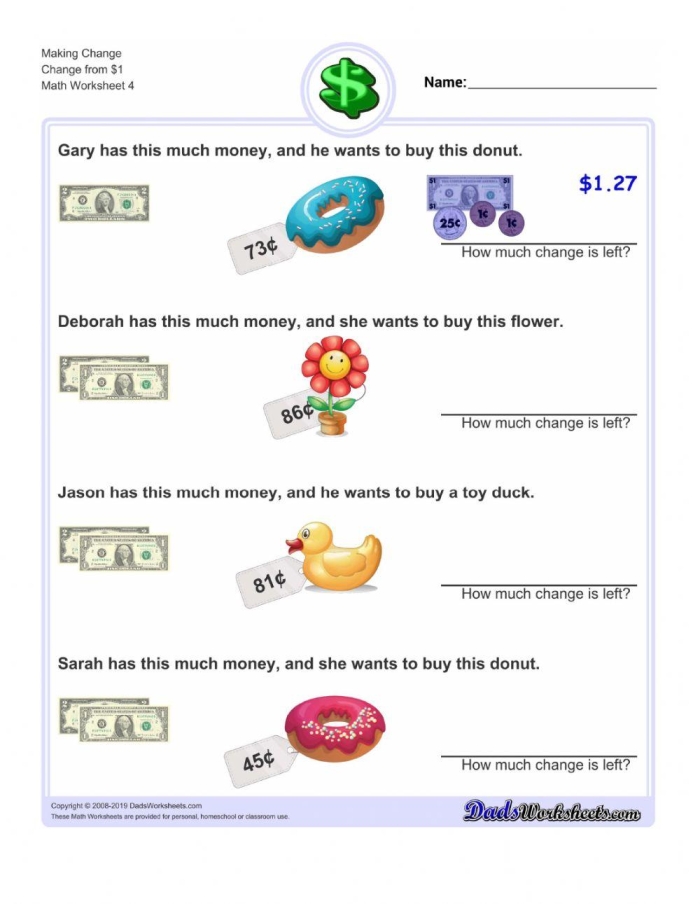
The visual component matters too. Having students physically manipulate coins or work with clear worksheet illustrations helps them understand coin values better than abstract numbers alone. They learn that a dime equals ten pennies, a quarter equals five nickels, and these relationships become concrete rather than memorized facts.
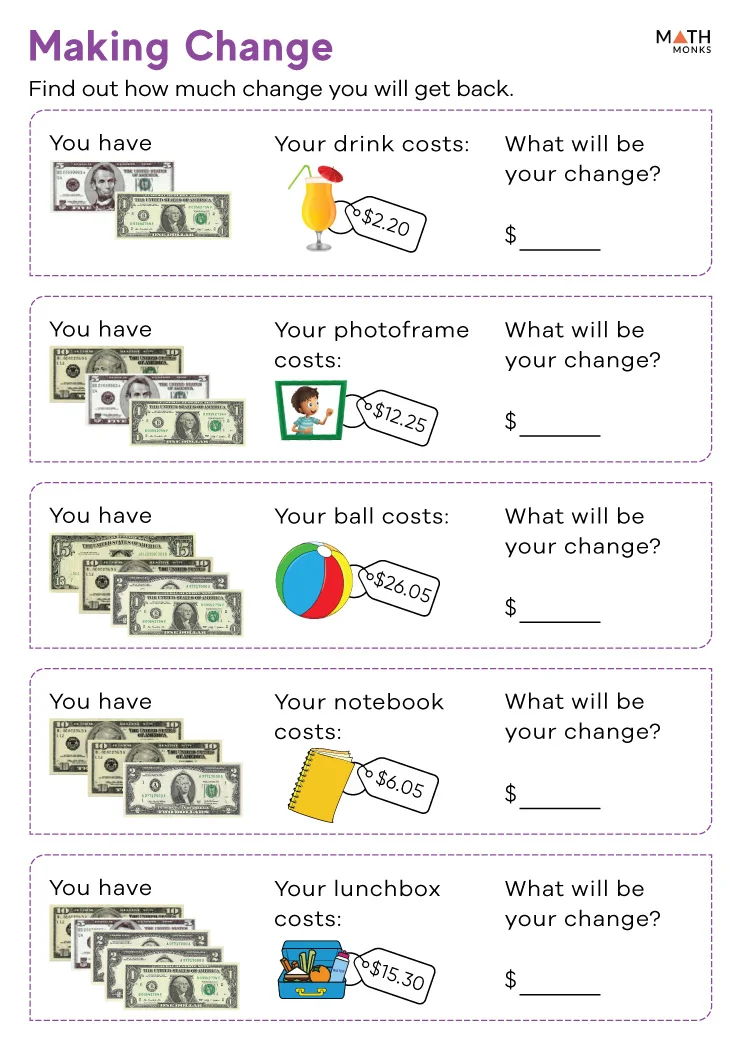
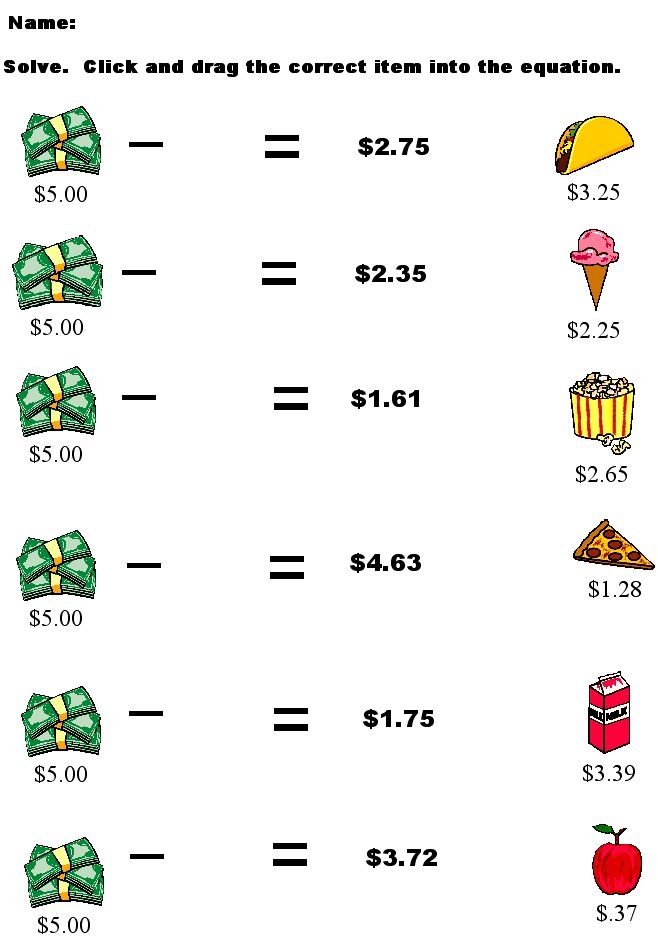
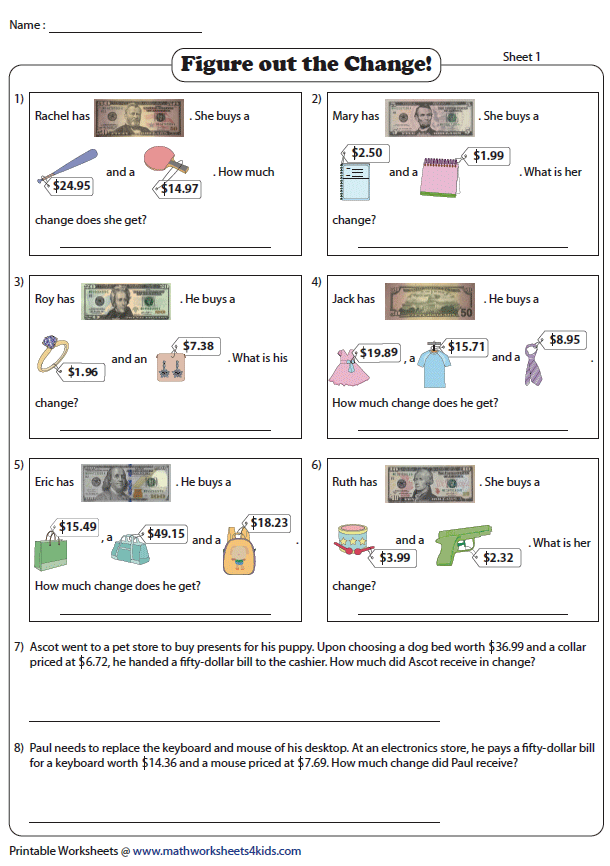
Printable piles of change worksheets work well as independent practice or small group activities. Students benefit from repeated exposure to different coin combinations. Starting with simpler piles of just pennies and nickels, then progressing to mixed denominations, keeps the challenge level appropriate. Teachers can also use these activities alongside other second grade learning, such as color by number subtraction practice, to reinforce multiple skills during one lesson block.
Worksheet Practice Section