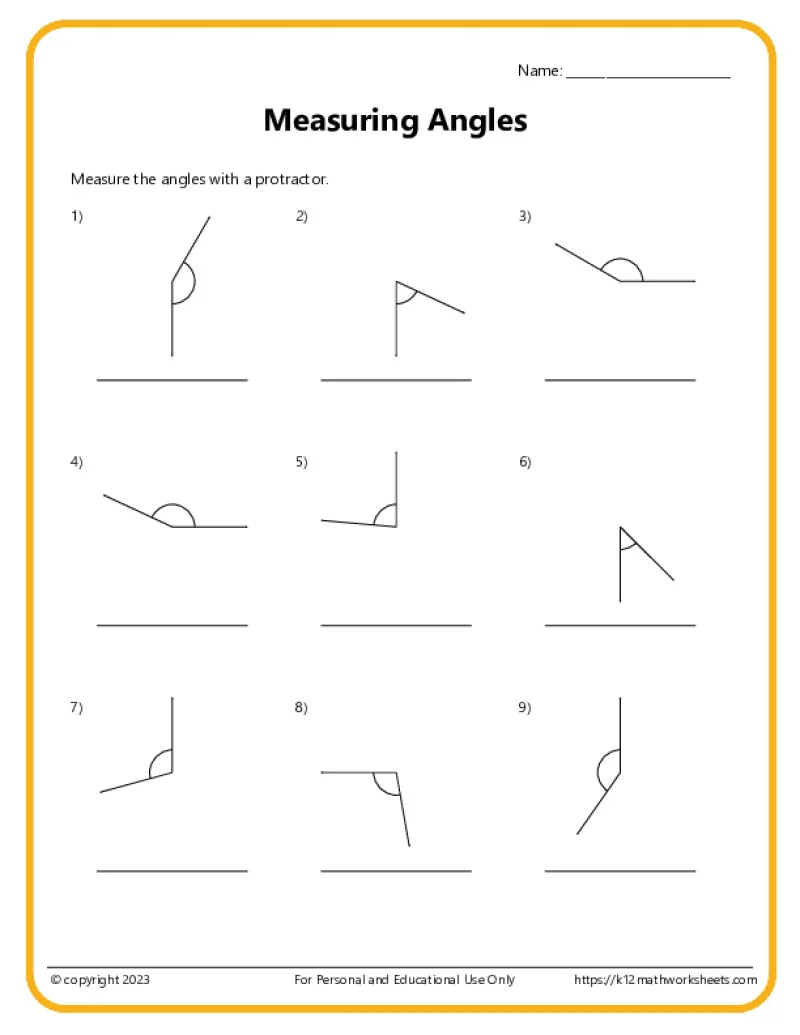
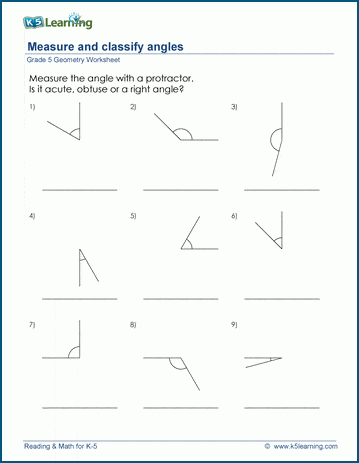
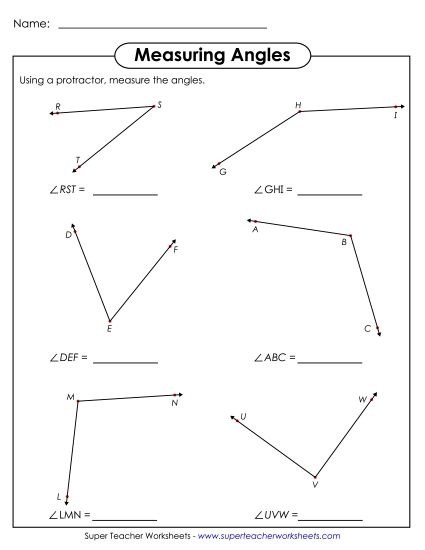
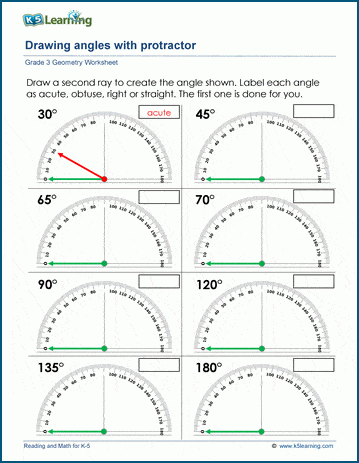
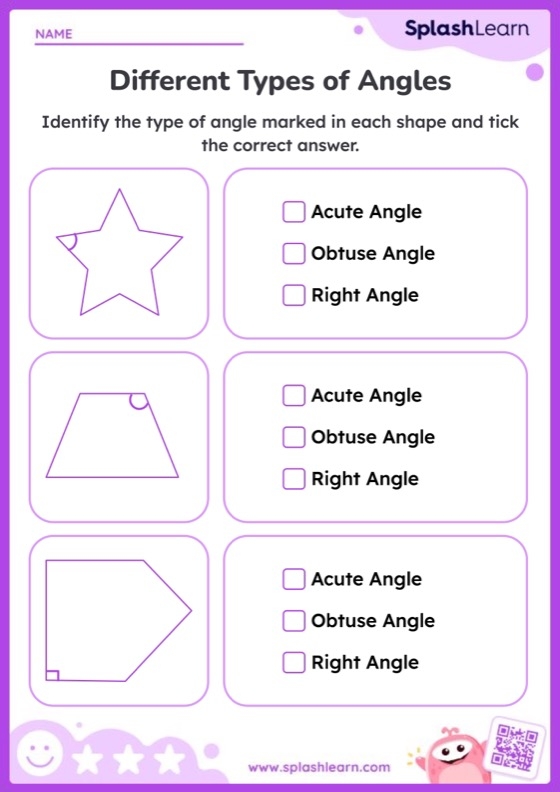
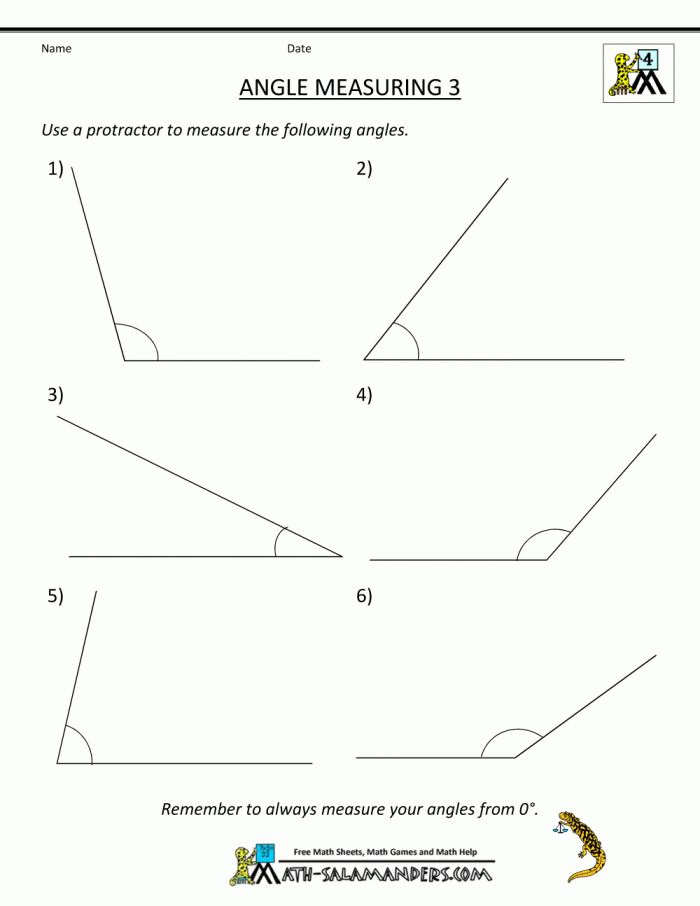
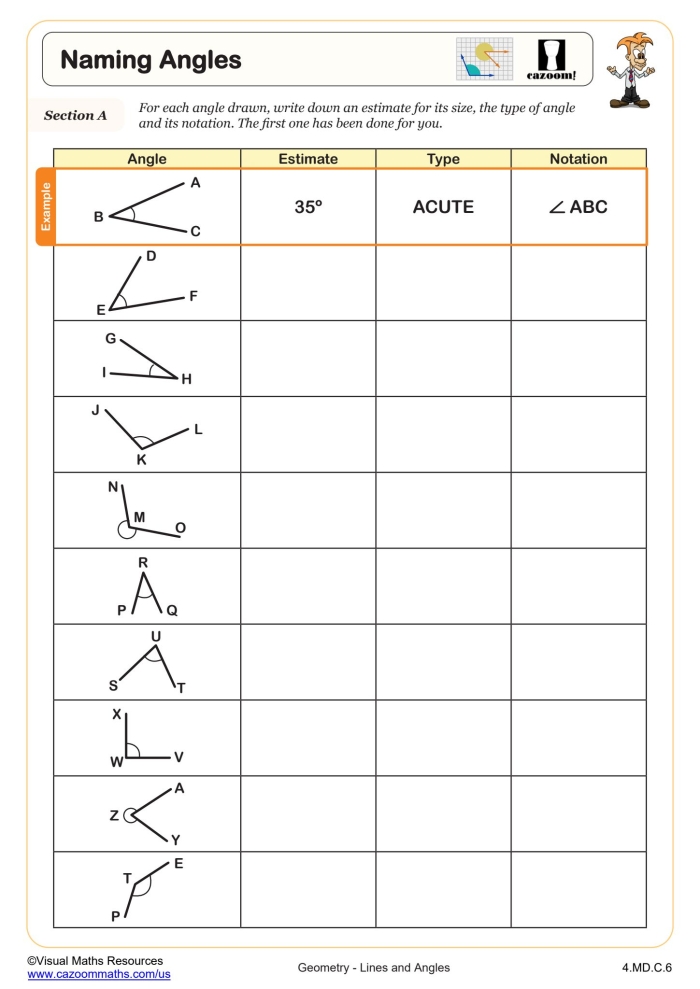
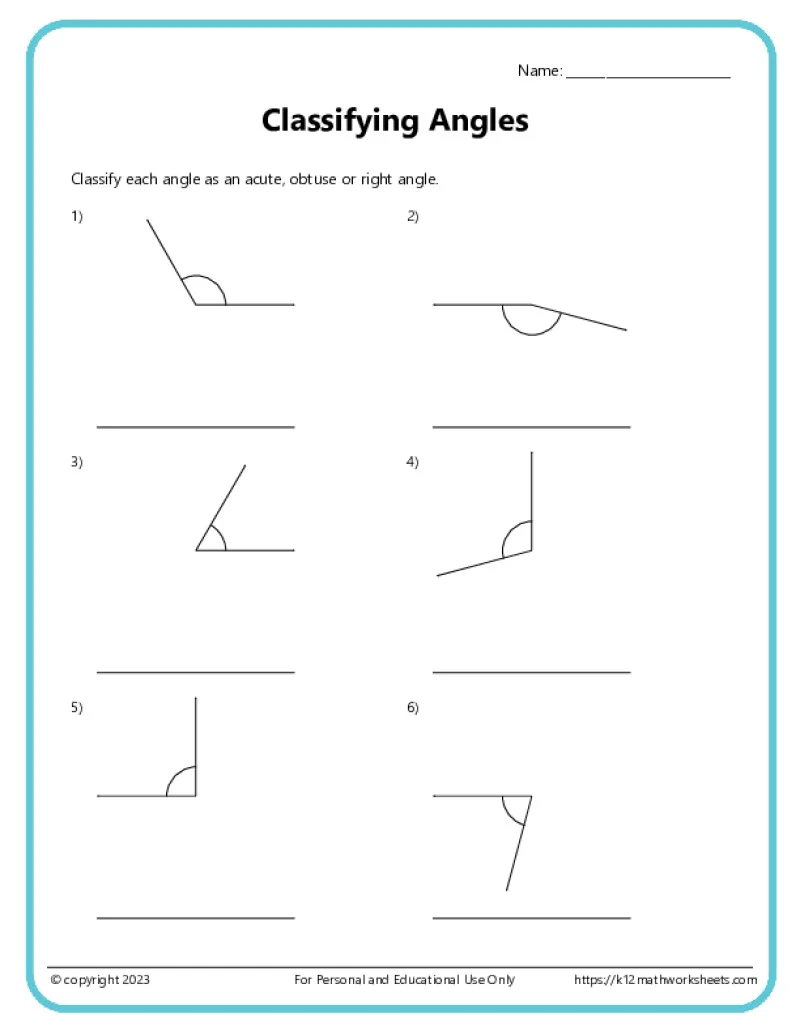
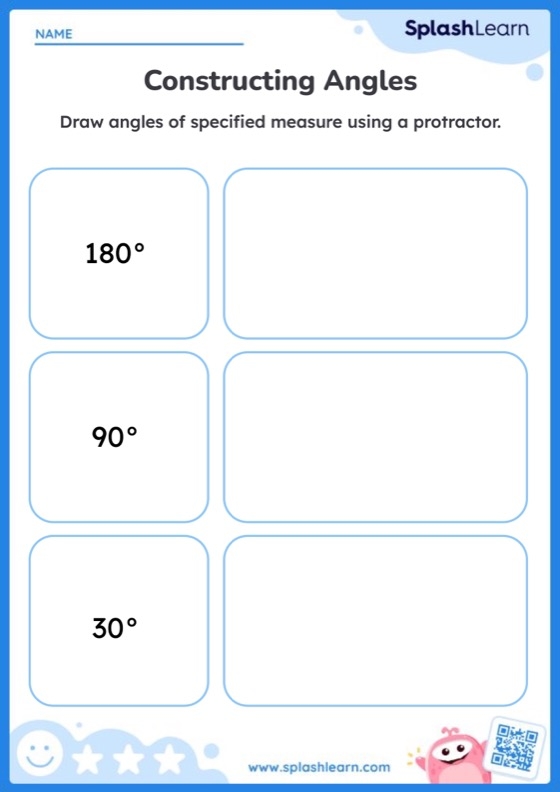
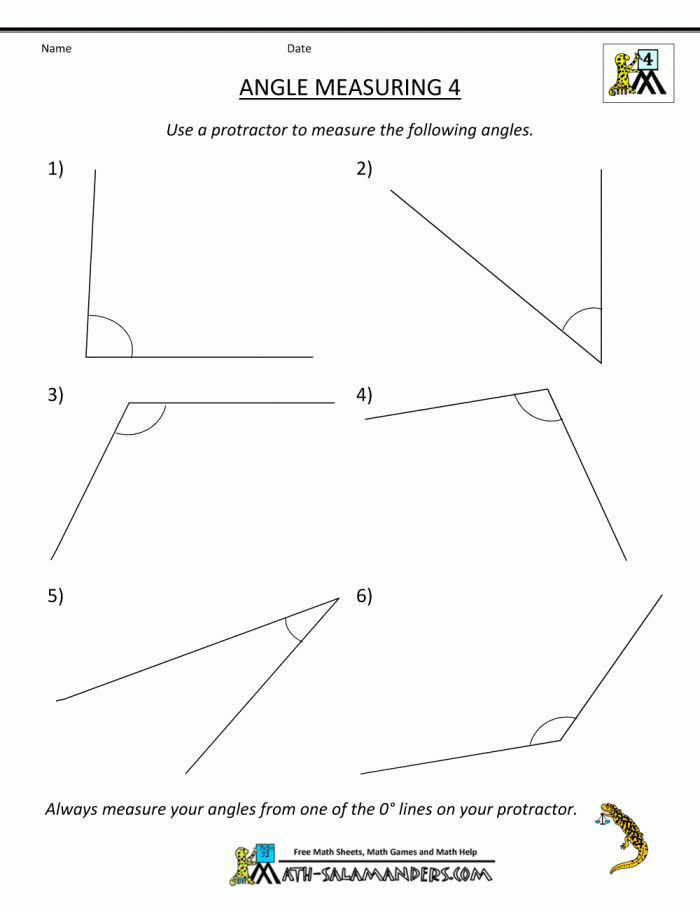
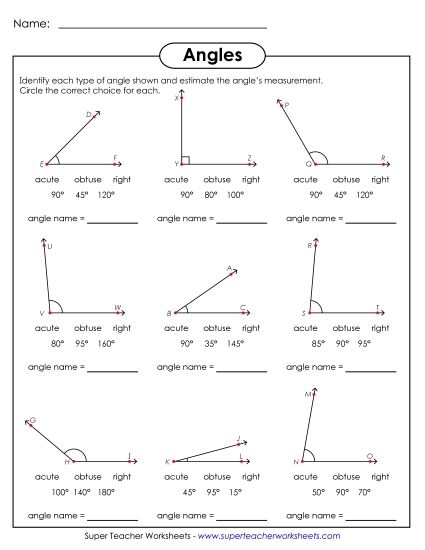
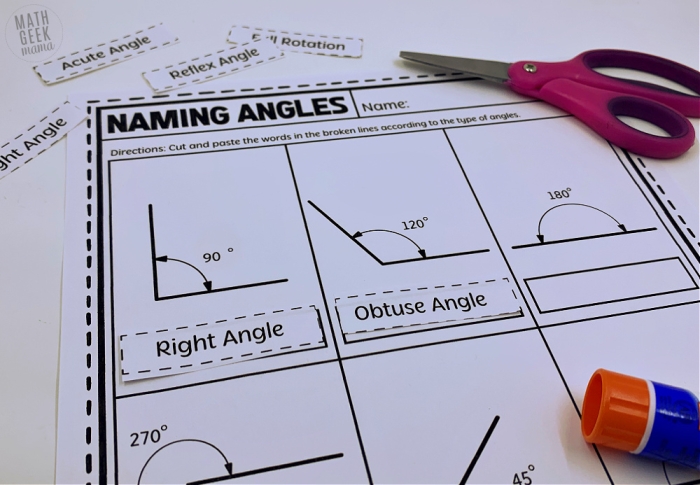
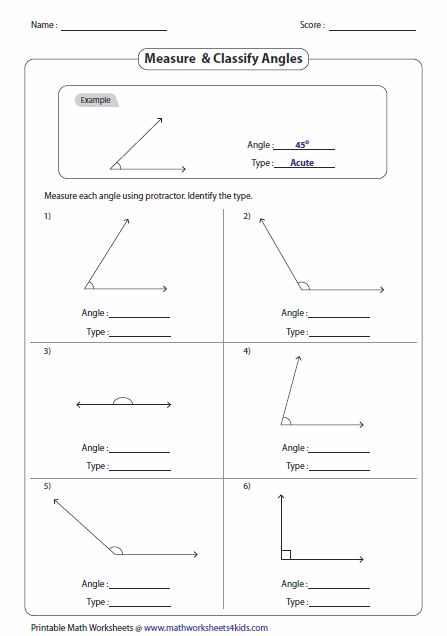
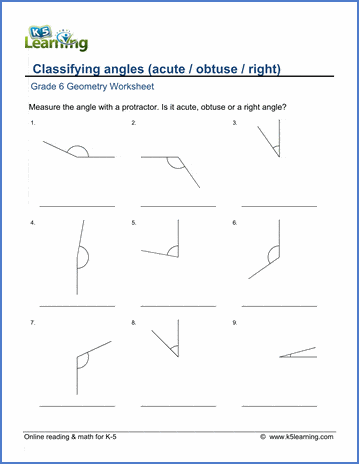
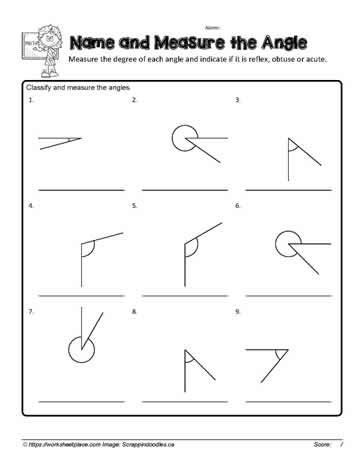
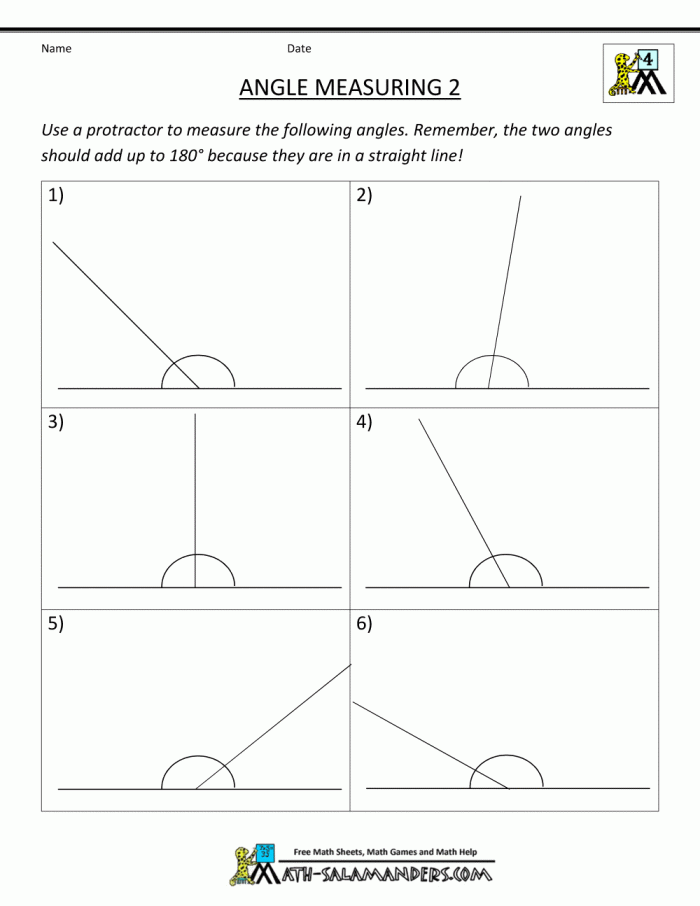
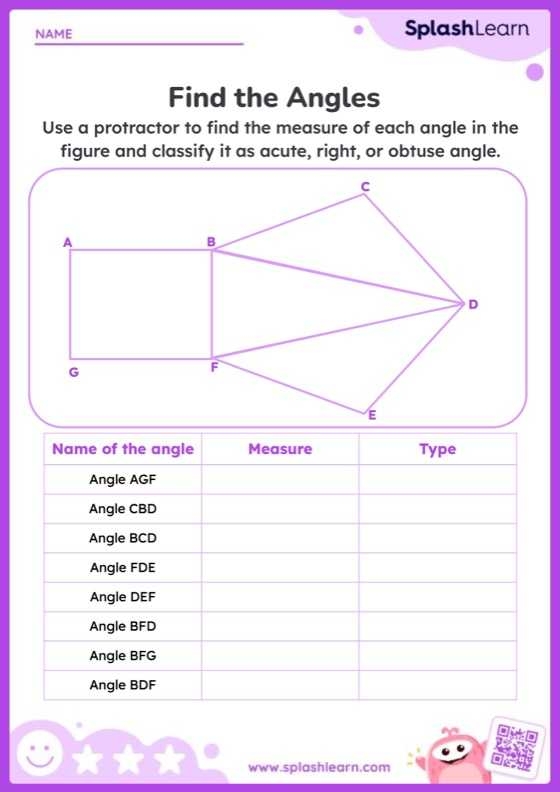
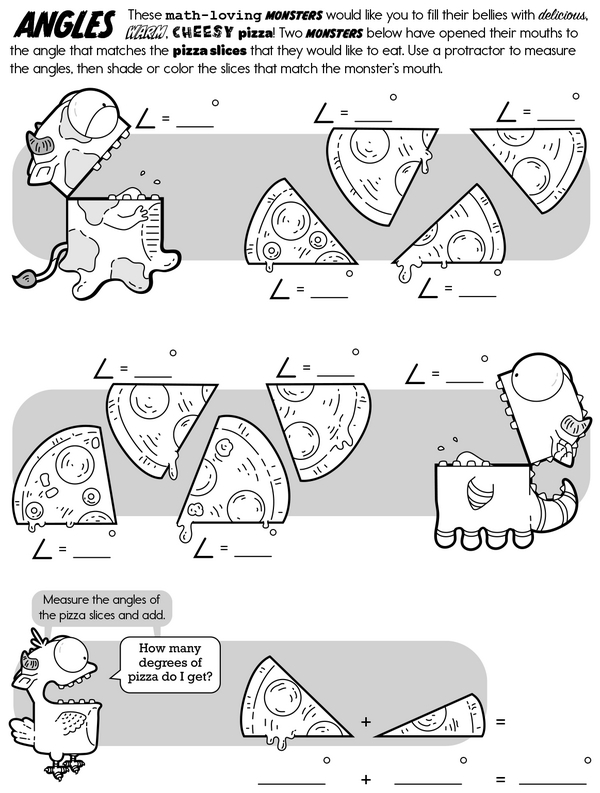
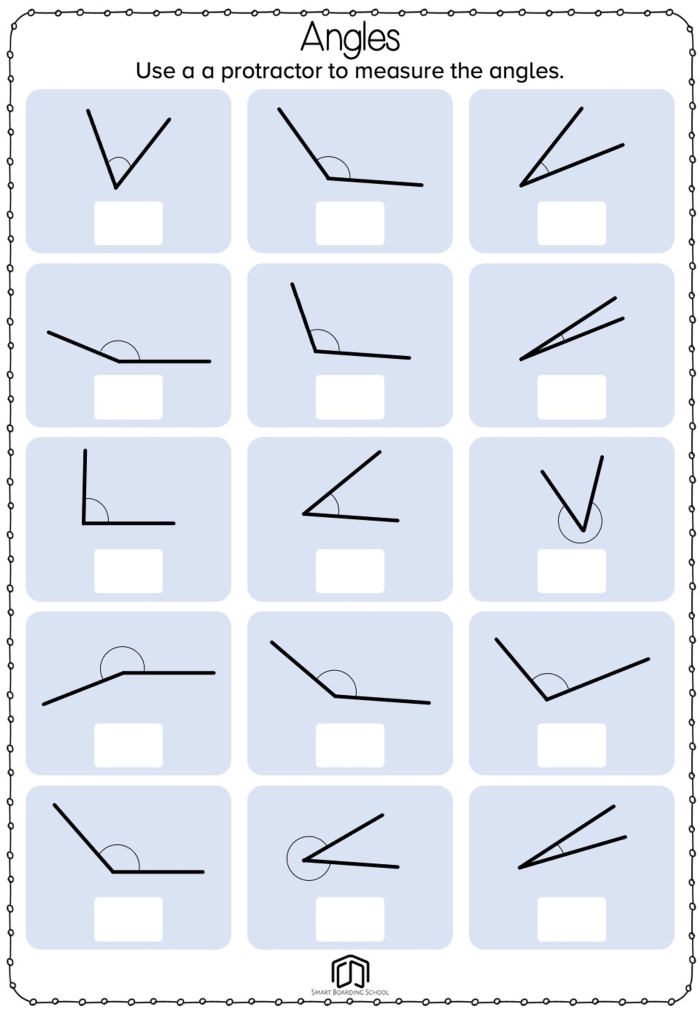
Measuring angles with a protractor is one of those skills that clicks once students actually hold the tool in their hands. Fourth grade students often find geometry more approachable when they move beyond worksheets and get to physically measure something concrete. Using built-in protractors, students can measure angles directly on paper, which gives them immediate feedback about whether they’re reading the tool correctly.
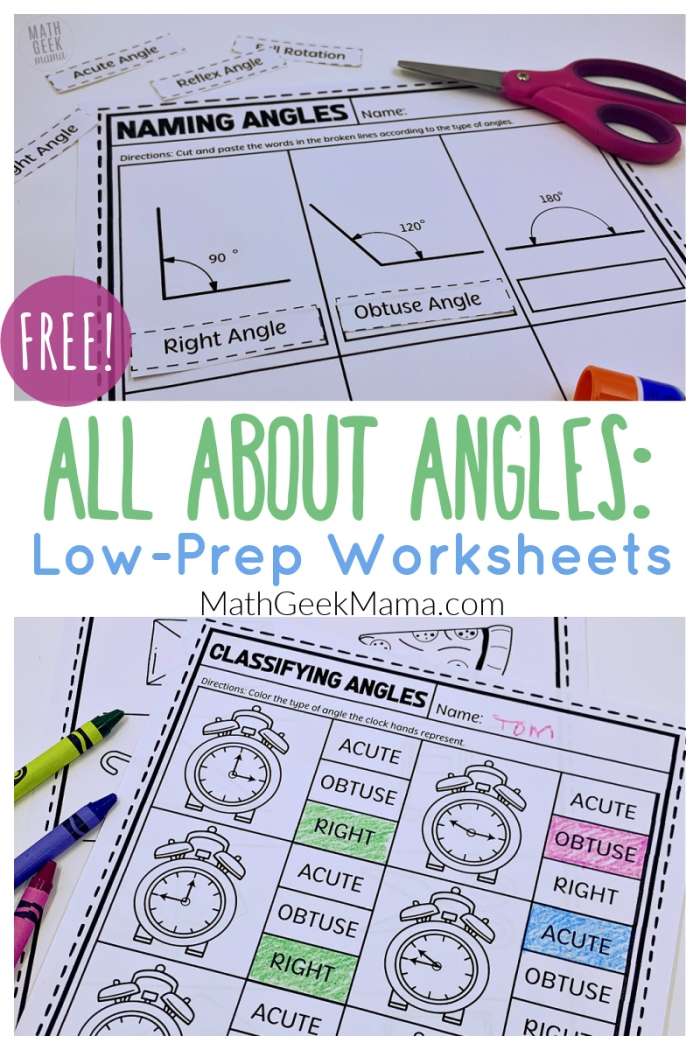
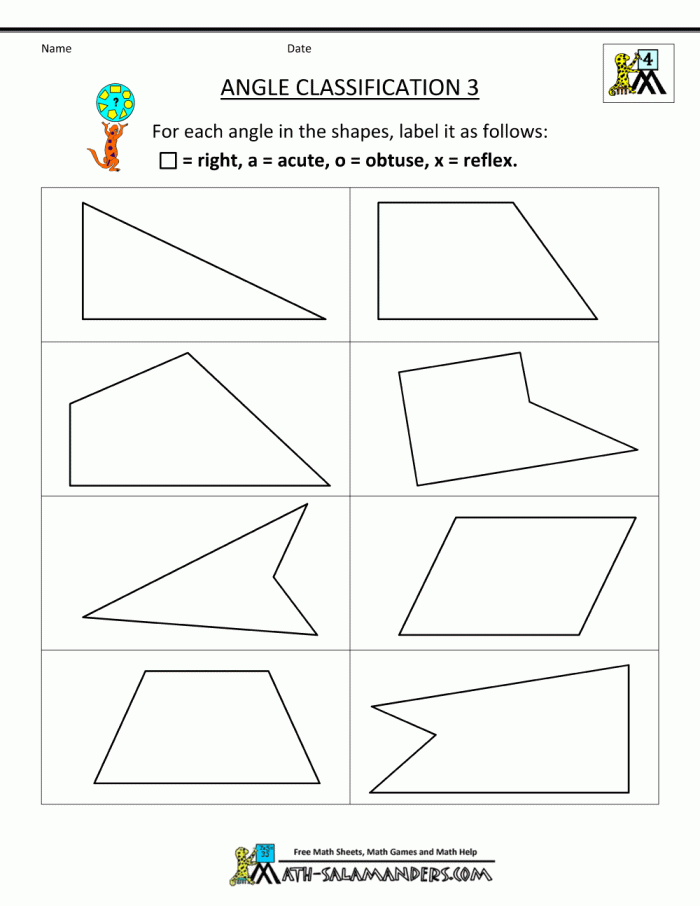
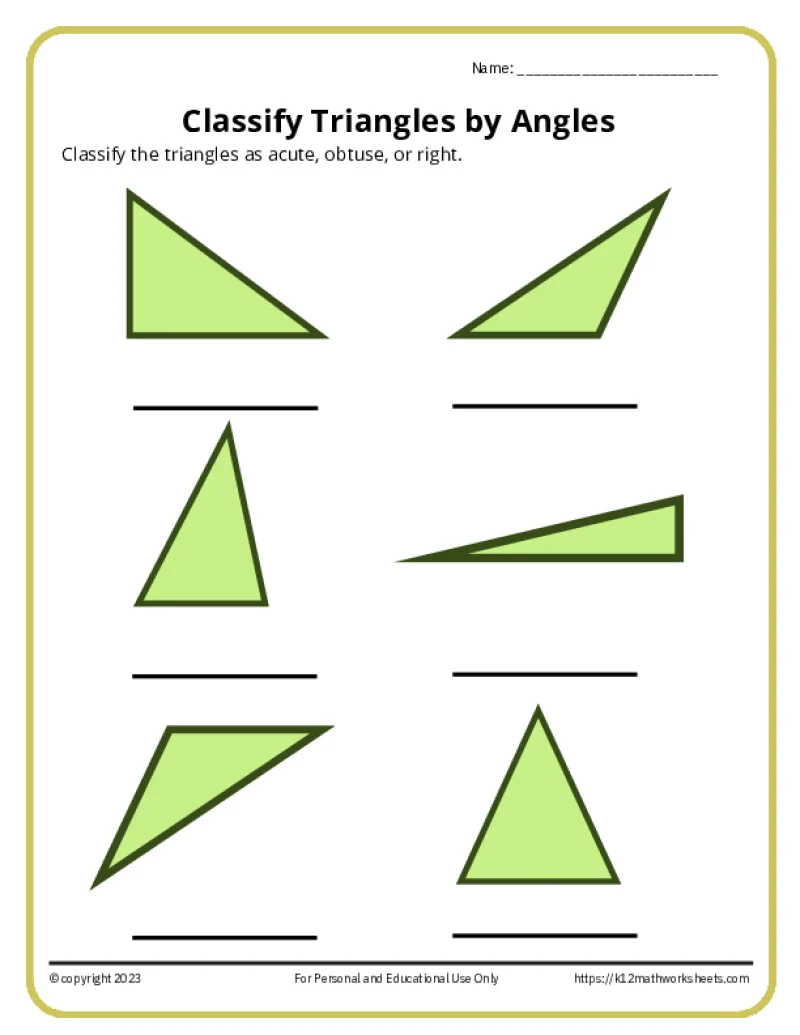
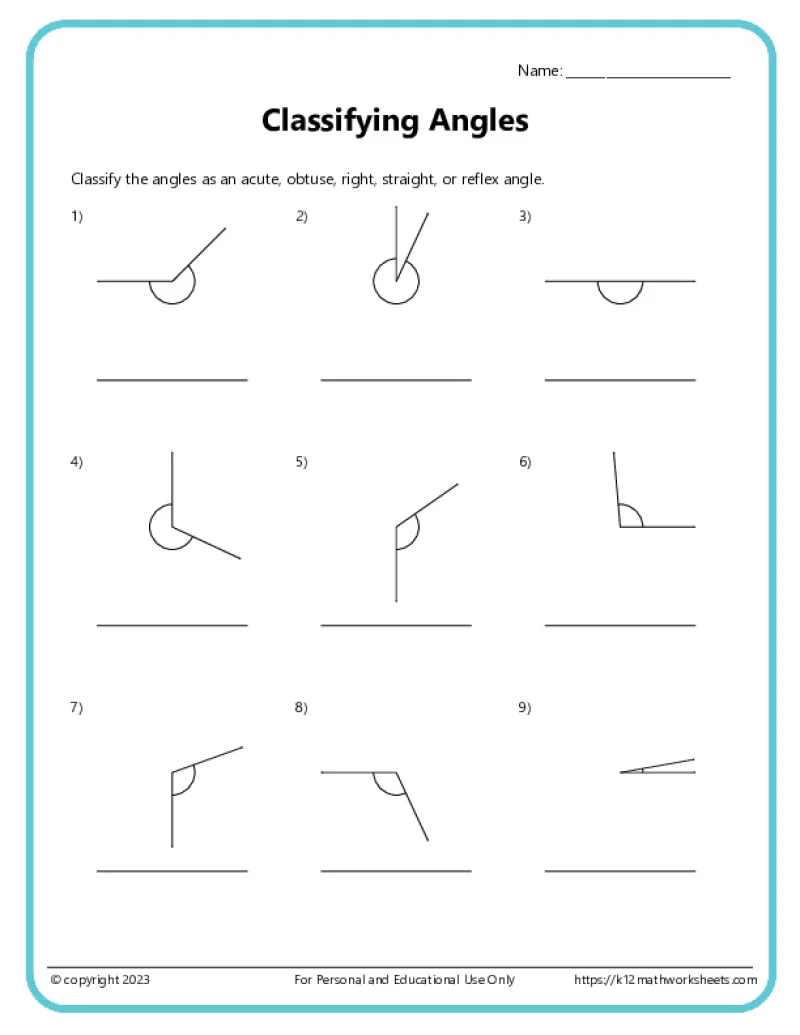
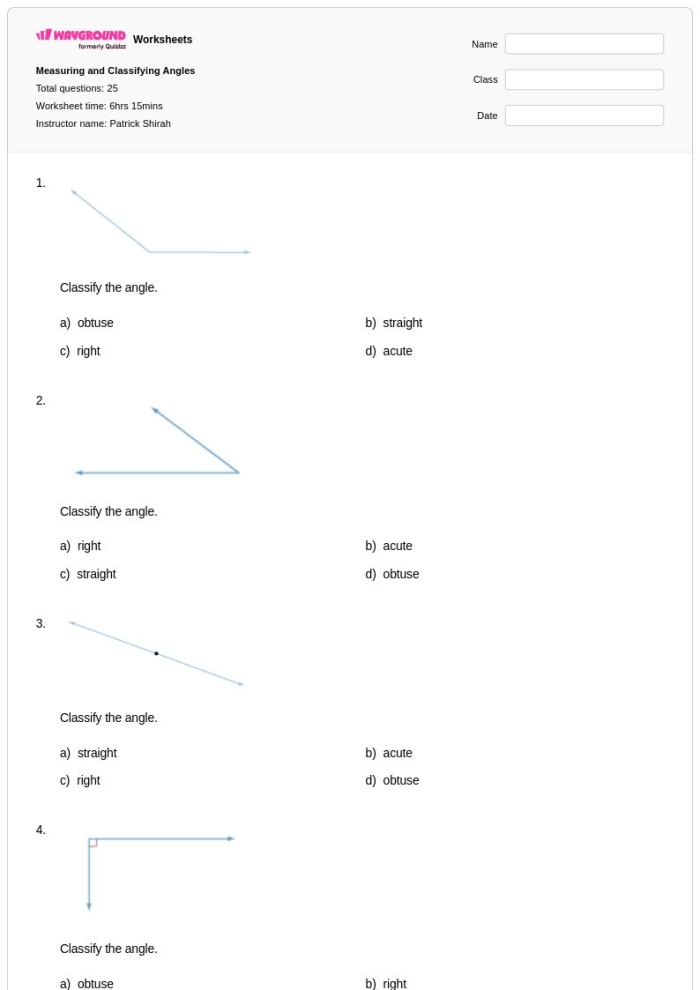
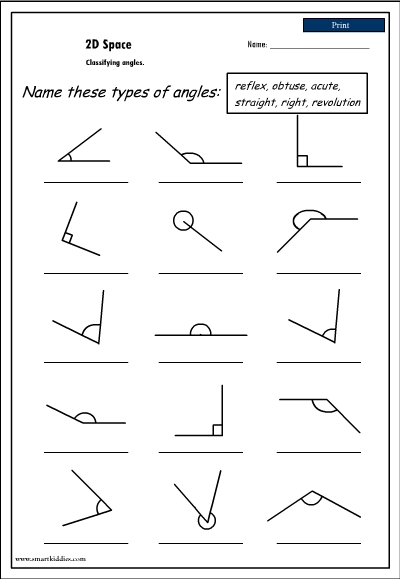
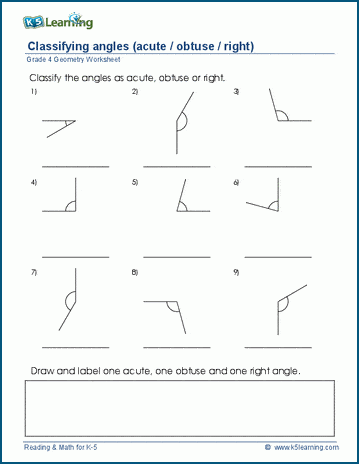
The real learning happens after the measurement phase. Once students have their angle measurements written down, they face the classification challenge. They need to determine whether each angle falls into one of four categories: acute angles measure less than 90 degrees, right angles measure exactly 90 degrees, obtuse angles measure between 90 and 180 degrees, and straight angles measure exactly 180 degrees. This classification step reinforces the relationship between the numerical measurement and the visual appearance of the angle.
Fourth grade students benefit from activities that combine hands-on measurement with decision-making. When they measure an angle and find it’s 65 degrees, they then need to recognize that this makes it acute. The connection between the number and the category strengthens their geometric reasoning. Many students discover that angles that look similar in size might have different measurements, which challenges their initial assumptions.
Teachers often notice that students who struggle with abstract angle concepts become more confident once they practice with actual protractors. The physical act of aligning the protractor baseline with one ray and reading where the other ray intersects the scale makes the process tangible. Printable measure and classify angles worksheets can extend this practice, allowing students to work through multiple examples and build fluency with both measuring and categorizing angles.
Try These Printable Worksheets