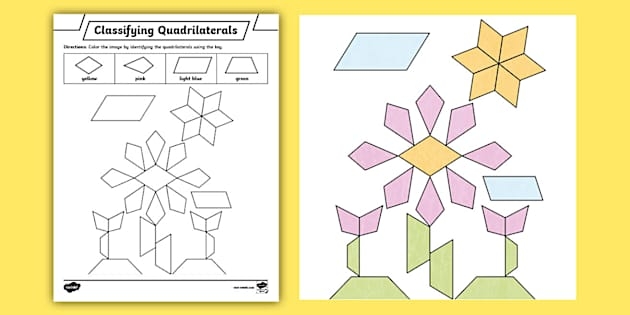
Most third graders encounter quadrilaterals without realizing they’re learning about shapes with four sides and four angles. Once you start noticing them, quadrilaterals appear everywhere: the rectangle on your classroom wall, the diamond shape on a playing card, the stop sign that’s actually an octagon (okay, that one doesn’t count). Understanding the five main types of quadrilaterals gives you a framework for recognizing patterns in geometry and solving problems with confidence.
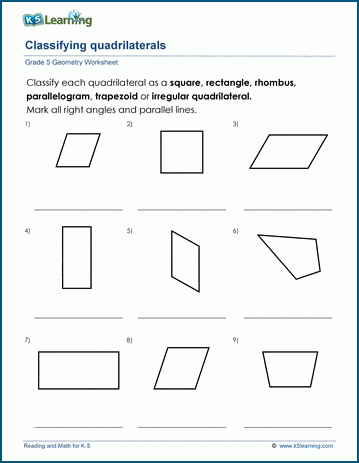
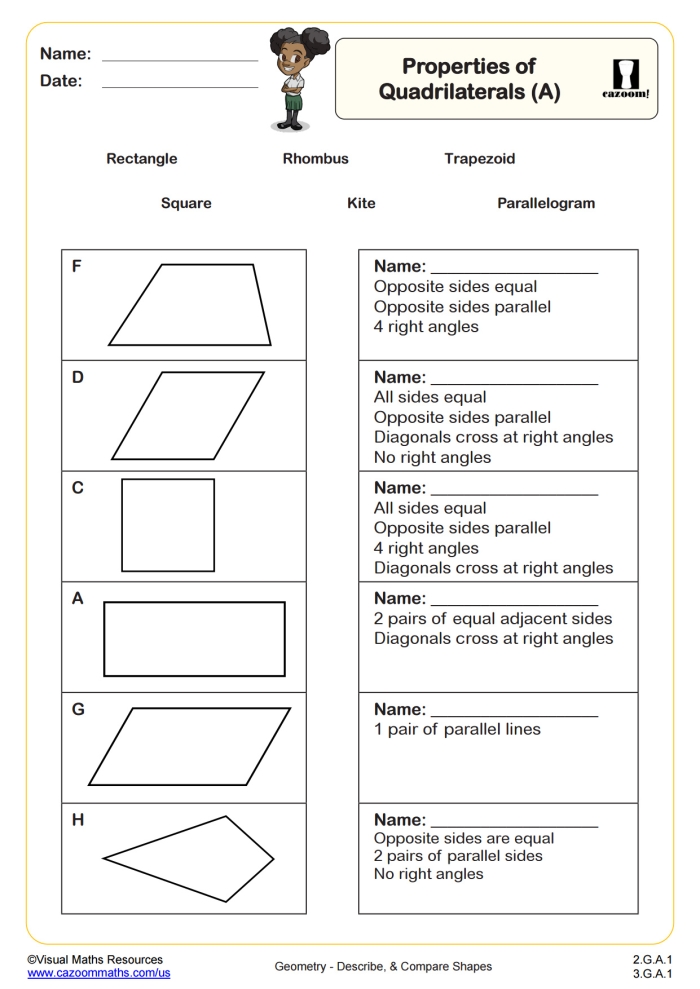
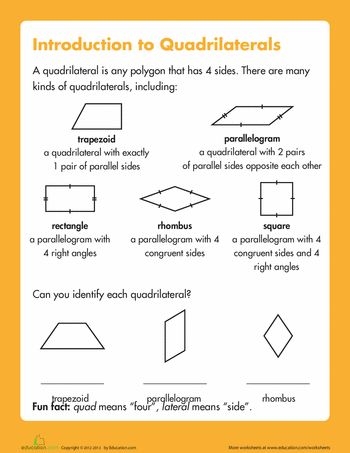
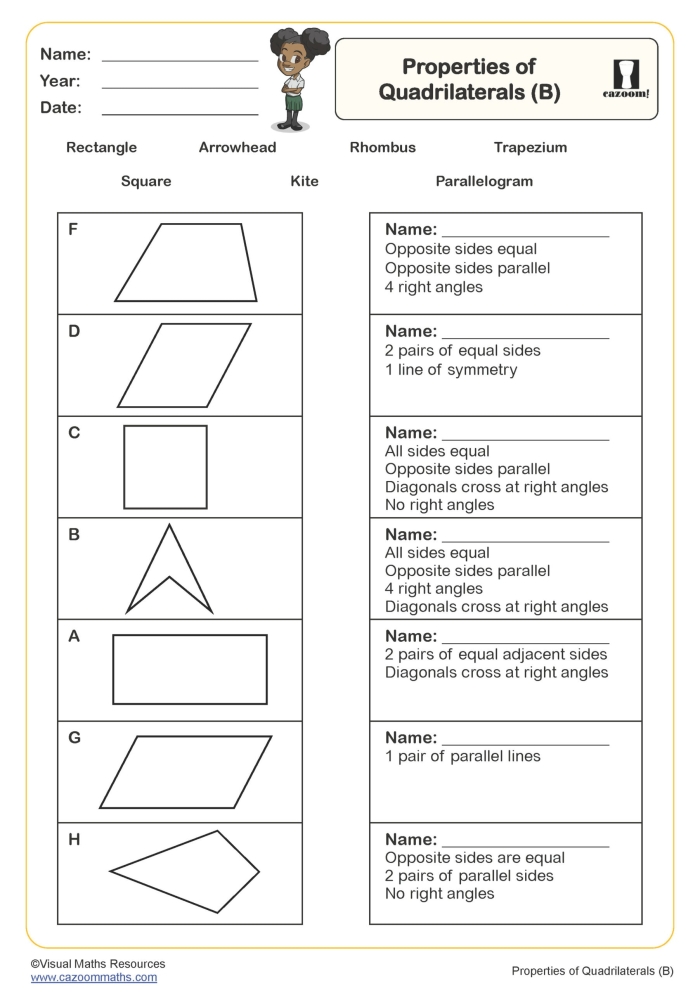
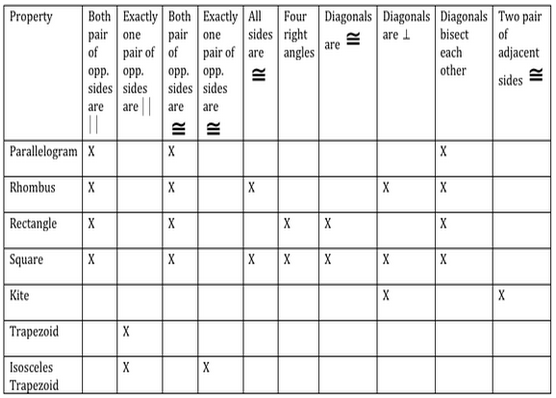
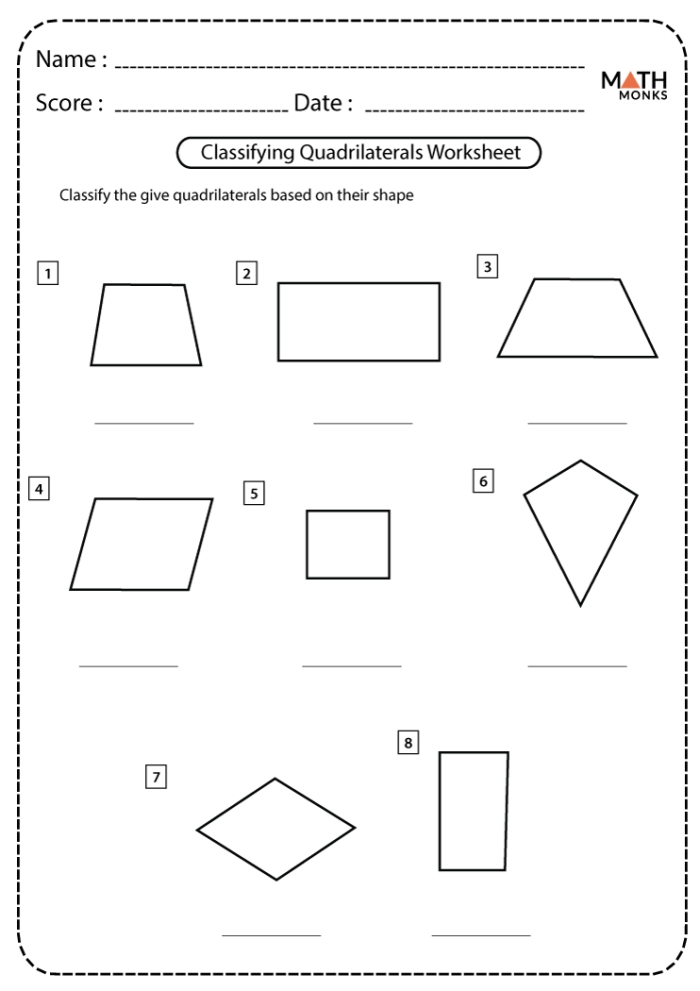
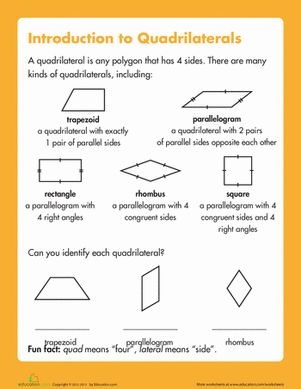
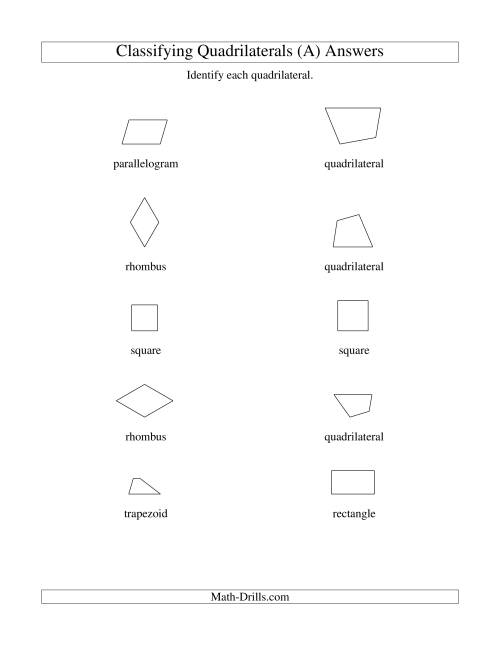
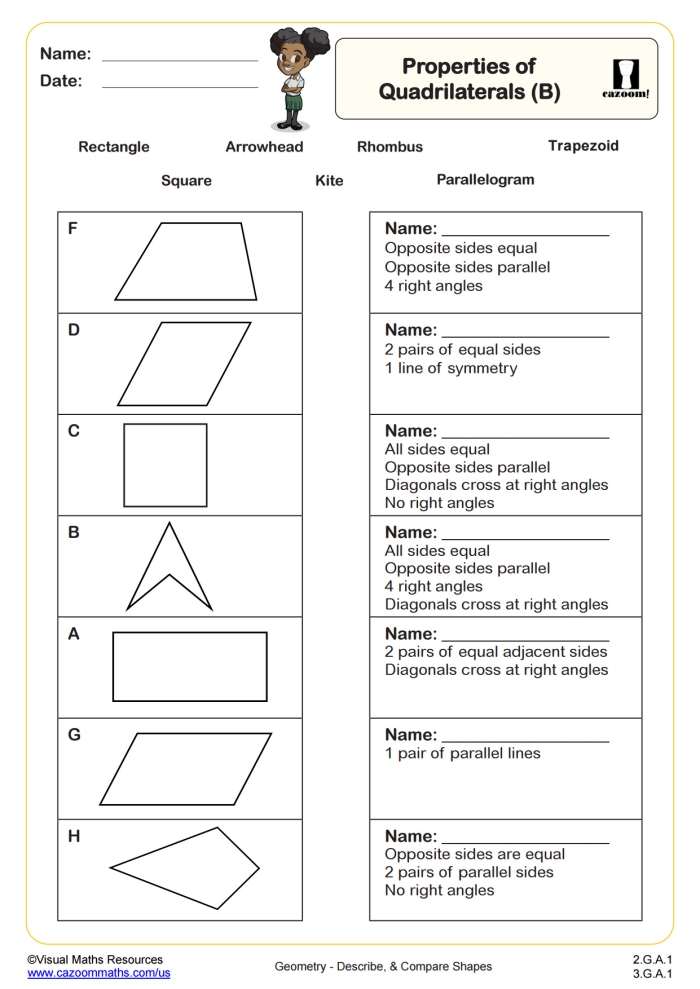
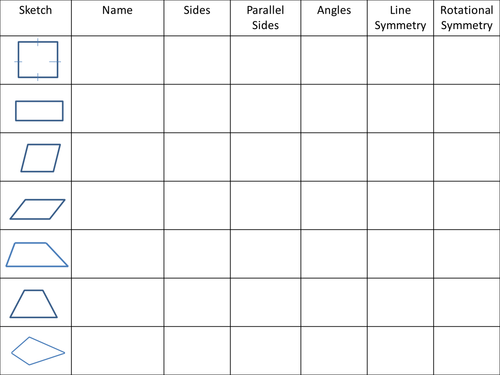
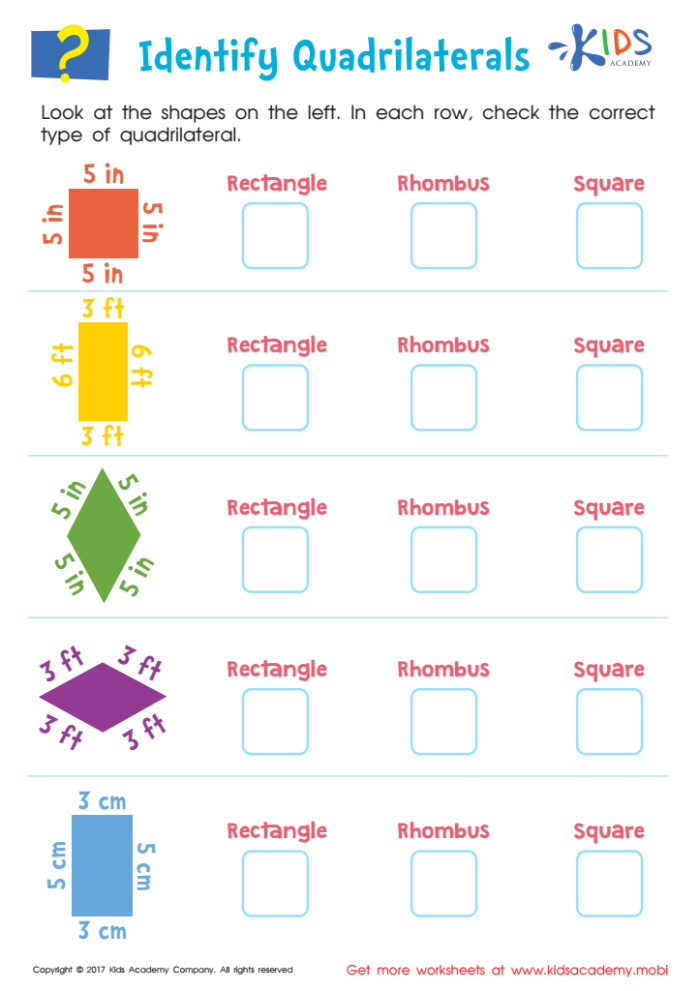
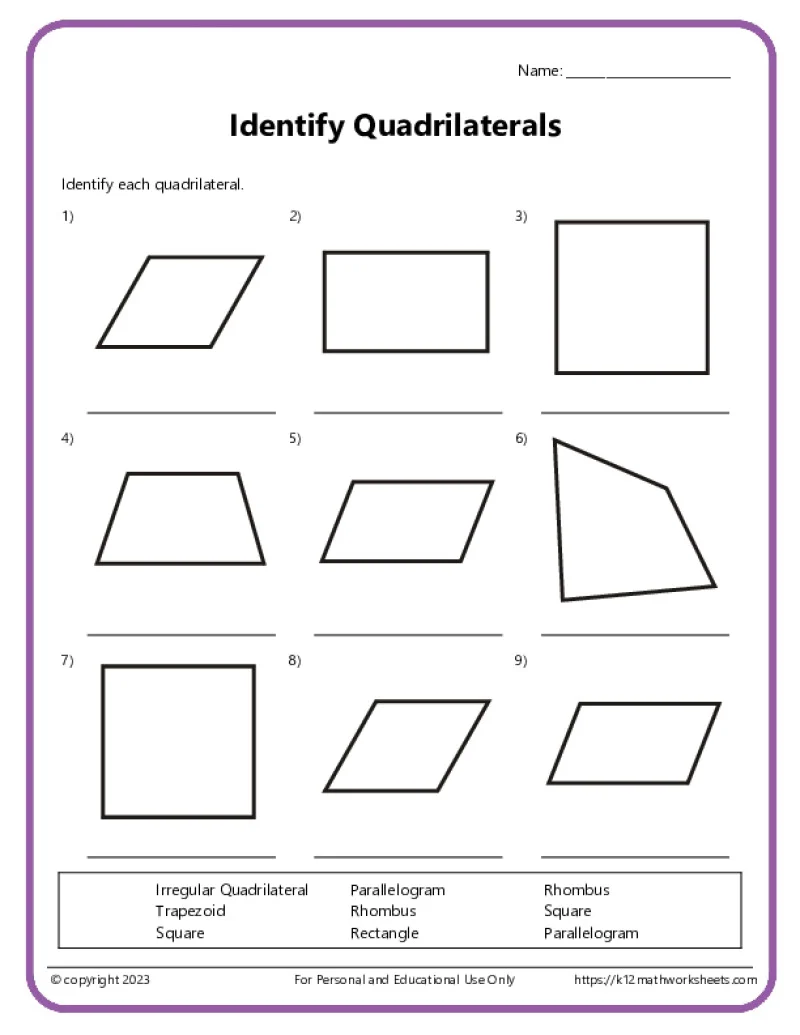
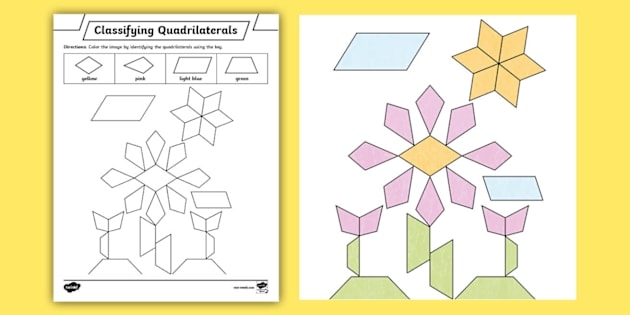
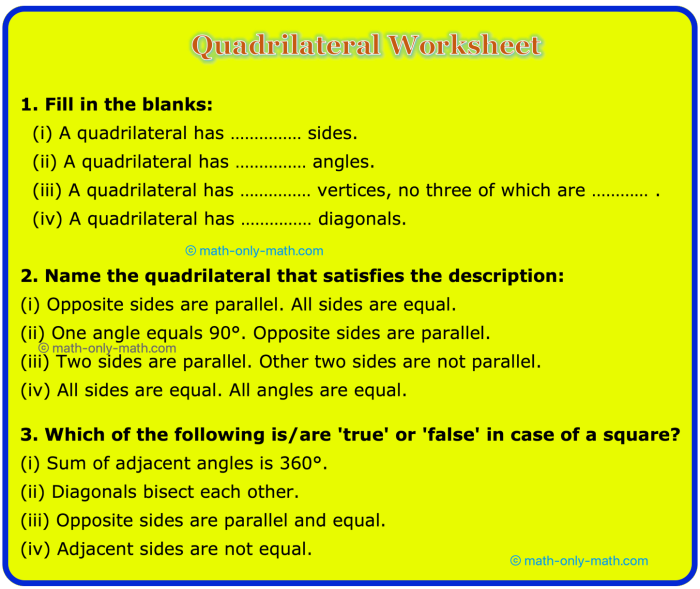
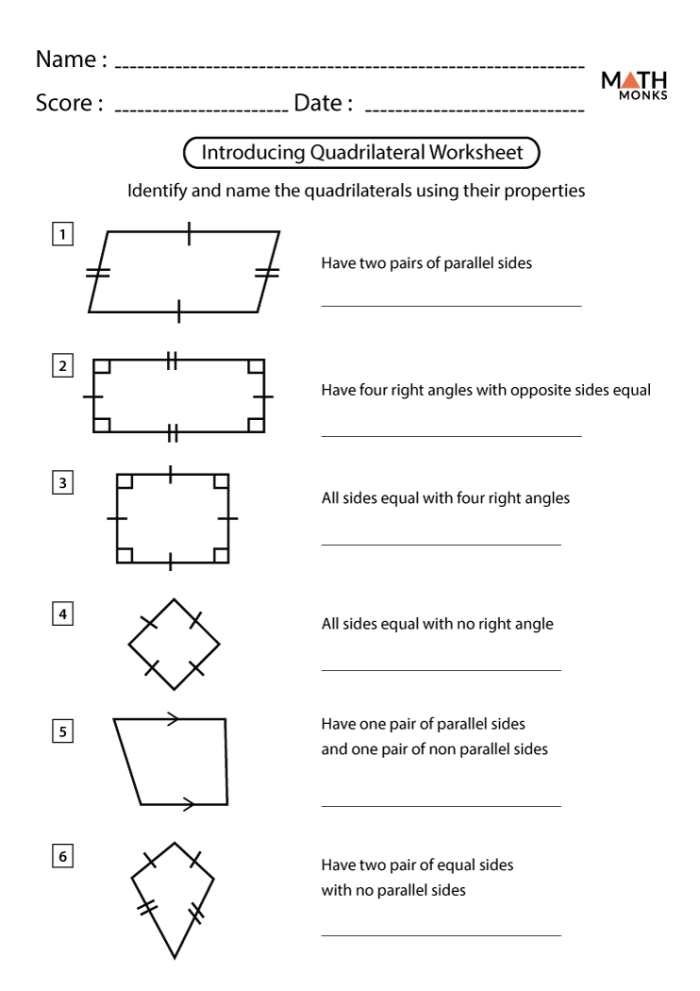
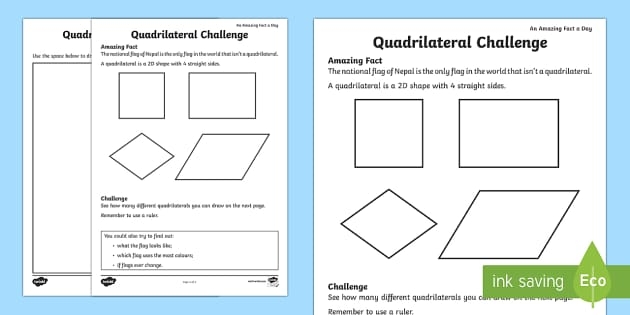
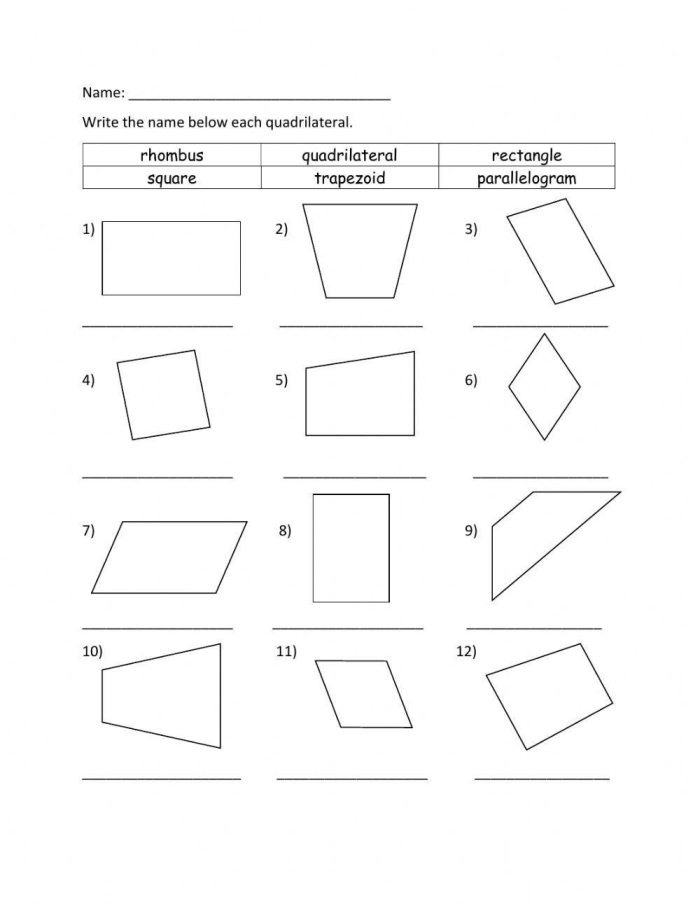
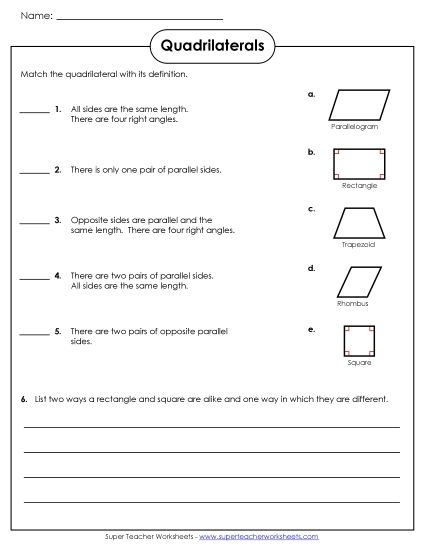
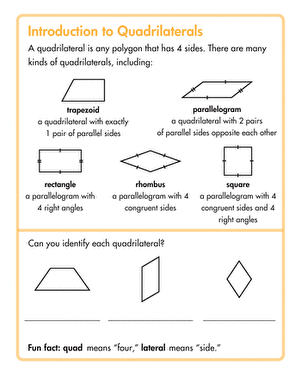
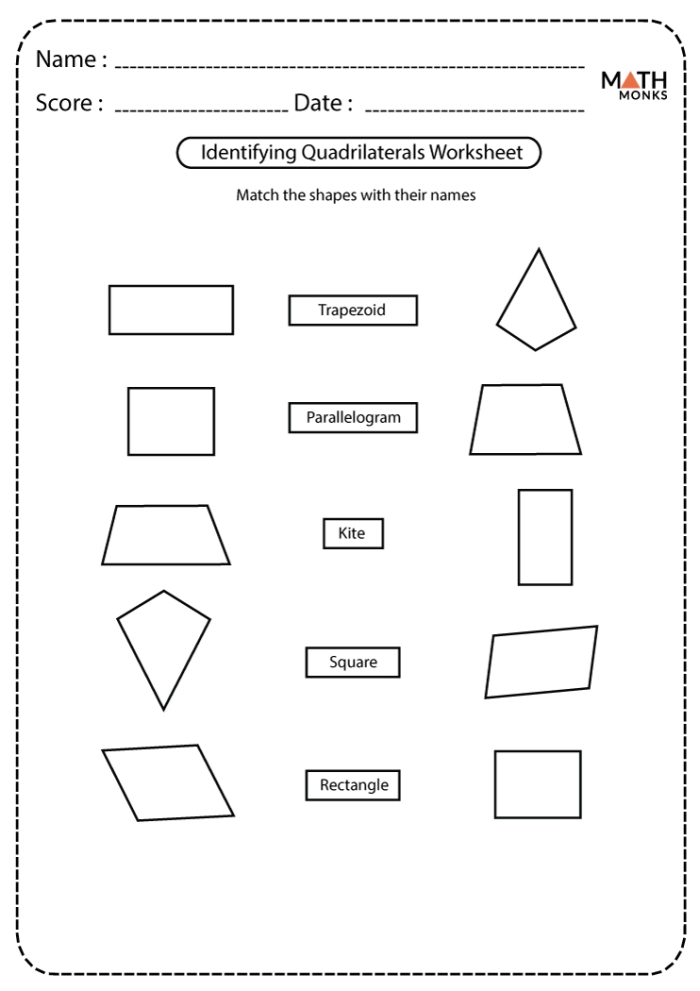
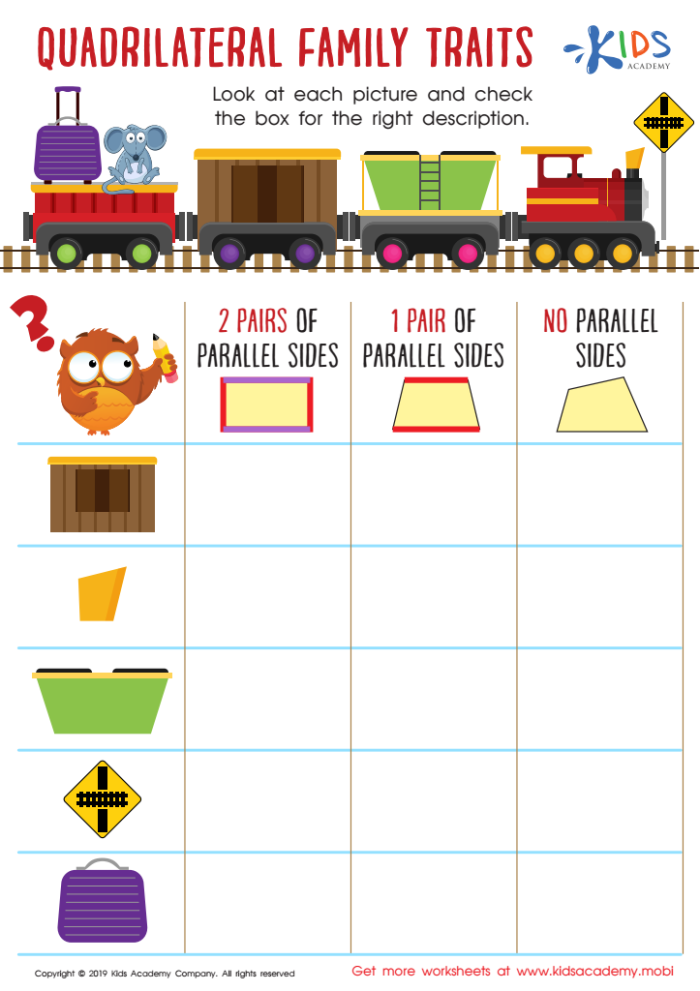
The five types worth knowing are rectangles, squares, parallelograms, trapezoids, and rhombuses. Each has distinct properties that set it apart. A square has four equal sides and four right angles, making it the most symmetrical of the group. A rectangle shares the right angles but allows sides to have different lengths. A parallelogram has opposite sides that are equal and parallel, though its angles aren’t necessarily right angles. A trapezoid has exactly one pair of parallel sides, which makes it visually different from the others. A rhombus has four equal sides like a square, but its angles aren’t right angles, giving it that tilted diamond appearance.
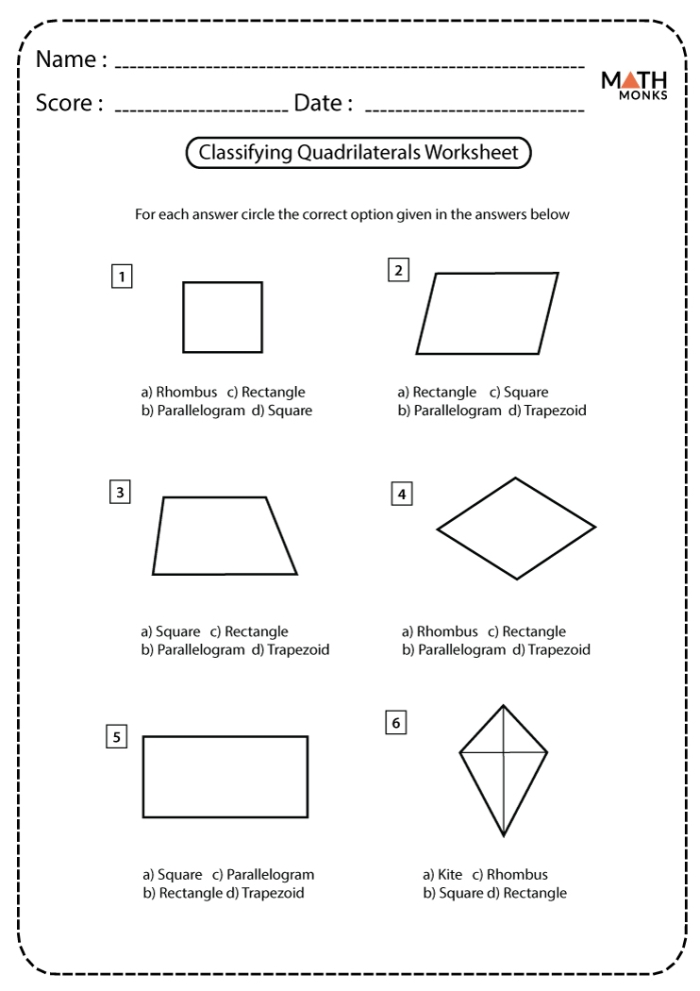
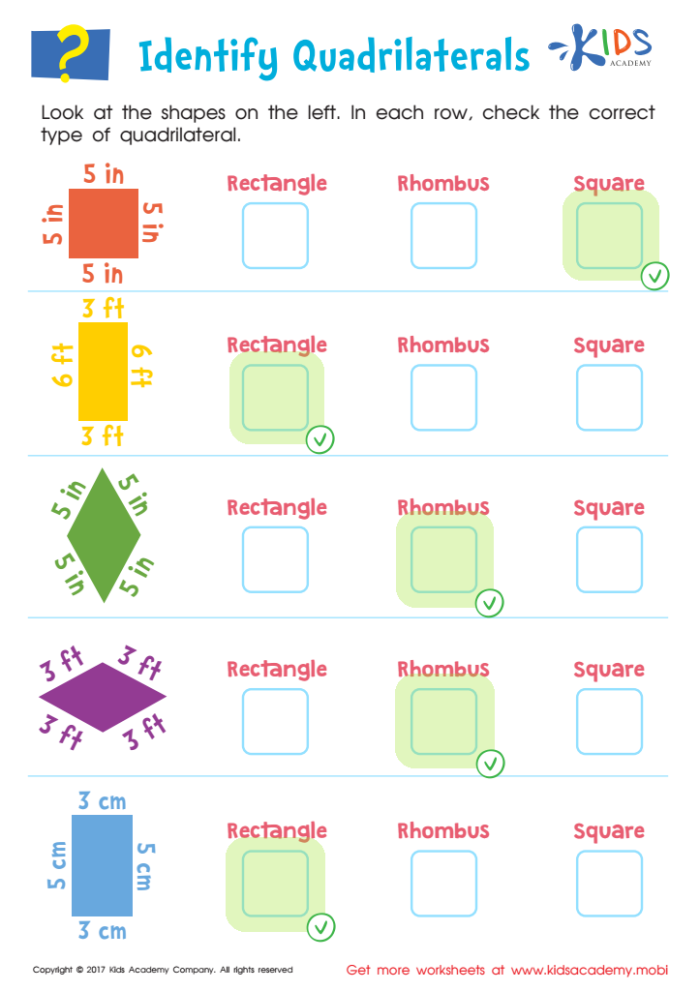
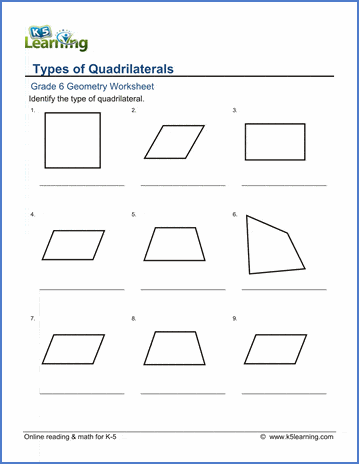
The easiest way to learn these shapes is to see them in action. You can practice identifying quadrilaterals by working through problems that ask you to spot which type matches a given description. Try solving math riddles that involve solving equations to strengthen your problem-solving skills alongside shape recognition. For additional reinforcement, multiple choice math problems let you test your knowledge quickly.
Once you’ve identified the five types, challenge yourself with worksheets that combine shape recognition with other skills. Word problems involving multi-step addition and multiplication help you apply quadrilateral knowledge in realistic contexts. The more you practice, the faster you’ll spot these shapes in any setting.
Worksheet Practice Section