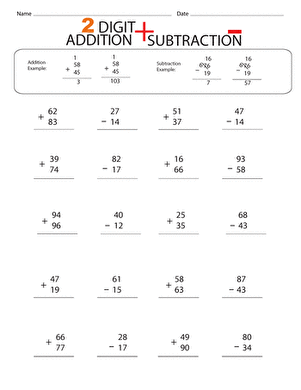
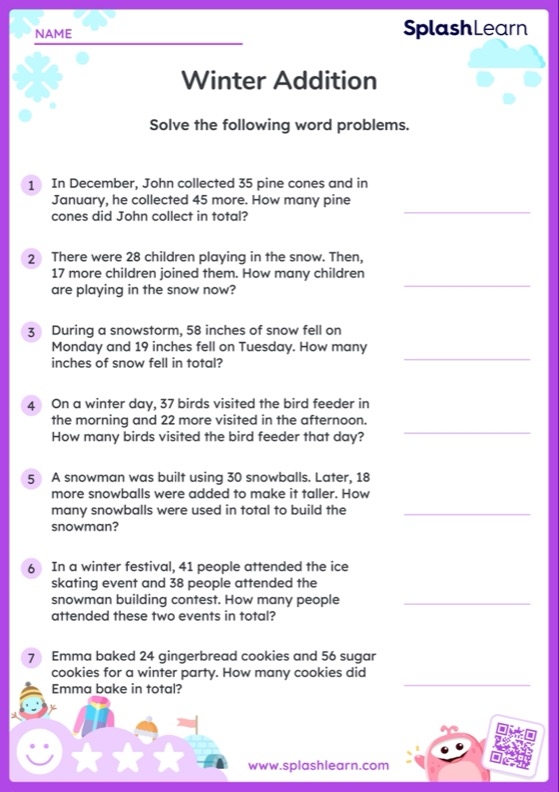
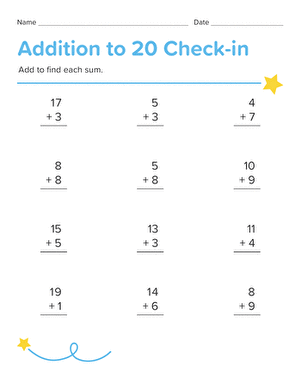
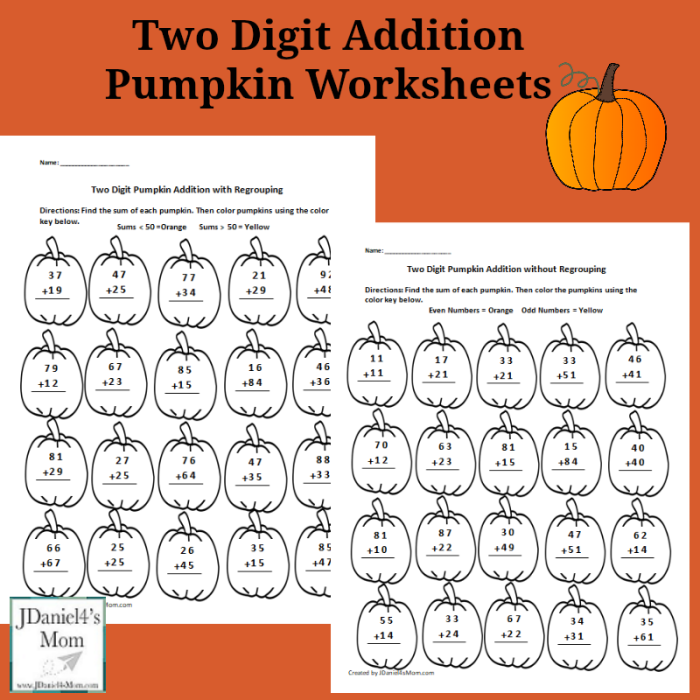
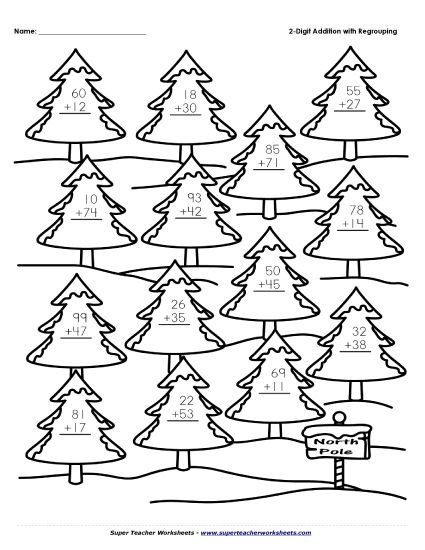
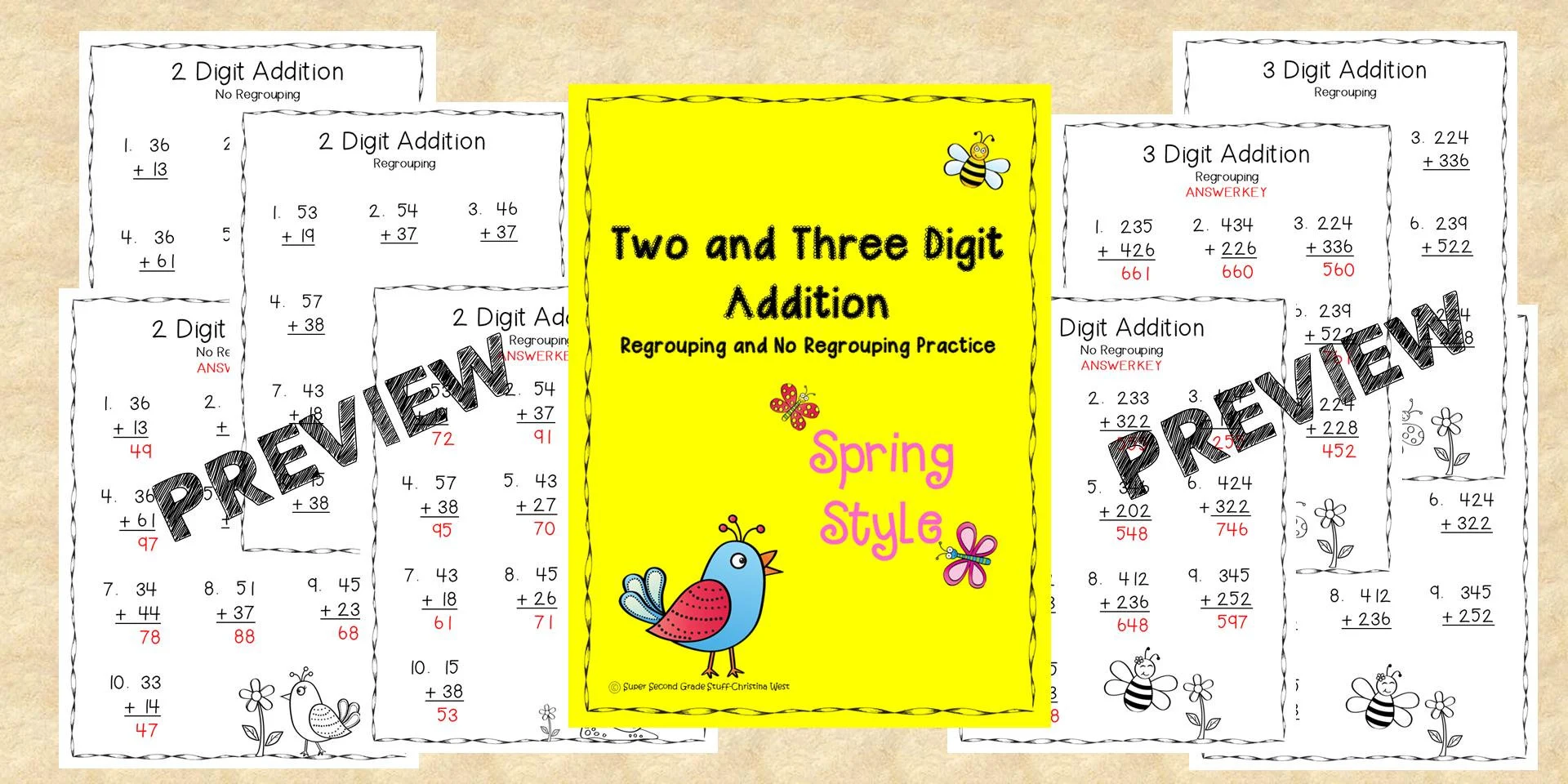
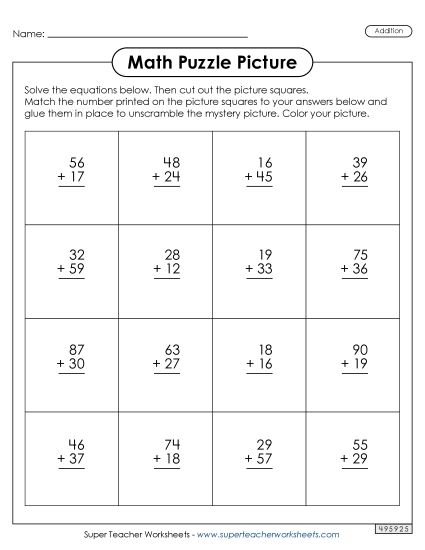
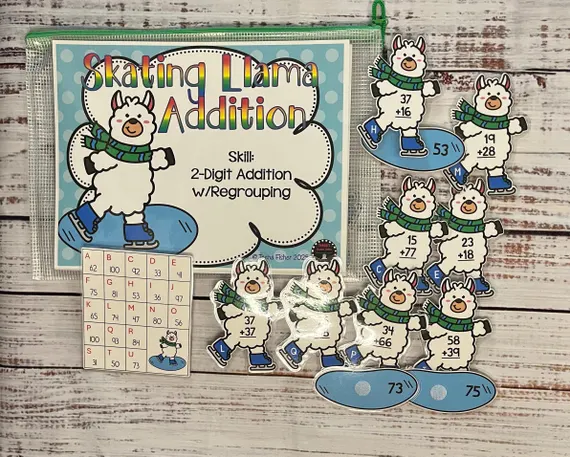
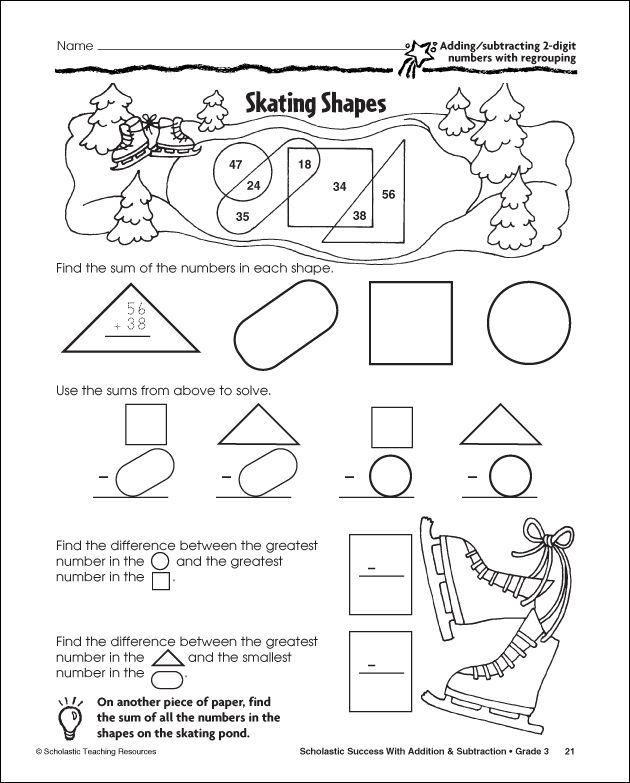
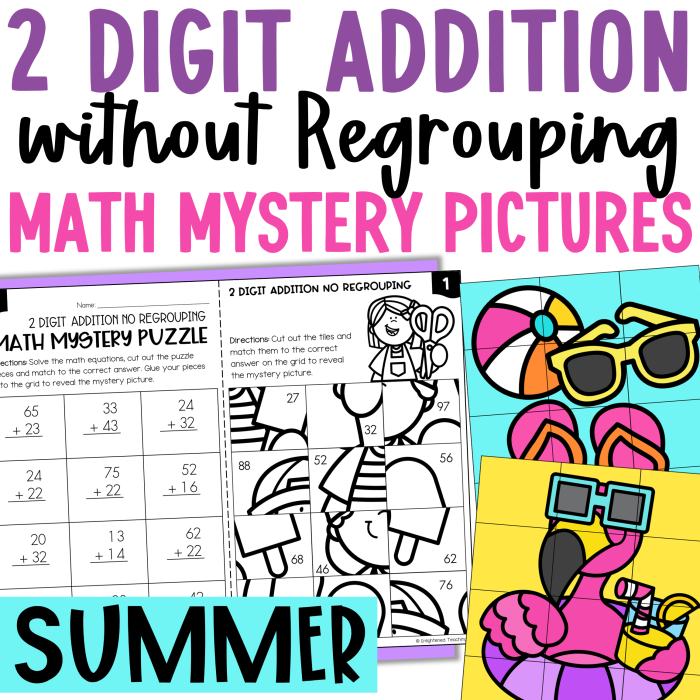
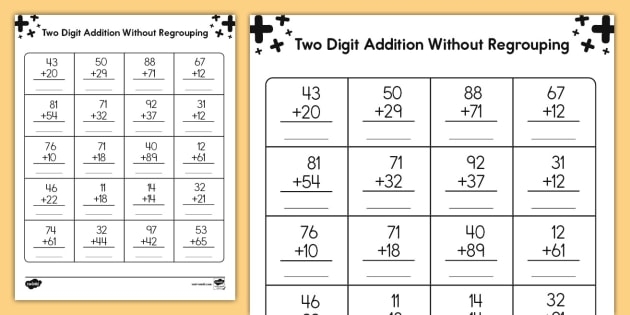
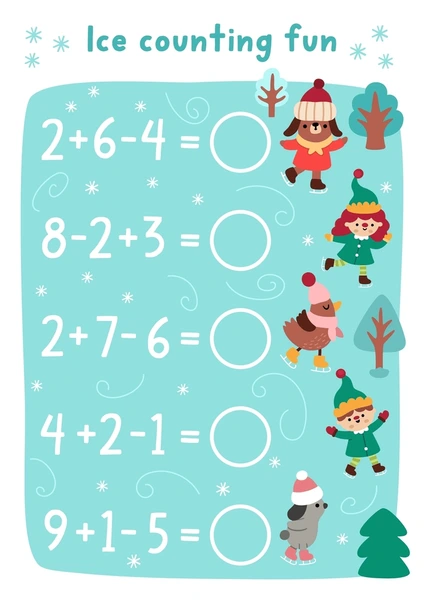
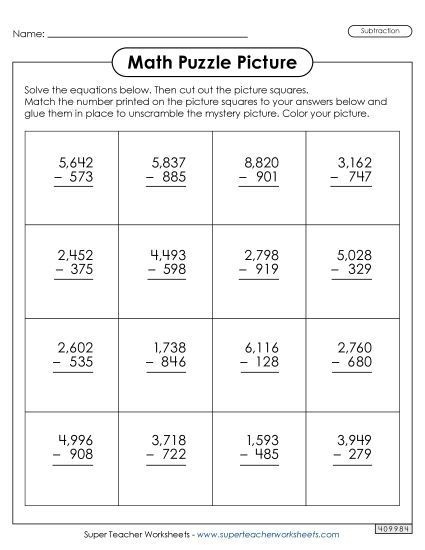
Two-digit addition with regrouping marks a crucial turning point in elementary math, and this ice skating themed worksheet makes the concept stick. When kids tackle problems like 27 + 15 or 34 + 28, they’re learning to manage numbers that don’t simply add together in the ones place. The regrouping process, sometimes called “carrying,” requires students to regroup ten ones into one ten, then continue adding. It’s a foundational skill that appears repeatedly throughout third grade math and beyond.
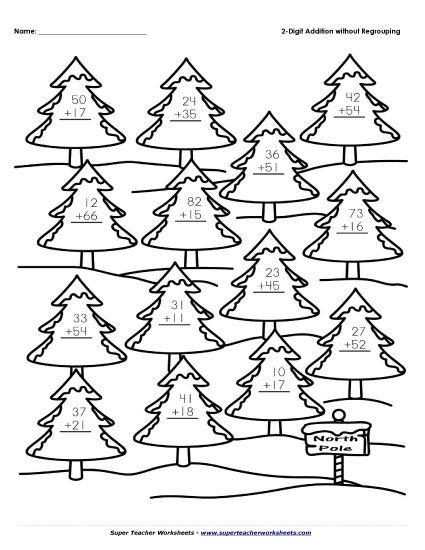
What makes this worksheet effective is the combination of structured practice and visual interest. The ice skating theme keeps children engaged while they work through problems methodically. Each question presents two-digit addends in vertical format, making it clear where ones and tens belong. This layout helps students develop the habit of aligning numbers properly, a detail that prevents countless careless errors down the road.
The regrouping process itself involves three concrete steps. First, students add the ones column. When the sum reaches ten or more, they write down the ones digit and carry the ten to the tens column. Then they add the tens column, including the carried amount. Finally, they write the complete answer. Repetition through worksheets like this one builds automaticity, so students eventually perform these steps without conscious thought.
Teachers often introduce regrouping using manipulatives like base-ten blocks or bundled straws before moving to abstract worksheet problems. Once students grasp the concrete concept, worksheets provide the repetition needed for fluency. The ice skating context makes this practice feel less mechanical than standard drill sheets.
Parents supporting their children at home should watch for the regrouping step specifically. If a child consistently forgets to carry the ten, that’s the moment to pause and review with physical objects. Understanding why regrouping matters matters far more than speed at this stage.
Worksheet Practice Section