Jack London’s White Fang remains one of the most gripping adventure narratives in American literature, and for seventh grade students, reading carefully selected passages from this novel offers genuine insight into how authors build tension and develop character through harsh environments. The story follows a wolf-dog hybrid navigating the brutal Yukon wilderness, and London’s unflinching descriptions of survival create natural opportunities for students to practice close reading skills.
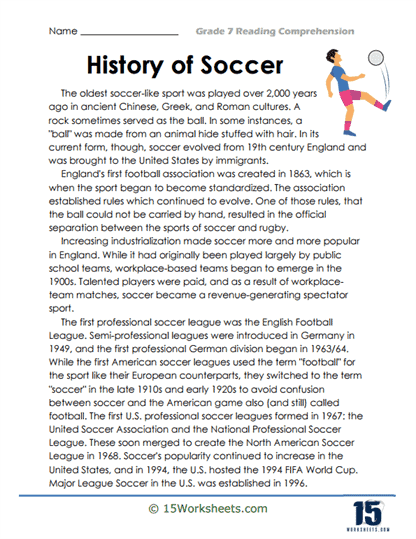
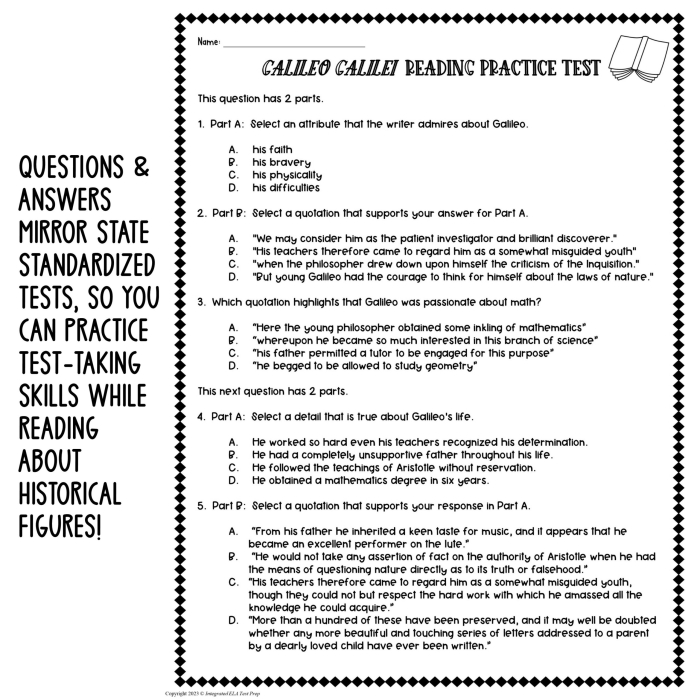
When seventh grade students encounter a reading comprehension excerpt from White Fang, they’re not just passively absorbing plot points. They’re analyzing how London uses sensory language to convey danger, tracking character motivation across a passage, and identifying the central conflict that drives the narrative forward. These comprehension questions push students beyond simple recall, asking them to explain cause-and-effect relationships and infer what characters will do next based on textual evidence.
The structure of a solid comprehension exercise mirrors how students encounter other learning tasks. Just as they might examine dependent and independent clauses to understand sentence construction, they examine London’s sentence choices to understand narrative pacing. The excerpt format works particularly well because it’s manageable, allowing students to read deeply rather than rushing through entire chapters.
Pairing comprehension work with data analysis activities strengthens both skills. After answering questions about the text, students can track their own comprehension performance over time, creating visual records of their reading progress. This combination of literary analysis and quantitative reflection gives seventh graders concrete evidence of their developing abilities as readers.
Try These Printable Worksheets