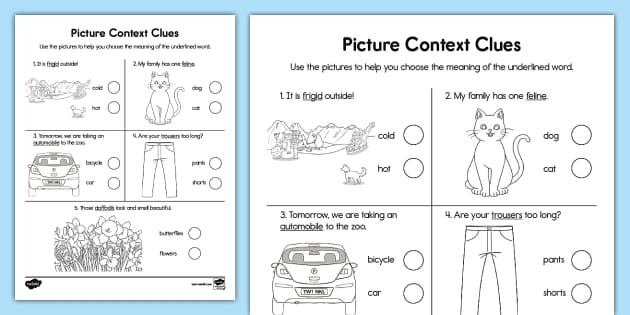
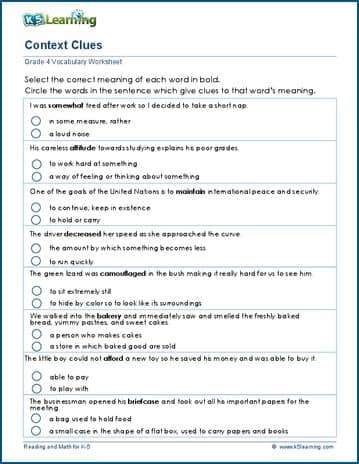
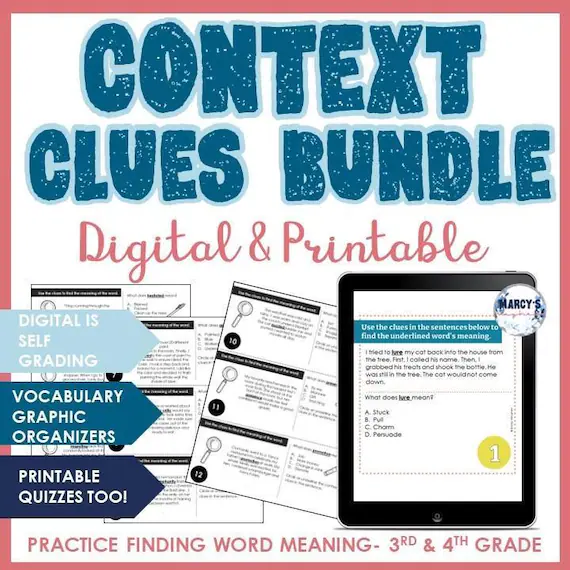
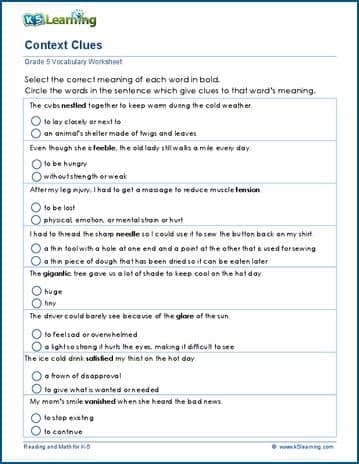
Context clues are one of the most practical reading skills you can teach third graders, yet many teachers struggle to know whether their students actually understand how to use them. A context clues check-up gives you a clear snapshot of where each child stands with this essential comprehension strategy.
When students encounter an unfamiliar word while reading, they shouldn’t immediately reach for a dictionary. Instead, they should look at the surrounding words and sentences for hints about the word’s meaning. This approach builds independence and confidence. Third graders who master context clues become stronger readers across all subjects, including when they’re working through word problems in math or reading passages about time and money concepts.
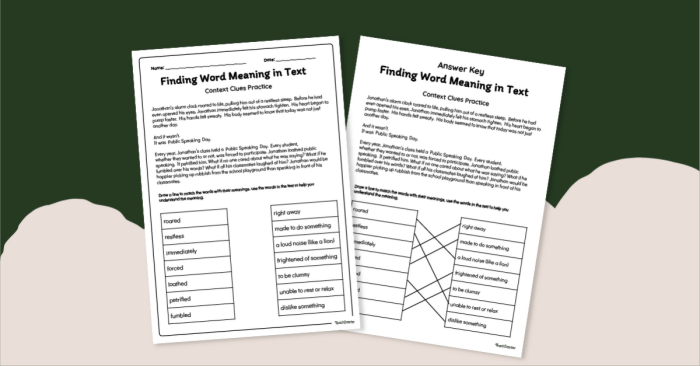
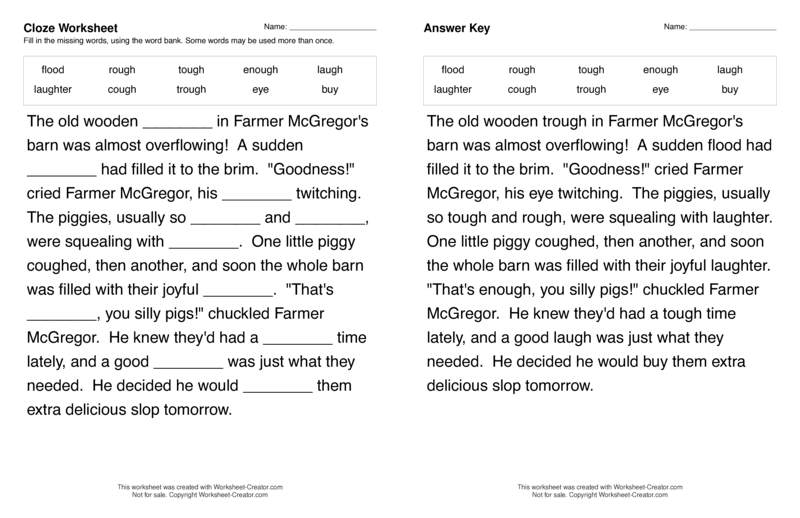
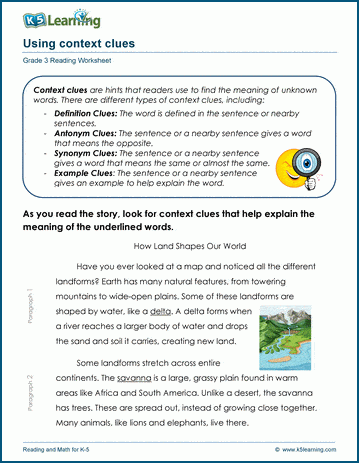
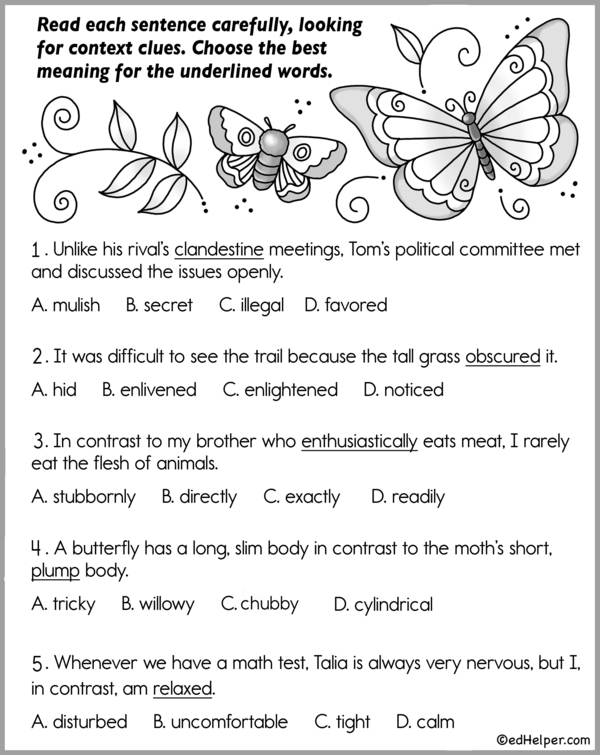
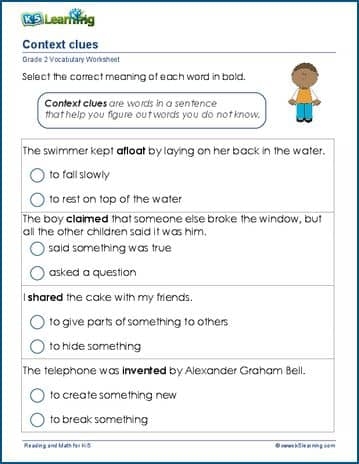
The printable context clues check-up worksheets work best when you administer them after you’ve already taught the strategy directly. Students should have seen examples of how authors provide definitions, synonyms, or contrasting information within the text itself. During the assessment, you’re simply observing whether they can apply what they’ve learned without your guidance.
Look for patterns in student responses. Some children might guess randomly, while others show they understand the strategy but miss certain types of clues. A few might struggle specifically with abstract words or figurative language. These observations help you decide whether to reteach the whole group, work with small groups on particular clue types, or move forward with students who’ve demonstrated mastery.
Pairing context clues practice with related skills strengthens overall literacy. Students who understand synonyms and antonyms often find context clue work easier, since they recognize when an author provides a similar or opposite word as a hint. The check-up results guide your next instructional steps and ensure you’re meeting students where they actually are, not where you assume they are.
Printable Worksheets for Practice