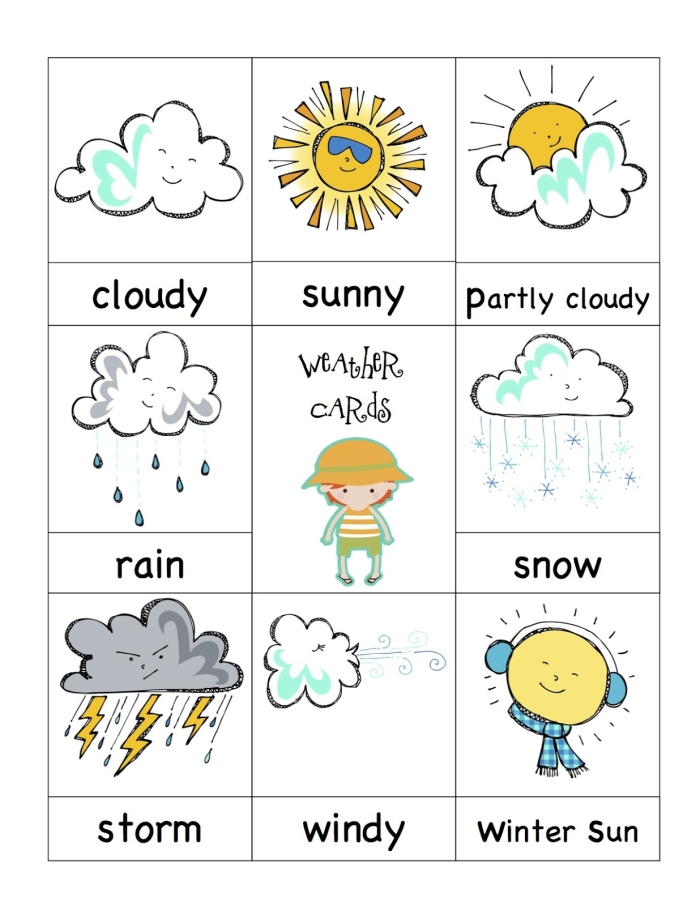
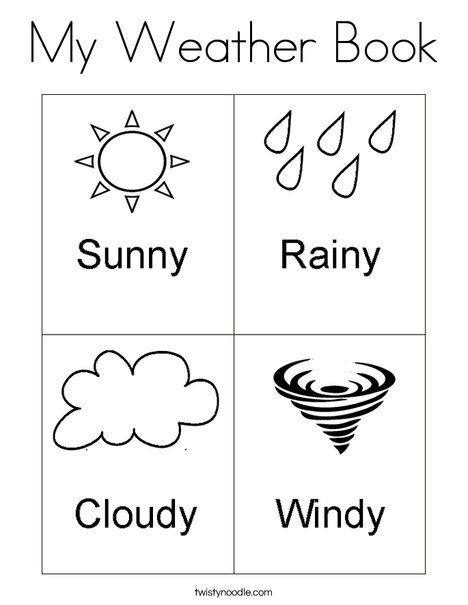
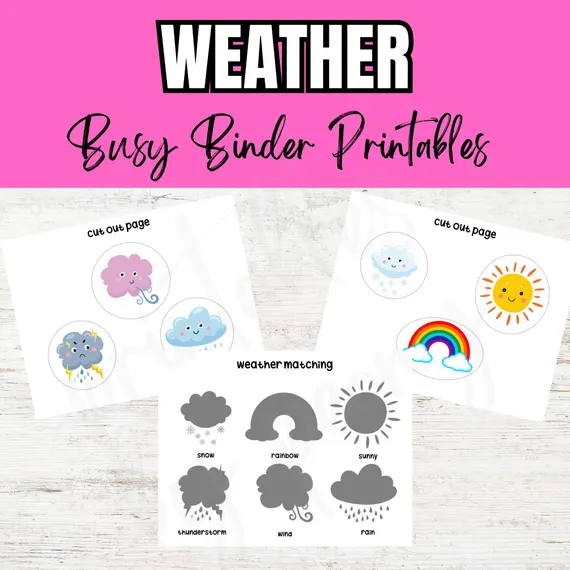
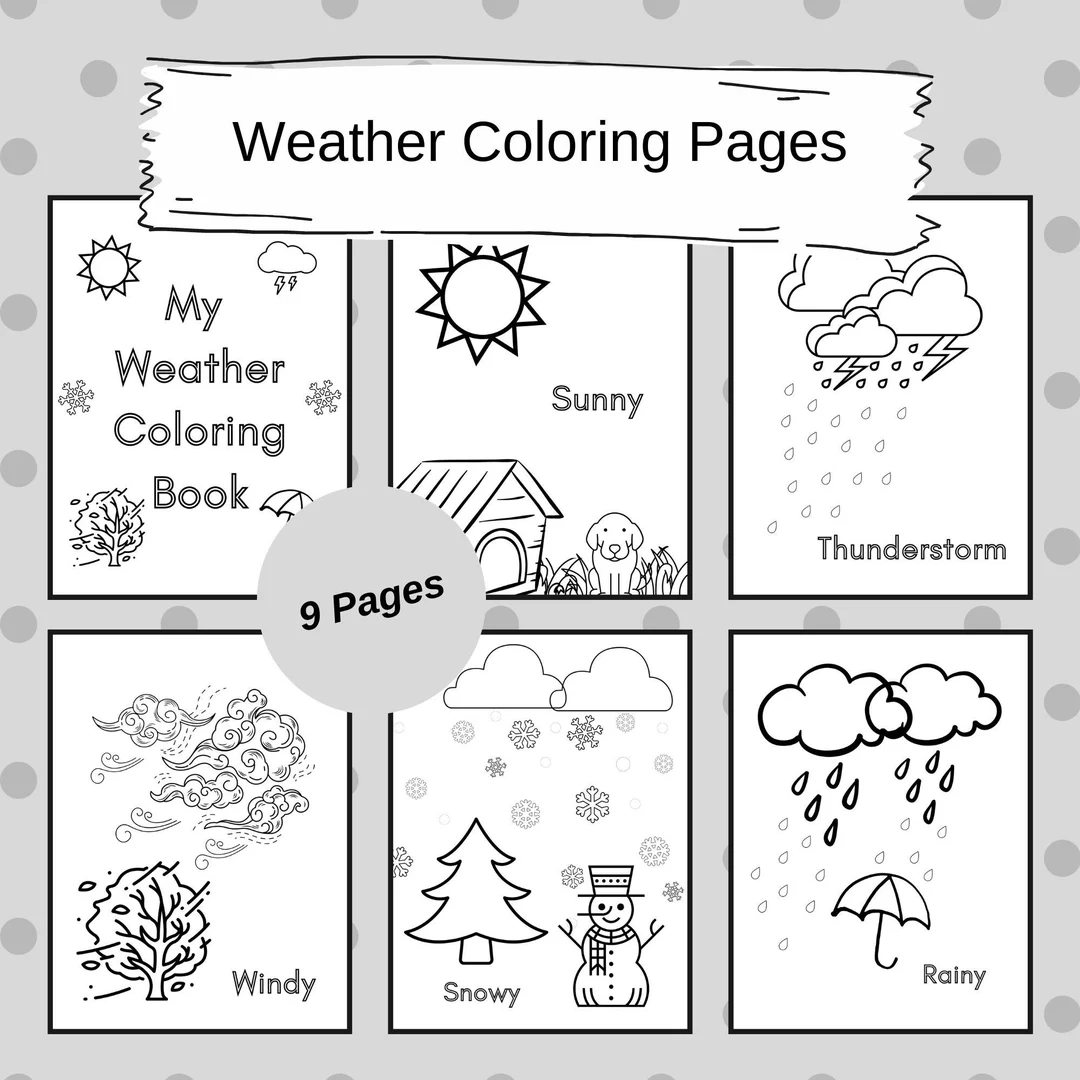
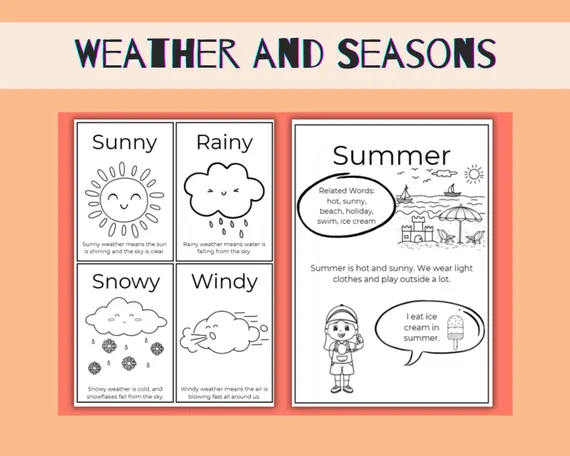
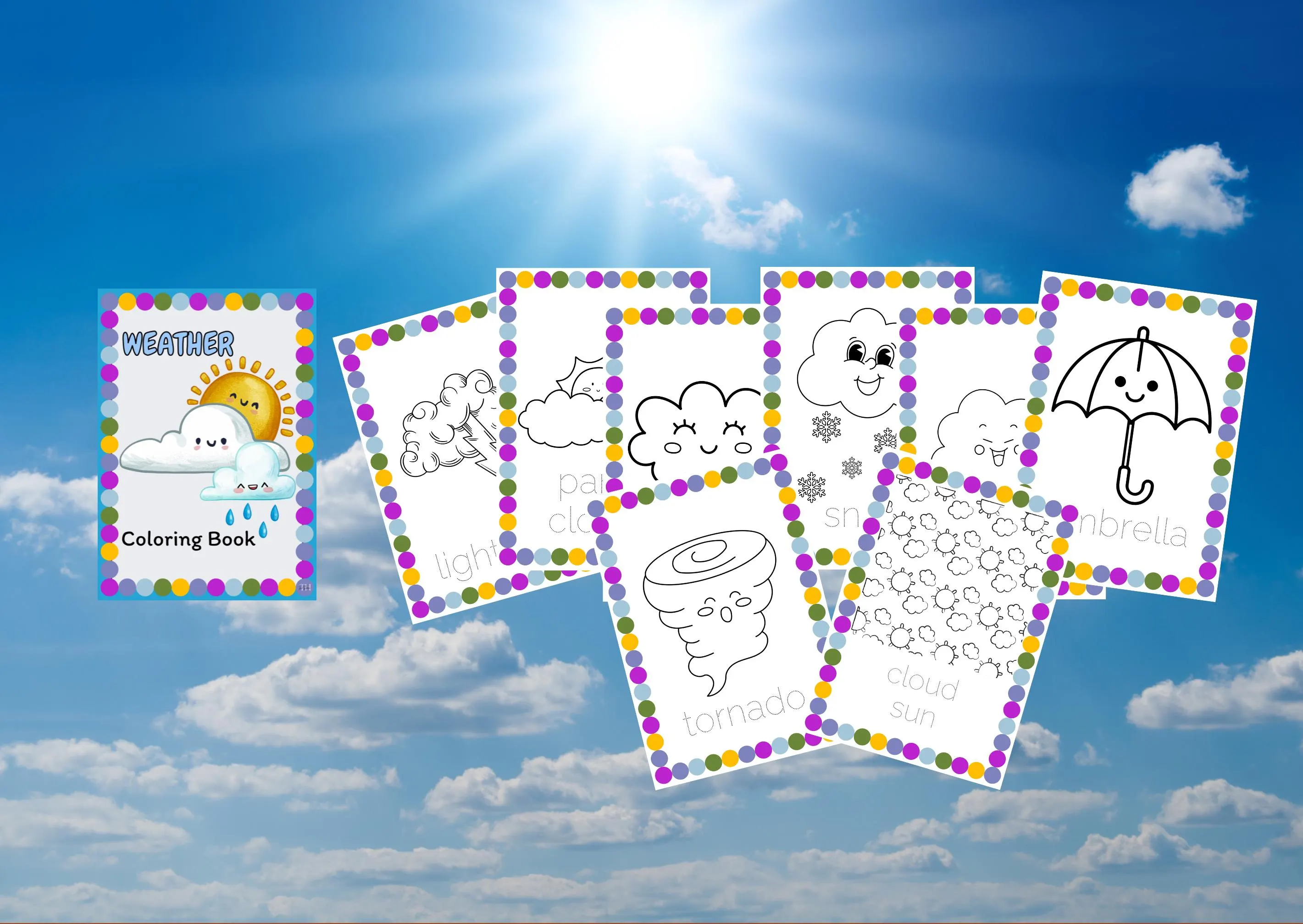
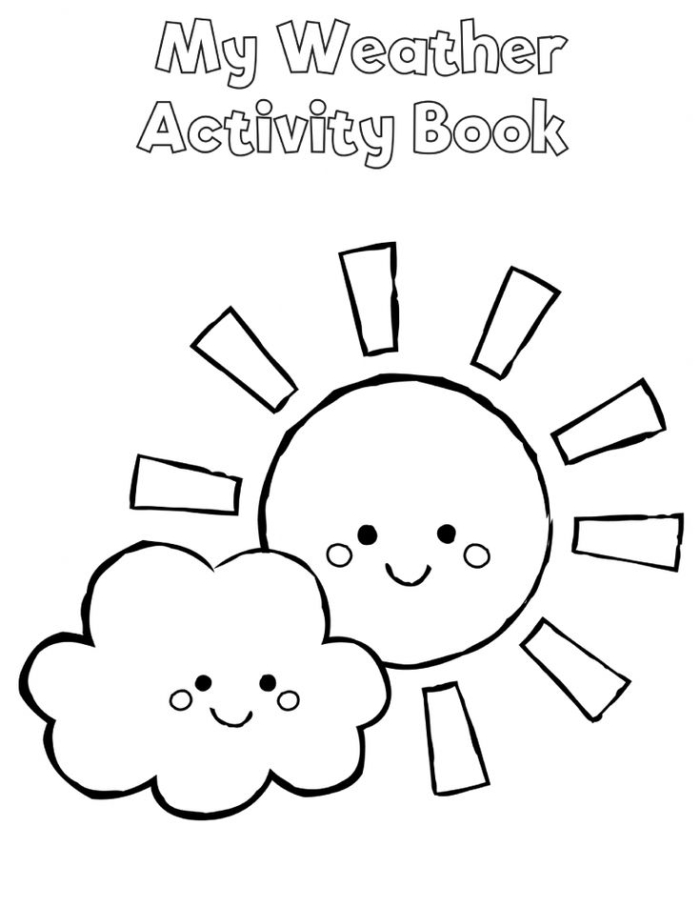
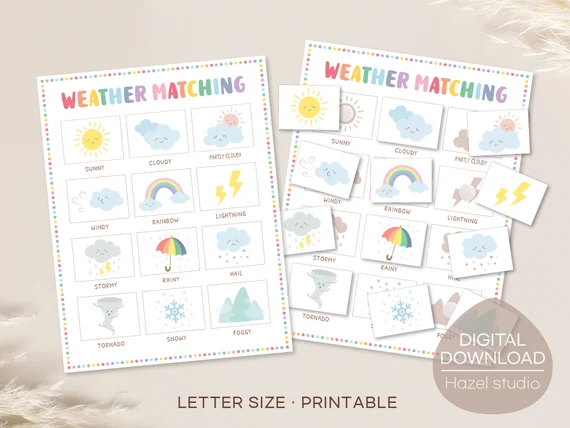
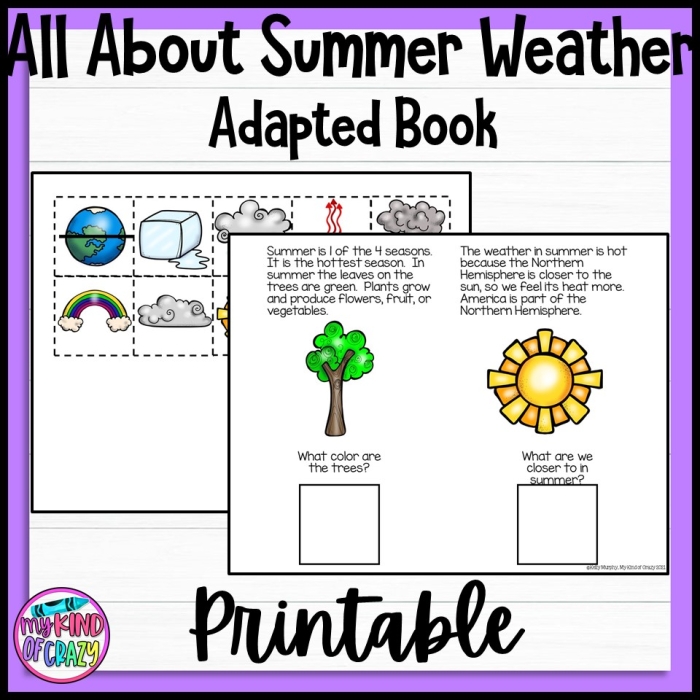
Kids notice weather before they notice much else. A sunny day feels different from a rainy one, and wind makes things move in ways that capture their attention immediately. A weather book gives Pre-K learners a way to name what they’re experiencing and build vocabulary around the natural world they see every day.
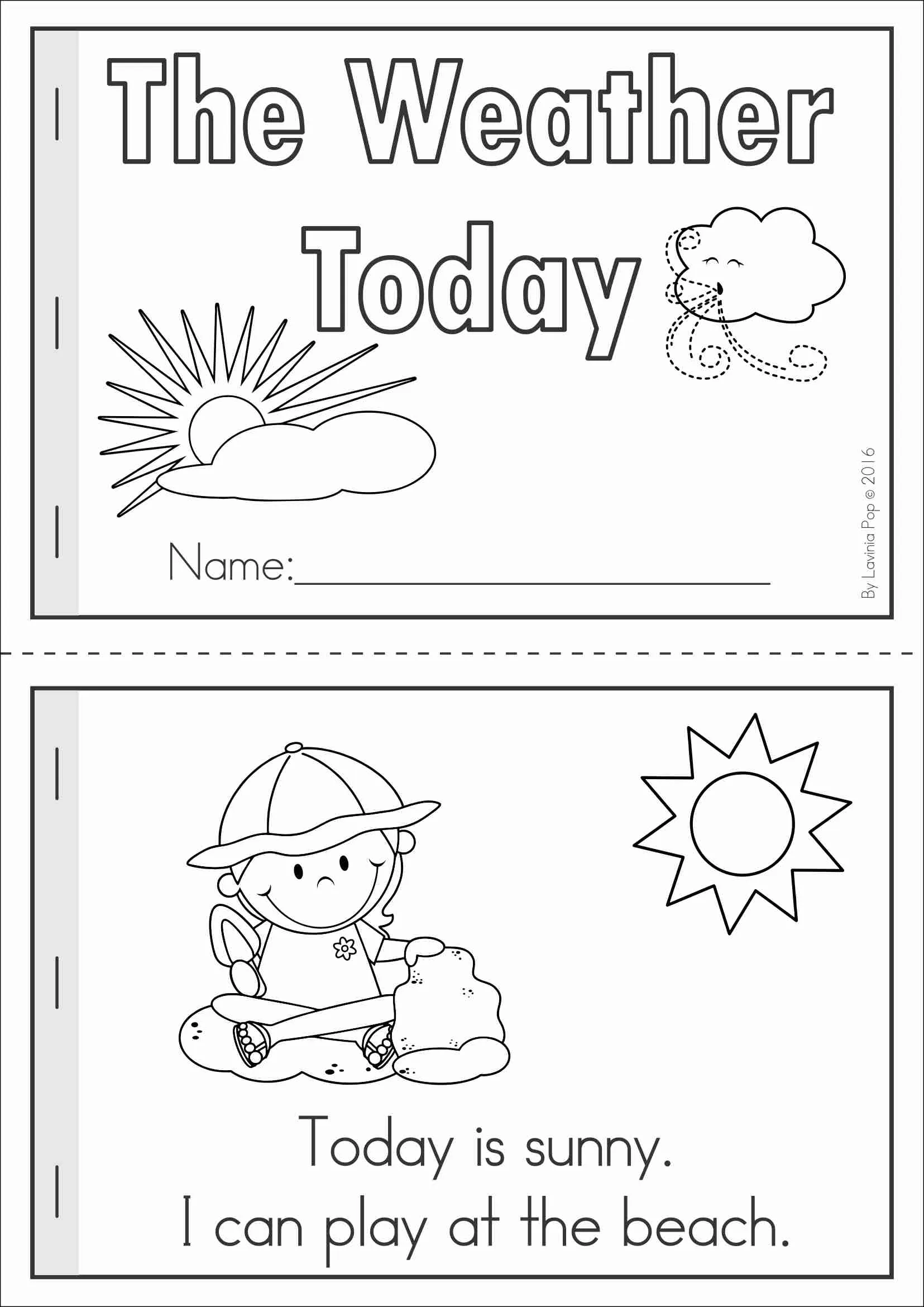
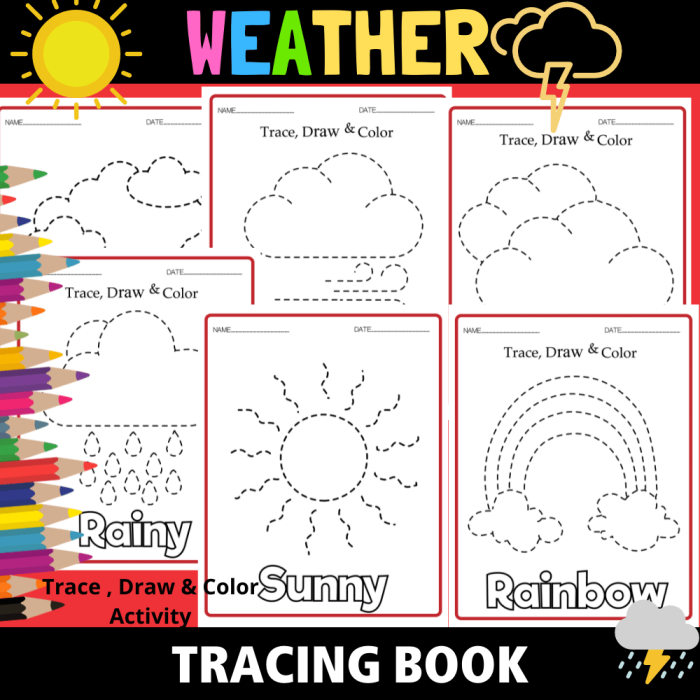
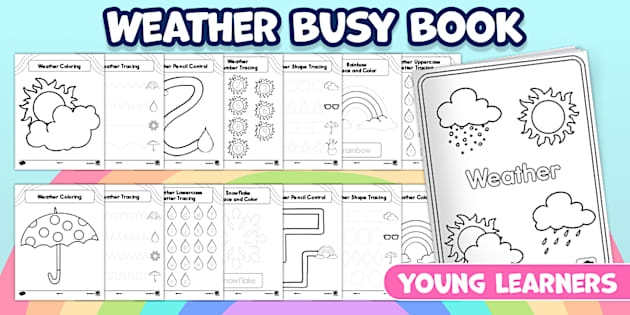
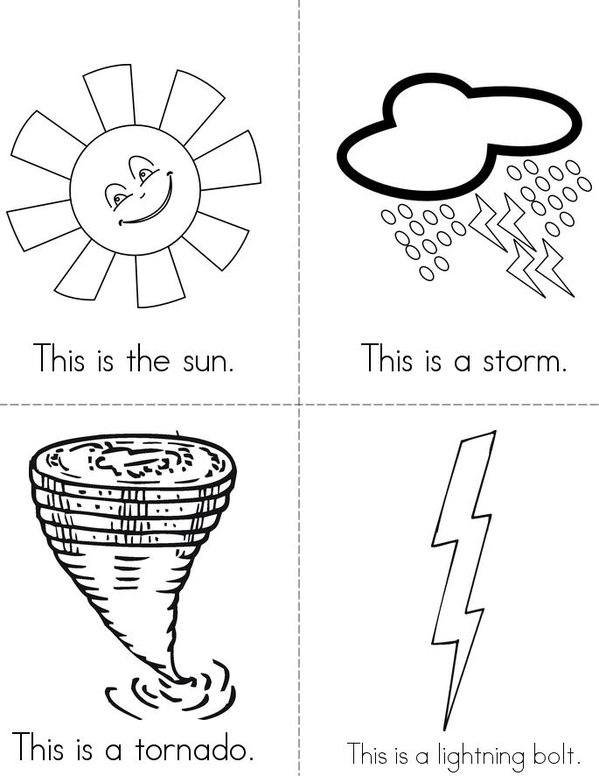
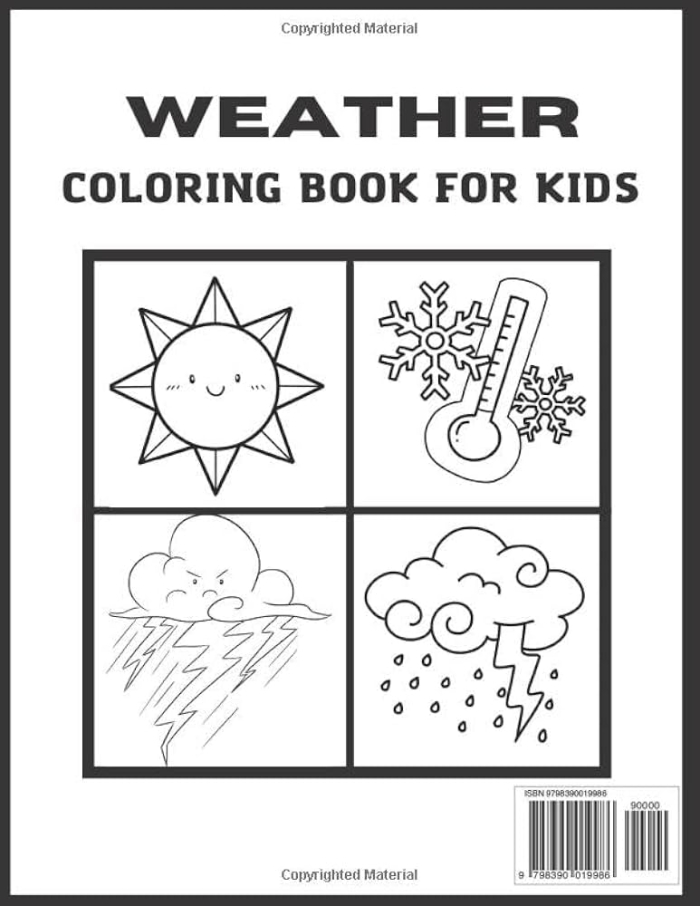
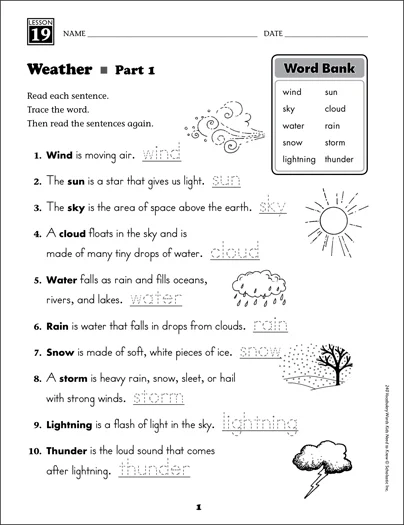
This hands-on activity combines tracing, drawing, and simple word recognition to help young learners describe three fundamental weather types: sun, wind, and rain. When children trace the letters and shapes in a weather book, they’re developing fine motor control while absorbing weather vocabulary naturally. The repetition of drawing the same elements multiple times reinforces both the words and the physical movements needed for early writing.
The structure works because it layers learning. Kids trace dotted lines to form words like “sunny” or “windy,” then draw their own pictures of what those words mean. This combination of copying and creating helps cement the connection between the word and the concept. A child who traces the word “rain” and then draws raindrops is building a stronger memory than one who simply hears the word spoken aloud.
For Pre-K students working on numbers and counting, you can extend this activity by having them count raindrops in their drawings or tally sunny days versus rainy days on a simple chart. This bridges weather observation with early math skills. Similar hands-on approaches work well with other learning activities, like when children practice identifying patterns and differences or explore counting through visual activities.
The weather book becomes a keepsake that shows progress over time. Pages filled with a child’s own drawings and handwriting demonstrate growth in both language and motor skills. Weather remains relevant year-round, so this activity stays engaging whether you’re making it during a sunny week or while listening to rain on the windows.
Printable Worksheets for Practice