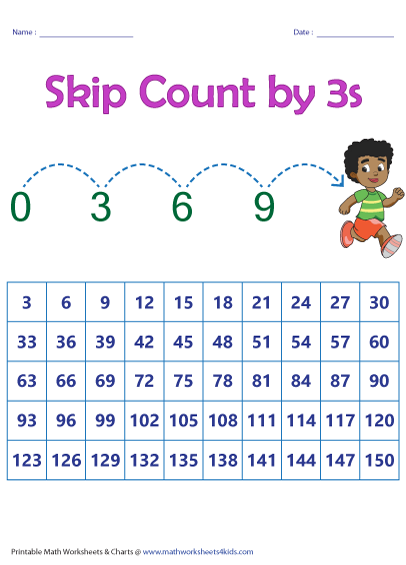
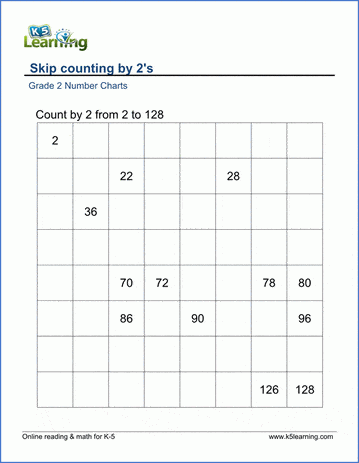
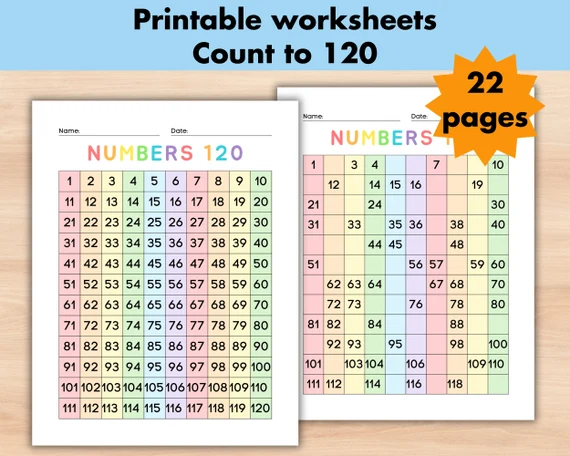
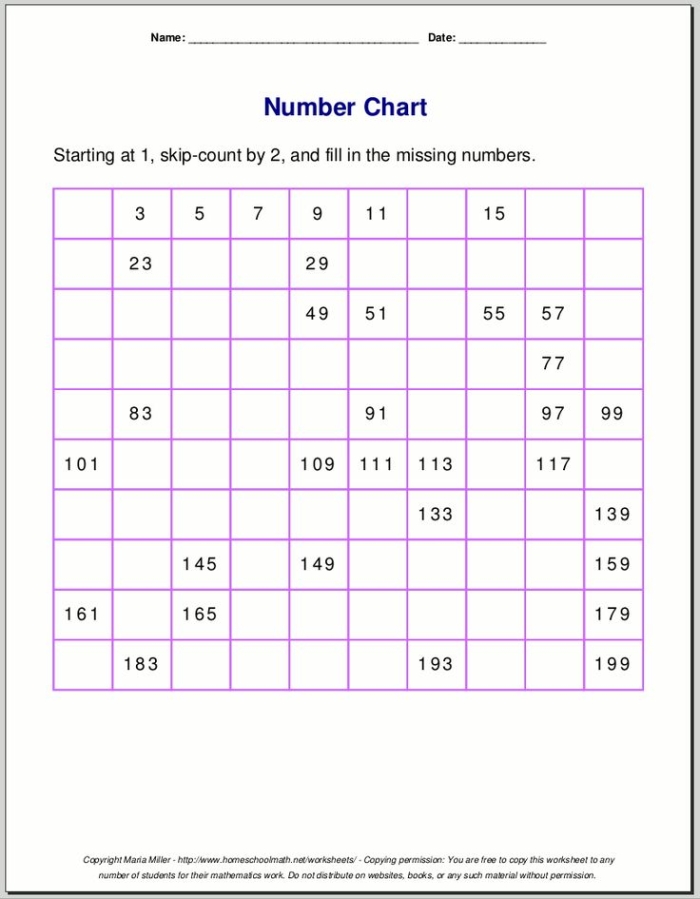
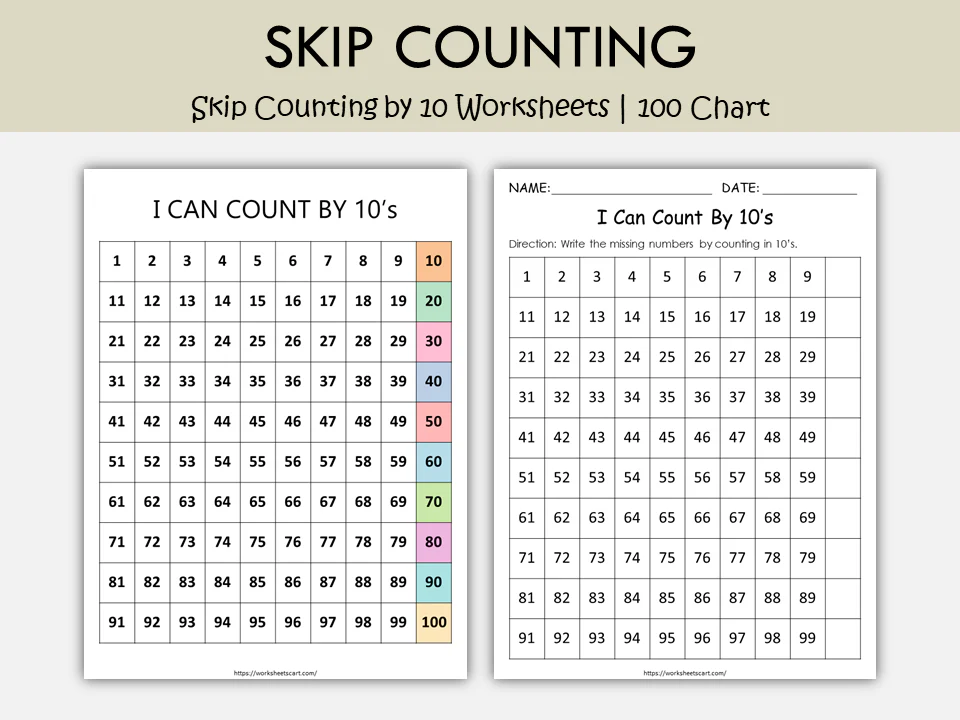
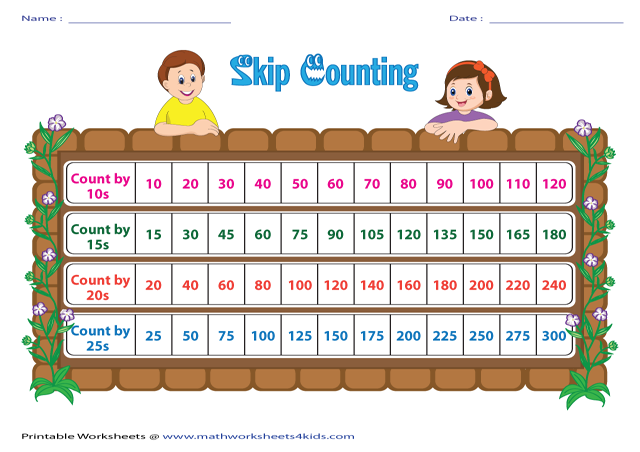
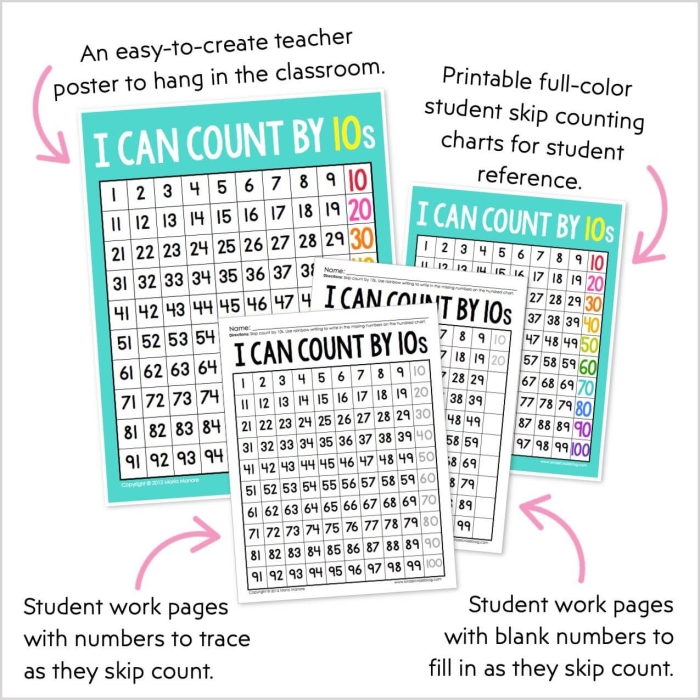
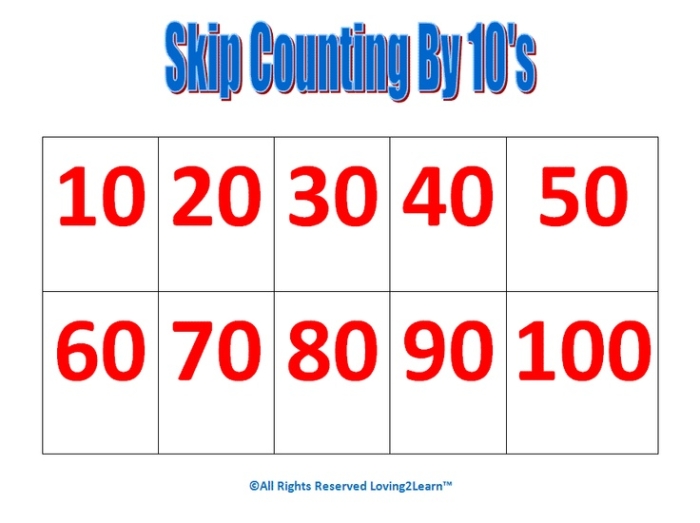
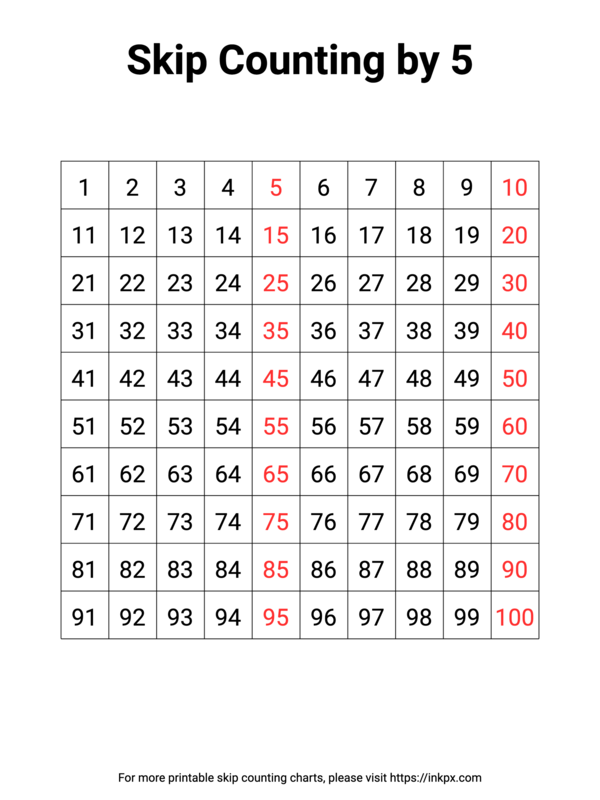
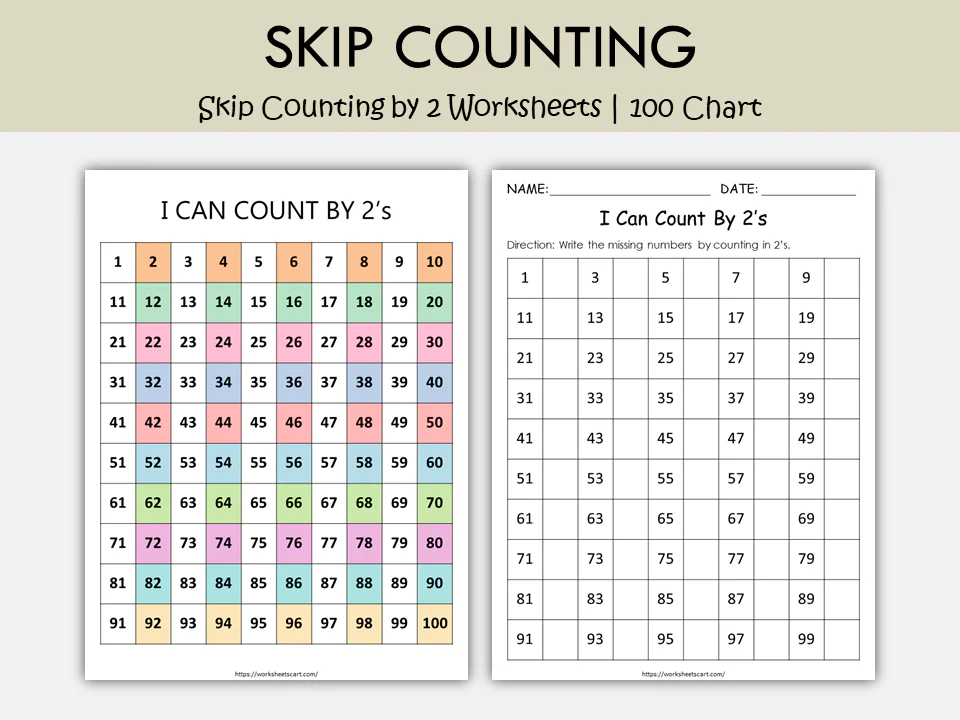
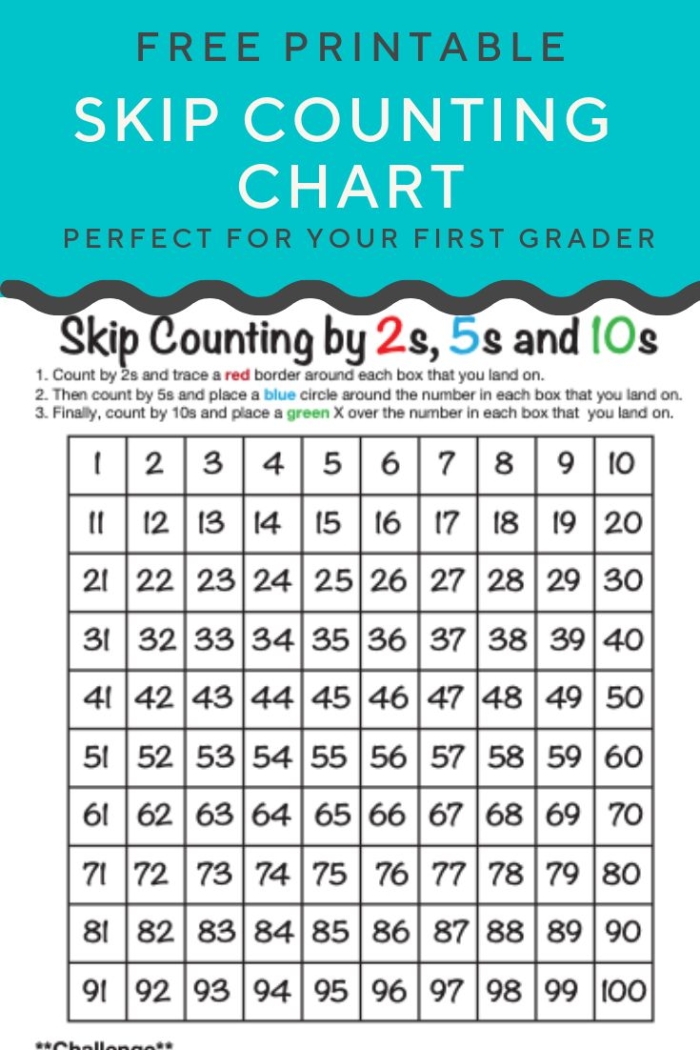
Number charts are one of the most effective tools I’ve found for teaching first grade students how numbers relate to each other. When children can see numbers laid out in organized rows and columns, something clicks. They start noticing that certain numbers appear in straight lines, that some skip by the same amount each time, and that patterns repeat. This visual foundation makes skip counting feel natural rather than like memorization.
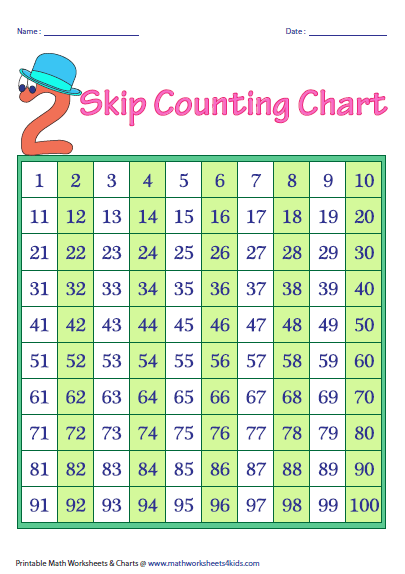
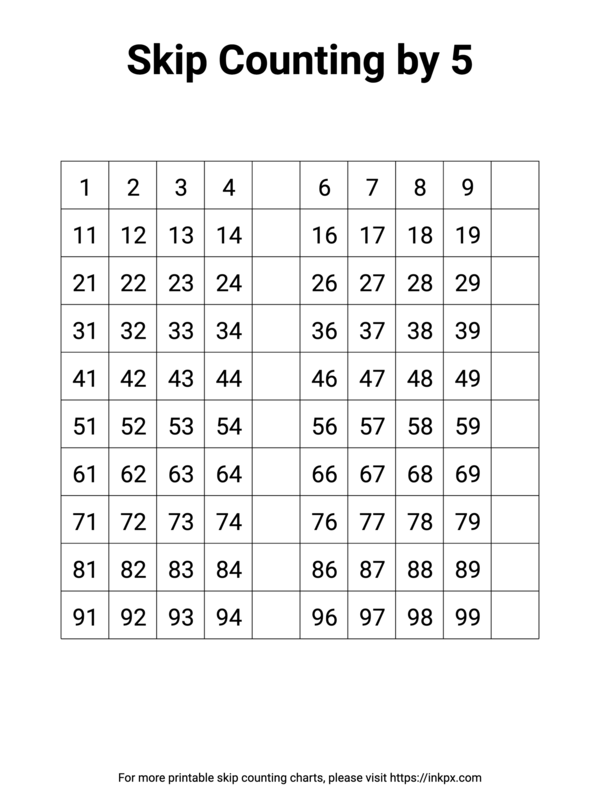
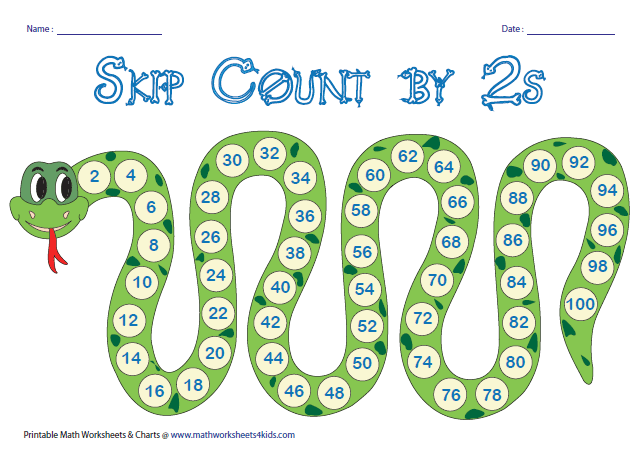
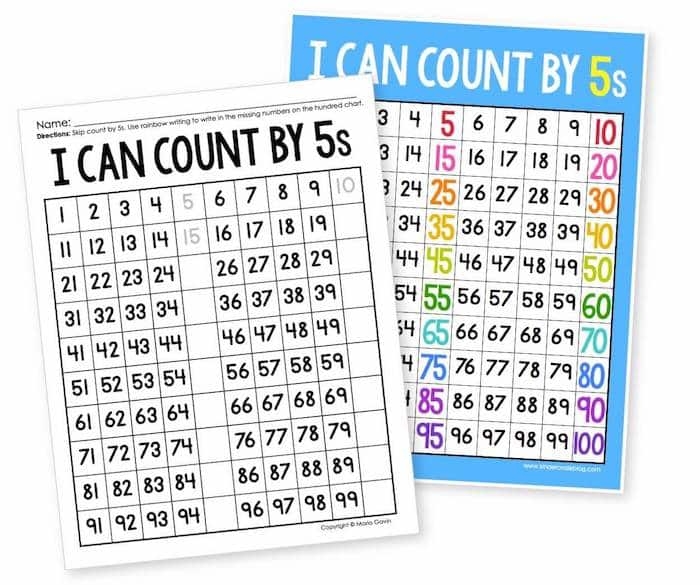
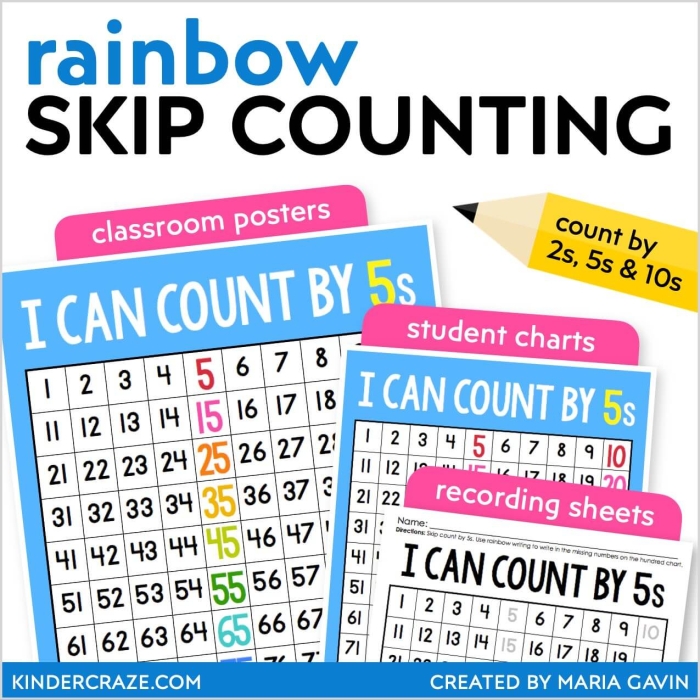
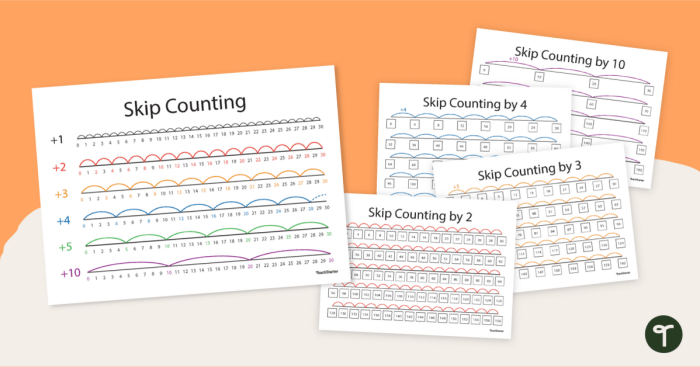
The beauty of using a number chart lies in how it transforms abstract counting into something concrete. Instead of asking a child to count by twos or fives from memory, they can point to each number on the chart and physically trace the pattern. Their finger follows 2, 4, 6, 8, 10 in a visible line. They see that 5, 10, 15, 20 creates another predictable path. This tactile, visual approach helps children understand that skip counting isn’t random, it follows a rule.
For first grade learners, connecting number patterns to real-world contexts strengthens understanding. When you relate skip counting by fives to money activities, children grasp why this skill matters. Counting nickels or dimes requires the same pattern recognition they practice on the chart. Similarly, telling time involves skip counting by fives around a clock face.
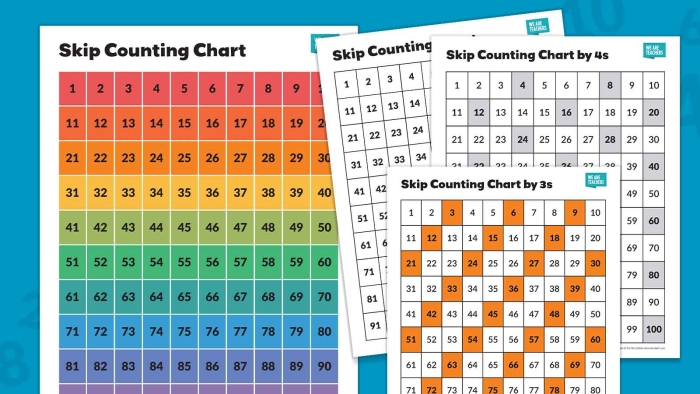
I recommend starting with a simple 1-100 chart and having your child highlight or circle every number in a pattern. Let them discover the patterns themselves before naming them. Once they spot that every other number is highlighted when counting by twos, they’ve internalized the concept. This hands-on discovery process builds confidence and mathematical thinking that extends far beyond the chart itself.
Printable Worksheets for Practice