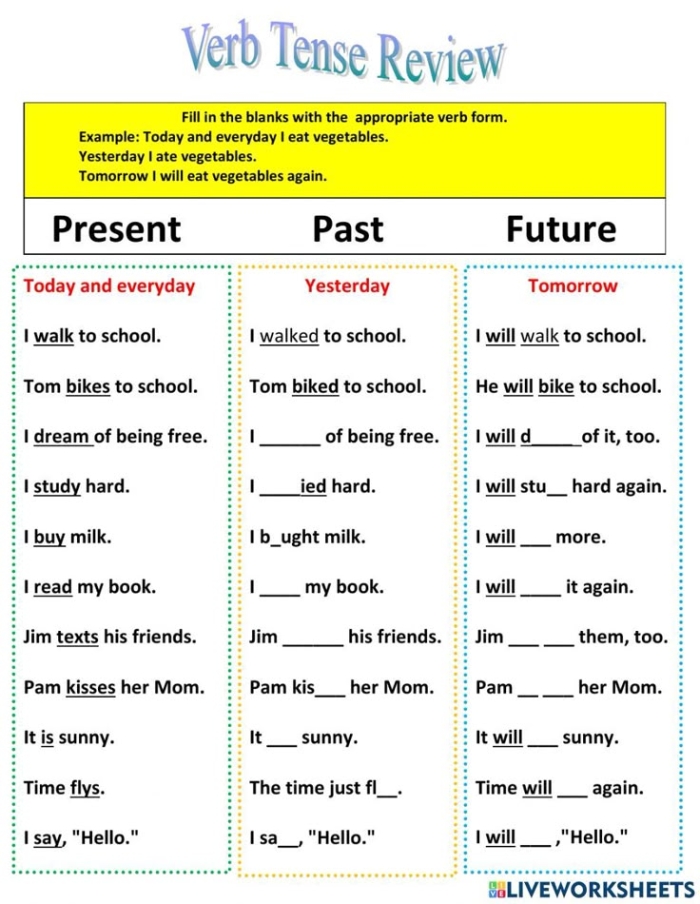
Verb tenses are the foundation of clear writing, and fourth grade is when students really start to master them. Getting comfortable with past, present, and future tenses, along with their progressive forms, transforms how young writers express themselves. Instead of writing “I walk to school,” they can write “I walked to school yesterday” or “I am walking to school right now,” adding precision and detail to their sentences.
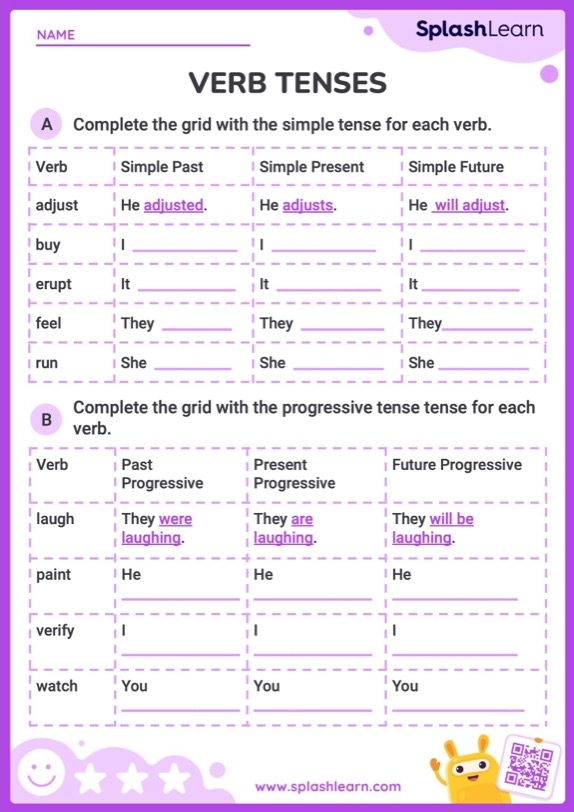
The challenge most fourth graders face is recognizing that verbs do more than just show action. They anchor a sentence in time. When you say “She runs,” that’s present tense. When you say “She ran,” that’s past tense. When you say “She will run,” that’s future tense. Each one tells the reader exactly when something happens. Progressive forms add another layer: “She is running” (present progressive), “She was running” (past progressive), and “She will be running” (future progressive) show that an action is ongoing or was ongoing at a specific moment.
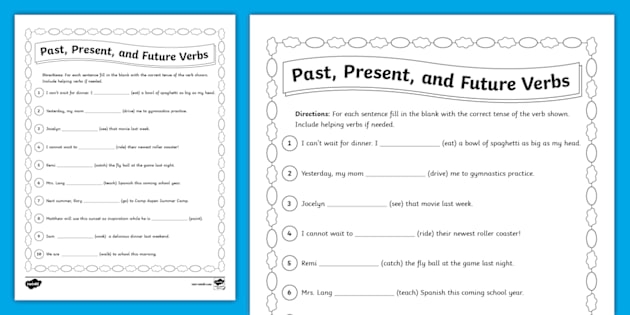
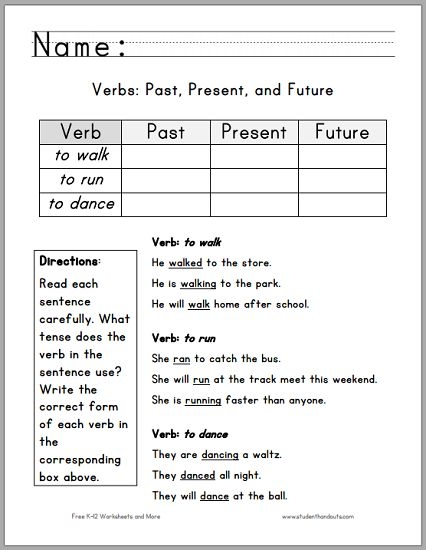
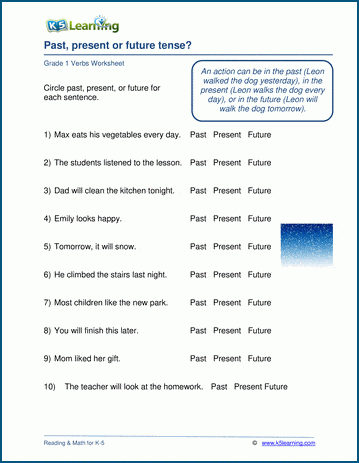
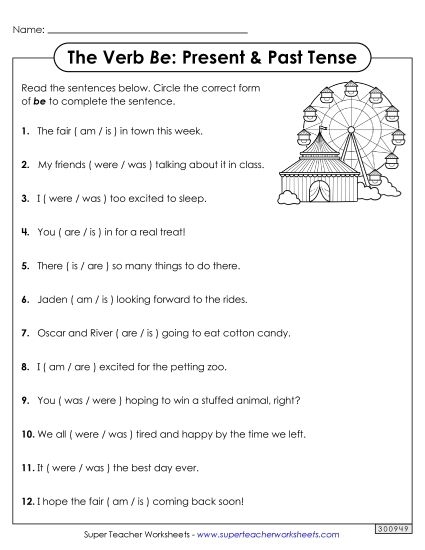
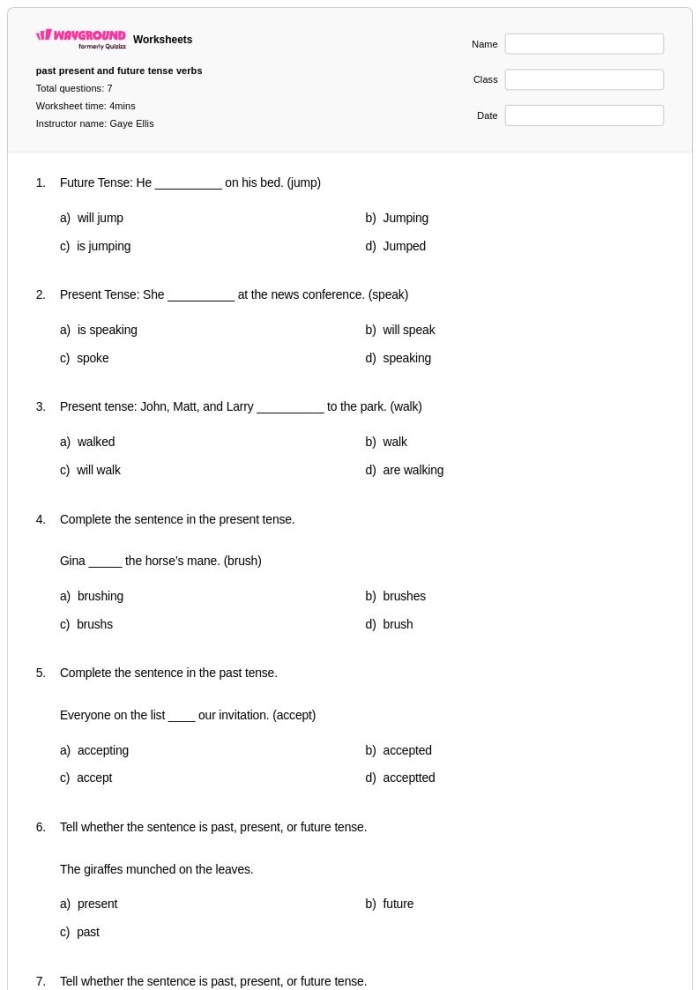
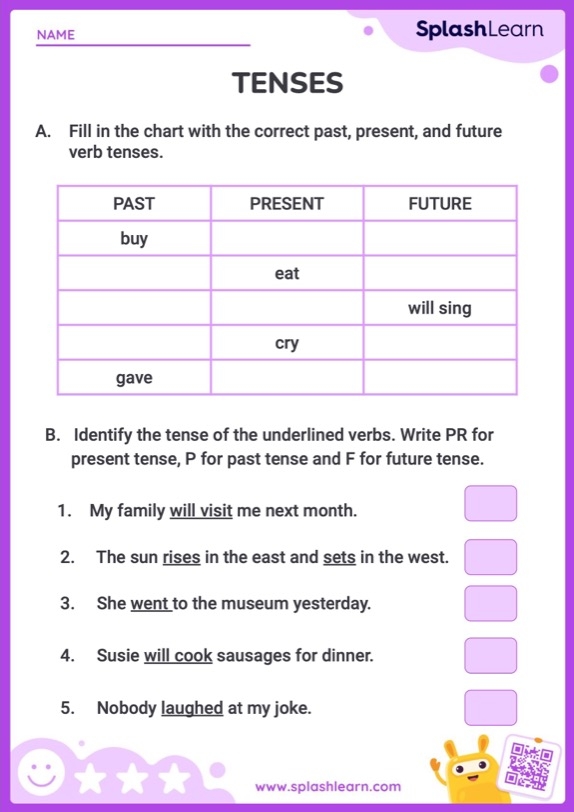
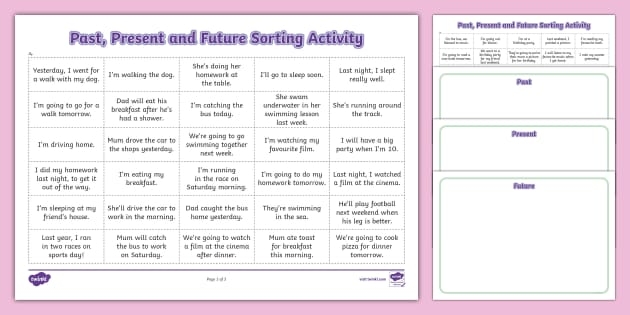
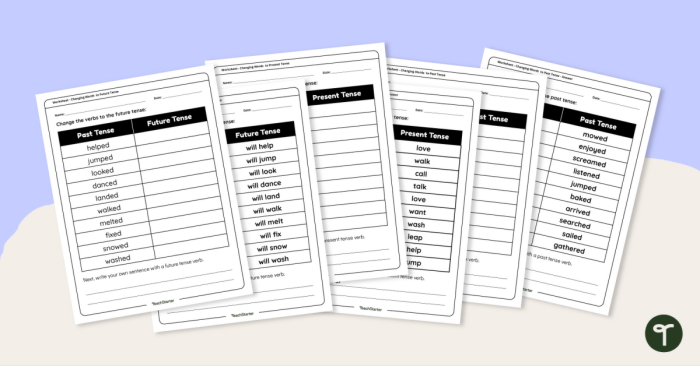
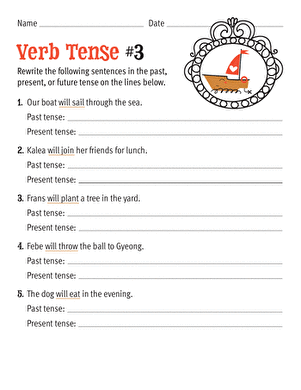
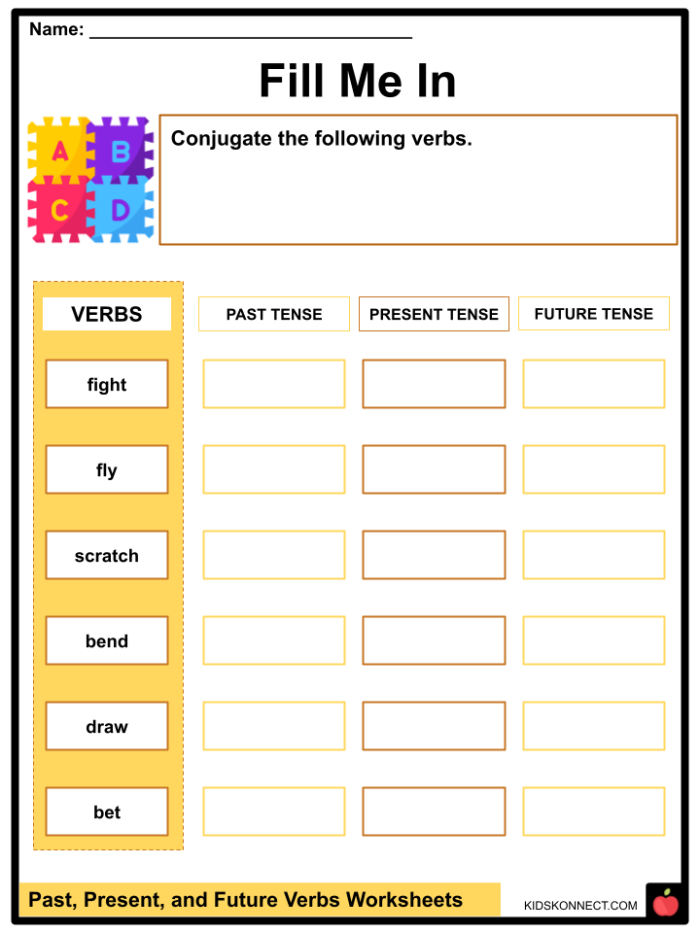
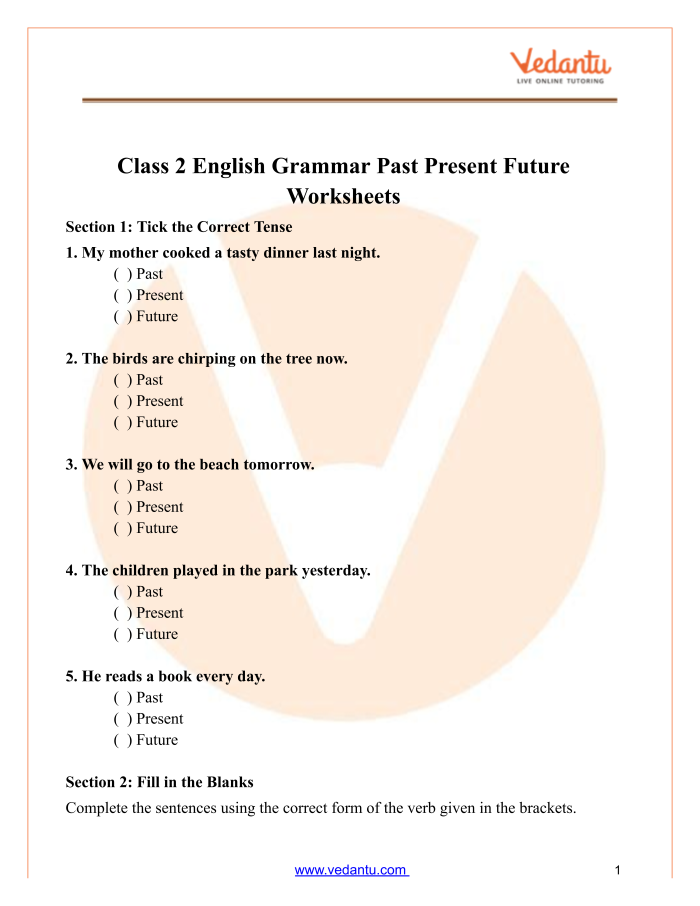
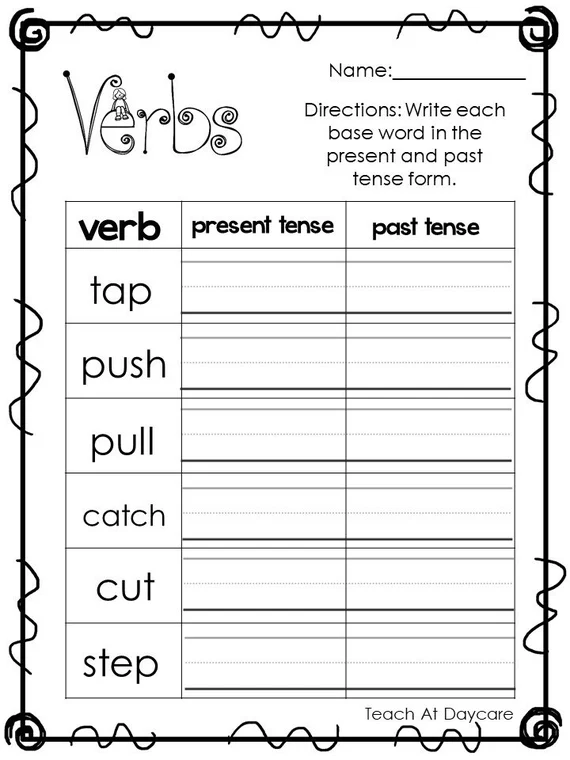
The real work happens through consistent practice. Using worksheets focused on verb tenses gives students the repetition they need to internalize these patterns. Fourth graders benefit from exercises that ask them to identify which tense a verb is in, then rewrite sentences using different tenses. This builds both recognition and application skills.
When students practice with varied contexts, the learning sticks better. Working through figurative language activities that incorporate verb practice or exploring topics like historical figures through tense-focused writing keeps practice engaging while reinforcing the grammar concepts.
By the end of fourth grade, students who have practiced these tenses regularly write with noticeably more control and clarity. They stop relying on the same verb form repeatedly and instead choose the tense that best matches their meaning.
Practice with These Worksheets