Helping a child grasp multiplication becomes much easier when you connect it to concepts they already understand. For many third graders, familiar ideas from their daily experiences or subjects like Life Science can provide a natural bridge into math. When multiplication is introduced as repeated addition, you can link it to counting groups of animals, plants, or objects, which makes the abstract idea more tangible.
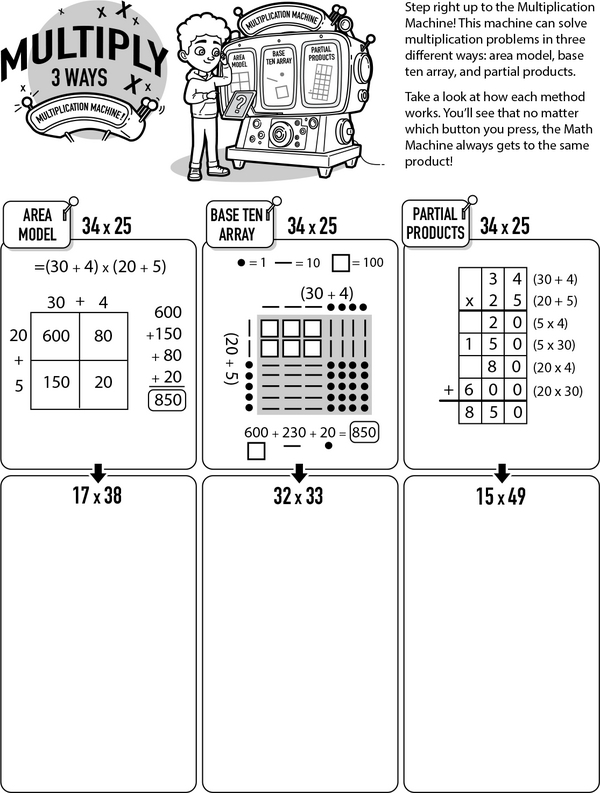
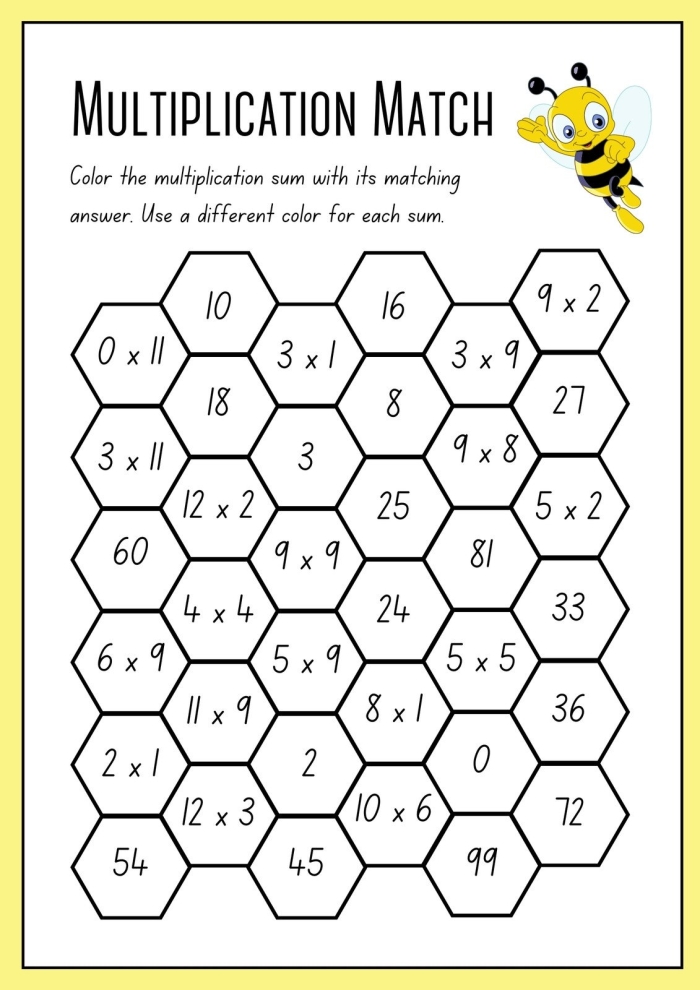
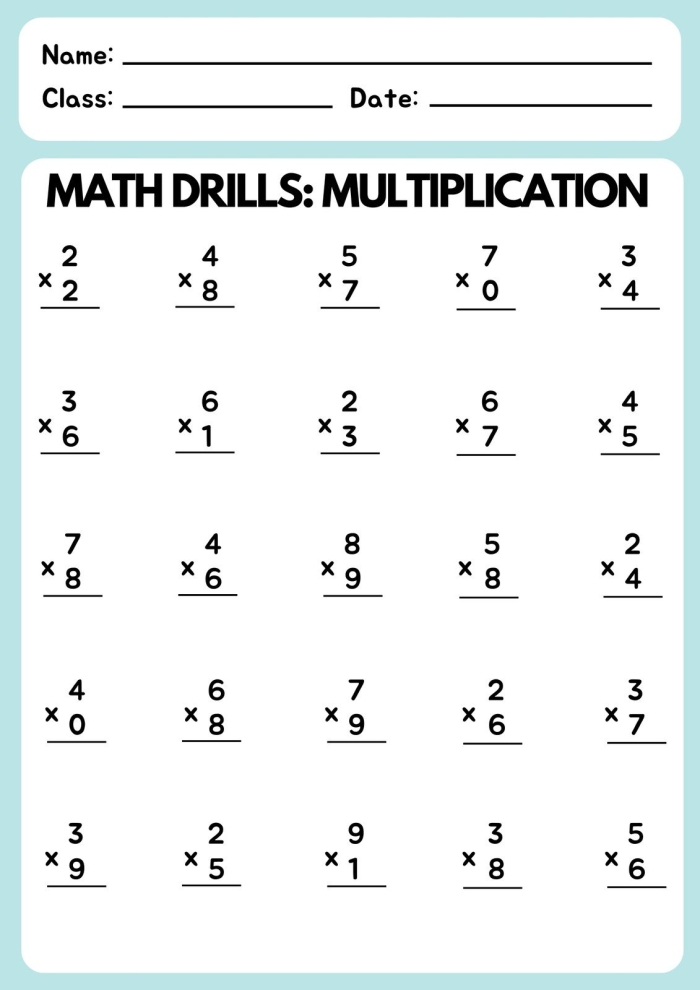
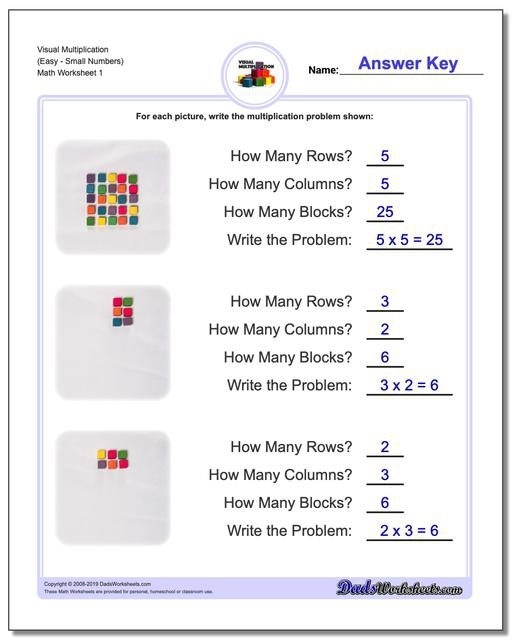
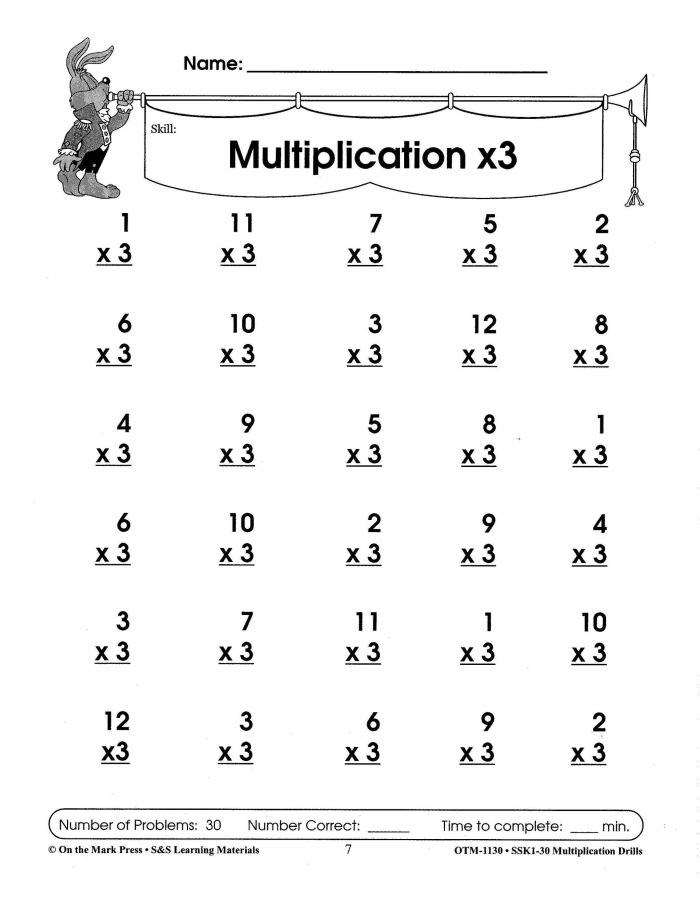
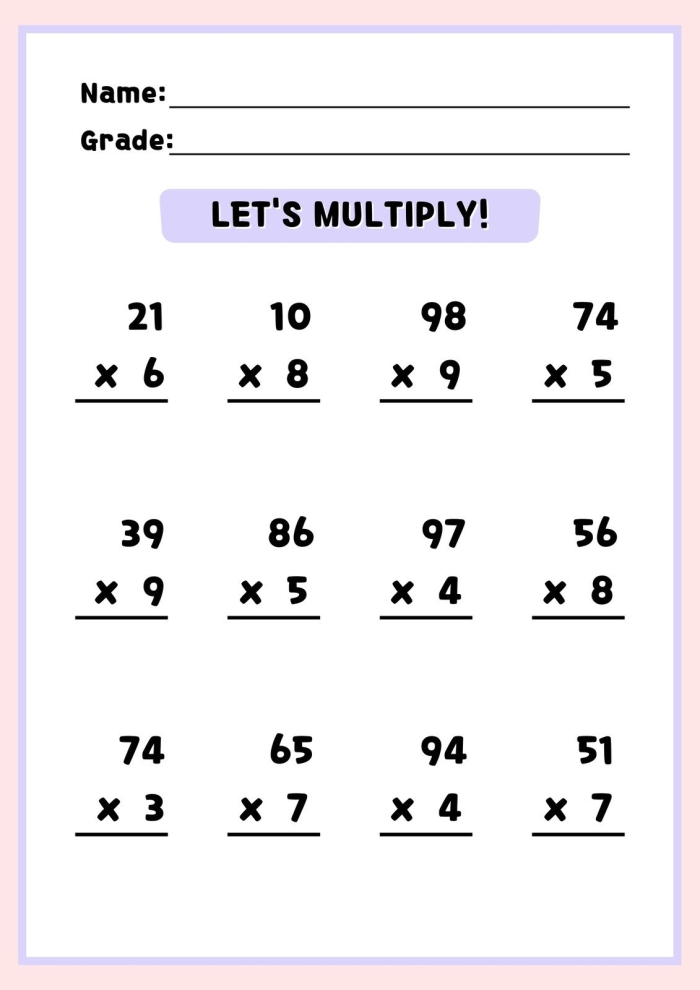
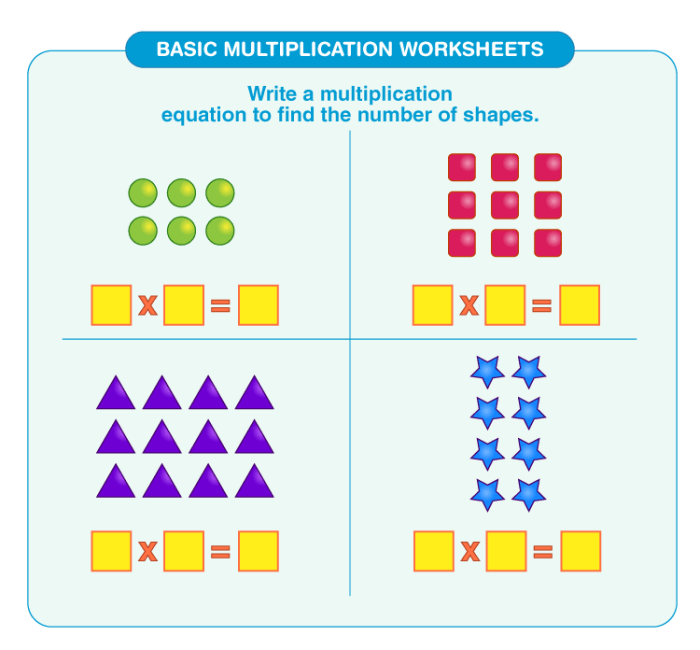
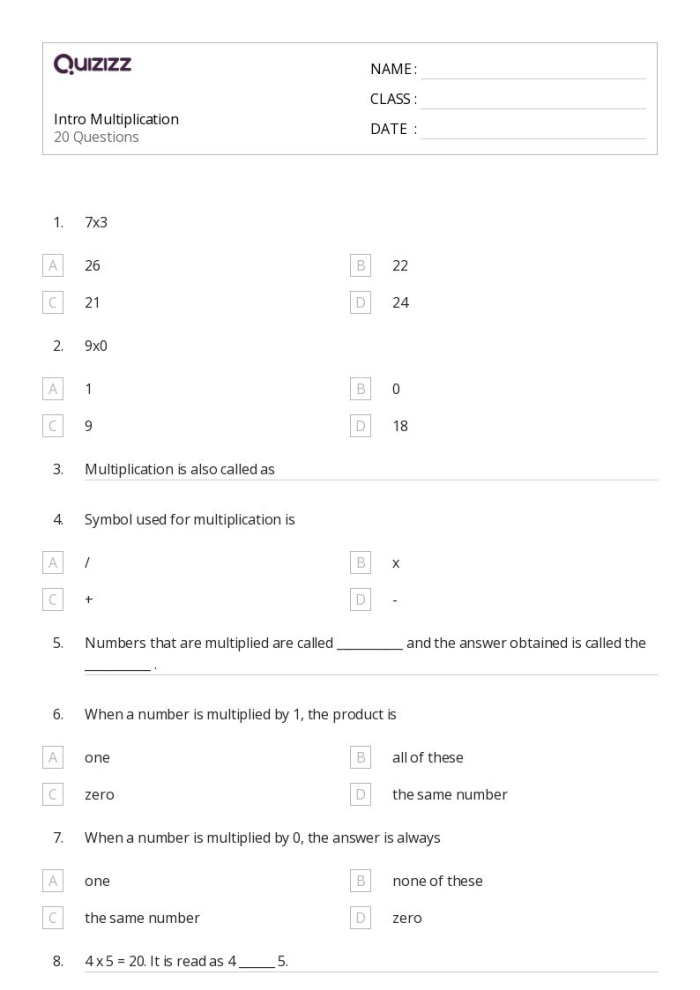
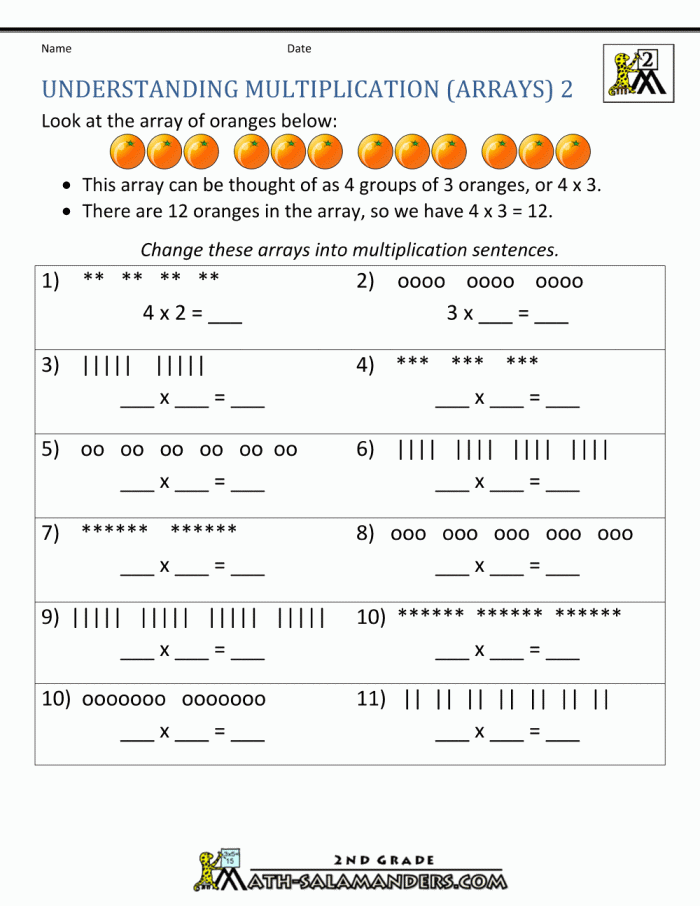
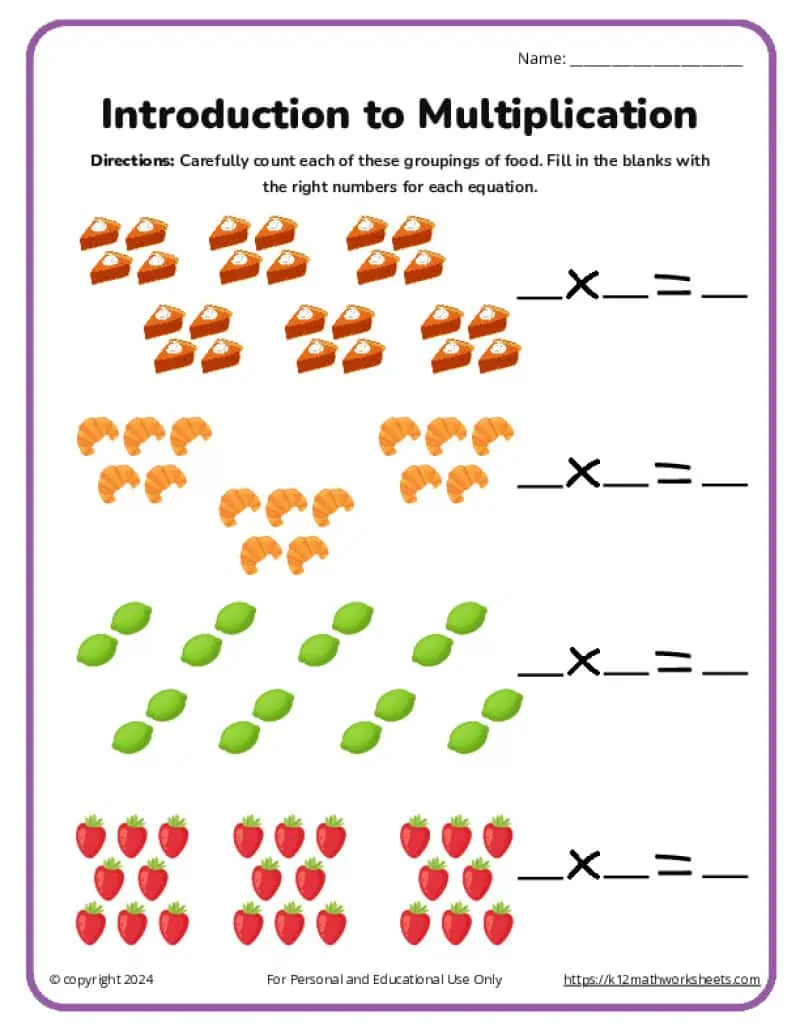
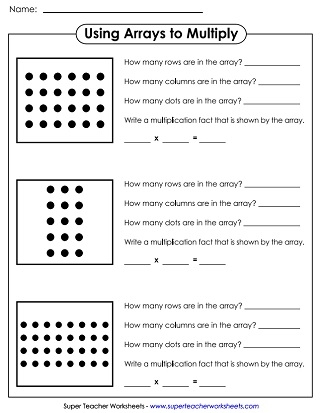
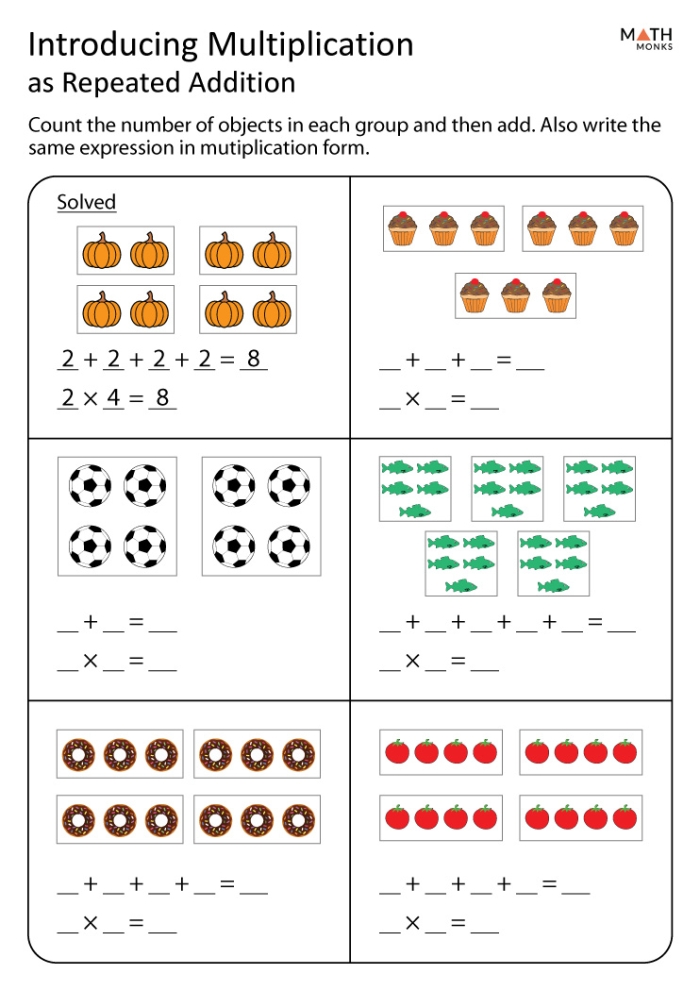
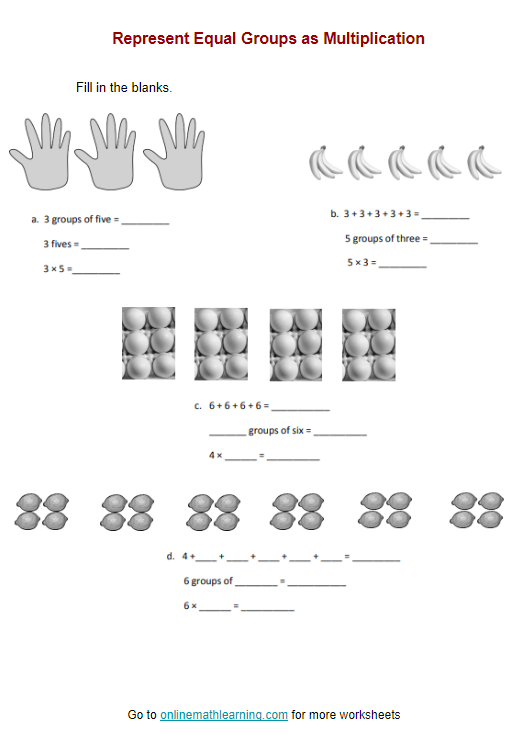
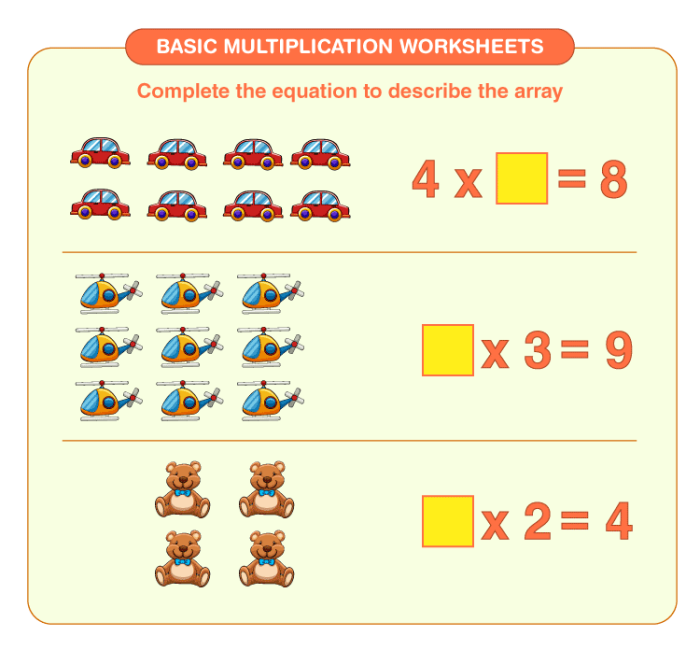
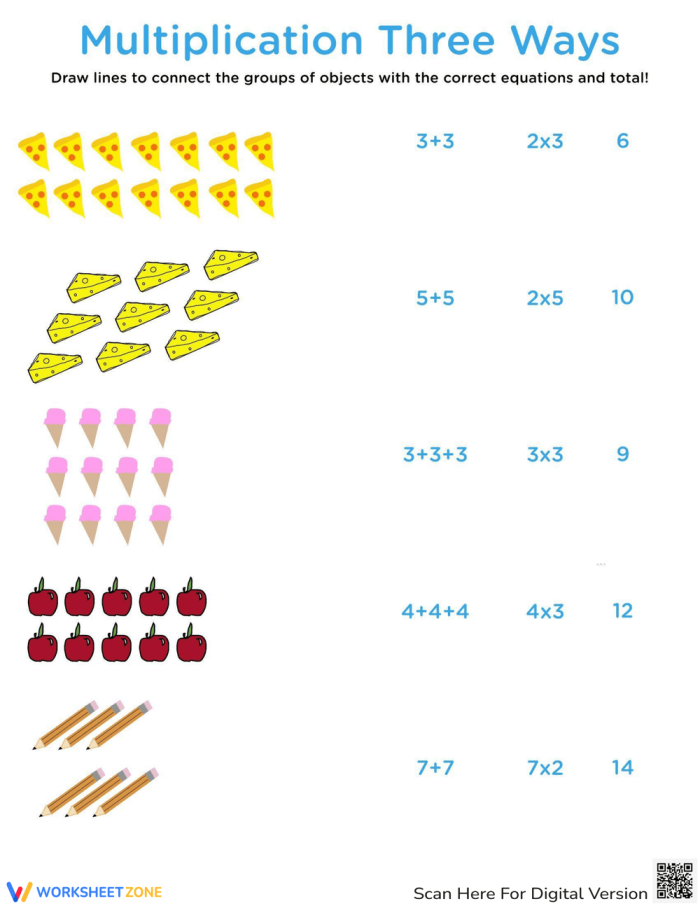
For example, consider a lesson about black bears, a common topic in Life Science for third grade. You might say, “If one black bear has 4 paws, how many paws do 3 bears have together?” This real-world question encourages kids to think in groups, which is the foundation of multiplication. It’s not just numbers on a page; it’s animals they’ve learned about, making the math relevant and easier to picture. This method mirrors the approach used in printable Intro to Multiplication: Multiplication Three Ways Worksheets, where multiplication is connected to relatable scenarios.
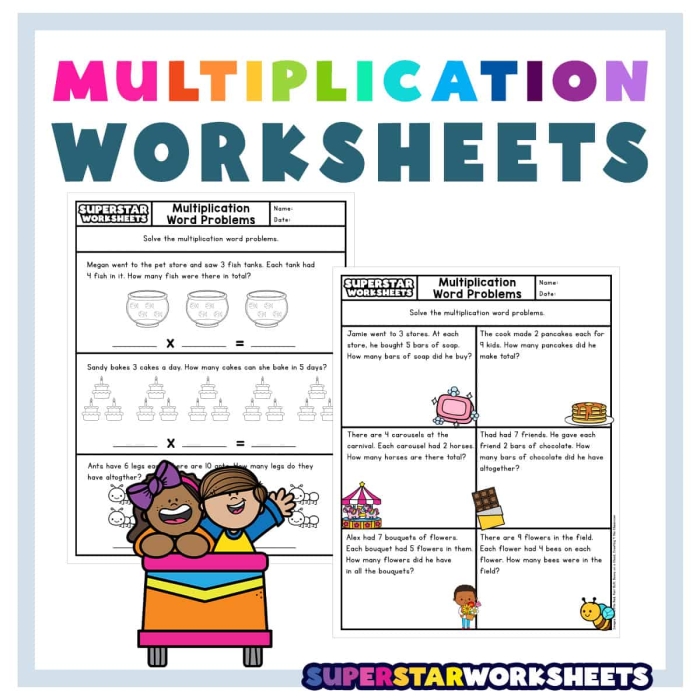
Another way to reinforce multiplication is through word problems that involve height or elevation changes in nature. Asking, “If a mountain rises 5 feet every 2 minutes, how much does it rise in 6 minutes?” helps children practice multiplication while engaging with scientific concepts. This approach shows them how multiplication applies beyond the classroom, connecting math with everyday observations from life science studies.
Using worksheets that blend math with subjects like Life Science can be especially effective. For instance, exercises related to grizzly bears or matching equivalent fractions in life science contexts can subtly introduce multiplication problems. These resources help children see multiplication as a tool to solve problems about the world around them rather than just a set of rules to memorize.
By tying multiplication to what your child already knows, whether it’s counting paws, measuring elevations, or exploring animal facts, you create a meaningful learning experience. This connection not only improves understanding but also builds confidence and curiosity, making multiplication a natural part of their growing knowledge.
Boost Skills with These Worksheets