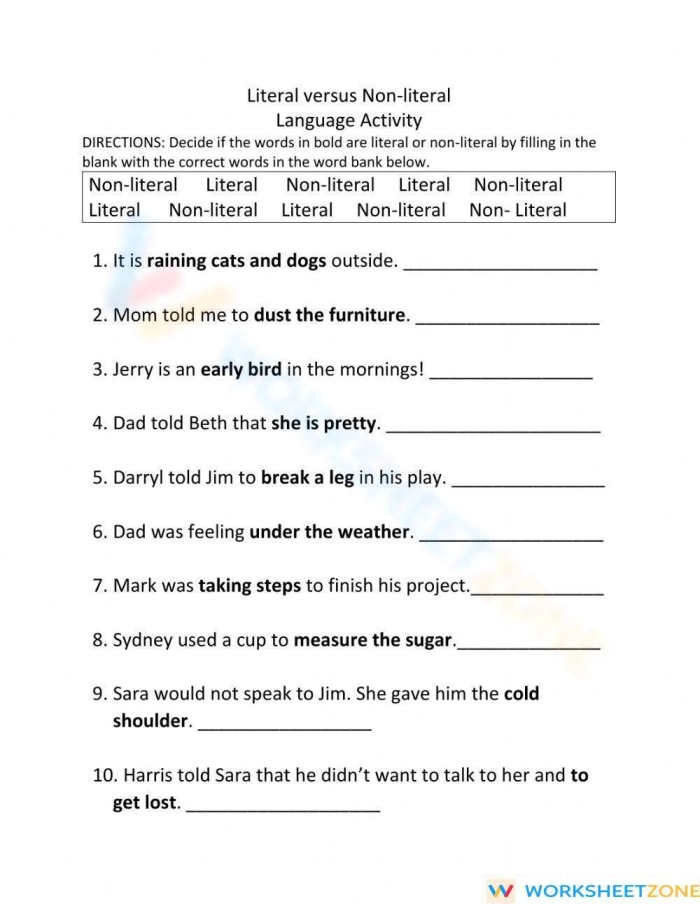
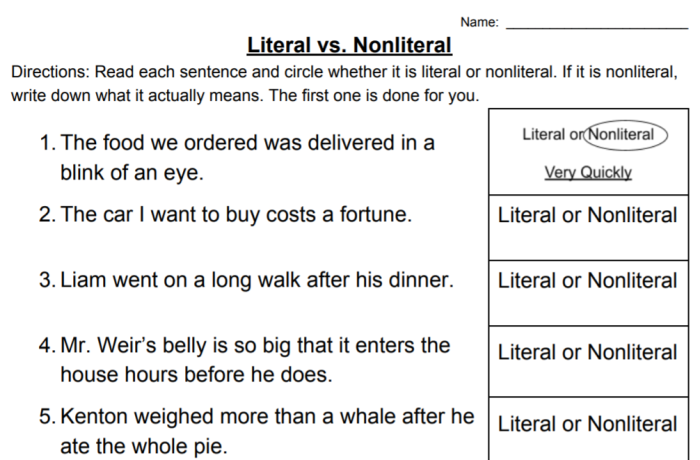
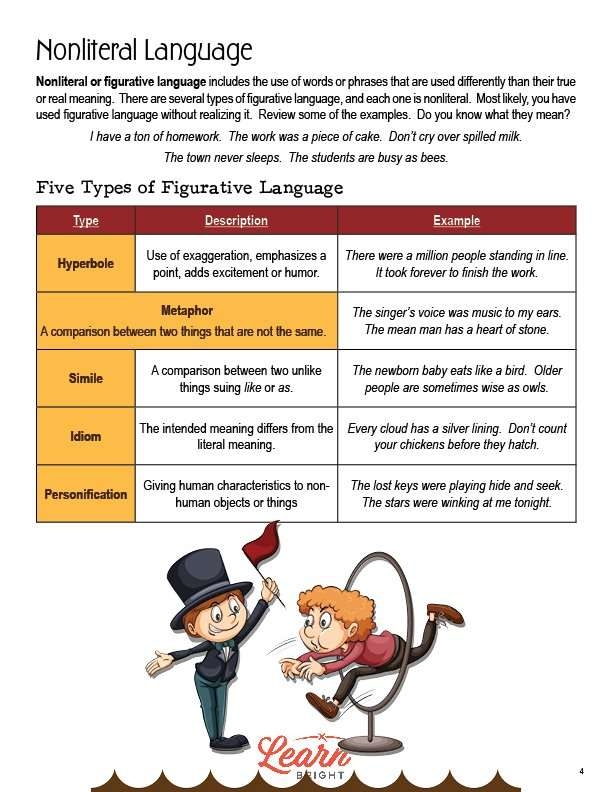
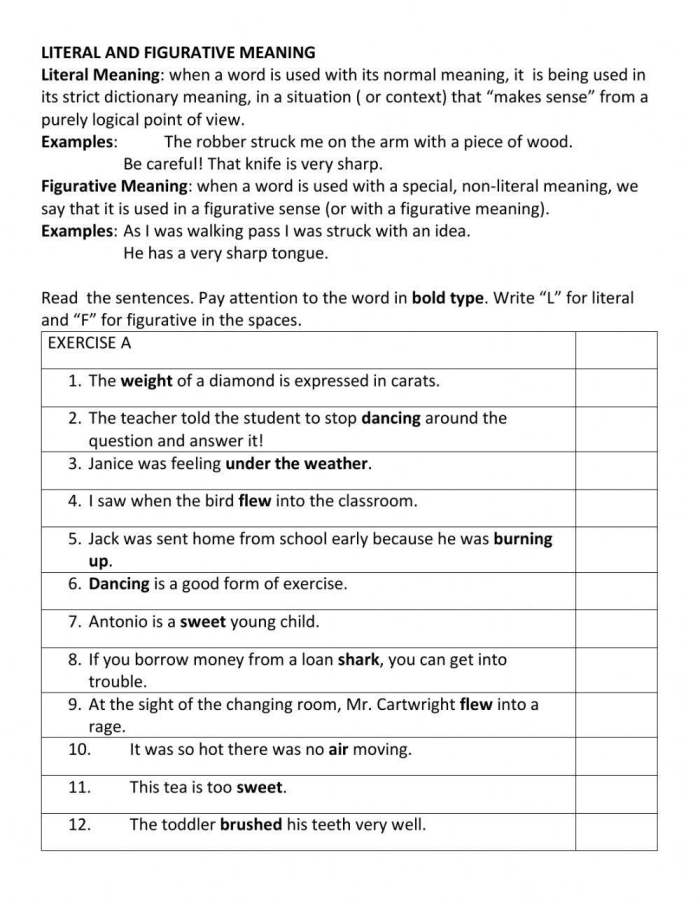
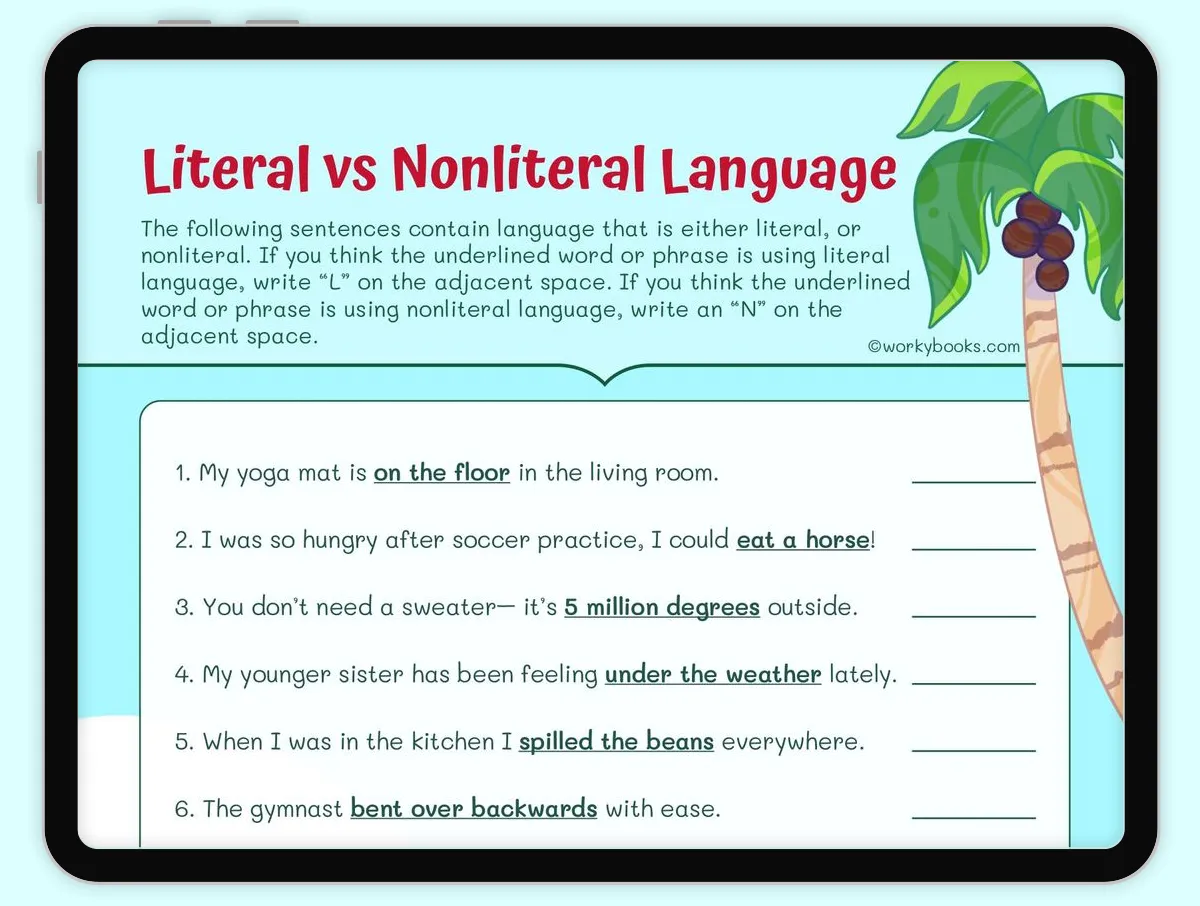
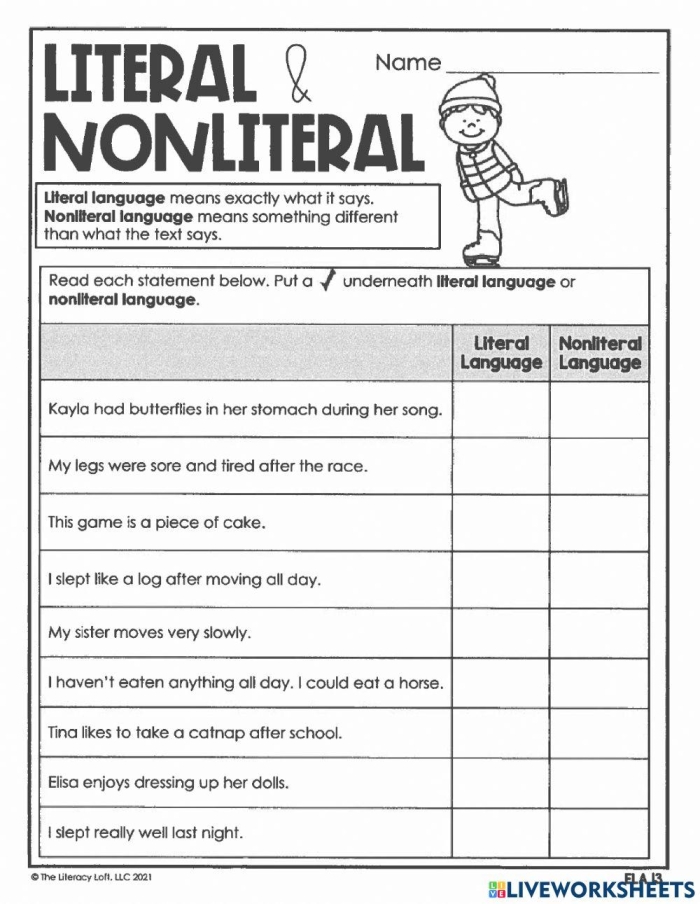
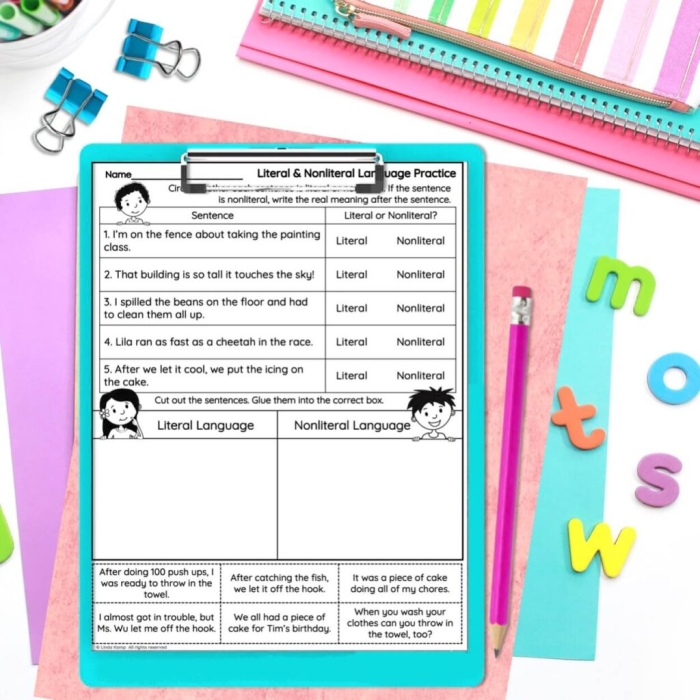
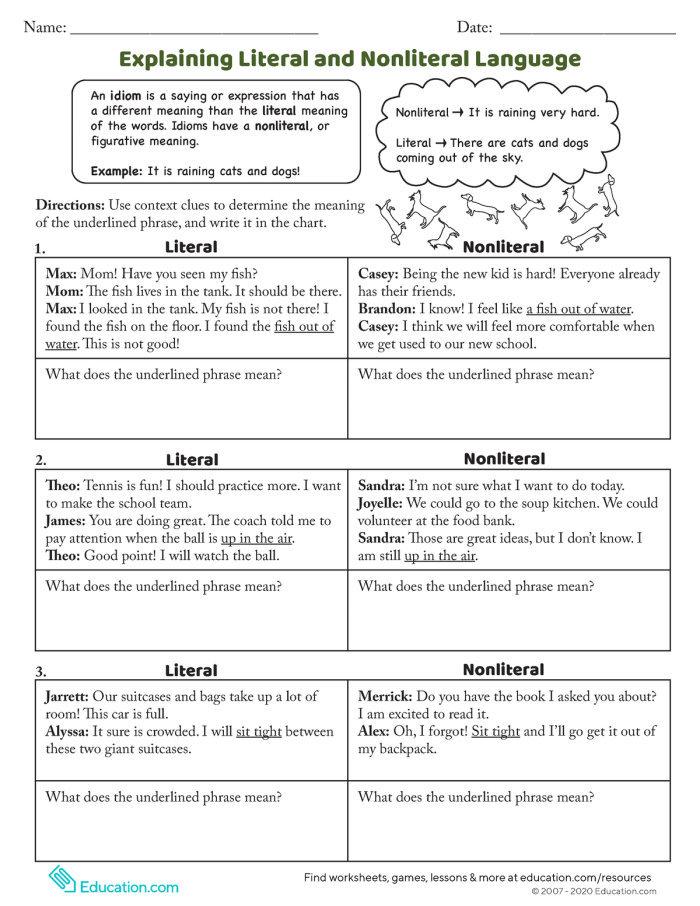
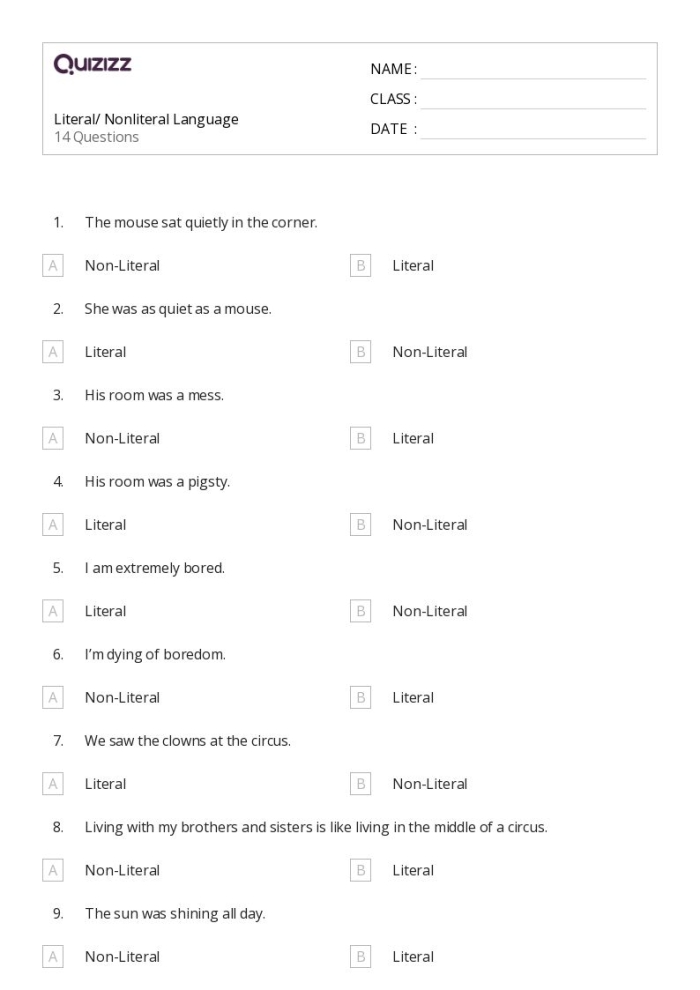
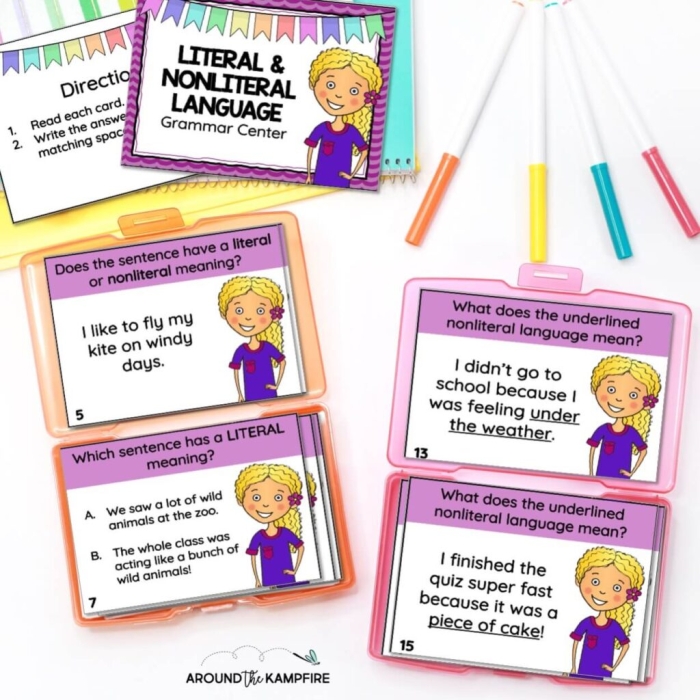
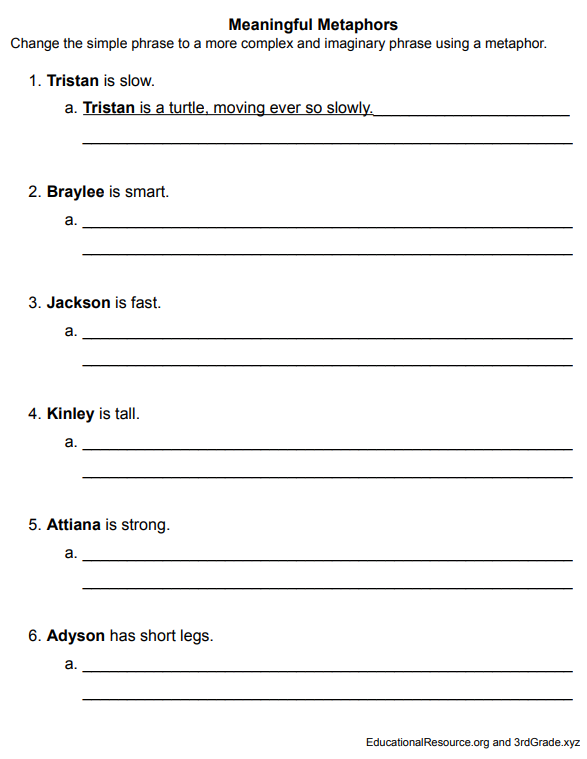
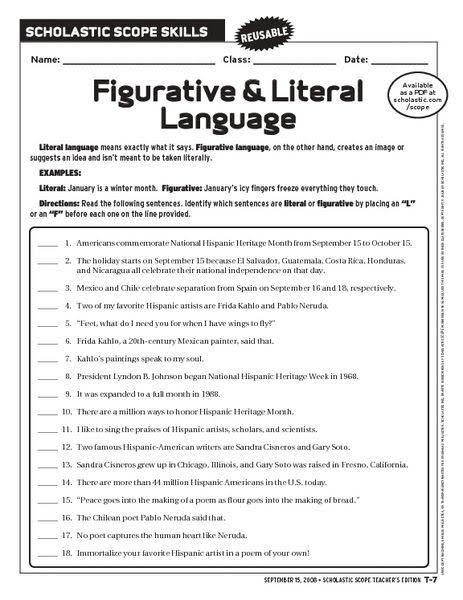
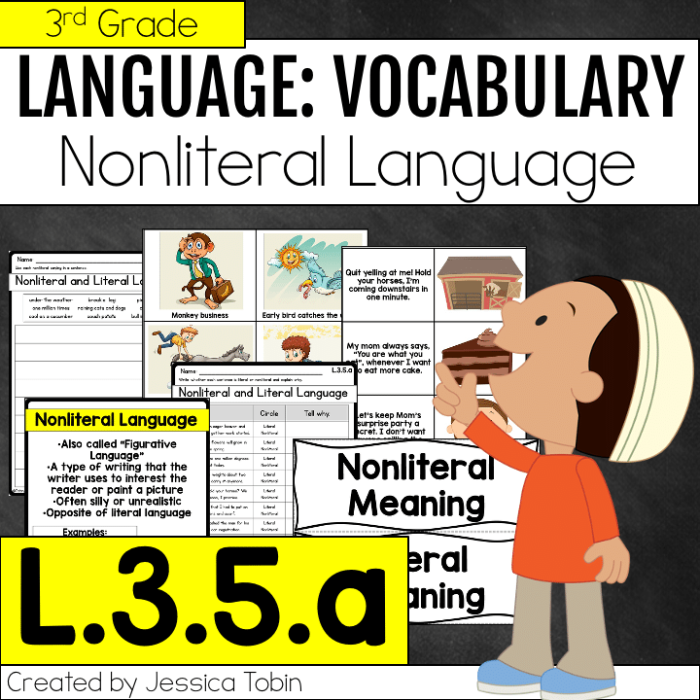
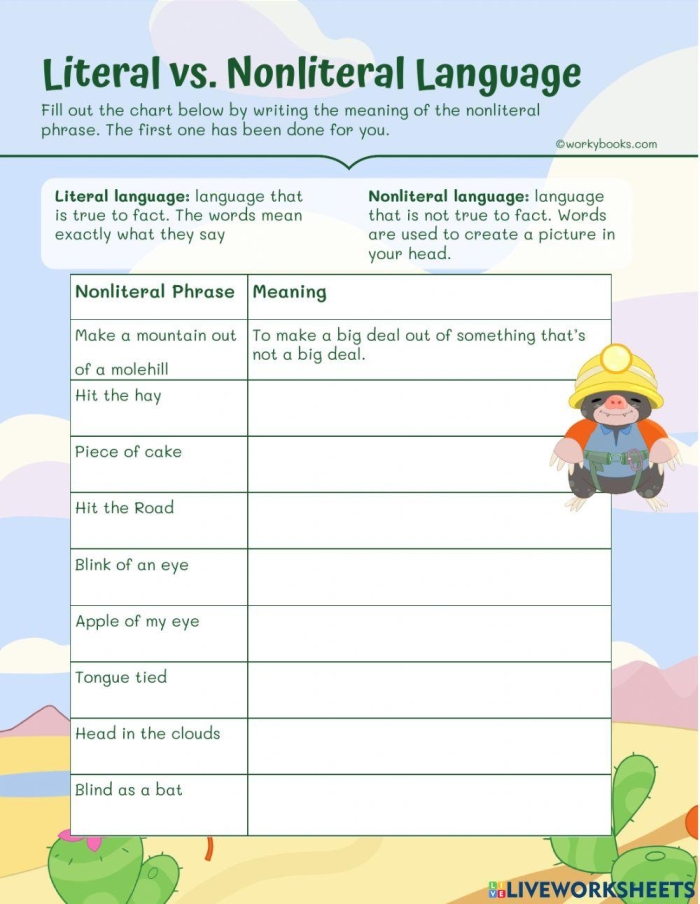
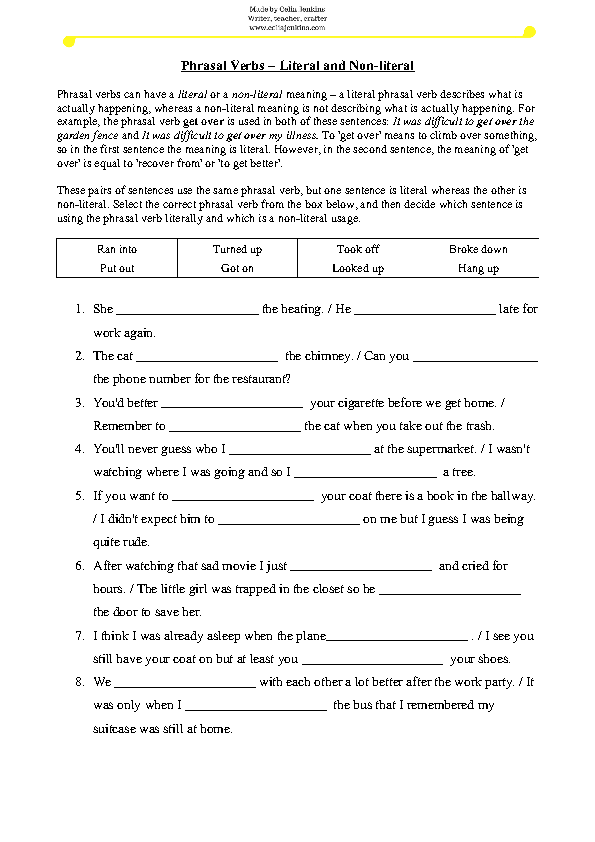
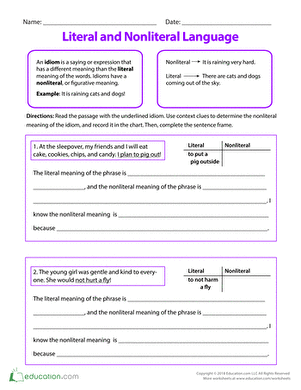
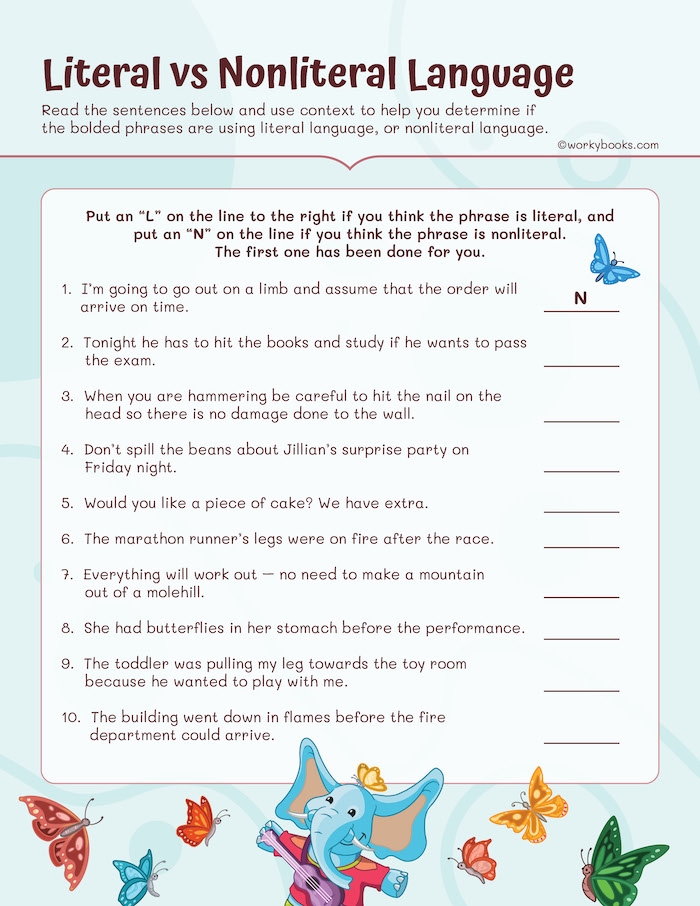
Teaching third grade students to recognize the difference between literal and nonliteral language can be challenging, especially when it comes to idioms. Using a worksheet that focuses on writing compound sentences with the help of sentence frames offers a clear path for young learners. These frames guide students in structuring their thoughts while reinforcing how context clues reveal the true meaning behind phrases that aren’t meant to be taken word for word.
For example, the idiom “break the ice” might confuse some children if they only consider its literal meaning. By encouraging students to use sentence frames, they can construct compound sentences that explore both the literal and nonliteral meanings, such as: “The ice on the pond broke, and the children laughed; however, breaking the ice at a party means making people feel comfortable.” This approach helps solidify understanding and builds sentence-writing skills simultaneously.
Another benefit lies in the integration of fractions and third grade math concepts. Since many printable literal and nonliteral language worksheets are designed for this grade level, coupling language arts with math practice—like fraction review or quizzes—strengthens overall comprehension. Linking language lessons with fractions exercises, such as those found in fraction review materials or fractions quizzes, creates a richer learning experience.
Context clues become especially important when students encounter idioms in reading passages or conversations. By focusing on how surrounding words influence meaning, children learn to interpret phrases beyond their surface level. This skill directly supports writing compound sentences that accurately reflect both meanings, which is why worksheets that highlight literal and nonliteral language alongside sentence frames prove invaluable.
Teachers looking for additional practice can also explore resources that combine language arts with math skills, such as three-digit addition with regrouping or creative writing exercises like a gratitude acrostic poem. Integrating these subjects helps maintain student engagement while reinforcing key concepts across the curriculum.
Try These Printable Worksheets