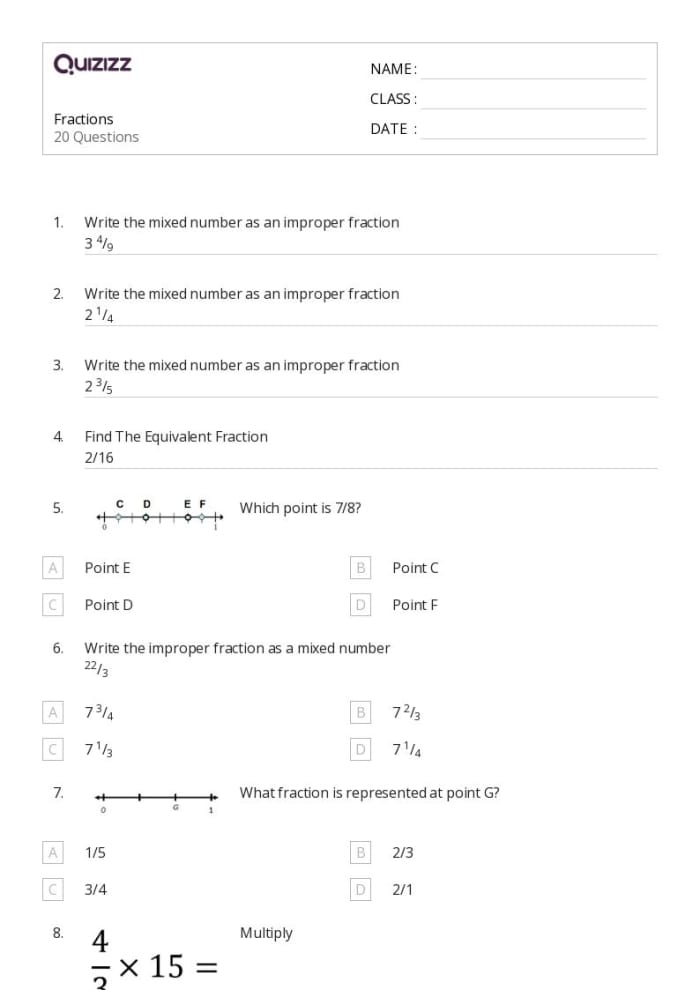
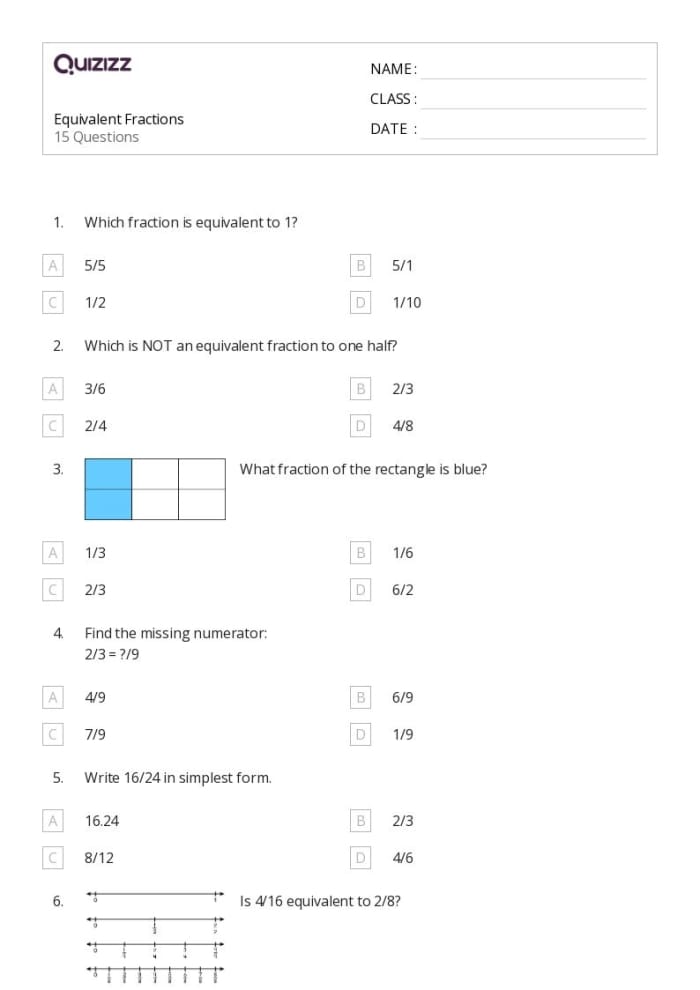
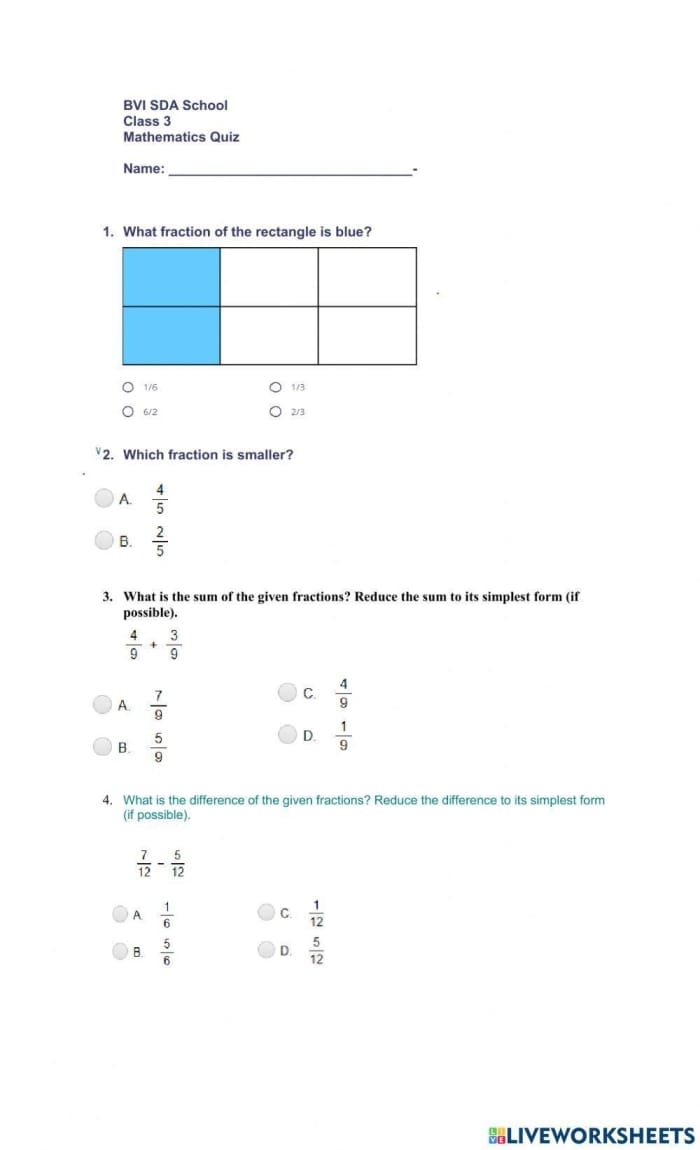
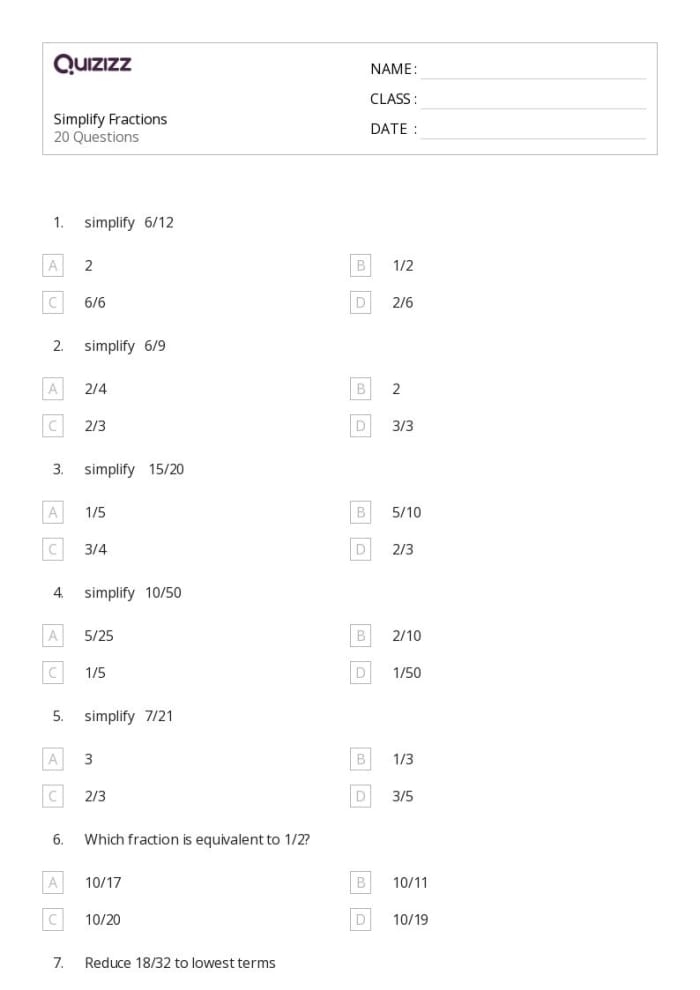
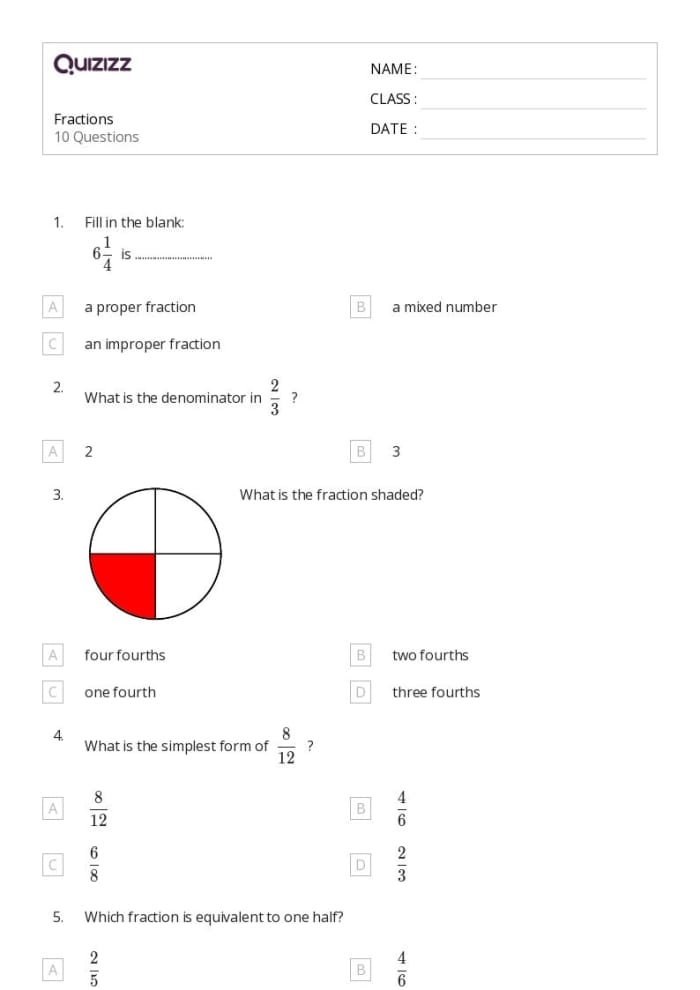
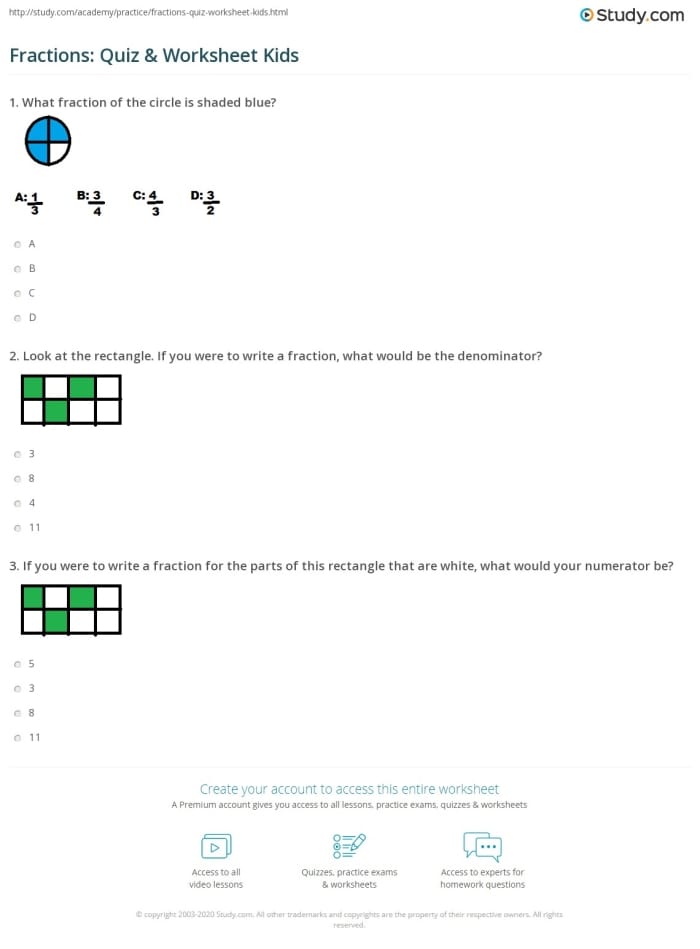
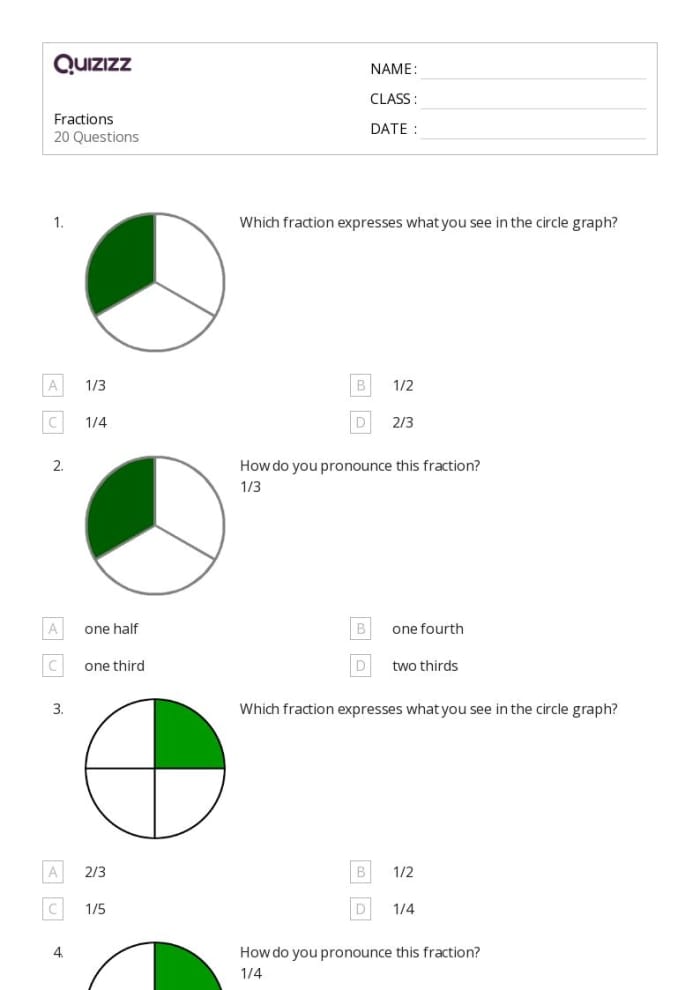
Multiple choice questions work surprisingly well for checking whether third grade students actually understand fractions or just memorize definitions. When you give a child four answer options for a single fraction problem, you learn exactly where their thinking breaks down.
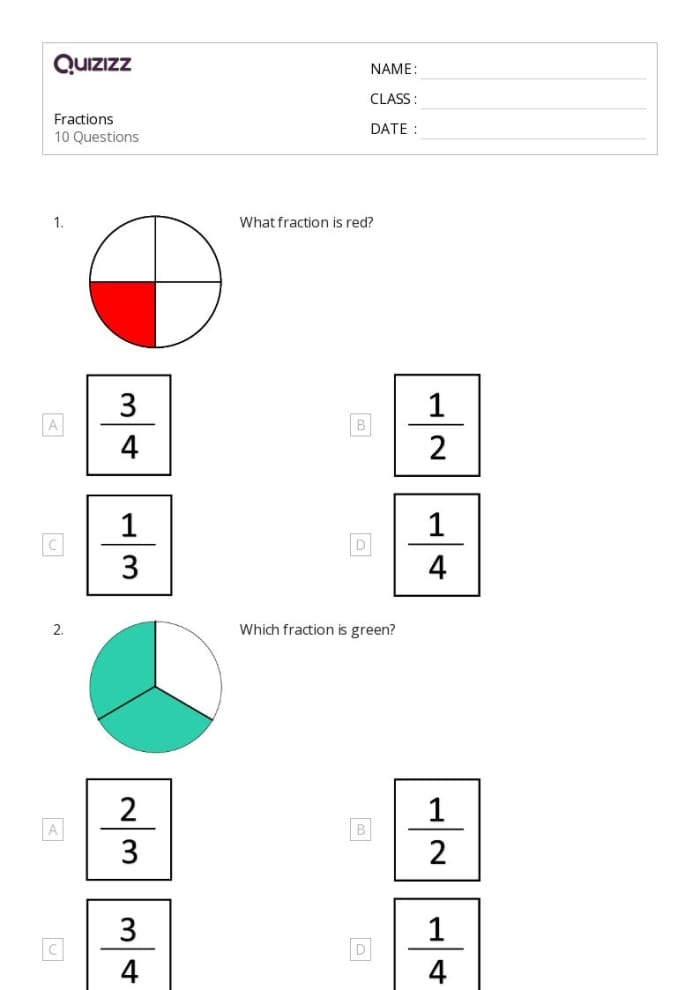
The strength of a fractions quiz with multiple choice format lies in how it reveals common misconceptions. A student might select the wrong answer because they’re counting the total number of parts instead of the shaded parts, or they’re confusing the numerator with the denominator. These wrong answers aren’t random—they’re windows into how a child is actually processing the concept.
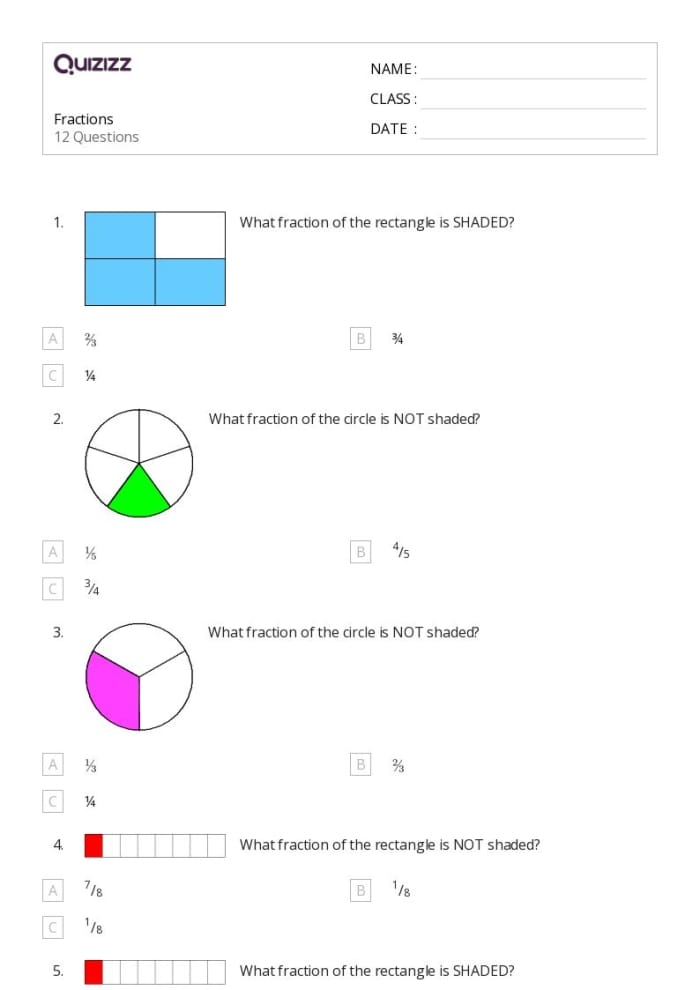
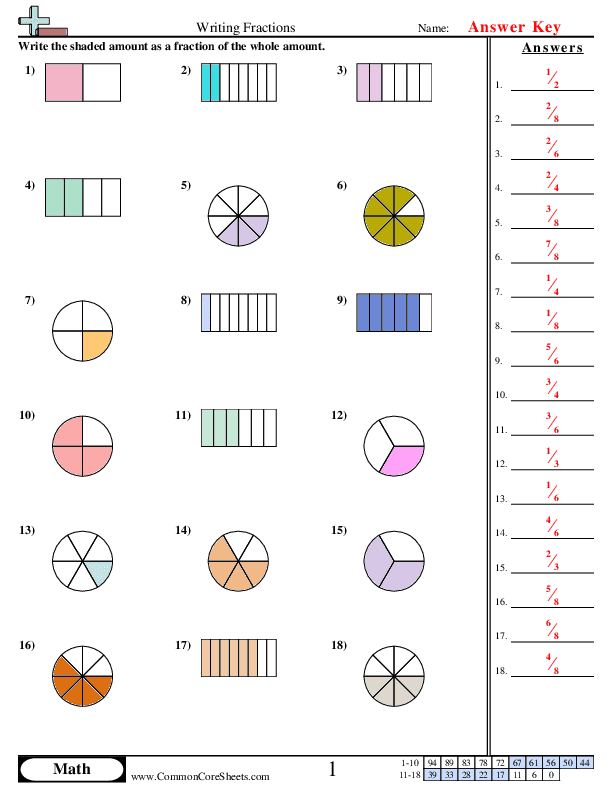
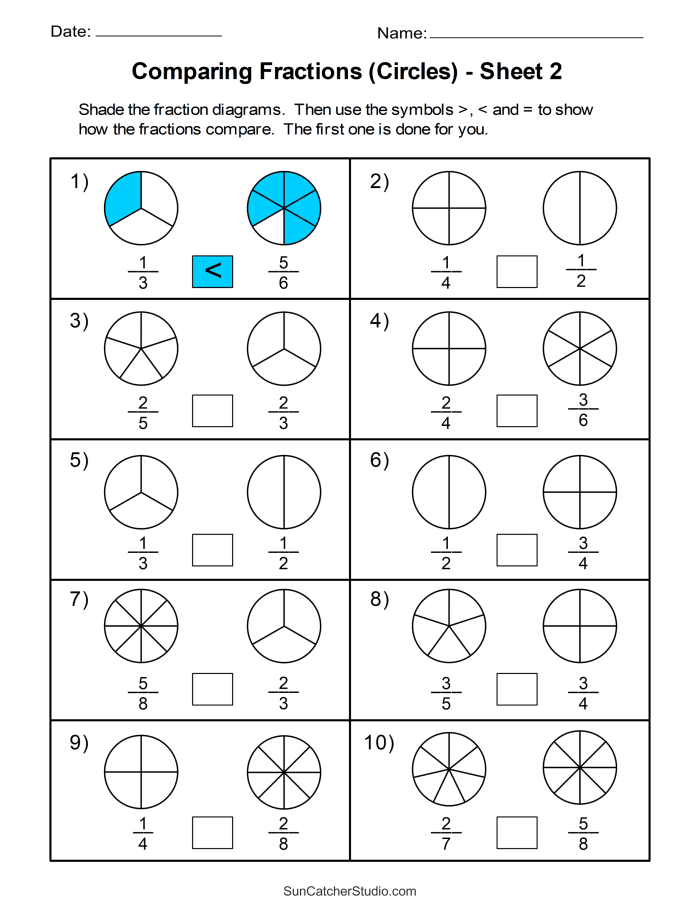
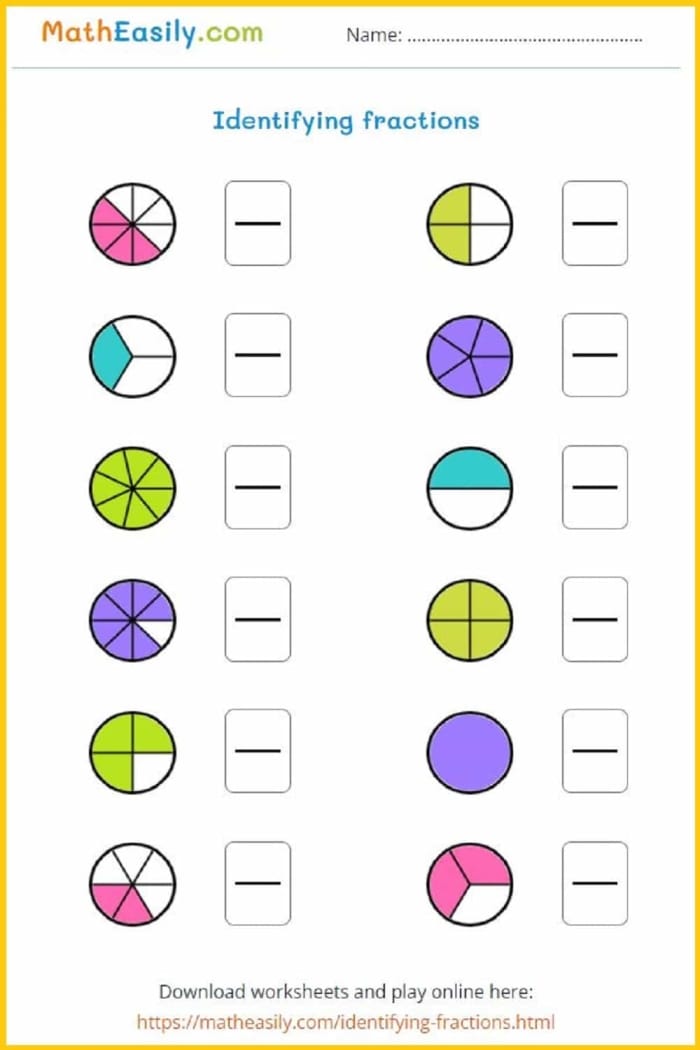
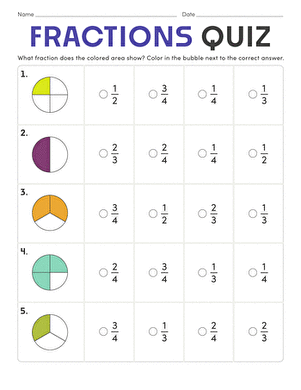
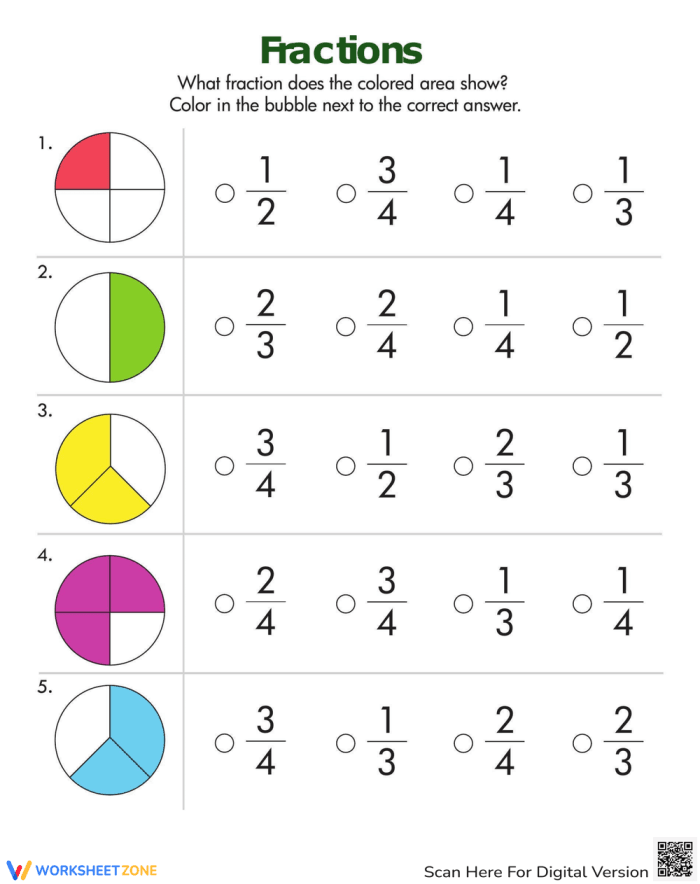
Third grade is the ideal time to introduce this type of assessment because students are just beginning to work with fractions as parts of a whole. At this stage, visual representations matter enormously. A quiz that includes images of divided shapes helps students connect the abstract fraction notation to something concrete they can see and touch. When you’re teaching fraction fundamentals and the concept of part of a whole, multiple choice questions let you test whether students can identify which visual representation matches a given fraction.
The multiple choice format also reduces anxiety for younger learners. Unlike open-ended questions where a child must write or draw their answer, choosing from options feels more manageable. This matters because third graders are still building confidence with math concepts.
You can extend this approach by pairing quizzes with hands-on activities. After completing a quiz, try activities involving area and counting unit squares to reinforce understanding through different modalities. This combination of assessment and practice creates a more complete picture of what your students know about fractions.
Try These Printable Worksheets