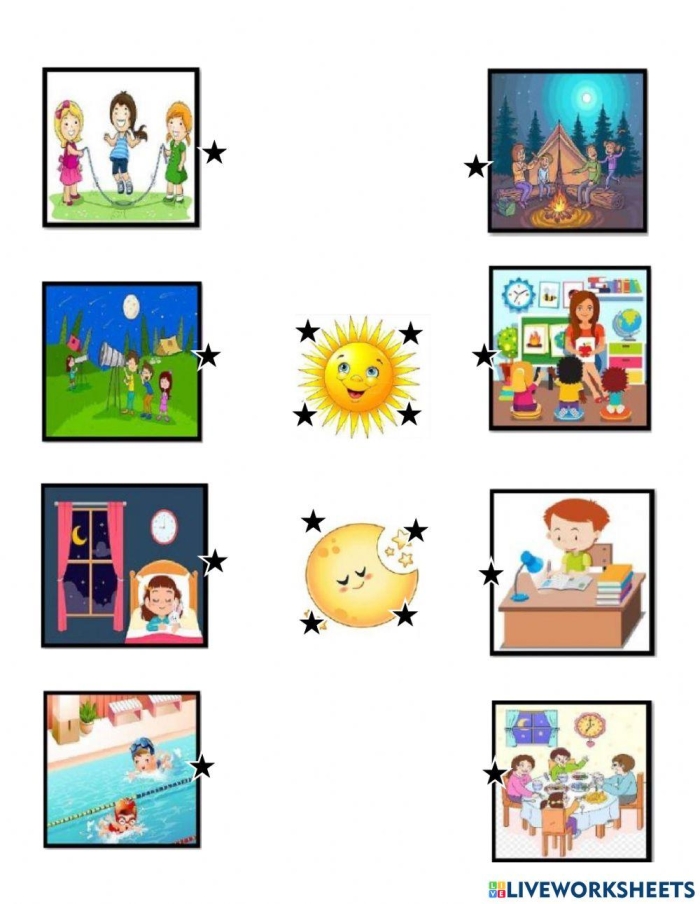
Can your child quickly recognize whether it’s day time or night time just by glancing at a clock? This skill goes beyond simply reading numbers; it involves understanding how hours relate to daily routines and natural light. For second grade students, practicing this connection between time and daily activities strengthens both their reading comprehension and their grasp of practical life skills.
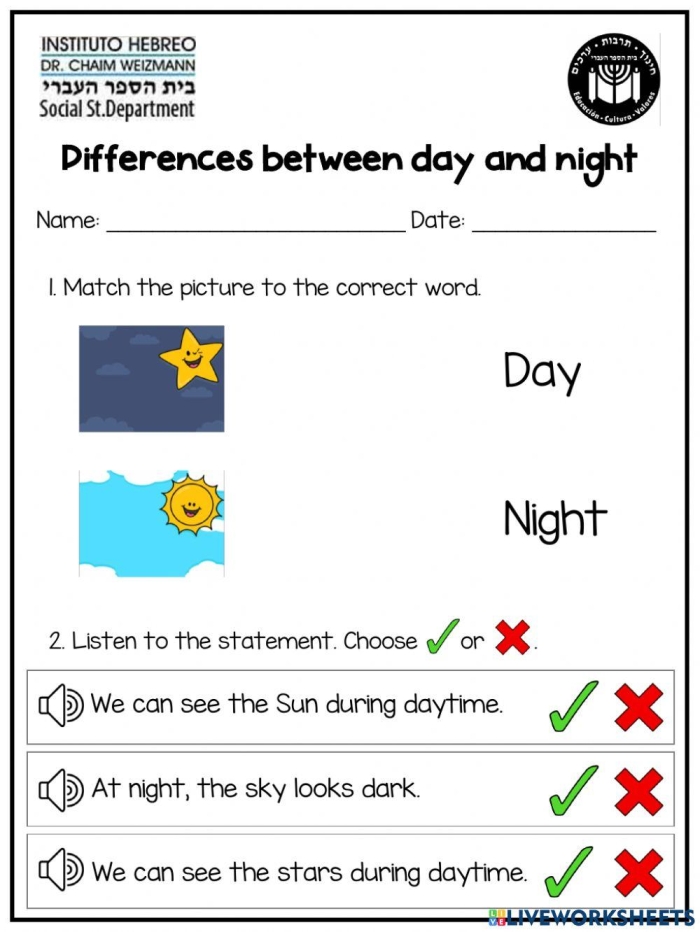
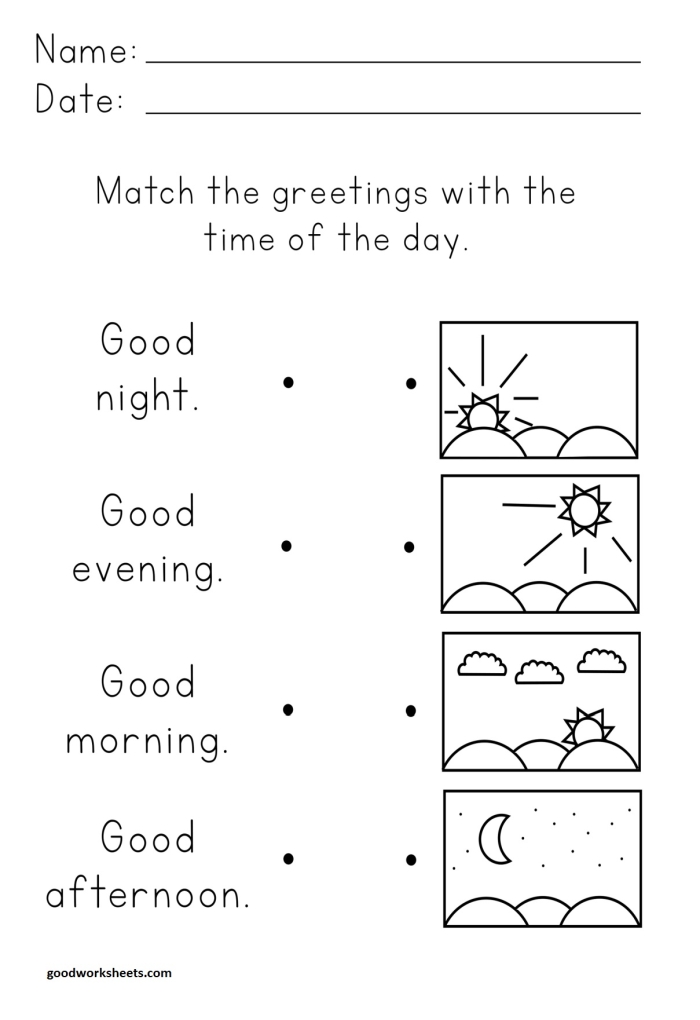
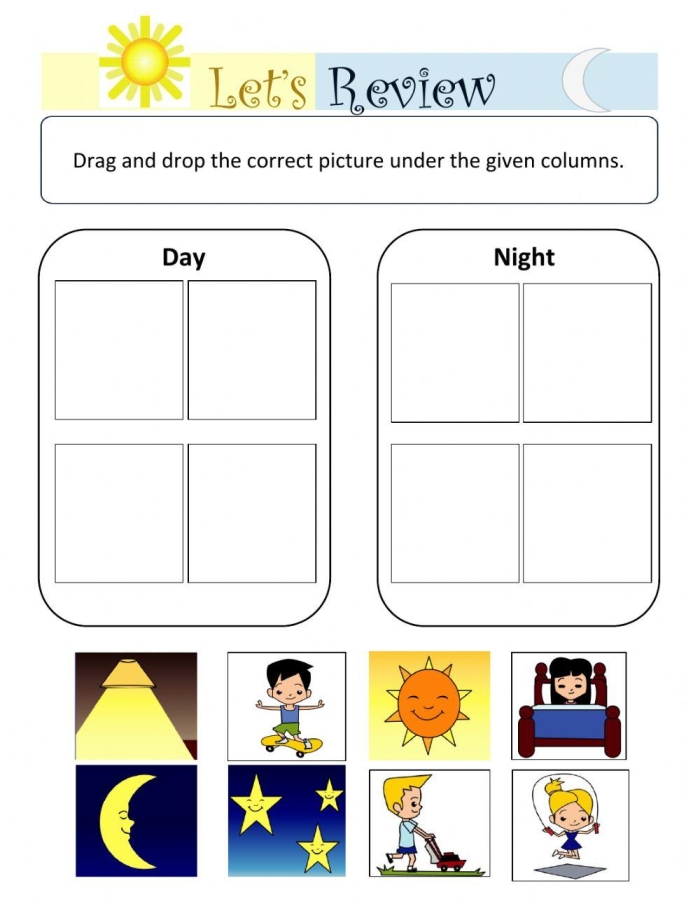
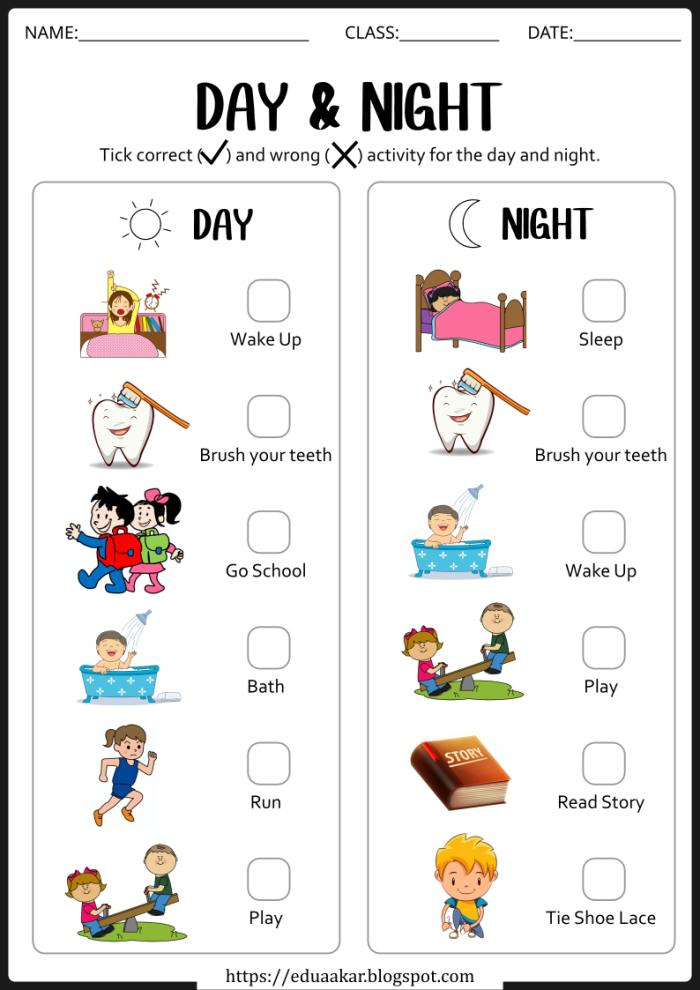
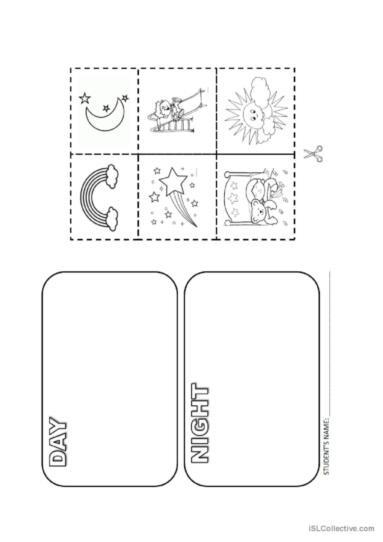
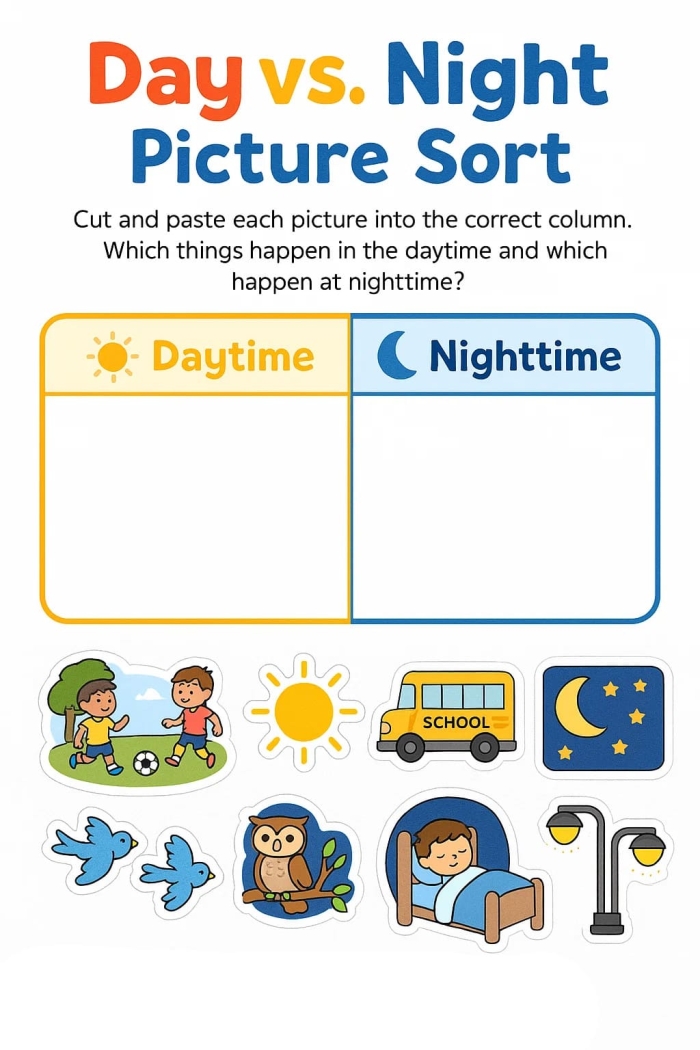
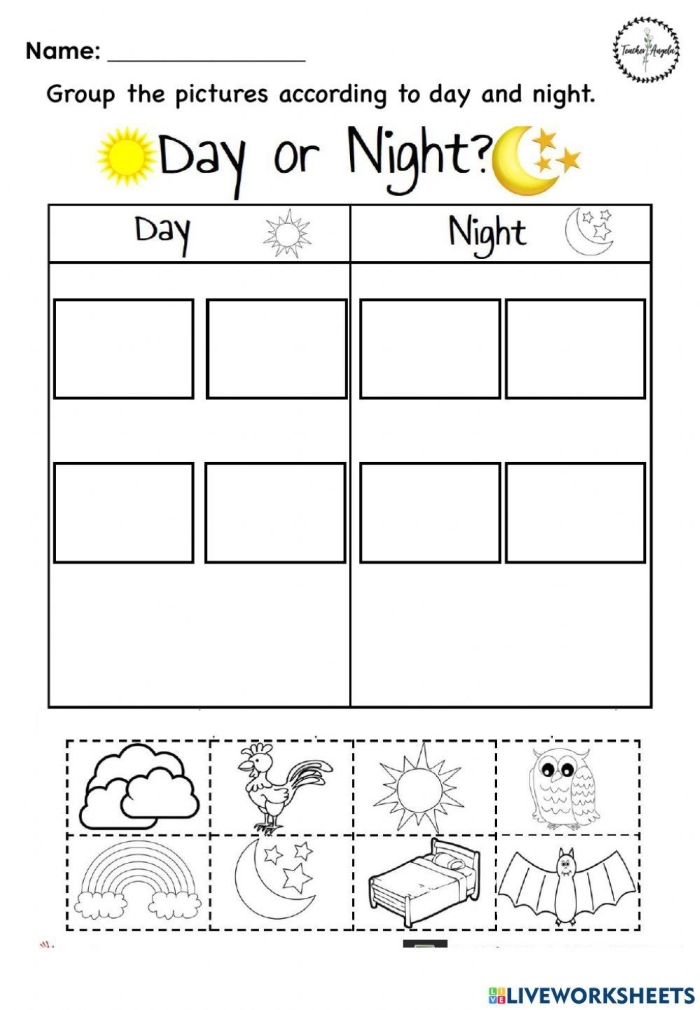
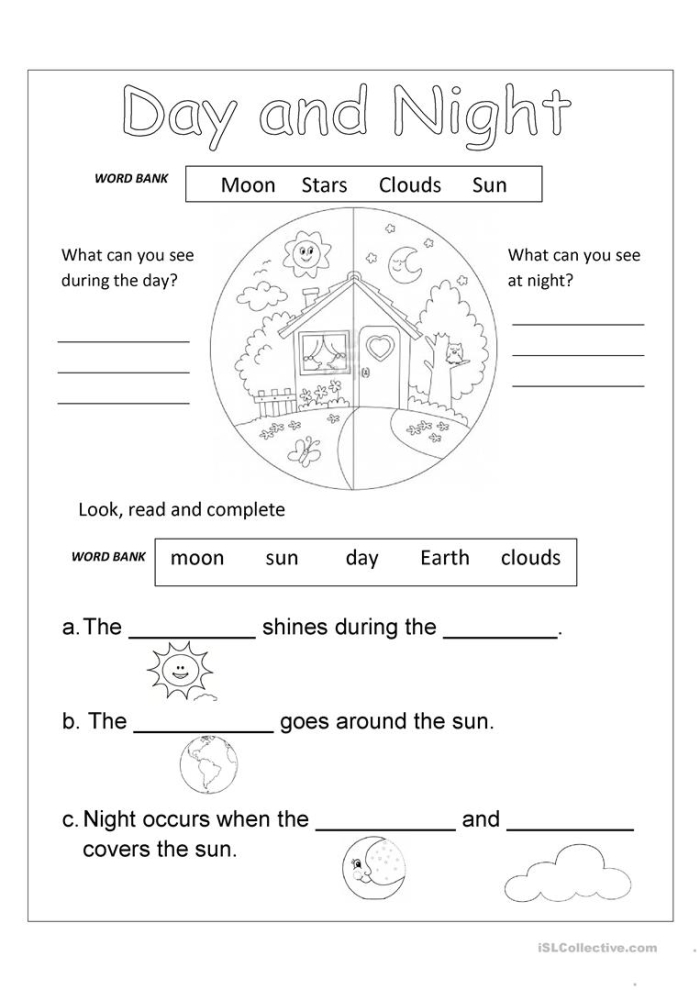
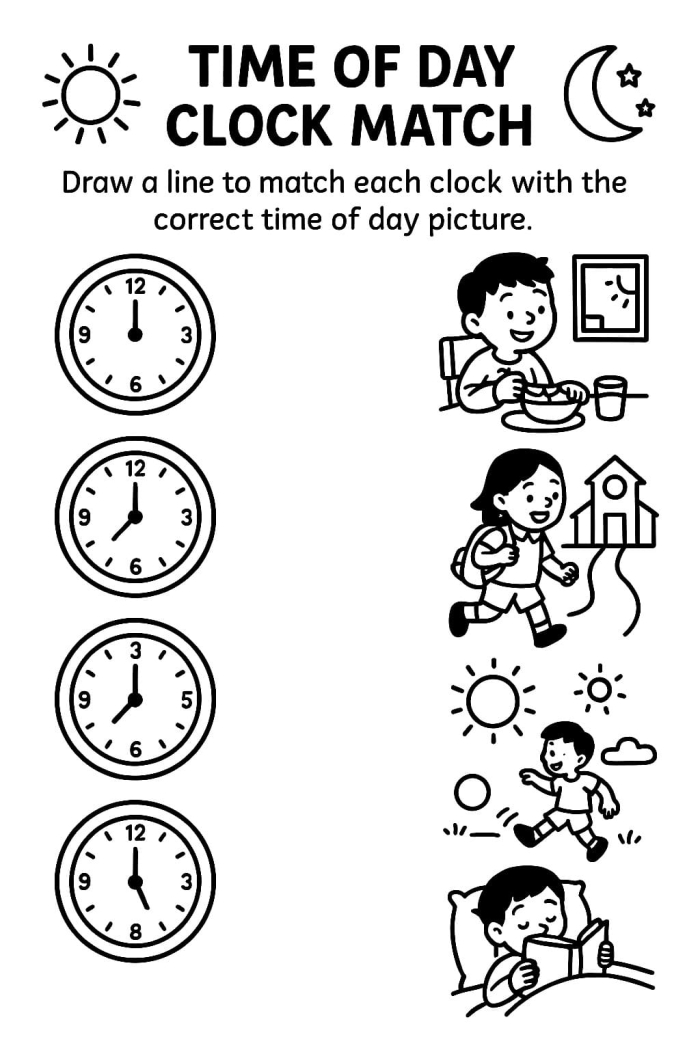
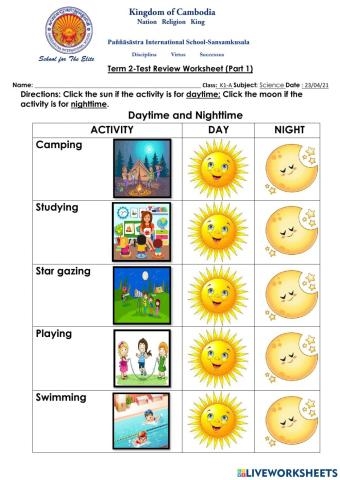
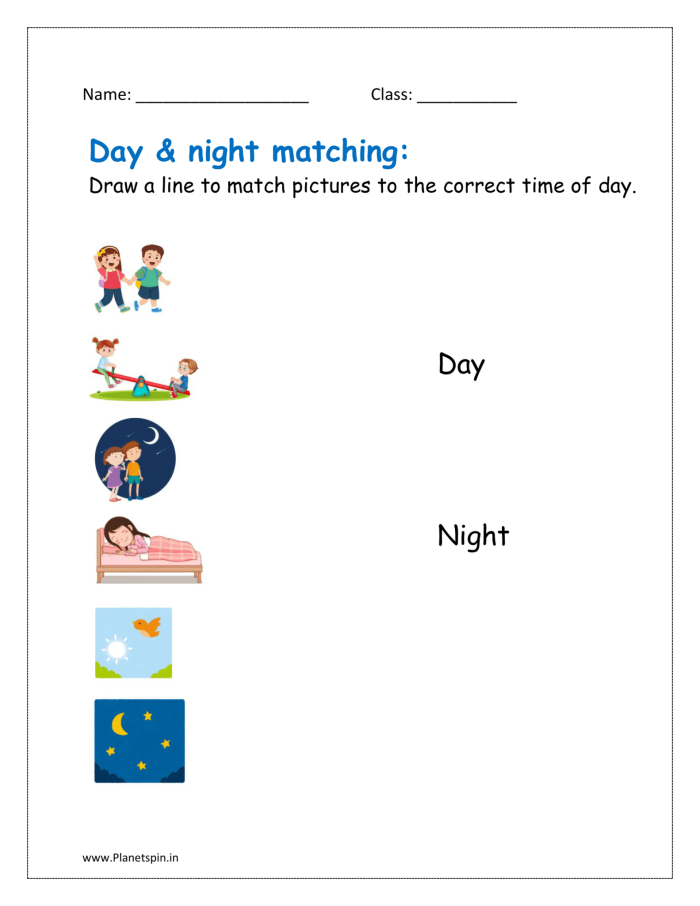
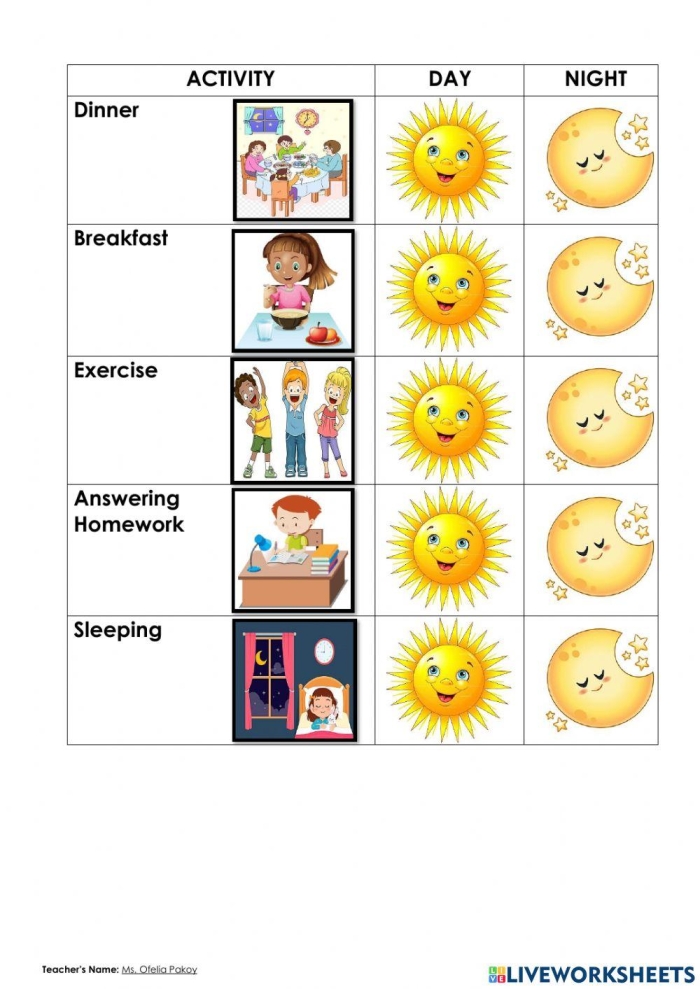
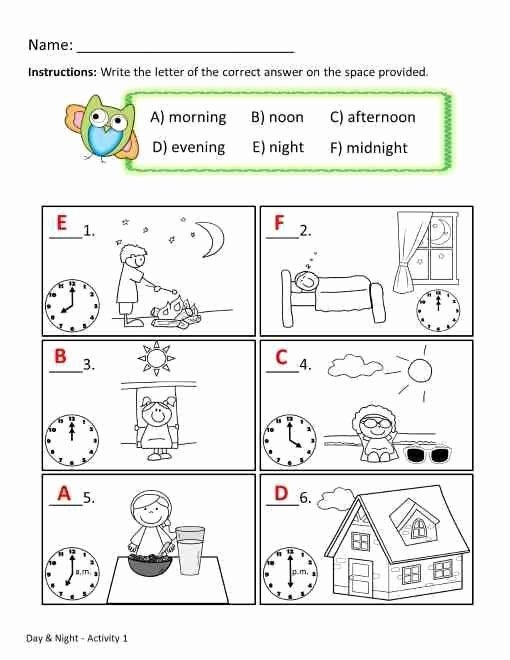
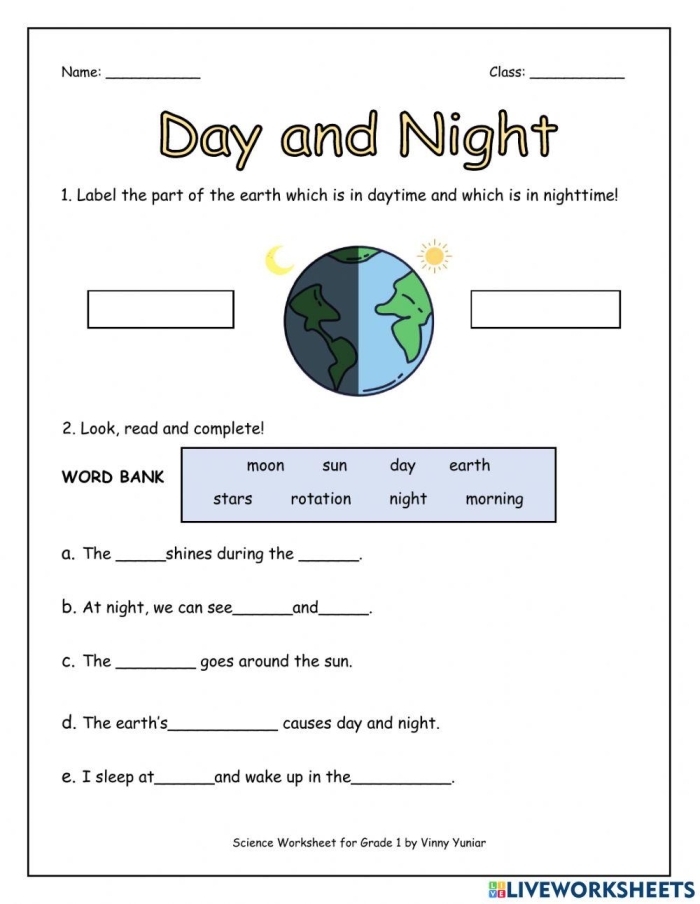
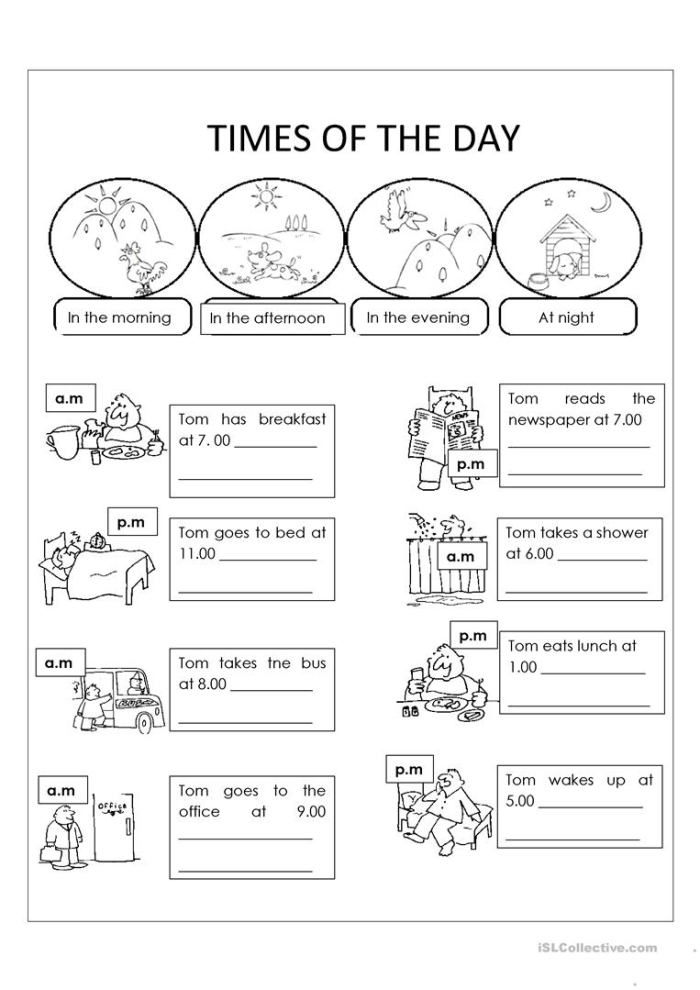
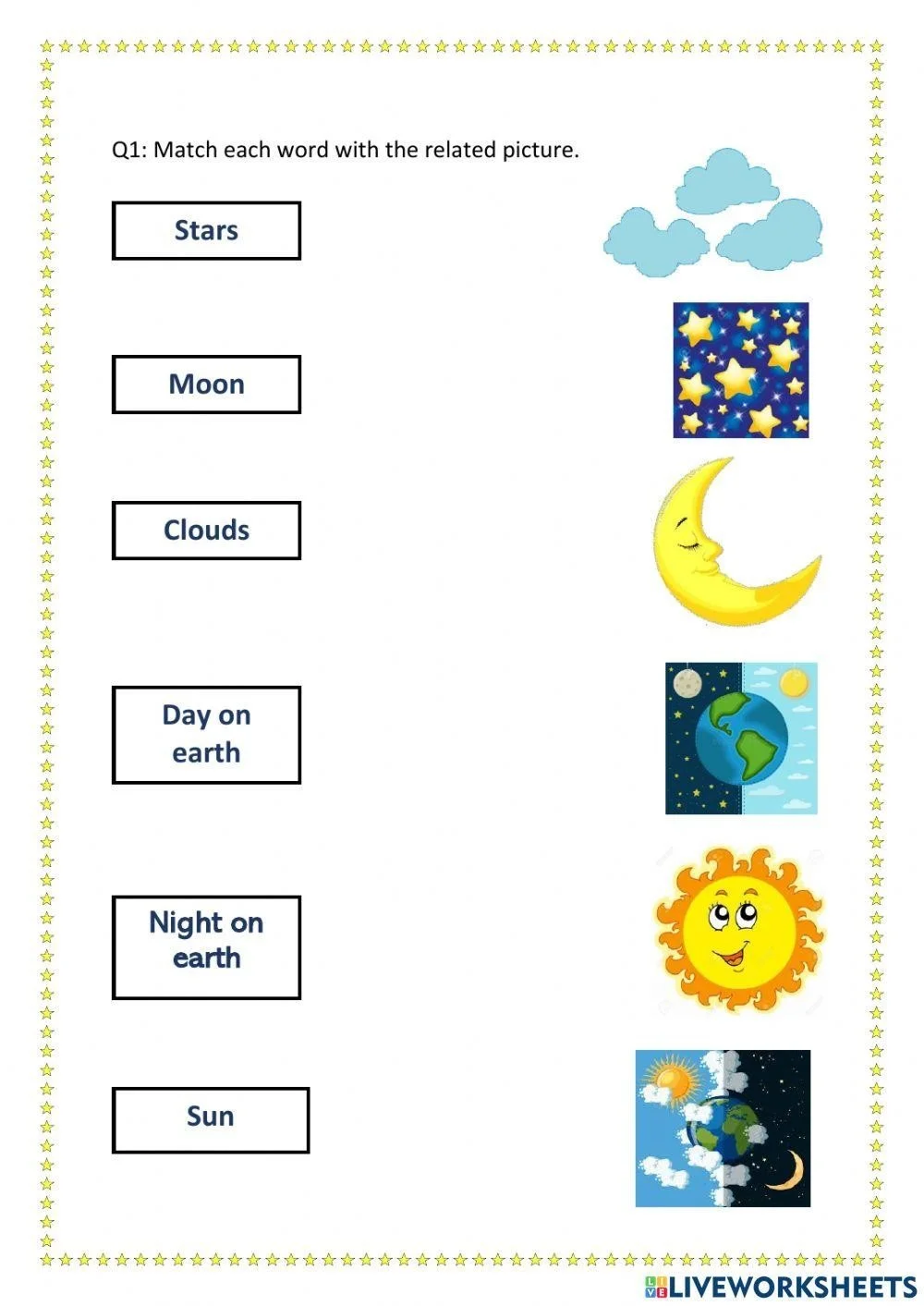
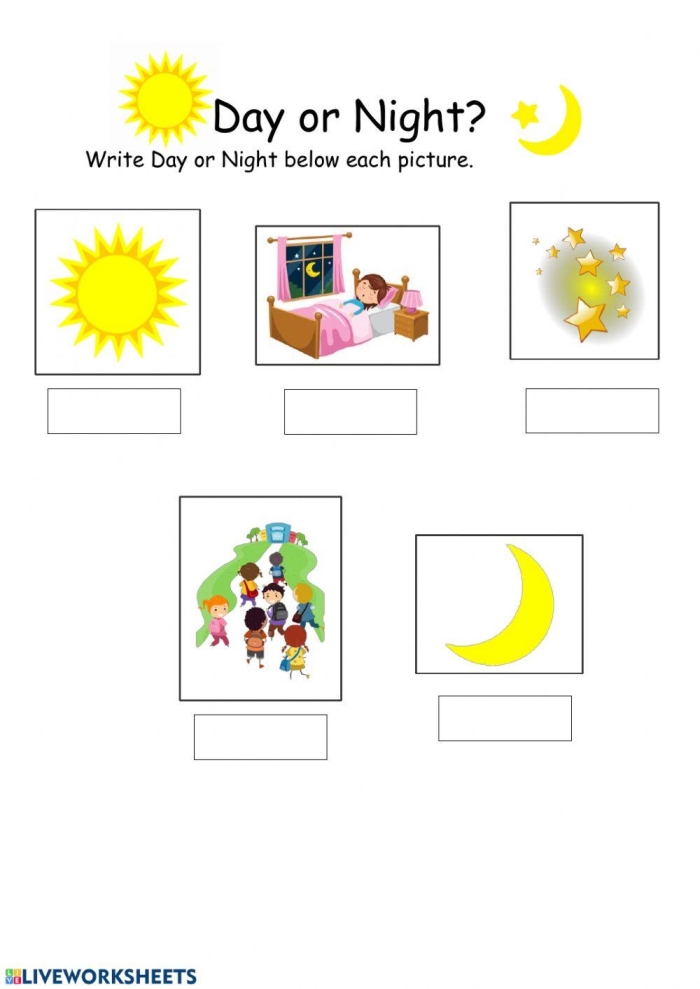
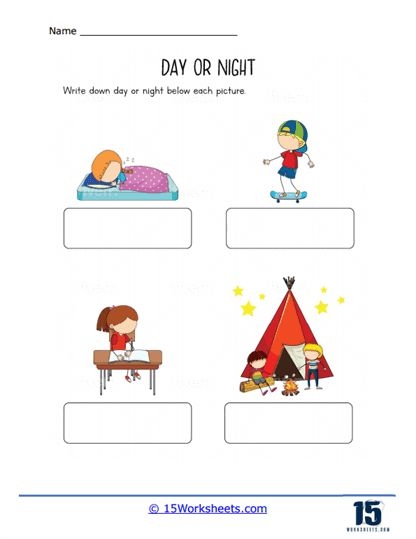
Using a printable night time or day time? worksheet can make this learning process fun and interactive. These worksheets often include clocks showing different hours alongside familiar scenarios, like eating breakfast, going to school, or getting ready for bed. When children match the clock’s time to these activities, they begin to associate specific hours with parts of the day. This helps reinforce their ability to read analog clocks and also enhances their contextual understanding, which is a key part of reading skills at this stage.
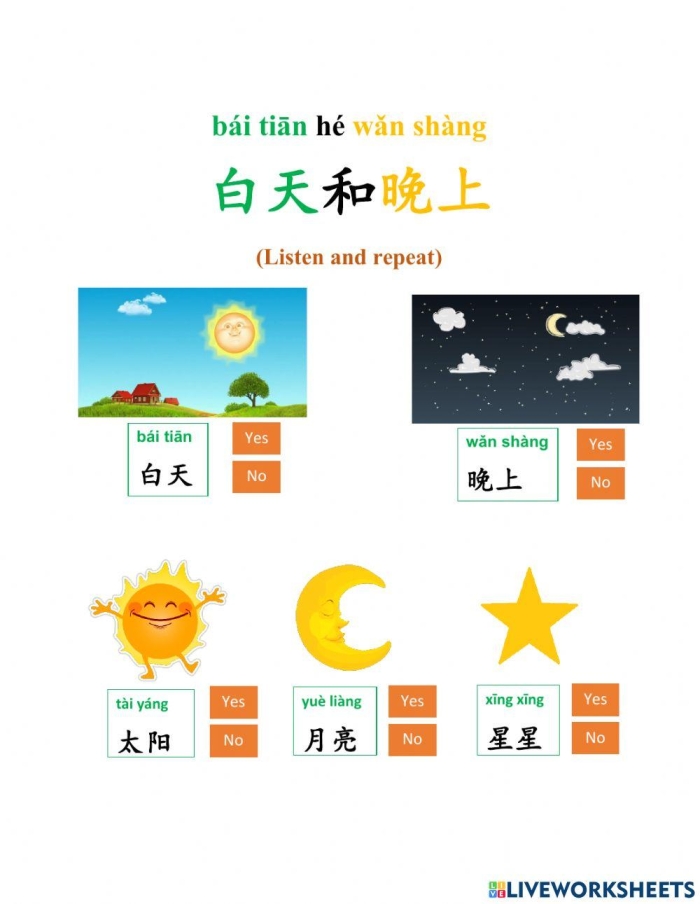
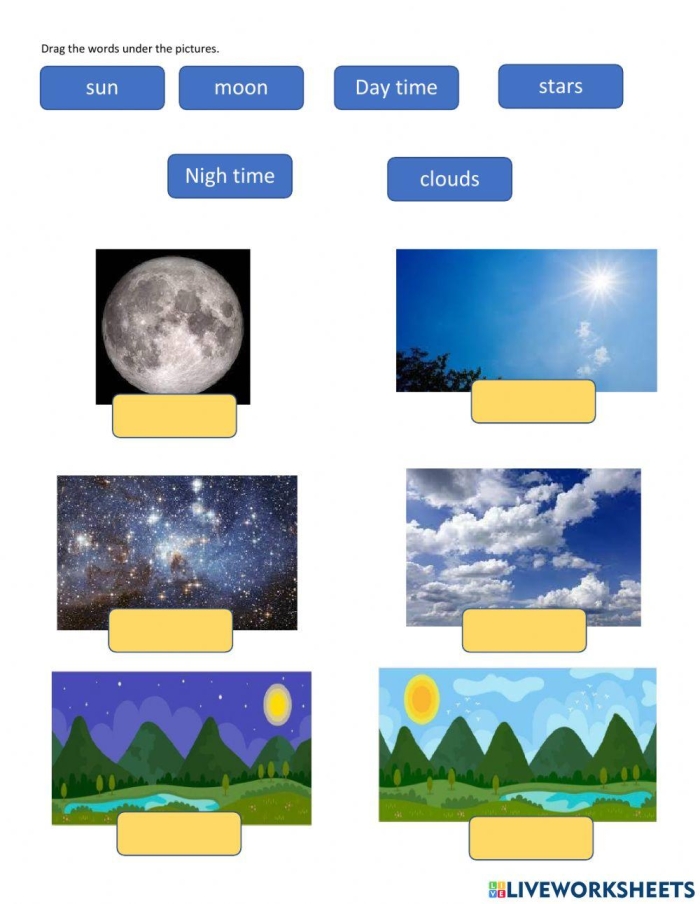
One detail that many parents and educators find helpful is that children at this age respond well to stories and visual cues. For example, a worksheet may show a clock reading 7:00 AM with an image of a sunrise or a child eating breakfast. This visual link supports second grade reading development by encouraging kids to interpret information from images and text together. The process builds critical thinking and improves their ability to follow instructions, which is essential when working through more complex reading assignments like those found in topic sentence practice or story mapping.
Consistent practice with these printable worksheets can also boost confidence. Rather than struggling to understand abstract clock readings, children begin to see time as something relatable and easy to interpret. This makes daily routines smoother and supports independence. In fact, integrating time-telling exercises with reading activities, such as identifying homophones or prefixes, can create a well-rounded educational experience that touches multiple skills at once. For example, a child well-versed in homophone recognition and time concepts will likely find it easier to follow instructions and complete tasks accurately.
Helping your child practice telling day time and night time with these engaging worksheets is a simple step that combines reading and life skills. It encourages active learning and sharpens their ability to interpret everyday information, which is fundamental at the second grade level.
Use These Worksheets Today