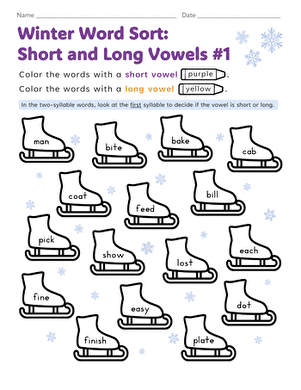
Second graders often struggle with vowel sounds because they sound different depending on context. The long “u” sound is particularly tricky since it appears in words like “cute,” “tube,” and “music,” yet students don’t always recognize the pattern. A focused worksheet that asks children to hunt down all the long “u” words gives them practice identifying this sound in isolation, which builds confidence and reading fluency.
When your child works through a reading roundup focused on long “u” sounds, they’re doing more than just circling words on a page. They’re training their ear to notice phonetic patterns and strengthening the connection between written letters and spoken sounds. This kind of targeted practice is especially valuable in second grade, when students transition from learning individual letter sounds to recognizing vowel patterns across different word types.
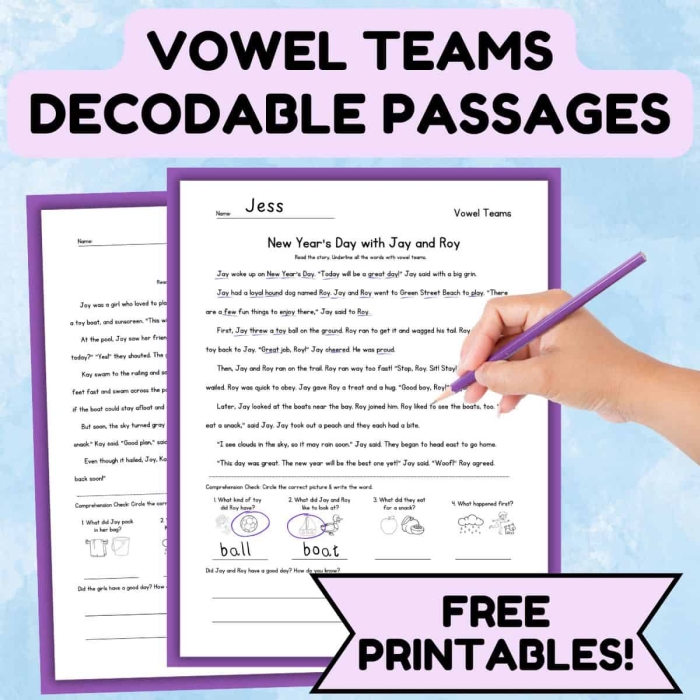
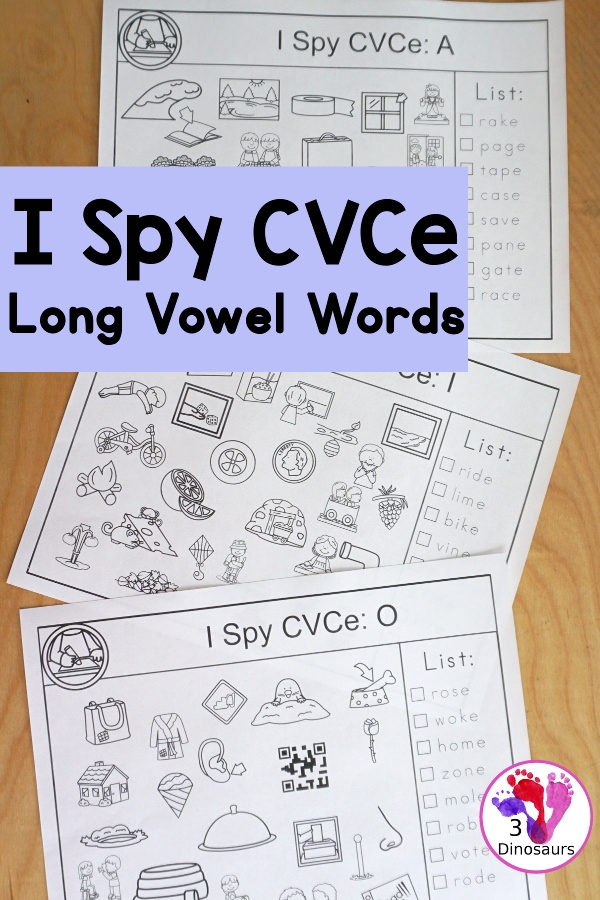
The best worksheets for this skill include a mix of word types. Some words have the long “u” sound spelled with just the letter “u” (like “use” or “huge”), while others use combinations like “ue” or “ew” (as in “blue” or “flew”). When your second grader sees all these variations together, they start understanding that one sound can be represented multiple ways, which is crucial for reading comprehension.
Beyond long “u” practice, your child will benefit from exploring other reading skills. Working through materials on irregular past tense verbs helps them understand grammar patterns, while sentence fixer activities build editing skills. You might also incorporate story mapping exercises to develop comprehension alongside these phonetic activities.
Keep these worksheets short and engaging. Ten to fifteen minutes of focused work beats thirty minutes of frustration. When your child finds a word with the long “u” sound, celebrate the win. That positive reinforcement makes reading practice feel like a game rather than a chore.
Try These Printable Worksheets