Your kindergarten classroom already has the perfect setup for teaching prepositions: a table full of crayons, markers, paint, and paper. The moment your students start creating, you have a natural opportunity to weave in language instruction without it feeling like a lesson at all.
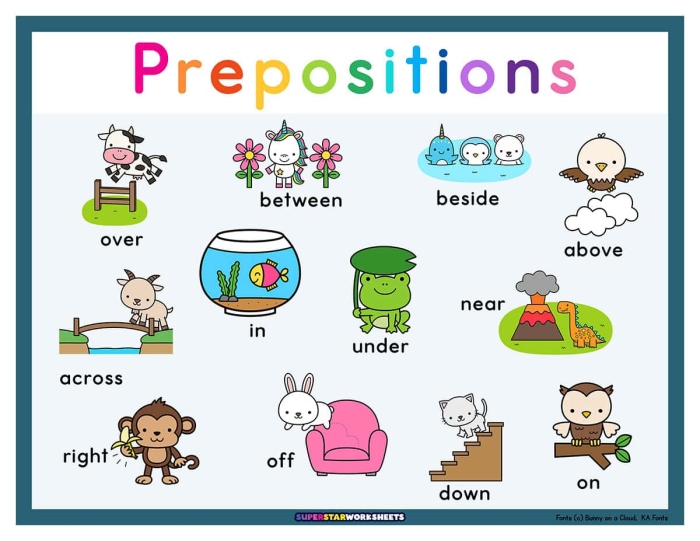
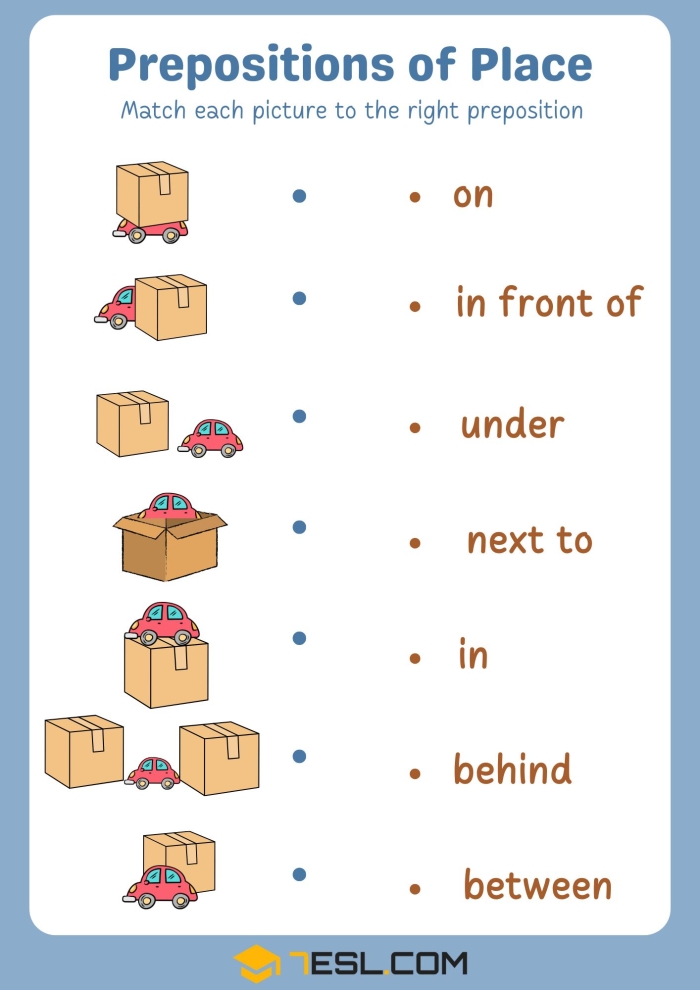
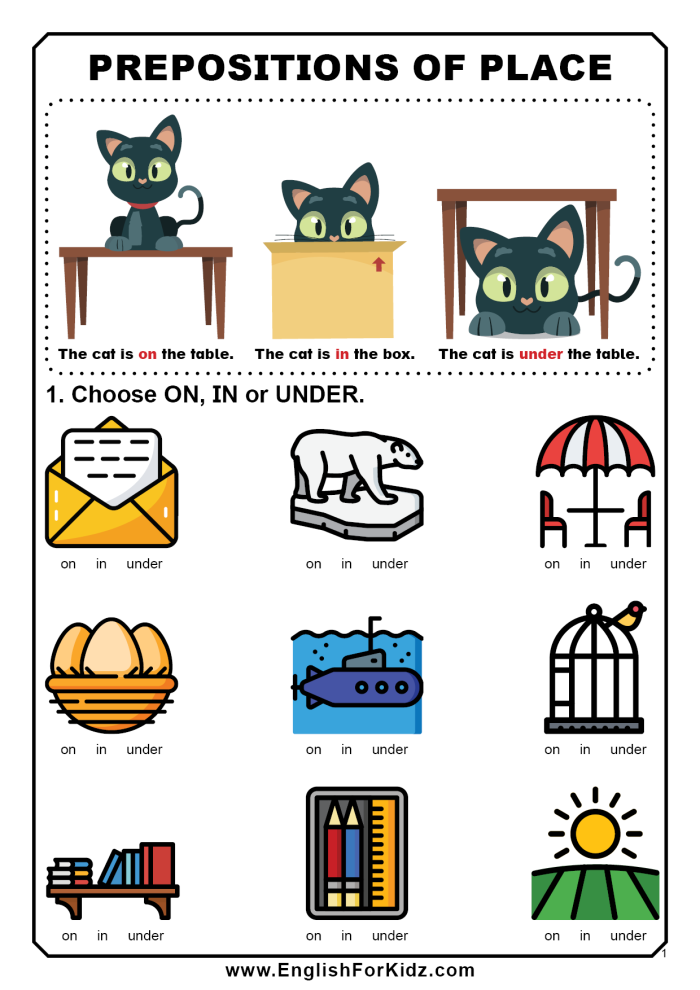
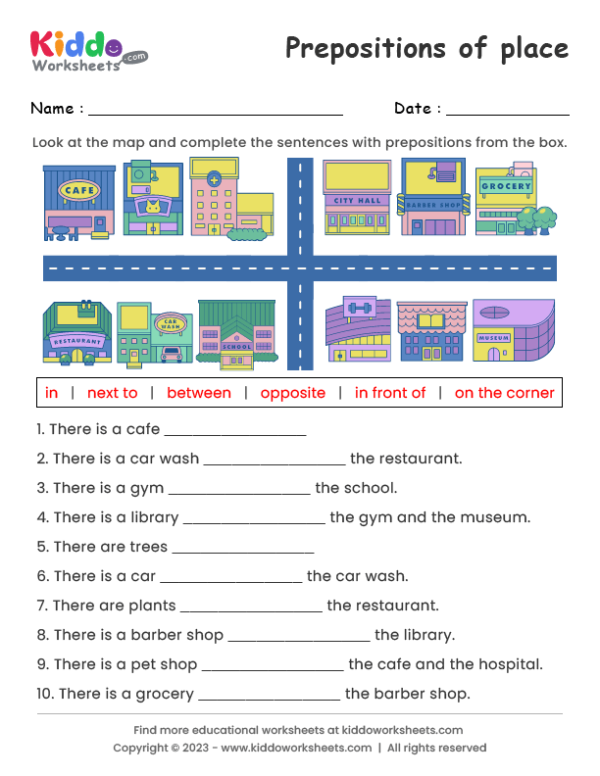
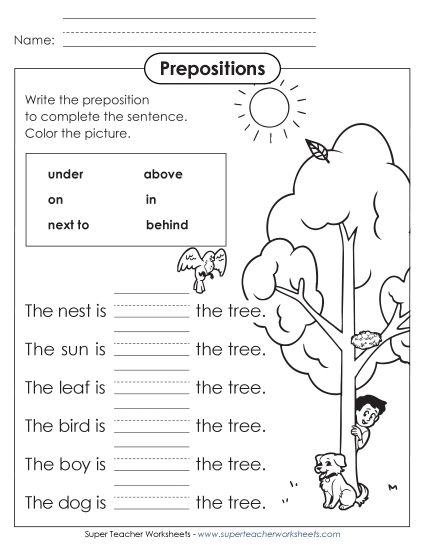
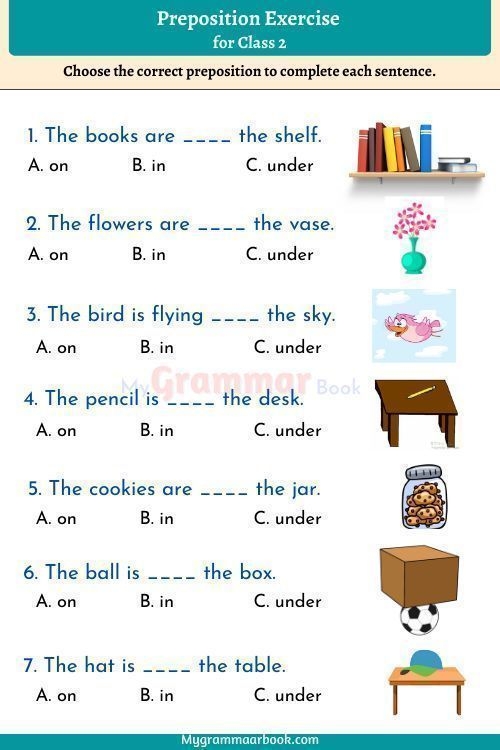
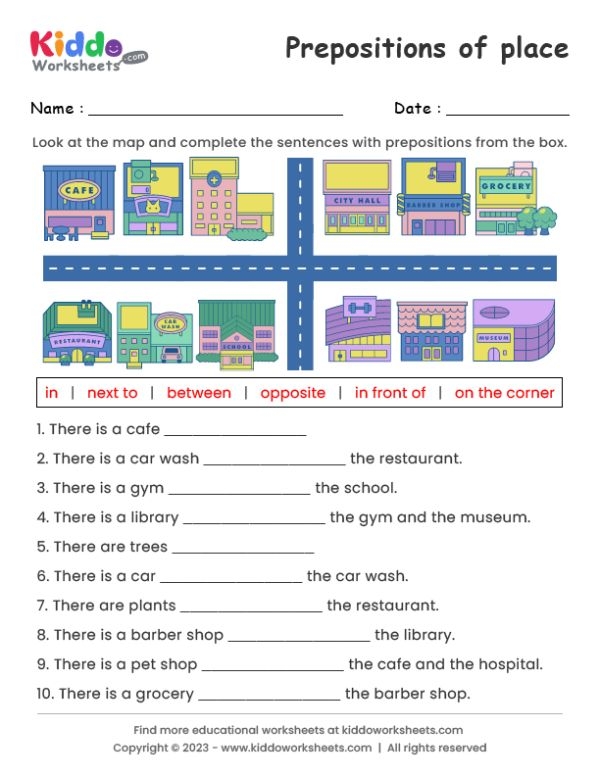
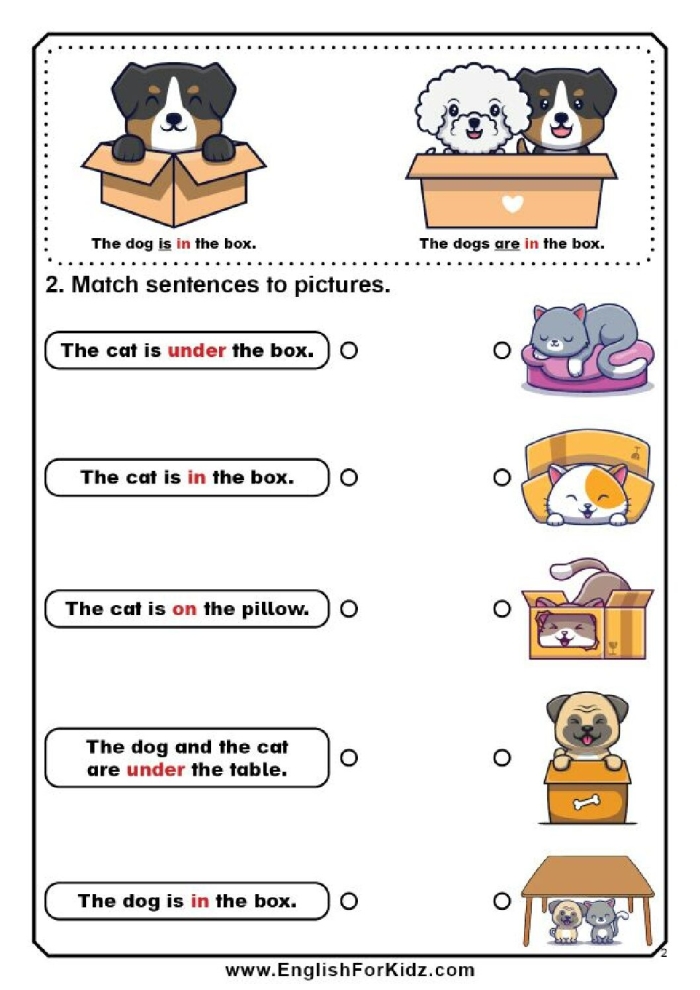
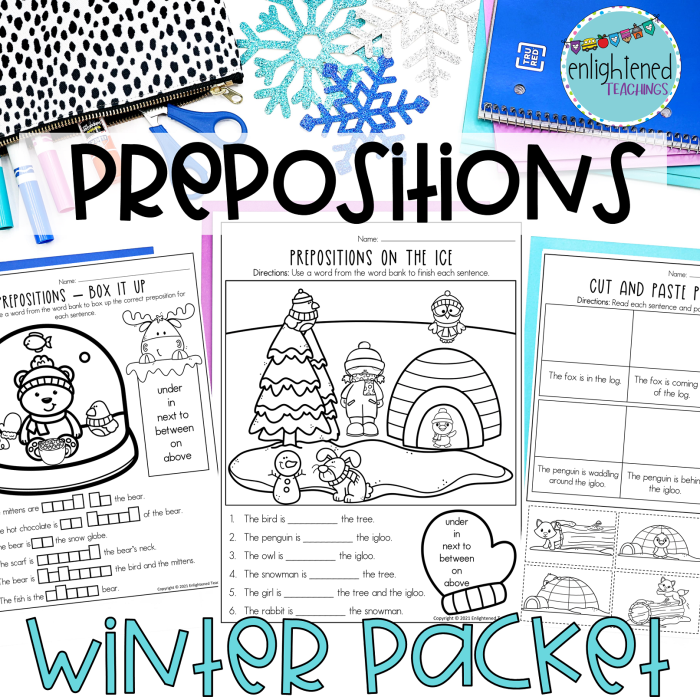
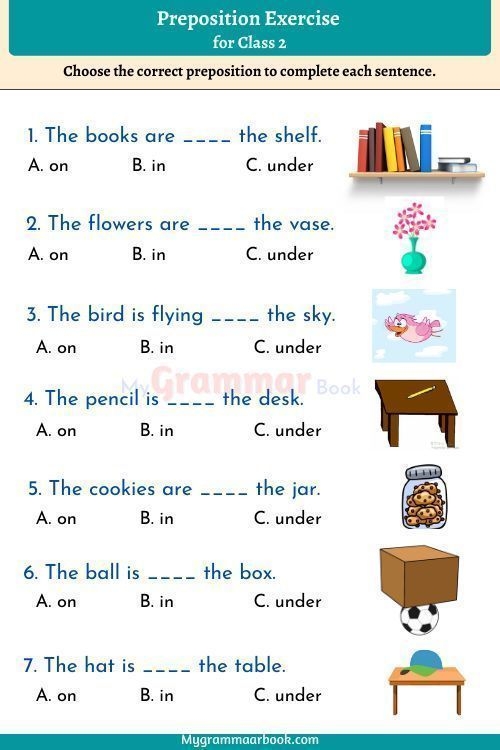
Prepositions describe where things are or how they relate to each other. Words like “in,” “on,” “under,” “between,” and “next to” appear constantly during art time, yet many teachers miss the chance to highlight them. When a child places a flower drawing in the corner of the page, that’s a preposition moment. When they color the sky above the house, another one appears. These small observations become powerful teaching points when you name them out loud.
The beauty of this approach is that it requires no extra materials or prep time. As students work, simply narrate what you see using clear preposition language. “I notice you drew the bird above the tree,” or “Your star is inside the circle.” You can ask guiding questions too: “Where did you put the sun? Can you tell me?” This encourages them to use prepositions in their own speech.
You can also build preposition awareness into your existing activities. When working with coloring activities at bath time, ask where the water goes. During money lessons, ask if the penny is inside or outside the circle. Even simple sound activities can include spatial language when you ask students to draw pictures in specific places on their paper.
The key is consistency and repetition. Kindergarteners learn through exposure, and when prepositions become part of your natural classroom talk during creative time, they absorb the language without effort. Your students will start using these words independently, and you’ll have strengthened their language skills while they were simply having fun with art.
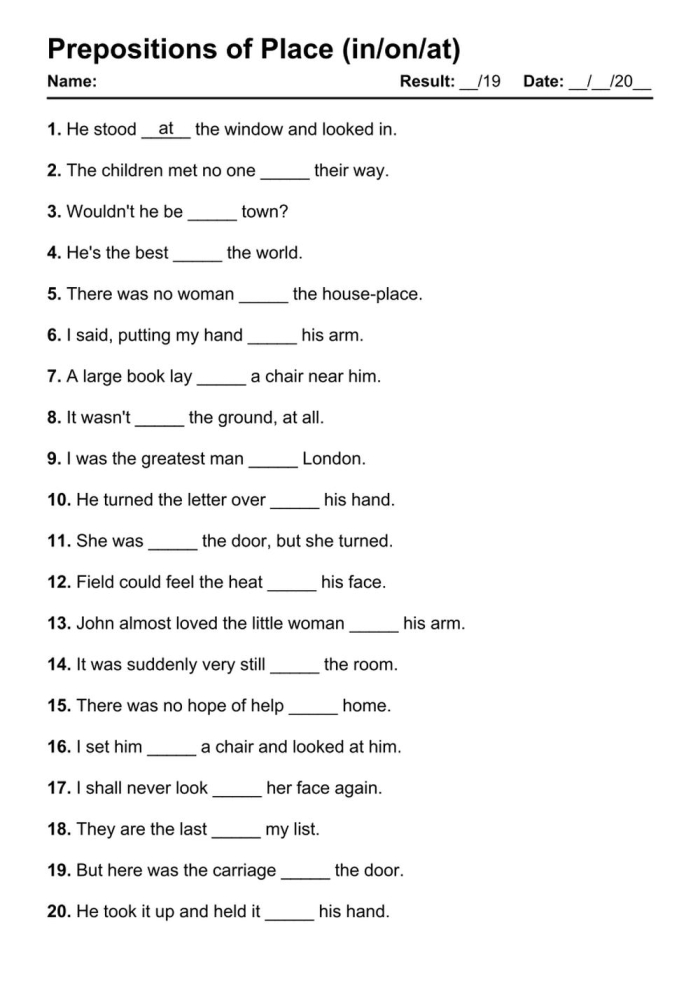
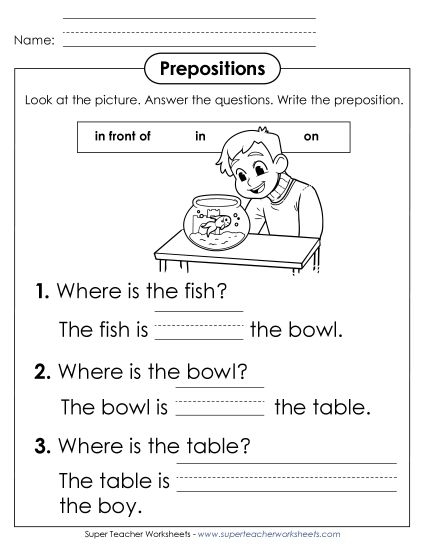
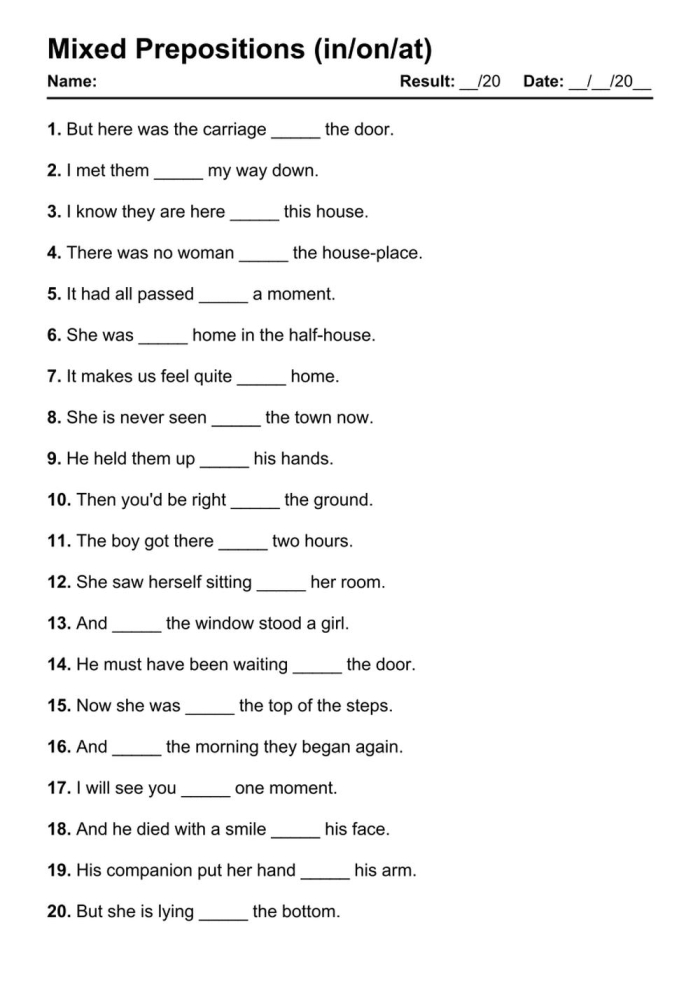
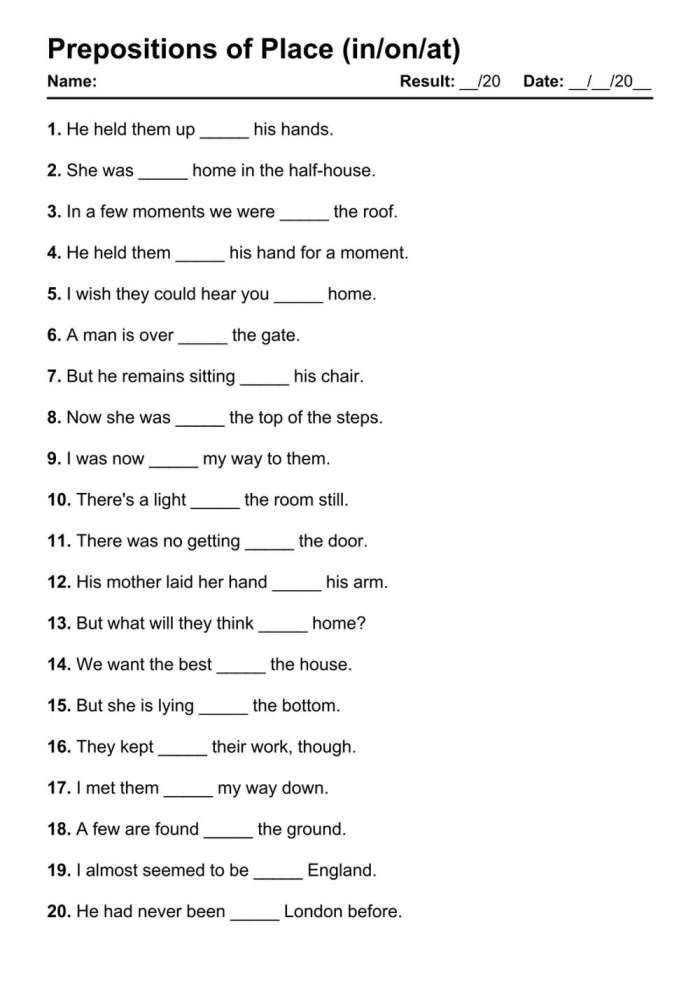
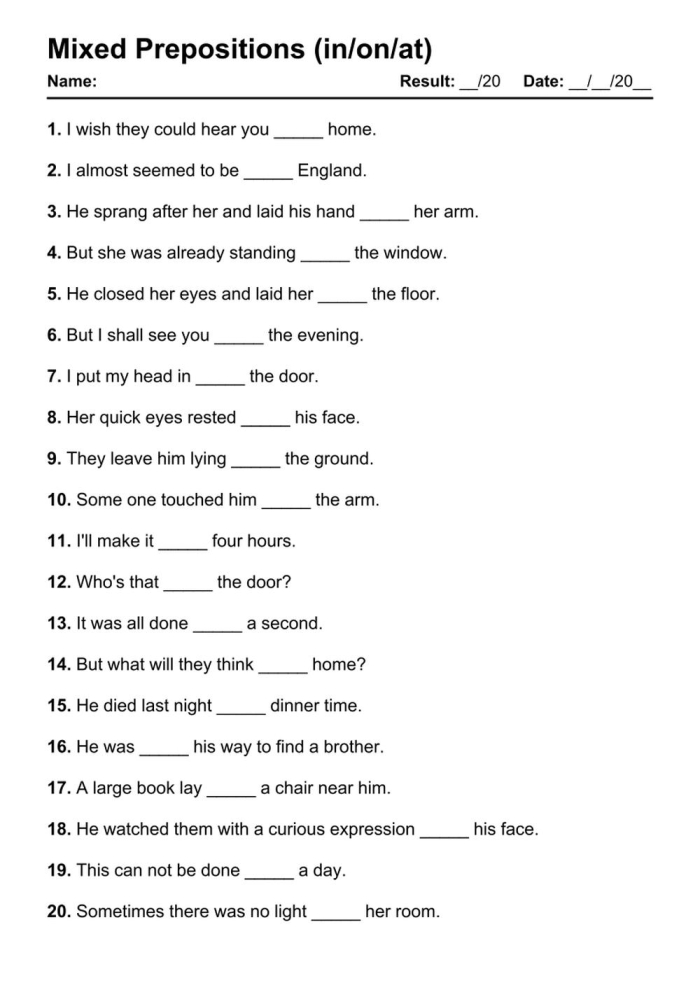
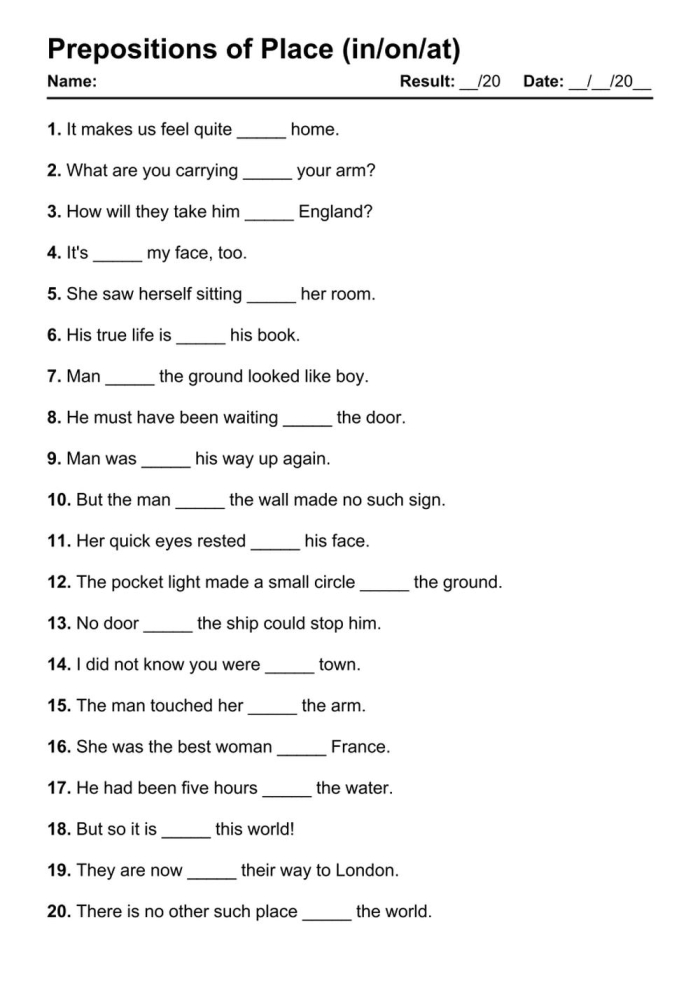
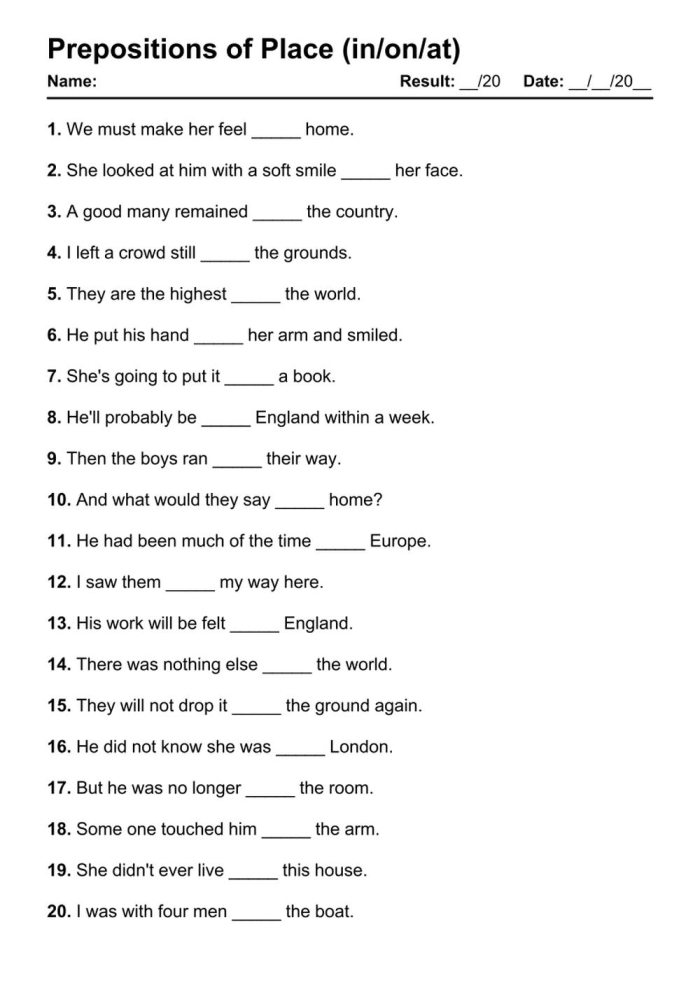
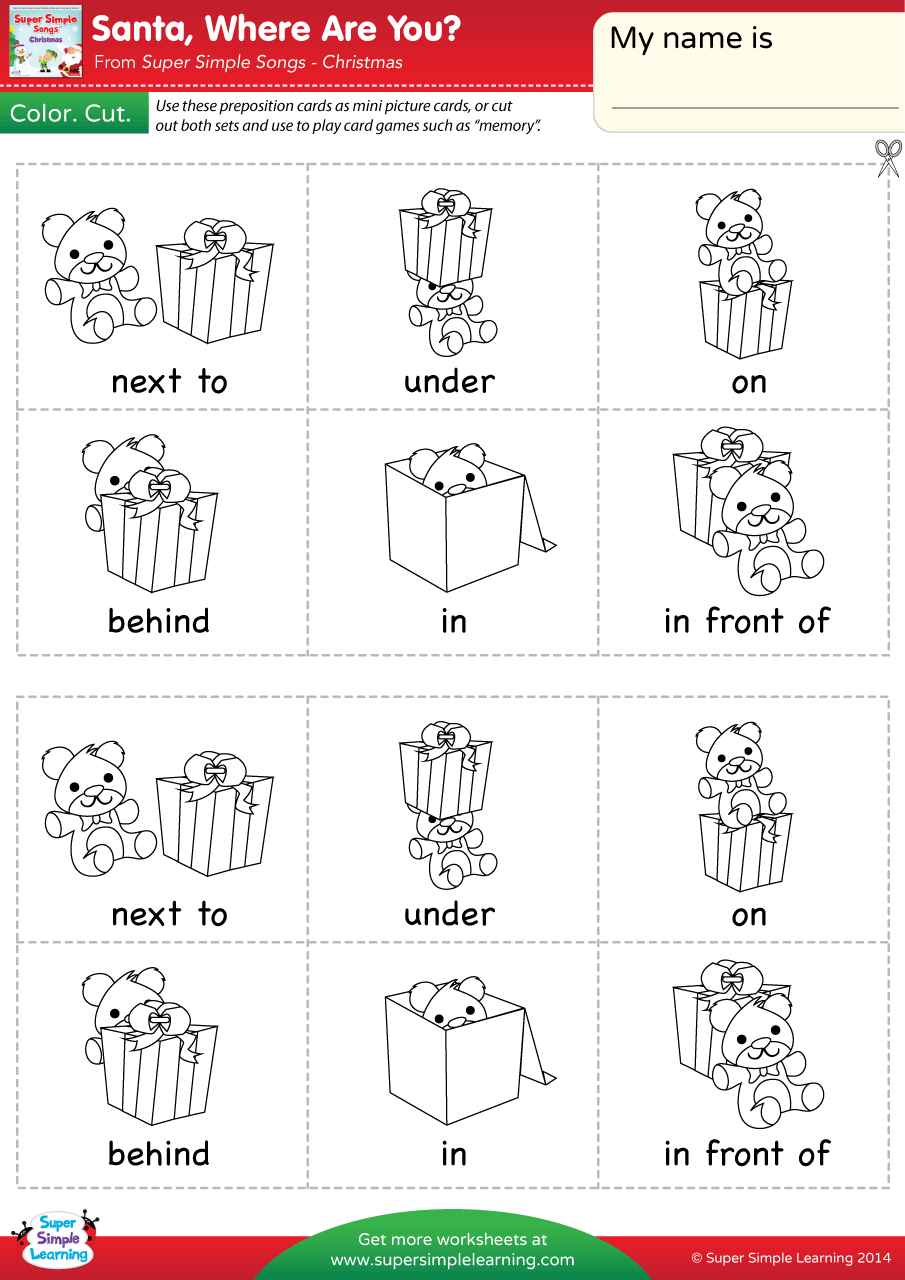
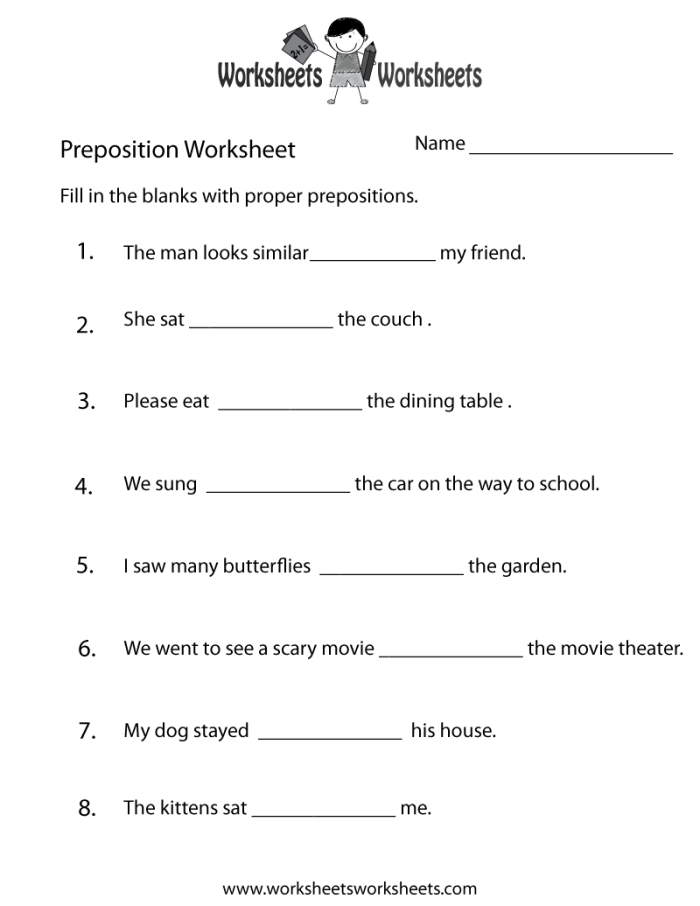
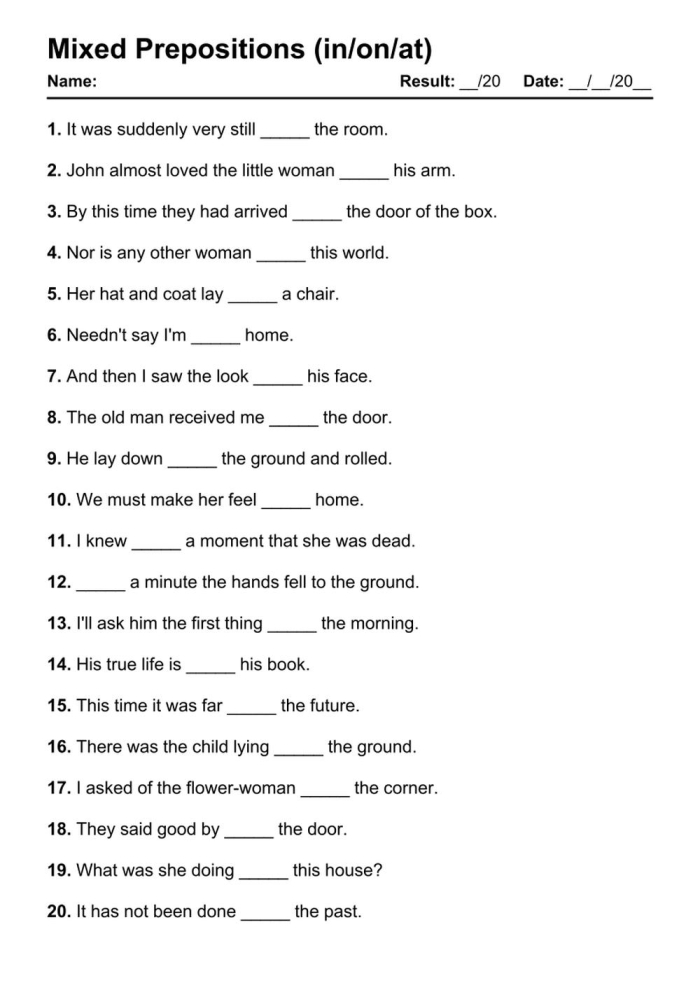
Start Practicing with These Worksheets