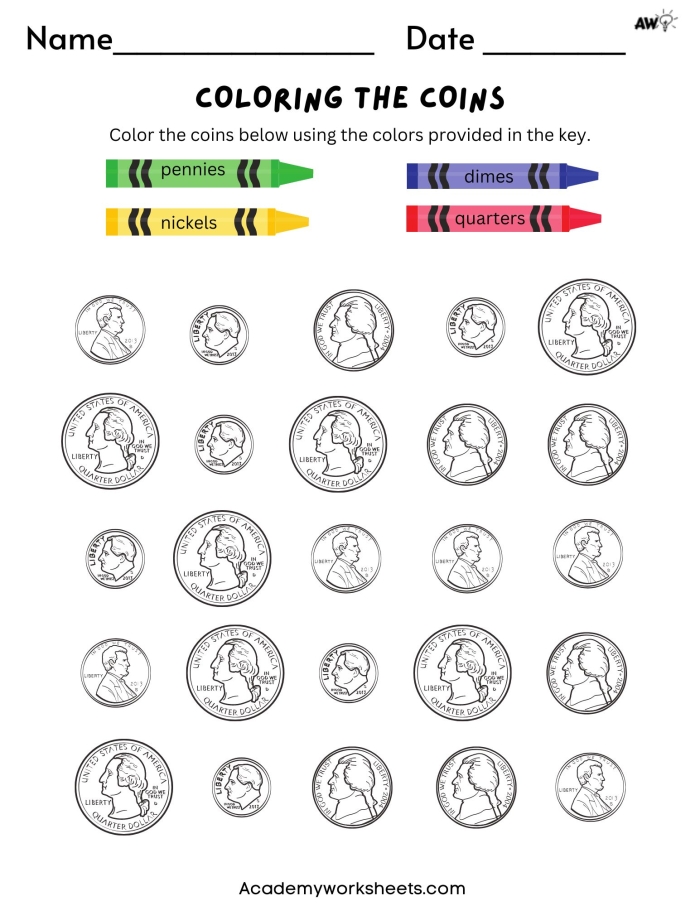
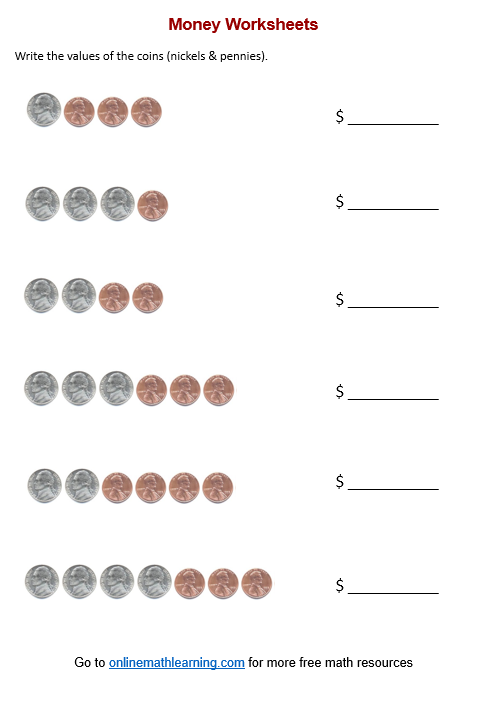
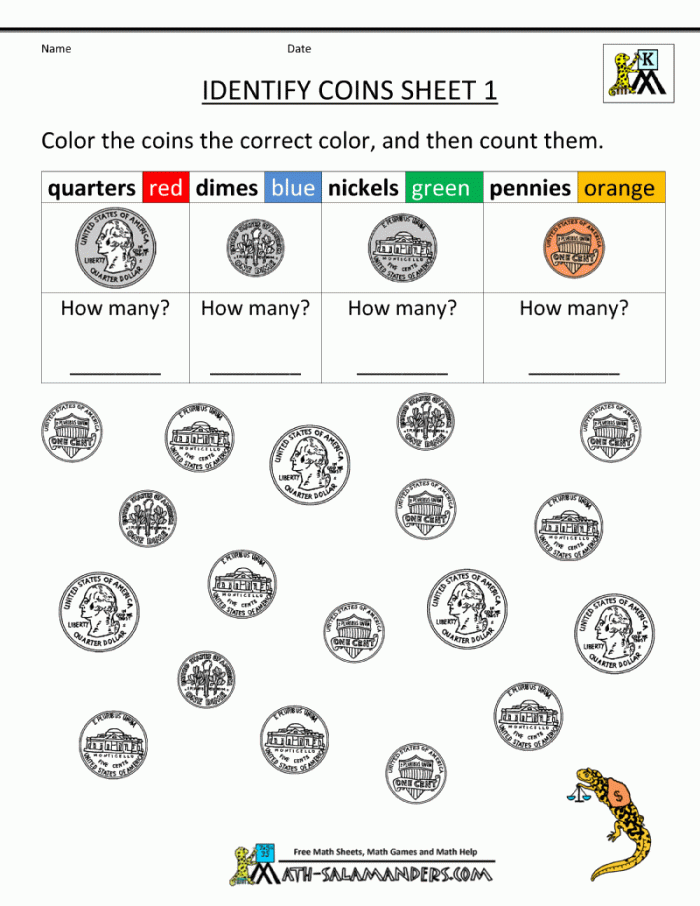
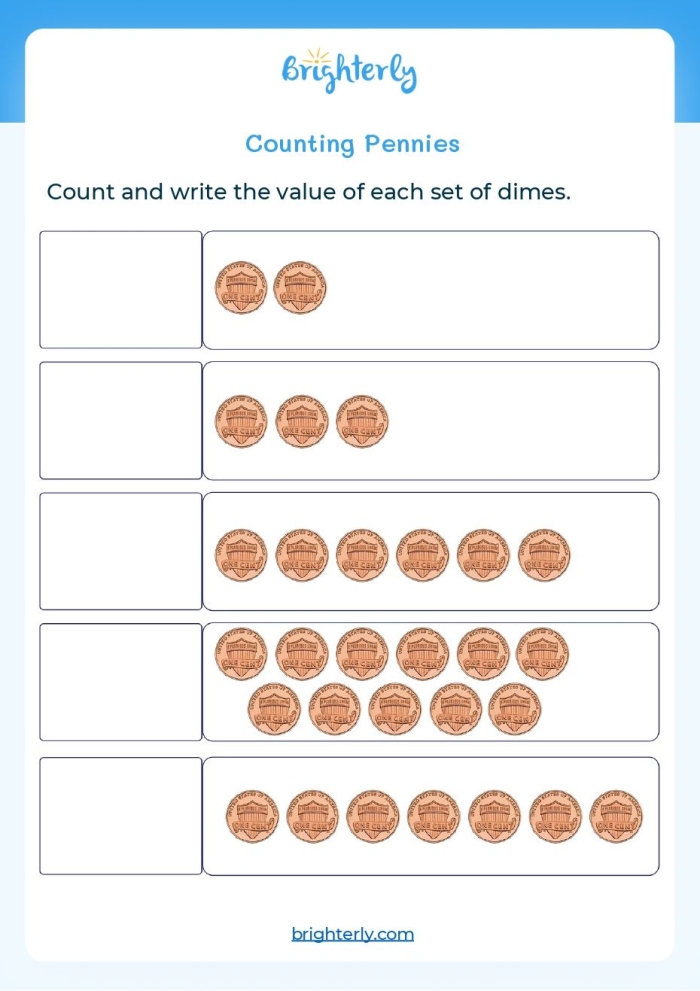
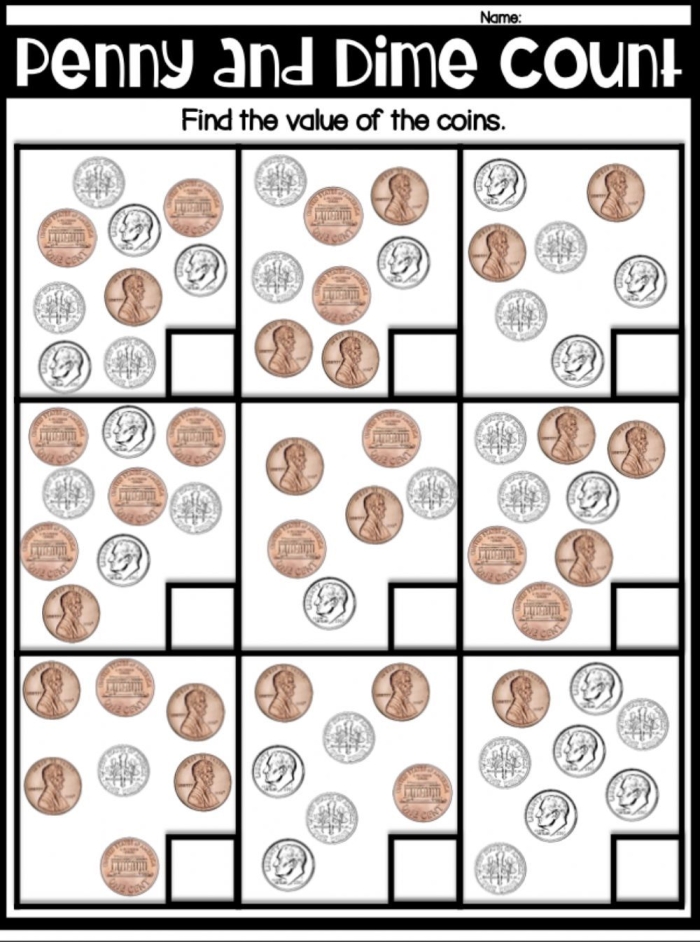
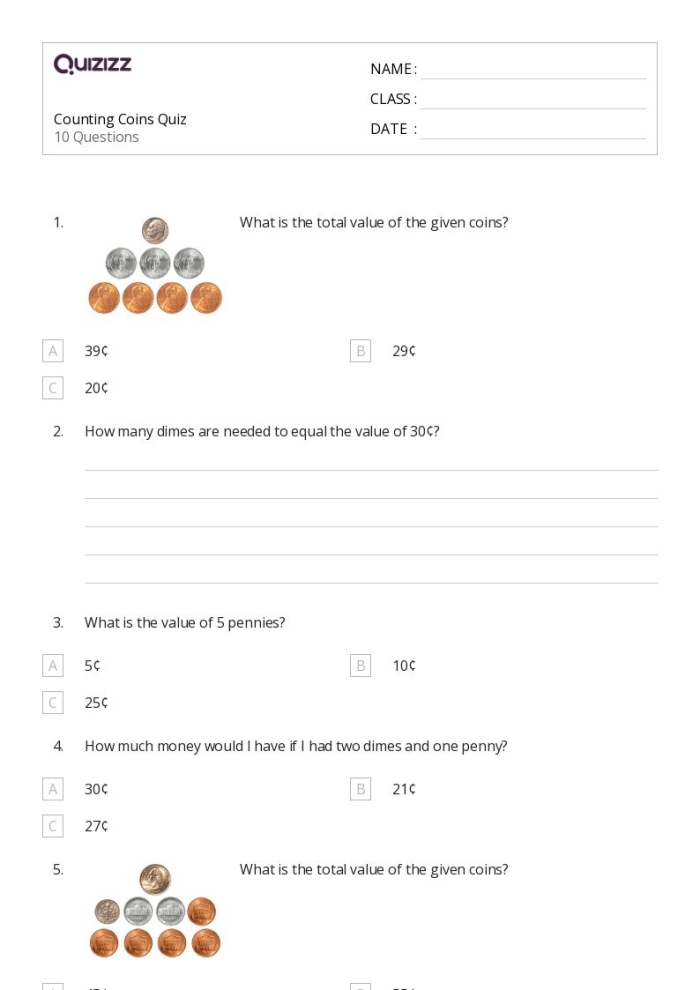
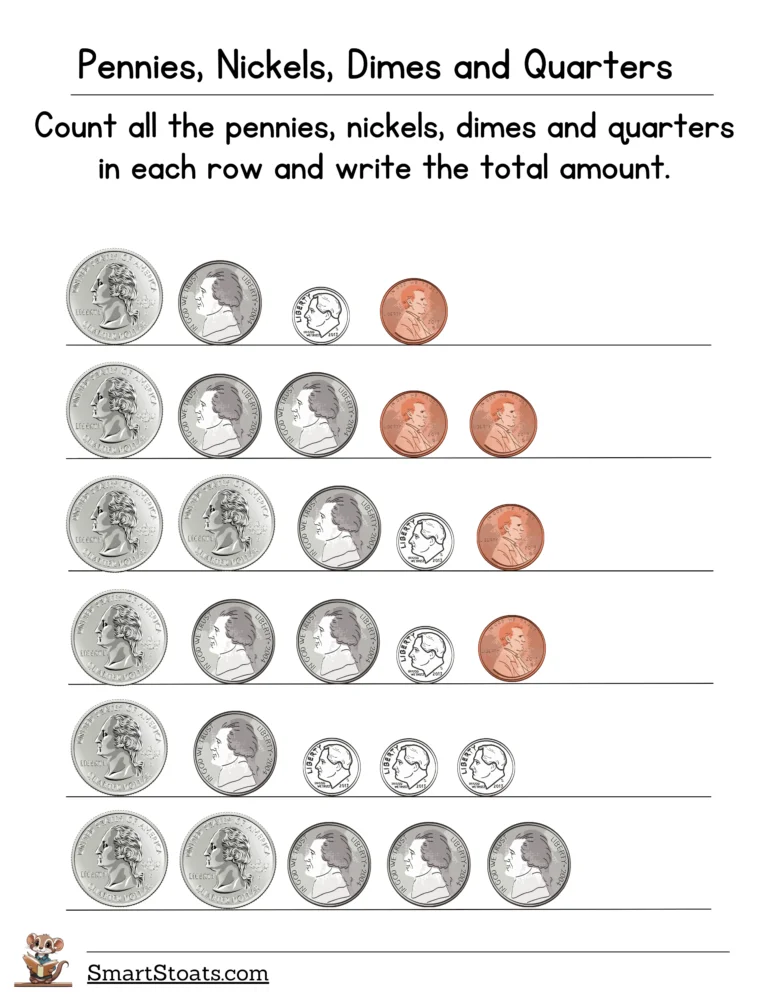
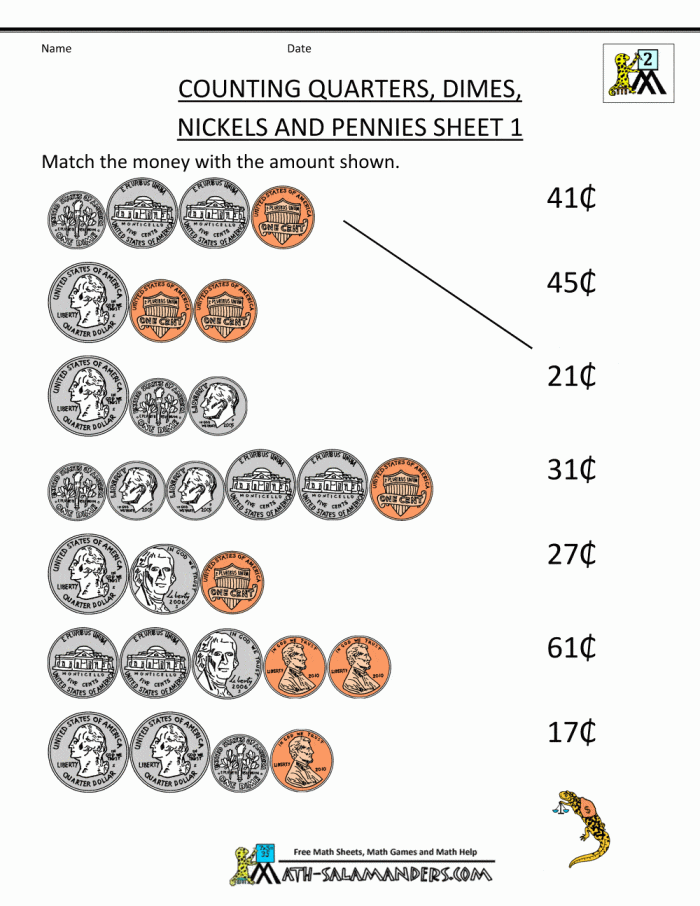
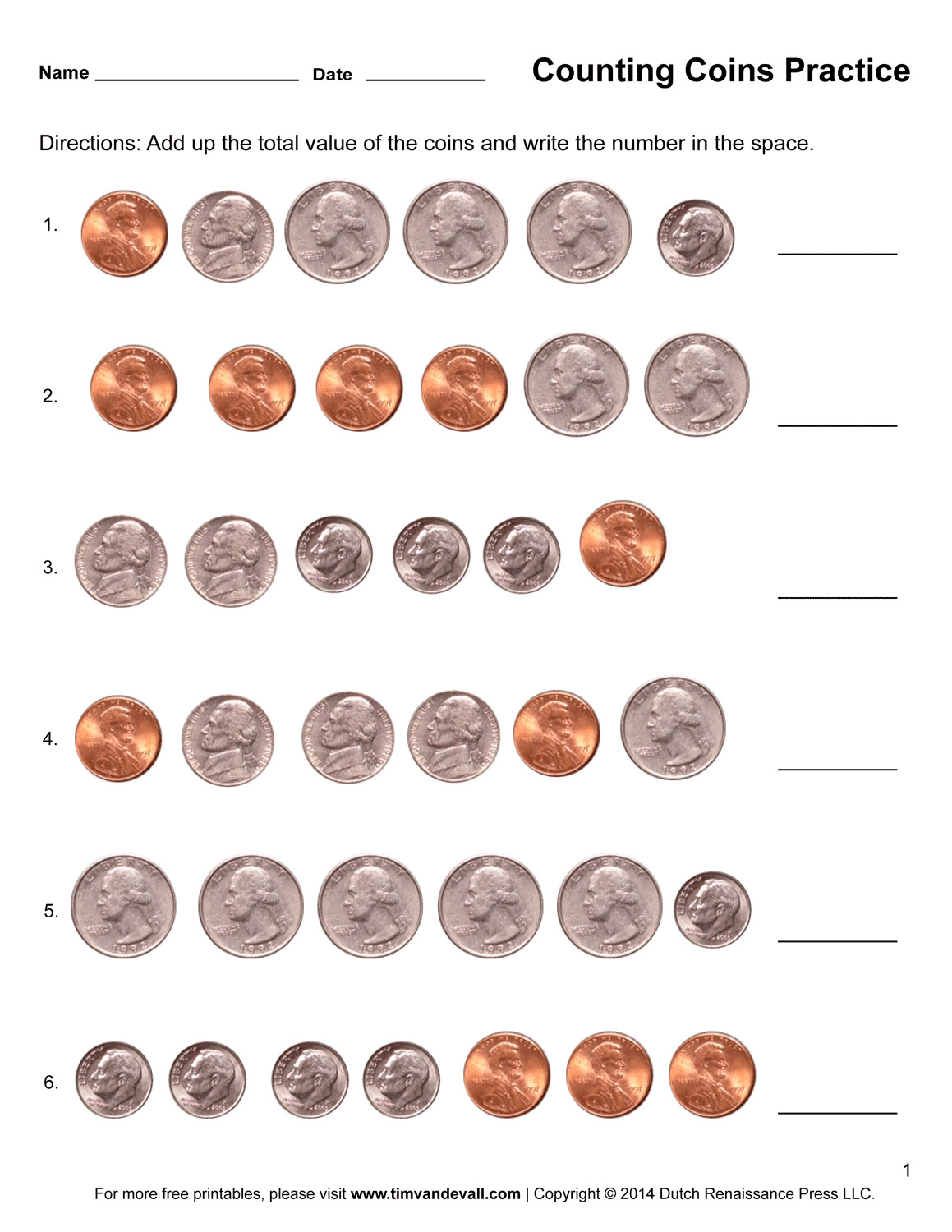
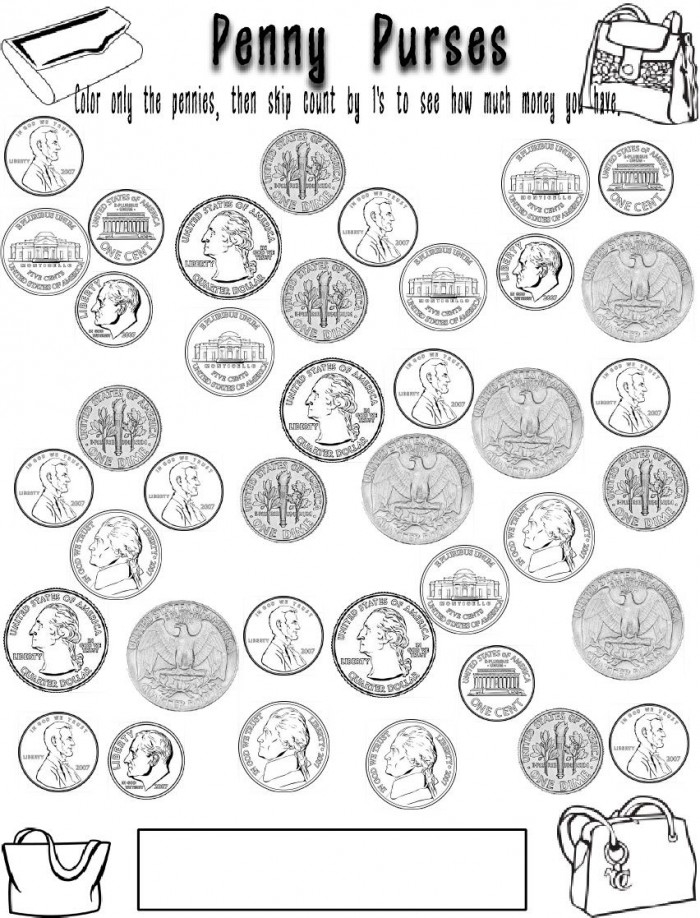
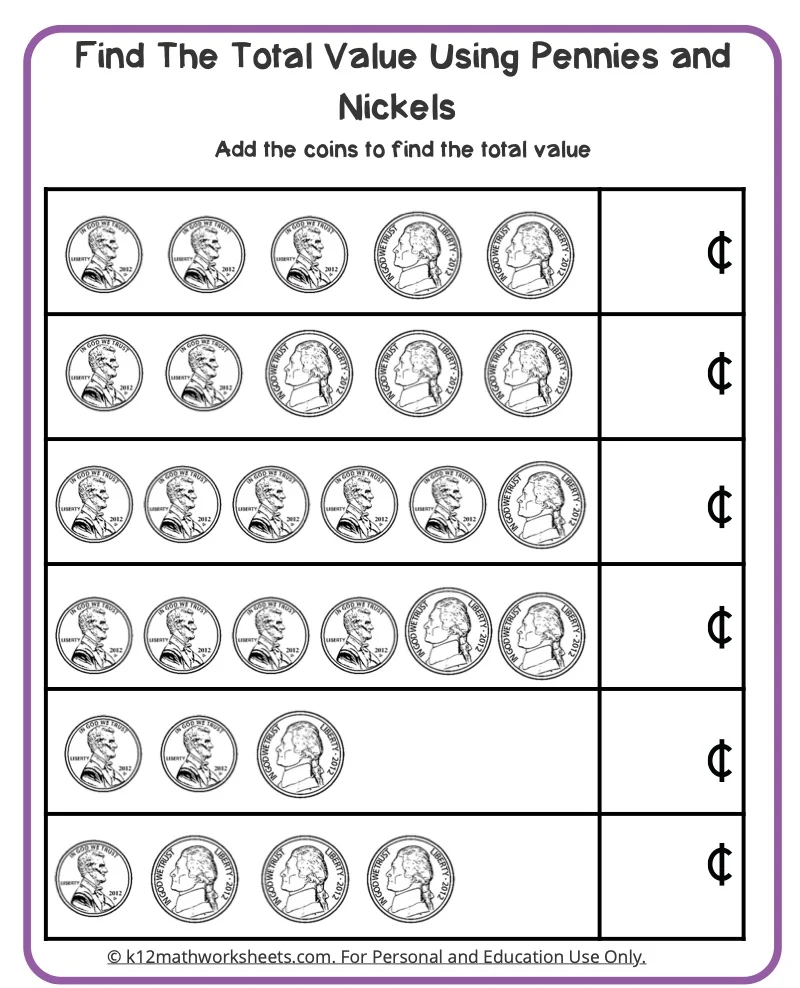
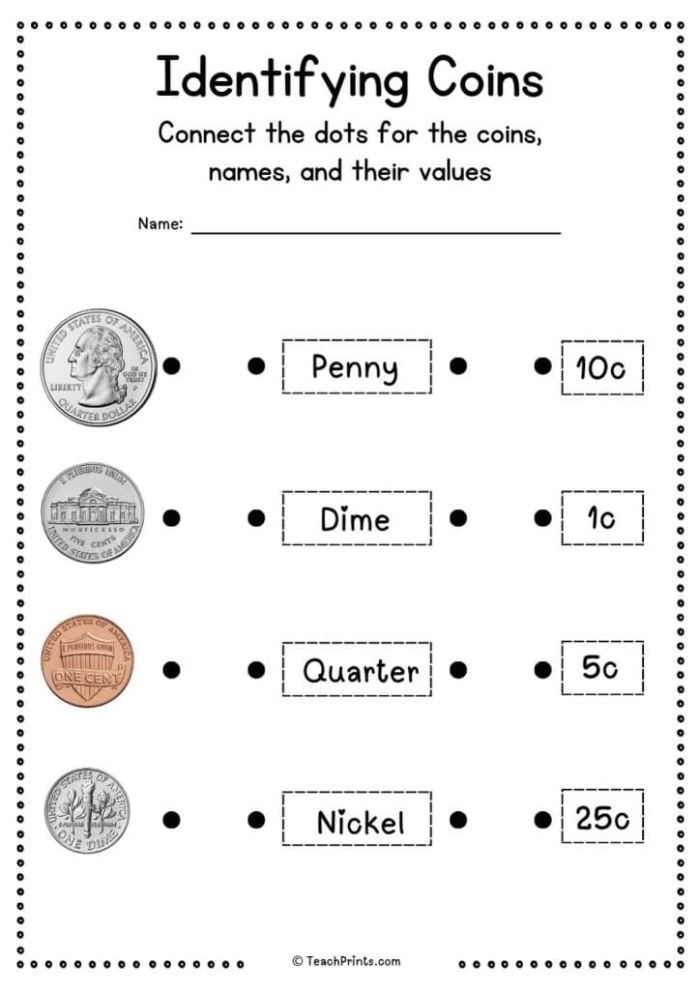
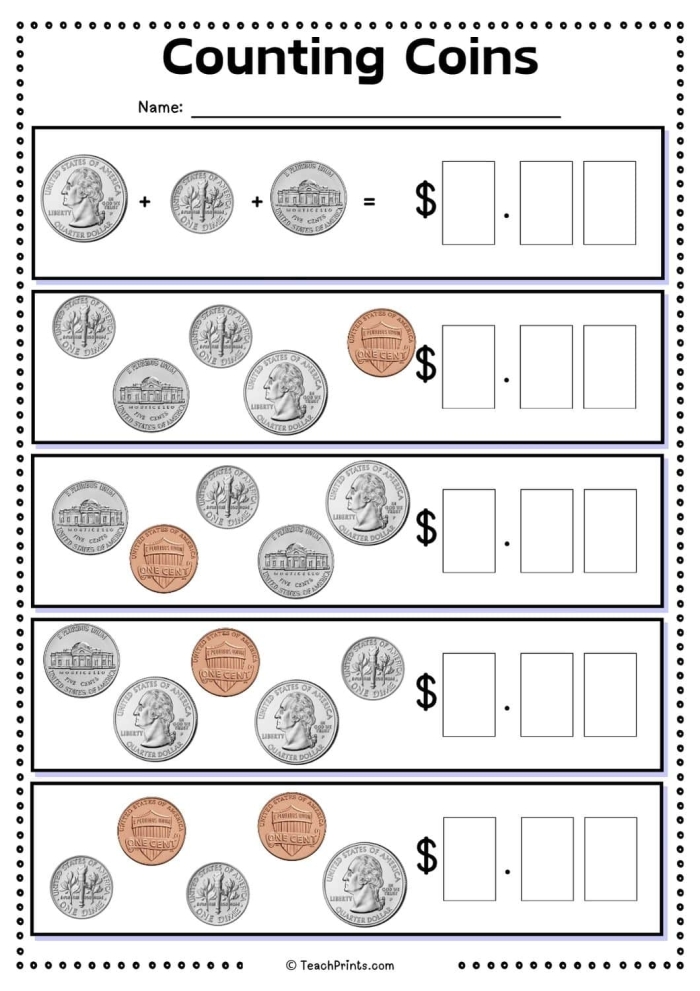
First grade students working through coin identification worksheets discover something practical: telling pennies apart from other coins requires knowing what to look for. This skill matters because pennies are the most common coin children encounter in everyday life, from vending machines to piggy banks.
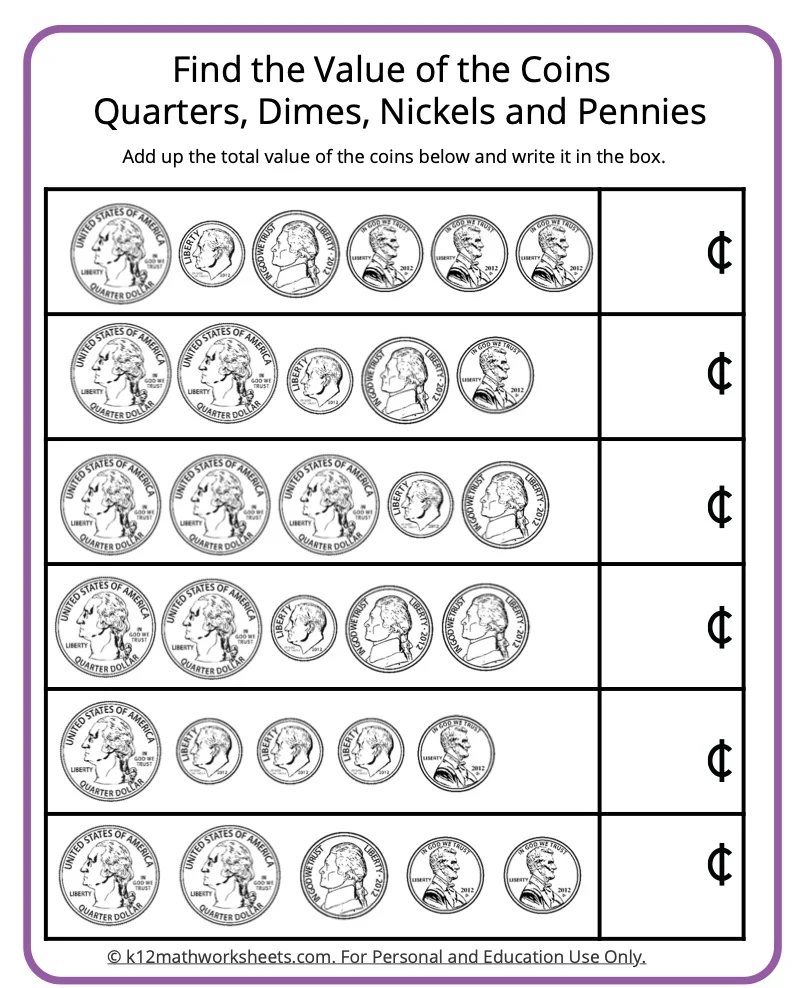
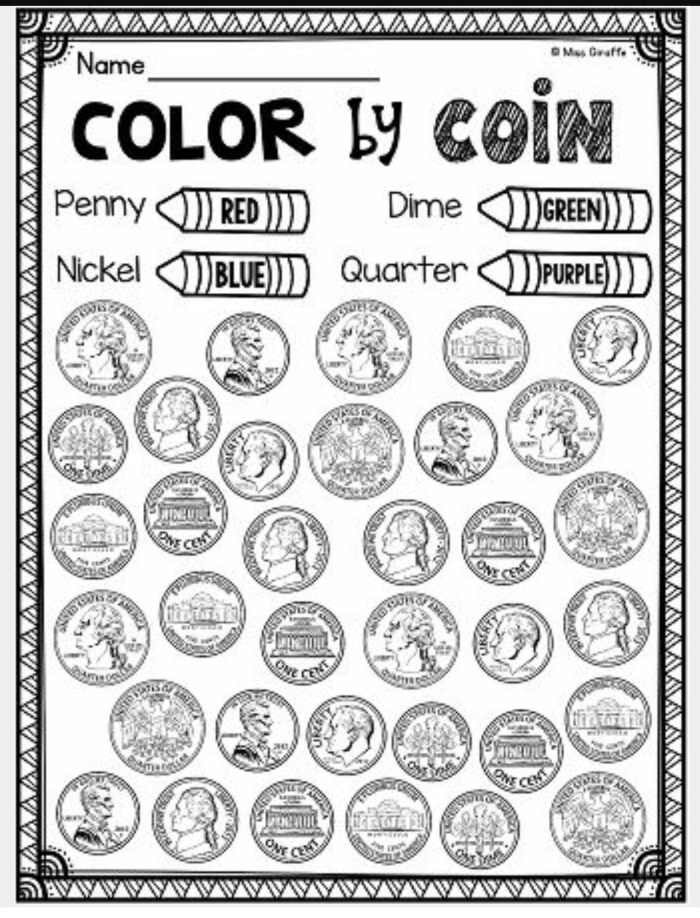
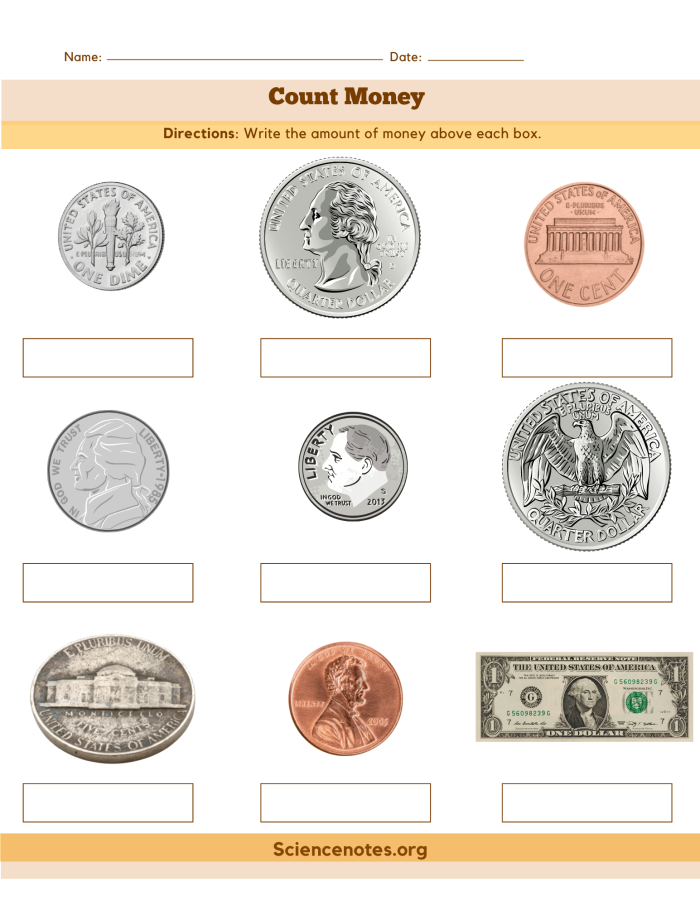
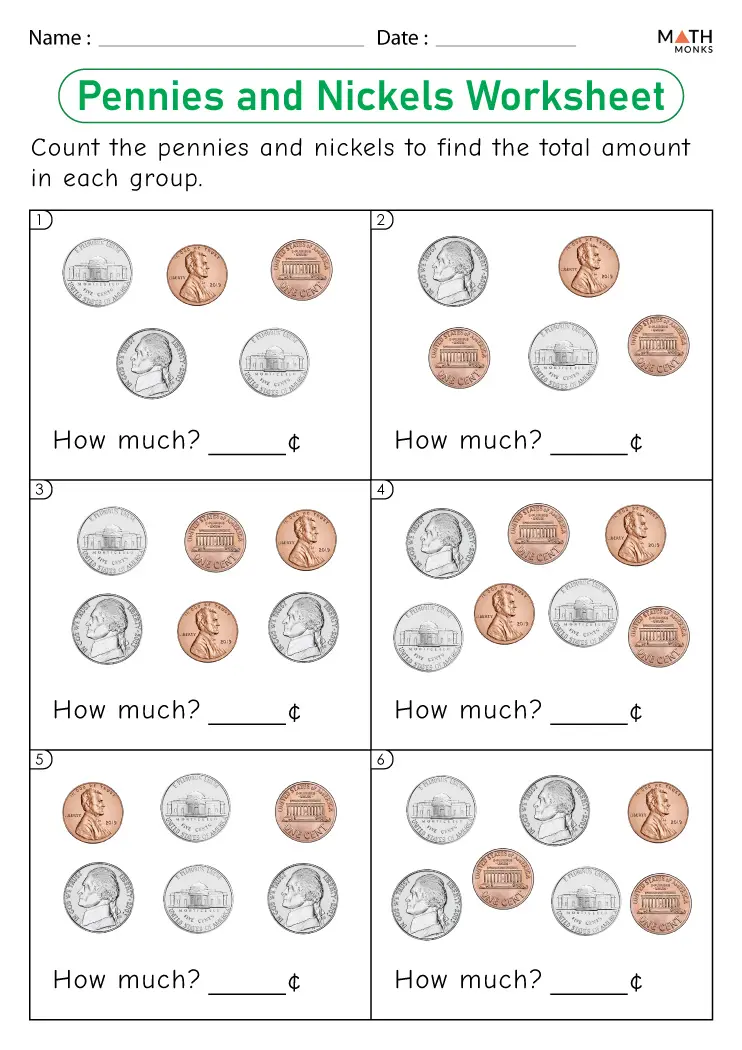
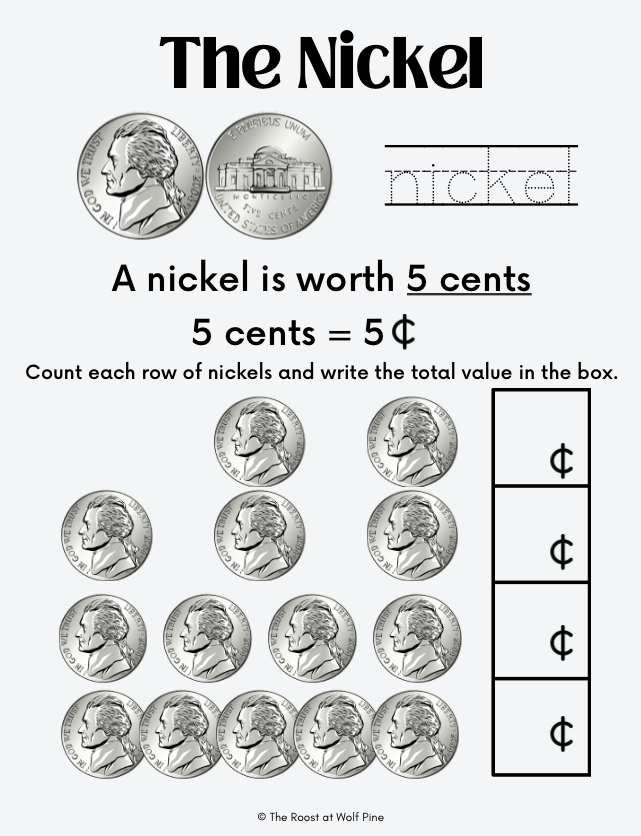
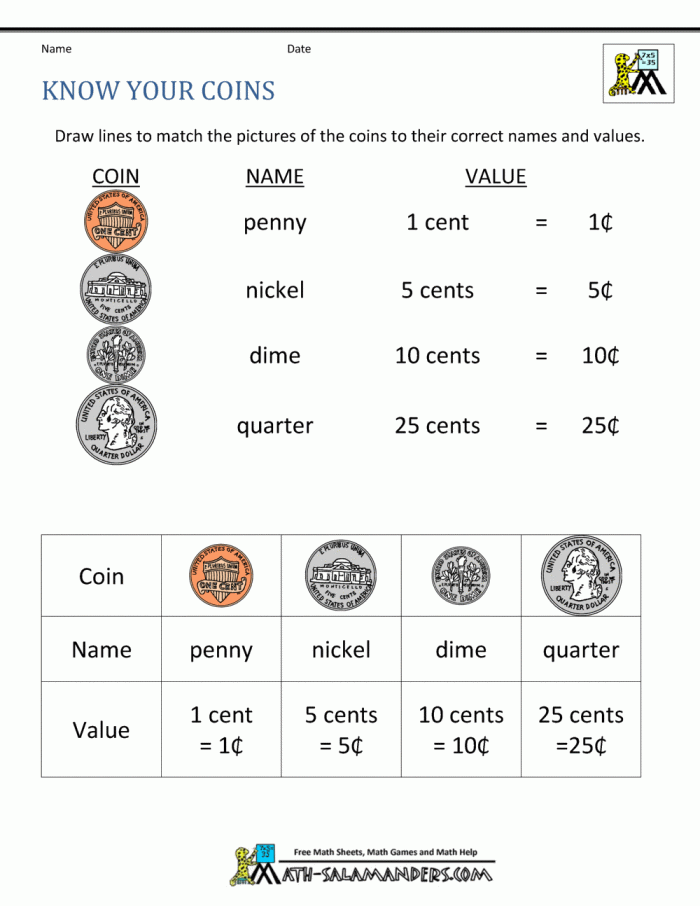
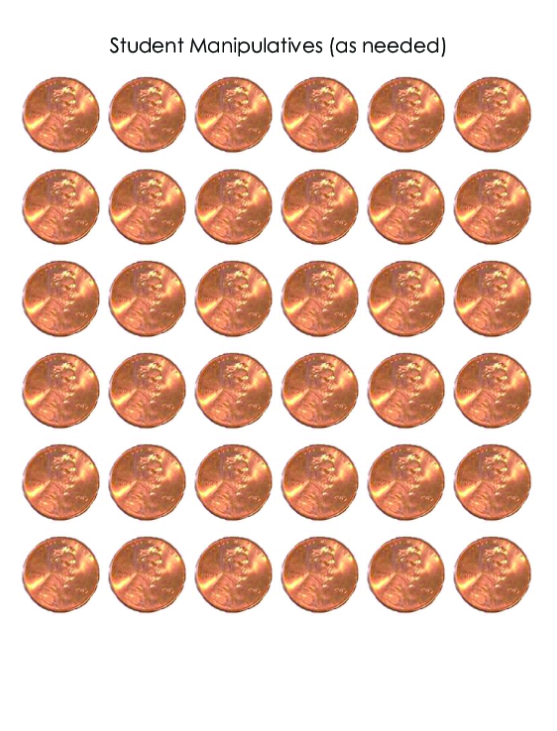
When kids complete a worksheet focused on picking pennies, they learn three connected skills at once. First, they memorize the penny’s distinctive appearance: a copper-colored round coin with a profile on one side and a building on the reverse. Second, they practice spotting pennies among mixed groups of coins. Third, they develop the ability to distinguish pennies from quarters, dimes, and nickels by comparing size, color, and design details.
The visual learning component makes this approach effective. Rather than simply hearing “a penny is worth one cent,” children see the actual coin design and handle the recognition task themselves. This hands-on practice with Time and Money concepts builds confidence before moving into more complex math involving coin combinations and addition.
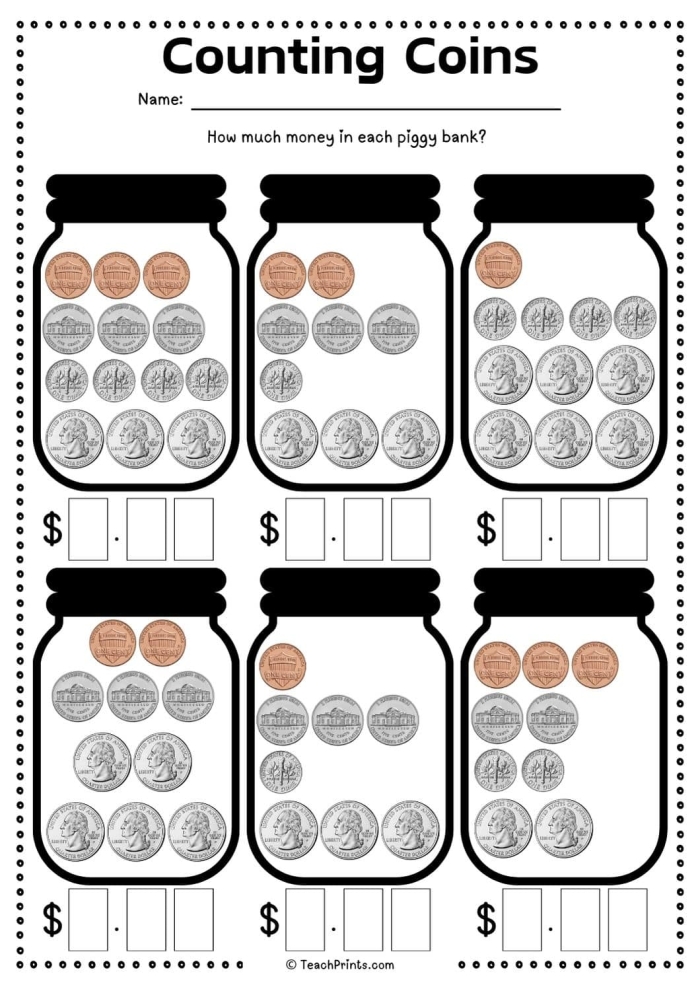
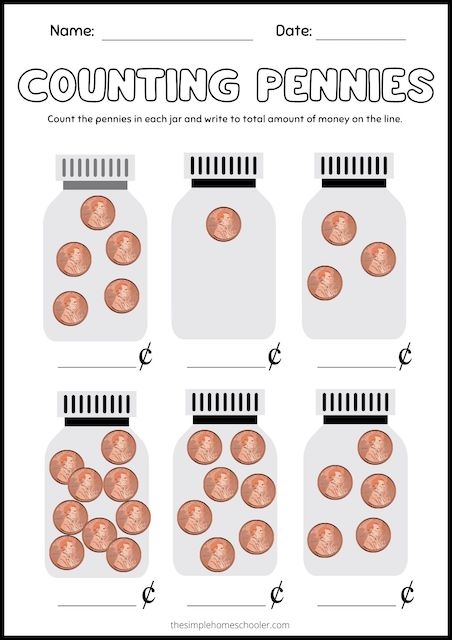
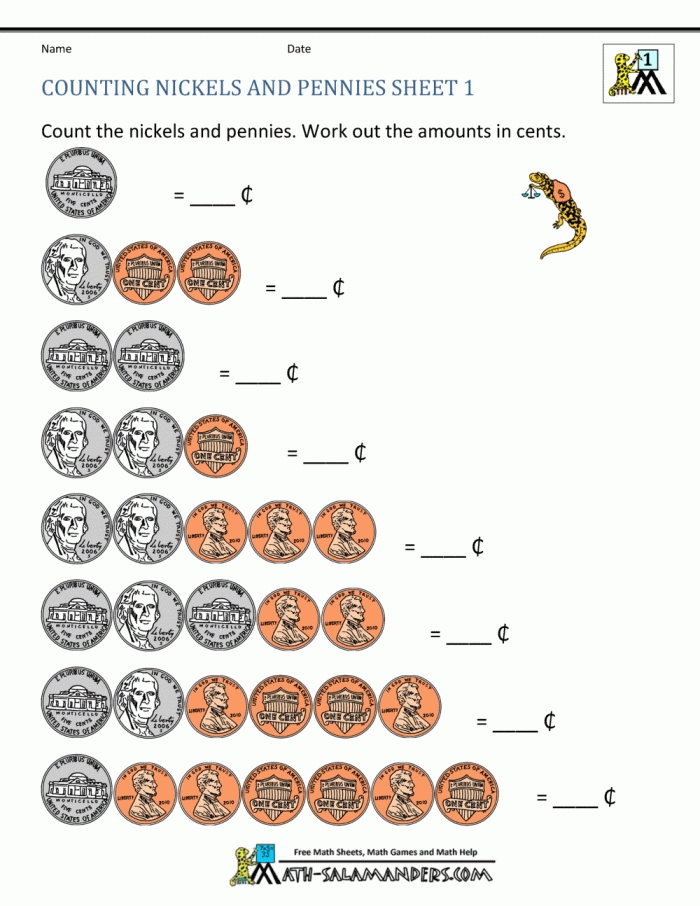
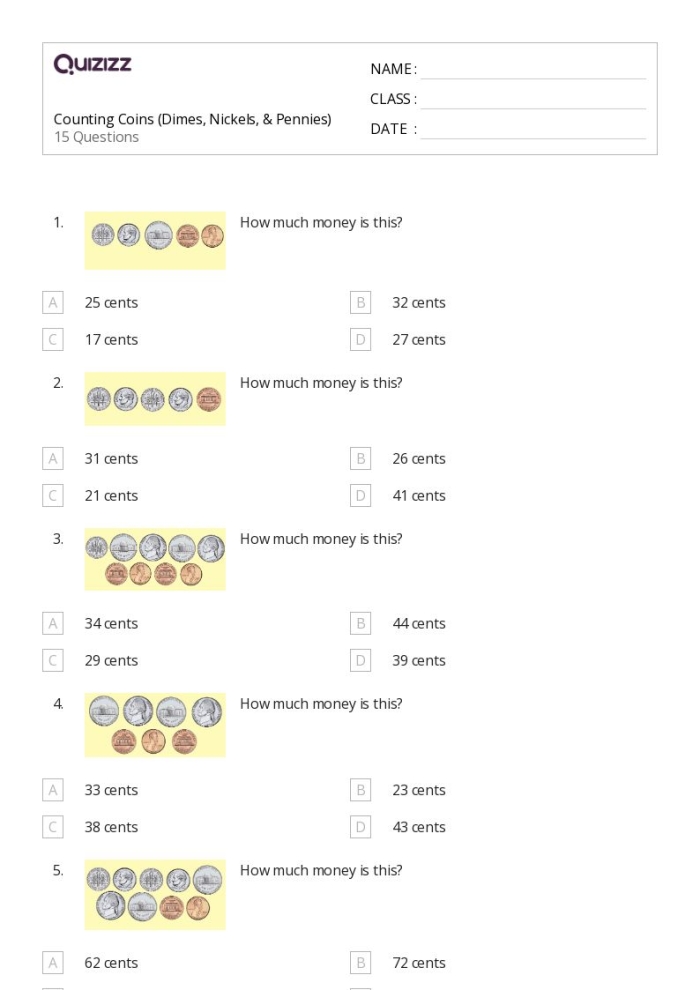
Many first graders benefit from worksheets that combine multiple learning modalities. For instance, pairing coin identification practice with counting exercises helps reinforce number recognition alongside money skills. Some teachers also introduce coin work alongside sight word activities to build vocabulary related to money and commerce.
The penny itself serves as an excellent teaching tool because of its prominence in American currency. Children notice its unique copper color immediately, making it easier to identify compared to the silver-colored dimes and quarters. Once students master penny recognition, they’re ready to tackle more challenging coin sorting and value comparison tasks that come later in the curriculum.
Use These Worksheets Today