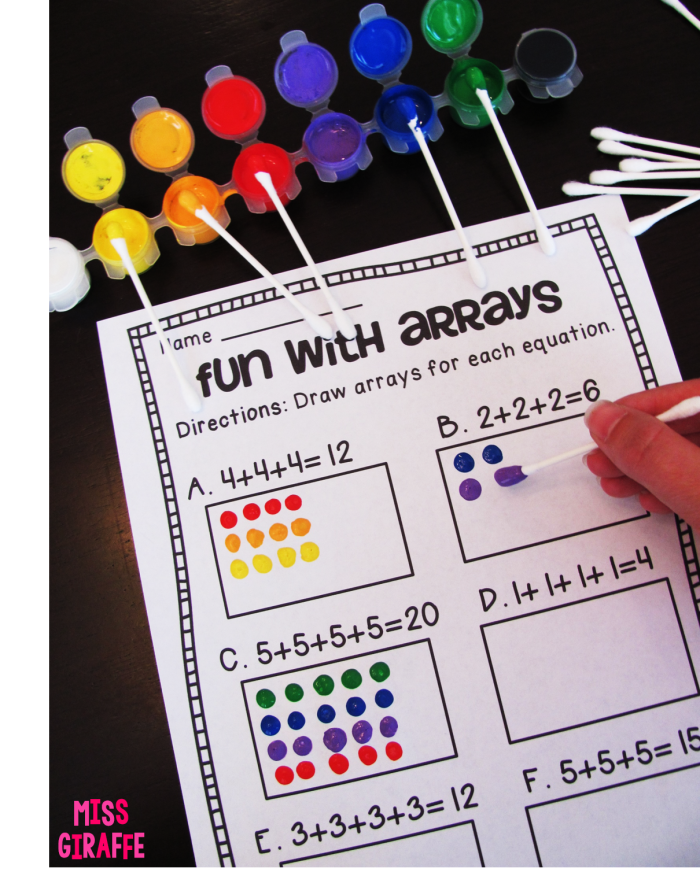
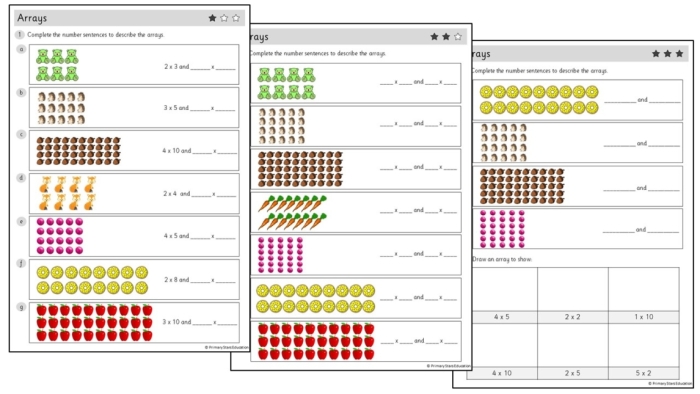
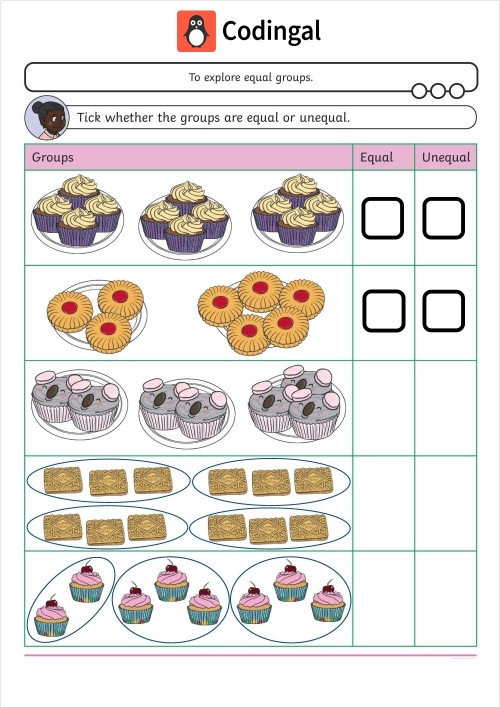
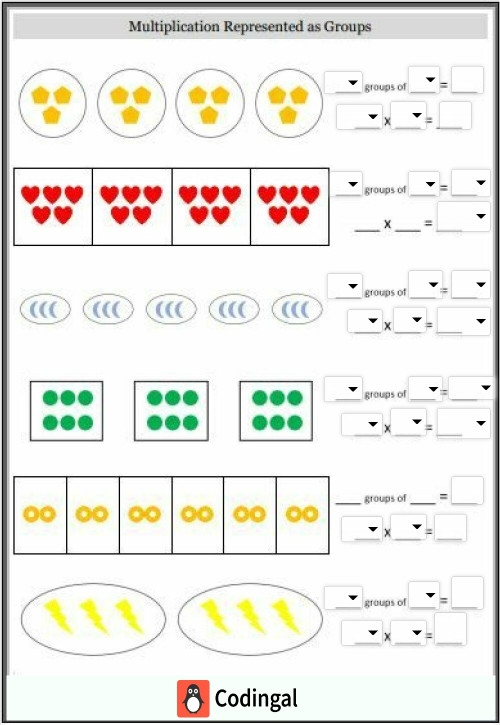
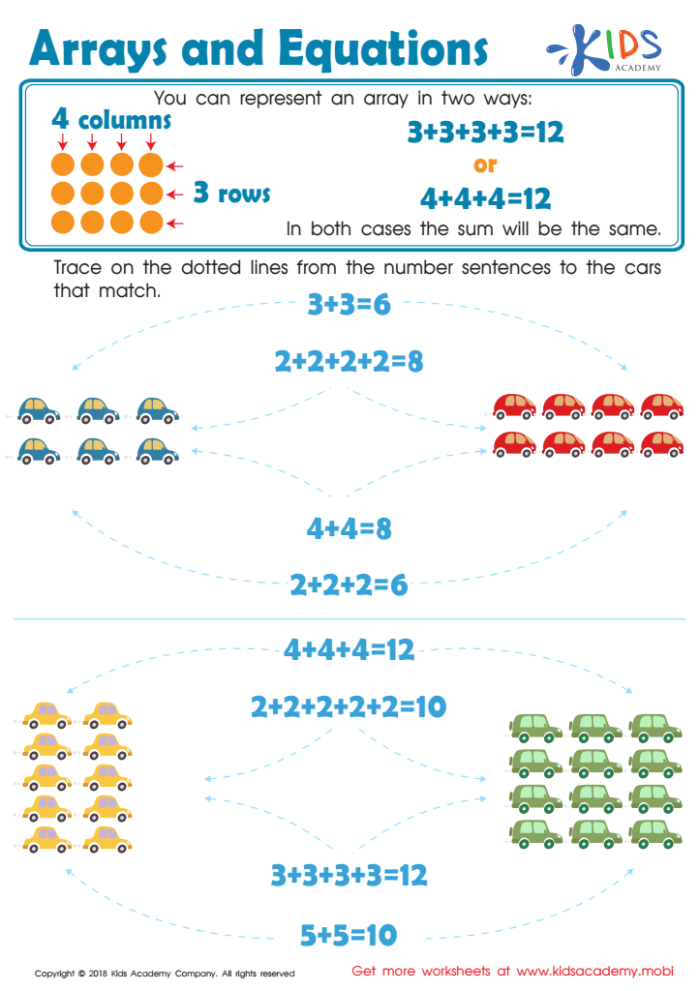
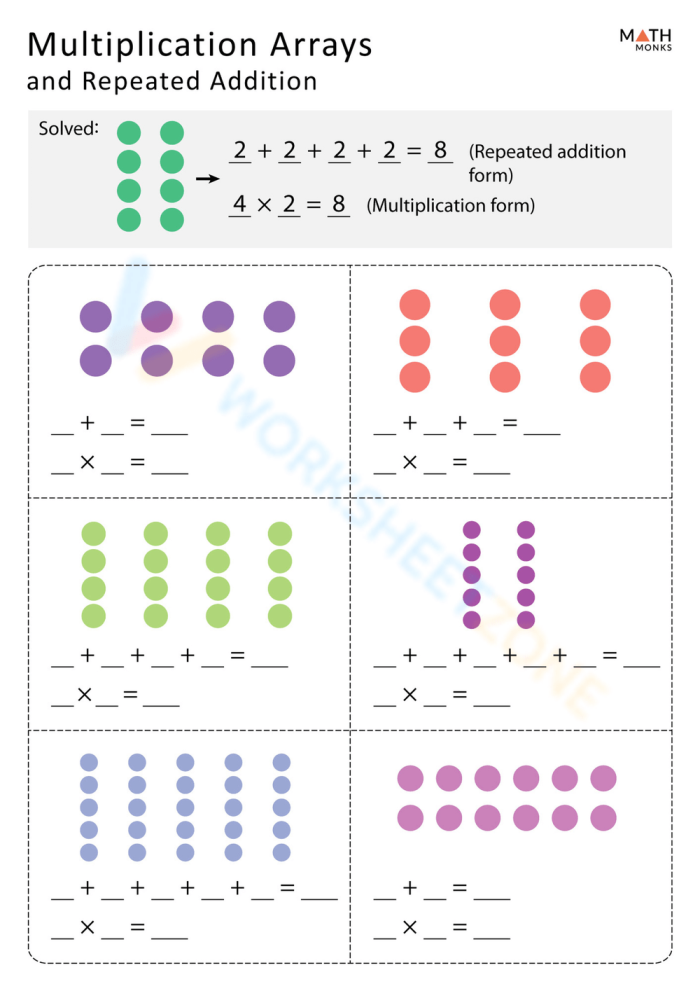
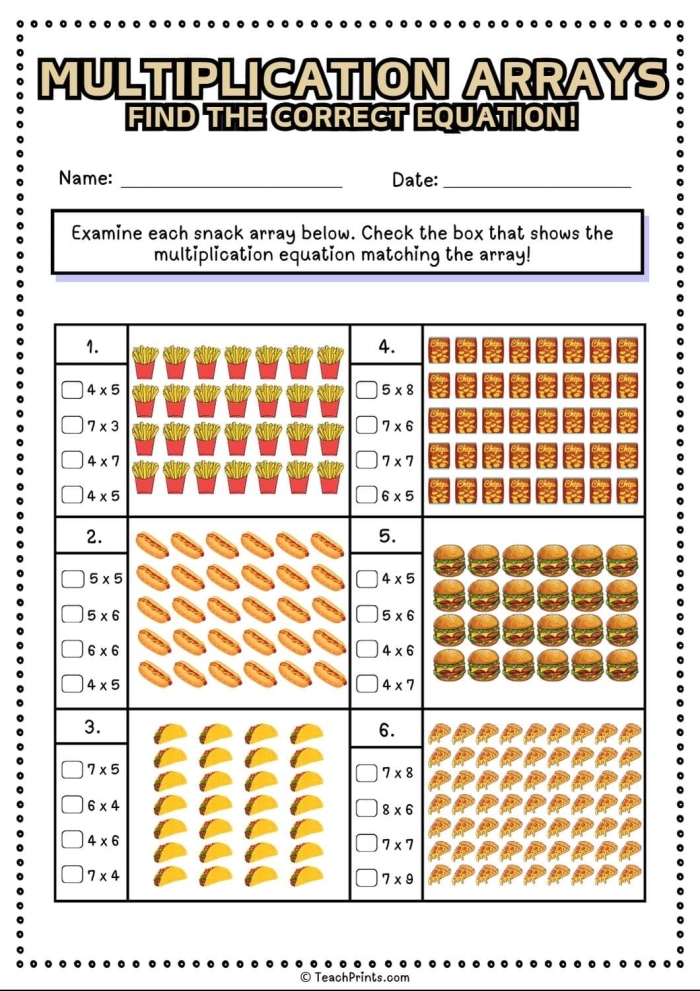
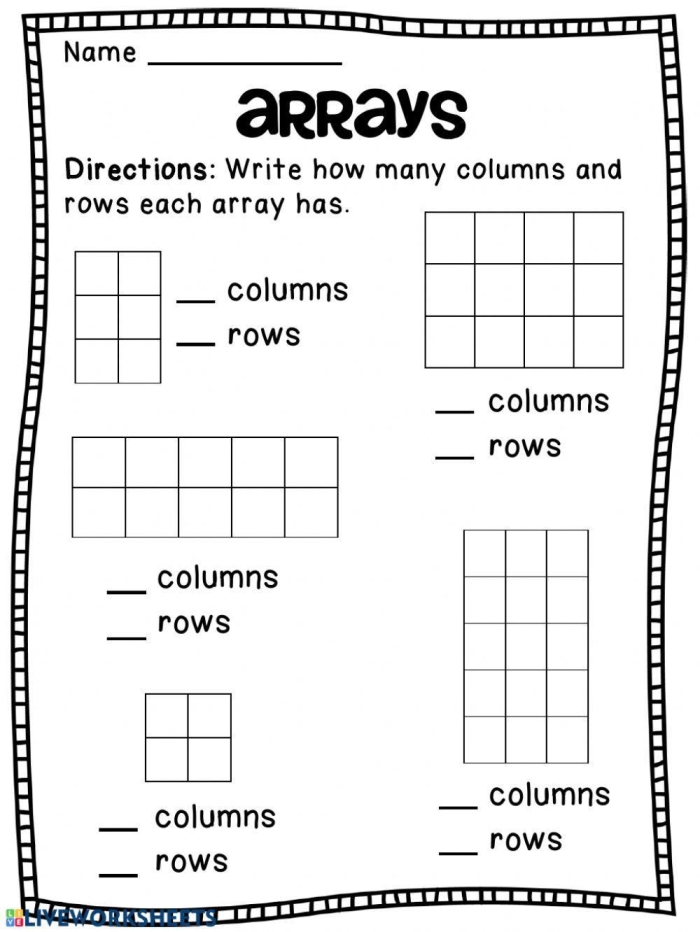
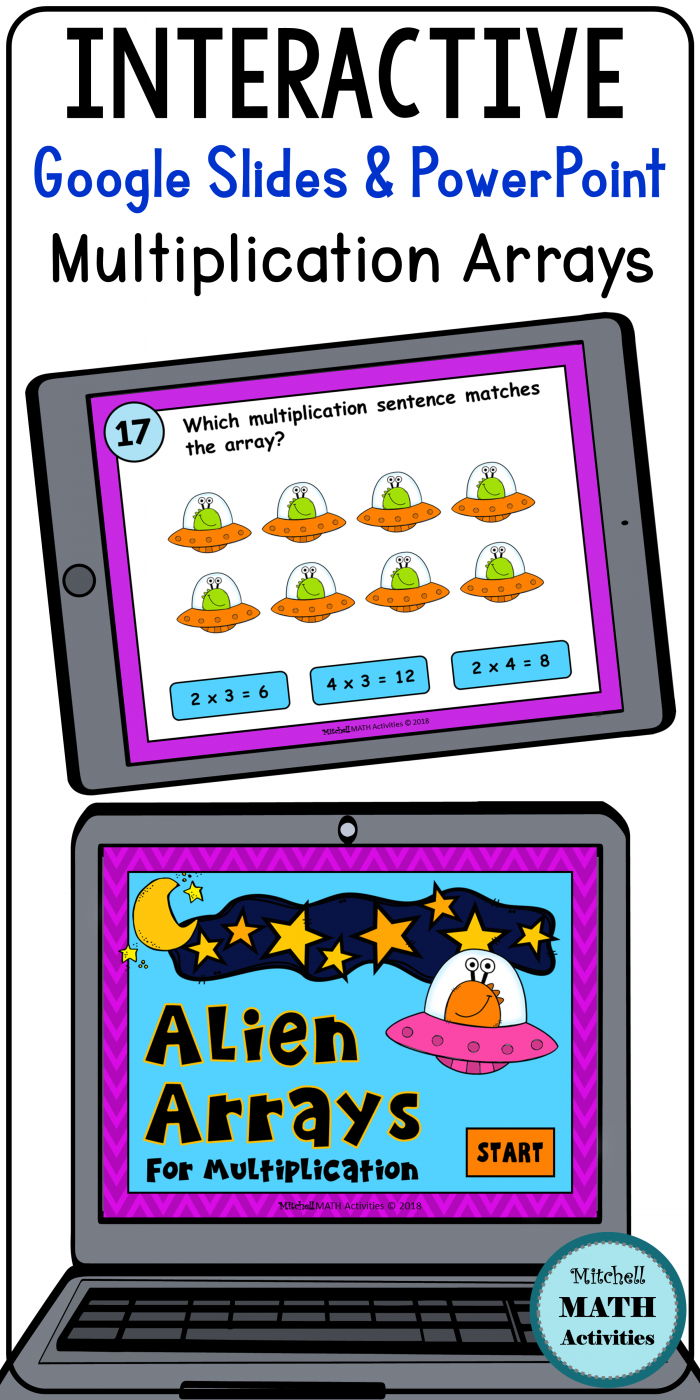
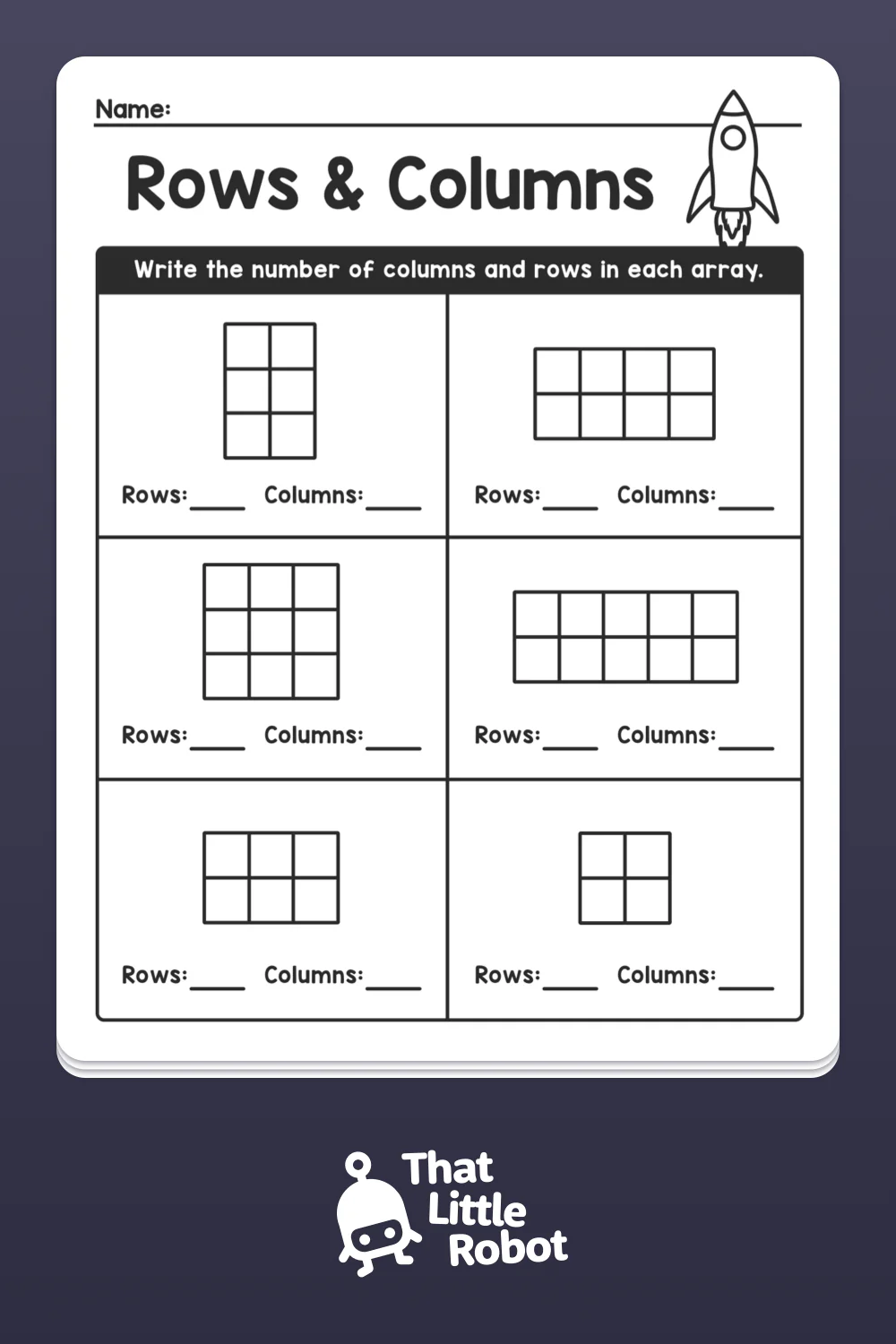
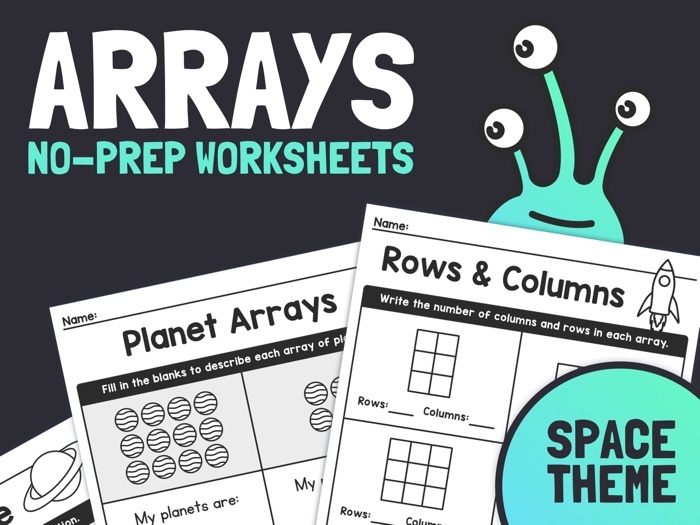
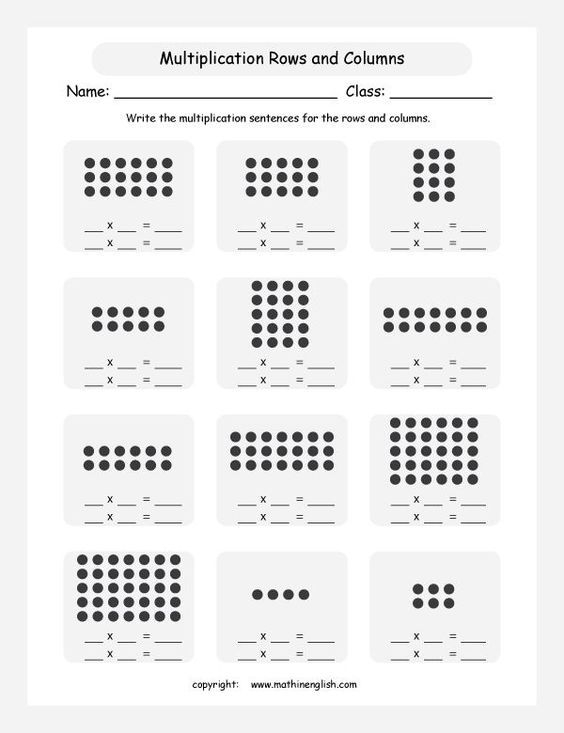
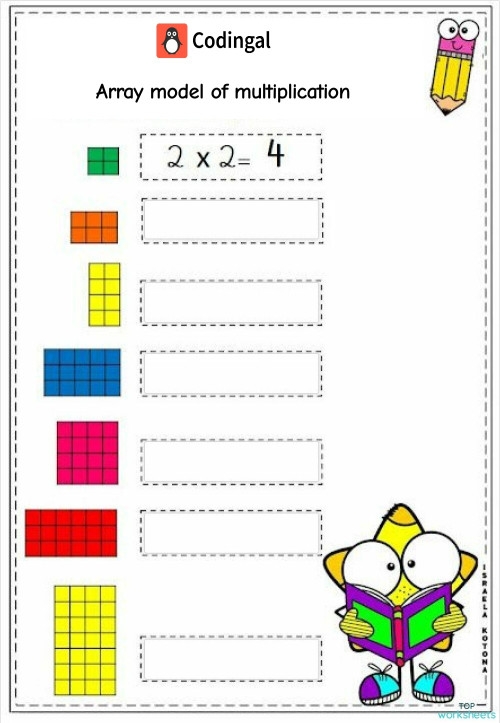
Arrays offer second grade students a concrete way to understand multiplication before they encounter formal algorithms. This worksheet takes that foundational concept and builds it into something more engaging by having students move from observation to creation to storytelling.
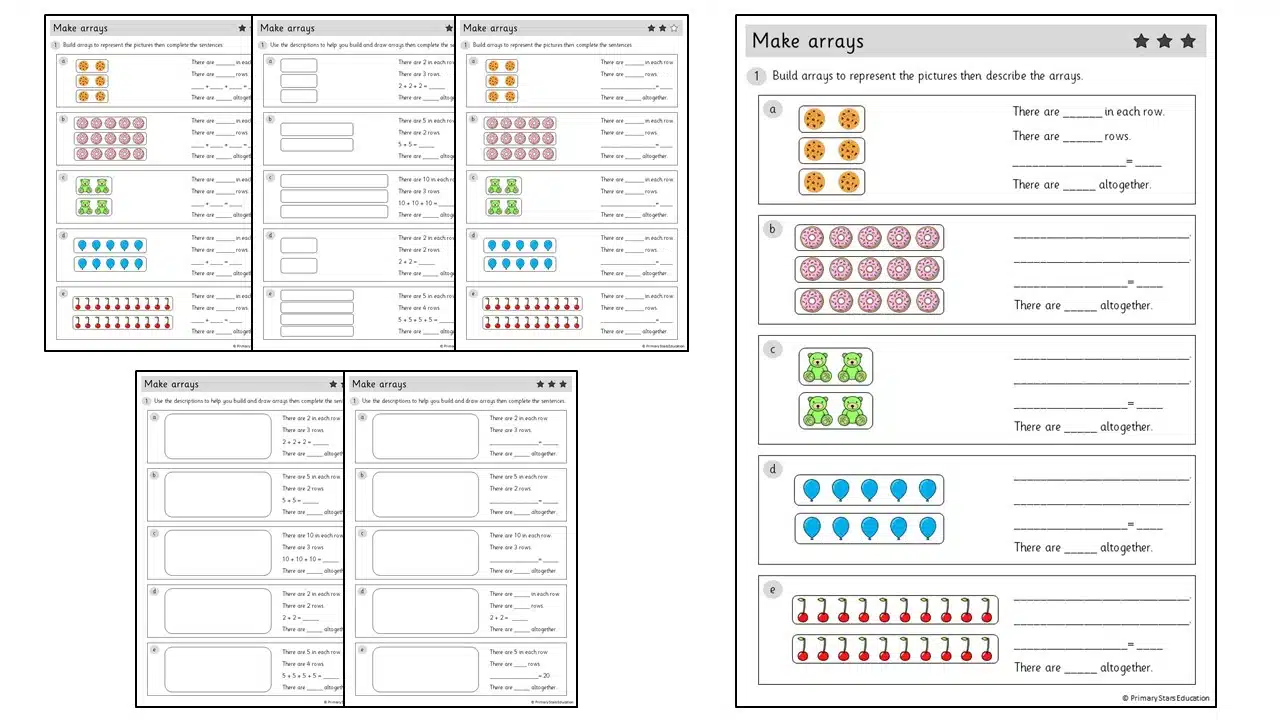
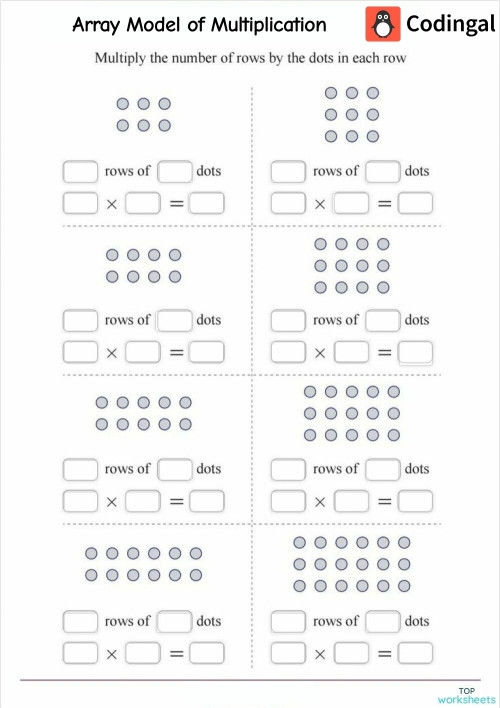
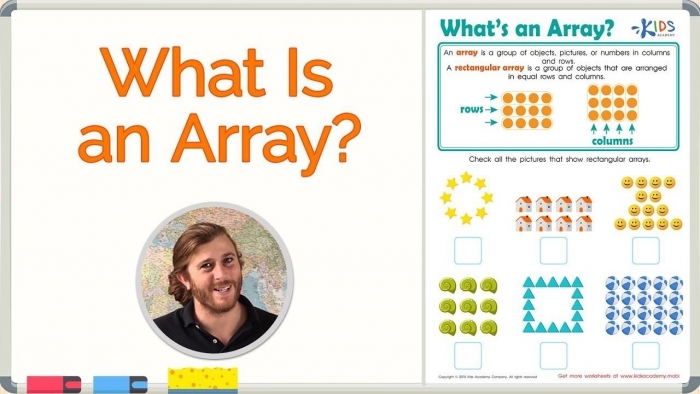
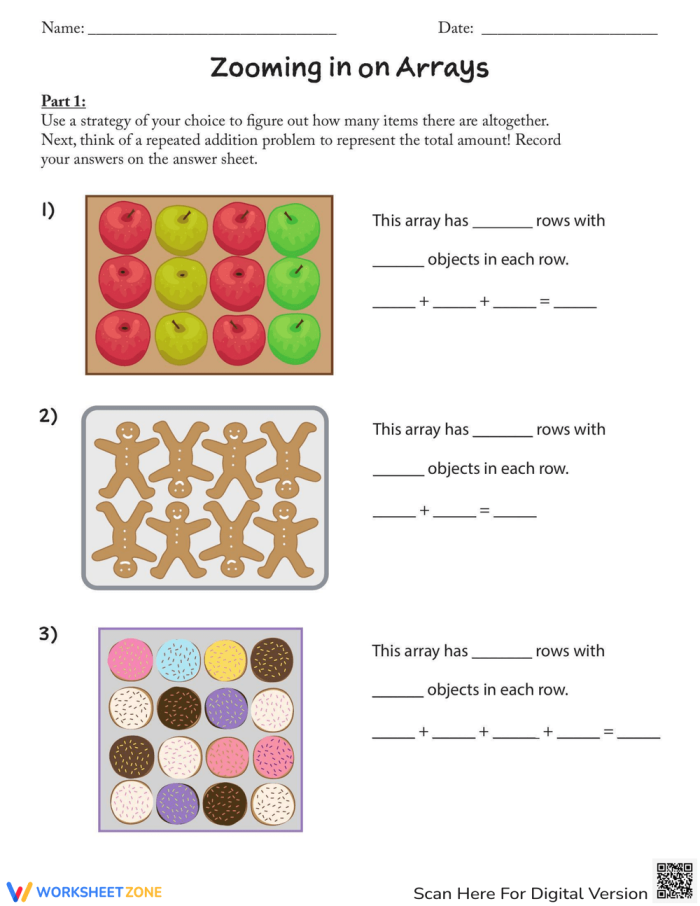
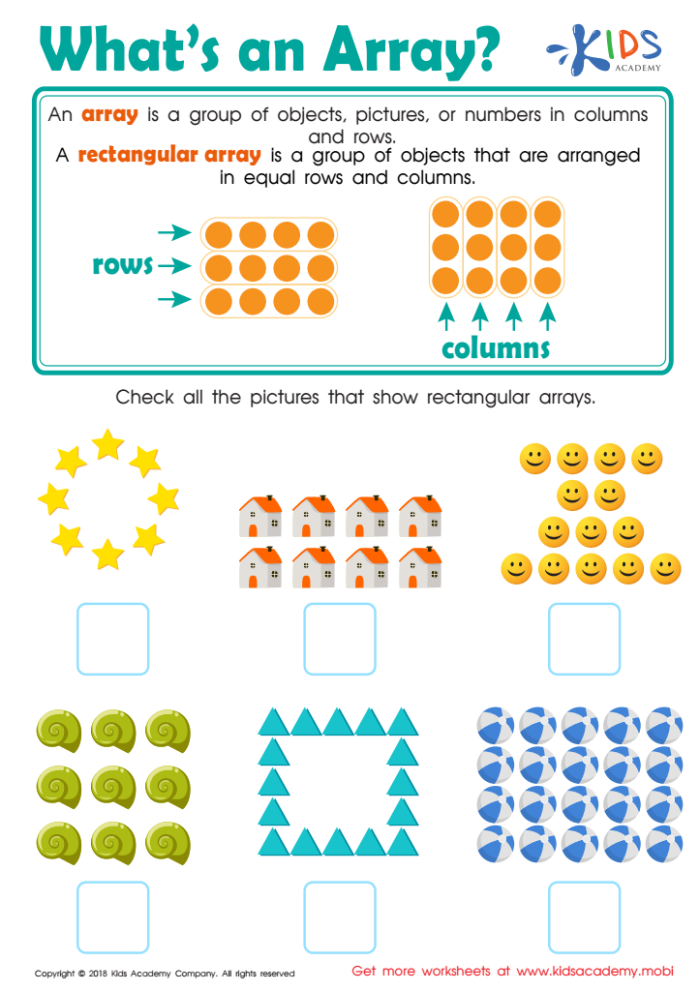
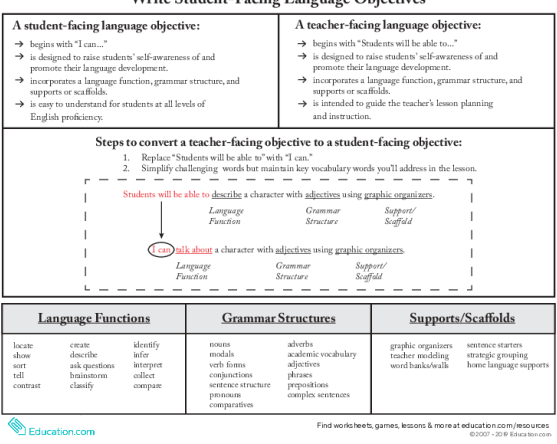
The structure works because it meets students where they are developmentally. Young learners in second grade benefit from visual representations, and arrays provide exactly that. When students see a picture with objects arranged in rows and columns, they can count and begin to recognize patterns. The worksheet guides them to translate these visual patterns into language first, using sentence frames that scaffold their thinking. A frame might look like “I see ___ rows of ___ objects” or “___ groups of ___ equals ___.” This language bridge matters because it helps students articulate what they’re seeing before jumping to abstract equations.
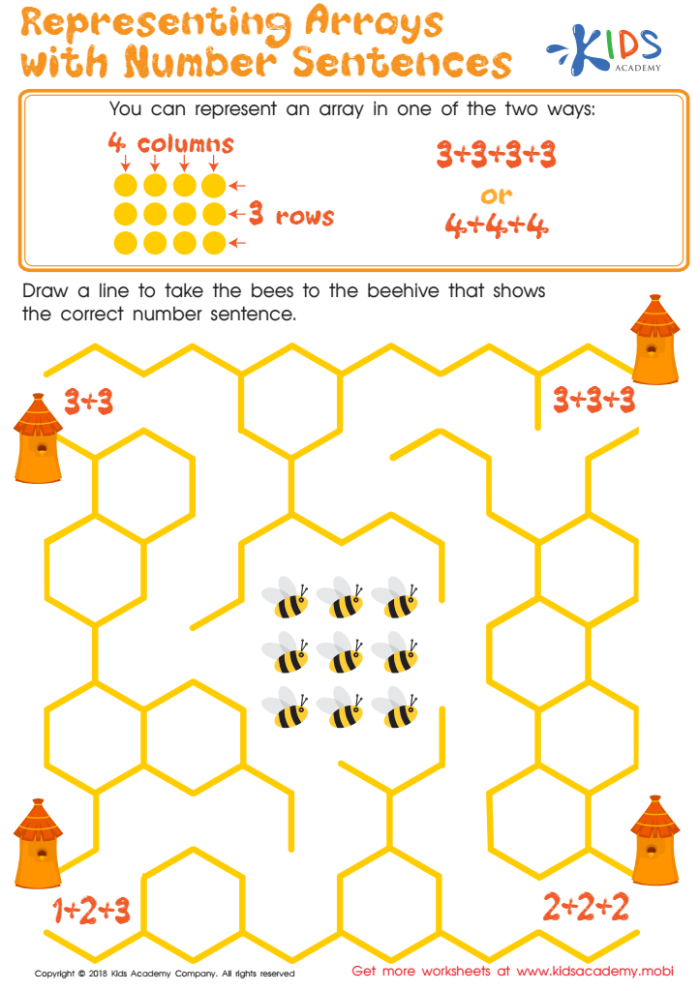
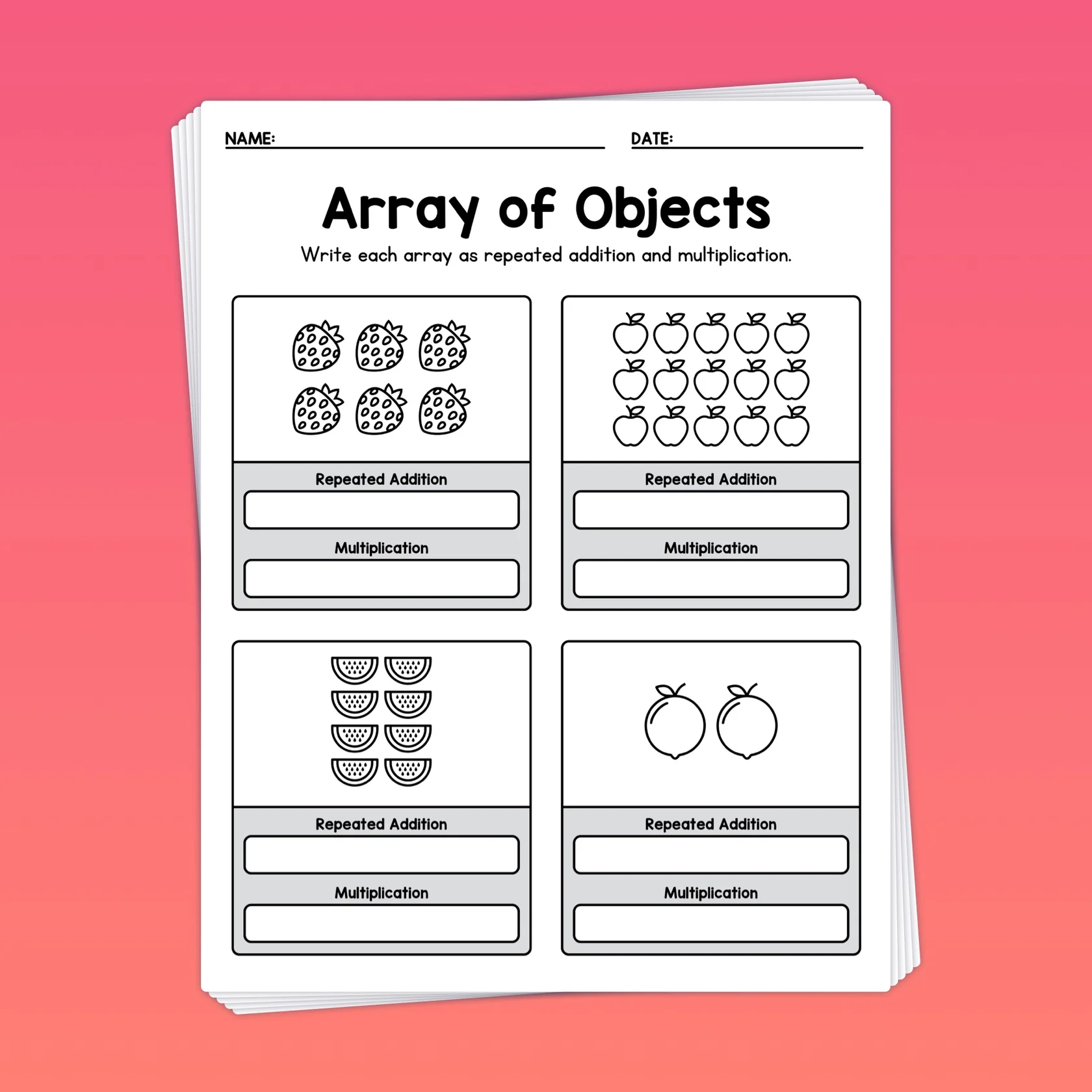
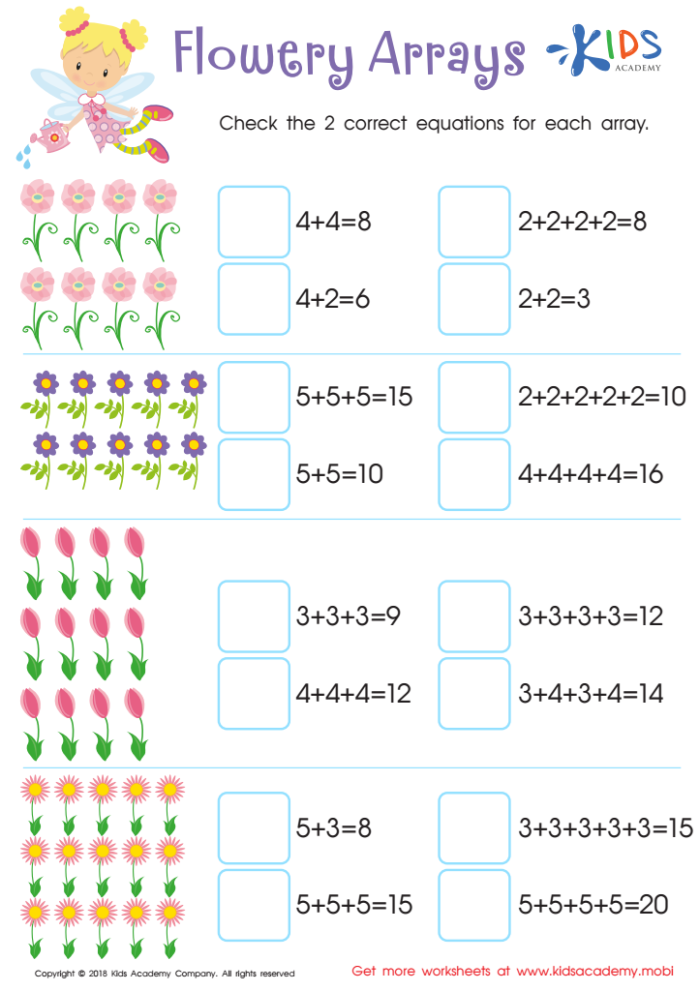
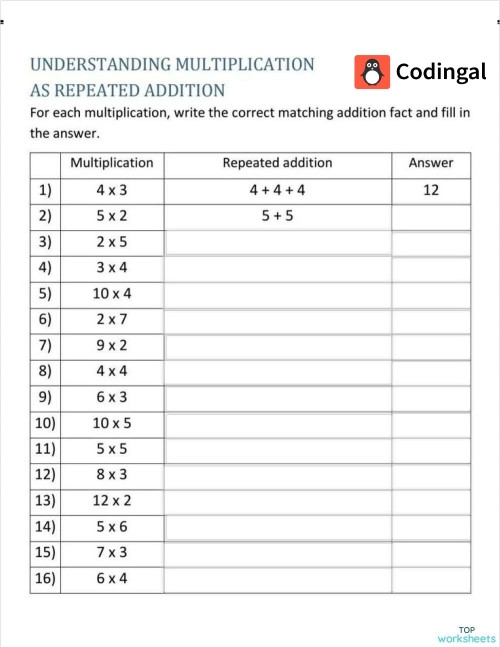
Once sentence frames are complete, students write repeated addition equations based on the same pictures. If an array shows 3 rows of 4 objects, students write 4 + 4 + 4 = 12. This step connects visual understanding to mathematical notation. The progression is intentional: see it, say it, write it mathematically.
The final component pushes students to become problem creators. Rather than solving someone else’s word problems, they write their own story problems based on arrays they’ve drawn or selected. This ownership deepens comprehension. A student might write, “Maya has 2 bags with 5 apples in each bag. How many apples does she have?” The ability to generate these problems signals that students genuinely understand the concept, not just the mechanics.
This approach complements other second grade skill-building activities. While students work on arrays, they might simultaneously practice present and past tense verbs in their story problems, strengthening both math and language arts simultaneously. Teachers can also integrate this with broader curriculum units, like exploring economics through historical figures when crafting real-world story problems involving trade or resources.
Boost Skills with These Worksheets