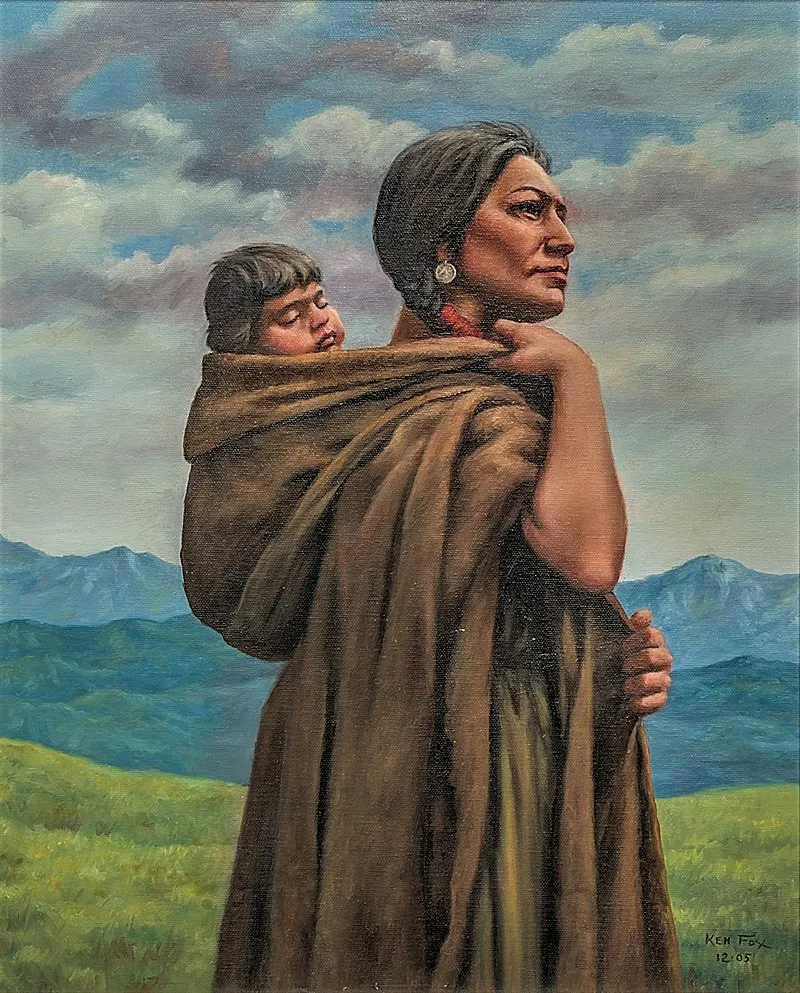
History is often painted with broad strokes, but the story of Sacagawea stands out for its depth and significance. As a Native American woman, Sacagawea played a crucial role in the Lewis and Clark Expedition, guiding these explorers across the challenging terrain of the American West. Her contributions were not just about navigation; they were about survival and diplomacy.
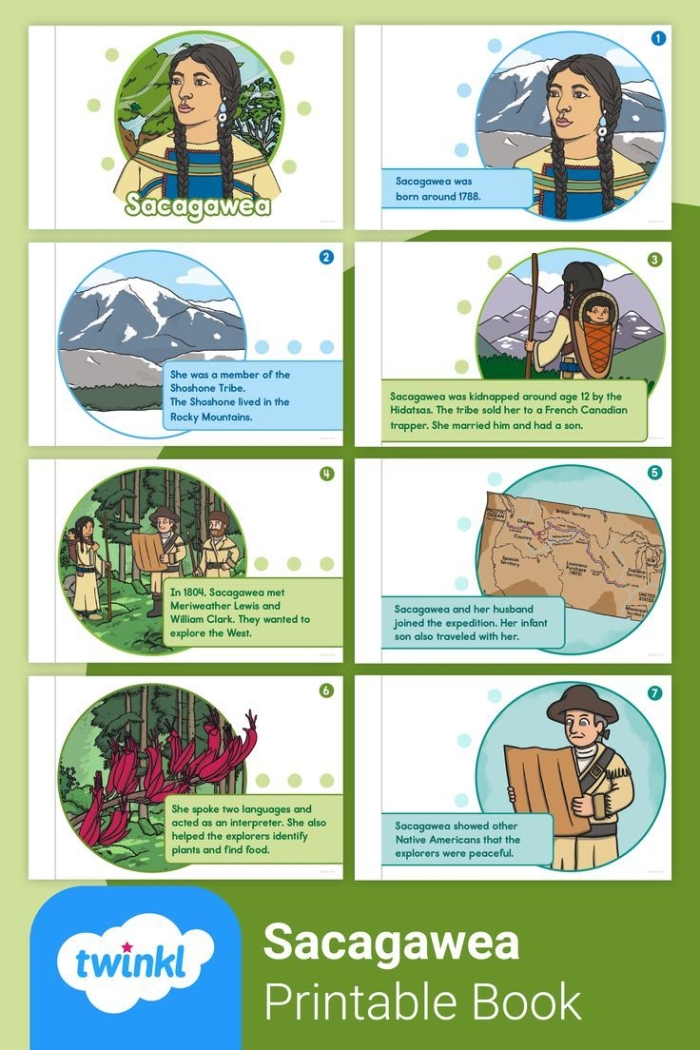
Born around 1788 in what is now Idaho, Sacagawea was captured by a rival tribe and later married to a French-Canadian fur trader. Her unique background made her an invaluable asset to the Lewis and Clark team, which set out in 1804 to explore the newly acquired western territories of the United States. Sacagawea’s knowledge of the land and her ability to communicate with various Native tribes helped the expedition navigate uncharted waters—both literally and figuratively.
One specific moment that highlights her importance occurred when the group encountered the Shoshone tribe. Sacagawea was able to translate and negotiate, securing essential supplies that ensured the expedition’s survival. This incident is a clear demonstration of how her skills extended beyond mere navigation; she was a bridge between cultures, fostering cooperation and understanding.
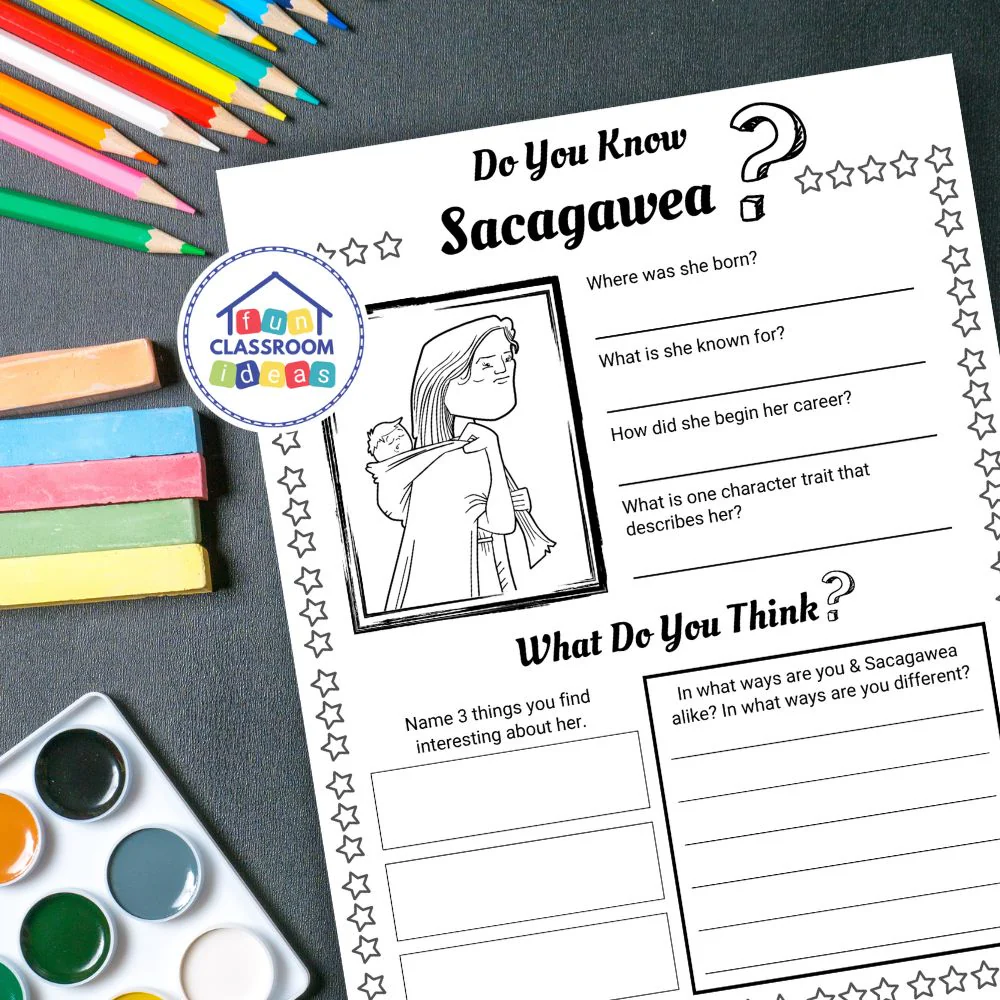
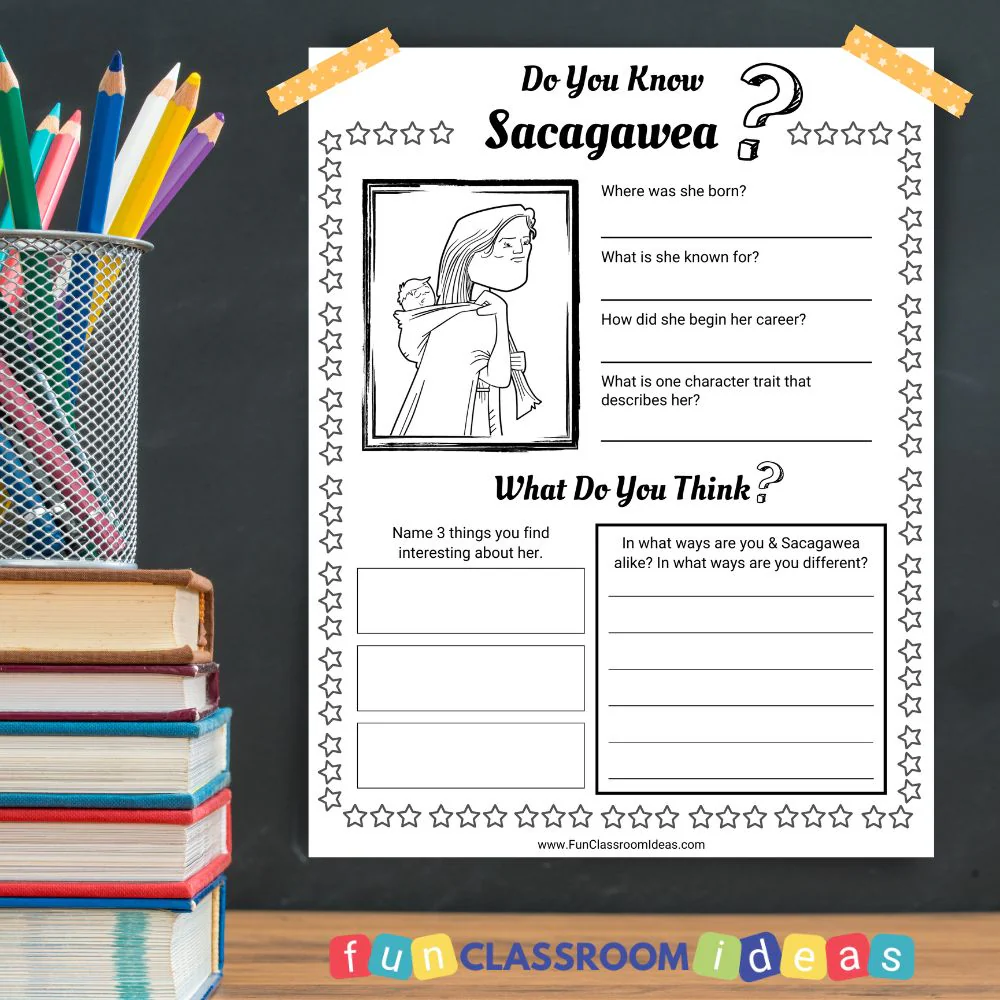
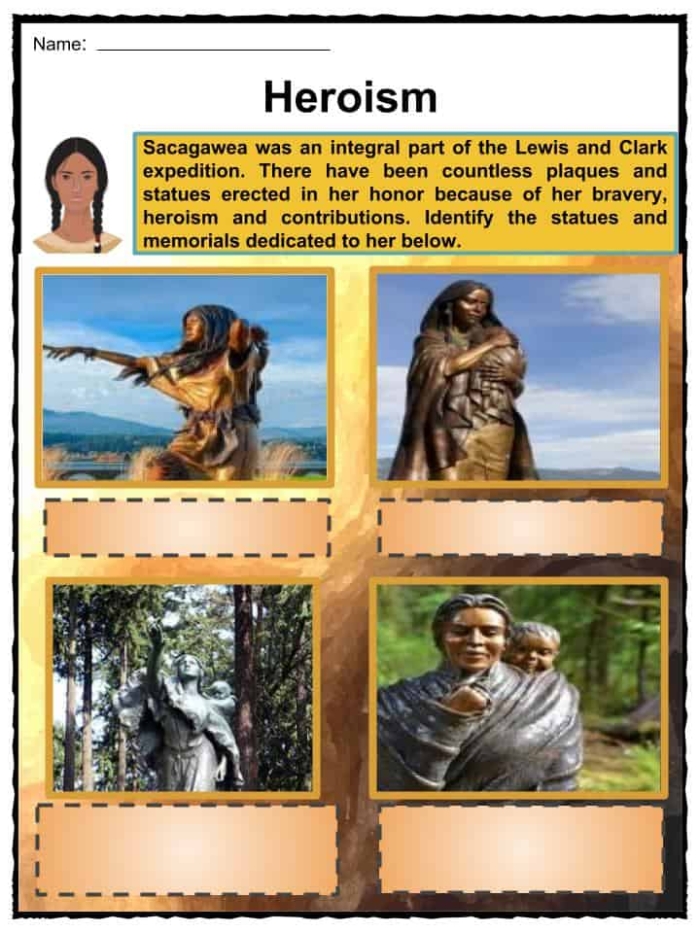
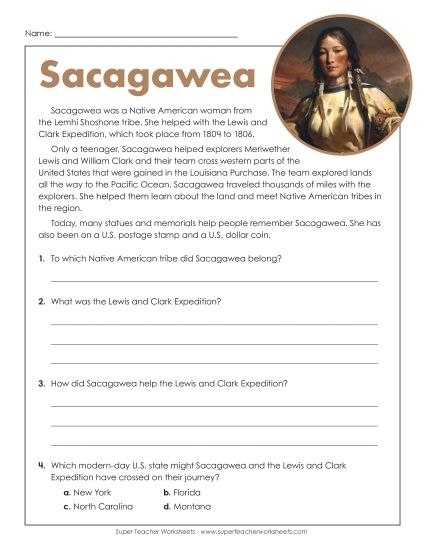
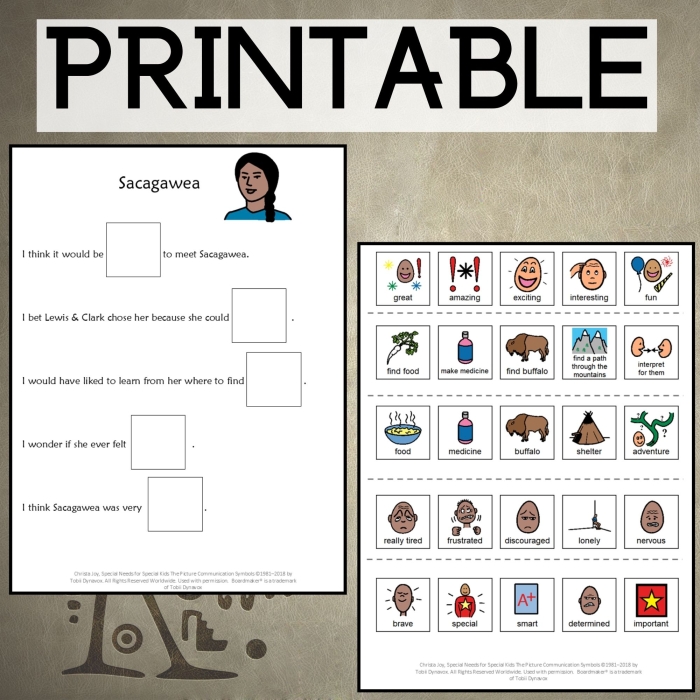
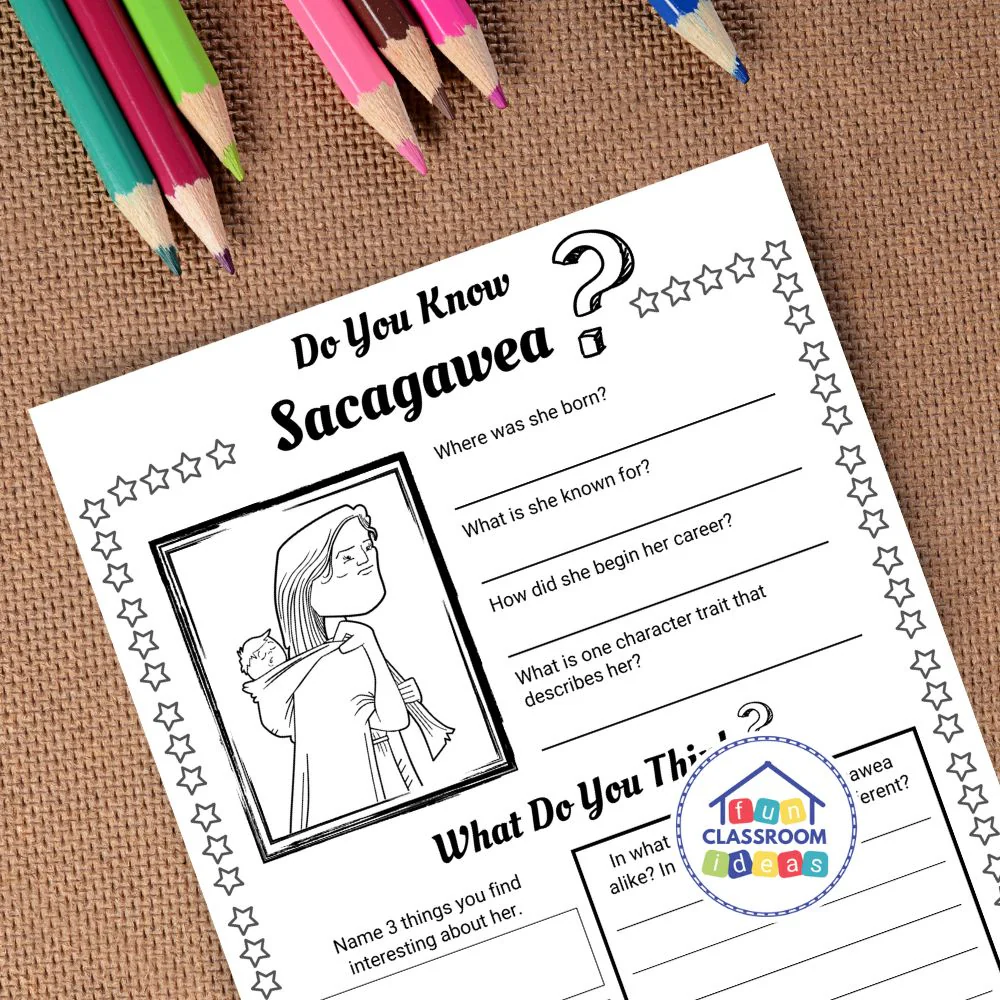
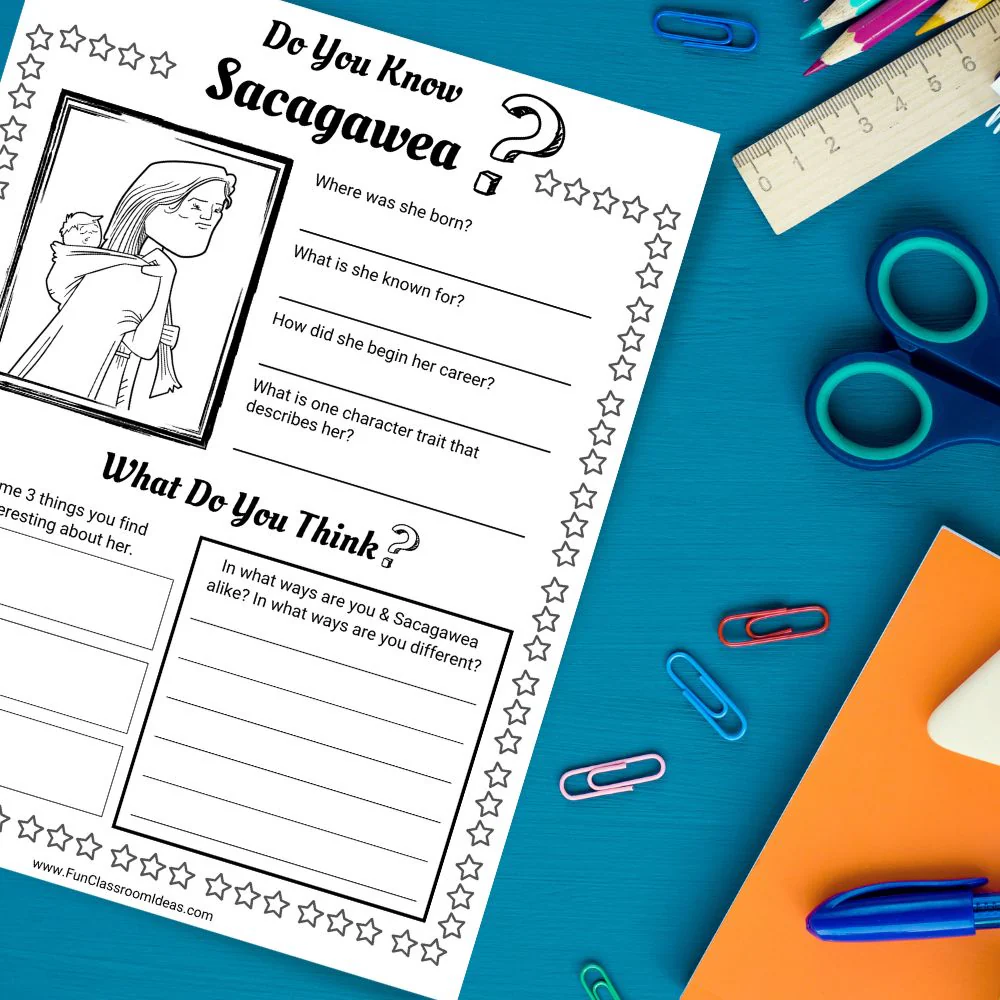
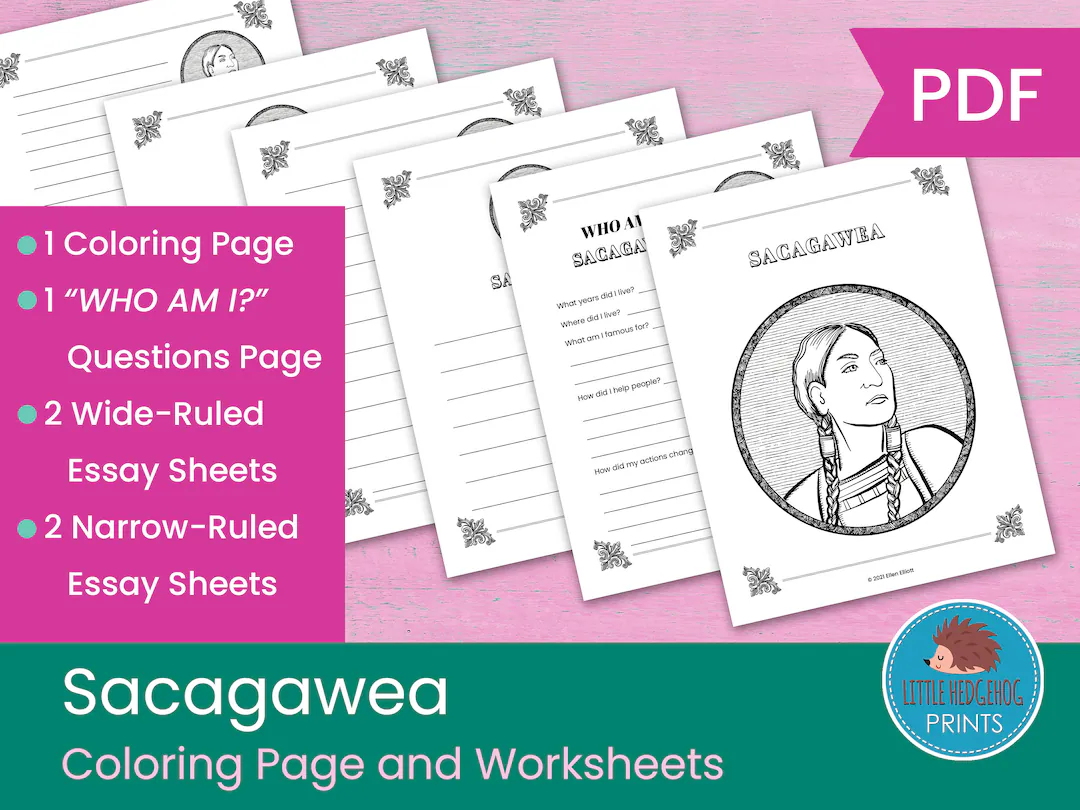
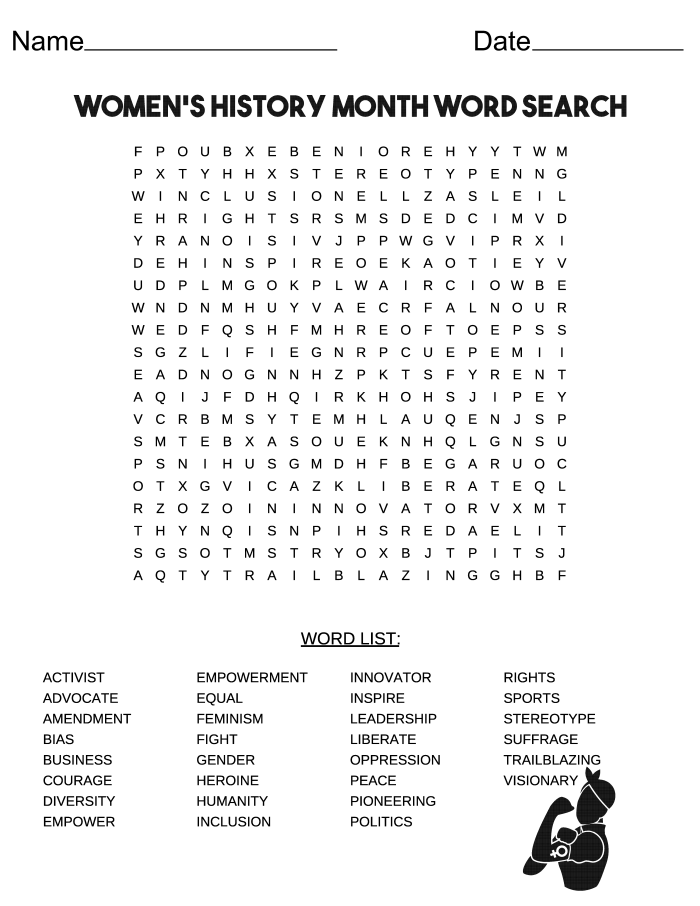
For educators and students eager to explore Sacagawea’s life and contributions further, printable resources are available. Worksheets focused on women in history can enhance second-grade learning, integrating subjects like economics and geography while making history engaging and relatable. Resources such as the Cardinal Directions worksheets can help students understand navigation concepts, while others can support writing skills during history lessons.
Understanding Sacagawea’s role in American history not only highlights the contributions of women but also encourages young learners to appreciate diverse perspectives. Her story is a reminder that history is often shaped by those whose names may not always appear in textbooks.
Printable Worksheets for Practice