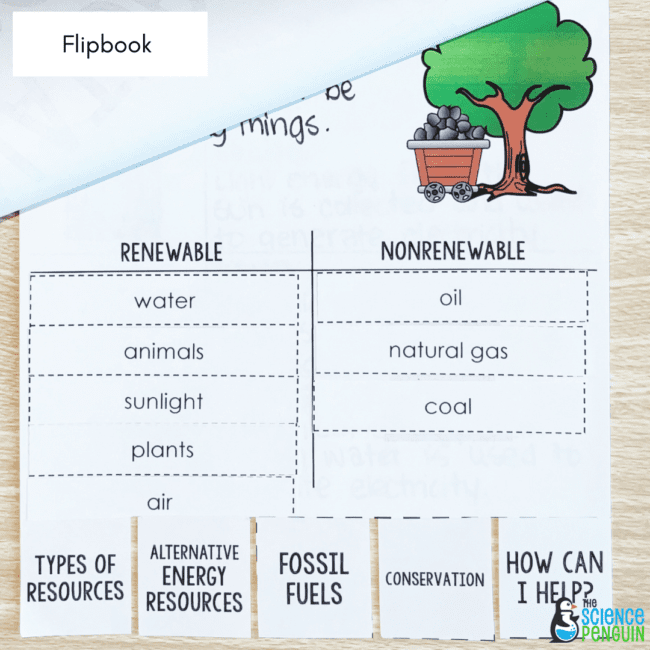
Understanding natural resources is an important part of learning geography in second grade. When kids explore the difference between renewable and nonrenewable resources, they begin to see how the Earth provides what we need to live. Some resources, like sunlight and wind, can be used again and again without running out. These are called renewable resources. Others, like coal and oil, form over millions of years and cannot be replaced quickly, so they are nonrenewable.
For example, sunlight is a renewable resource because it shines every day and can be captured with solar panels to make electricity. Trees are also renewable if we plant new ones after cutting some down. On the other hand, coal comes from ancient plants buried deep underground and takes millions of years to form, making it nonrenewable. Once we use it up, there is no quick way to get more.
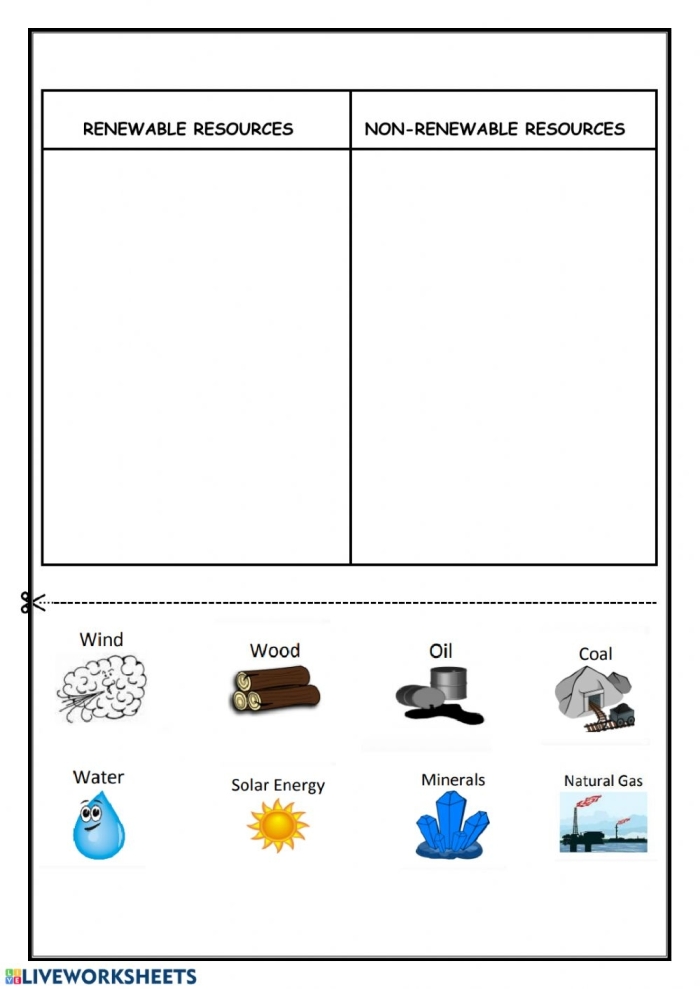
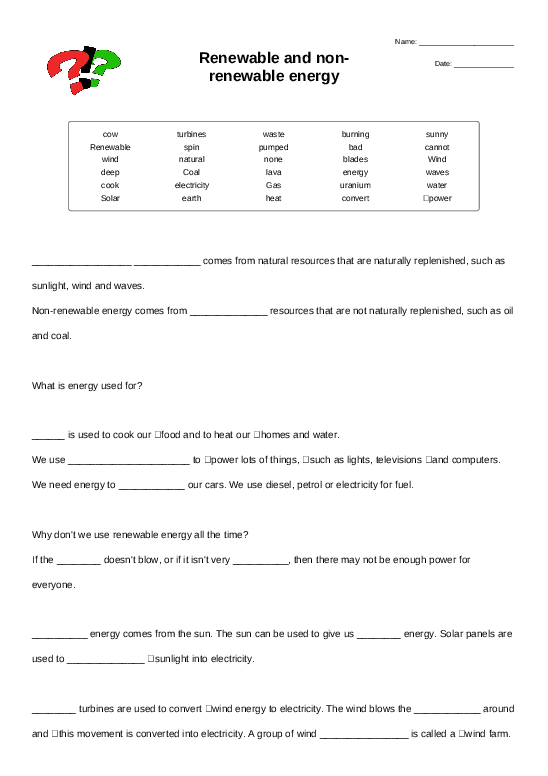
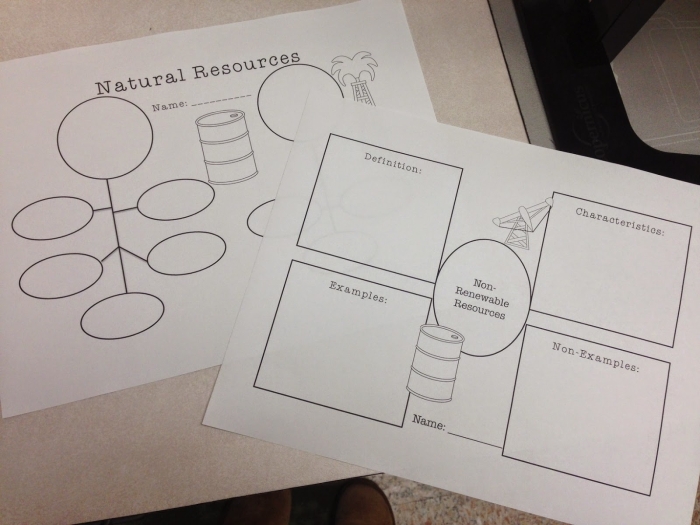
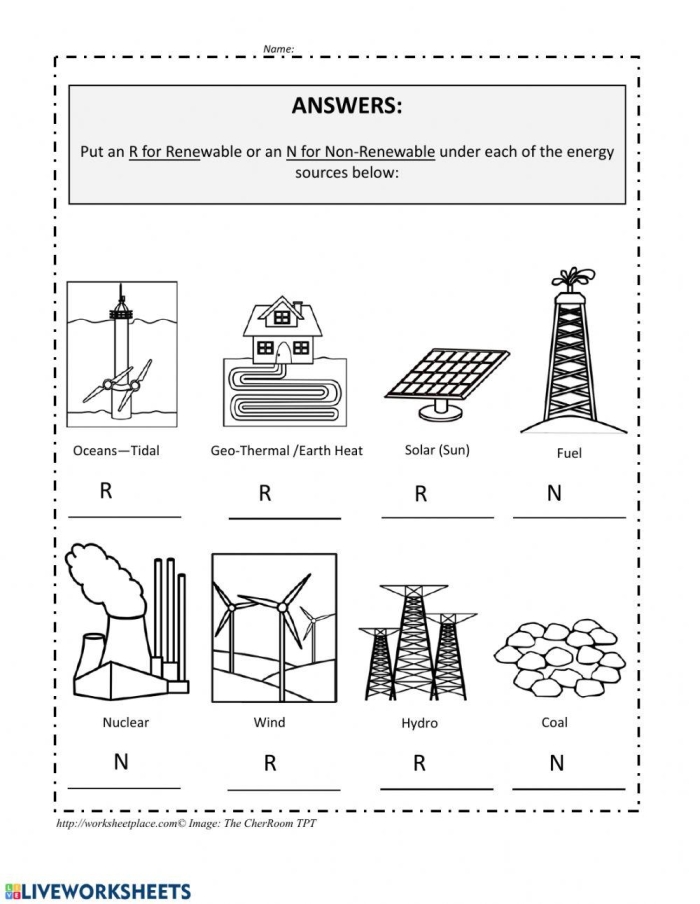
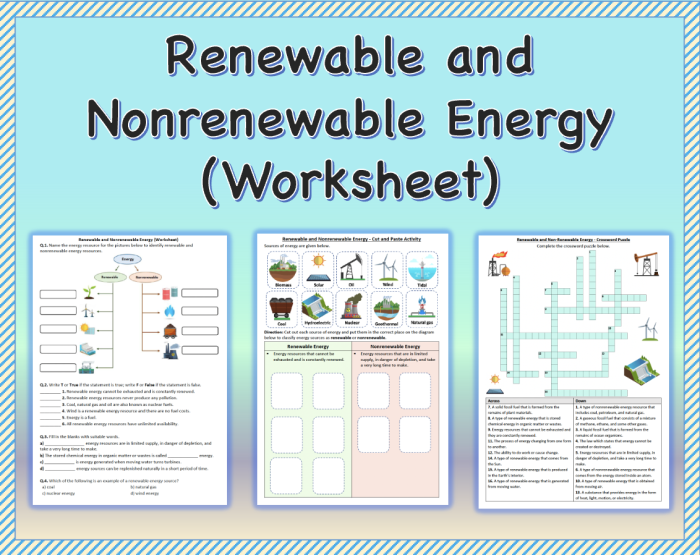
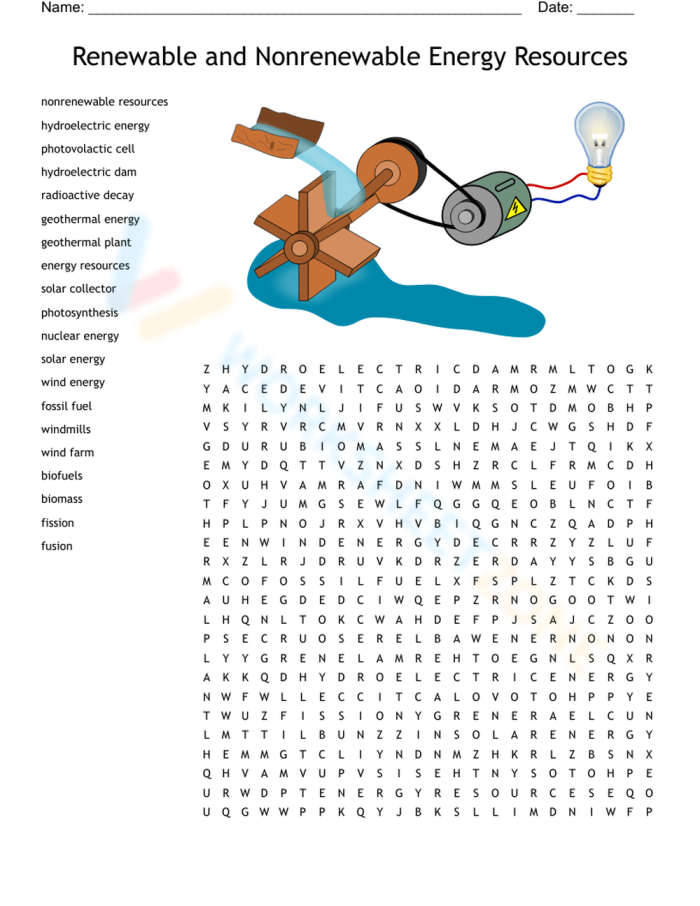
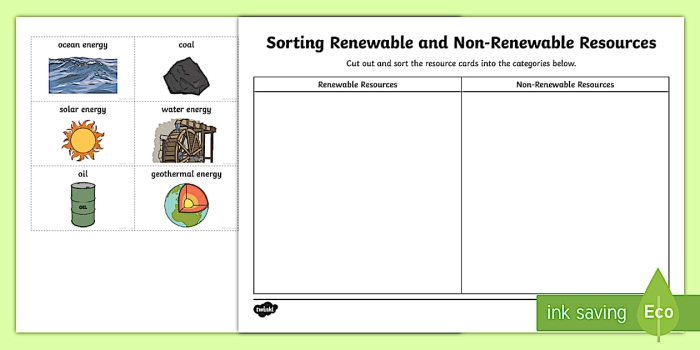
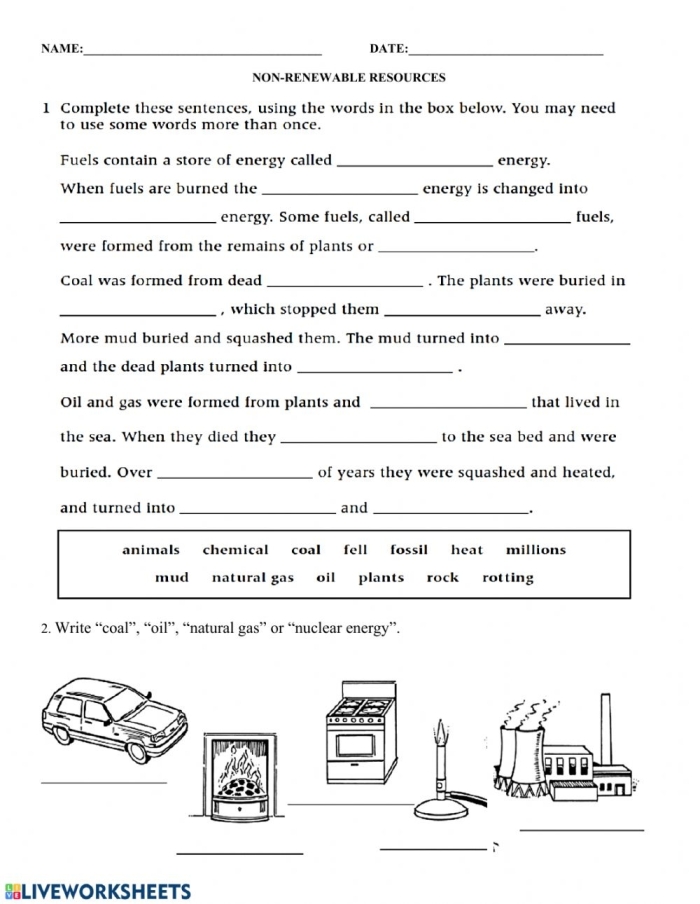
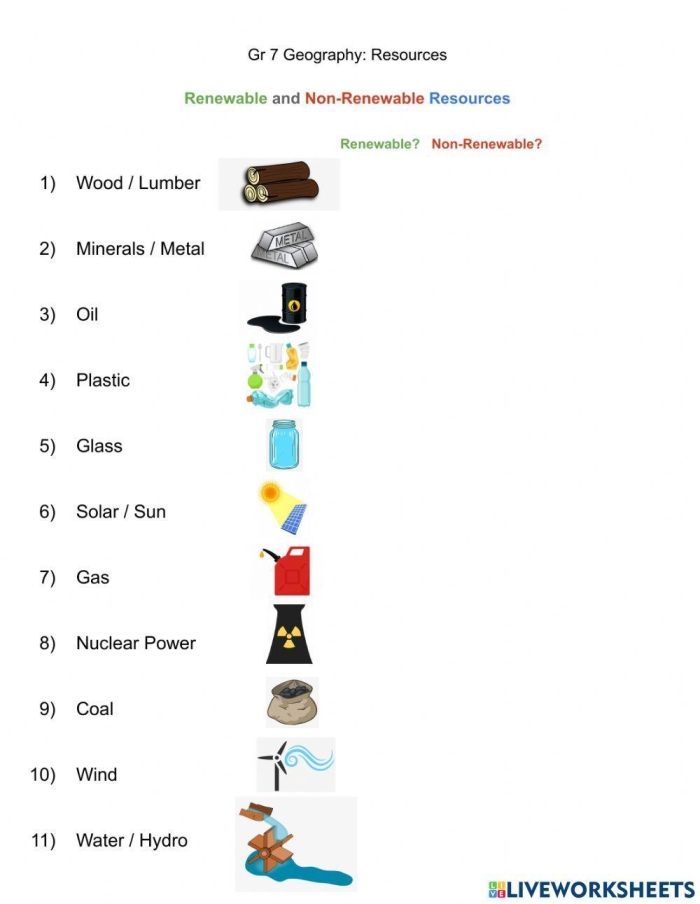
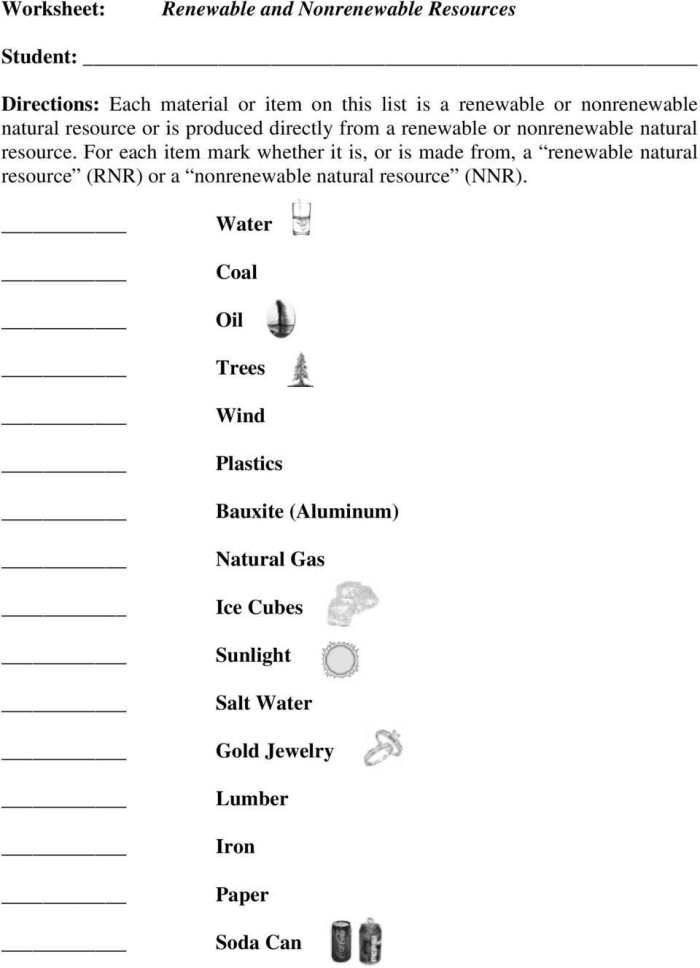
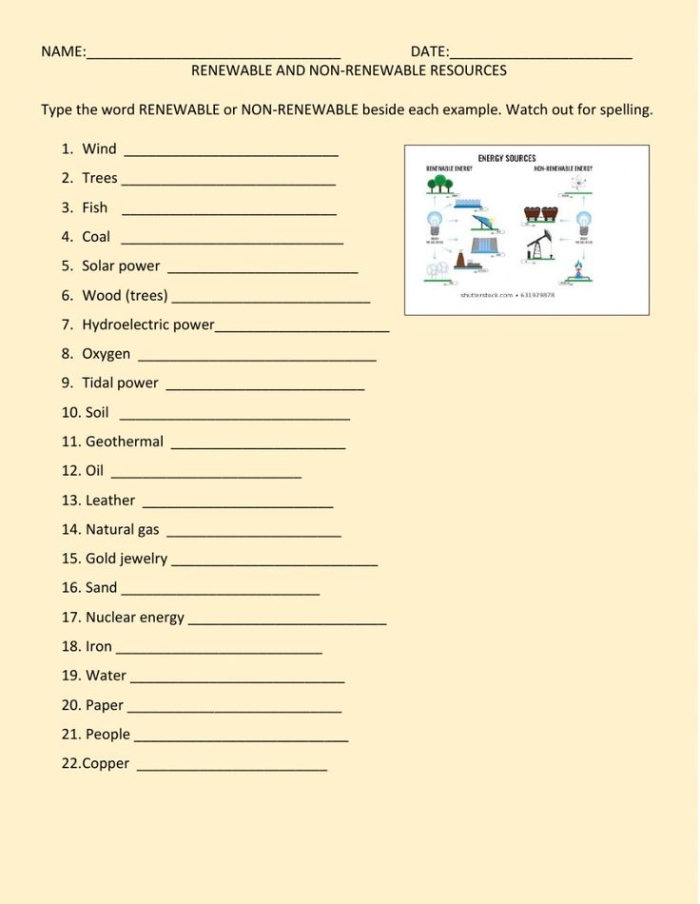
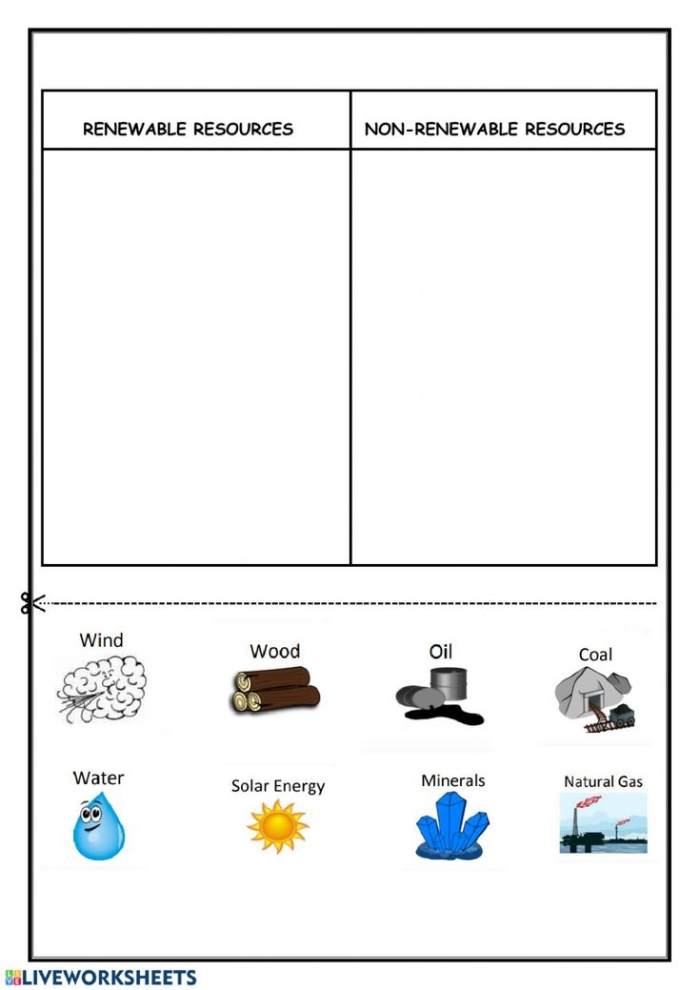
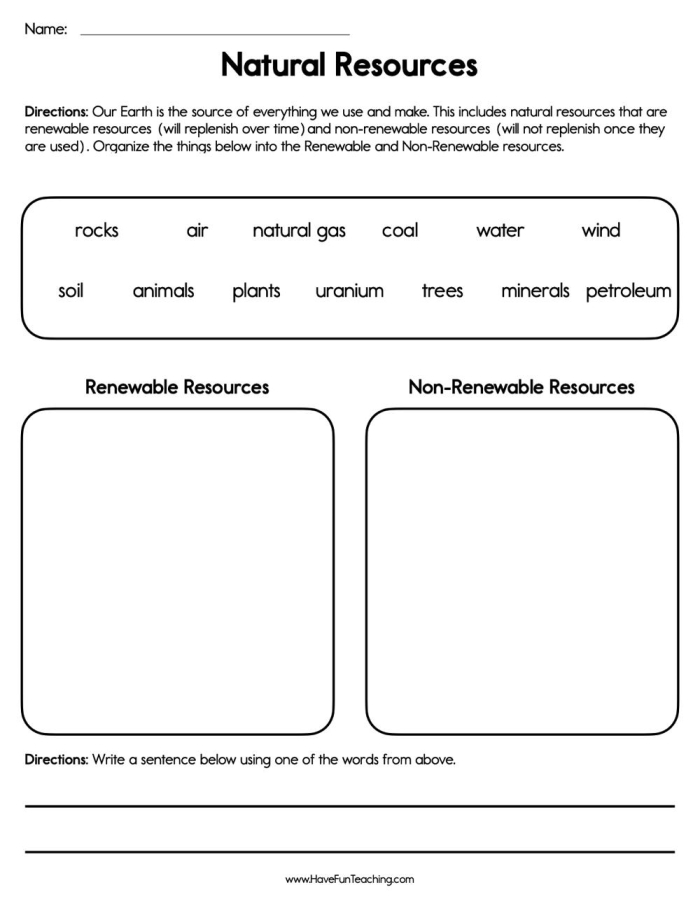
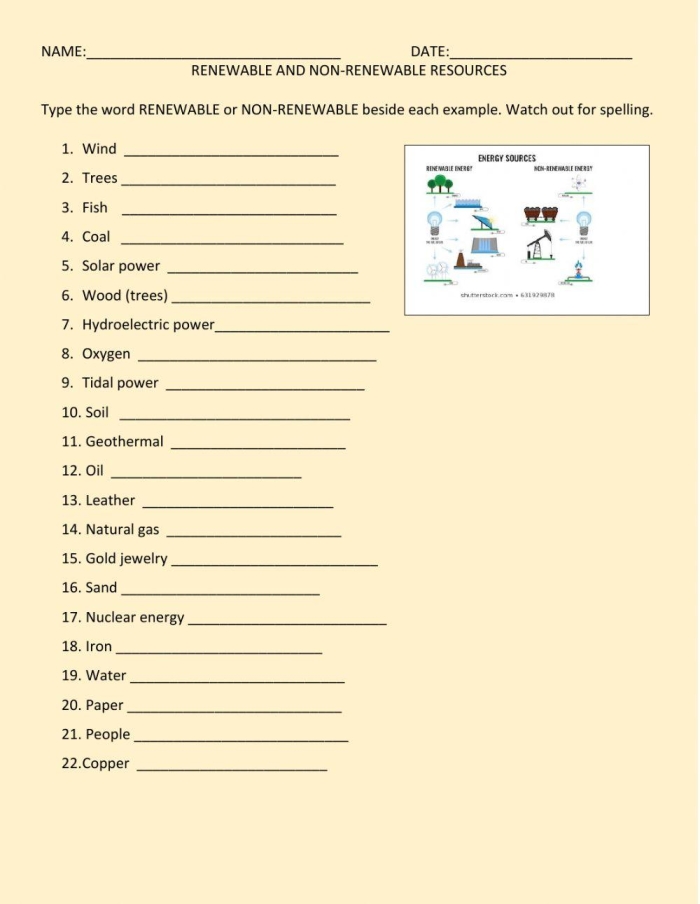
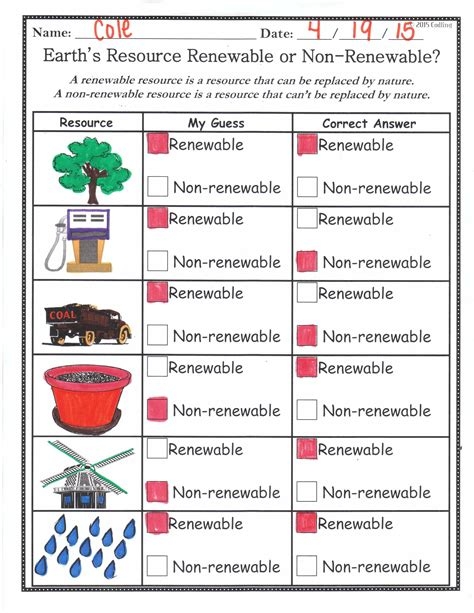
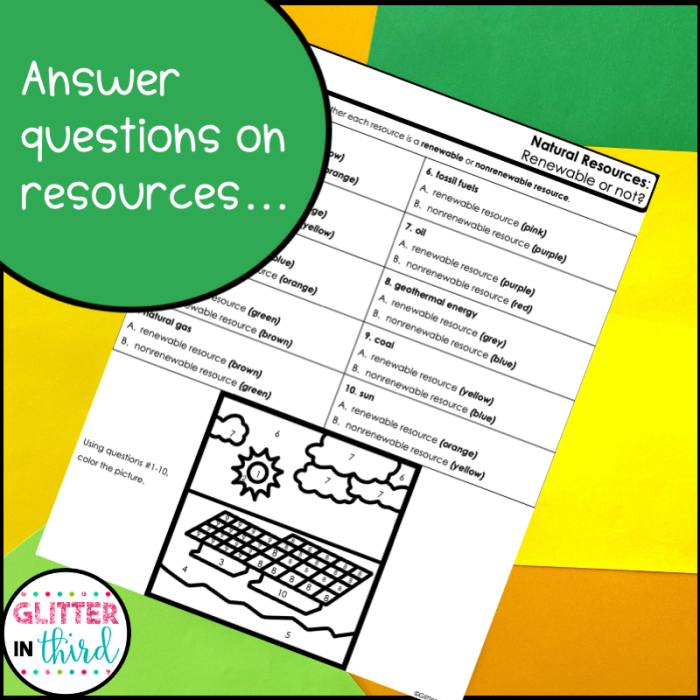
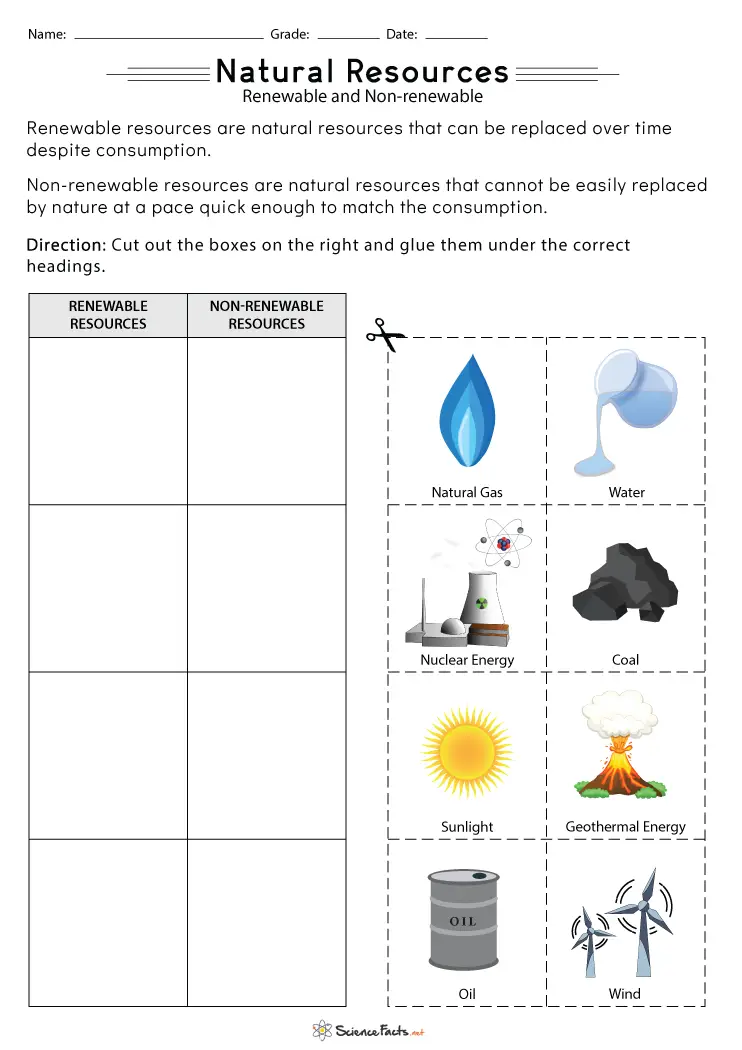
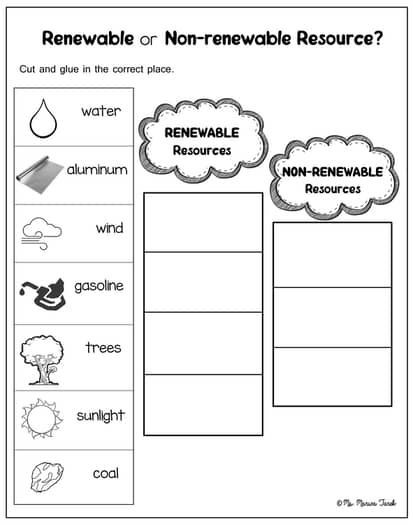
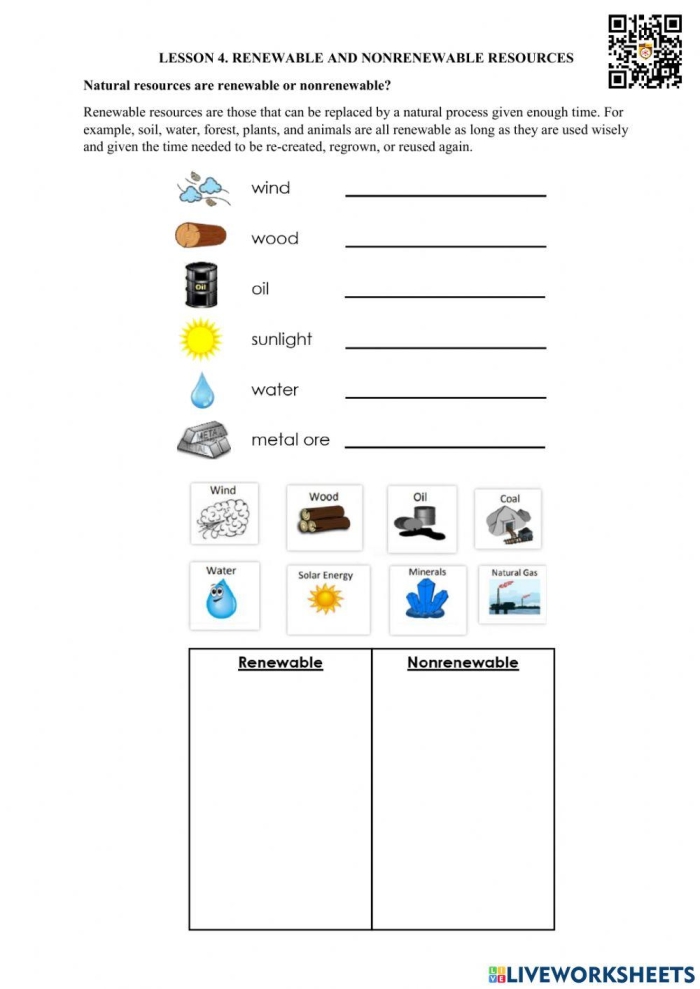
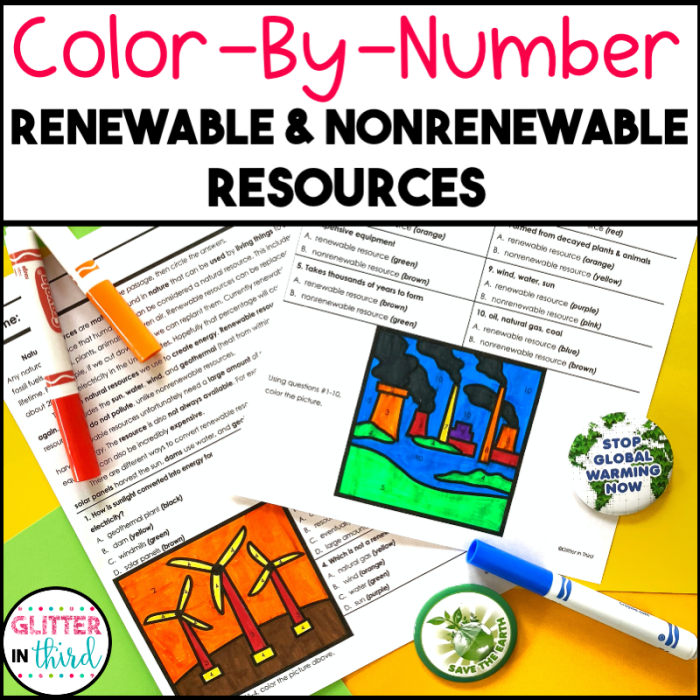
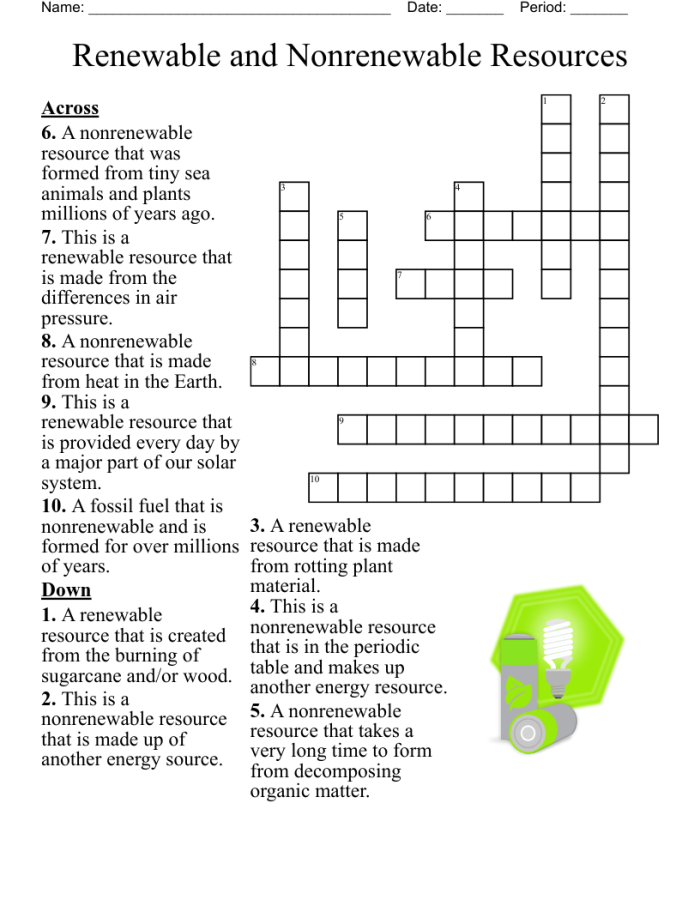
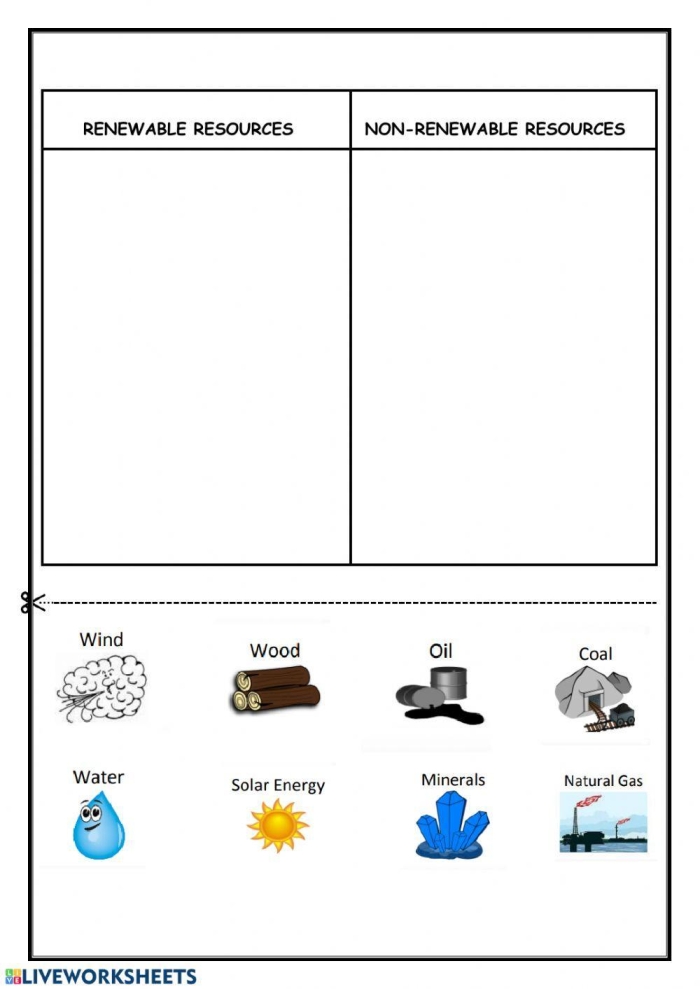
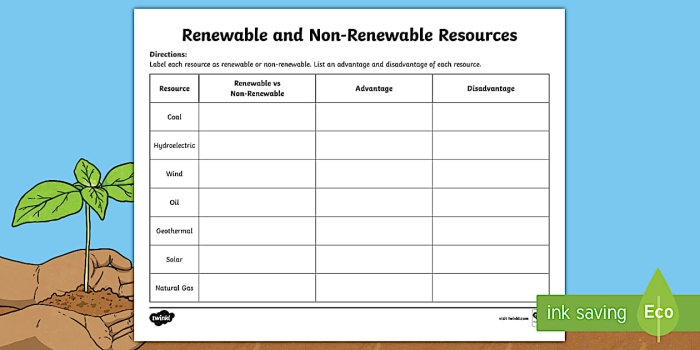
Classifying natural resources this way helps children understand how we rely on the Earth and why it’s important to use some resources carefully. Using printable renewable resources and nonrenewable resources worksheets designed for second grade geography can make this learning fun and interactive. These worksheets often include simple activities that ask children to sort pictures or names of resources into the right group, reinforcing their understanding.
One key detail to share with kids is that renewable resources can help protect the environment because they don’t run out, unlike nonrenewable resources. Teaching this distinction early supports awareness of the impact our choices have on the planet’s future. For teachers or parents looking for helpful materials, resources like the ones found at Lumina Worksheets provide clear examples and activities geared specifically for this age group.
Exploring this topic through geography helps children connect natural resources to the places where they live and learn. They start to see how natural resources shape communities and daily life, which is a valuable lesson in itself. You can find engaging exercises that include measuring and mapping skills alongside lessons about natural resources in second grade geography curriculum, making learning both practical and enjoyable.
Use These Worksheets Today