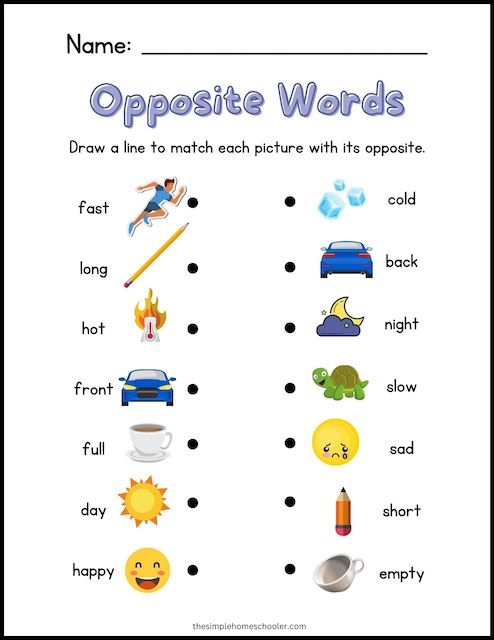
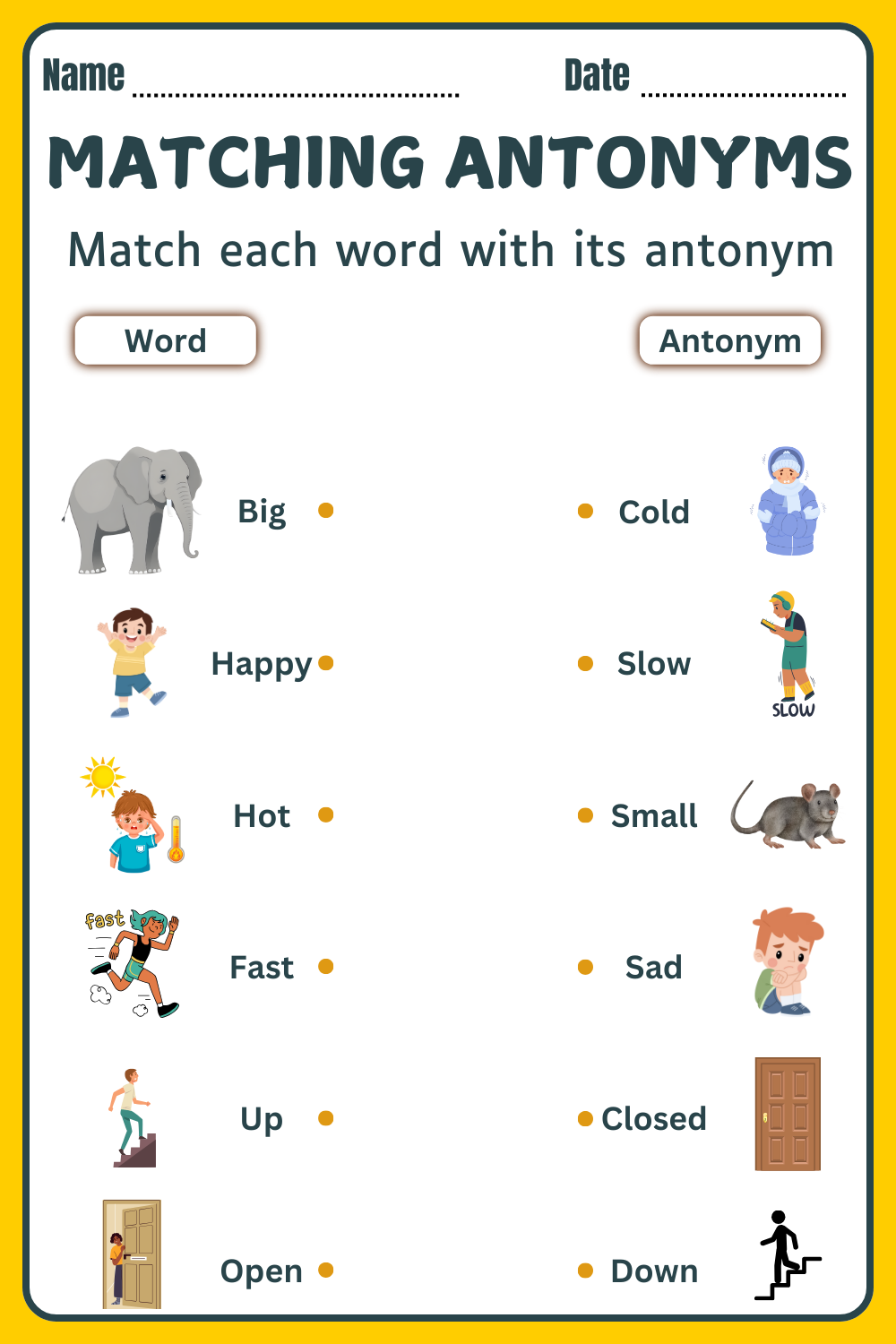
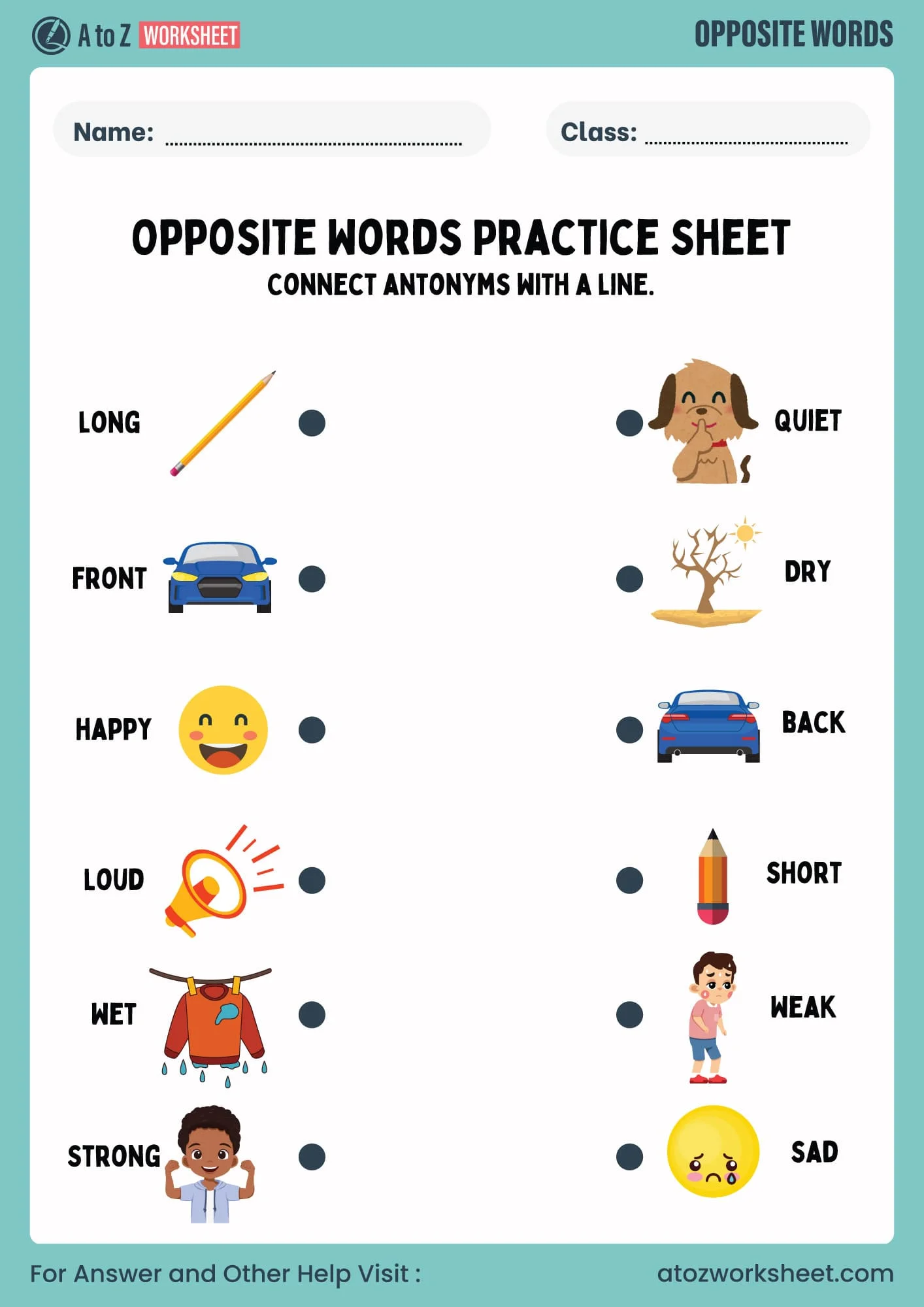
Matching words to their opposites might seem like a simple exercise, but it’s one of the most effective ways to build vocabulary depth in fourth grade students. When kids learn that “hot” pairs with “cold” or “happy” with “sad,” they’re not just memorizing definitions. They’re understanding how words relate to each other and expanding their ability to express themselves with precision.
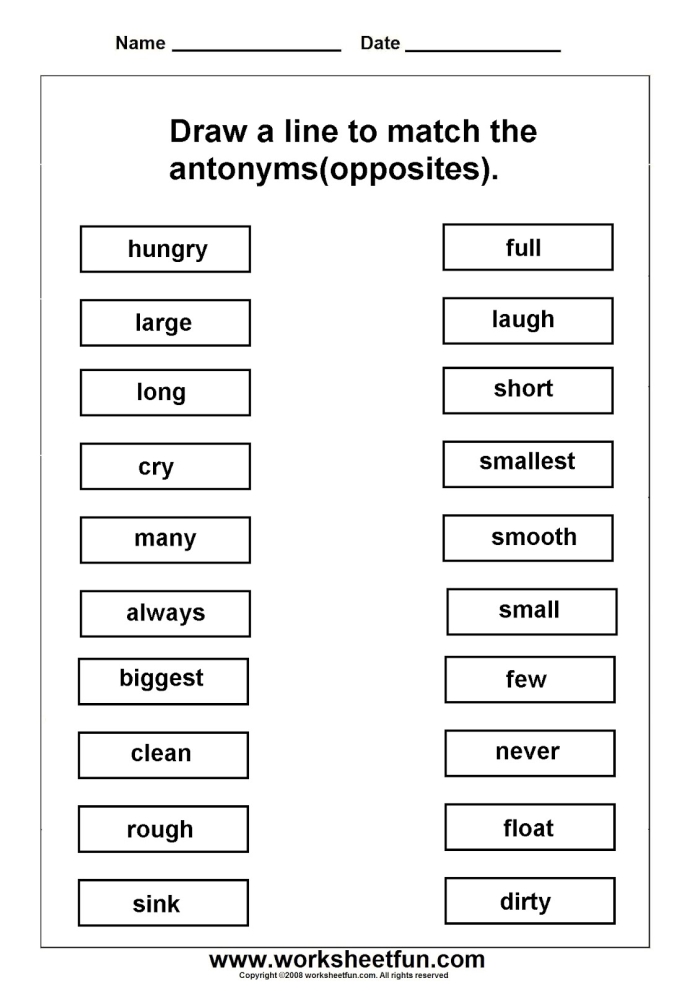
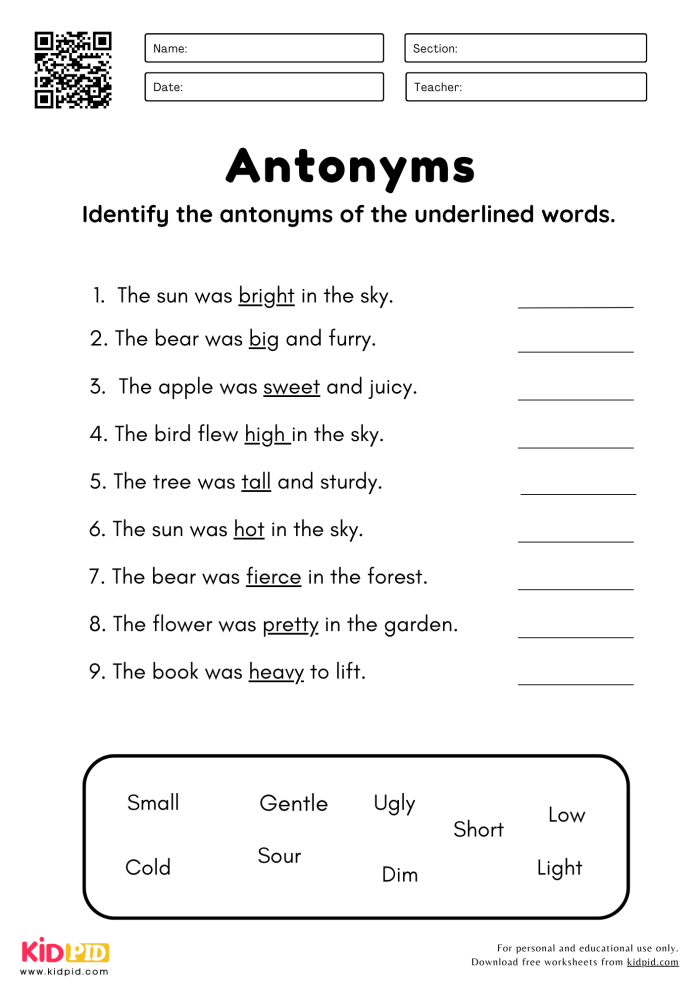
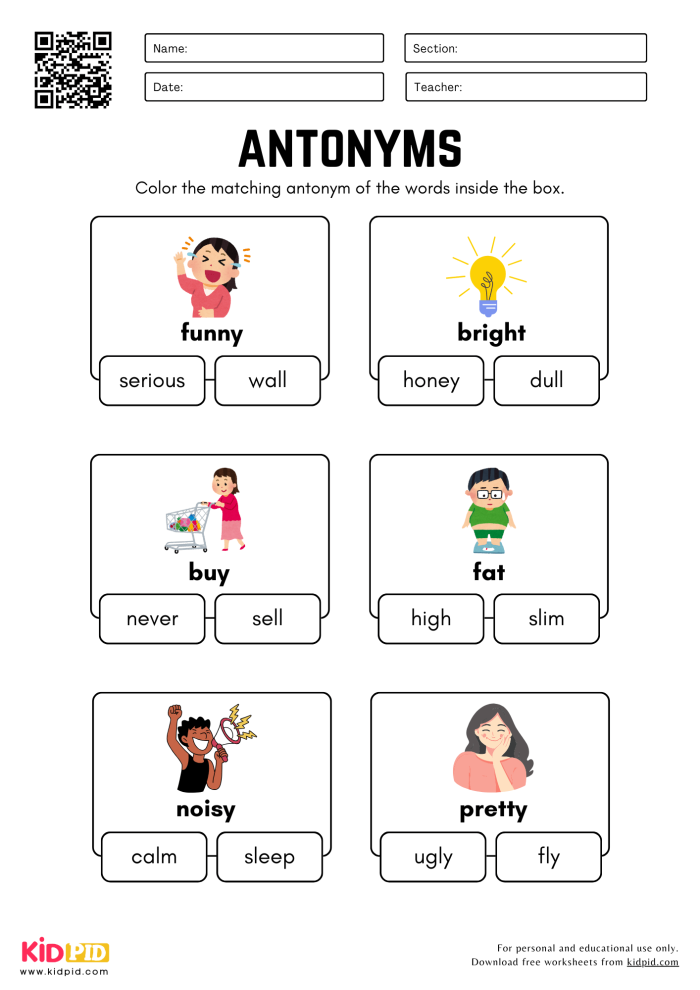
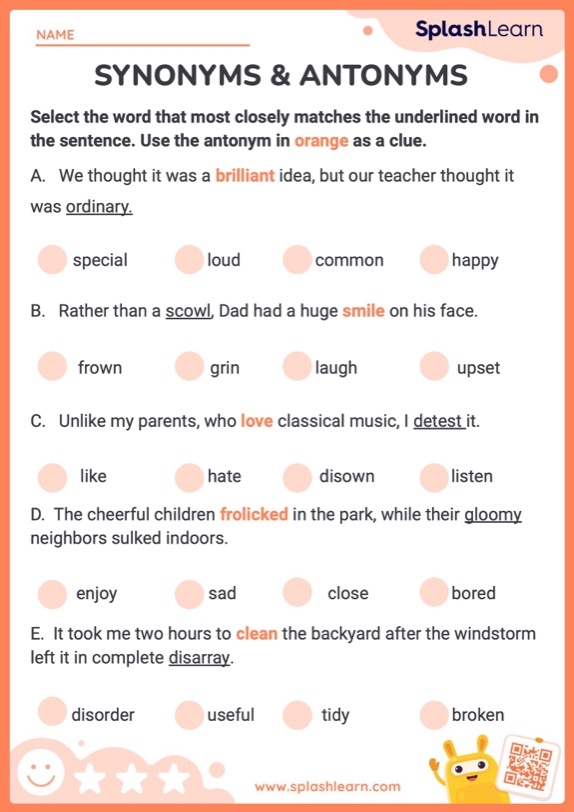
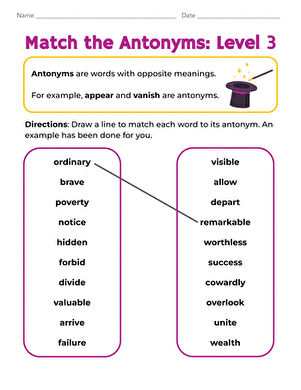
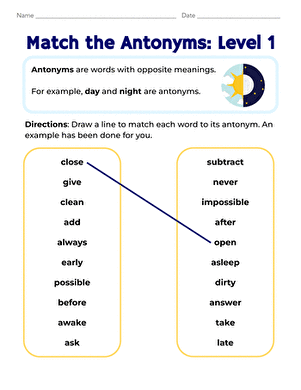
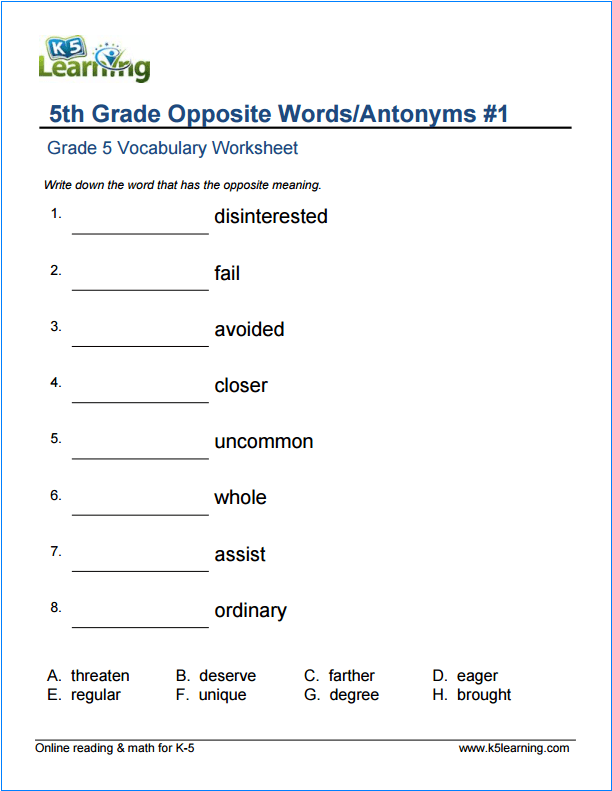
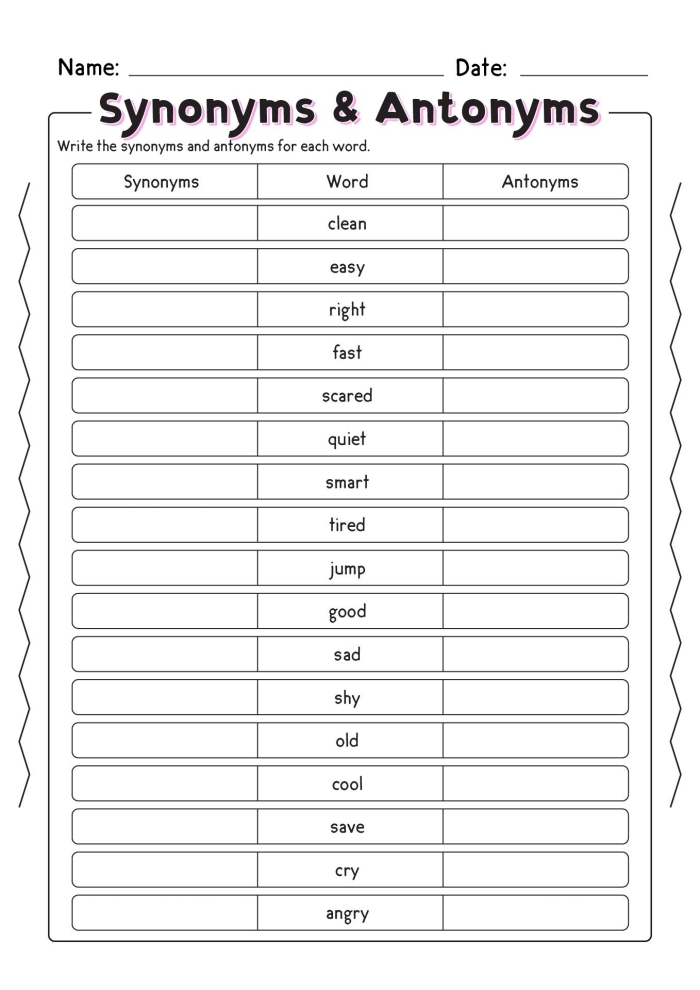
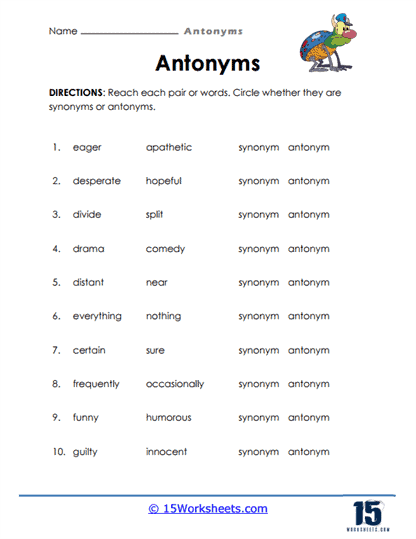
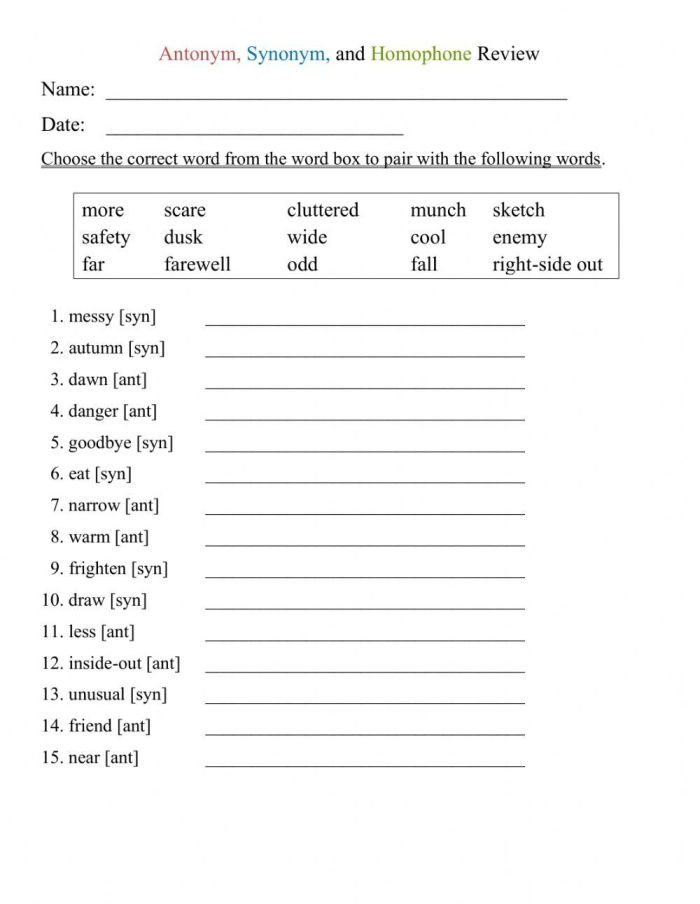
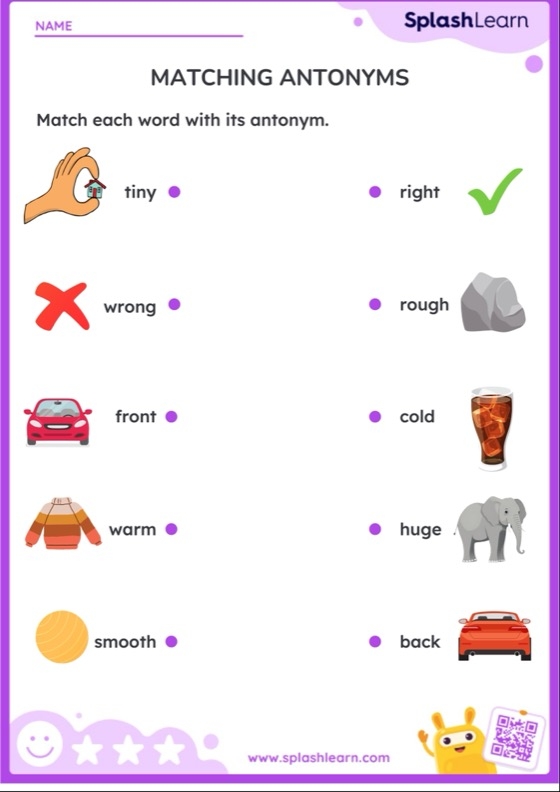
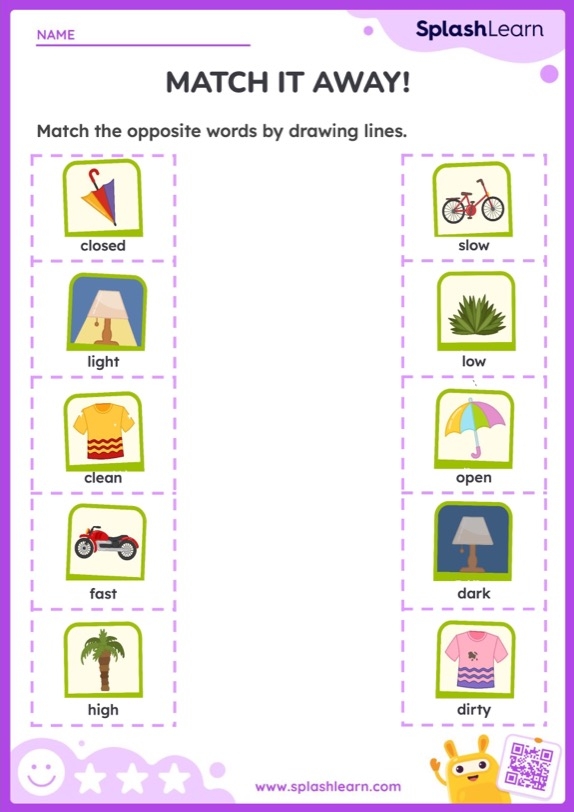
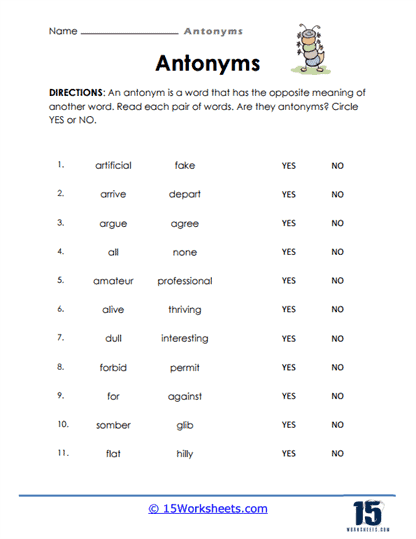
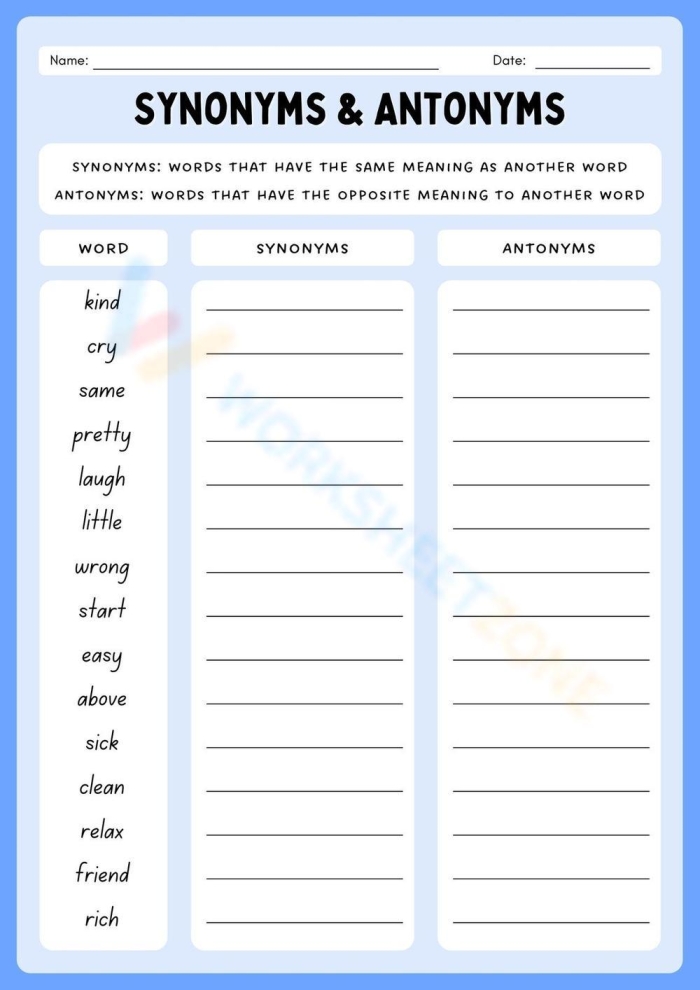
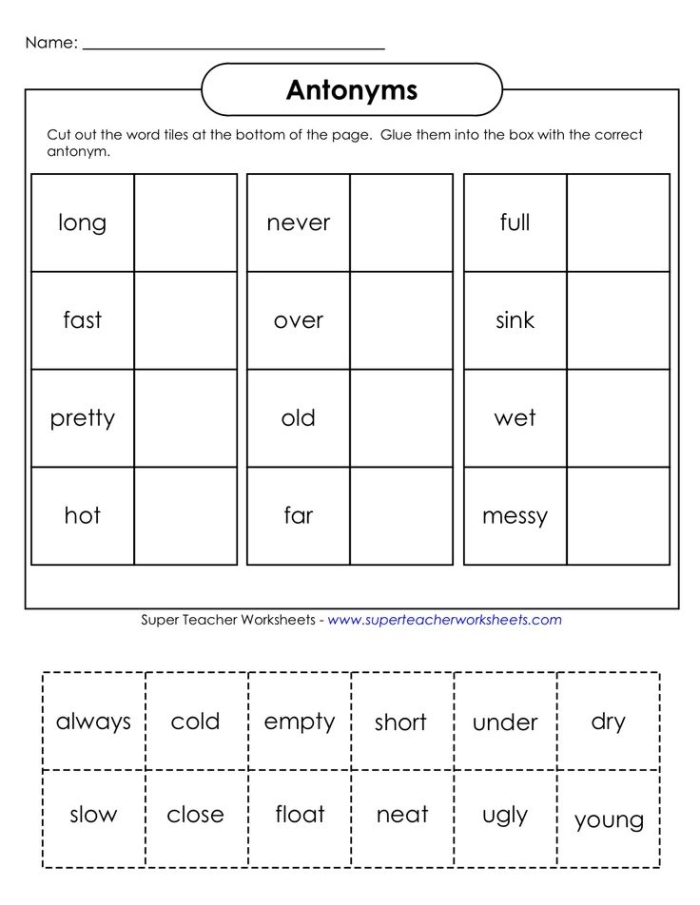
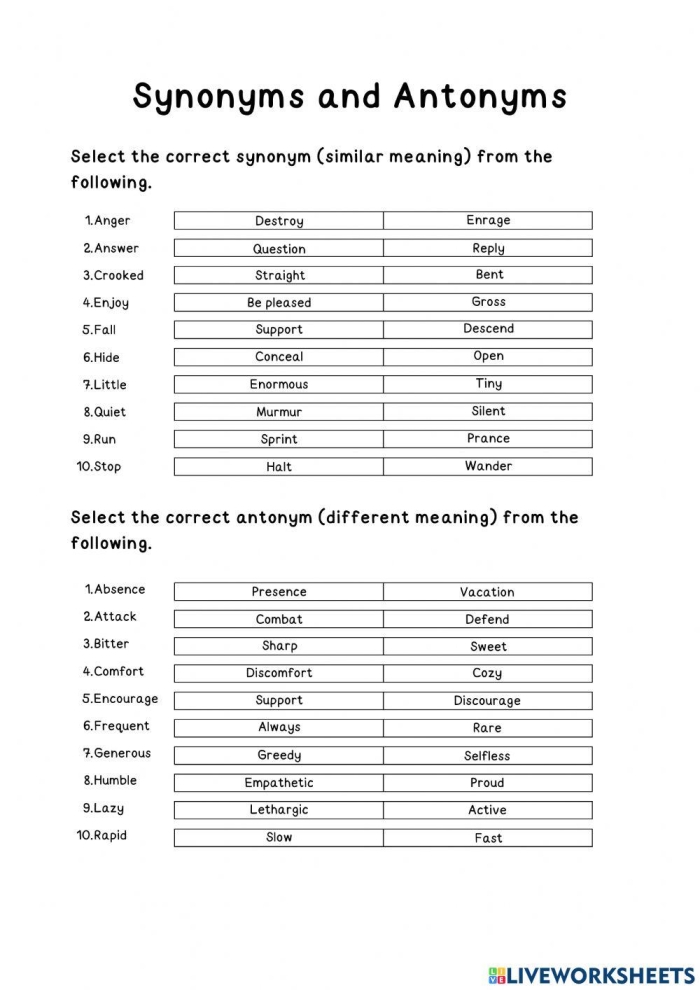
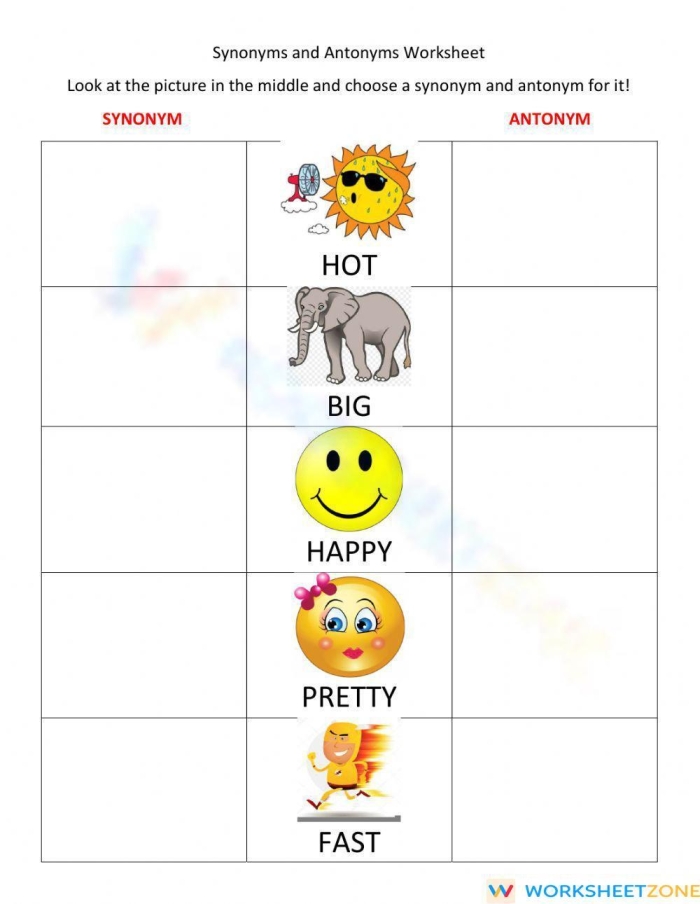
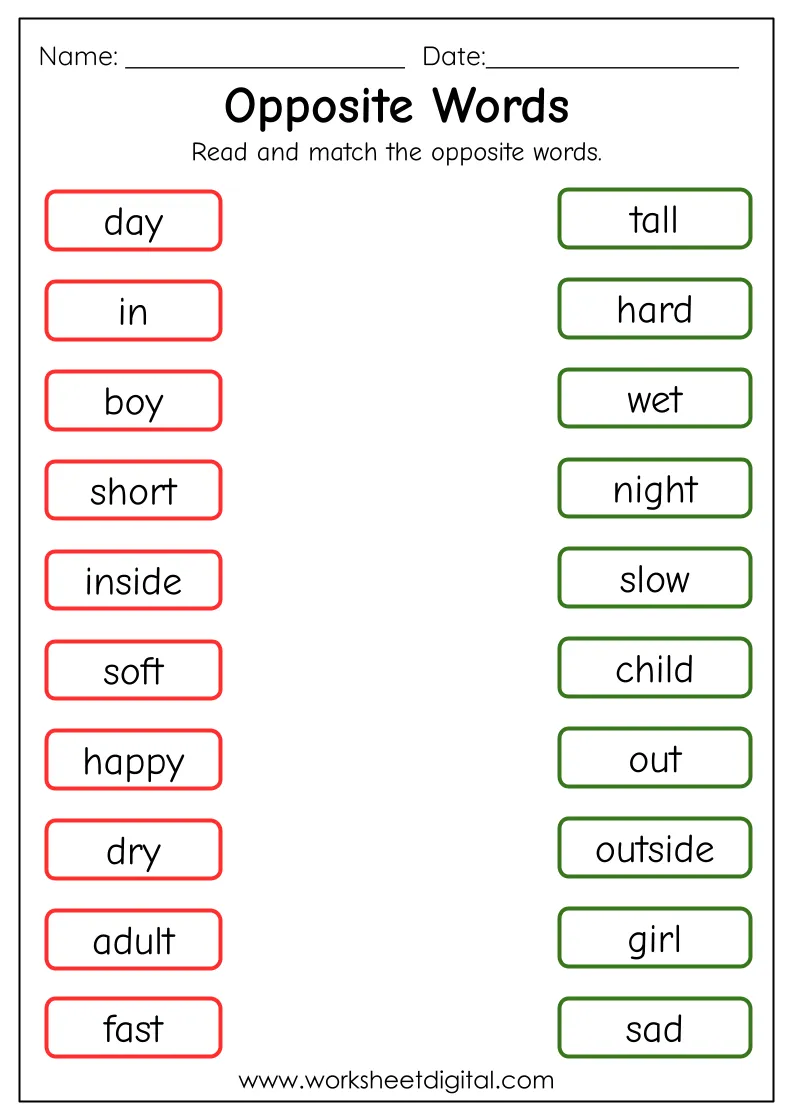
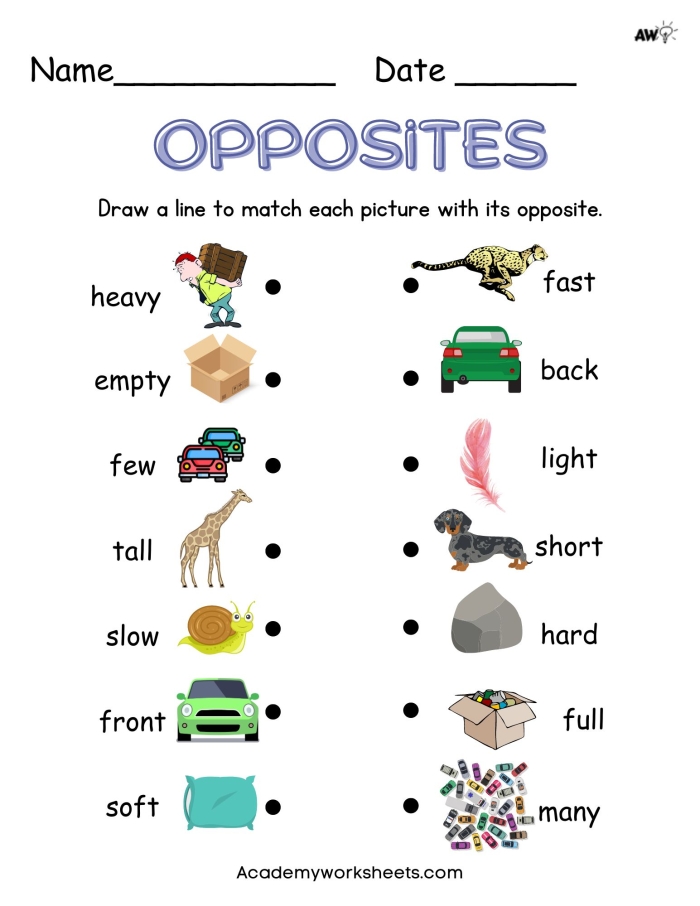
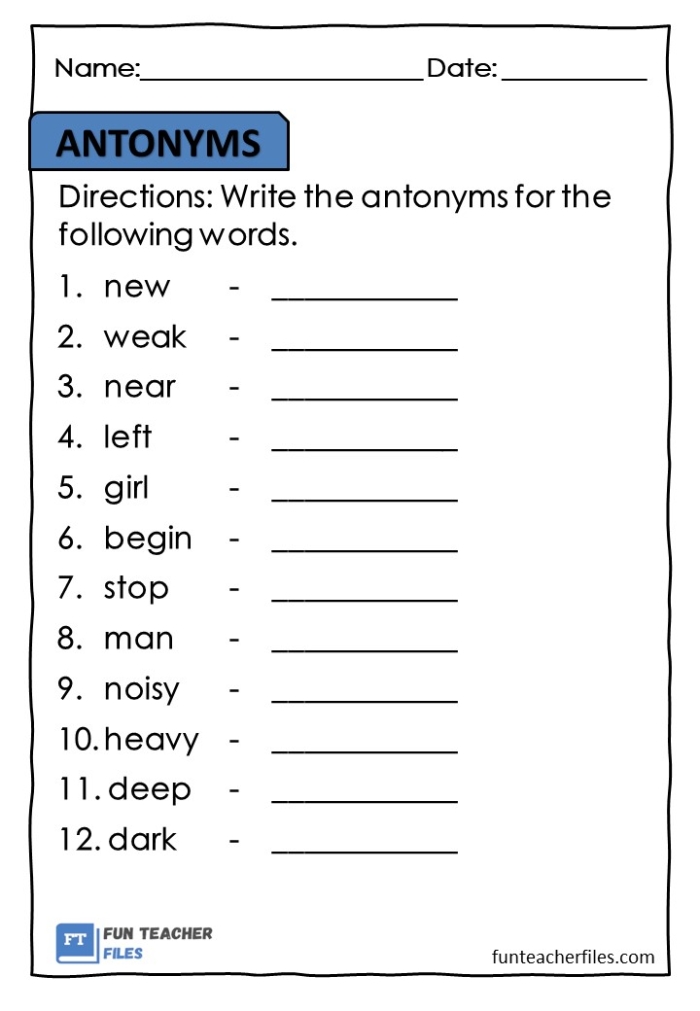
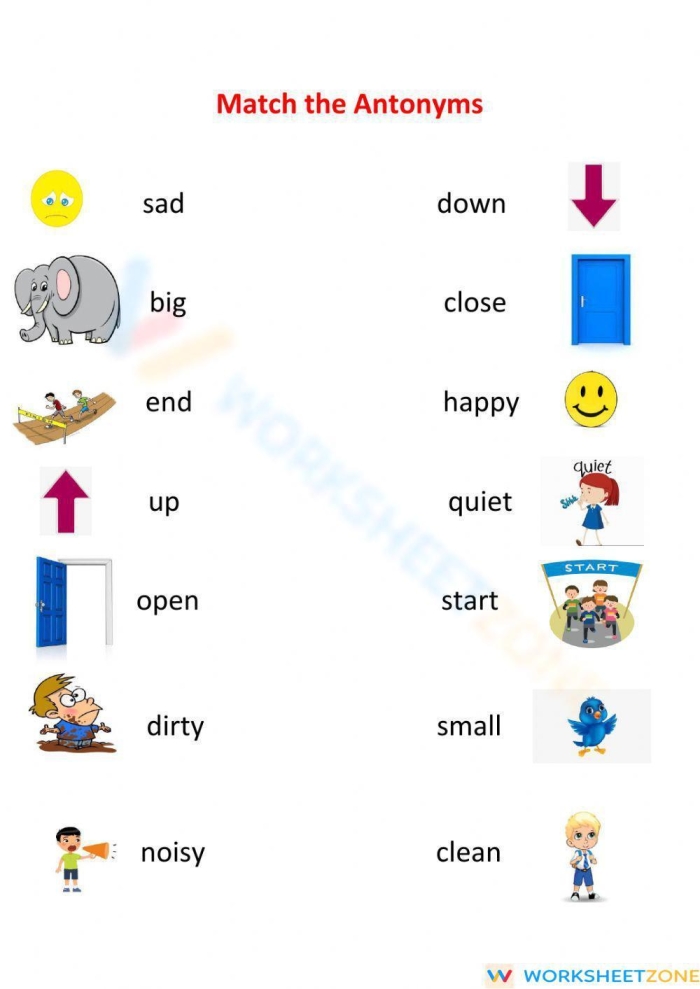
An antonym worksheet asks students to connect words with their opposite meanings. This type of activity works because it creates natural associations in memory. Rather than learning words in isolation, students see them in relationship to other words, which makes the connections stick longer. Fourth grade is the ideal time for this skill because students have developed enough reading ability to handle more complex vocabulary while still benefiting from hands-on matching activities.
The practical benefit of antonym practice extends beyond vocabulary tests. When students understand opposites, they become more confident writers and speakers. They can describe situations with greater nuance and avoid repetitive language. A student who knows “enormous” is the opposite of “tiny” has more tools for creative expression than one who only knows “big” and “small.”
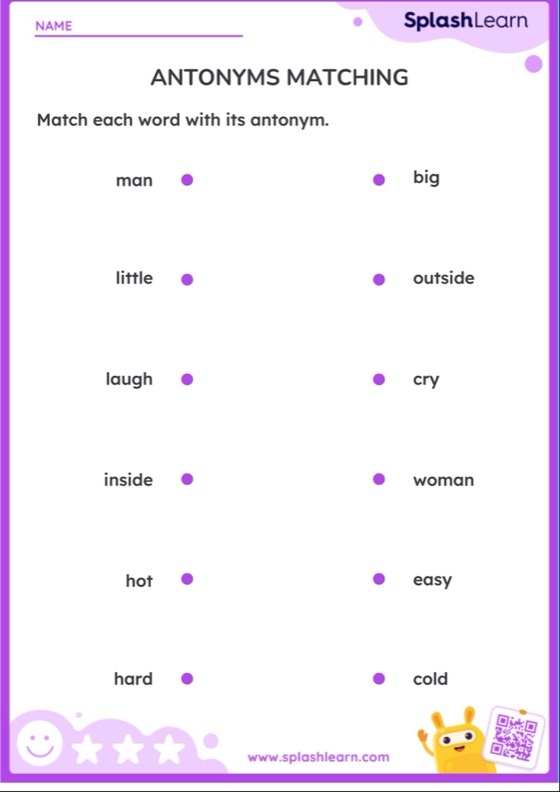
These worksheets typically present words in a column on the left with answer choices scattered on the right. Students draw lines or write letters to show their matches. The format keeps fourth graders engaged while requiring them to think critically about word meanings rather than just copying answers.
If you’re looking to supplement antonym practice with other skills, consider pairing this worksheet with activities that strengthen related abilities. You might combine antonym matching with adding and subtracting with mixed numbers to create a well-rounded learning session, or explore finding multiples to keep math skills sharp alongside language development.
Download These Worksheets for Practice