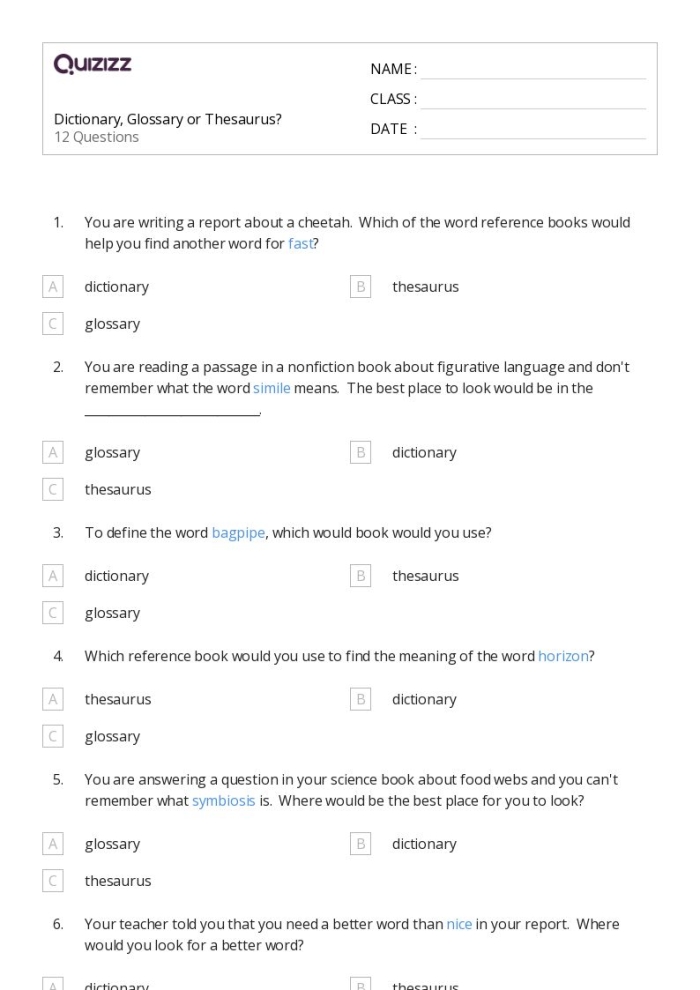
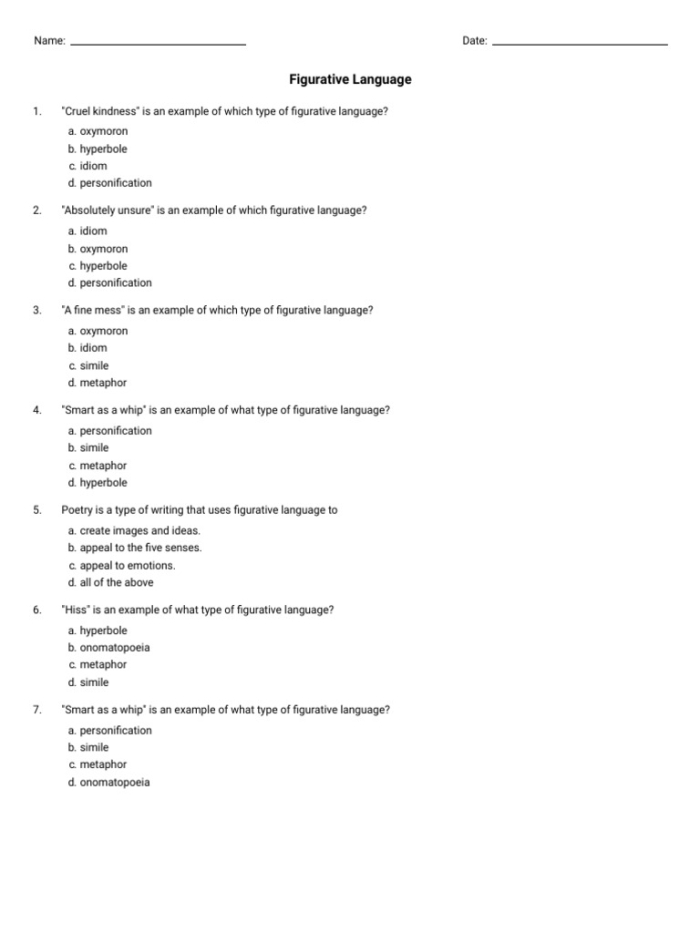
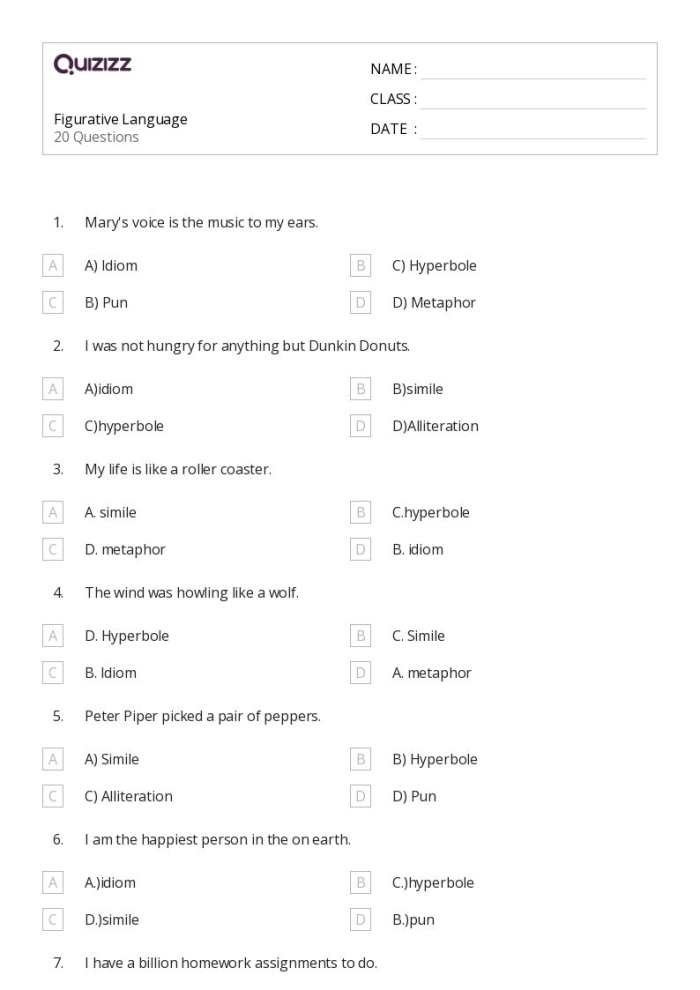
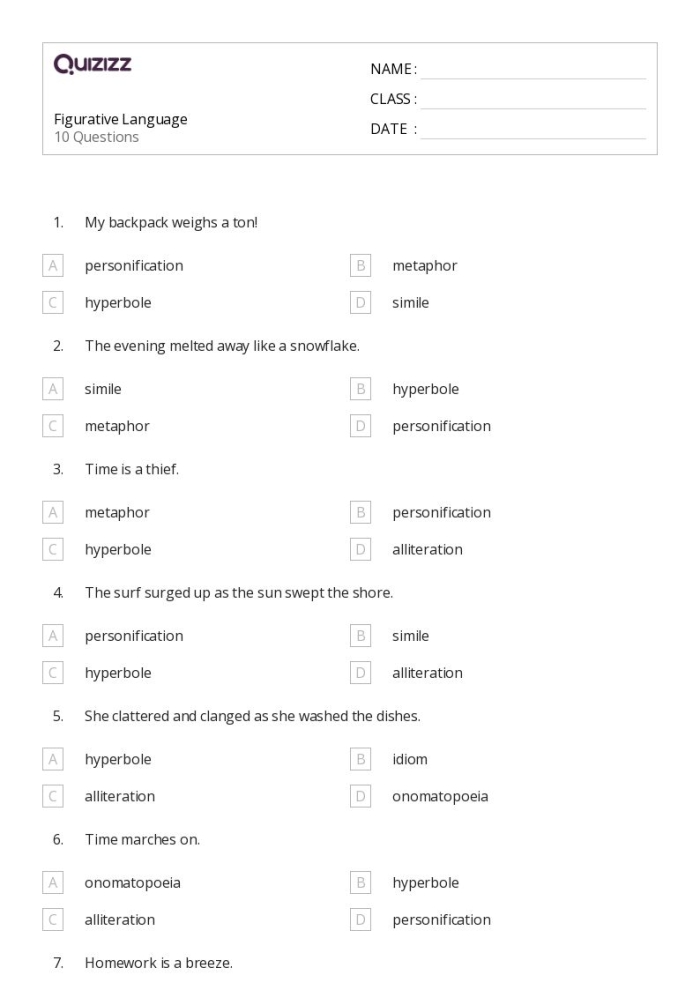
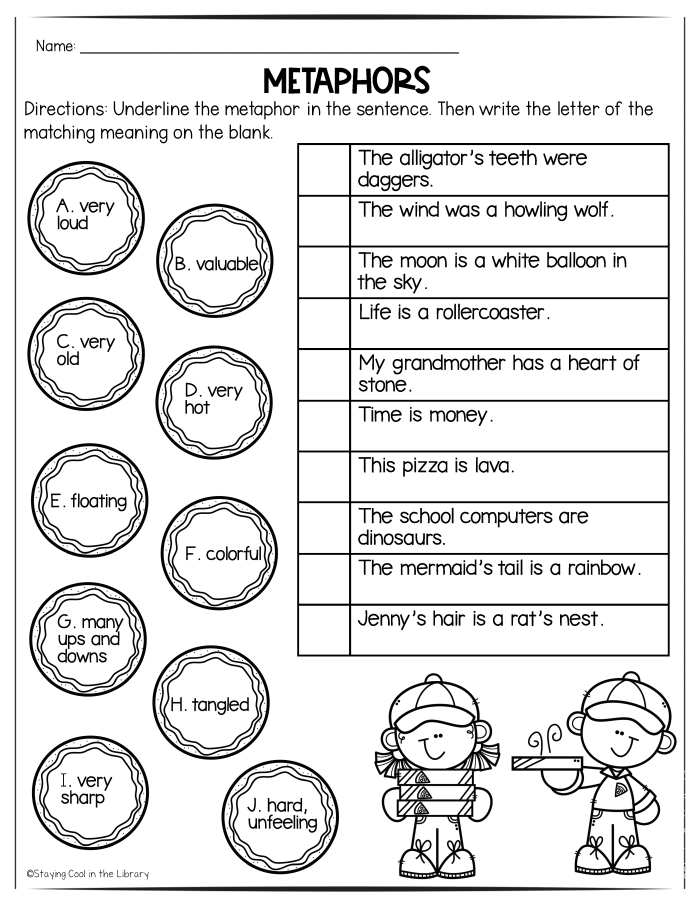
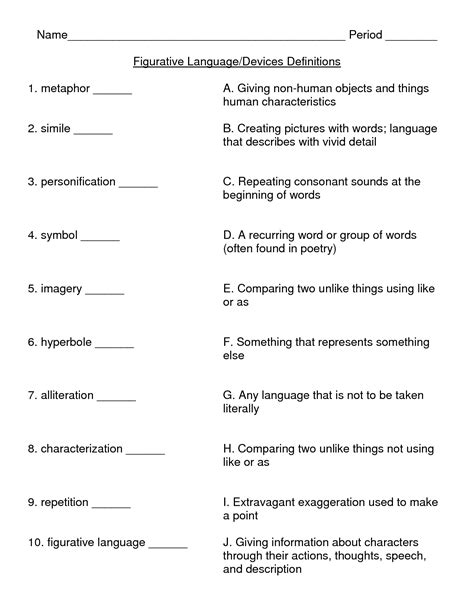
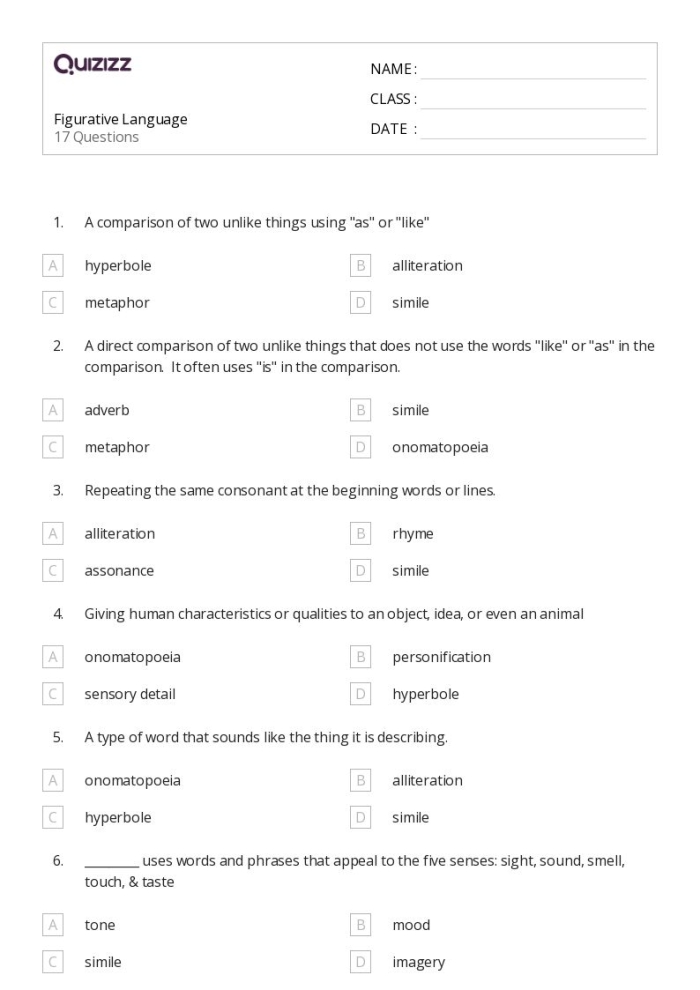
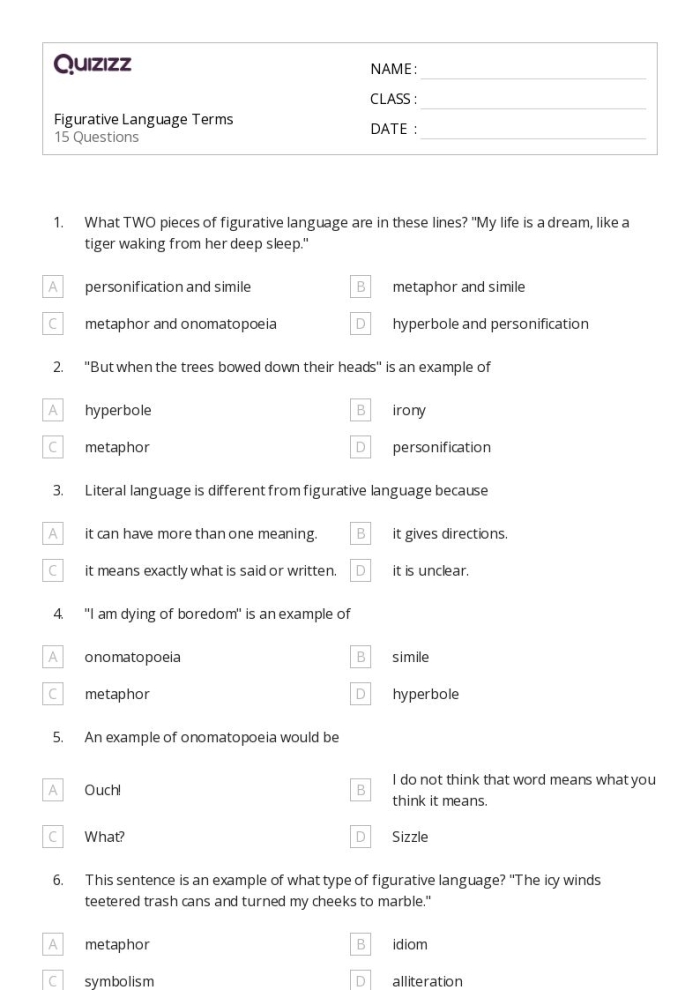
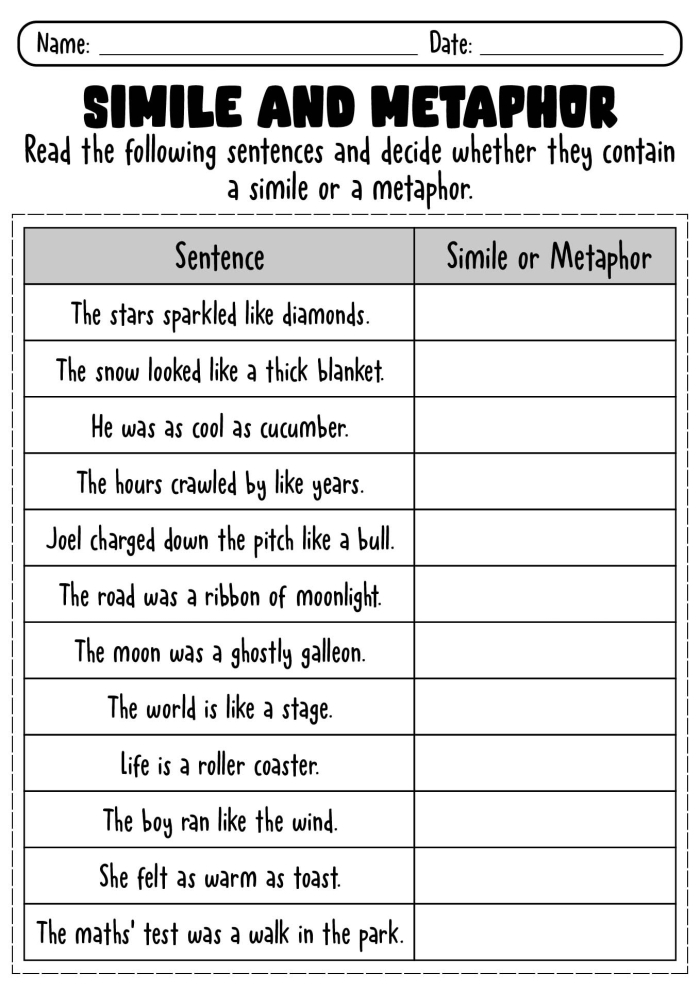
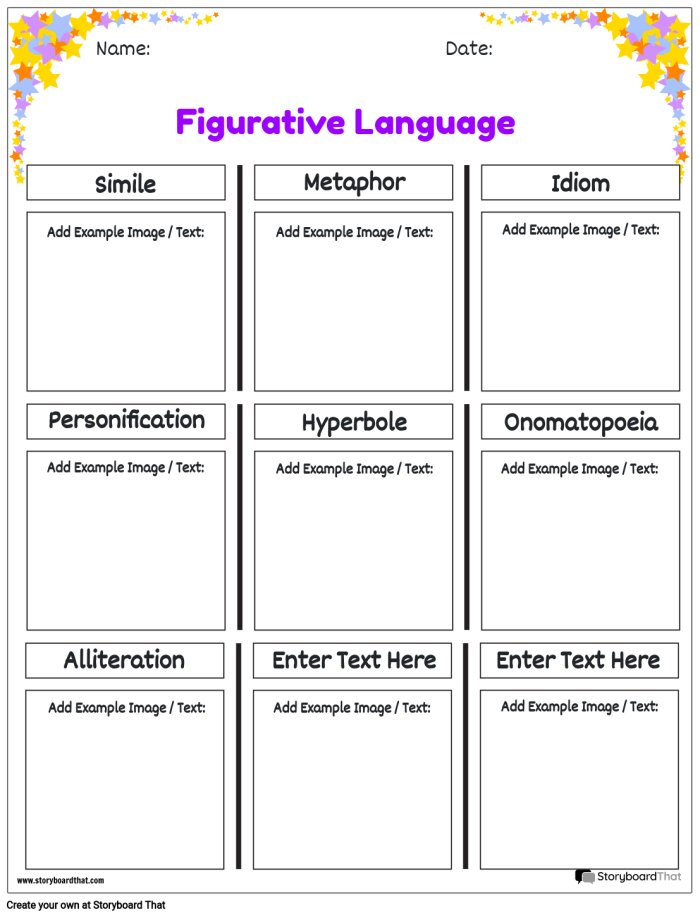
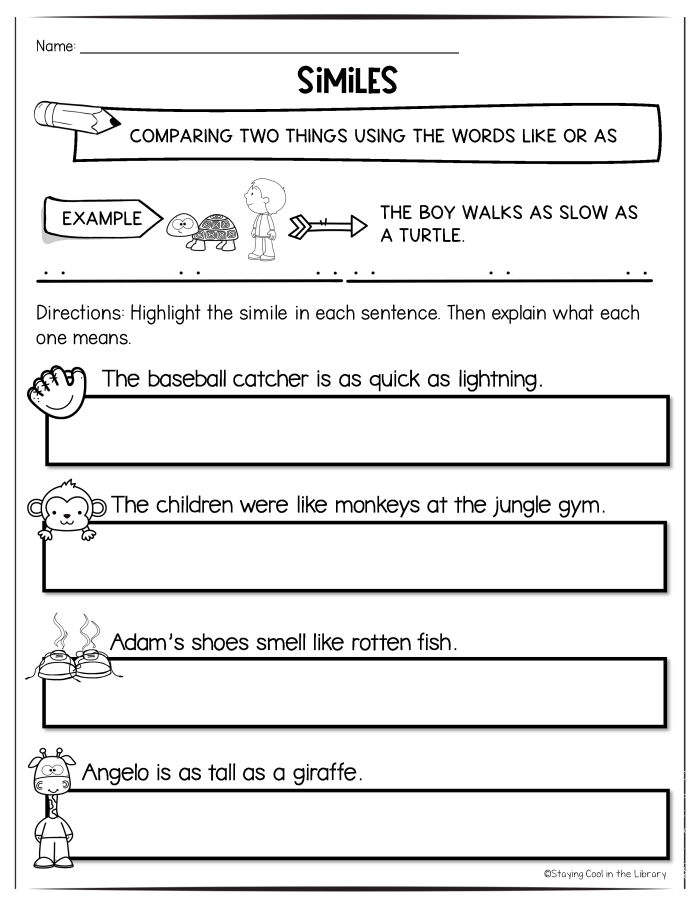
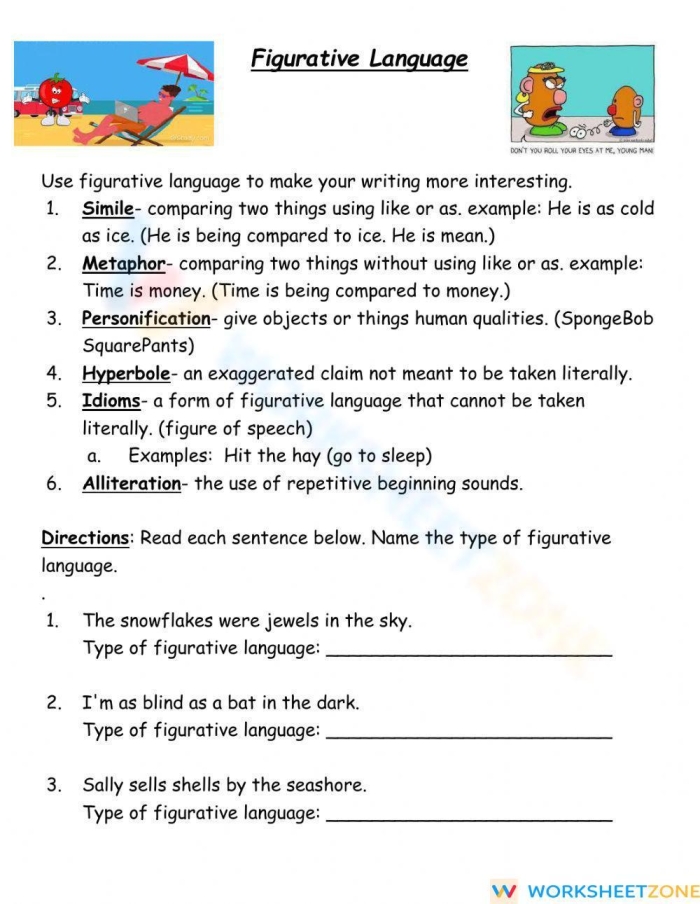
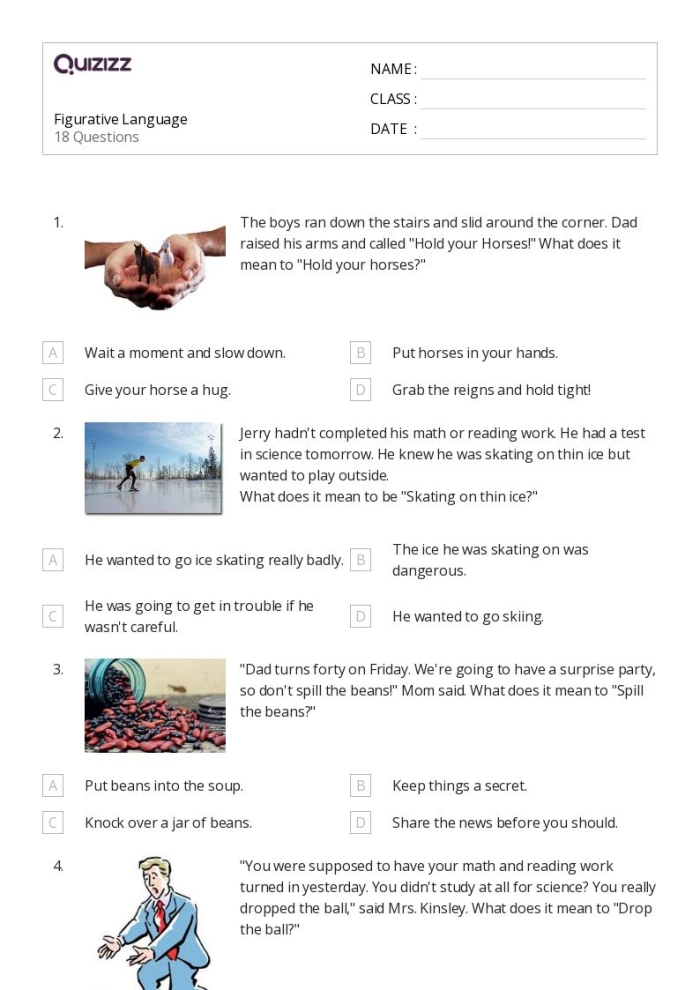
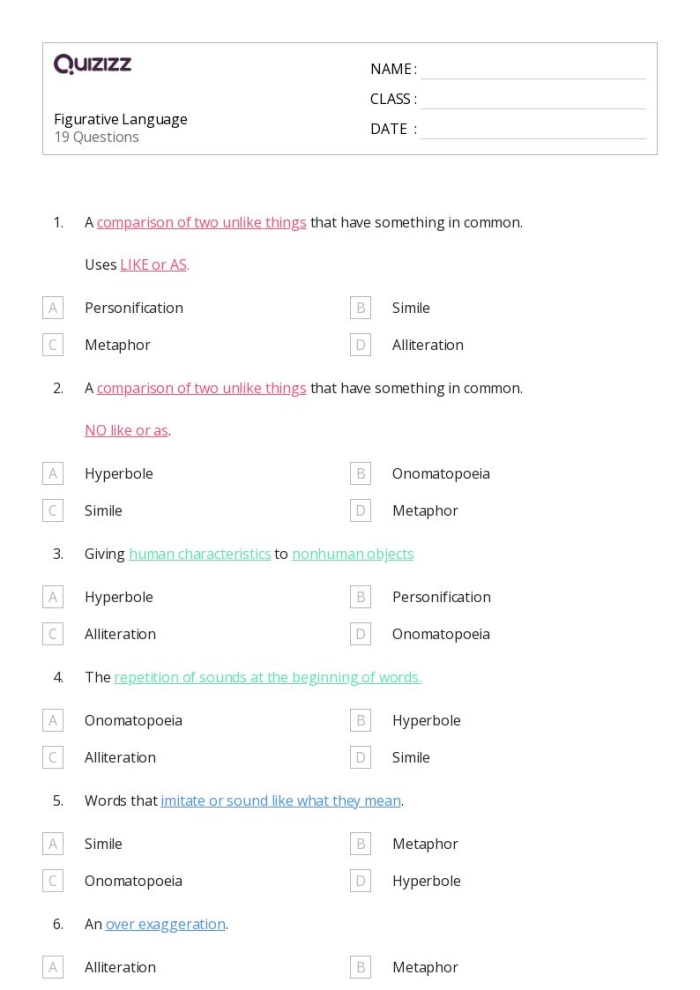
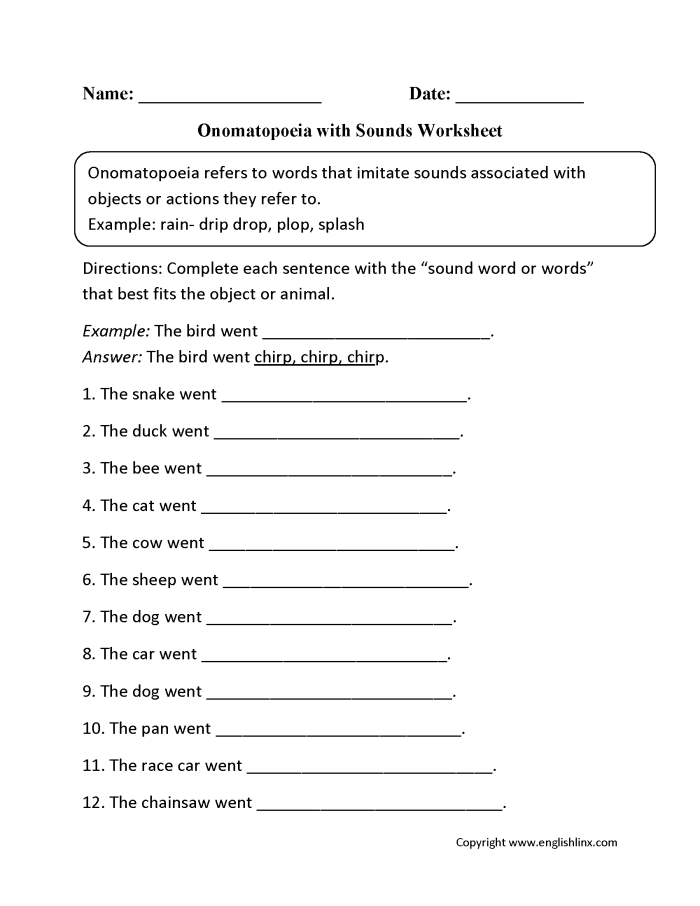
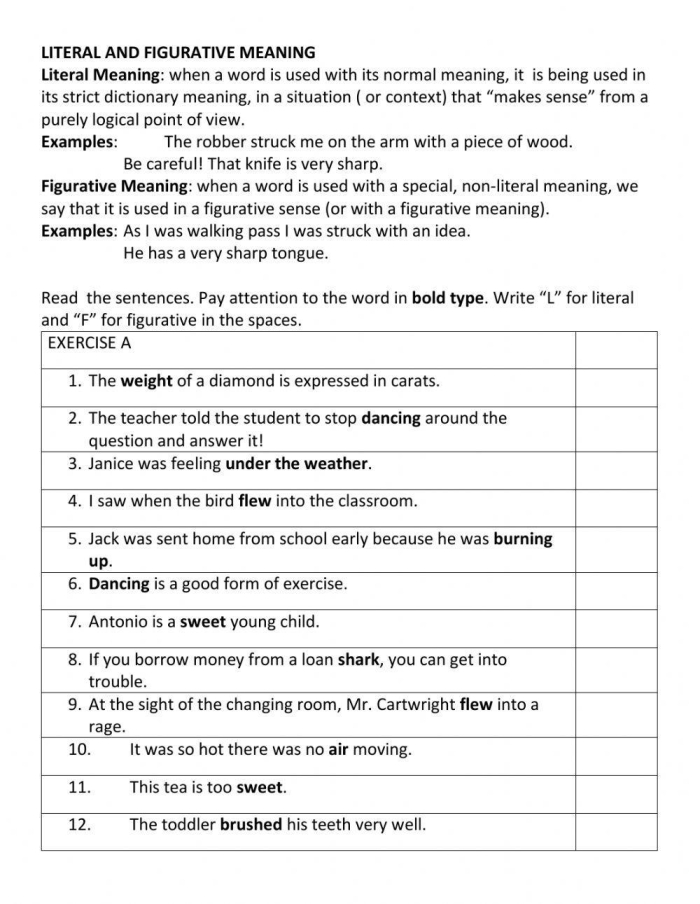
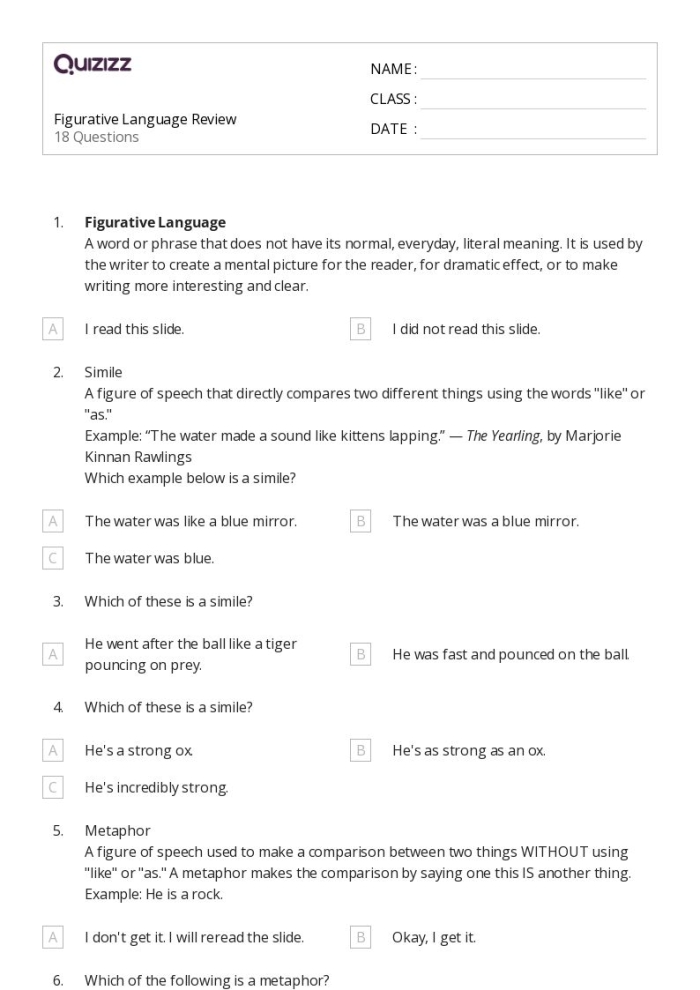
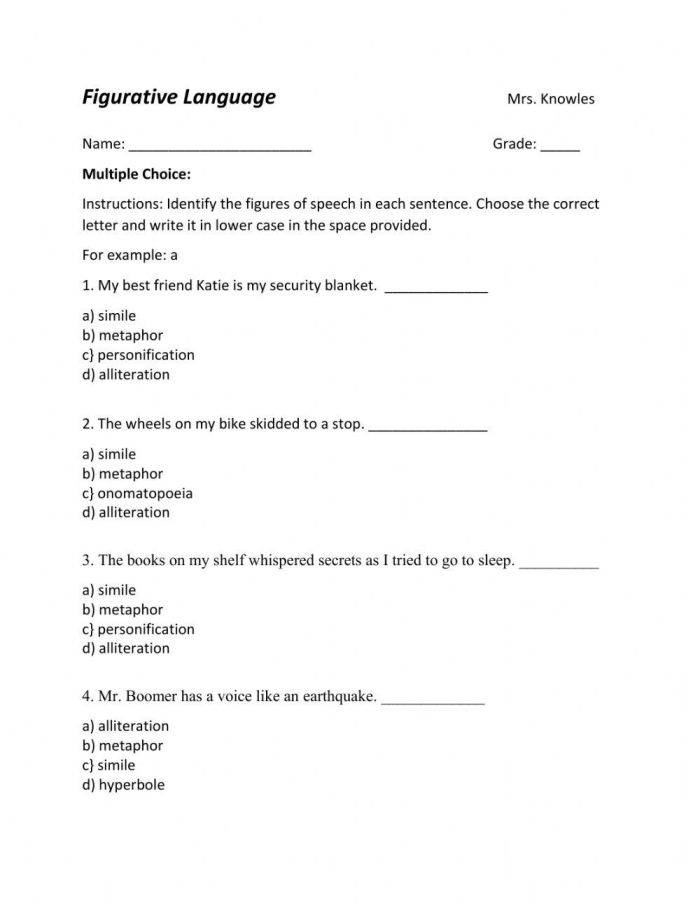
Understanding figurative language is essential for young learners, especially in the second grade. The Printable Glossary: Figurative Language Worksheets serves as an invaluable resource for educators utilizing the EL Support Lesson Plan. This glossary not only defines key terms but also provides examples that make complex concepts more accessible to students.
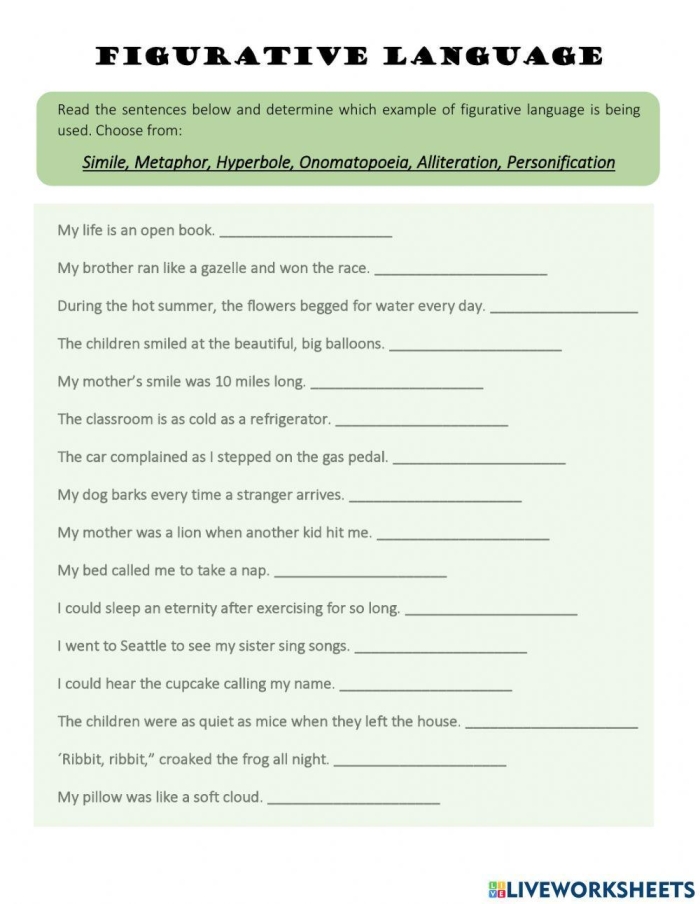
Figurative language enriches communication by using words in imaginative ways. For instance, idioms like “it’s raining cats and dogs” illustrate how language can convey meaning beyond the literal. Teaching these concepts can ignite a love for language in students, making lessons more engaging and enjoyable.
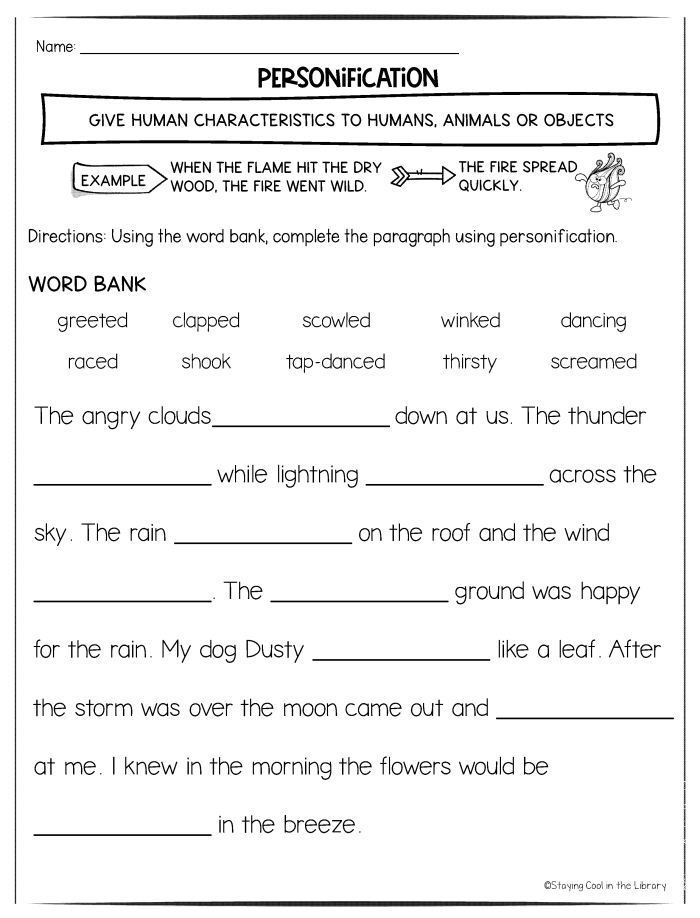
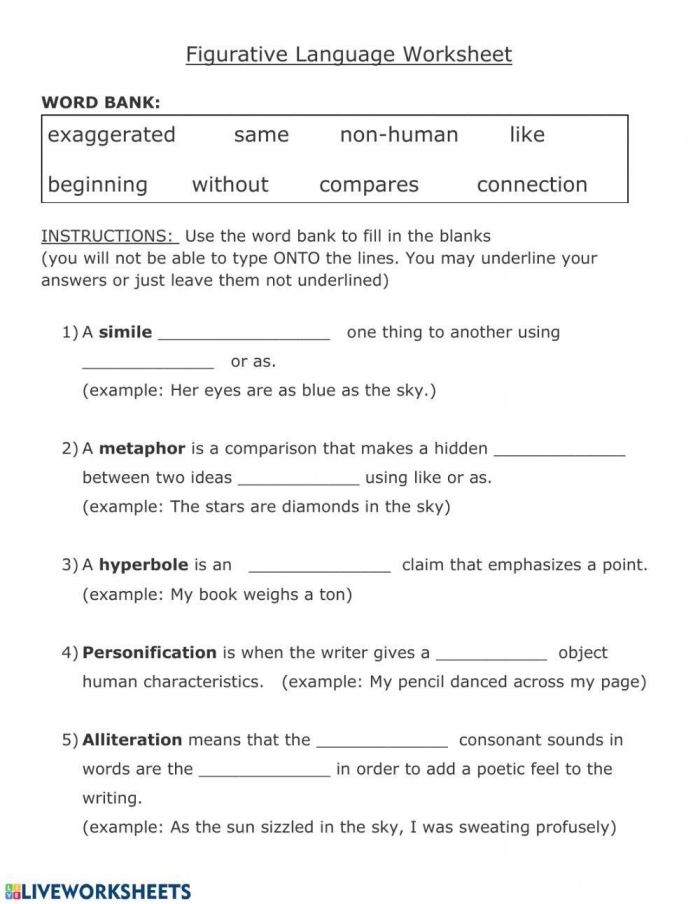
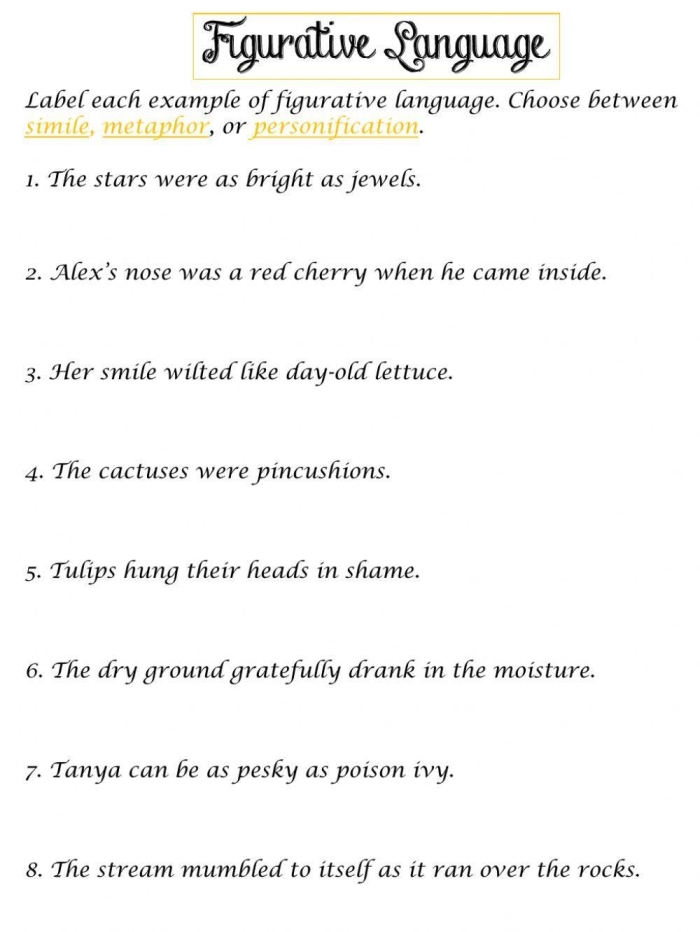
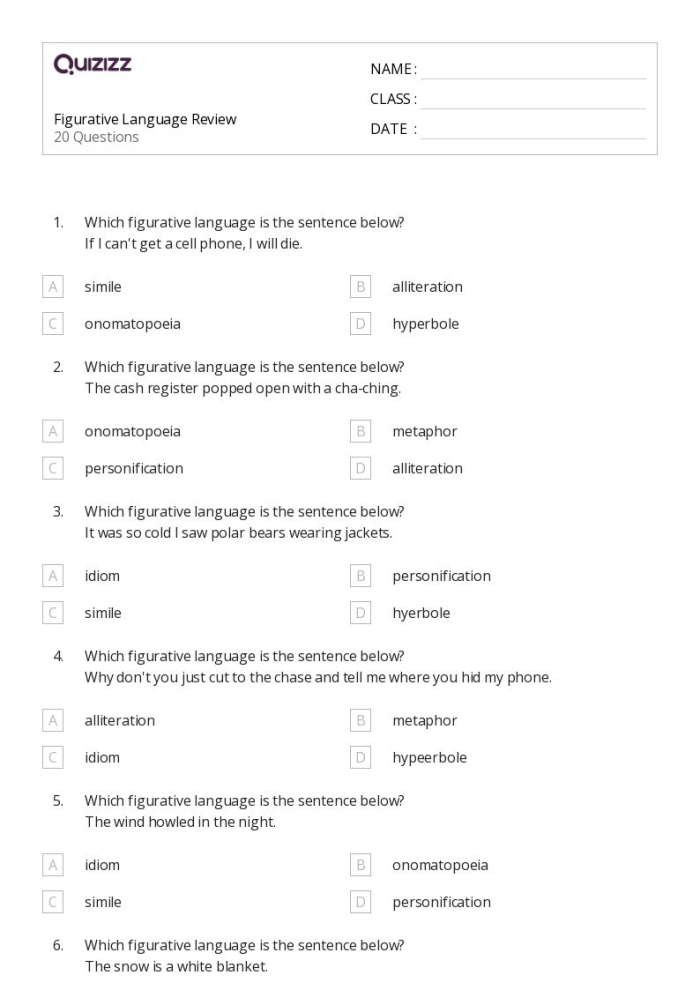
Incorporating this glossary into your lesson plan encourages active participation. Students can practice identifying and using figurative language in their writing and speaking. By providing clear definitions and examples, the glossary supports various learning styles. Visual learners may benefit from seeing illustrations alongside the terms, while auditory learners can gain insights through discussions about the meanings of phrases.
Moreover, the glossary aligns well with topics in Earth and Space Science, as students can explore figurative expressions related to weather patterns or celestial phenomena. For example, discussing a “star-studded sky” can deepen their understanding of both language and the science behind stars. This cross-curricular approach not only enhances literacy but also fosters a connection between language arts and science.
By integrating the glossary into your teaching strategy, you create a dynamic classroom environment where students feel empowered to express themselves. Using the resources provided in the glossary alongside hands-on activities can solidify their grasp of figurative language. As students engage with these concepts, they will develop not just vocabulary but also critical thinking skills that will serve them in future academic pursuits.
Boost Skills with These Worksheets