Your heart is not just any muscle; it is the most vital organ in your body. As the central component of your circulatory system, it pumps blood, supplying oxygen and nutrients to every cell. For fourth graders eager to learn about life science, understanding this remarkable organ can be both intriguing and fun.
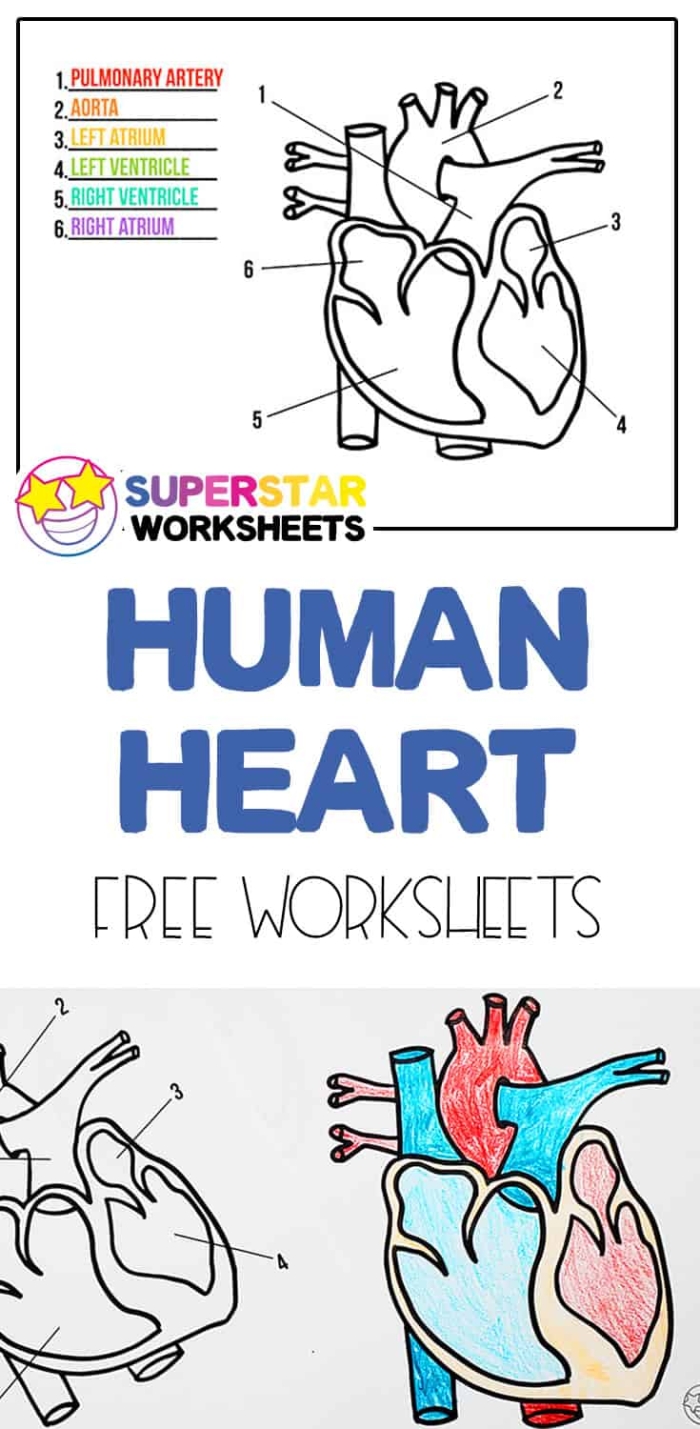
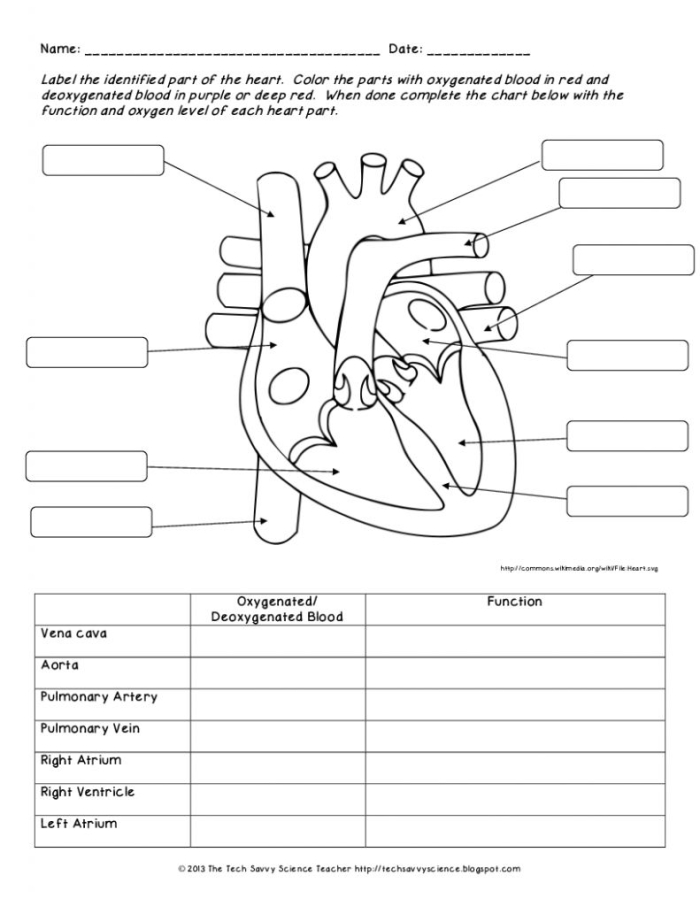
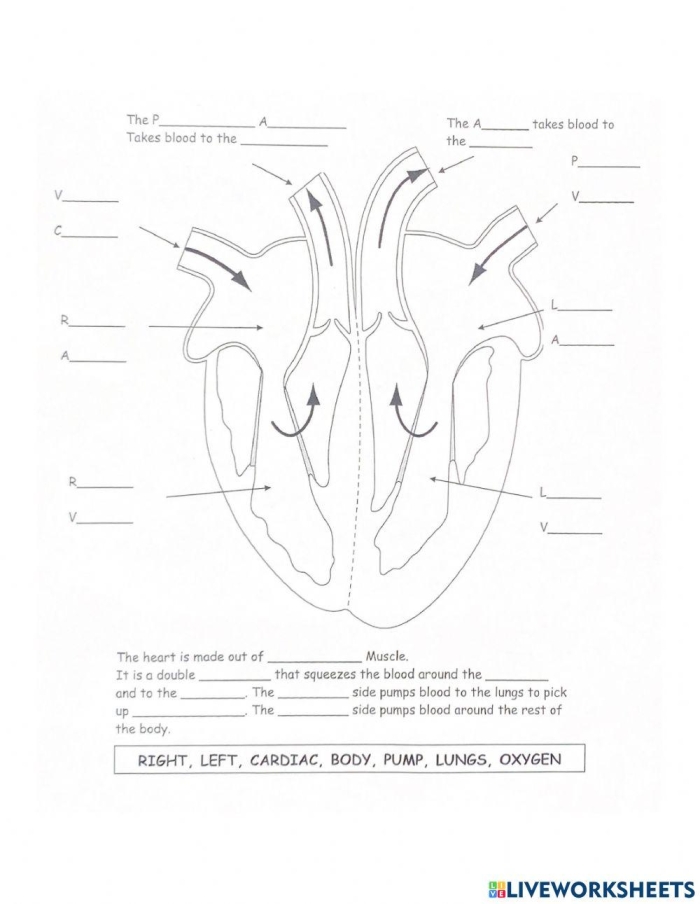
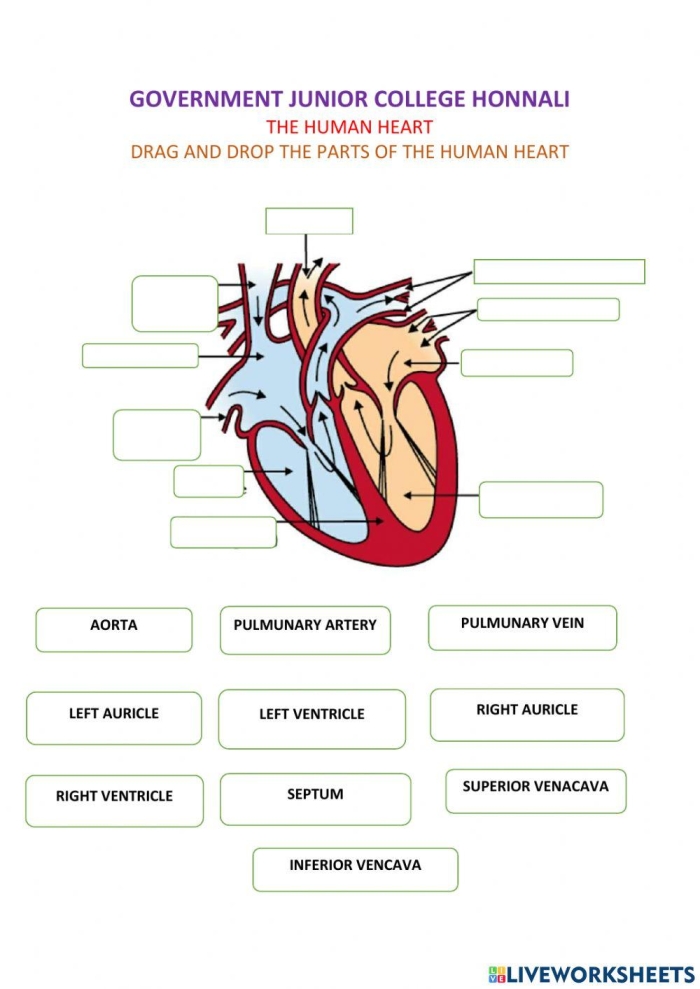
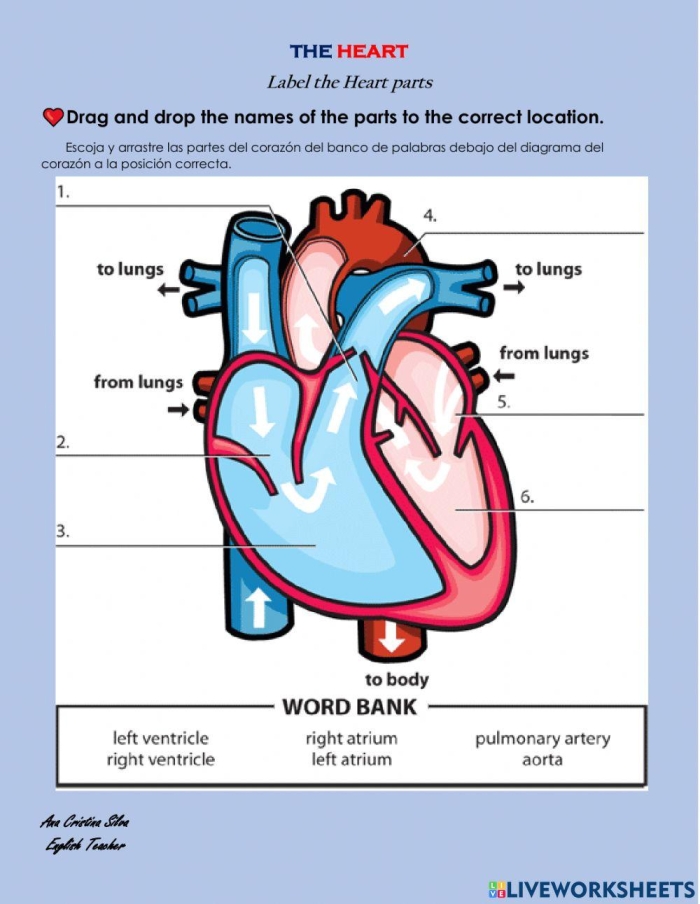
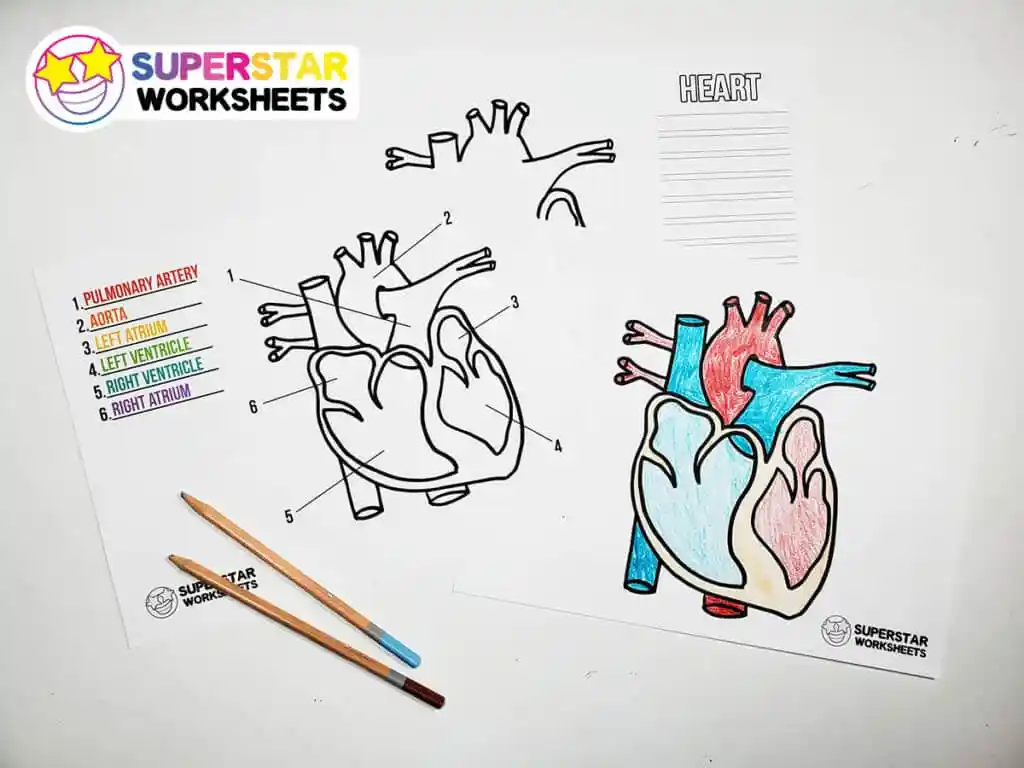
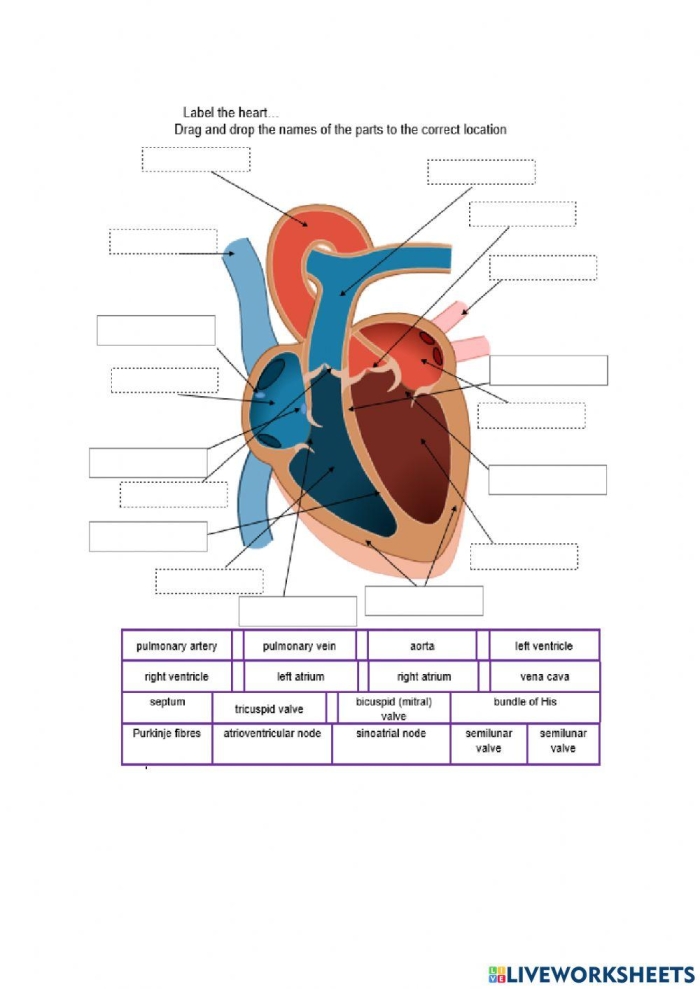
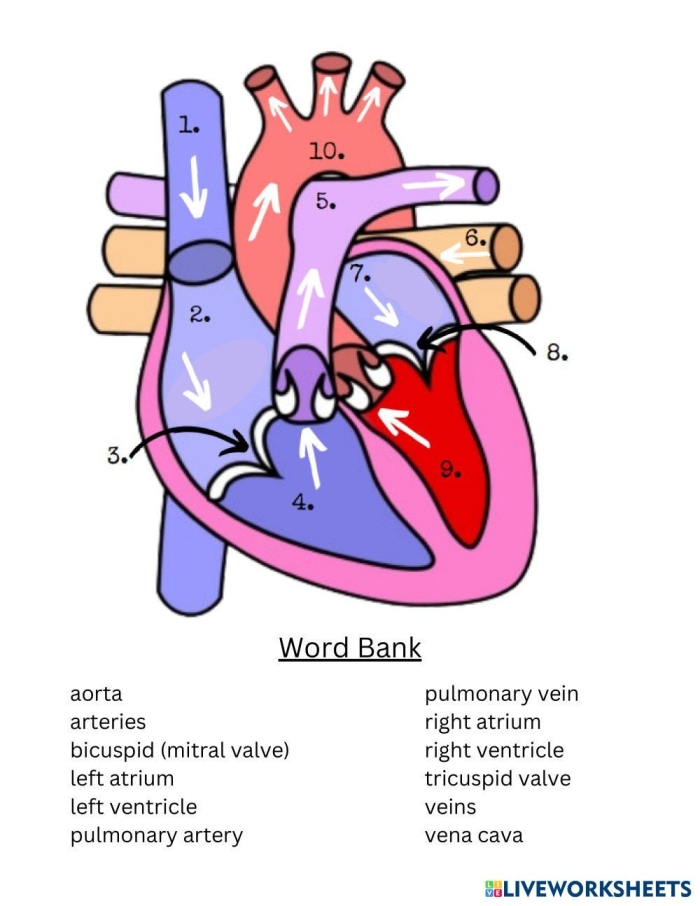
A simple diagram is an excellent tool to introduce your young biologist to the heart. It visually demonstrates the heart’s four chambers: the left atrium, right atrium, left ventricle, and right ventricle. This structure is crucial for ensuring that oxygen-rich blood flows to the body while oxygen-poor blood returns to the lungs for reoxygenation. With a diagram, students can easily grasp how blood circulates through the heart and the rest of the body.
Learning about the heart can also spark curiosity about other aspects of human anatomy and physiology. For instance, did you know that the heart beats around 100,000 times a day? This incredible pace allows it to pump roughly 2,000 gallons of blood each day. Understanding these facts not only captivates students but also instills a sense of wonder about their own bodies.
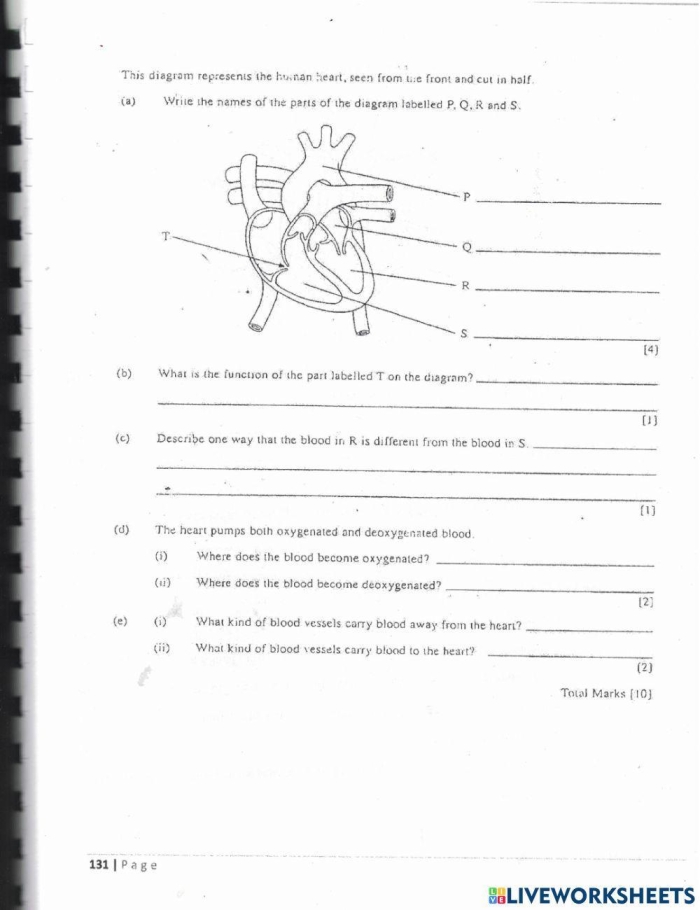
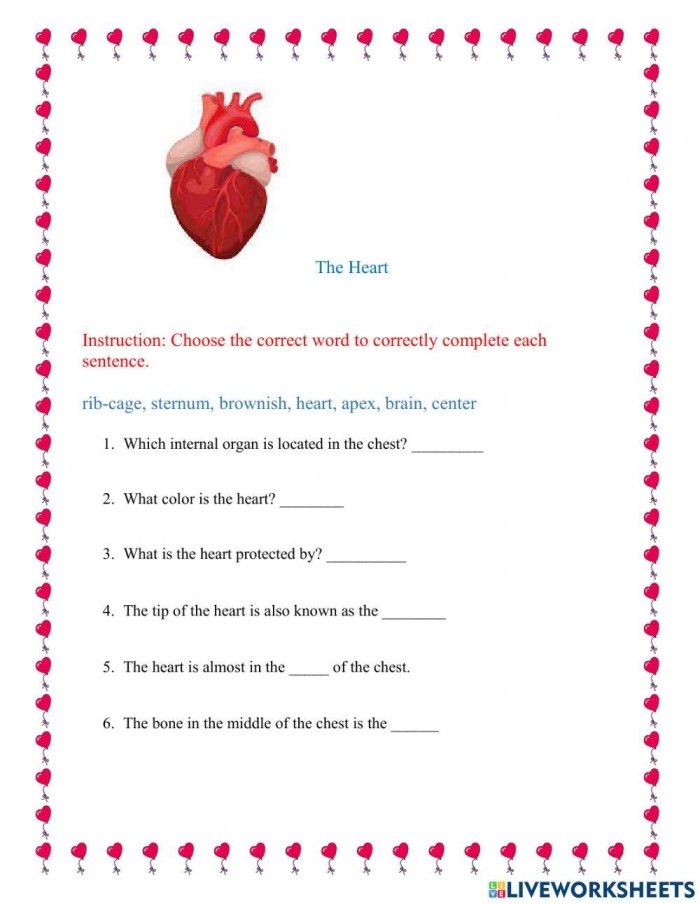
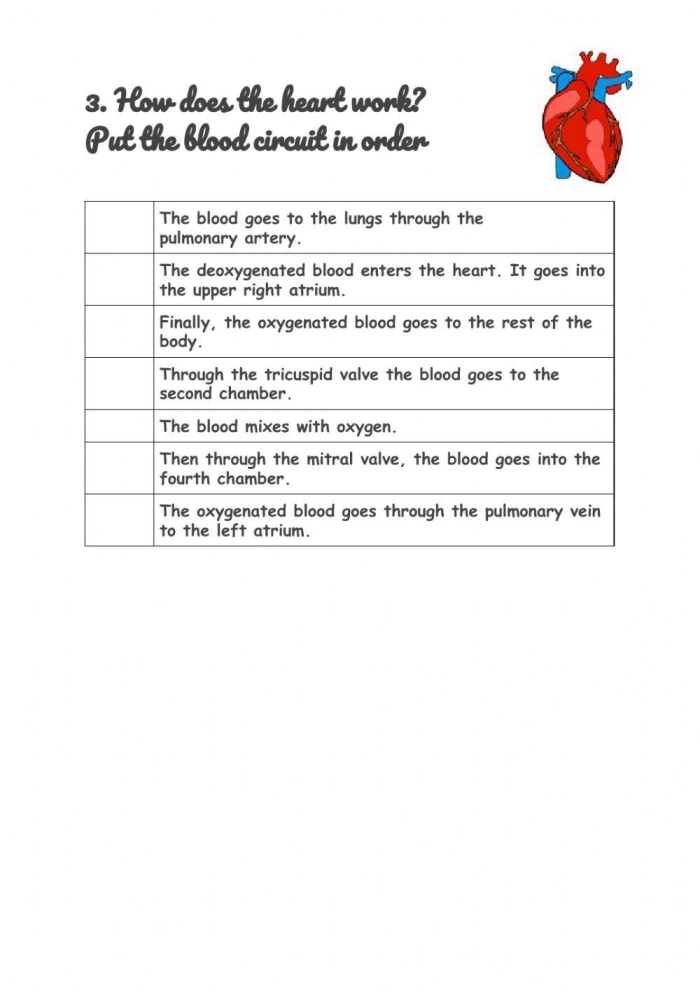
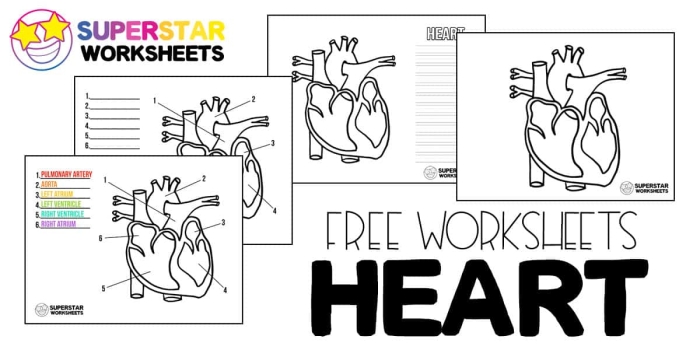
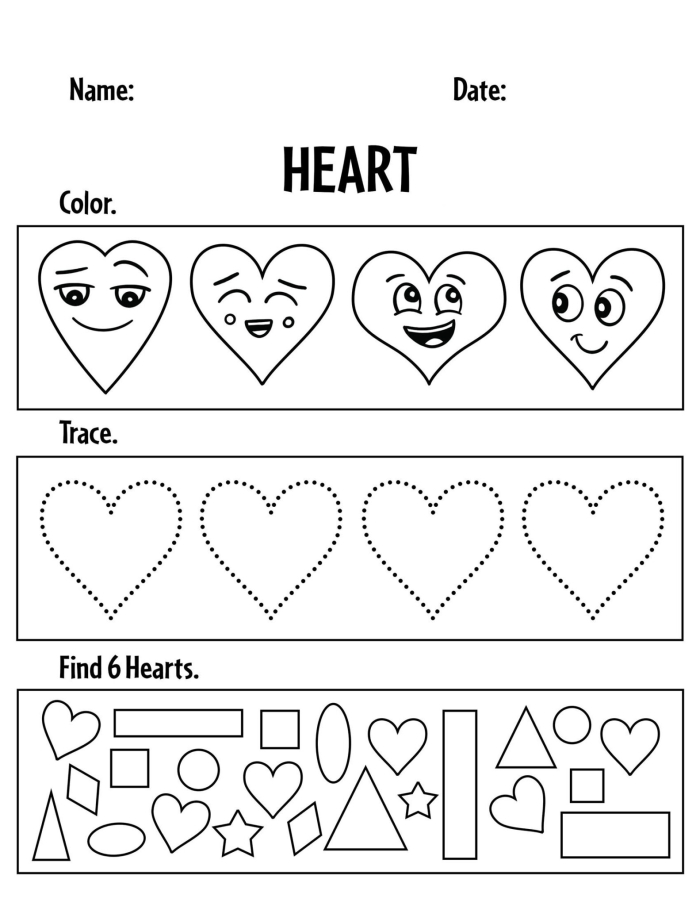
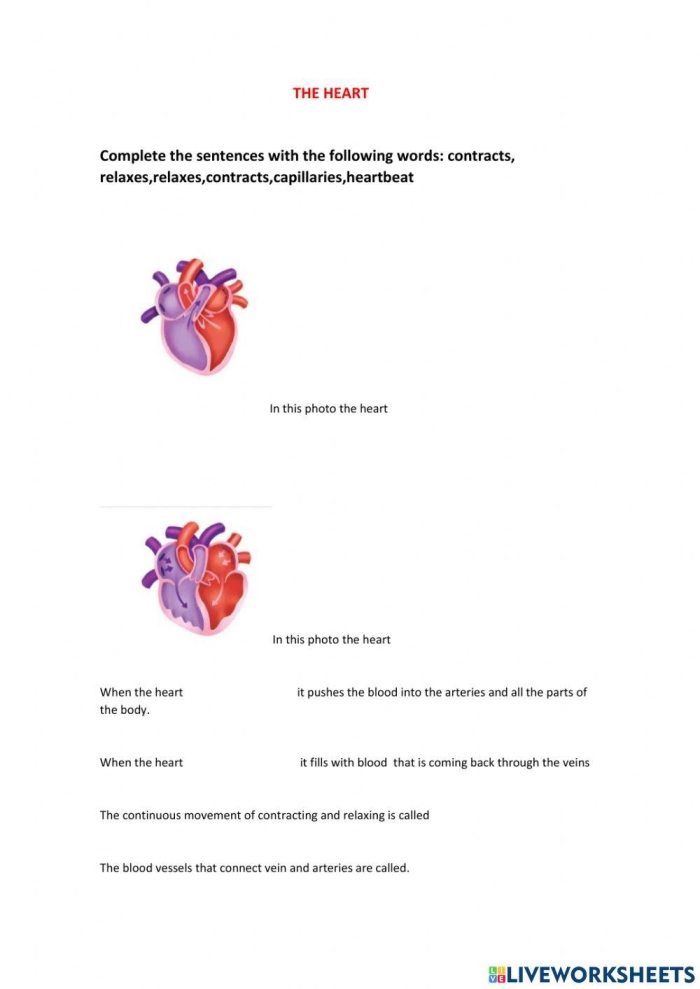
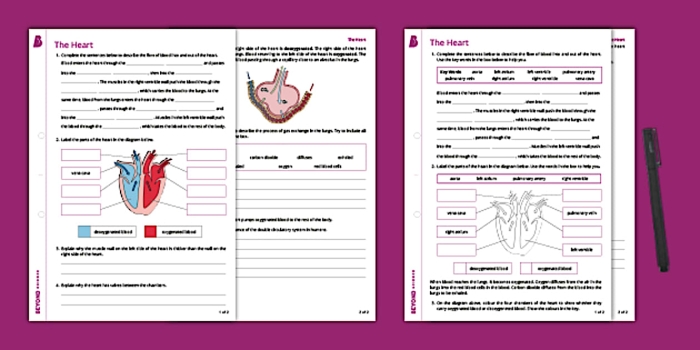
To further enhance their learning, consider using printable worksheets focused on the heart and its functions. These resources can provide engaging activities that reinforce the material learned in class. Students can label parts of the heart, trace the flow of blood, or even explore how lifestyle choices affect heart health.
Incorporating hands-on activities and visual aids into lessons about the heart can make this essential topic come alive for your fourth graders. By fostering a deeper understanding of their bodies, you empower them to appreciate their health and well-being.
Grab These Worksheets Now