Understanding the power of sensory words can transform a young writer’s work from plain to vivid. This is especially true for third graders, who are starting to explore the rich possibilities of language. A simple yet effective worksheet invites students to compare sentences that incorporate sensory words with those that do not. The difference is striking and serves as a valuable lesson in the impact of descriptive language.
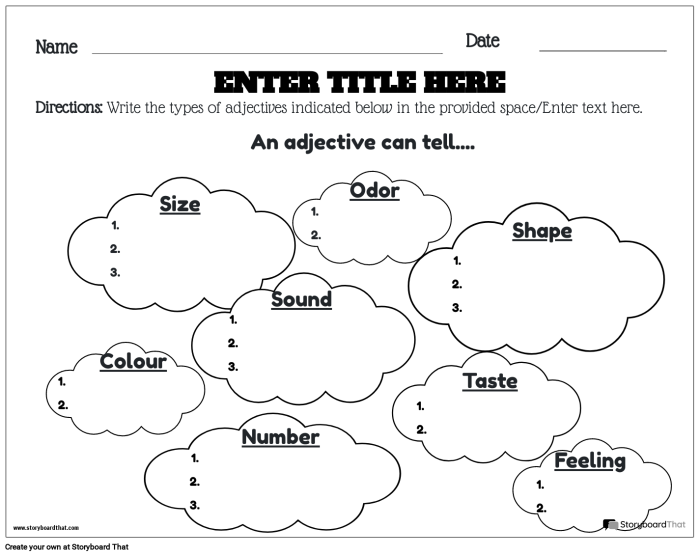
When young writers engage with this worksheet, they are asked to analyze two versions of the same sentence. For instance, consider the difference between “The cake was sweet” and “The cake was a fluffy cloud of sweetness, topped with rich, creamy frosting.” The first sentence gives minimal information, while the second paints a picture that appeals to the senses. By making this comparison, students learn that sensory words—those that describe how things look, sound, smell, taste, and feel—bring their writing to life.
This exercise is not just about improving vocabulary; it also enhances overall writing skills. As children practice using sensory words, they become more aware of their audience. They learn to think about what emotions they want to evoke and how to create imagery that resonates with readers. This skill will serve them well, not just in their current writing tasks but throughout their academic journey.
Incorporating sensory words can be particularly beneficial in third-grade reading activities. For example, while studying topics like ancient Egypt, students can use worksheets to create descriptive paragraphs that engage their peers. Imagine them describing the pyramids not just as large structures, but as monumental creations that shimmer under the hot sun, surrounded by the sounds of bustling markets. This kind of writing can elevate their understanding and retention of the subject matter.
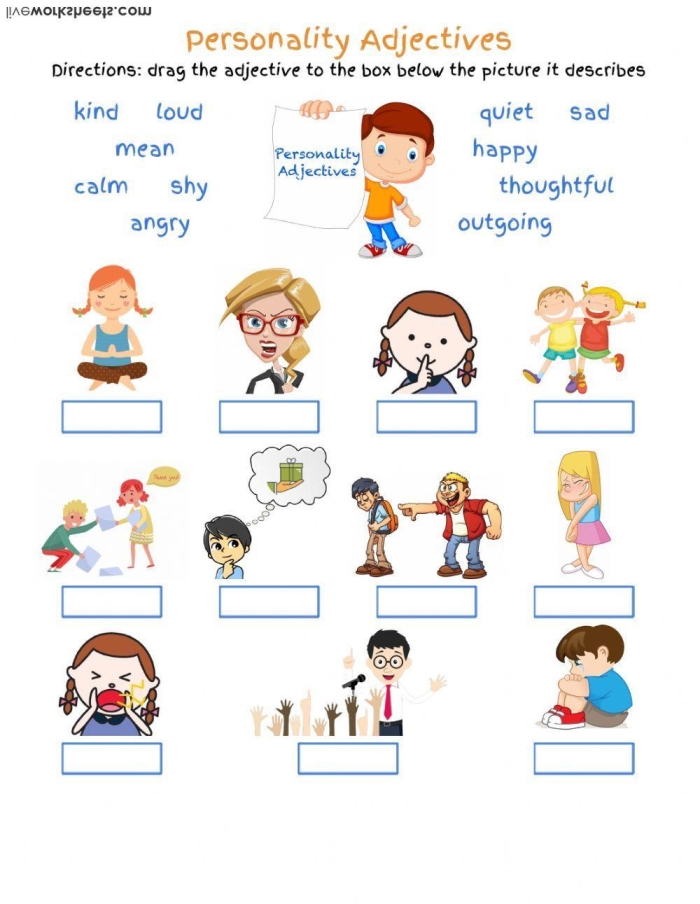
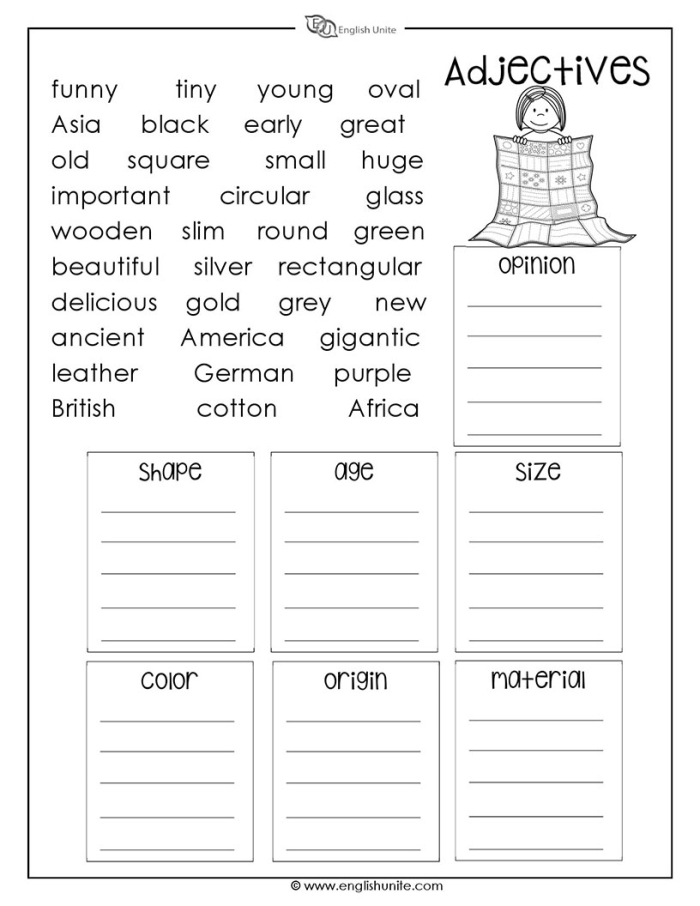
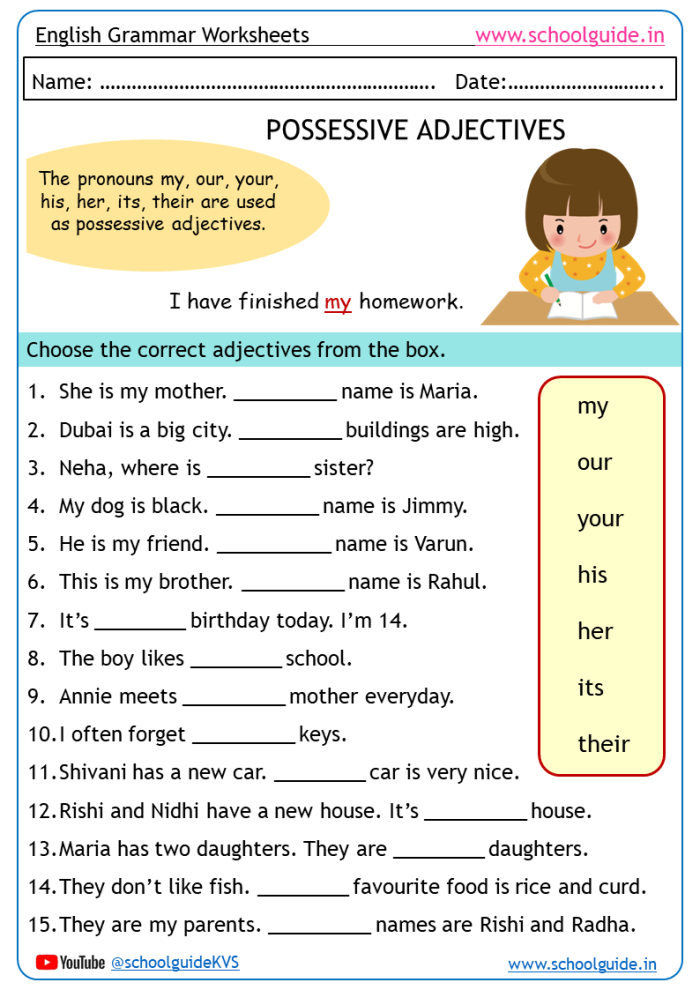
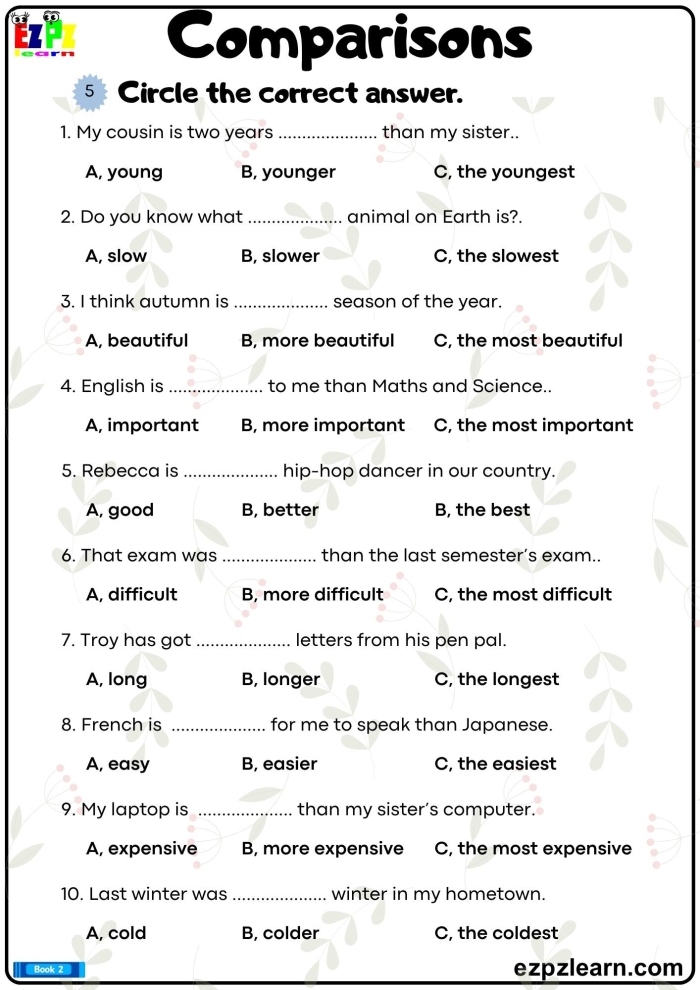
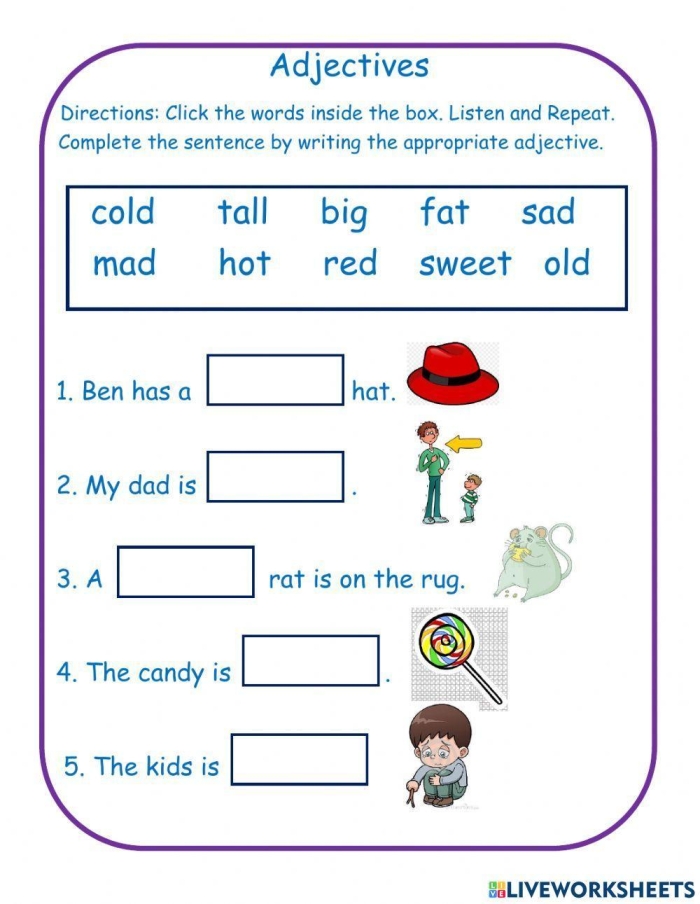
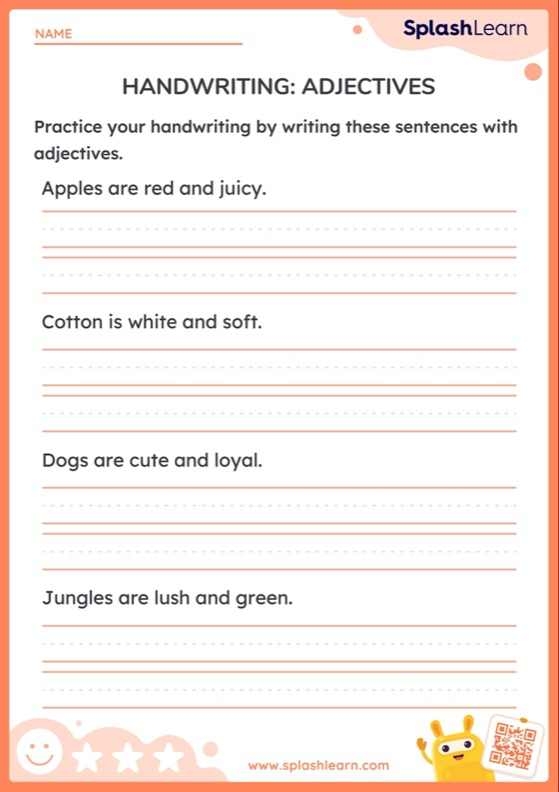
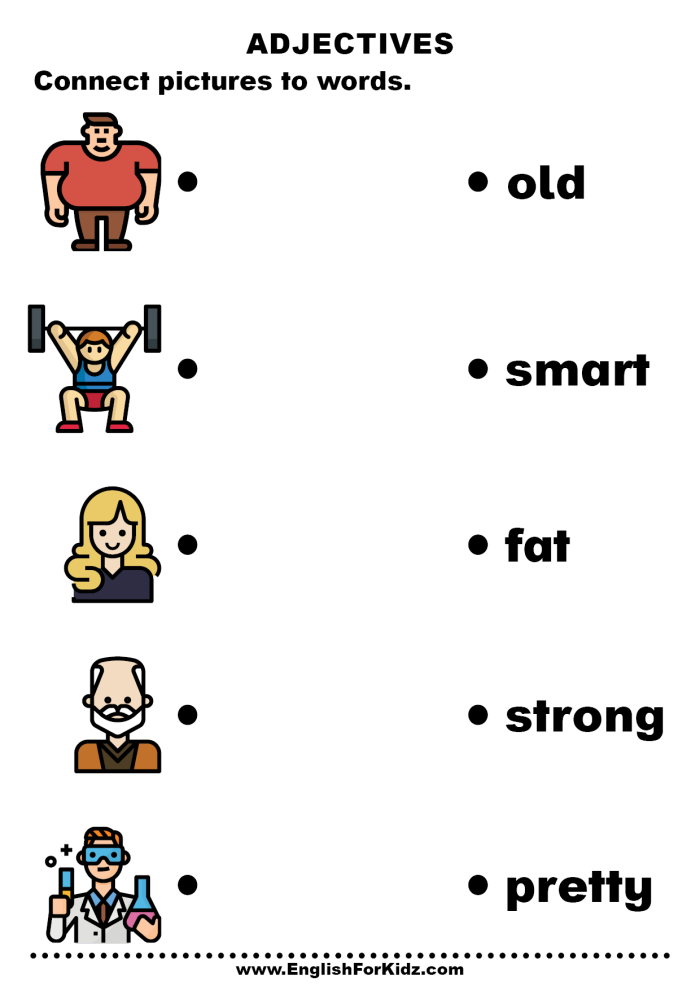
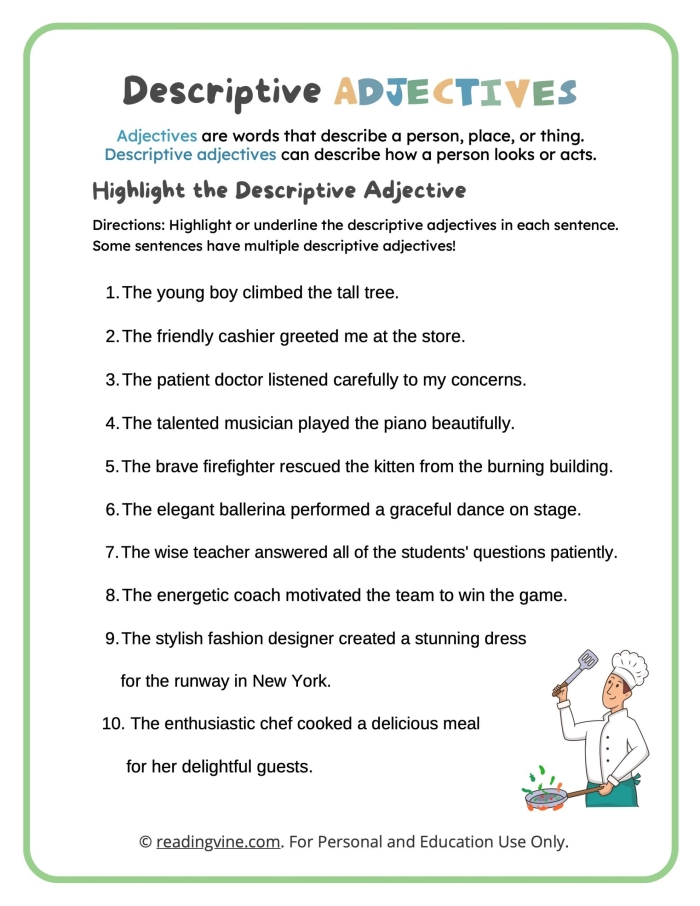
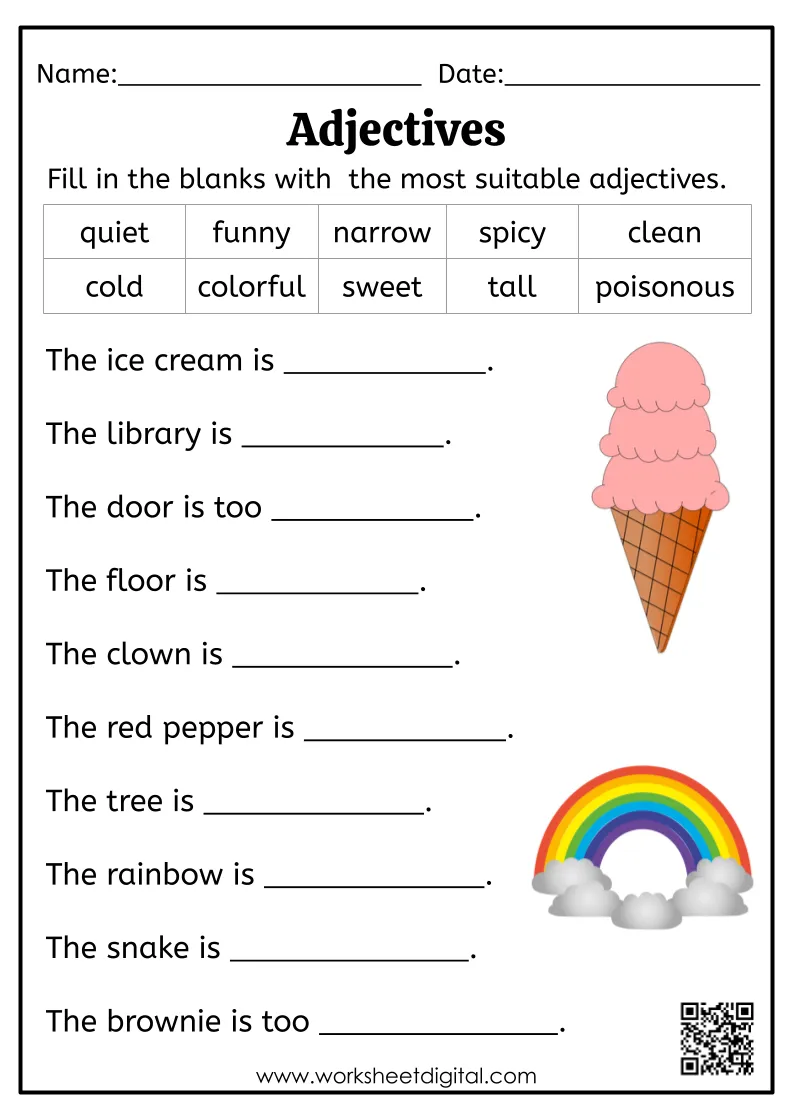
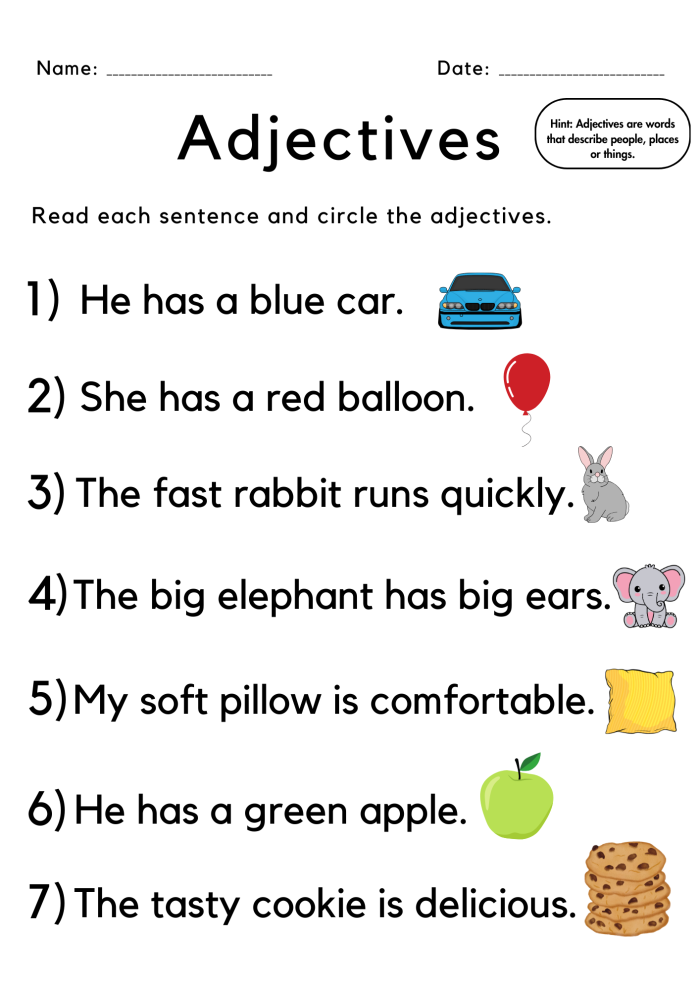
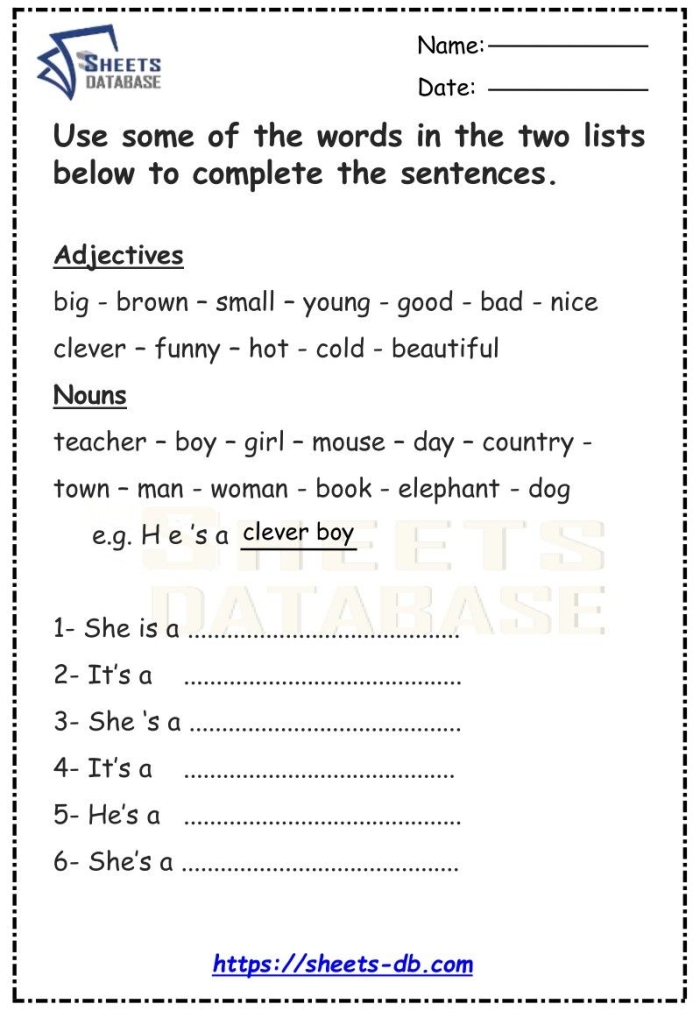
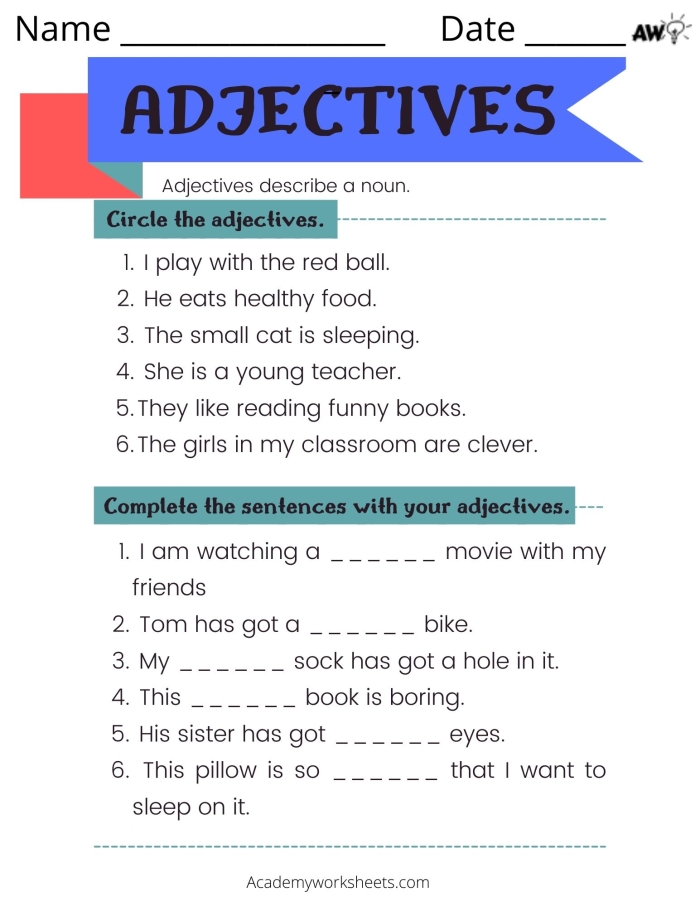
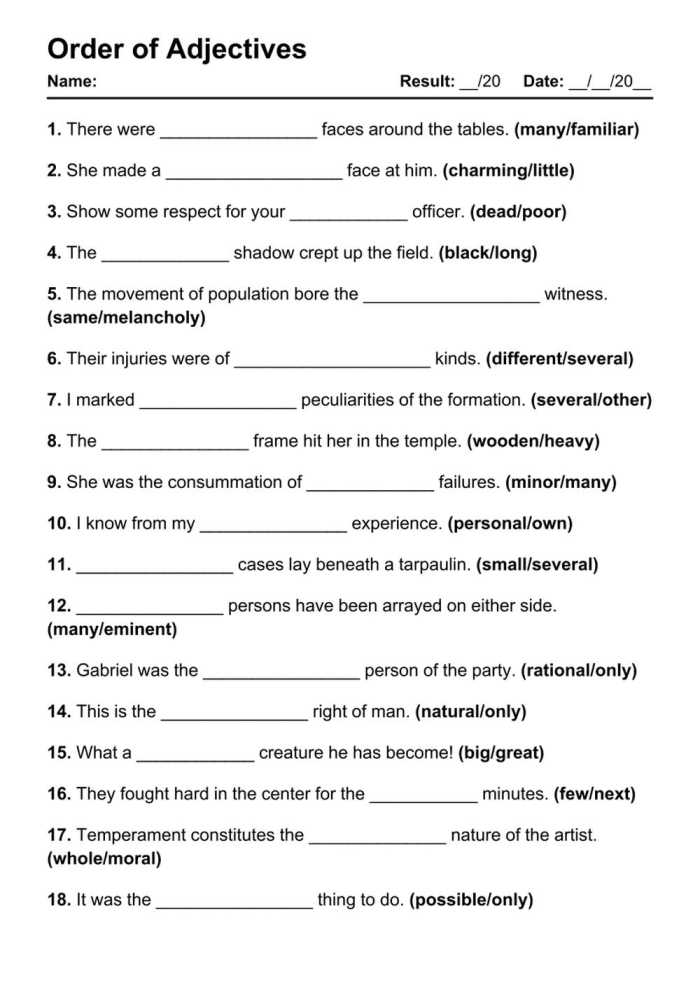
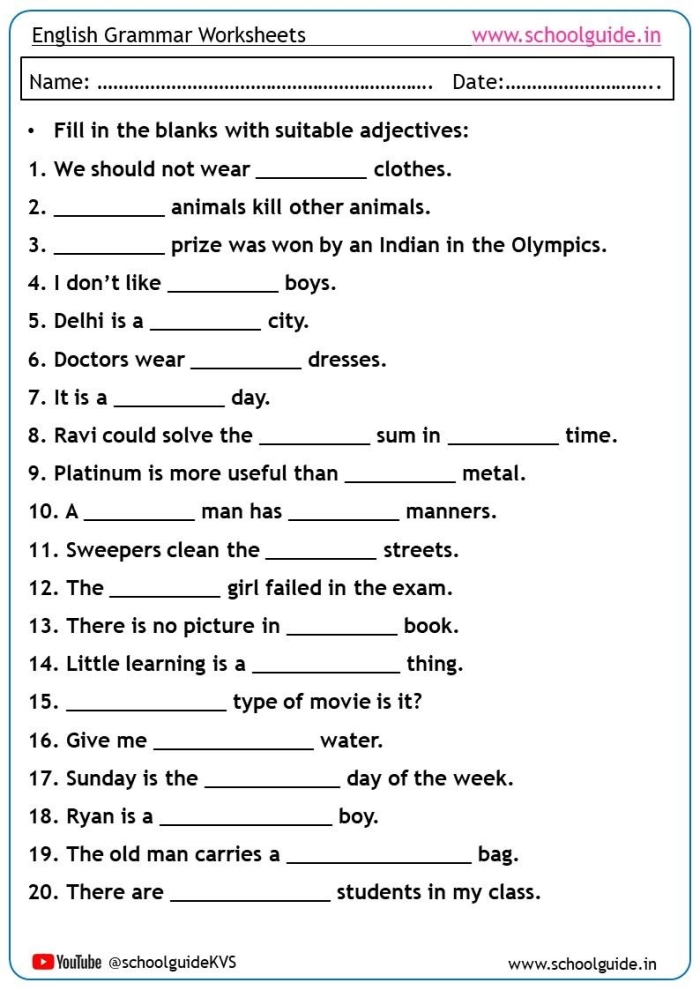
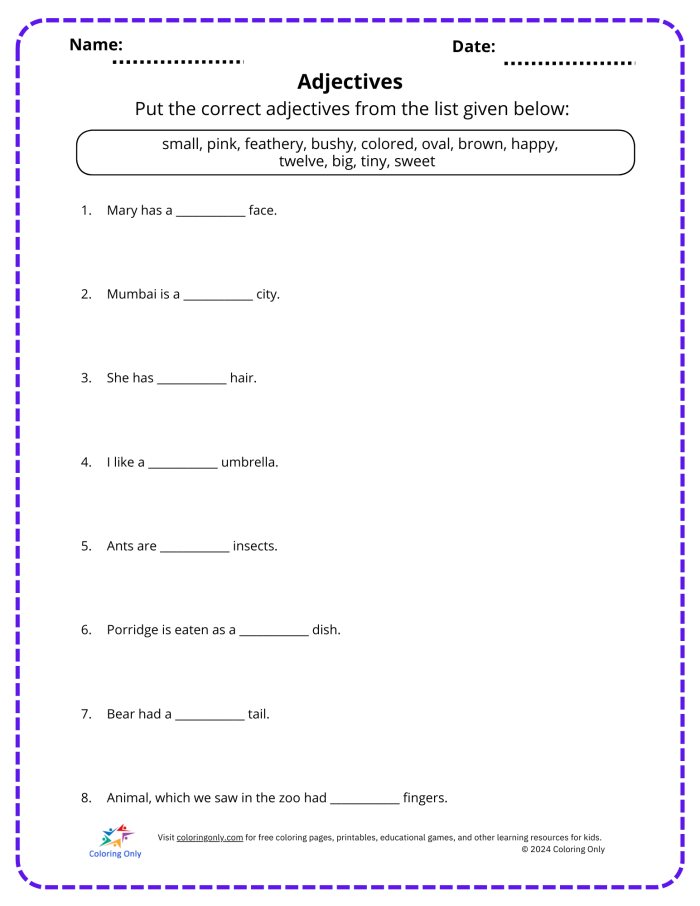
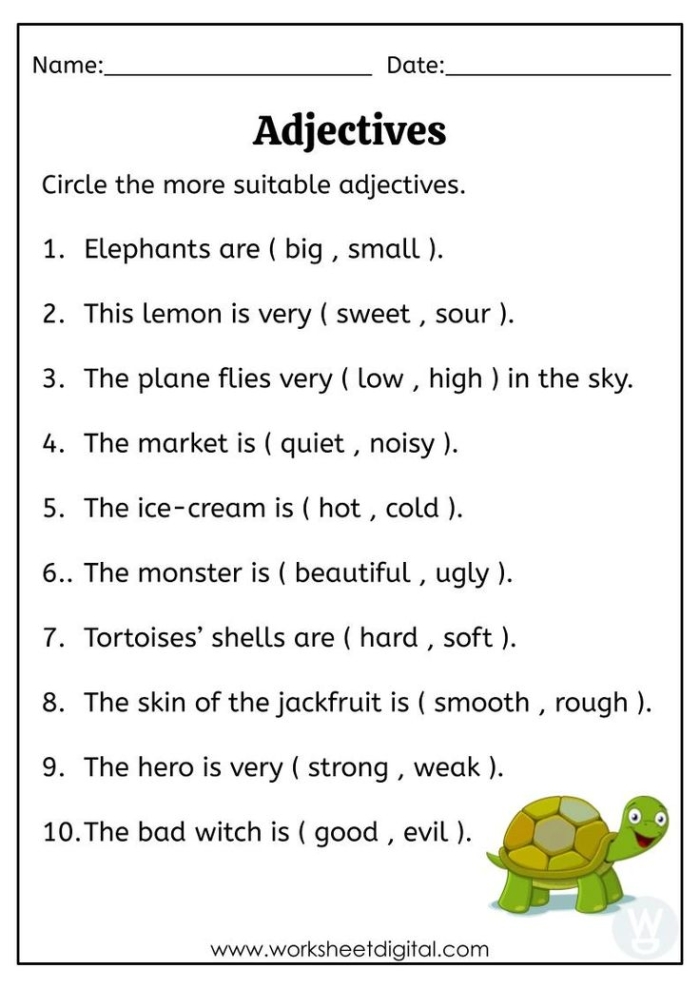
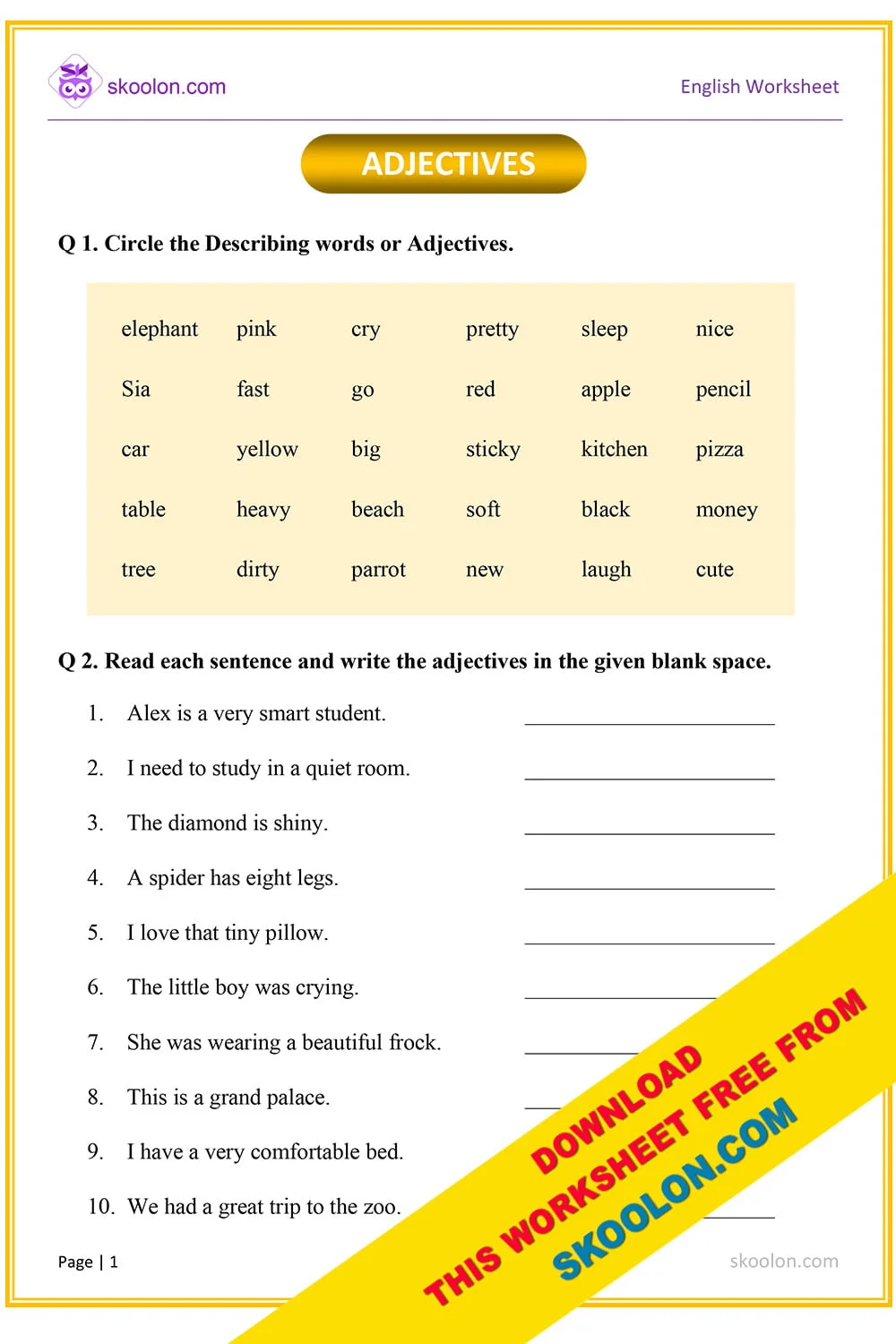
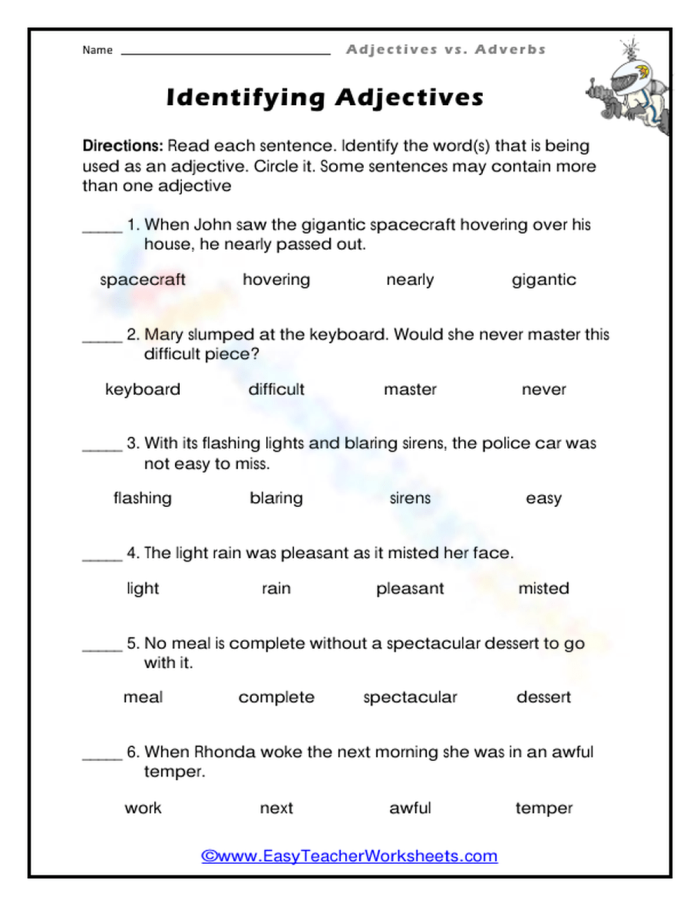
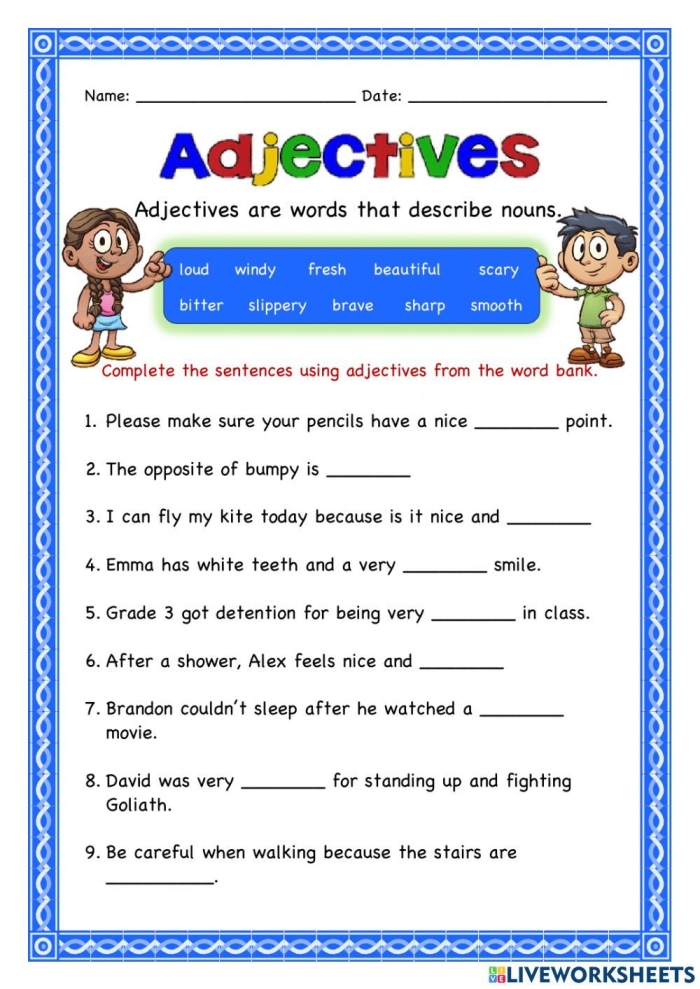
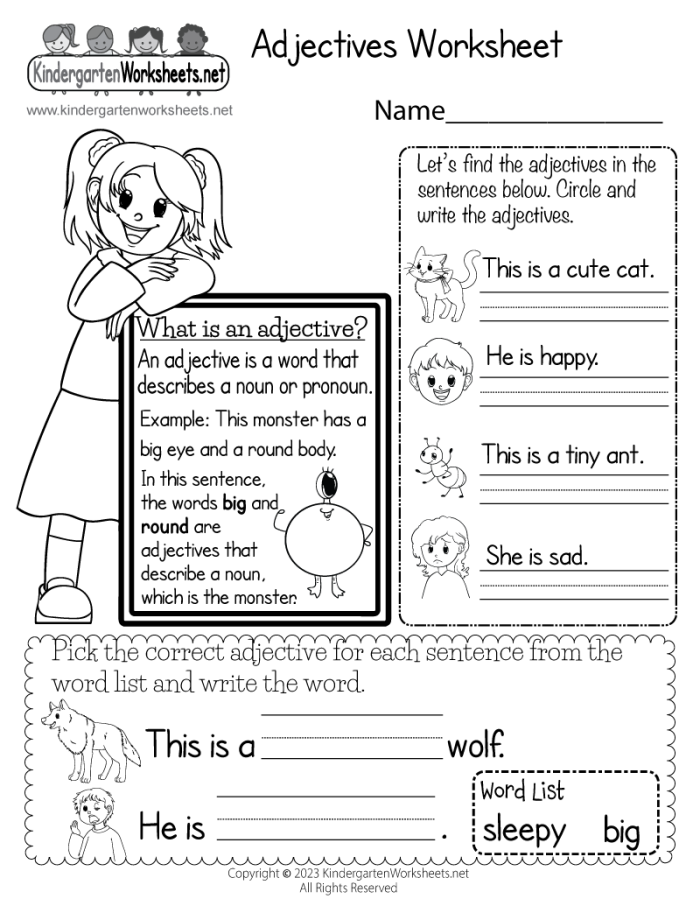
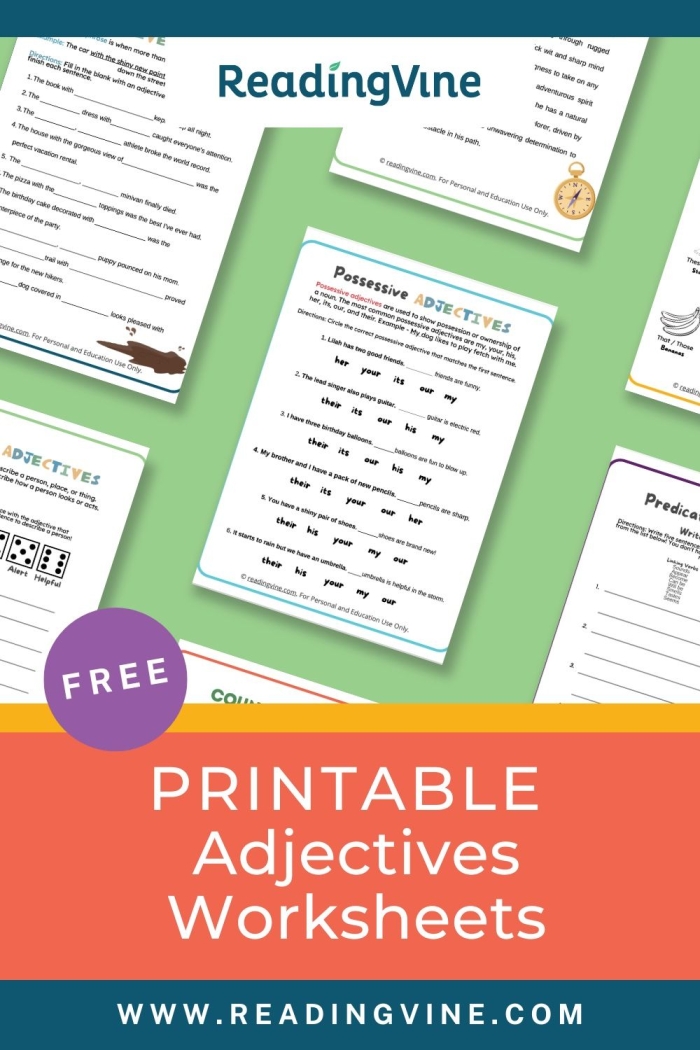
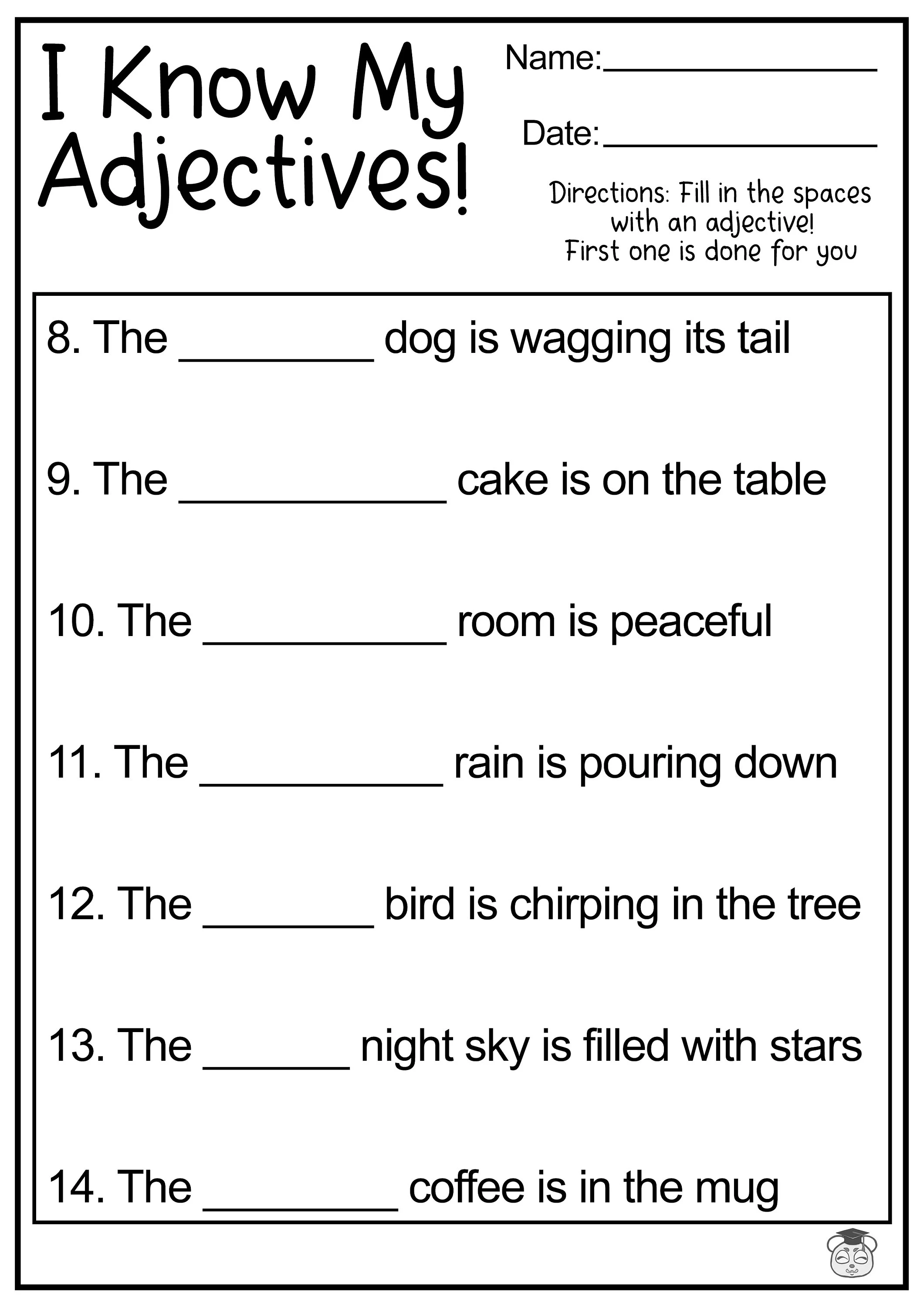
Worksheets that focus on writing with adjectives are readily available, and they provide an excellent foundation for these essential skills. By exploring the difference sensory words can make, young writers will not only improve their writing but also their ability to communicate effectively. The journey of enhancing their writing begins with simple, engaging activities that make learning enjoyable and impactful.
Grab These Worksheets Now