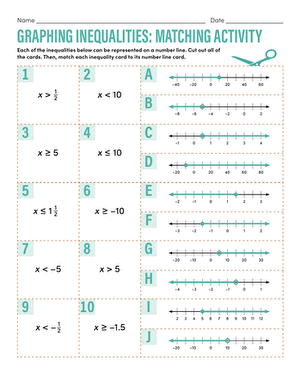
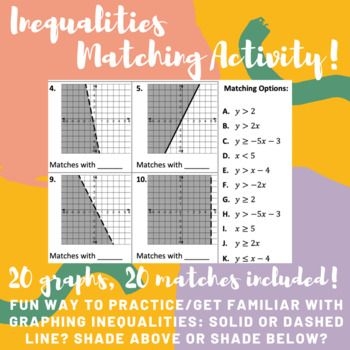
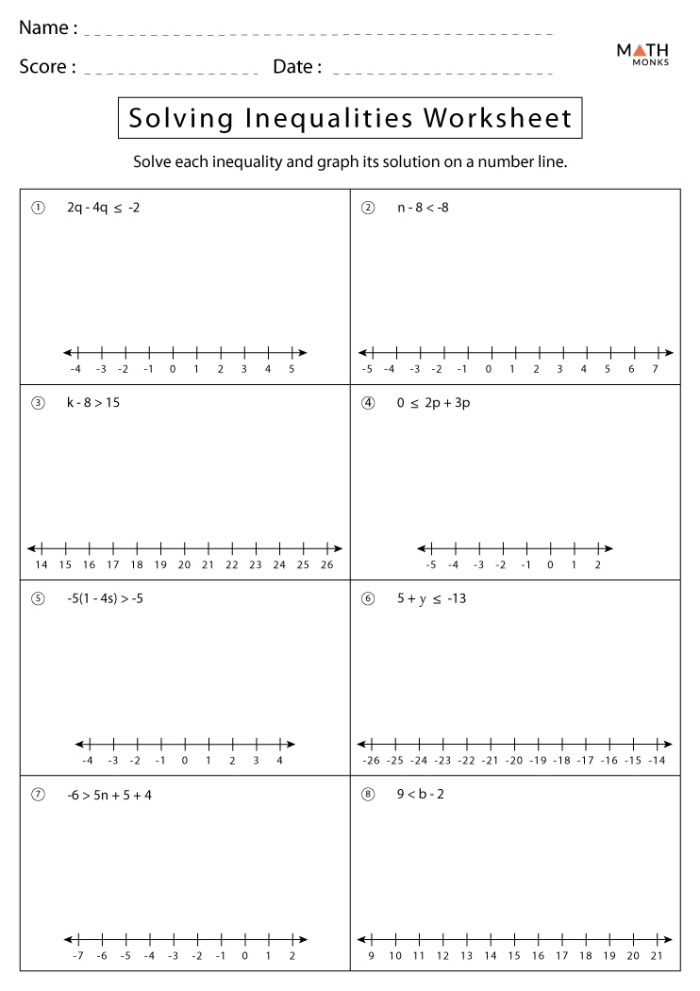
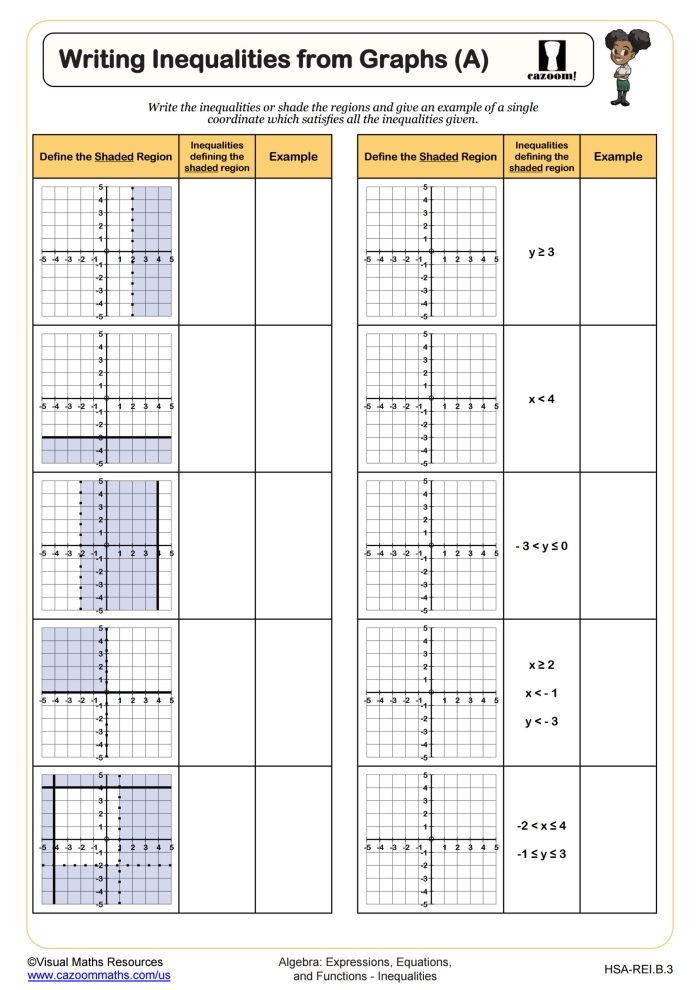
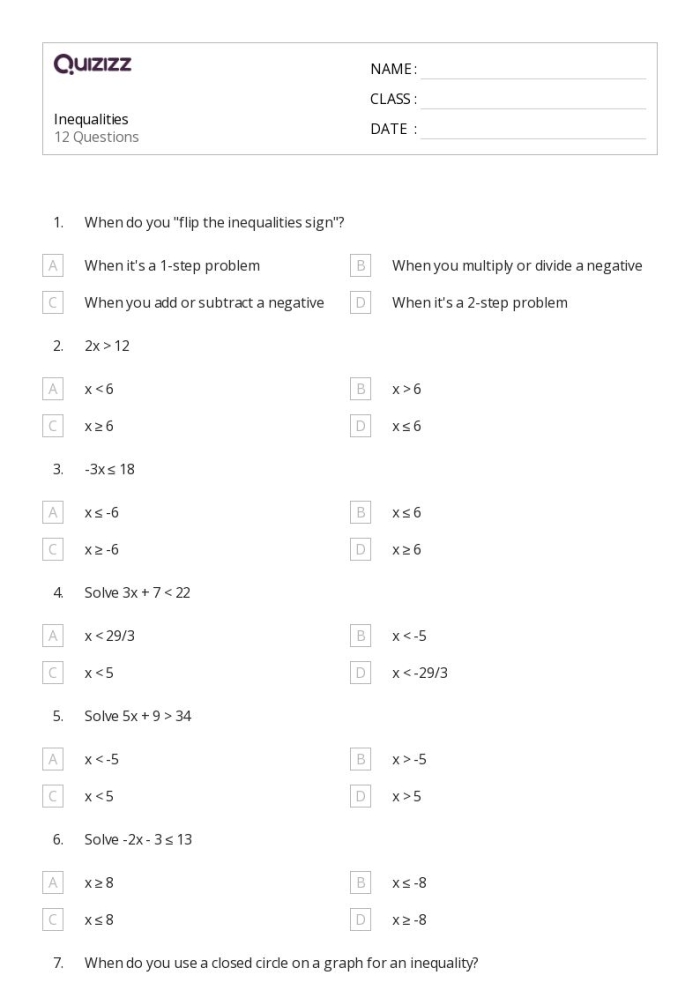
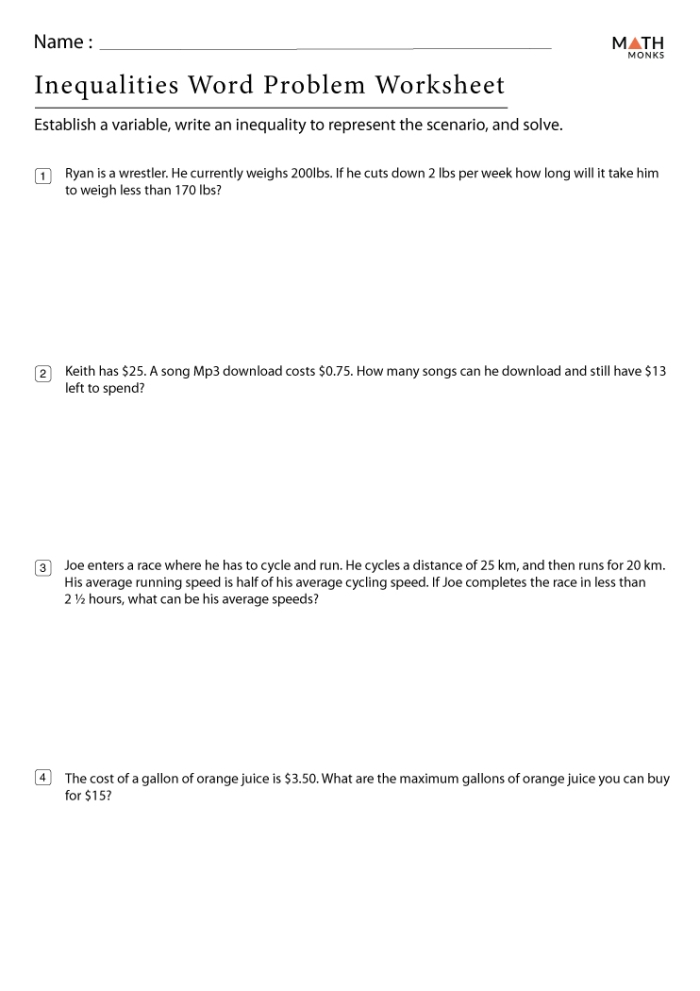
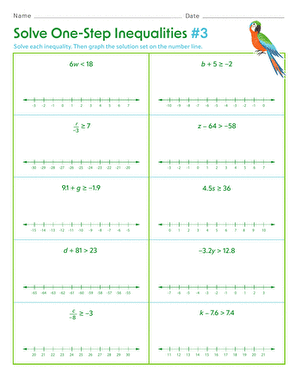
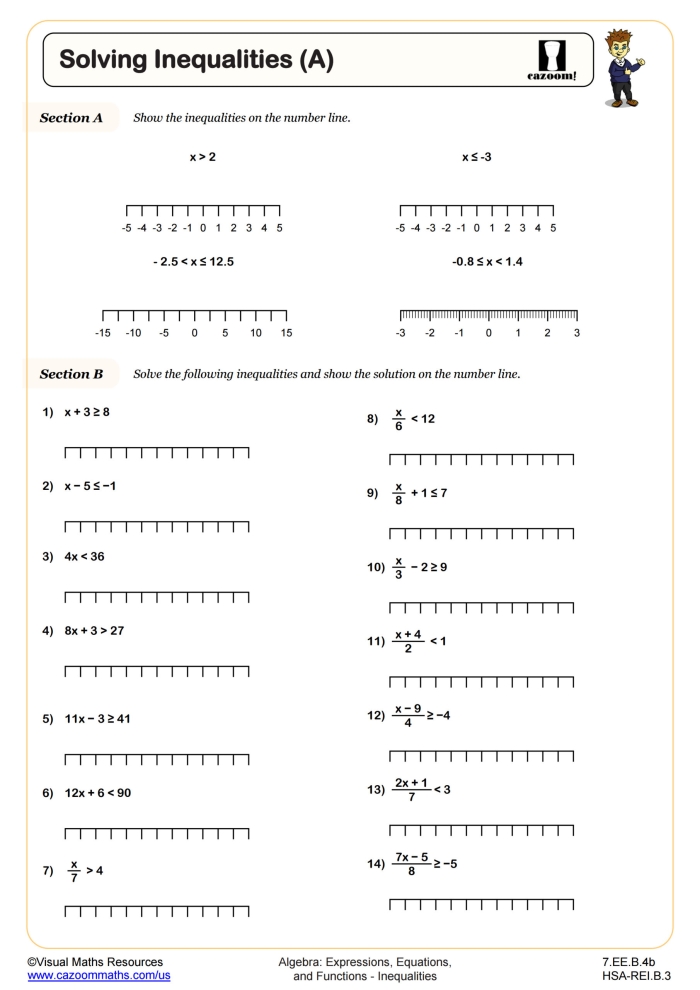
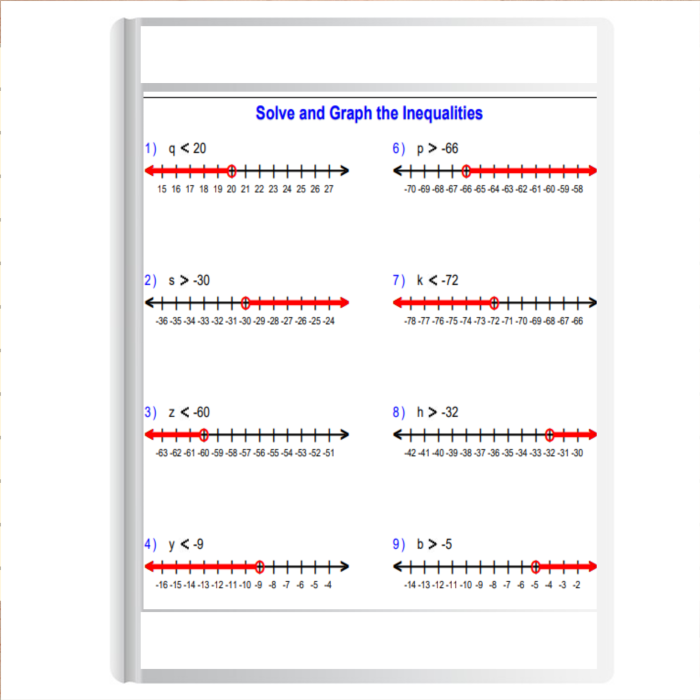
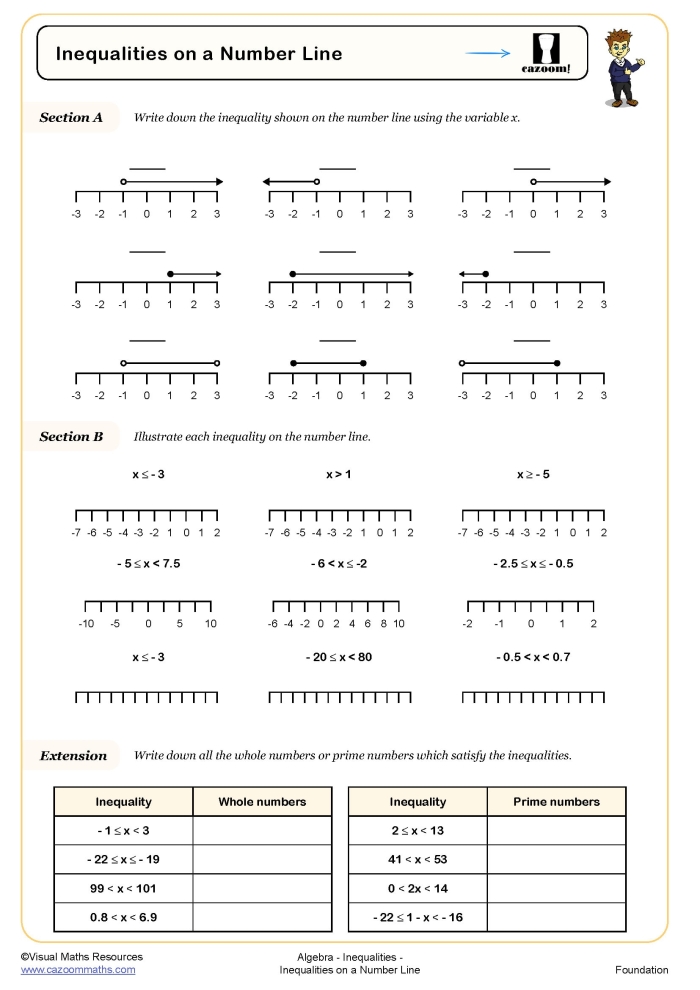
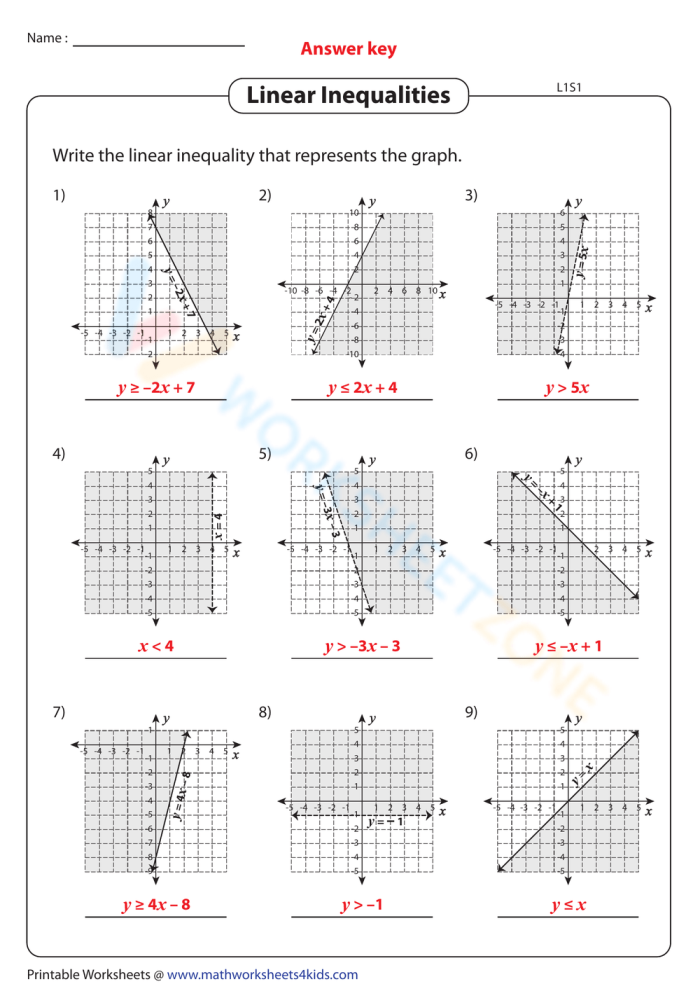
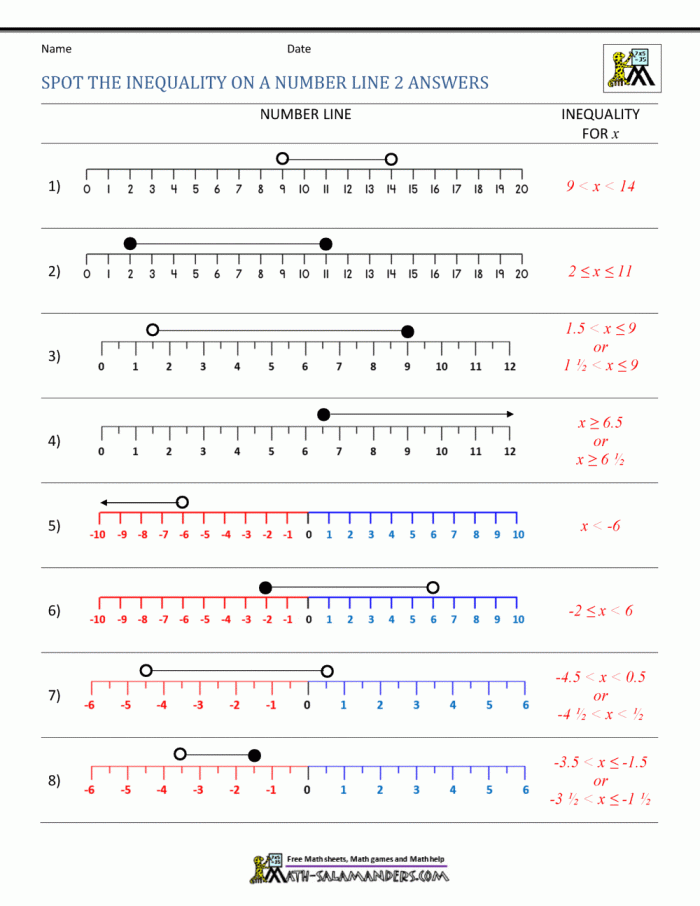
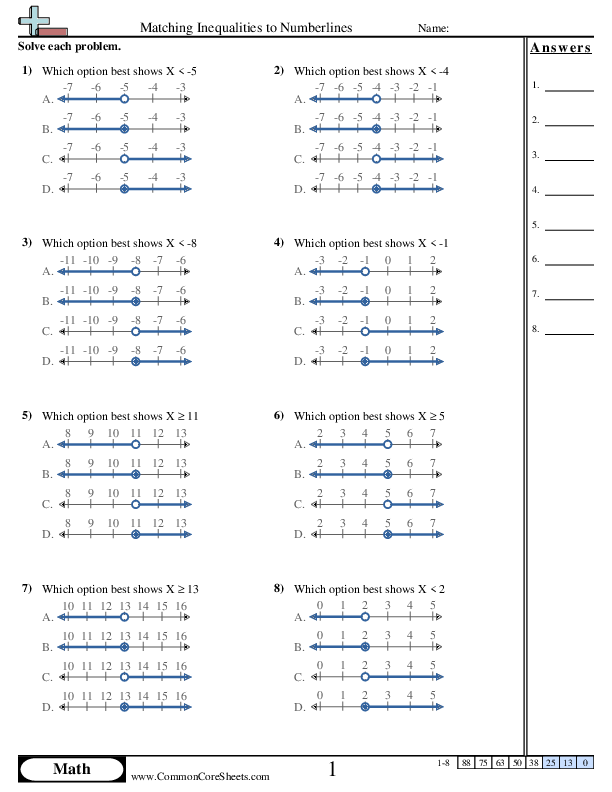
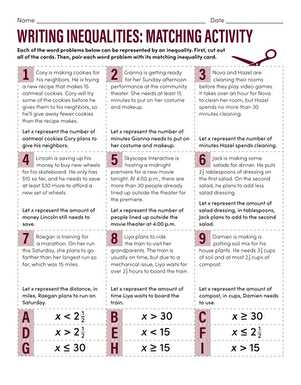
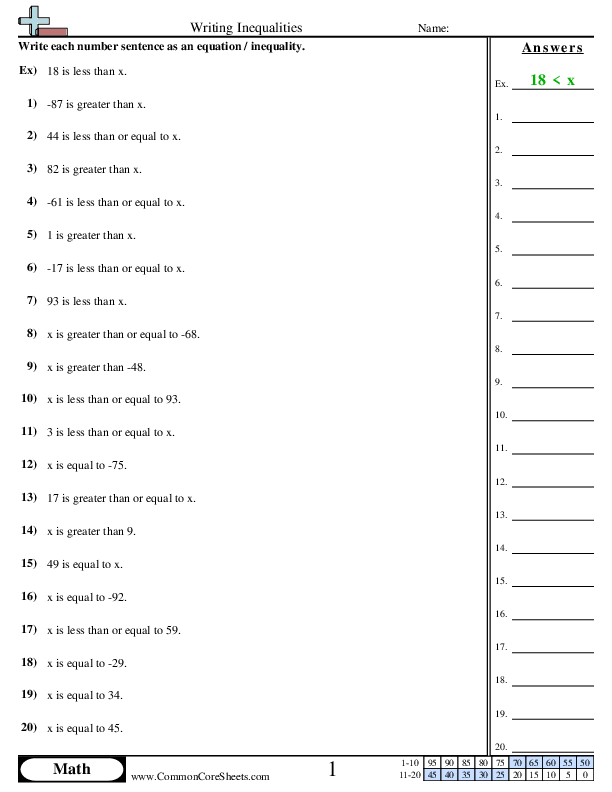
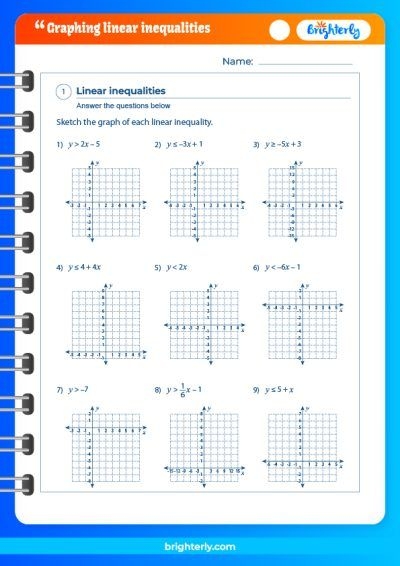
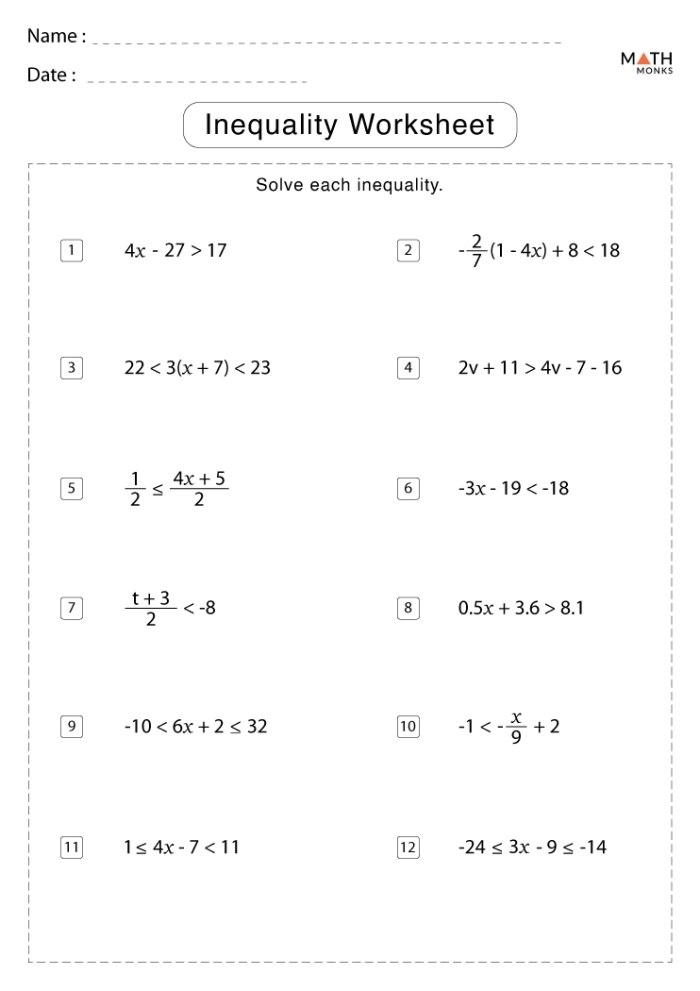
Getting sixth grade students to connect word problems with algebraic inequalities can feel like asking them to speak two languages at once. A card matching activity bridges that gap by making the translation process visual and interactive, turning abstract symbols into concrete scenarios that actually make sense.
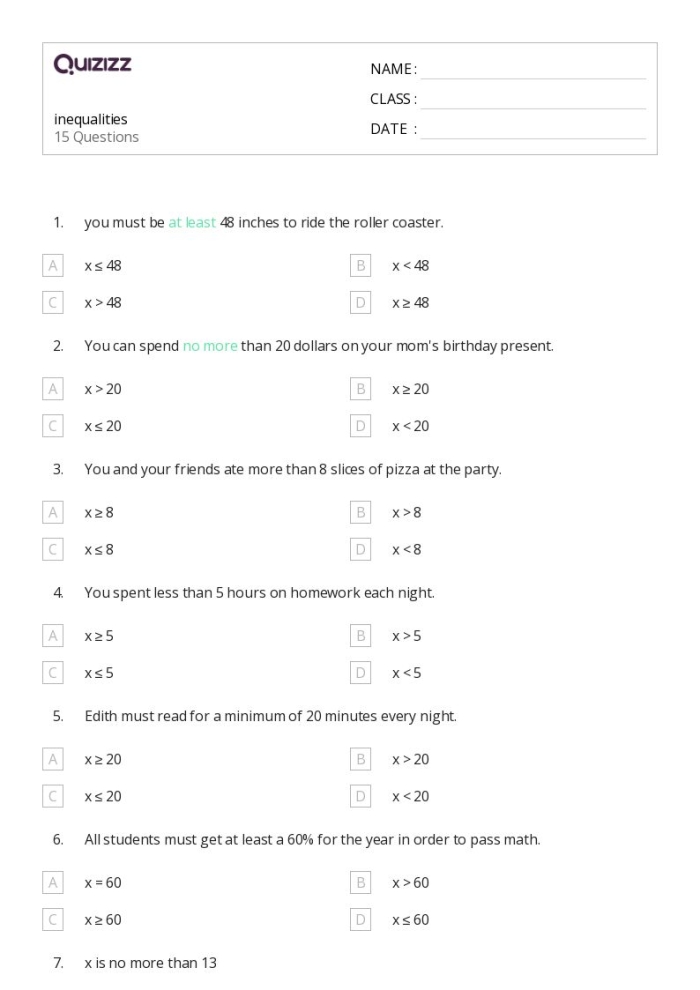
The strength of this approach lies in how it forces students to slow down and read carefully. When a student matches a card showing “x > 5” to a word problem about a minimum age requirement, they’re not just memorizing notation. They’re building the vocabulary and conceptual understanding that underpins algebra. Sixth grade is the perfect time to establish these foundations before inequalities become more complex in later courses.
The matching format works because it removes some of the pressure that comes with traditional problem-solving. Students can see multiple options and reason through them, comparing how different inequality symbols translate to different real-world constraints. Does the problem say “at least” or “more than”? That distinction matters, and the cards make it visible.
This activity also accommodates different learning speeds. Some students will immediately recognize patterns between the symbolic and verbal representations, while others benefit from the repetition of seeing multiple examples. The kinesthetic element of physically moving cards around helps reinforce the connections in a way worksheets sometimes don’t.
You can extend this work by having students create their own word problems to match existing inequality cards, or by connecting the skill to other mathematical contexts. Similar matching approaches work well with fraction problems or multiplication scenarios, where vocabulary precision matters just as much.
The printable format makes implementation straightforward. Print the cards, cut them out, and you’re ready to use them with small groups or the whole class. Students leave with a clearer sense of how the symbols they write actually represent real constraints and relationships in the world around them.
Download These Worksheets for Practice