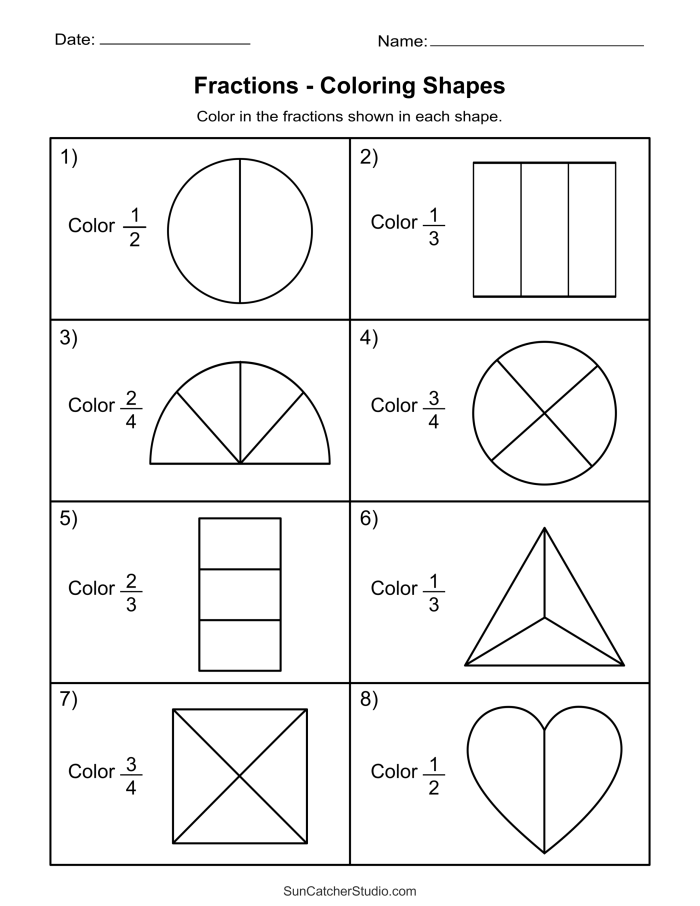
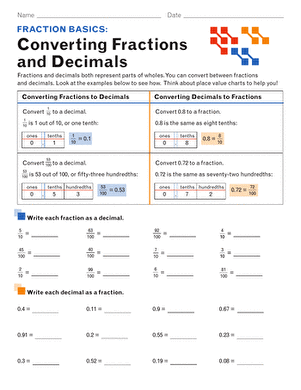
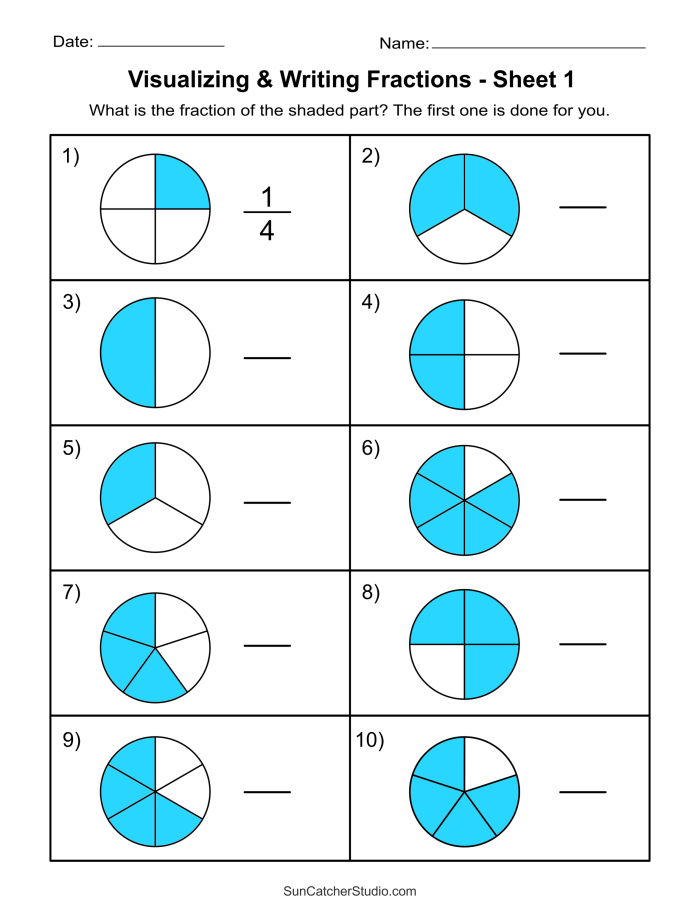
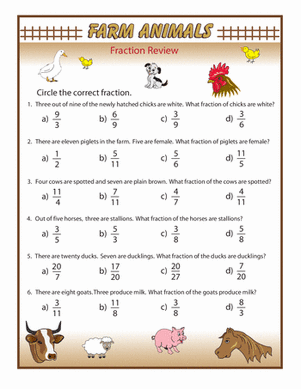
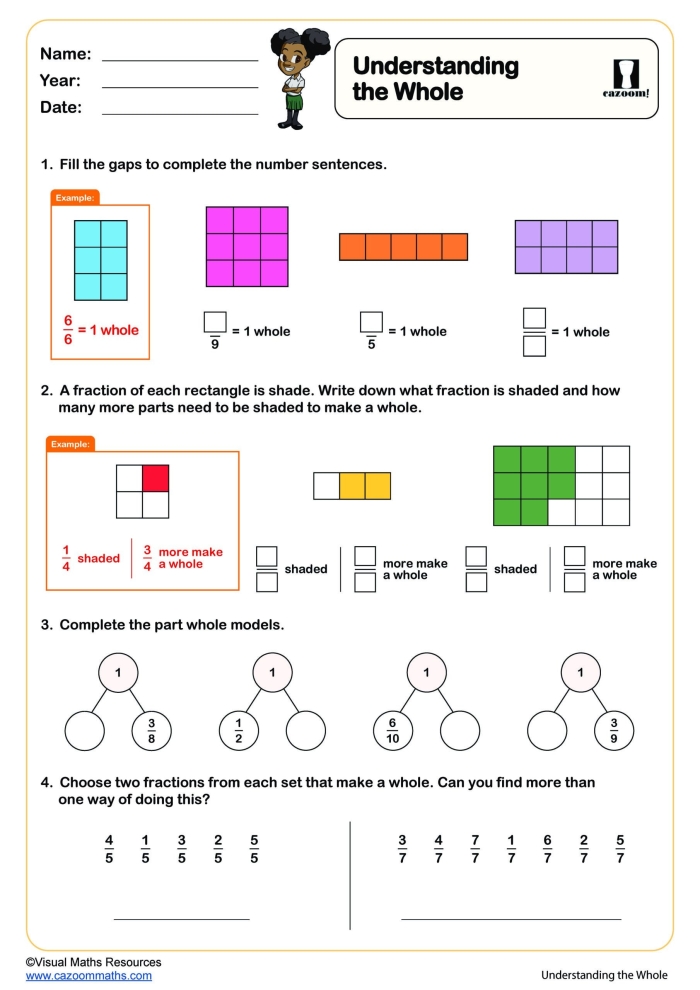
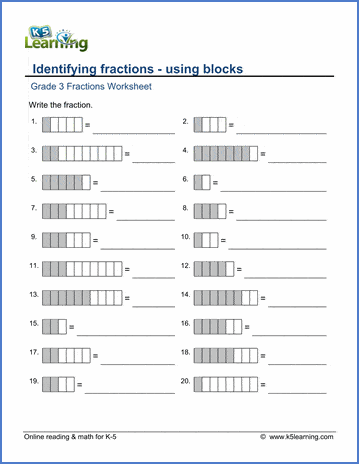
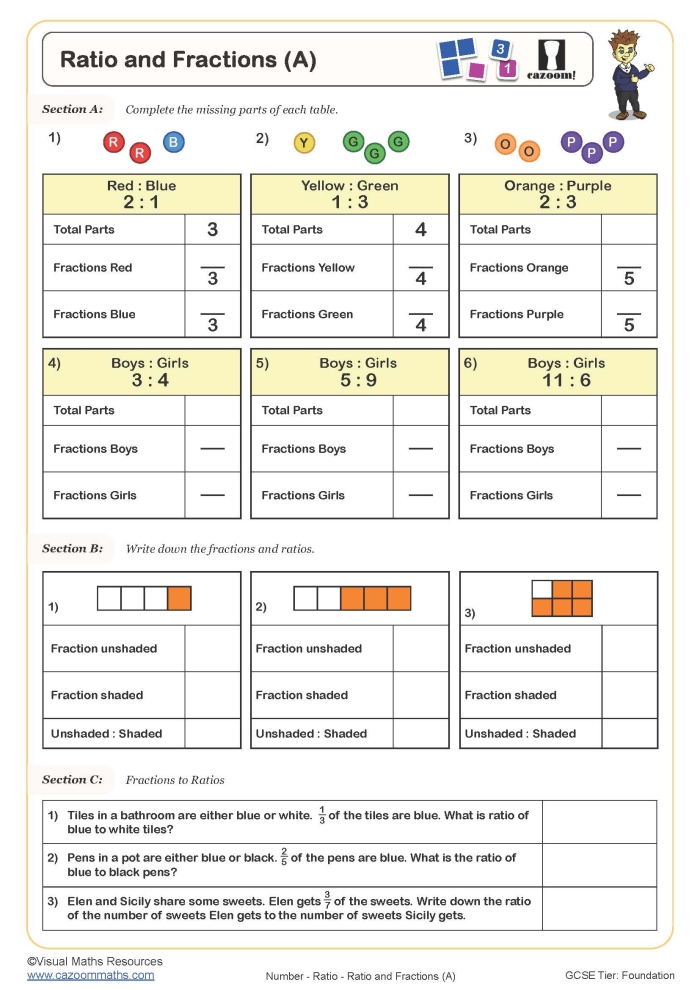
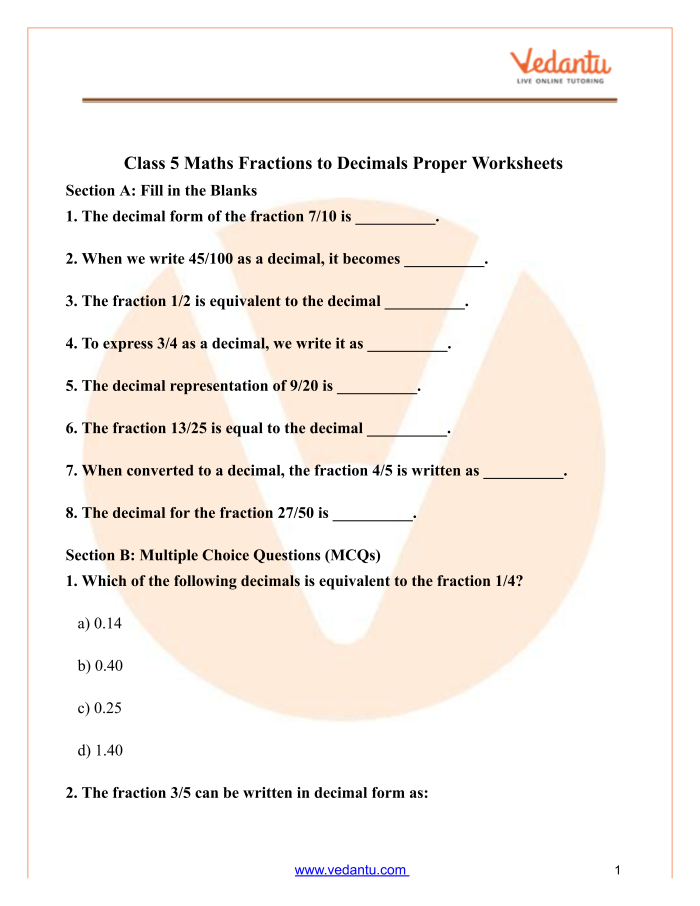
When third graders first encounter fractions, the abstract nature of the concept can feel overwhelming. Numbers split into parts, denominators and numerators, equal divisions of a whole—it’s a lot to process. That’s where visual learning becomes essential, and this particular worksheet approach cuts through the confusion by anchoring fractions directly to something students can see and touch.
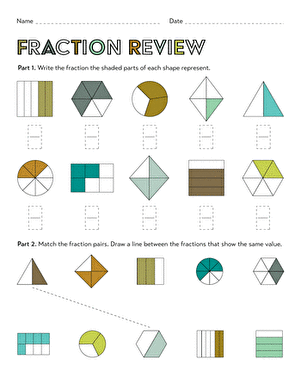
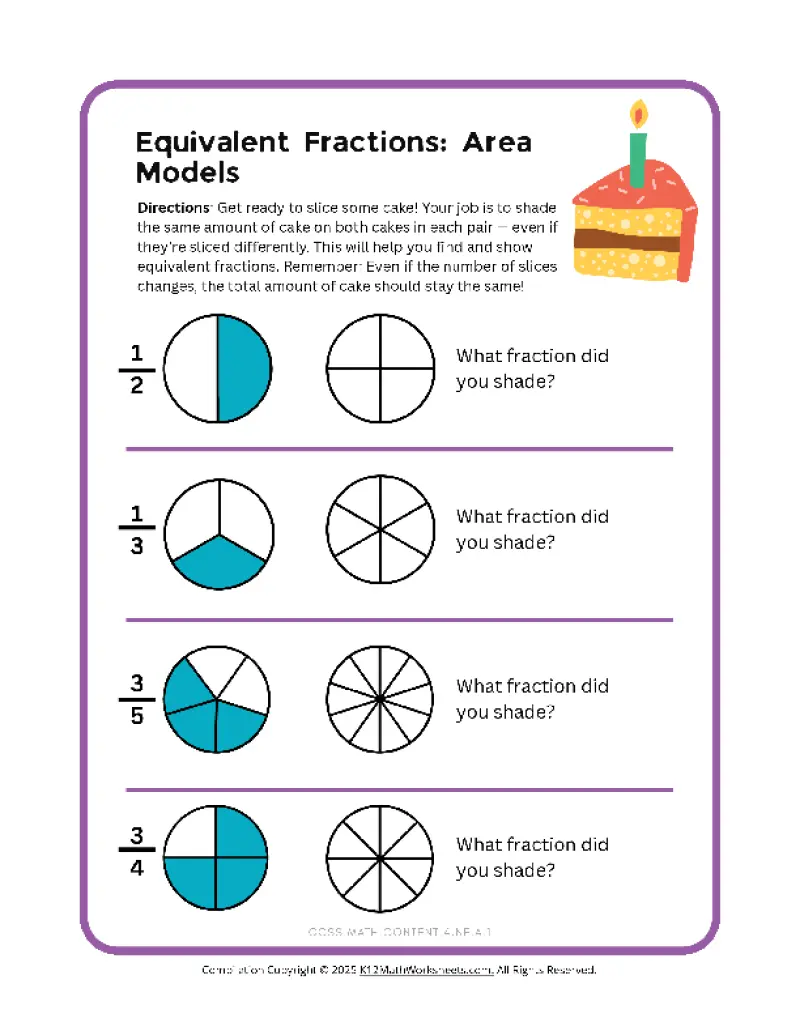
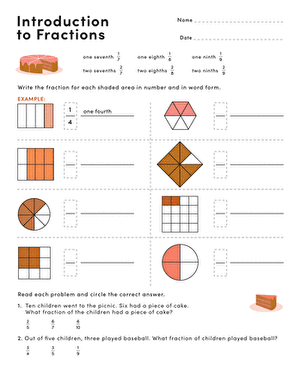
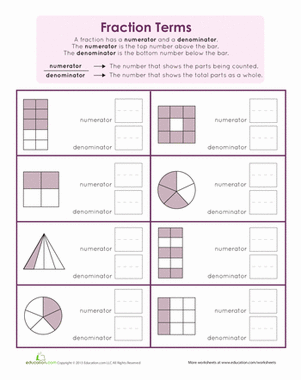
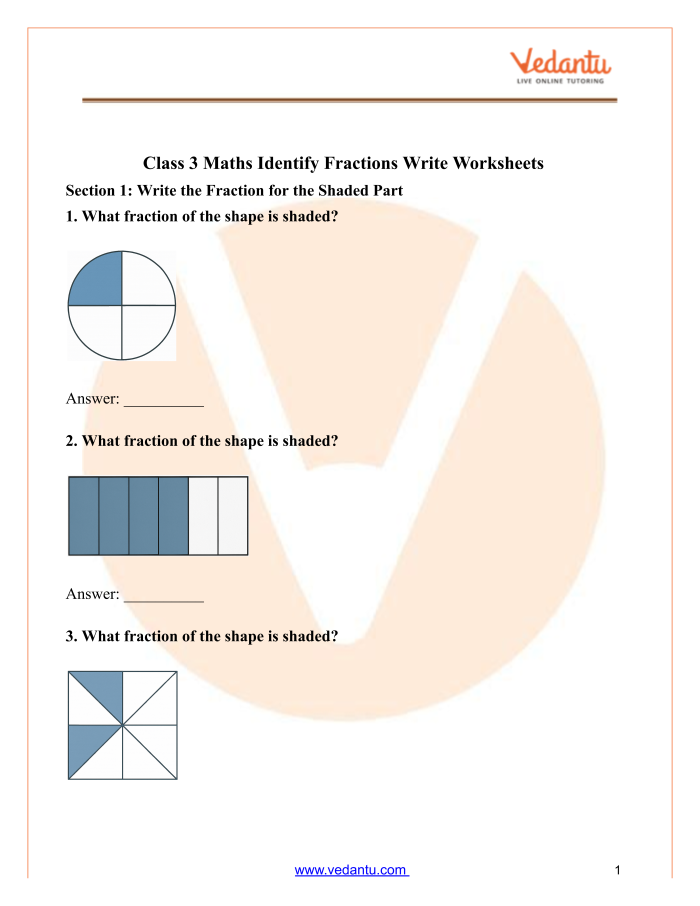
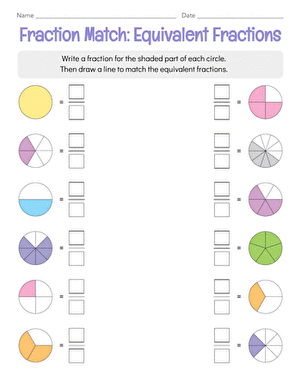
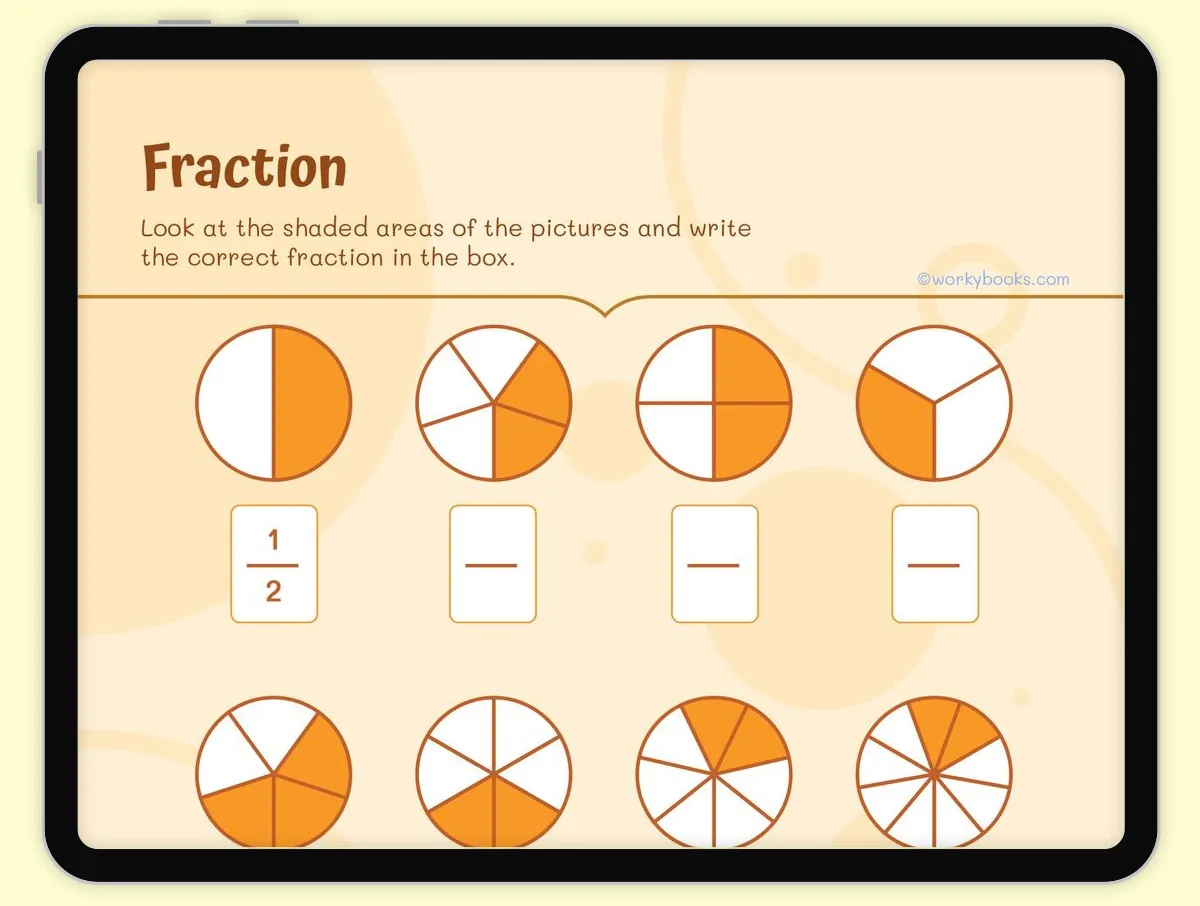
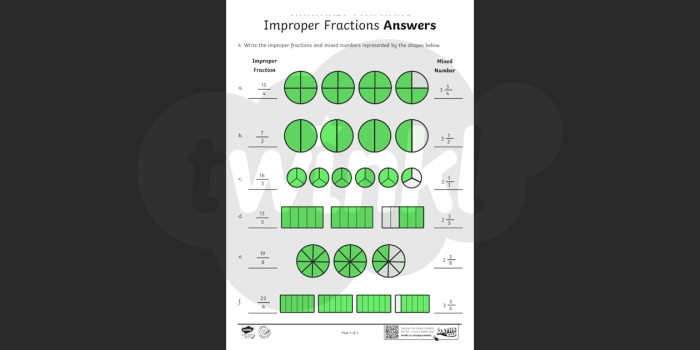
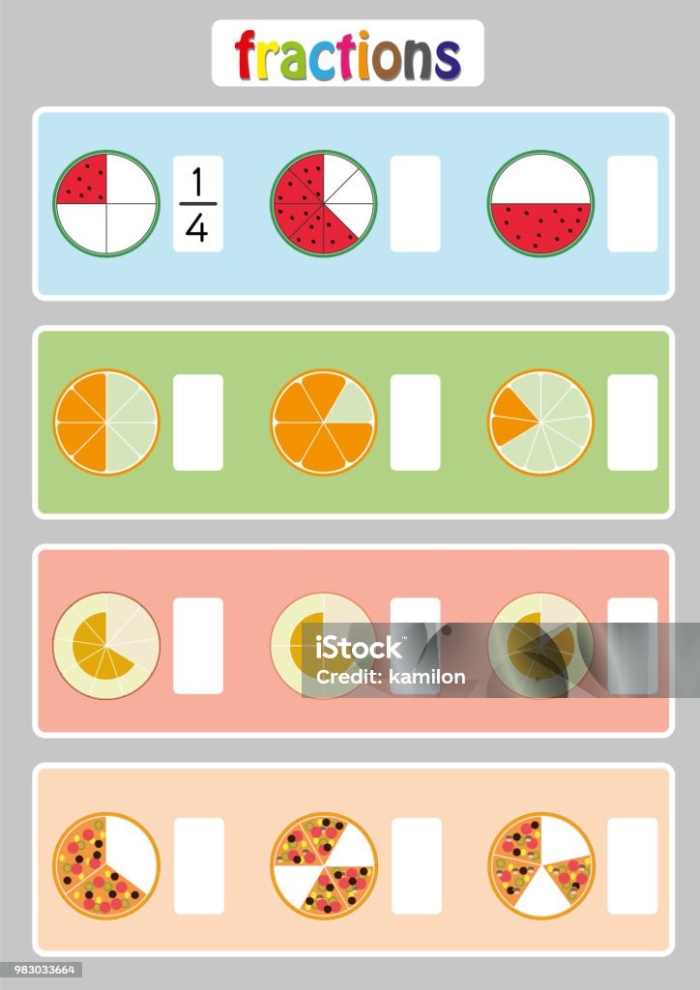
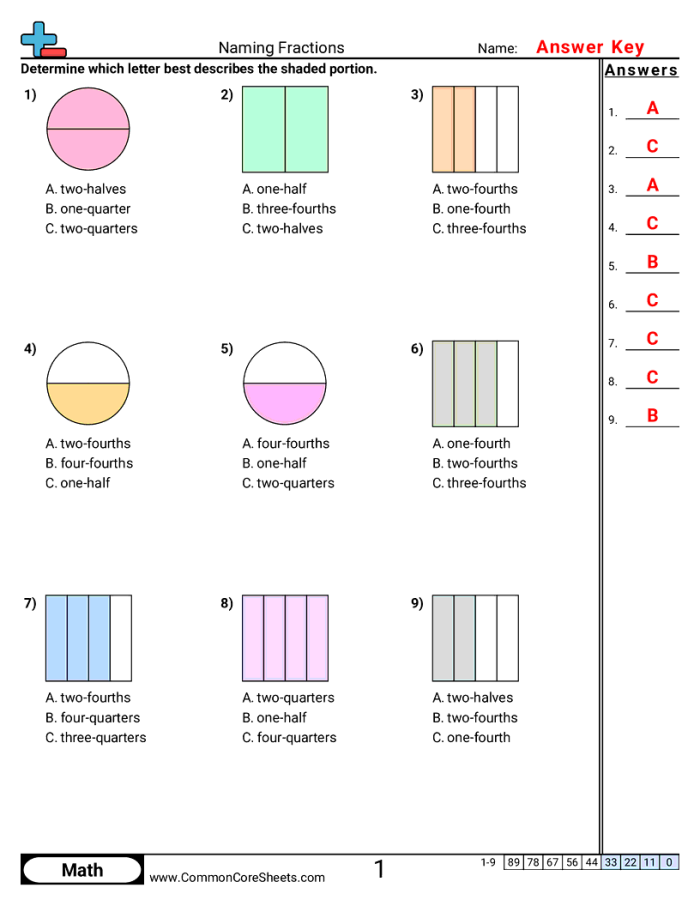
The worksheet presents students with a series of shapes, each divided into equal sections with some portions shaded in. A student’s job is straightforward: look at the shape, count the total number of sections, count how many are shaded, and write the corresponding fraction. A circle split into four parts with two shaded becomes 2/4. A rectangle divided into six sections with three colored in becomes 3/6. This hands-on method transforms fractions from abstract symbols into concrete visual representations.
What makes this approach effective is that it builds fraction understanding from the ground up. Students aren’t memorizing rules or following formulas. Instead, they’re developing an intuitive sense of what fractions actually represent: a part of a whole. By repeatedly connecting visual images to numerical expressions, students internalize the relationship between the shaded area and the fraction that describes it.
Third grade is the ideal time for this type of foundational work. Students have developed enough mathematical reasoning to understand equal parts and basic counting, but they haven’t yet been overwhelmed by fraction operations. Worksheets like this one prepare them for more complex fraction work later, whether that involves comparing fractions or solving word problems involving fractional amounts.
Teachers often pair these visual fraction exercises with other practical activities, such as budgeting for a holiday meal using fractions, which helps students see how fractions apply to real-world scenarios beyond the classroom.
Start Practicing with These Worksheets